Chapter 1: Part 1 — The Adventures of Tom Sawyer, Complete
PART 1
The Adventures of Tom Sawyer, Complete
PART 1
The Adventures of Tom Sawyer, Complete
Few American books have earned the right to be called a national inheritance, but The Adventures of Tom Sawyer is one of them. Since its first publication in 1876, it has never gone out of print, never lost its readers, and never quite loosened its grip on the American imagination. Mark Twain set out to write, in his own words, a hymn to boyhood — and he succeeded so completely that the book has outlived every fashion in literature that came after it. It endures not because it is quaint, but because it is true. Twain understood something about children that few writers before him dared to put on the page: that they are neither innocent angels nor miniature adults, but strategists, philosophers, cowards, and heroes, often within the same afternoon.
What makes the novel significant is its refusal to sentimentalize its subject. Tom Sawyer schemes his way out of work and into glory, falls in and out of love with the seriousness of a general planning a campaign, and stumbles — half by accident, half by daring — into real courage when the story turns dark. Twain's St. Petersburg, modeled on his own boyhood home of Hannibal, Missouri, is drawn with such affection and such unsparing honesty that it became the template for how American writers would depict small-town life for the next century. The book moves easily between comedy and dread, between whitewashed fences and haunted graveyards, and in doing so captures something essential about growing up: that childhood is not one uninterrupted summer, but a place where wonder and fear live only a few steps apart.
The reader about to begin this edition can expect mischief long before menace — a boy dodging chores, courting Becky Thatcher, and playing pirate on an island in the Mississippi — before the story deepens into something far more serious: a murder witnessed in secret, a trial where the truth must be told at terrible personal cost, and a descent into a cave that becomes one of the most gripping passages in American fiction. Twain's narrative voice, wry and affectionate, never lets the reader forget that all of this, even at its darkest, is still being told with a smile.
This edition, prepared by Source of Truth Publishing Co., presents Twain's complete original text alongside newly commissioned illustrations — one for every chapter — created to capture the texture and atmosphere of the novel's world. It is further enriched with scholarly annotations intended to illuminate the book's historical setting, its language, and its place in American letters, offering both first-time readers and longtime admirers new ways to see a story they may think they already know.
Turn the page, and Tom Sawyer is waiting by the fence, whitewash brush in hand, already scheming his way out of an afternoon's work and into a legend. Come along — the river is warm, the cave is dark, and summer has only just begun.
The Adventures of Tom Sawyer, Complete — Table of Contents CHAPTER I. Y-o-u-u Tom—Aunt Polly Decides Upon her Duty—Tom Practices Music—The Challenge—A Private Entrance Aunt Polly hunts for Tom, catches him with jam-stained hands, and he escapes over the fence. Sentenced to whitewash the fence as punishment the next day, Tom instead tricks the neighborhood boys into paying him for the privilege of doing his work, ending the day rich in marbles, string, and other boyish treasure while barely lifting a brush himself.
CHAPTER II. Strong Temptations—Strategic Movements—The Innocents Beguiled Tom returns home flush with his whitewashing spoils and reports to Aunt Polly, who suspects nothing. He wanders the village, gets into a scuffle with a well-dressed new boy in town, and comes home late and battered, setting Aunt Polly further on edge about his behavior.
CHAPTER III. Tom as a General—Triumph and Reward—Dismal Felicity—Commission and Omission Tom leads his friends in an elaborate mock battle, commanding his own army to victory. Walking home afterward, he passes the garden of the Thatcher house and is instantly smitten by a beautiful new girl he sees there, forgetting his old sweetheart entirely and trying to win the stranger's attention with clumsy showing-off.
CHAPTER IV. Mental Acrobatics—Attending Sunday—School—The Superintendent—"Showing off"—Tom Lionized Tom struggles through his Sunday school lesson before trading stolen trinkets for enough tickets to claim a Bible prize he hasn't actually earned through memorization. The exchange draws the admiring — and skeptical — attention of the whole congregation, and Tom becomes briefly, embarrassingly, the center of attention.
CHAPTER V. A Useful Minister—In Church—The Climax During a long, dull church service, Tom entertains himself by tormenting a pinch-bug and watching the chaos it causes among the congregation, including a dog that stumbles into the fray. The sermon and hymn-singing test the patience of everyone in the pews, Tom most of all.
CHAPTER VI. Self-Examination—Dentistry—The Midnight Charm—Witches and Devils—Cautious Approaches—Happy Hours Tom fakes a toothache to avoid school, loses a real tooth in the process, and encounters Huckleberry Finn, the town's disreputable but envied boy. The two discuss cures for warts and plan a midnight visit to the graveyard with a dead cat, while Tom later meets his new love, Becky Thatcher, at school.
CHAPTER VII. A Treaty Entered Into—Early Lessons—A Mistake Made Tom and his deskmate pass the time with a tick during a boring lesson before Tom manages to win Becky Thatcher's affection, drawing pictures and eventually getting her to agree to be his sweetheart. Their budding romance is abruptly wrecked when Tom lets slip that he was previously engaged to another girl.
CHAPTER VIII. Tom Decides on his Course—Old Scenes Re-enacted Miserable over losing Becky, Tom retreats to the woods and daydreams about running away to become a pirate or a robber. He acts out elaborate fantasies alone in the forest, imagining the fame and regret his disappearance would cause, before resolving on a bold plan for that very night.
CHAPTER IX. A Solemn Situation—Grave Subjects Introduced—Injun Joe Explains Tom and Huck sneak into the graveyard at midnight to test a wart cure, only to witness three men digging up a fresh grave for a doctor's questionable purposes. A violent quarrel erupts among the men, ending in a killing that the two terrified boys watch from hiding, unseen.
CHAPTER X. The Solemn Oath—Terror Brings Repentance—Mental Punishment Shaken by what they've witnessed, Tom and Huck swear a blood oath of secrecy, fearing for their own lives if the truth comes out. An innocent man is blamed for the crime, and Tom is tormented by guilt and fear as he watches the wrongly accused sit in jail.
CHAPTER XI. Muff Potter Comes Himself—Tom's Conscience at Work News of the murder spreads through town, and the accused man is brought before a crowd for questioning, protesting his innocence in a way that moves onlookers, including Tom. Tom's conscience gnaws at him nightly as he keeps the secret of what he really saw.
CHAPTER XII. Tom Shows his Generosity—Aunt Polly Weakens While preoccupied with guilt over the murder, Tom also grows despondent over losing Becky's affection. Aunt Polly, worried about his low spirits, dabbles in questionable home remedies to cure his malaise, and Tom exploits her fussing for his own comic advantage before his gloom deepens further at school.
CHAPTER XIII. The Young Pirates—Going to the Rendezvous—The Camp—Fire Talk Despairing of ever winning Becky back, Tom gathers Huck and another friend to run away and become pirates on an island in the river. The boys raft out under cover of night, set up camp, and revel in their new freedom, though a storm and its dangers loom over their adventure.
CHAPTER XIV. Camp-Life—A Sensation—Tom Steals Away from Camp The runaways enjoy a carefree morning of swimming and exploring their island, but a distant boom signals that the town is searching for their bodies in the river. Amid the boys' pride at being mourned, Tom slips away from camp alone that night on a secret errand.
CHAPTER XV. Tom Reconnoiters—Learns the Situation—Reports at Camp Tom sneaks back to the mainland and secretly visits his own home, overhearing Aunt Polly and the family grieving for the boys and planning a funeral. Moved but also gratified by his own importance, he returns to the island with a plan he shares only partly with his companions.
CHAPTER XVI. A Day's Amusements—Tom Reveals a Secret—The Pirates take a Lesson—A Night Surprise—An Indian War Life on the island continues with games, swimming, and learning to smoke, which leaves the boys queasy. Tom reveals his secret plan for a dramatic return to town, and the boys survive a fierce nighttime storm that nearly destroys their camp before playing at being warriors the next day.
CHAPTER XVII. Memories of the Lost Heroes—The Point in Tom's Secret Back in town, the community mourns the boys as drowned, and Becky Thatcher regrets her part in Tom's unhappiness. During the funeral service itself, the three "dead" boys dramatically walk into the church alive, astonishing and delighting the entire congregation.
CHAPTER XVIII. Tom's Feelings Investigated—Wonderful Dream—Becky Thatcher Overshadowed—Tom Becomes Jealous—Black Revenge Tom recounts a fabricated dream to Aunt Polly that cleverly reveals he'd secretly watched the family mourning him, softening her anger. At school, he basks in his newfound fame, but grows furious with jealousy when Becky pays attention to another boy, and he schemes for revenge.
CHAPTER XIX. Tom Tells the Truth Aunt Polly confronts Tom after learning, through a slip from Sid, that his elaborate "dream" was really a secret visit home. Hurt that Tom let her suffer needlessly during his disappearance, she is moved when he confesses that his real purpose that night was one of concern for her feelings.
CHAPTER XX. Becky in a Dilemma—Tom's Nobility Asserts Itself Becky accidentally damages a book belonging to the schoolmaster and fears severe punishment for it. When the culprit is about to be exposed, Tom steps forward and takes the blame himself, earning a whipping but also Becky's admiration and gratitude.
CHAPTER XXI. Youthful Eloquence—Compositions by the Young Ladies—A Lengthy Vision—The Boy's Vengeance Satisfied The school prepares for and holds its end-of-term examination evening, featuring recitations and overwrought compositions from the young ladies of the school. Tom enjoys a satisfying prank on the pompous schoolmaster, whose secret vanity is exposed to the amusement of the whole assembly.
CHAPTER XXII. Tom's Confidence Betrayed—Expects Signal Punishment With school out for the summer, Tom briefly joins a temperance society mainly for the novelty of its regalia, then quits when tempted by liquor and tobacco. Bored and restless, he grows superstitious and fearful as the days pass, dreading what the future may hold.
CHAPTER XXIII. Old Muff's Friends—Muff Potter in Court—Muff Potter Saved As the accused man's trial approaches, Tom is tormented by his continued silence about what he really saw the night of the killing. Unable to bear the injustice any longer, Tom testifies in court, revealing the truth and clearing the innocent man's name.
CHAPTER XXIV. Tom as the Village Hero—Days of Splendor and Nights of Horror—Pursuit of Injun Joe Tom is celebrated as a hero throughout the village for his courageous testimony, but he lives in secret terror of retribution from the real culprit, who has escaped capture. Search parties comb the area without success, leaving Tom to sleep uneasily each night.
CHAPTER XXV. About Kings and Diamonds—Search for the Treasure—Dead People and Ghosts Tom and Huck grow fascinated with the idea of hunting for buried treasure and set off with picks and shovels to dig at various likely spots around town. Their digging yields nothing, and talk turns to a reputedly haunted house nearby as their next target.
CHAPTER XXVI. The Haunted House—Sleepy Ghosts—A Box of Gold—Bitter Luck Investigating the haunted house, Tom and Huck hide upstairs and witness two men — one of them a dangerous figure from Tom's past — burying a cache of gold beneath the floor. The men are interrupted before finishing, and the boys are left desperate to find the treasure again.
CHAPTER XXVII. Doubts to be Settled—The Young Detectives Tom and Huck debate whether the treasure and its danger were real or imagined, then resolve to track down where the men might have hidden it next. They agree on a plan to watch for the stranger's return and follow him in hopes of locating the gold.
CHAPTER XXVIII. An Attempt at No. Two—Huck Mounts Guard The boys make a nighttime attempt to search the haunted house again, with Huck standing watch outside while Tom investigates within. The mission is cut short by unexpected danger, leaving the treasure's location still uncertain and the boys shaken by how close a call it was.
CHAPTER XXIX. The Pic-nic—Huck on Injun Joe's Track—The "Revenge" Job—Aid for the Widow While Tom and Becky enjoy a picnic excursion with their classmates that leads them into a cave, Huck separately trails the dangerous stranger and overhears a plot targeting a respected widow of the town. Huck rushes to raise the alarm and prevent harm from being done.
CHAPTER XXX. The Welshman Reports—Huck Under Fire—The Story Circulated—A New Sensation—Hope Giving Way to Despair Huck's warning helps thwart the threat to the widow, and he is praised for his part, though he insists on keeping his own role secret. Meanwhile, worry mounts in town as Tom and Becky fail to return from their picnic outing, and a search begins in earnest.
CHAPTER XXXI. An Exploring Expedition—Trouble Commences—Lost in the Cave—Total Darkness—Found but not Saved Flashing back to the picnic, Tom and Becky wander deep into the cave's passages exploring on their own and become hopelessly lost as their candle burns down. Days pass as they wander in darkness searching for a way out, their food and hope both dwindling.
CHAPTER XXXII. Tom tells the Story of their Escape—Tom's Enemy in Safe Quarters Tom and Becky are found alive and brought home to a jubilant welcome from the town. Tom recounts the harrowing details of their time lost underground, including a frightening encounter deep in the cave, and Judge Thatcher takes steps to ensure no one can get lost there again.
CHAPTER XXXIII. The Fate of Injun Joe—Huck and Tom Compare Notes—An Expedition to the Cave—Protection Against Ghosts—"An Awful Snug Place"—A Reception at the Widow Douglas's The sealing of the cave entrance has unforeseen consequences for the man the boys once feared. Tom and Huck return to the cave in search of the treasure they never recovered, finally locating a substantial fortune, and Huck is welcomed into a comfortable new home as a result of the town's gratitude.
CHAPTER XXXIV. Springing a Secret—Mr. Jones' Surprise a Failure Word begins to spread of the boys' remarkable discovery even before they can share it themselves. At a gathering meant to honor Huck, Tom reveals the full story of the treasure, upstaging the evening's planned surprise and astonishing everyone present with the sum involved.
CHAPTER XXXV. A New Order of Things—Poor Huck—New Adventures Planned Tom and Huck's newfound wealth transforms them into local celebrities, but Huck finds the trappings of respectable, "civilized" living under the Widow Douglas's care unbearable and briefly runs away from it. Tom persuades him to endure it a while longer by dangling the promise of a new adventure together as robbers.
About This Edition This edition presents the complete and unabridged text of The Adventures of Tom Sawyer alongside newly commissioned illustrations for every chapter, created to bring Twain's St. Petersburg to life for modern readers. Scholarly annotations throughout offer historical and literary context, prepared by Source of Truth Publishing Co.
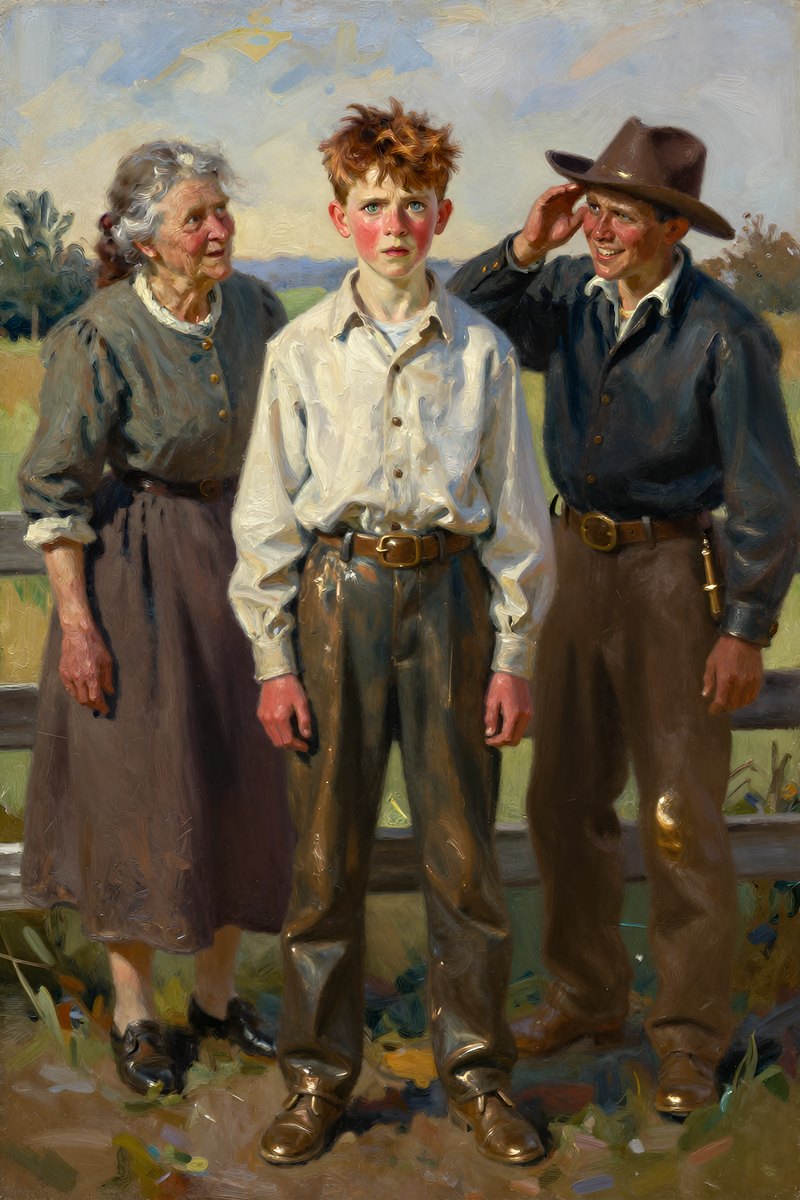
“Tom!”
No answer.
“TOM!”
No answer.
“What’s gone with that boy, I wonder? You TOM!”
No answer.
The old lady pulled her spectacles down and looked over them about the room; then she put them up and looked out under them. She seldom or never looked through them for so small a thing as a boy; they were her state pair, the pride of her heart, and were built for “style,” not service—she could have seen through a pair of stove-lids just as well.
She looked perplexed for a moment, and then said, not fiercely, but still loud enough for the furniture to hear:
“Well, I lay if I get hold of you I’ll—”
She did not finish, for by this time she was bending down and punching under the bed with the broom, and so she needed breath to punctuate the punches with. She resurrected nothing but the cat.
“I never did see the beat of that boy!”
She went to the open door and stood in it and looked out among the tomato vines and “jimpson” weeds that constituted the garden. No Tom. So she lifted up her voice at an angle calculated for distance and shouted:
“Y-o-u-u TOM!”
There was a slight noise behind her and she turned just in time to seize a small boy by the slack of his roundabout and arrest his flight.
“There! I might ’a’ thought of that closet. What you been doing in there?”
“Nothing.”
“Nothing! Look at your hands. And look at your mouth. What is that truck?”
“I don’t know, aunt.”
“Well, I know. It’s jam—that’s what it is. Forty times I’ve said if you didn’t let that jam alone I’d skin you. Hand me that switch.”
The switch hovered in the air—the peril was desperate— “My! Look behind you, aunt!”
The old lady whirled round, and snatched her skirts out of danger.
The lad fled on the instant, scrambled up the high board-fence, and disappeared over it.
His aunt Polly stood surprised a moment, and then broke into a gentle laugh.
“Hang the boy, can’t I never learn anything? Ain’t he played me tricks enough like that for me to be looking out for him by this time? But old fools is the biggest fools there is. Can’t learn an old dog new tricks, as the saying is. But my goodness, he never plays them alike, two days, and how is a body to know what’s coming? He ’pears to know just how long he can torment me before I get my dander up, and he knows if he can make out to put me off for a minute or make me laugh, it’s all down again and I can’t hit him a lick. I ain’t doing my duty by that boy, and that’s the Lord’s truth, goodness knows. Spare the rod and spile the child, as the Good Book says. I’m a laying up sin and suffering for us both, I know. He’s full of the Old Scratch, but laws-a-me! he’s my own dead sister’s boy, poor thing, and I ain’t got the heart to lash him, somehow. Every time I let him off, my conscience does hurt me so, and every time I hit him my old heart most breaks. Well-a-well, man that is born of woman is of few days and full of trouble, as the Scripture says, and I reckon it’s so. He’ll play hookey this evening,[*] and I’ll just be obleeged to make him work, tomorrow, to punish him. It’s mighty hard to make him work Saturdays, when all the boys is having holiday, but he hates work more than he hates anything else, and I’ve got to do some of my duty by him, or I’ll be the ruination of the child.”
[*] Southwestern for “afternoon”
Tom did play hookey, and he had a very good time. He got back home barely in season to help Jim, the small colored boy, saw next-day’s wood and split the kindlings before supper—at least he was there in time to tell his adventures to Jim while Jim did three-fourths of the work.
Tom’s younger brother (or rather half-brother) Sid was already through with his part of the work (picking up chips), for he was a quiet boy, and had no adventurous, trouble-some ways.
While Tom was eating his supper, and stealing sugar as opportunity offered, Aunt Polly asked him questions that were full of guile, and very deep—for she wanted to trap him into damaging revealments. Like many other simple-hearted souls, it was her pet vanity to believe she was endowed with a talent for dark and mysterious diplomacy, and she loved to contemplate her most transparent devices as marvels of low cunning. Said she:
“Tom, it was middling warm in school, warn’t it?”
“Yes’m.”
“Powerful warm, warn’t it?”
“Yes’m.”
“Didn’t you want to go in a-swimming, Tom?”
A bit of a scare shot through Tom—a touch of uncomfortable suspicion. He searched Aunt Polly’s face, but it told him nothing. So he said:
“No’m—well, not very much.”
The old lady reached out her hand and felt Tom’s shirt, and said:
“But you ain’t too warm now, though.” And it flattered her to reflect that she had discovered that the shirt was dry without anybody knowing that that was what she had in her mind. But in spite of her, Tom knew where the wind lay, now. So he forestalled what might be the next move:
“Some of us pumped on our heads—mine’s damp yet. See?”
Aunt Polly was vexed to think she had overlooked that bit of circumstantial evidence, and missed a trick. Then she had a new inspiration:
“Tom, you didn’t have to undo your shirt collar where I sewed it, to pump on your head, did you? Unbutton your jacket!”
The trouble vanished out of Tom’s face. He opened his jacket. His shirt collar was securely sewed.
“Bother! Well, go ’long with you. I’d made sure you’d played hookey and been a-swimming. But I forgive ye, Tom. I reckon you’re a kind of a singed cat, as the saying is—better’n you look. This time.”
She was half sorry her sagacity had miscarried, and half glad that Tom had stumbled into obedient conduct for once.
But Sidney said:
“Well, now, if I didn’t think you sewed his collar with white thread, but it’s black.”
“Why, I did sew it with white! Tom!”
But Tom did not wait for the rest. As he went out at the door he said:
“Siddy, I’ll lick you for that.”
In a safe place Tom examined two large needles which were thrust into the lapels of his jacket, and had thread bound about them—one needle carried white thread and the other black. He said:
“She’d never noticed if it hadn’t been for Sid. Confound it! sometimes she sews it with white, and sometimes she sews it with black. I wish to gee-miny she’d stick to one or t’other—I can’t keep the run of ’em. But I bet you I’ll lam Sid for that. I’ll learn him!”
He was not the Model Boy of the village. He knew the model boy very well though—and loathed him.
Within two minutes, or even less, he had forgotten all his troubles. Not because his troubles were one whit less heavy and bitter to him than a man’s are to a man, but because a new and powerful interest bore them down and drove them out of his mind for the time—just as men’s misfortunes are forgotten in the excitement of new enterprises. This new interest was a valued novelty in whistling, which he had just acquired from a negro, and he was suffering to practise it undisturbed. It consisted in a peculiar bird-like turn, a sort of liquid warble, intervals in the midst of the music—the reader probably remembers how to do it, if he has ever been a boy. Diligence and attention soon gave him the knack of it, and he strode down the street with his mouth full of harmony and his soul full of gratitude. He felt much as an astronomer feels who has discovered a new planet—no doubt, as far as strong, deep, unalloyed pleasure is concerned, the advantage was with the boy, not the astronomer.
The summer evenings were long. It was not dark, yet. Presently Tom checked his whistle. A stranger was before him—a boy a shade larger than himself. A new-comer of any age or either sex was an impressive curiosity in the poor little shabby village of St. Petersburg. This boy was well dressed, too—well dressed on a week-day. This was simply astounding. His cap was a dainty thing, his close-buttoned blue cloth roundabout was new and natty, and so were his pantaloons. He had shoes on—and it was only Friday. He even wore a necktie, a bright bit of ribbon. He had a citified air about him that ate into Tom’s vitals. The more Tom stared at the splendid marvel, the higher he turned up his nose at his finery and the shabbier and shabbier his own outfit seemed to him to grow. Neither boy spoke. If one moved, the other moved—but only sidewise, in a circle; they kept face to face and eye to eye all the time. Finally Tom said:
“I can lick you!”
“I’d like to see you try it.”
“Well, I can do it.”
“No you can’t, either.”
“Yes I can.”
“No you can’t.”
“I can.”
“You can’t.”
“Can!”
“Can’t!”
An uncomfortable pause. Then Tom said:
“What’s your name?”
“’Tisn’t any of your business, maybe.”
“Well I ’low I’ll make it my business.”
“Well why don’t you?”
“If you say much, I will.”
“Much—much—much. There now.”
“Oh, you think you’re mighty smart, don’t you? I could lick you with one hand tied behind me, if I wanted to.”
“Well why don’t you do it? You say you can do it.”
“Well I will, if you fool with me.”
“Oh yes—I’ve seen whole families in the same fix.”
“Smarty! You think you’re some, now, don’t you? Oh, what a hat!”
“You can lump that hat if you don’t like it. I dare you to knock it off—and anybody that’ll take a dare will suck eggs.”
“You’re a liar!”
“You’re another.”
“You’re a fighting liar and dasn’t take it up.”
“Aw—take a walk!”
“Say—if you give me much more of your sass I’ll take and bounce a rock off’n your head.”
“Oh, of course you will.”
“Well I will.”
“Well why don’t you do it then? What do you keep saying you will for? Why don’t you do it? It’s because you’re afraid.”
“I ain’t afraid.”
“You are.”
“I ain’t.”
“You are.”
Another pause, and more eying and sidling around each other. Presently they were shoulder to shoulder. Tom said:
“Get away from here!”
“Go away yourself!”
“I won’t.”
“I won’t either.”
So they stood, each with a foot placed at an angle as a brace, and both shoving with might and main, and glowering at each other with hate. But neither could get an advantage. After struggling till both were hot and flushed, each relaxed his strain with watchful caution, and Tom said:
“You’re a coward and a pup. I’ll tell my big brother on you, and he can thrash you with his little finger, and I’ll make him do it, too.”
“What do I care for your big brother? I’ve got a brother that’s bigger than he is—and what’s more, he can throw him over that fence, too.”
[Both brothers were imaginary.] “That’s a lie.”
“Your saying so don’t make it so.”
Tom drew a line in the dust with his big toe, and said:
“I dare you to step over that, and I’ll lick you till you can’t stand up. Anybody that’ll take a dare will steal sheep.”
The new boy stepped over promptly, and said:
“Now you said you’d do it, now let’s see you do it.”
“Don’t you crowd me now; you better look out.”
“Well, you said you’d do it—why don’t you do it?”
“By jingo! for two cents I will do it.”
The new boy took two broad coppers out of his pocket and held them out with derision. Tom struck them to the ground. In an instant both boys were rolling and tumbling in the dirt, gripped together like cats; and for the space of a minute they tugged and tore at each other’s hair and clothes, punched and scratched each other’s nose, and covered themselves with dust and glory. Presently the confusion took form, and through the fog of battle Tom appeared, seated astride the new boy, and pounding him with his fists. “Holler ’nuff!” said he.
The boy only struggled to free himself. He was crying—mainly from rage.
“Holler ’nuff!”—and the pounding went on.
At last the stranger got out a smothered “’Nuff!” and Tom let him up and said:
“Now that’ll learn you. Better look out who you’re fooling with next time.”
The new boy went off brushing the dust from his clothes, sobbing, snuffling, and occasionally looking back and shaking his head and threatening what he would do to Tom the “next time he caught him out.”
To which Tom responded with jeers, and started off in high feather, and as soon as his back was turned the new boy snatched up a stone, threw it and hit him between the shoulders and then turned tail and ran like an antelope. Tom chased the traitor home, and thus found out where he lived. He then held a position at the gate for some time, daring the enemy to come outside, but the enemy only made faces at him through the window and declined. At last the enemy’s mother appeared, and called Tom a bad, vicious, vulgar child, and ordered him away. So he went away; but he said he “’lowed” to “lay” for that boy.
He got home pretty late that night, and when he climbed cautiously in at the window, he uncovered an ambuscade, in the person of his aunt; and when she saw the state his clothes were in her resolution to turn his Saturday holiday into captivity at hard labor became adamantine in its firmness.
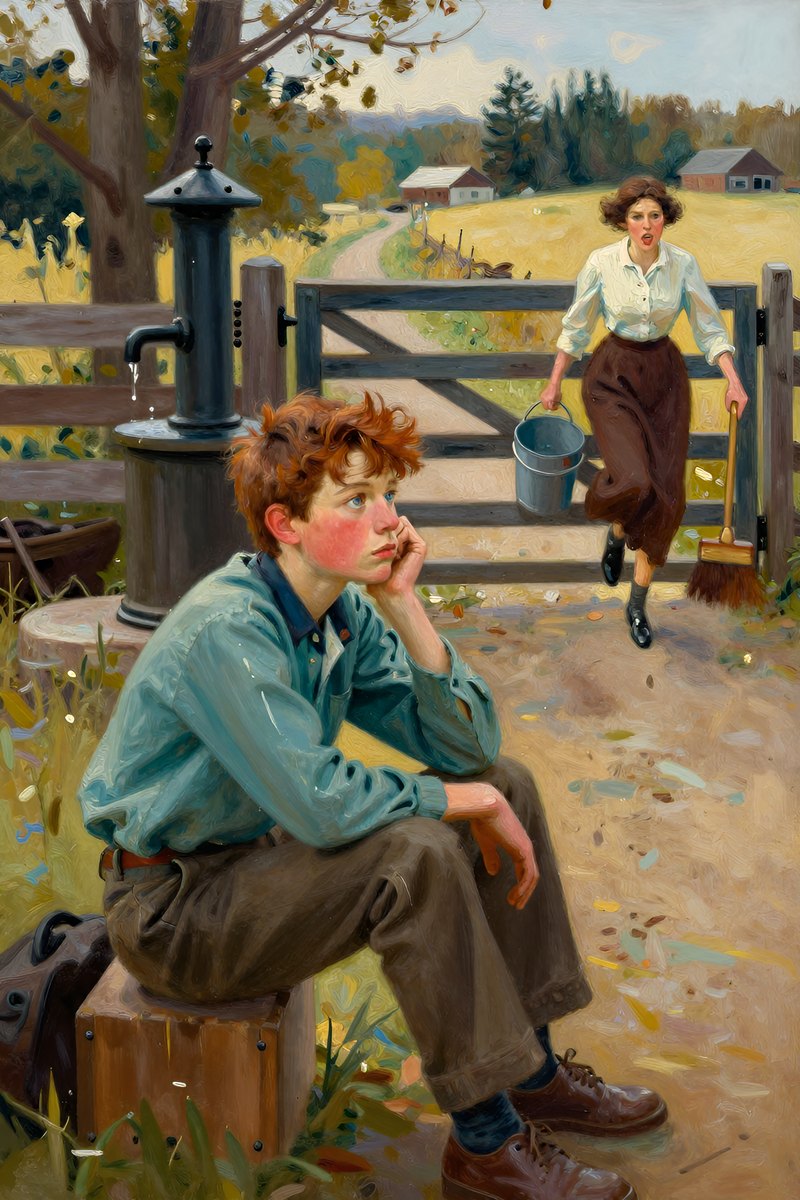
Saturday morning was come, and all the summer world was bright and fresh, and brimming with life. There was a song in every heart; and if the heart was young the music issued at the lips. There was cheer in every face and a spring in every step. The locust-trees were in bloom and the fragrance of the blossoms filled the air. Cardiff Hill, beyond the village and above it, was green with vegetation and it lay just far enough away to seem a Delectable Land, dreamy, reposeful, and inviting.
Tom appeared on the sidewalk with a bucket of whitewash and a long-handled brush. He surveyed the fence, and all gladness left him and a deep melancholy settled down upon his spirit. Thirty yards of board fence nine feet high. Life to him seemed hollow, and existence but a burden. Sighing, he dipped his brush and passed it along the topmost plank; repeated the operation; did it again; compared the insignificant whitewashed streak with the far-reaching continent of unwhitewashed fence, and sat down on a tree-box discouraged. Jim came skipping out at the gate with a tin pail, and singing Buffalo Gals. Bringing water from the town pump had always been hateful work in Tom’s eyes, before, but now it did not strike him so. He remembered that there was company at the pump. White, mulatto, and negro boys and girls were always there waiting their turns, resting, trading playthings, quarrelling, fighting, skylarking. And he remembered that although the pump was only a hundred and fifty yards off, Jim never got back with a bucket of water under an hour—and even then somebody generally had to go after him. Tom said:
“Say, Jim, I’ll fetch the water if you’ll whitewash some.”
Jim shook his head and said:
“Can’t, Mars Tom. Ole missis, she tole me I got to go an’ git dis water an’ not stop foolin’ roun’ wid anybody. She say she spec’ Mars Tom gwine to ax me to whitewash, an’ so she tole me go ’long an’ ’tend to my own business—she ’lowed she’d ’tend to de whitewashin’.”
“Oh, never you mind what she said, Jim. That’s the way she always talks.
Gimme the bucket—I won’t be gone only a a minute. She won’t ever know.”
“Oh, I dasn’t, Mars Tom. Ole missis she’d take an’ tar de head off’n me.
’Deed she would.”
“She! She never licks anybody—whacks ’em over the head with her thimble—and who cares for that, I’d like to know. She talks awful, but talk don’t hurt—anyways it don’t if she don’t cry. Jim, I’ll give you a marvel. I’ll give you a white alley!”
Jim began to waver.
“White alley, Jim! And it’s a bully taw.”
“My! Dat’s a mighty gay marvel, I tell you! But Mars Tom I’s powerful ’fraid ole missis—”
“And besides, if you will I’ll show you my sore toe.”
Jim was only human—this attraction was too much for him. He put down his pail, took the white alley, and bent over the toe with absorbing interest while the bandage was being unwound. In another moment he was flying down the street with his pail and a tingling rear, Tom was whitewashing with vigor, and Aunt Polly was retiring from the field with a slipper in her hand and triumph in her eye.
But Tom’s energy did not last. He began to think of the fun he had planned for this day, and his sorrows multiplied. Soon the free boys would come tripping along on all sorts of delicious expeditions, and they would make a world of fun of him for having to work—the very thought of it burnt him like fire. He got out his worldly wealth and examined it—bits of toys, marbles, and trash; enough to buy an exchange of work, maybe, but not half enough to buy so much as half an hour of pure freedom. So he returned his straitened means to his pocket, and gave up the idea of trying to buy the boys. At this dark and hopeless moment an inspiration burst upon him! Nothing less than a great, magnificent inspiration.
He took up his brush and went tranquilly to work. Ben Rogers hove in sight presently—the very boy, of all boys, whose ridicule he had been dreading. Ben’s gait was the hop-skip-and-jump—proof enough that his heart was light and his anticipations high. He was eating an apple, and giving a long, melodious whoop, at intervals, followed by a deep-toned ding-dong-dong, ding-dong-dong, for he was personating a steamboat. As he drew near, he slackened speed, took the middle of the street, leaned far over to starboard and rounded to ponderously and with laborious pomp and circumstance—for he was personating the Big Missouri, and considered himself to be drawing nine feet of water. He was boat and captain and engine-bells combined, so he had to imagine himself standing on his own hurricane-deck giving the orders and executing them:
“Stop her, sir! Ting-a-ling-ling!” The headway ran almost out, and he drew up slowly toward the sidewalk.
“Ship up to back! Ting-a-ling-ling!” His arms straightened and stiffened down his sides.
“Set her back on the stabboard! Ting-a-ling-ling! Chow! ch-chow-wow!
Chow!” His right hand, mean-time, describing stately circles—for it was representing a forty-foot wheel.
“Let her go back on the labboard! Ting-a-ling-ling! Chow-ch-chow-chow!”
The left hand began to describe circles.
“Stop the stabboard! Ting-a-ling-ling! Stop the labboard! Come ahead on the stabboard! Stop her! Let your outside turn over slow!
Ting-a-ling-ling! Chow-ow-ow! Get out that head-line! lively now!
Come—out with your spring-line—what’re you about there! Take a turn round that stump with the bight of it! Stand by that stage, now—let her go! Done with the engines, sir! Ting-a-ling-ling! SH’T! S’H’T! SH’T!”
(trying the gauge-cocks).
Tom went on whitewashing—paid no attention to the steamboat. Ben stared a moment and then said: “Hi-Yi! You’re up a stump, ain’t you!”
No answer. Tom surveyed his last touch with the eye of an artist, then he gave his brush another gentle sweep and surveyed the result, as before. Ben ranged up alongside of him. Tom’s mouth watered for the apple, but he stuck to his work. Ben said:
“Hello, old chap, you got to work, hey?”
Tom wheeled suddenly and said:
“Why, it’s you, Ben! I warn’t noticing.”
“Say—I’m going in a-swimming, I am. Don’t you wish you could? But of course you’d druther work—wouldn’t you? Course you would!”
Tom contemplated the boy a bit, and said:
“What do you call work?”
“Why, ain’t that work?”
Tom resumed his whitewashing, and answered carelessly:
“Well, maybe it is, and maybe it ain’t. All I know, is, it suits Tom Sawyer.”
“Oh come, now, you don’t mean to let on that you like it?”
The brush continued to move.
“Like it? Well, I don’t see why I oughtn’t to like it. Does a boy get a chance to whitewash a fence every day?”
That put the thing in a new light. Ben stopped nibbling his apple.
Tom swept his brush daintily back and forth—stepped back to note the effect—added a touch here and there—criticised the effect again—Ben watching every move and getting more and more interested, more and more absorbed. Presently he said:
“Say, Tom, let me whitewash a little.”
Tom considered, was about to consent; but he altered his mind:
“No—no—I reckon it wouldn’t hardly do, Ben. You see, Aunt Polly’s awful particular about this fence—right here on the street, you know—but if it was the back fence I wouldn’t mind and she wouldn’t. Yes, she’s awful particular about this fence; it’s got to be done very careful; I reckon there ain’t one boy in a thousand, maybe two thousand, that can do it the way it’s got to be done.”
“No—is that so? Oh come, now—lemme just try. Only just a little—I’d let you, if you was me, Tom.”
“Ben, I’d like to, honest injun; but Aunt Polly—well, Jim wanted to do it, but she wouldn’t let him; Sid wanted to do it, and she wouldn’t let Sid. Now don’t you see how I’m fixed? If you was to tackle this fence and anything was to happen to it—”
“Oh, shucks, I’ll be just as careful. Now lemme try. Say—I’ll give you the core of my apple.”
“Well, here—No, Ben, now don’t. I’m afeard—”
“I’ll give you all of it!”
Tom gave up the brush with reluctance in his face, but alacrity in his heart. And while the late steamer Big Missouri worked and sweated in the sun, the retired artist sat on a barrel in the shade close by, dangled his legs, munched his apple, and planned the slaughter of more innocents. There was no lack of material; boys happened along every little while; they came to jeer, but remained to whitewash. By the time Ben was fagged out, Tom had traded the next chance to Billy Fisher for a kite, in good repair; and when he played out, Johnny Miller bought in for a dead rat and a string to swing it with—and so on, and so on, hour after hour. And when the middle of the afternoon came, from being a poor poverty-stricken boy in the morning, Tom was literally rolling in wealth. He had besides the things before mentioned, twelve marbles, part of a jews-harp, a piece of blue bottle-glass to look through, a spool cannon, a key that wouldn’t unlock anything, a fragment of chalk, a glass stopper of a decanter, a tin soldier, a couple of tadpoles, six fire-crackers, a kitten with only one eye, a brass door-knob, a dog-collar—but no dog—the handle of a knife, four pieces of orange-peel, and a dilapidated old window sash.
He had had a nice, good, idle time all the while—plenty of company—and the fence had three coats of whitewash on it! If he hadn’t run out of whitewash he would have bankrupted every boy in the village.
Tom said to himself that it was not such a hollow world, after all. He had discovered a great law of human action, without knowing it—namely, that in order to make a man or a boy covet a thing, it is only necessary to make the thing difficult to attain. If he had been a great and wise philosopher, like the writer of this book, he would now have comprehended that Work consists of whatever a body is obliged to do, and that Play consists of whatever a body is not obliged to do. And this would help him to understand why constructing artificial flowers or performing on a tread-mill is work, while rolling ten-pins or climbing Mont Blanc is only amusement. There are wealthy gentlemen in England who drive four-horse passenger-coaches twenty or thirty miles on a daily line, in the summer, because the privilege costs them considerable money; but if they were offered wages for the service, that would turn it into work and then they would resign.
The boy mused awhile over the substantial change which had taken place in his worldly circumstances, and then wended toward headquarters to report.
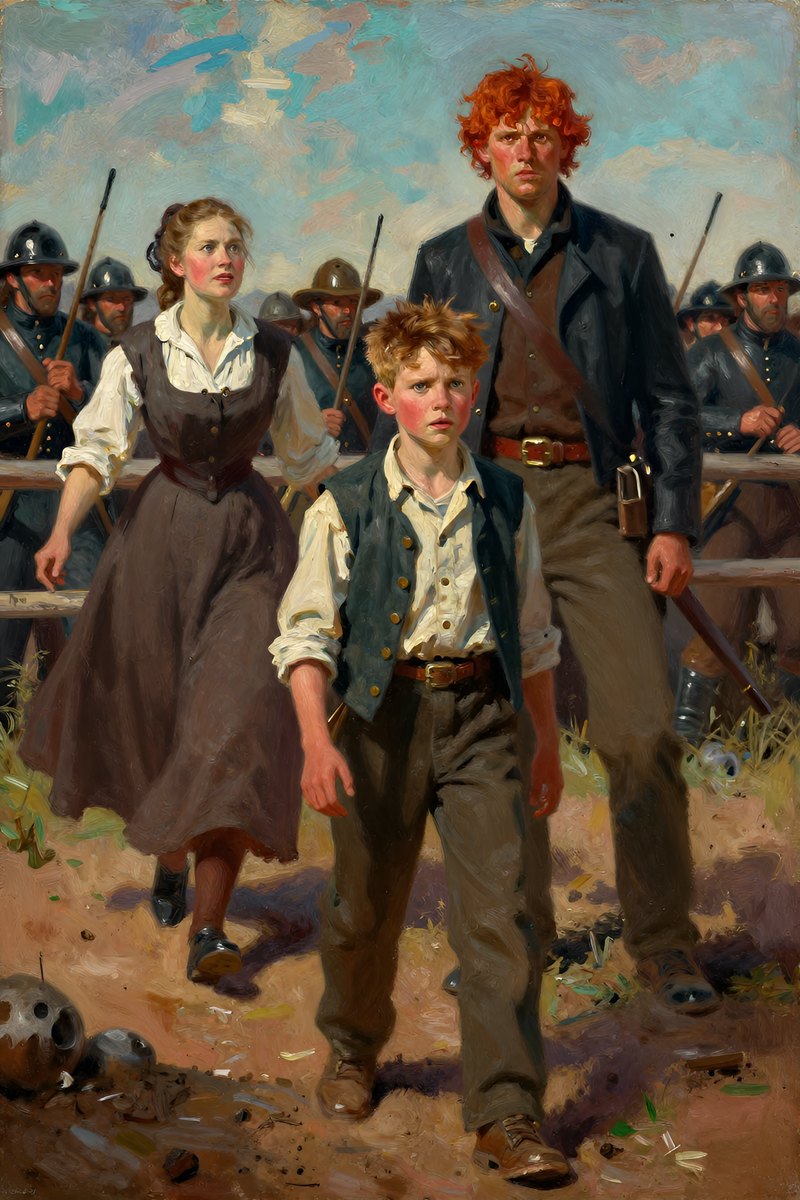
Tom presented himself before Aunt Polly, who was sitting by an open window in a pleasant rearward apartment, which was bedroom, breakfast-room, dining-room, and library, combined. The balmy summer air, the restful quiet, the odor of the flowers, and the drowsing murmur of the bees had had their effect, and she was nodding over her knitting—for she had no company but the cat, and it was asleep in her lap. Her spectacles were propped up on her gray head for safety. She had thought that of course Tom had deserted long ago, and she wondered at seeing him place himself in her power again in this intrepid way. He said: “Mayn’t I go and play now, aunt?”
“What, a’ready? How much have you done?”
“It’s all done, aunt.”
“Tom, don’t lie to me—I can’t bear it.”
“I ain’t, aunt; it is all done.”
Aunt Polly placed small trust in such evidence. She went out to see for herself; and she would have been content to find twenty per cent. of Tom’s statement true. When she found the entire fence white-washed, and not only whitewashed but elaborately coated and recoated, and even a streak added to the ground, her astonishment was almost unspeakable. She said:
“Well, I never! There’s no getting round it, you can work when you’re a mind to, Tom.” And then she diluted the compliment by adding, “But it’s powerful seldom you’re a mind to, I’m bound to say. Well, go ’long and play; but mind you get back some time in a week, or I’ll tan you.”
She was so overcome by the splendor of his achievement that she took him into the closet and selected a choice apple and delivered it to him, along with an improving lecture upon the added value and flavor a treat took to itself when it came without sin through virtuous effort.
And while she closed with a happy Scriptural flourish, he “hooked” a doughnut.
Then he skipped out, and saw Sid just starting up the outside stairway that led to the back rooms on the second floor. Clods were handy and the air was full of them in a twinkling. They raged around Sid like a hail-storm; and before Aunt Polly could collect her surprised faculties and sally to the rescue, six or seven clods had taken personal effect, and Tom was over the fence and gone. There was a gate, but as a general thing he was too crowded for time to make use of it. His soul was at peace, now that he had settled with Sid for calling attention to his black thread and getting him into trouble.
Tom skirted the block, and came round into a muddy alley that led by the back of his aunt’s cow-stable. He presently got safely beyond the reach of capture and punishment, and hastened toward the public square of the village, where two “military” companies of boys had met for conflict, according to previous appointment. Tom was General of one of these armies, Joe Harper (a bosom friend) General of the other. These two great commanders did not condescend to fight in person—that being better suited to the still smaller fry—but sat together on an eminence and conducted the field operations by orders delivered through aides-de-camp. Tom’s army won a great victory, after a long and hard-fought battle. Then the dead were counted, prisoners exchanged, the terms of the next disagreement agreed upon, and the day for the necessary battle appointed; after which the armies fell into line and marched away, and Tom turned homeward alone.
As he was passing by the house where Jeff Thatcher lived, he saw a new girl in the garden—a lovely little blue-eyed creature with yellow hair plaited into two long-tails, white summer frock and embroidered pantalettes. The fresh-crowned hero fell without firing a shot. A certain Amy Lawrence vanished out of his heart and left not even a memory of herself behind. He had thought he loved her to distraction; he had regarded his passion as adoration; and behold it was only a poor little evanescent partiality. He had been months winning her; she had confessed hardly a week ago; he had been the happiest and the proudest boy in the world only seven short days, and here in one instant of time she had gone out of his heart like a casual stranger whose visit is done.
He worshipped this new angel with furtive eye, till he saw that she had discovered him; then he pretended he did not know she was present, and began to “show off” in all sorts of absurd boyish ways, in order to win her admiration. He kept up this grotesque foolishness for some time; but by-and-by, while he was in the midst of some dangerous gymnastic performances, he glanced aside and saw that the little girl was wending her way toward the house. Tom came up to the fence and leaned on it, grieving, and hoping she would tarry yet awhile longer. She halted a moment on the steps and then moved toward the door. Tom heaved a great sigh as she put her foot on the threshold. But his face lit up, right away, for she tossed a pansy over the fence a moment before she disappeared.
The boy ran around and stopped within a foot or two of the flower, and then shaded his eyes with his hand and began to look down street as if he had discovered something of interest going on in that direction.
Presently he picked up a straw and began trying to balance it on his nose, with his head tilted far back; and as he moved from side to side, in his efforts, he edged nearer and nearer toward the pansy; finally his bare foot rested upon it, his pliant toes closed upon it, and he hopped away with the treasure and disappeared round the corner. But only for a minute—only while he could button the flower inside his jacket, next his heart—or next his stomach, possibly, for he was not much posted in anatomy, and not hypercritical, anyway.
He returned, now, and hung about the fence till nightfall, “showing off,” as before; but the girl never exhibited herself again, though Tom comforted himself a little with the hope that she had been near some window, meantime, and been aware of his attentions. Finally he strode home reluctantly, with his poor head full of visions.
All through supper his spirits were so high that his aunt wondered “what had got into the child.” He took a good scolding about clodding Sid, and did not seem to mind it in the least. He tried to steal sugar under his aunt’s very nose, and got his knuckles rapped for it. He said:
“Aunt, you don’t whack Sid when he takes it.”
“Well, Sid don’t torment a body the way you do. You’d be always into that sugar if I warn’t watching you.”
Presently she stepped into the kitchen, and Sid, happy in his immunity, reached for the sugar-bowl—a sort of glorying over Tom which was wellnigh unbearable. But Sid’s fingers slipped and the bowl dropped and broke. Tom was in ecstasies. In such ecstasies that he even controlled his tongue and was silent. He said to himself that he would not speak a word, even when his aunt came in, but would sit perfectly still till she asked who did the mischief; and then he would tell, and there would be nothing so good in the world as to see that pet model “catch it.” He was so brimful of exultation that he could hardly hold himself when the old lady came back and stood above the wreck discharging lightnings of wrath from over her spectacles. He said to himself, “Now it’s coming!” And the next instant he was sprawling on the floor! The potent palm was uplifted to strike again when Tom cried out:
“Hold on, now, what ’er you belting me for?—Sid broke it!”
Aunt Polly paused, perplexed, and Tom looked for healing pity. But when she got her tongue again, she only said:
“Umf! Well, you didn’t get a lick amiss, I reckon. You been into some other audacious mischief when I wasn’t around, like enough.”
Then her conscience reproached her, and she yearned to say something kind and loving; but she judged that this would be construed into a confession that she had been in the wrong, and discipline forbade that.
So she kept silence, and went about her affairs with a troubled heart.
Tom sulked in a corner and exalted his woes. He knew that in her heart his aunt was on her knees to him, and he was morosely gratified by the consciousness of it. He would hang out no signals, he would take notice of none. He knew that a yearning glance fell upon him, now and then, through a film of tears, but he refused recognition of it. He pictured himself lying sick unto death and his aunt bending over him beseeching one little forgiving word, but he would turn his face to the wall, and die with that word unsaid. Ah, how would she feel then? And he pictured himself brought home from the river, dead, with his curls all wet, and his sore heart at rest. How she would throw herself upon him, and how her tears would fall like rain, and her lips pray God to give her back her boy and she would never, never abuse him any more! But he would lie there cold and white and make no sign—a poor little sufferer, whose griefs were at an end. He so worked upon his feelings with the pathos of these dreams, that he had to keep swallowing, he was so like to choke; and his eyes swam in a blur of water, which overflowed when he winked, and ran down and trickled from the end of his nose. And such a luxury to him was this petting of his sorrows, that he could not bear to have any worldly cheeriness or any grating delight intrude upon it; it was too sacred for such contact; and so, presently, when his cousin Mary danced in, all alive with the joy of seeing home again after an age-long visit of one week to the country, he got up and moved in clouds and darkness out at one door as she brought song and sunshine in at the other.
He wandered far from the accustomed haunts of boys, and sought desolate places that were in harmony with his spirit. A log raft in the river invited him, and he seated himself on its outer edge and contemplated the dreary vastness of the stream, wishing, the while, that he could only be drowned, all at once and unconsciously, without undergoing the uncomfortable routine devised by nature. Then he thought of his flower.
He got it out, rumpled and wilted, and it mightily increased his dismal felicity. He wondered if she would pity him if she knew? Would she cry, and wish that she had a right to put her arms around his neck and comfort him? Or would she turn coldly away like all the hollow world?
This picture brought such an agony of pleasurable suffering that he worked it over and over again in his mind and set it up in new and varied lights, till he wore it threadbare. At last he rose up sighing and departed in the darkness.
About half-past nine or ten o’clock he came along the deserted street to where the Adored Unknown lived; he paused a moment; no sound fell upon his listening ear; a candle was casting a dull glow upon the curtain of a second-story window. Was the sacred presence there? He climbed the fence, threaded his stealthy way through the plants, till he stood under that window; he looked up at it long, and with emotion; then he laid him down on the ground under it, disposing himself upon his back, with his hands clasped upon his breast and holding his poor wilted flower.
And thus he would die—out in the cold world, with no shelter over his homeless head, no friendly hand to wipe the death-damps from his brow, no loving face to bend pityingly over him when the great agony came. And thus she would see him when she looked out upon the glad morning, and oh! would she drop one little tear upon his poor, lifeless form, would she heave one little sigh to see a bright young life so rudely blighted, so untimely cut down?
The window went up, a maid-servant’s discordant voice profaned the holy calm, and a deluge of water drenched the prone martyr’s remains!
The strangling hero sprang up with a relieving snort. There was a whiz as of a missile in the air, mingled with the murmur of a curse, a sound as of shivering glass followed, and a small, vague form went over the fence and shot away in the gloom.
Not long after, as Tom, all undressed for bed, was surveying his drenched garments by the light of a tallow dip, Sid woke up; but if he had any dim idea of making any “references to allusions,” he thought better of it and held his peace, for there was danger in Tom’s eye.
Tom turned in without the added vexation of prayers, and Sid made mental note of the omission.
The sun rose upon a tranquil world, and beamed down upon the peaceful village like a benediction. Breakfast over, Aunt Polly had family worship: it began with a prayer built from the ground up of solid courses of Scriptural quotations, welded together with a thin mortar of originality; and from the summit of this she delivered a grim chapter of the Mosaic Law, as from Sinai.
Then Tom girded up his loins, so to speak, and went to work to “get his verses.” Sid had learned his lesson days before. Tom bent all his energies to the memorizing of five verses, and he chose part of the Sermon on the Mount, because he could find no verses that were shorter.
At the end of half an hour Tom had a vague general idea of his lesson, but no more, for his mind was traversing the whole field of human thought, and his hands were busy with distracting recreations. Mary took his book to hear him recite, and he tried to find his way through the fog:
“Blessed are the—a—a—”
“Poor”— “Yes—poor; blessed are the poor—a—a—”
“In spirit—”
“In spirit; blessed are the poor in spirit, for they—they—”
“Theirs—”
“For theirs. Blessed are the poor in spirit, for theirs is the kingdom of heaven. Blessed are they that mourn, for they—they—”
“Sh—”
“For they—a—”
“S, H, A—”
“For they S, H—Oh, I don’t know what it is!”
“Shall!”
“Oh, shall! for they shall—for they shall—a—a—shall mourn—a—a—blessed are they that shall—they that—a—they that shall mourn, for they shall—a—shall what? Why don’t you tell me, Mary?—what do you want to be so mean for?”
“Oh, Tom, you poor thick-headed thing, I’m not teasing you. I wouldn’t do that. You must go and learn it again. Don’t you be discouraged, Tom, you’ll manage it—and if you do, I’ll give you something ever so nice.
There, now, that’s a good boy.”
“All right! What is it, Mary, tell me what it is.”
“Never you mind, Tom. You know if I say it’s nice, it is nice.”
“You bet you that’s so, Mary. All right, I’ll tackle it again.”
And he did “tackle it again”—and under the double pressure of curiosity and prospective gain he did it with such spirit that he accomplished a shining success. Mary gave him a brand-new “Barlow” knife worth twelve and a half cents; and the convulsion of delight that swept his system shook him to his foundations. True, the knife would not cut anything, but it was a “sure-enough” Barlow, and there was inconceivable grandeur in that—though where the Western boys ever got the idea that such a weapon could possibly be counterfeited to its injury is an imposing mystery and will always remain so, perhaps. Tom contrived to scarify the cupboard with it, and was arranging to begin on the bureau, when he was called off to dress for Sunday-school.
Mary gave him a tin basin of water and a piece of soap, and he went outside the door and set the basin on a little bench there; then he dipped the soap in the water and laid it down; turned up his sleeves; poured out the water on the ground, gently, and then entered the kitchen and began to wipe his face diligently on the towel behind the door. But Mary removed the towel and said:
“Now ain’t you ashamed, Tom. You mustn’t be so bad. Water won’t hurt you.”
Tom was a trifle disconcerted. The basin was refilled, and this time he stood over it a little while, gathering resolution; took in a big breath and began. When he entered the kitchen presently, with both eyes shut and groping for the towel with his hands, an honorable testimony of suds and water was dripping from his face. But when he emerged from the towel, he was not yet satisfactory, for the clean territory stopped short at his chin and his jaws, like a mask; below and beyond this line there was a dark expanse of unirrigated soil that spread downward in front and backward around his neck. Mary took him in hand, and when she was done with him he was a man and a brother, without distinction of color, and his saturated hair was neatly brushed, and its short curls wrought into a dainty and symmetrical general effect. [He privately smoothed out the curls, with labor and difficulty, and plastered his hair close down to his head; for he held curls to be effeminate, and his own filled his life with bitterness.] Then Mary got out a suit of his clothing that had been used only on Sundays during two years—they were simply called his “other clothes”—and so by that we know the size of his wardrobe. The girl “put him to rights” after he had dressed himself; she buttoned his neat roundabout up to his chin, turned his vast shirt collar down over his shoulders, brushed him off and crowned him with his speckled straw hat. He now looked exceedingly improved and uncomfortable. He was fully as uncomfortable as he looked; for there was a restraint about whole clothes and cleanliness that galled him. He hoped that Mary would forget his shoes, but the hope was blighted; she coated them thoroughly with tallow, as was the custom, and brought them out. He lost his temper and said he was always being made to do everything he didn’t want to do. But Mary said, persuasively:
“Please, Tom—that’s a good boy.”
So he got into the shoes snarling. Mary was soon ready, and the three children set out for Sunday-school—a place that Tom hated with his whole heart; but Sid and Mary were fond of it.
Sabbath-school hours were from nine to half-past ten; and then church service. Two of the children always remained for the sermon voluntarily, and the other always remained too—for stronger reasons. The church’s high-backed, uncushioned pews would seat about three hundred persons; the edifice was but a small, plain affair, with a sort of pine board tree-box on top of it for a steeple. At the door Tom dropped back a step and accosted a Sunday-dressed comrade:
“Say, Billy, got a yaller ticket?”
“Yes.”
“What’ll you take for her?”
“What’ll you give?”
“Piece of lickrish and a fish-hook.”
“Less see ’em.”
Tom exhibited. They were satisfactory, and the property changed hands.
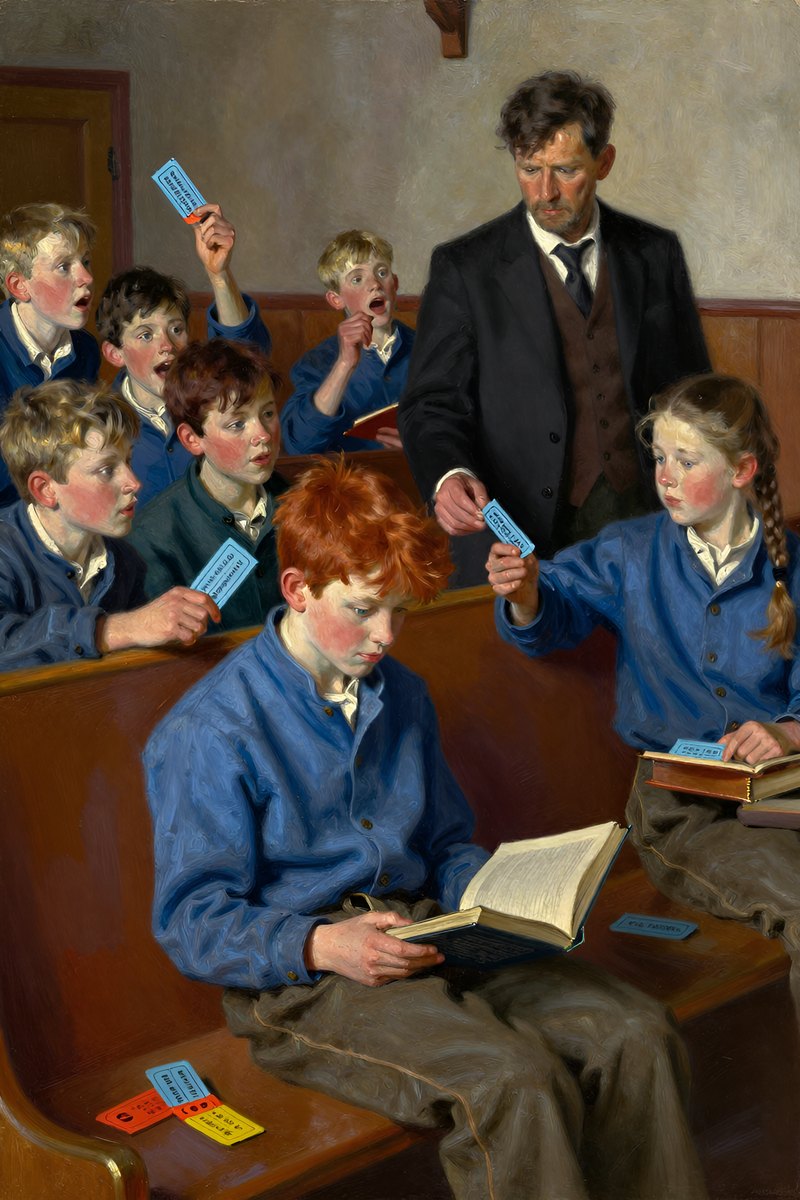
Then Tom traded a couple of white alleys for three red tickets, and some small trifle or other for a couple of blue ones. He waylaid other boys as they came, and went on buying tickets of various colors ten or fifteen minutes longer. He entered the church, now, with a swarm of clean and noisy boys and girls, proceeded to his seat and started a quarrel with the first boy that came handy. The teacher, a grave, elderly man, interfered; then turned his back a moment and Tom pulled a boy’s hair in the next bench, and was absorbed in his book when the boy turned around; stuck a pin in another boy, presently, in order to hear him say “Ouch!” and got a new reprimand from his teacher. Tom’s whole class were of a pattern—restless, noisy, and troublesome. When they came to recite their lessons, not one of them knew his verses perfectly, but had to be prompted all along. However, they worried through, and each got his reward—in small blue tickets, each with a passage of Scripture on it; each blue ticket was pay for two verses of the recitation. Ten blue tickets equalled a red one, and could be exchanged for it; ten red tickets equalled a yellow one; for ten yellow tickets the superintendent gave a very plainly bound Bible (worth forty cents in those easy times) to the pupil. How many of my readers would have the industry and application to memorize two thousand verses, even for a Doré Bible? And yet Mary had acquired two Bibles in this way—it was the patient work of two years—and a boy of German parentage had won four or five. He once recited three thousand verses without stopping; but the strain upon his mental faculties was too great, and he was little better than an idiot from that day forth—a grievous misfortune for the school, for on great occasions, before company, the superintendent (as Tom expressed it)
had always made this boy come out and “spread himself.” Only the older pupils managed to keep their tickets and stick to their tedious work long enough to get a Bible, and so the delivery of one of these prizes was a rare and noteworthy circumstance; the successful pupil was so great and conspicuous for that day that on the spot every scholar’s heart was fired with a fresh ambition that often lasted a couple of weeks. It is possible that Tom’s mental stomach had never really hungered for one of those prizes, but unquestionably his entire being had for many a day longed for the glory and the eclat that came with it.
In due course the superintendent stood up in front of the pulpit, with a closed hymn-book in his hand and his forefinger inserted between its leaves, and commanded attention. When a Sunday-school superintendent makes his customary little speech, a hymn-book in the hand is as necessary as is the inevitable sheet of music in the hand of a singer who stands forward on the platform and sings a solo at a concert—though why, is a mystery: for neither the hymn-book nor the sheet of music is ever referred to by the sufferer. This superintendent was a slim creature of thirty-five, with a sandy goatee and short sandy hair; he wore a stiff standing-collar whose upper edge almost reached his ears and whose sharp points curved forward abreast the corners of his mouth—a fence that compelled a straight lookout ahead, and a turning of the whole body when a side view was required; his chin was propped on a spreading cravat which was as broad and as long as a bank-note, and had fringed ends; his boot toes were turned sharply up, in the fashion of the day, like sleigh-runners—an effect patiently and laboriously wall for hours together. Mr. Walters was very earnest of mien, and very sincere and honest at heart; and he held sacred things and places in such reverence, and so separated them from worldly matters, that unconsciously to himself his Sunday-school voice had acquired a peculiar intonation which was wholly absent on week-days. He began after this fashion:
“Now, children, I want you all to sit up just as straight and pretty as you can and give me all your attention for a minute or two. There—that is it. That is the way good little boys and girls should do. I see one little girl who is looking out of the window—I am afraid she thinks I am out there somewhere—perhaps up in one of the trees making a speech to the little birds. [Applausive titter.] I want to tell you how good it makes me feel to see so many bright, clean little faces assembled in a place like this, learning to do right and be good.” And so forth and so on. It is not necessary to set down the rest of the oration. It was of a pattern which does not vary, and so it is familiar to us all.
The latter third of the speech was marred by the resumption of fights and other recreations among certain of the bad boys, and by fidgetings and whisperings that extended far and wide, washing even to the bases of isolated and incorruptible rocks like Sid and Mary. But now every sound ceased suddenly, with the subsidence of Mr. Walters’ voice, and the conclusion of the speech was received with a burst of silent gratitude.
A good part of the whispering had been occasioned by an event which was more or less rare—the entrance of visitors: lawyer Thatcher, accompanied by a very feeble and aged man; a fine, portly, middle-aged gentleman with iron-gray hair; and a dignified lady who was doubtless the latter’s wife. The lady was leading a child. Tom had been restless and full of chafings and repinings; conscience-smitten, too—he could not meet Amy Lawrence’s eye, he could not brook her loving gaze. But when he saw this small newcomer his soul was all ablaze with bliss in a moment. The next moment he was “showing off” with all his might—cuffing boys, pulling hair, making faces—in a word, using every art that seemed likely to fascinate a girl and win her applause. His exaltation had but one alloy—the memory of his humiliation in this angel’s garden—and that record in sand was fast washing out, under the waves of happiness that were sweeping over it now.
The visitors were given the highest seat of honor, and as soon as Mr.
Walters’ speech was finished, he introduced them to the school. The middle-aged man turned out to be a prodigious personage—no less a one than the county judge—altogether the most august creation these children had ever looked upon—and they wondered what kind of material he was made of—and they half wanted to hear him roar, and were half afraid he might, too. He was from Constantinople, twelve miles away—so he had travelled, and seen the world—these very eyes had looked upon the county court-house—which was said to have a tin roof. The awe which these reflections inspired was attested by the impressive silence and the ranks of staring eyes. This was the great Judge Thatcher, brother of their own lawyer. Jeff Thatcher immediately went forward, to be familiar with the great man and be envied by the school. It would have been music to his soul to hear the whisperings:
“Look at him, Jim! He’s a going up there. Say—look! he’s a going to shake hands with him—he is shaking hands with him! By jings, don’t you wish you was Jeff?”
Mr. Walters fell to “showing off,” with all sorts of official bustlings and activities, giving orders, delivering judgments, discharging directions here, there, everywhere that he could find a target. The librarian “showed off”—running hither and thither with his arms full of books and making a deal of the splutter and fuss that insect authority delights in. The young lady teachers “showed off”—bending sweetly over pupils that were lately being boxed, lifting pretty warning fingers at bad little boys and patting good ones lovingly. The young gentlemen teachers “showed off” with small scoldings and other little displays of authority and fine attention to discipline—and most of the teachers, of both sexes, found business up at the library, by the pulpit; and it was business that frequently had to be done over again two or three times (with much seeming vexation). The little girls “showed off” in various ways, and the little boys “showed off” with such diligence that the air was thick with paper wads and the murmur of scufflings. And above it all the great man sat and beamed a majestic judicial smile upon all the house, and warmed himself in the sun of his own grandeur—for he was “showing off,” too.
There was only one thing wanting to make Mr. Walters’ ecstasy complete, and that was a chance to deliver a Bible-prize and exhibit a prodigy.
Several pupils had a few yellow tickets, but none had enough—he had been around among the star pupils inquiring. He would have given worlds, now, to have that German lad back again with a sound mind.
And now at this moment, when hope was dead, Tom Sawyer came forward with nine yellow tickets, nine red tickets, and ten blue ones, and demanded a Bible. This was a thunderbolt out of a clear sky. Walters was not expecting an application from this source for the next ten years. But there was no getting around it—here were the certified checks, and they were good for their face. Tom was therefore elevated to a place with the Judge and the other elect, and the great news was announced from headquarters. It was the most stunning surprise of the decade, and so profound was the sensation that it lifted the new hero up to the judicial one’s altitude, and the school had two marvels to gaze upon in place of one. The boys were all eaten up with envy—but those that suffered the bitterest pangs were those who perceived too late that they themselves had contributed to this hated splendor by trading tickets to Tom for the wealth he had amassed in selling whitewashing privileges.
These despised themselves, as being the dupes of a wily fraud, a guileful snake in the grass.
The prize was delivered to Tom with as much effusion as the superintendent could pump up under the circumstances; but it lacked somewhat of the true gush, for the poor fellow’s instinct taught him that there was a mystery here that could not well bear the light, perhaps; it was simply preposterous that this boy had warehoused two thousand sheaves of Scriptural wisdom on his premises—a dozen would strain his capacity, without a doubt.
Amy Lawrence was proud and glad, and she tried to make Tom see it in her face—but he wouldn’t look. She wondered; then she was just a grain troubled; next a dim suspicion came and went—came again; she watched; a furtive glance told her worlds—and then her heart broke, and she was jealous, and angry, and the tears came and she hated everybody. Tom most of all (she thought).
Tom was introduced to the Judge; but his tongue was tied, his breath would hardly come, his heart quaked—partly because of the awful greatness of the man, but mainly because he was her parent. He would have liked to fall down and worship him, if it were in the dark. The Judge put his hand on Tom’s head and called him a fine little man, and asked him what his name was. The boy stammered, gasped, and got it out:
“Tom.”
“Oh, no, not Tom—it is—”
“Thomas.”
“Ah, that’s it. I thought there was more to it, maybe. That’s very well.
But you’ve another one I daresay, and you’ll tell it to me, won’t you?”
“Tell the gentleman your other name, Thomas,” said Walters, “and say sir. You mustn’t forget your manners.”
“Thomas Sawyer—sir.”
“That’s it! That’s a good boy. Fine boy. Fine, manly little fellow. Two thousand verses is a great many—very, very great many. And you never can be sorry for the trouble you took to learn them; for knowledge is worth more than anything there is in the world; it’s what makes great men and good men; you’ll be a great man and a good man yourself, some day, Thomas, and then you’ll look back and say, It’s all owing to the precious Sunday-school privileges of my boyhood—it’s all owing to my dear teachers that taught me to learn—it’s all owing to the good superintendent, who encouraged me, and watched over me, and gave me a beautiful Bible—a splendid elegant Bible—to keep and have it all for my own, always—it’s all owing to right bringing up! That is what you will say, Thomas—and you wouldn’t take any money for those two thousand verses—no indeed you wouldn’t. And now you wouldn’t mind telling me and this lady some of the things you’ve learned—no, I know you wouldn’t—for we are proud of little boys that learn. Now, no doubt you know the names of all the twelve disciples. Won’t you tell us the names of the first two that were appointed?”
Tom was tugging at a button-hole and looking sheepish. He blushed, now, and his eyes fell. Mr. Walters’ heart sank within him. He said to himself, it is not possible that the boy can answer the simplest question—why did the Judge ask him? Yet he felt obliged to speak up and say:
“Answer the gentleman, Thomas—don’t be afraid.”
Tom still hung fire.
“Now I know you’ll tell me,” said the lady. “The names of the first two disciples were—”
“David and Goliah!”
Let us draw the curtain of charity over the rest of the scene.
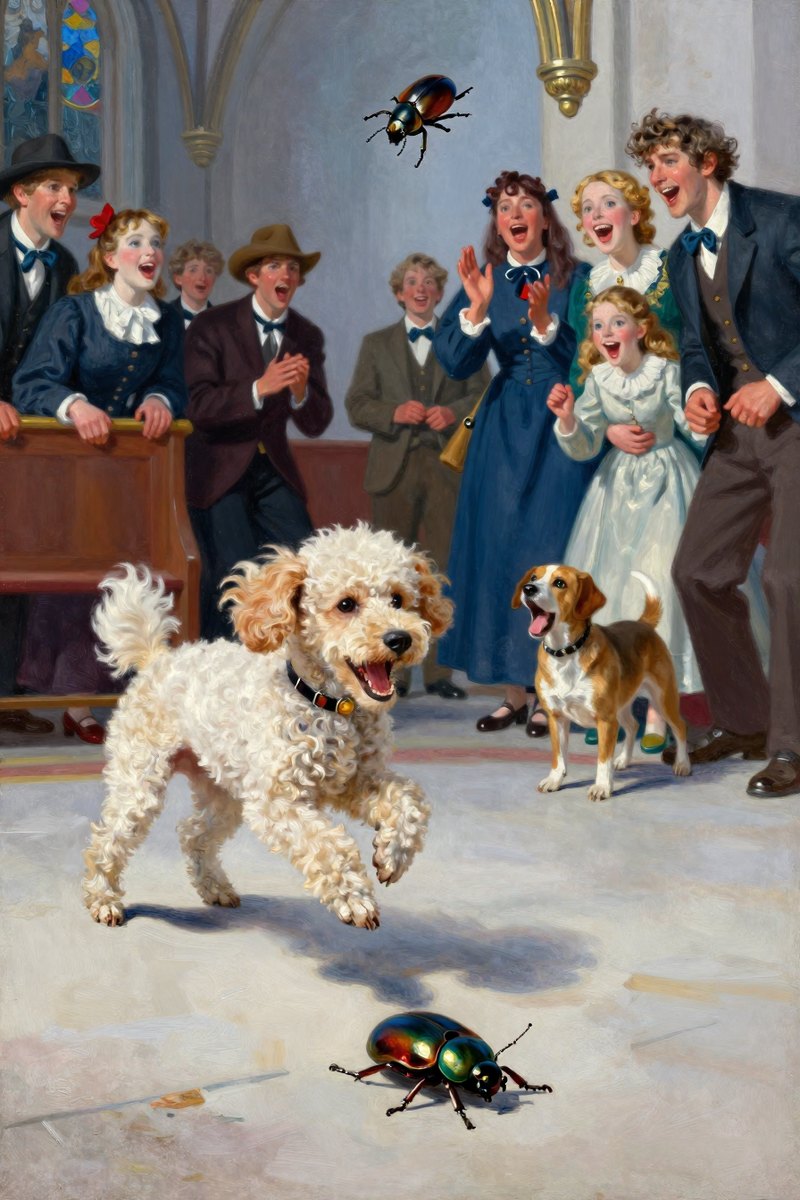
About half-past ten the cracked bell of the small church began to ring, and presently the people began to gather for the morning sermon. The Sunday-school children distributed themselves about the house and occupied pews with their parents, so as to be under supervision. Aunt Polly came, and Tom and Sid and Mary sat with her—Tom being placed next the aisle, in order that he might be as far away from the open window and the seductive outside summer scenes as possible. The crowd filed up the aisles: the aged and needy postmaster, who had seen better days; the mayor and his wife—for they had a mayor there, among other unnecessaries; the justice of the peace; the widow Douglas, fair, smart, and forty, a generous, good-hearted soul and well-to-do, her hill mansion the only palace in the town, and the most hospitable and much the most lavish in the matter of festivities that St. Petersburg could boast; the bent and venerable Major and Mrs. Ward; lawyer Riverson, the new notable from a distance; next the belle of the village, followed by a troop of lawn-clad and ribbon-decked young heart-breakers; then all the young clerks in town in a body—for they had stood in the vestibule sucking their cane-heads, a circling wall of oiled and simpering admirers, till the last girl had run their gantlet; and last of all came the Model Boy, Willie Mufferson, taking as heedful care of his mother as if she were cut glass. He always brought his mother to church, and was the pride of all the matrons. The boys all hated him, he was so good. And besides, he had been “thrown up to them” so much. His white handkerchief was hanging out of his pocket behind, as usual on Sundays—accidentally. Tom had no handkerchief, and he looked upon boys who had as snobs.
The congregation being fully assembled, now, the bell rang once more, to warn laggards and stragglers, and then a solemn hush fell upon the church which was only broken by the tittering and whispering of the choir in the gallery. The choir always tittered and whispered all through service. There was once a church choir that was not ill-bred, but I have forgotten where it was, now. It was a great many years ago, and I can scarcely remember anything about it, but I think it was in some foreign country.
The minister gave out the hymn, and read it through with a relish, in a peculiar style which was much admired in that part of the country. His voice began on a medium key and climbed steadily up till it reached a certain point, where it bore with strong emphasis upon the topmost word and then plunged down as if from a spring-board:
Shall I be car-ri-ed toe the skies, on flow’ry beds of ease, Whilst others fight to win the prize, and sail thro’ blood -y seas?
He was regarded as a wonderful reader. At church “sociables” he was always called upon to read poetry; and when he was through, the ladies would lift up their hands and let them fall helplessly in their laps, and “wall” their eyes, and shake their heads, as much as to say, “Words cannot express it; it is too beautiful, TOO beautiful for this mortal earth.”
After the hymn had been sung, the Rev. Mr. Sprague turned himself into a bulletin-board, and read off “notices” of meetings and societies and things till it seemed that the list would stretch out to the crack of doom—a queer custom which is still kept up in America, even in cities, away here in this age of abundant newspapers. Often, the less there is to justify a traditional custom, the harder it is to get rid of it.
And now the minister prayed. A good, generous prayer it was, and went into details: it pleaded for the church, and the little children of the church; for the other churches of the village; for the village itself; for the county; for the State; for the State officers; for the United States; for the churches of the United States; for Congress; for the President; for the officers of the Government; for poor sailors, tossed by stormy seas; for the oppressed millions groaning under the heel of European monarchies and Oriental despotisms; for such as have the light and the good tidings, and yet have not eyes to see nor ears to hear withal; for the heathen in the far islands of the sea; and closed with a supplication that the words he was about to speak might find grace and favor, and be as seed sown in fertile ground, yielding in time a grateful harvest of good. Amen.
There was a rustling of dresses, and the standing congregation sat down.
The boy whose history this book relates did not enjoy the prayer, he only endured it—if he even did that much. He was restive all through it; he kept tally of the details of the prayer, unconsciously—for he was not listening, but he knew the ground of old, and the clergyman’s regular route over it—and when a little trifle of new matter was interlarded, his ear detected it and his whole nature resented it; he considered additions unfair, and scoundrelly. In the midst of the prayer a fly had lit on the back of the pew in front of him and tortured his spirit by calmly rubbing its hands together, embracing its head with its arms, and polishing it so vigorously that it seemed to almost part company with the body, and the slender thread of a neck was exposed to view; scraping its wings with its hind legs and smoothing them to its body as if they had been coat-tails; going through its whole toilet as tranquilly as if it knew it was perfectly safe. As indeed it was; for as sorely as Tom’s hands itched to grab for it they did not dare—he believed his soul would be instantly destroyed if he did such a thing while the prayer was going on. But with the closing sentence his hand began to curve and steal forward; and the instant the “Amen” was out the fly was a prisoner of war. His aunt detected the act and made him let it go.
The minister gave out his text and droned along monotonously through an argument that was so prosy that many a head by and by began to nod—and yet it was an argument that dealt in limitless fire and brimstone and thinned the predestined elect down to a company so small as to be hardly worth the saving. Tom counted the pages of the sermon; after church he always knew how many pages there had been, but he seldom knew anything else about the discourse. However, this time he was really interested for a little while. The minister made a grand and moving picture of the assembling together of the world’s hosts at the millennium when the lion and the lamb should lie down together and a little child should lead them. But the pathos, the lesson, the moral of the great spectacle were lost upon the boy; he only thought of the conspicuousness of the principal character before the on-looking nations; his face lit with the thought, and he said to himself that he wished he could be that child, if it was a tame lion.
Now he lapsed into suffering again, as the dry argument was resumed.
Presently he bethought him of a treasure he had and got it out. It was a large black beetle with formidable jaws—a “pinchbug,” he called it. It was in a percussion-cap box. The first thing the beetle did was to take him by the finger. A natural fillip followed, the beetle went floundering into the aisle and lit on its back, and the hurt finger went into the boy’s mouth. The beetle lay there working its helpless legs, unable to turn over. Tom eyed it, and longed for it; but it was safe out of his reach. Other people uninterested in the sermon found relief in the beetle, and they eyed it too. Presently a vagrant poodle dog came idling along, sad at heart, lazy with the summer softness and the quiet, weary of captivity, sighing for change. He spied the beetle; the drooping tail lifted and wagged. He surveyed the prize; walked around it; smelt at it from a safe distance; walked around it again; grew bolder, and took a closer smell; then lifted his lip and made a gingerly snatch at it, just missing it; made another, and another; began to enjoy the diversion; subsided to his stomach with the beetle between his paws, and continued his experiments; grew weary at last, and then indifferent and absent-minded. His head nodded, and little by little his chin descended and touched the enemy, who seized it. There was a sharp yelp, a flirt of the poodle’s head, and the beetle fell a couple of yards away, and lit on its back once more. The neighboring spectators shook with a gentle inward joy, several faces went behind fans and hand-kerchiefs, and Tom was entirely happy. The dog looked foolish, and probably felt so; but there was resentment in his heart, too, and a craving for revenge. So he went to the beetle and began a wary attack on it again; jumping at it from every point of a circle, lighting with his fore-paws within an inch of the creature, making even closer snatches at it with his teeth, and jerking his head till his ears flapped again. But he grew tired once more, after a while; tried to amuse himself with a fly but found no relief; followed an ant around, with his nose close to the floor, and quickly wearied of that; yawned, sighed, forgot the beetle entirely, and sat down on it. Then there was a wild yelp of agony and the poodle went sailing up the aisle; the yelps continued, and so did the dog; he crossed the house in front of the altar; he flew down the other aisle; he crossed before the doors; he clamored up the home-stretch; his anguish grew with his progress, till presently he was but a woolly comet moving in its orbit with the gleam and the speed of light. At last the frantic sufferer sheered from its course, and sprang into its master’s lap; he flung it out of the window, and the voice of distress quickly thinned away and died in the distance.
By this time the whole church was red-faced and suffocating with suppressed laughter, and the sermon had come to a dead standstill.
The discourse was resumed presently, but it went lame and halting, all possibility of impressiveness being at an end; for even the gravest sentiments were constantly being received with a smothered burst of unholy mirth, under cover of some remote pew-back, as if the poor parson had said a rarely facetious thing. It was a genuine relief to the whole congregation when the ordeal was over and the benediction pronounced.
Tom Sawyer went home quite cheerful, thinking to himself that there was some satisfaction about divine service when there was a bit of variety in it. He had but one marring thought; he was willing that the dog should play with his pinchbug, but he did not think it was upright in him to carry it off.
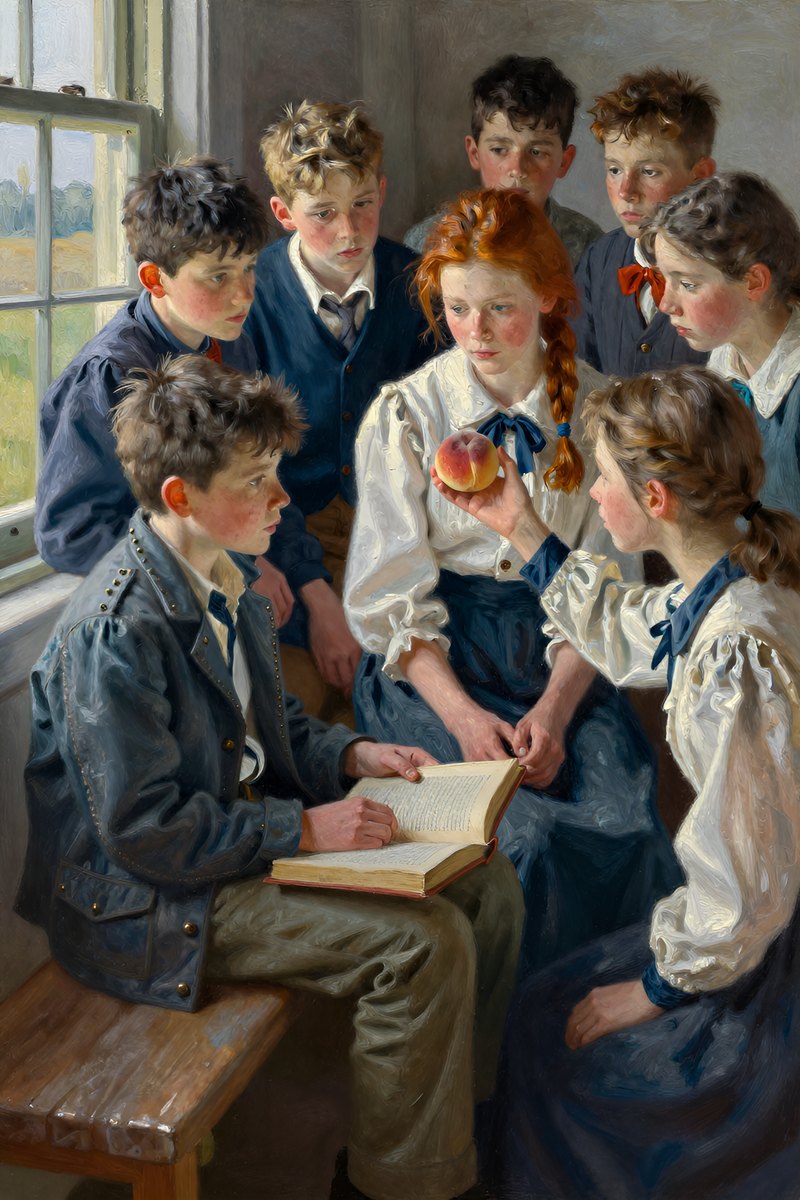
Monday morning found Tom Sawyer miserable. Monday morning always found him so—because it began another week’s slow suffering in school. He generally began that day with wishing he had had no intervening holiday, it made the going into captivity and fetters again so much more odious.
Tom lay thinking. Presently it occurred to him that he wished he was sick; then he could stay home from school. Here was a vague possibility.
He canvassed his system. No ailment was found, and he investigated again. This time he thought he could detect colicky symptoms, and he began to encourage them with considerable hope. But they soon grew feeble, and presently died wholly away. He reflected further. Suddenly he discovered something. One of his upper front teeth was loose. This was lucky; he was about to begin to groan, as a “starter,” as he called it, when it occurred to him that if he came into court with that argument, his aunt would pull it out, and that would hurt. So he thought he would hold the tooth in reserve for the present, and seek further.
Nothing offered for some little time, and then he remembered hearing the doctor tell about a certain thing that laid up a patient for two or three weeks and threatened to make him lose a finger. So the boy eagerly drew his sore toe from under the sheet and held it up for inspection.
But now he did not know the necessary symptoms. However, it seemed well worth while to chance it, so he fell to groaning with considerable spirit.
But Sid slept on unconscious.
Tom groaned louder, and fancied that he began to feel pain in the toe.
No result from Sid.
Tom was panting with his exertions by this time. He took a rest and then swelled himself up and fetched a succession of admirable groans.
Sid snored on.
Tom was aggravated. He said, “Sid, Sid!” and shook him. This course worked well, and Tom began to groan again. Sid yawned, stretched, then brought himself up on his elbow with a snort, and began to stare at Tom.
Tom went on groaning. Sid said:
“Tom! Say, Tom!” [No response.] “Here, Tom! TOM! What is the matter, Tom?” And he shook him and looked in his face anxiously.
Tom moaned out:
“Oh, don’t, Sid. Don’t joggle me.”
“Why, what’s the matter, Tom? I must call auntie.”
“No—never mind. It’ll be over by and by, maybe. Don’t call anybody.”
“But I must! Don’t groan so, Tom, it’s awful. How long you been this way?”
“Hours. Ouch! Oh, don’t stir so, Sid, you’ll kill me.”
“Tom, why didn’t you wake me sooner? Oh, Tom, don’t! It makes my flesh crawl to hear you. Tom, what is the matter?”
“I forgive you everything, Sid. [Groan.] Everything you’ve ever done to me. When I’m gone—”
“Oh, Tom, you ain’t dying, are you? Don’t, Tom—oh, don’t. Maybe—”
“I forgive everybody, Sid. [Groan.] Tell ’em so, Sid. And Sid, you give my window-sash and my cat with one eye to that new girl that’s come to town, and tell her—”
But Sid had snatched his clothes and gone. Tom was suffering in reality, now, so handsomely was his imagination working, and so his groans had gathered quite a genuine tone.
Sid flew downstairs and said:
“Oh, Aunt Polly, come! Tom’s dying!”
“Dying!”
“Yes’m. Don’t wait—come quick!”
“Rubbage! I don’t believe it!”
But she fled upstairs, nevertheless, with Sid and Mary at her heels.
And her face grew white, too, and her lip trembled. When she reached the bedside she gasped out:
“You, Tom! Tom, what’s the matter with you?”
“Oh, auntie, I’m—”
“What’s the matter with you—what is the matter with you, child?”
“Oh, auntie, my sore toe’s mortified!”
The old lady sank down into a chair and laughed a little, then cried a little, then did both together. This restored her and she said:
“Tom, what a turn you did give me. Now you shut up that nonsense and climb out of this.”
The groans ceased and the pain vanished from the toe. The boy felt a little foolish, and he said:
“Aunt Polly, it seemed mortified, and it hurt so I never minded my tooth at all.”
“Your tooth, indeed! What’s the matter with your tooth?”
“One of them’s loose, and it aches perfectly awful.”
“There, there, now, don’t begin that groaning again. Open your mouth.
Well—your tooth is loose, but you’re not going to die about that.
Mary, get me a silk thread, and a chunk of fire out of the kitchen.”
Tom said:
“Oh, please, auntie, don’t pull it out. It don’t hurt any more. I wish I may never stir if it does. Please don’t, auntie. I don’t want to stay home from school.”
“Oh, you don’t, don’t you? So all this row was because you thought you’d get to stay home from school and go a-fishing? Tom, Tom, I love you so, and you seem to try every way you can to break my old heart with your outrageousness.” By this time the dental instruments were ready. The old lady made one end of the silk thread fast to Tom’s tooth with a loop and tied the other to the bedpost. Then she seized the chunk of fire and suddenly thrust it almost into the boy’s face. The tooth hung dangling by the bedpost, now.
But all trials bring their compensations. As Tom wended to school after breakfast, he was the envy of every boy he met because the gap in his upper row of teeth enabled him to expectorate in a new and admirable way. He gathered quite a following of lads interested in the exhibition; and one that had cut his finger and had been a centre of fascination and homage up to this time, now found himself suddenly without an adherent, and shorn of his glory. His heart was heavy, and he said with a disdain which he did not feel that it wasn’t anything to spit like Tom Sawyer; but another boy said, “Sour grapes!” and he wandered away a dismantled hero.
Shortly Tom came upon the juvenile pariah of the village, Huckleberry Finn, son of the town drunkard. Huckleberry was cordially hated and dreaded by all the mothers of the town, because he was idle and lawless and vulgar and bad—and because all their children admired him so, and delighted in his forbidden society, and wished they dared to be like him. Tom was like the rest of the respectable boys, in that he envied Huckleberry his gaudy outcast condition, and was under strict orders not to play with him. So he played with him every time he got a chance.
Huckleberry was always dressed in the cast-off clothes of full-grown men, and they were in perennial bloom and fluttering with rags. His hat was a vast ruin with a wide crescent lopped out of its brim; his coat, when he wore one, hung nearly to his heels and had the rearward buttons far down the back; but one suspender supported his trousers; the seat of the trousers bagged low and contained nothing, the fringed legs dragged in the dirt when not rolled up.
Huckleberry came and went, at his own free will. He slept on doorsteps in fine weather and in empty hogsheads in wet; he did not have to go to school or to church, or call any being master or obey anybody; he could go fishing or swimming when and where he chose, and stay as long as it suited him; nobody forbade him to fight; he could sit up as late as he pleased; he was always the first boy that went barefoot in the spring and the last to resume leather in the fall; he never had to wash, nor put on clean clothes; he could swear wonderfully. In a word, everything that goes to make life precious that boy had. So thought every harassed, hampered, respectable boy in St. Petersburg.
Tom hailed the romantic outcast:
“Hello, Huckleberry!”
“Hello yourself, and see how you like it.”
“What’s that you got?”
“Dead cat.”
“Lemme see him, Huck. My, he’s pretty stiff. Where’d you get him?”
“Bought him off’n a boy.”
“What did you give?”
“I give a blue ticket and a bladder that I got at the slaughter-house.”
“Where’d you get the blue ticket?”
“Bought it off’n Ben Rogers two weeks ago for a hoop-stick.”
“Say—what is dead cats good for, Huck?”
“Good for? Cure warts with.”
“No! Is that so? I know something that’s better.”
“I bet you don’t. What is it?”
“Why, spunk-water.”
“Spunk-water! I wouldn’t give a dern for spunk-water.”
“You wouldn’t, wouldn’t you? D’you ever try it?”
“No, I hain’t. But Bob Tanner did.”
“Who told you so!”
“Why, he told Jeff Thatcher, and Jeff told Johnny Baker, and Johnny told Jim Hollis, and Jim told Ben Rogers, and Ben told a nigger, and the nigger told me. There now!”
“Well, what of it? They’ll all lie. Leastways all but the nigger. I don’t know him. But I never see a nigger that wouldn’t lie. Shucks!
Now you tell me how Bob Tanner done it, Huck.”
“Why, he took and dipped his hand in a rotten stump where the rain-water was.”
“In the daytime?”
“Certainly.”
“With his face to the stump?”
“Yes. Least I reckon so.”
“Did he say anything?”
“I don’t reckon he did. I don’t know.”
“Aha! Talk about trying to cure warts with spunk-water such a blame fool way as that! Why, that ain’t a-going to do any good. You got to go all by yourself, to the middle of the woods, where you know there’s a spunk-water stump, and just as it’s midnight you back up against the stump and jam your hand in and say:
‘Barley-corn, barley-corn, injun-meal shorts, Spunk-water, spunk-water, swaller these warts,’
and then walk away quick, eleven steps, with your eyes shut, and then turn around three times and walk home without speaking to anybody.
Because if you speak the charm’s busted.”
“Well, that sounds like a good way; but that ain’t the way Bob Tanner done.”
“No, sir, you can bet he didn’t, becuz he’s the wartiest boy in this town; and he wouldn’t have a wart on him if he’d knowed how to work spunk-water. I’ve took off thousands of warts off of my hands that way, Huck. I play with frogs so much that I’ve always got considerable many warts. Sometimes I take ’em off with a bean.”
“Yes, bean’s good. I’ve done that.”
“Have you? What’s your way?”
“You take and split the bean, and cut the wart so as to get some blood, and then you put the blood on one piece of the bean and take and dig a hole and bury it ’bout midnight at the crossroads in the dark of the moon, and then you burn up the rest of the bean. You see that piece that’s got the blood on it will keep drawing and drawing, trying to fetch the other piece to it, and so that helps the blood to draw the wart, and pretty soon off she comes.”
“Yes, that’s it, Huck—that’s it; though when you’re burying it if you say ‘Down bean; off wart; come no more to bother me!’ it’s better.
That’s the way Joe Harper does, and he’s been nearly to Coonville and most everywheres. But say—how do you cure ’em with dead cats?”
“Why, you take your cat and go and get in the grave-yard ’long about midnight when somebody that was wicked has been buried; and when it’s midnight a devil will come, or maybe two or three, but you can’t see ’em, you can only hear something like the wind, or maybe hear ’em talk; and when they’re taking that feller away, you heave your cat after ’em and say, ‘Devil follow corpse, cat follow devil, warts follow cat, I’m done with ye!’ That’ll fetch any wart.”
“Sounds right. D’you ever try it, Huck?”
“No, but old Mother Hopkins told me.”
“Well, I reckon it’s so, then. Becuz they say she’s a witch.”
“Say! Why, Tom, I know she is. She witched pap. Pap says so his own self. He come along one day, and he see she was a-witching him, so he took up a rock, and if she hadn’t dodged, he’d a got her. Well, that very night he rolled off’n a shed wher’ he was a layin drunk, and broke his arm.”
“Why, that’s awful. How did he know she was a-witching him?”
“Lord, pap can tell, easy. Pap says when they keep looking at you right stiddy, they’re a-witching you. Specially if they mumble. Becuz when they mumble they’re saying the Lord’s Prayer backards.”
“Say, Hucky, when you going to try the cat?”
“To-night. I reckon they’ll come after old Hoss Williams to-night.”
“But they buried him Saturday. Didn’t they get him Saturday night?”
“Why, how you talk! How could their charms work till midnight?—and then it’s Sunday. Devils don’t slosh around much of a Sunday, I don’t reckon.”
“I never thought of that. That’s so. Lemme go with you?”
“Of course—if you ain’t afeard.”
“Afeard! ’Tain’t likely. Will you meow?”
“Yes—and you meow back, if you get a chance. Last time, you kep’ me a-meowing around till old Hays went to throwing rocks at me and says ‘Dern that cat!’ and so I hove a brick through his window—but don’t you tell.”
“I won’t. I couldn’t meow that night, becuz auntie was watching me, but I’ll meow this time. Say—what’s that?”
“Nothing but a tick.”
“Where’d you get him?”
“Out in the woods.”
“What’ll you take for him?”
“I don’t know. I don’t want to sell him.”
“All right. It’s a mighty small tick, anyway.”
“Oh, anybody can run a tick down that don’t belong to them. I’m satisfied with it. It’s a good enough tick for me.”
“Sho, there’s ticks a plenty. I could have a thousand of ’em if I wanted to.”
“Well, why don’t you? Becuz you know mighty well you can’t. This is a pretty early tick, I reckon. It’s the first one I’ve seen this year.”
“Say, Huck—I’ll give you my tooth for him.”
“Less see it.”
Tom got out a bit of paper and carefully unrolled it. Huckleberry viewed it wistfully. The temptation was very strong. At last he said:
“Is it genuwyne?”
Tom lifted his lip and showed the vacancy.
“Well, all right,” said Huckleberry, “it’s a trade.”
Tom enclosed the tick in the percussion-cap box that had lately been the pinchbug’s prison, and the boys separated, each feeling wealthier than before.
When Tom reached the little isolated frame school-house, he strode in briskly, with the manner of one who had come with all honest speed. He hung his hat on a peg and flung himself into his seat with business-like alacrity. The master, throned on high in his great splint-bottom arm-chair, was dozing, lulled by the drowsy hum of study. The interruption roused him.
“Thomas Sawyer!”
Tom knew that when his name was pronounced in full, it meant trouble.
“Sir!”
“Come up here. Now, sir, why are you late again, as usual?”
Tom was about to take refuge in a lie, when he saw two long tails of yellow hair hanging down a back that he recognized by the electric sympathy of love; and by that form was the only vacant place on the girls’ side of the school-house. He instantly said:
“I stopped to talk with Huckleberry Finn!”
The master’s pulse stood still, and he stared helplessly. The buzz of study ceased. The pupils wondered if this foolhardy boy had lost his mind. The master said:
“You—you did what?”
“Stopped to talk with Huckleberry Finn.”
There was no mistaking the words.
“Thomas Sawyer, this is the most astounding confession I have ever listened to. No mere ferule will answer for this offence. Take off your jacket.”
The master’s arm performed until it was tired and the stock of switches notably diminished. Then the order followed:
“Now, sir, go and sit with the girls! And let this be a warning to you.”
The titter that rippled around the room appeared to abash the boy, but in reality that result was caused rather more by his worshipful awe of his unknown idol and the dread pleasure that lay in his high good fortune. He sat down upon the end of the pine bench and the girl hitched herself away from him with a toss of her head. Nudges and winks and whispers traversed the room, but Tom sat still, with his arms upon the long, low desk before him, and seemed to study his book.
By and by attention ceased from him, and the accustomed school murmur rose upon the dull air once more. Presently the boy began to steal furtive glances at the girl. She observed it, “made a mouth” at him and gave him the back of her head for the space of a minute. When she cautiously faced around again, a peach lay before her. She thrust it away. Tom gently put it back. She thrust it away again, but with less animosity. Tom patiently returned it to its place. Then she let it remain. Tom scrawled on his slate, “Please take it—I got more.” The girl glanced at the words, but made no sign. Now the boy began to draw something on the slate, hiding his work with his left hand. For a time the girl refused to notice; but her human curiosity presently began to manifest itself by hardly perceptible signs. The boy worked on, apparently unconscious. The girl made a sort of non-committal attempt to see, but the boy did not betray that he was aware of it. At last she gave in and hesitatingly whispered:
“Let me see it.”
Tom partly uncovered a dismal caricature of a house with two gable ends to it and a corkscrew of smoke issuing from the chimney. Then the girl’s interest began to fasten itself upon the work and she forgot everything else. When it was finished, she gazed a moment, then whispered:
“It’s nice—make a man.”
The artist erected a man in the front yard, that resembled a derrick. He could have stepped over the house; but the girl was not hypercritical; she was satisfied with the monster, and whispered:
“It’s a beautiful man—now make me coming along.”
Tom drew an hour-glass with a full moon and straw limbs to it and armed the spreading fingers with a portentous fan. The girl said:
“It’s ever so nice—I wish I could draw.”
“It’s easy,” whispered Tom, “I’ll learn you.”
“Oh, will you? When?”
“At noon. Do you go home to dinner?”
“I’ll stay if you will.”
“Good—that’s a whack. What’s your name?”
“Becky Thatcher. What’s yours? Oh, I know. It’s Thomas Sawyer.”
“That’s the name they lick me by. I’m Tom when I’m good. You call me Tom, will you?”
“Yes.”
Now Tom began to scrawl something on the slate, hiding the words from the girl. But she was not backward this time. She begged to see. Tom said:
“Oh, it ain’t anything.”
“Yes it is.”
“No it ain’t. You don’t want to see.”
“Yes I do, indeed I do. Please let me.”
“You’ll tell.”
“No I won’t—deed and deed and double deed won’t.”
“You won’t tell anybody at all? Ever, as long as you live?”
“No, I won’t ever tell anybody. Now let me.”
“Oh, you don’t want to see!”
“Now that you treat me so, I will see.” And she put her small hand upon his and a little scuffle ensued, Tom pretending to resist in earnest but letting his hand slip by degrees till these words were revealed: “I love you.”
“Oh, you bad thing!” And she hit his hand a smart rap, but reddened and looked pleased, nevertheless.
Just at this juncture the boy felt a slow, fateful grip closing on his ear, and a steady lifting impulse. In that wise he was borne across the house and deposited in his own seat, under a peppering fire of giggles from the whole school. Then the master stood over him during a few awful moments, and finally moved away to his throne without saying a word. But although Tom’s ear tingled, his heart was jubilant.
As the school quieted down Tom made an honest effort to study, but the turmoil within him was too great. In turn he took his place in the reading class and made a botch of it; then in the geography class and turned lakes into mountains, mountains into rivers, and rivers into continents, till chaos was come again; then in the spelling class, and got “turned down,” by a succession of mere baby words, till he brought up at the foot and yielded up the pewter medal which he had worn with ostentation for months.
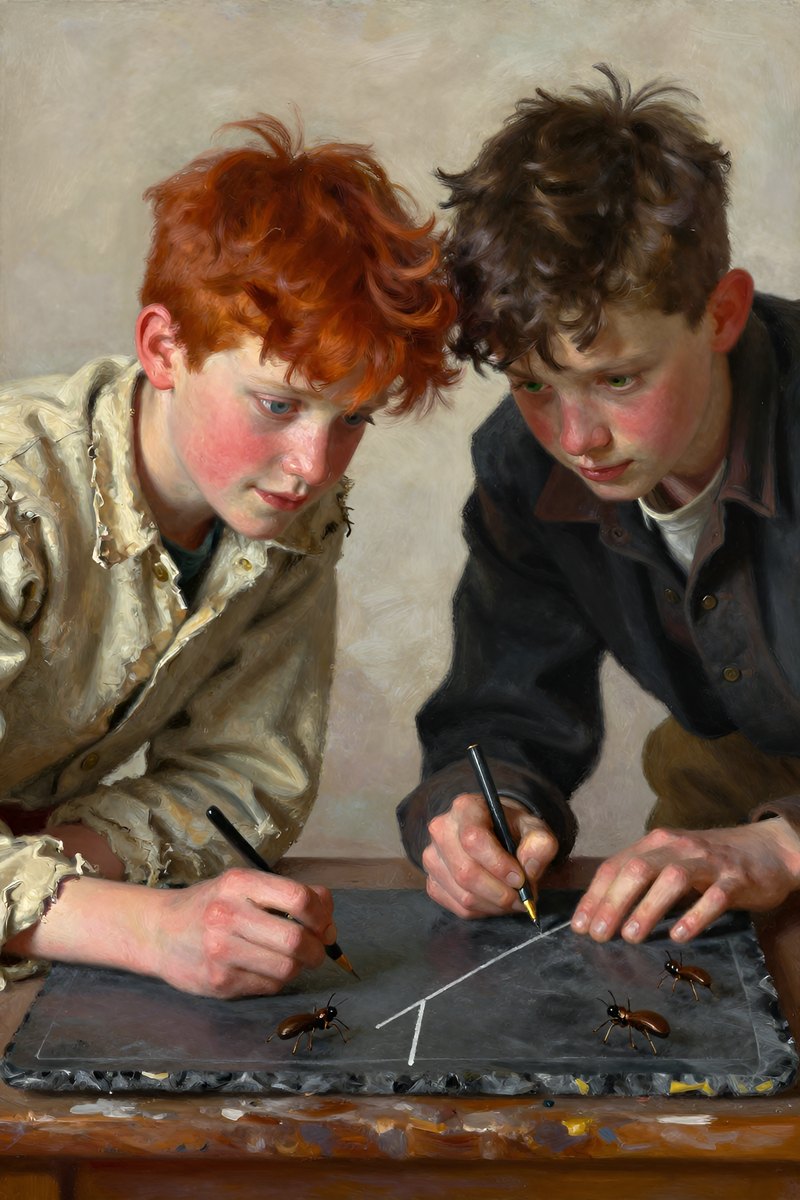
The harder Tom tried to fasten his mind on his book, the more his ideas wandered. So at last, with a sigh and a yawn, he gave it up. It seemed to him that the noon recess would never come. The air was utterly dead.
There was not a breath stirring. It was the sleepiest of sleepy days.
The drowsing murmur of the five and twenty studying scholars soothed the soul like the spell that is in the murmur of bees. Away off in the flaming sunshine, Cardiff Hill lifted its soft green sides through a shimmering veil of heat, tinted with the purple of distance; a few birds floated on lazy wing high in the air; no other living thing was visible but some cows, and they were asleep. Tom’s heart ached to be free, or else to have something of interest to do to pass the dreary time.
His hand wandered into his pocket and his face lit up with a glow of gratitude that was prayer, though he did not know it. Then furtively the percussion-cap box came out. He released the tick and put him on the long flat desk. The creature probably glowed with a gratitude that amounted to prayer, too, at this moment, but it was premature: for when he started thankfully to travel off, Tom turned him aside with a pin and made him take a new direction.
Tom’s bosom friend sat next him, suffering just as Tom had been, and now he was deeply and gratefully interested in this entertainment in an instant. This bosom friend was Joe Harper. The two boys were sworn friends all the week, and embattled enemies on Saturdays. Joe took a pin out of his lapel and began to assist in exercising the prisoner.
The sport grew in interest momently. Soon Tom said that they were interfering with each other, and neither getting the fullest benefit of the tick. So he put Joe’s slate on the desk and drew a line down the middle of it from top to bottom.
“Now,” said he, “as long as he is on your side you can stir him up and I’ll let him alone; but if you let him get away and get on my side, you’re to leave him alone as long as I can keep him from crossing over.”
“All right, go ahead; start him up.”
The tick escaped from Tom, presently, and crossed the equator. Joe harassed him awhile, and then he got away and crossed back again. This change of base occurred often. While one boy was worrying the tick with absorbing interest, the other would look on with interest as strong, the two heads bowed together over the slate, and the two souls dead to all things else. At last luck seemed to settle and abide with Joe. The tick tried this, that, and the other course, and got as excited and as anxious as the boys themselves, but time and again just as he would have victory in his very grasp, so to speak, and Tom’s fingers would be twitching to begin, Joe’s pin would deftly head him off, and keep possession. At last Tom could stand it no longer. The temptation was too strong. So he reached out and lent a hand with his pin. Joe was angry in a moment. Said he:
“Tom, you let him alone.”
“I only just want to stir him up a little, Joe.”
“No, sir, it ain’t fair; you just let him alone.”
“Blame it, I ain’t going to stir him much.”
“Let him alone, I tell you.”
“I won’t!”
“You shall—he’s on my side of the line.”
“Look here, Joe Harper, whose is that tick?”
“I don’t care whose tick he is—he’s on my side of the line, and you sha’n’t touch him.”
“Well, I’ll just bet I will, though. He’s my tick and I’ll do what I blame please with him, or die!”
A tremendous whack came down on Tom’s shoulders, and its duplicate on Joe’s; and for the space of two minutes the dust continued to fly from the two jackets and the whole school to enjoy it. The boys had been too absorbed to notice the hush that had stolen upon the school awhile before when the master came tiptoeing down the room and stood over them.
He had contemplated a good part of the performance before he contributed his bit of variety to it.
When school broke up at noon, Tom flew to Becky Thatcher, and whispered in her ear:
“Put on your bonnet and let on you’re going home; and when you get to the corner, give the rest of ’em the slip, and turn down through the lane and come back. I’ll go the other way and come it over ’em the same way.”
So the one went off with one group of scholars, and the other with another. In a little while the two met at the bottom of the lane, and when they reached the school they had it all to themselves. Then they sat together, with a slate before them, and Tom gave Becky the pencil and held her hand in his, guiding it, and so created another surprising house. When the interest in art began to wane, the two fell to talking.
Tom was swimming in bliss. He said:
“Do you love rats?”
“No! I hate them!”
“Well, I do, too—live ones. But I mean dead ones, to swing round your head with a string.”
“No, I don’t care for rats much, anyway. What I like is chewing-gum.”
“Oh, I should say so! I wish I had some now.”
“Do you? I’ve got some. I’ll let you chew it awhile, but you must give it back to me.”
That was agreeable, so they chewed it turn about, and dangled their legs against the bench in excess of contentment.
“Was you ever at a circus?” said Tom.
“Yes, and my pa’s going to take me again some time, if I’m good.”
“I been to the circus three or four times—lots of times. Church ain’t shucks to a circus. There’s things going on at a circus all the time.
I’m going to be a clown in a circus when I grow up.”
“Oh, are you! That will be nice. They’re so lovely, all spotted up.”
“Yes, that’s so. And they get slathers of money—most a dollar a day, Ben Rogers says. Say, Becky, was you ever engaged?”
“What’s that?”
“Why, engaged to be married.”
“No.”
“Would you like to?”
“I reckon so. I don’t know. What is it like?”
“Like? Why it ain’t like anything. You only just tell a boy you won’t ever have anybody but him, ever ever ever, and then you kiss and that’s all. Anybody can do it.”
“Kiss? What do you kiss for?”
“Why, that, you know, is to—well, they always do that.”
“Everybody?”
“Why, yes, everybody that’s in love with each other. Do you remember what I wrote on the slate?”
“Ye—yes.”
“What was it?”
“I sha’n’t tell you.”
“Shall I tell you?”
“Ye—yes—but some other time.”
“No, now.”
“No, not now—to-morrow.”
“Oh, no, now. Please, Becky—I’ll whisper it, I’ll whisper it ever so easy.”
Becky hesitating, Tom took silence for consent, and passed his arm about her waist and whispered the tale ever so softly, with his mouth close to her ear. And then he added:
“Now you whisper it to me—just the same.”
She resisted, for a while, and then said:
“You turn your face away so you can’t see, and then I will. But you mustn’t ever tell anybody—will you, Tom? Now you won’t, will you?”
“No, indeed, indeed I won’t. Now, Becky.”
He turned his face away. She bent timidly around till her breath stirred his curls and whispered, “I—love—you!”
Then she sprang away and ran around and around the desks and benches, with Tom after her, and took refuge in a corner at last, with her little white apron to her face. Tom clasped her about her neck and pleaded:
“Now, Becky, it’s all done—all over but the kiss. Don’t you be afraid of that—it ain’t anything at all. Please, Becky.” And he tugged at her apron and the hands.
By and by she gave up, and let her hands drop; her face, all glowing with the struggle, came up and submitted. Tom kissed the red lips and said:
“Now it’s all done, Becky. And always after this, you know, you ain’t ever to love anybody but me, and you ain’t ever to marry anybody but me, ever never and forever. Will you?”
“No, I’ll never love anybody but you, Tom, and I’ll never marry anybody but you—and you ain’t to ever marry anybody but me, either.”
“Certainly. Of course. That’s part of it. And always coming to school or when we’re going home, you’re to walk with me, when there ain’t anybody looking—and you choose me and I choose you at parties, because that’s the way you do when you’re engaged.”
“It’s so nice. I never heard of it before.”
“Oh, it’s ever so gay! Why, me and Amy Lawrence—”
The big eyes told Tom his blunder and he stopped, confused.
“Oh, Tom! Then I ain’t the first you’ve ever been engaged to!”
The child began to cry. Tom said:
“Oh, don’t cry, Becky, I don’t care for her any more.”
“Yes, you do, Tom—you know you do.”
Tom tried to put his arm about her neck, but she pushed him away and turned her face to the wall, and went on crying. Tom tried again, with soothing words in his mouth, and was repulsed again. Then his pride was up, and he strode away and went outside. He stood about, restless and uneasy, for a while, glancing at the door, every now and then, hoping she would repent and come to find him. But she did not. Then he began to feel badly and fear that he was in the wrong. It was a hard struggle with him to make new advances, now, but he nerved himself to it and entered. She was still standing back there in the corner, sobbing, with her face to the wall. Tom’s heart smote him. He went to her and stood a moment, not knowing exactly how to proceed. Then he said hesitatingly:
“Becky, I—I don’t care for anybody but you.”
No reply—but sobs.
“Becky”—pleadingly. “Becky, won’t you say something?”
More sobs.
Tom got out his chiefest jewel, a brass knob from the top of an andiron, and passed it around her so that she could see it, and said:
“Please, Becky, won’t you take it?”
She struck it to the floor. Then Tom marched out of the house and over the hills and far away, to return to school no more that day. Presently Becky began to suspect. She ran to the door; he was not in sight; she flew around to the play-yard; he was not there. Then she called:
“Tom! Come back, Tom!”
She listened intently, but there was no answer. She had no companions but silence and loneliness. So she sat down to cry again and upbraid herself; and by this time the scholars began to gather again, and she had to hide her griefs and still her broken heart and take up the cross of a long, dreary, aching afternoon, with none among the strangers about her to exchange sorrows with.
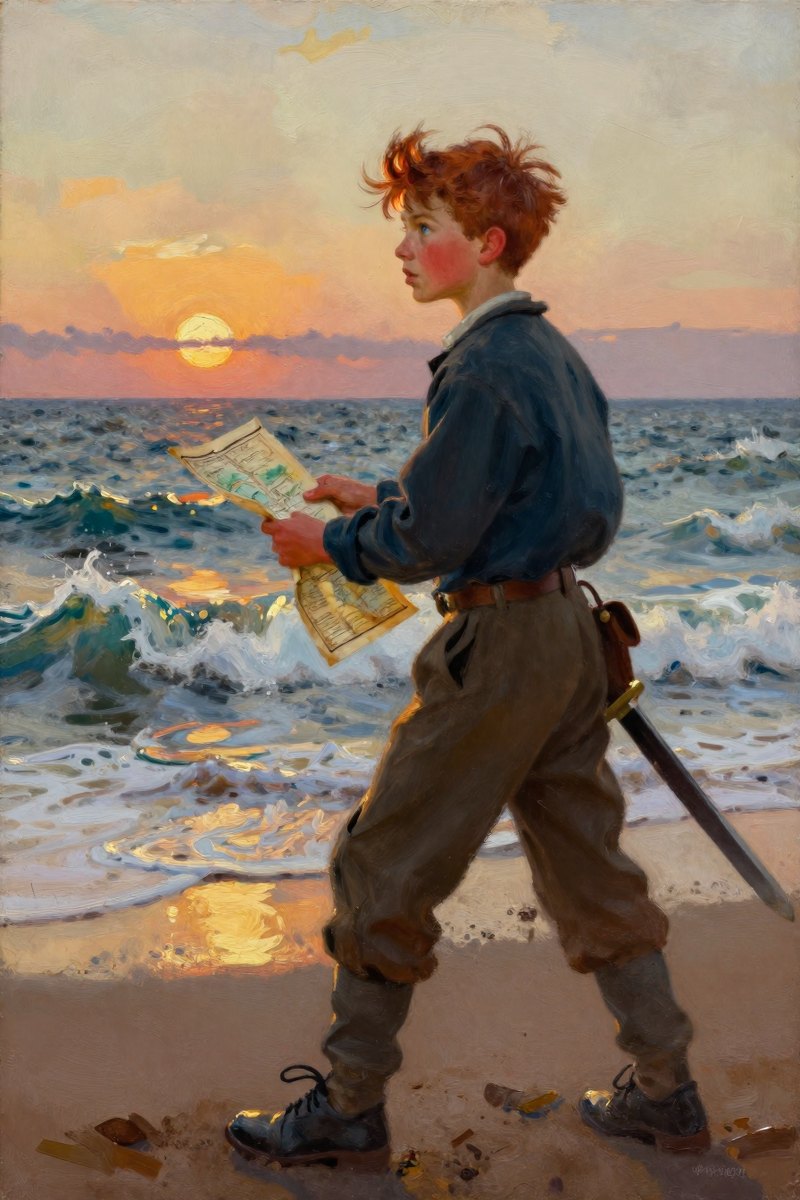
Tom dodged hither and thither through lanes until he was well out of the track of returning scholars, and then fell into a moody jog. He crossed a small “branch” two or three times, because of a prevailing juvenile superstition that to cross water baffled pursuit. Half an hour later he was disappearing behind the Douglas mansion on the summit of Cardiff Hill, and the school-house was hardly distinguishable away off in the valley behind him. He entered a dense wood, picked his pathless way to the centre of it, and sat down on a mossy spot under a spreading oak.
There was not even a zephyr stirring; the dead noonday heat had even stilled the songs of the birds; nature lay in a trance that was broken by no sound but the occasional far-off hammering of a wood-pecker, and this seemed to render the pervading silence and sense of loneliness the more profound. The boy’s soul was steeped in melancholy; his feelings were in happy accord with his surroundings. He sat long with his elbows on his knees and his chin in his hands, meditating. It seemed to him that life was but a trouble, at best, and he more than half envied Jimmy Hodges, so lately released; it must be very peaceful, he thought, to lie and slumber and dream forever and ever, with the wind whispering through the trees and caressing the grass and the flowers over the grave, and nothing to bother and grieve about, ever any more. If he only had a clean Sunday-school record he could be willing to go, and be done with it all. Now as to this girl. What had he done? Nothing. He had meant the best in the world, and been treated like a dog—like a very dog. She would be sorry some day—maybe when it was too late. Ah, if he could only die temporarily!
But the elastic heart of youth cannot be compressed into one constrained shape long at a time. Tom presently began to drift insensibly back into the concerns of this life again. What if he turned his back, now, and disappeared mysteriously? What if he went away—ever so far away, into unknown countries beyond the seas—and never came back any more! How would she feel then! The idea of being a clown recurred to him now, only to fill him with disgust. For frivolity and jokes and spotted tights were an offense, when they intruded themselves upon a spirit that was exalted into the vague august realm of the romantic. No, he would be a soldier, and return after long years, all war-worn and illustrious.
No—better still, he would join the Indians, and hunt buffaloes and go on the warpath in the mountain ranges and the trackless great plains of the Far West, and away in the future come back a great chief, bristling with feathers, hideous with paint, and prance into Sunday-school, some drowsy summer morning, with a blood-curdling war-whoop, and sear the eyeballs of all his companions with unappeasable envy. But no, there was something gaudier even than this. He would be a pirate! That was it!
now his future lay plain before him, and glowing with unimaginable splendor. How his name would fill the world, and make people shudder!
How gloriously he would go plowing the dancing seas, in his long, low, black-hulled racer, the Spirit of the Storm, with his grisly flag flying at the fore! And at the zenith of his fame, how he would suddenly appear at the old village and stalk into church, brown and weather-beaten, in his black velvet doublet and trunks, his great jack-boots, his crimson sash, his belt bristling with horse-pistols, his crime-rusted cutlass at his side, his slouch hat with waving plumes, his black flag unfurled, with the skull and crossbones on it, and hear with swelling ecstasy the whisperings, “It’s Tom Sawyer the Pirate!—the Black Avenger of the Spanish Main!”
Yes, it was settled; his career was determined. He would run away from home and enter upon it. He would start the very next morning. Therefore he must now begin to get ready. He would collect his resources together.
He went to a rotten log near at hand and began to dig under one end of it with his Barlow knife. He soon struck wood that sounded hollow. He put his hand there and uttered this incantation impressively:
“What hasn’t come here, come! What’s here, stay here!”
Then he scraped away the dirt, and exposed a pine shingle. He took it up and disclosed a shapely little treasure-house whose bottom and sides were of shingles. In it lay a marble. Tom’s astonishment was boundless!
He scratched his head with a perplexed air, and said:
“Well, that beats anything!”
Then he tossed the marble away pettishly, and stood cogitating. The truth was, that a superstition of his had failed, here, which he and all his comrades had always looked upon as infallible. If you buried a marble with certain necessary incantations, and left it alone a fortnight, and then opened the place with the incantation he had just used, you would find that all the marbles you had ever lost had gathered themselves together there, meantime, no matter how widely they had been separated. But now, this thing had actually and unquestionably failed.
Tom’s whole structure of faith was shaken to its foundations. He had many a time heard of this thing succeeding but never of its failing before. It did not occur to him that he had tried it several times before, himself, but could never find the hiding-places afterward. He puzzled over the matter some time, and finally decided that some witch had interfered and broken the charm. He thought he would satisfy himself on that point; so he searched around till he found a small sandy spot with a little funnel-shaped depression in it. He laid himself down and put his mouth close to this depression and called— “Doodle-bug, doodle-bug, tell me what I want to know! Doodle-bug, doodle-bug, tell me what I want to know!”
The sand began to work, and presently a small black bug appeared for a second and then darted under again in a fright.
“He dasn’t tell! So it was a witch that done it. I just knowed it.”
He well knew the futility of trying to contend against witches, so he gave up discouraged. But it occurred to him that he might as well have the marble he had just thrown away, and therefore he went and made a patient search for it. But he could not find it. Now he went back to his treasure-house and carefully placed himself just as he had been standing when he tossed the marble away; then he took another marble from his pocket and tossed it in the same way, saying:
“Brother, go find your brother!”
He watched where it stopped, and went there and looked. But it must have fallen short or gone too far; so he tried twice more. The last repetition was successful. The two marbles lay within a foot of each other.
Just here the blast of a toy tin trumpet came faintly down the green aisles of the forest. Tom flung off his jacket and trousers, turned a suspender into a belt, raked away some brush behind the rotten log, disclosing a rude bow and arrow, a lath sword and a tin trumpet, and in a moment had seized these things and bounded away, barelegged, with fluttering shirt. He presently halted under a great elm, blew an answering blast, and then began to tiptoe and look warily out, this way and that. He said cautiously—to an imaginary company:
“Hold, my merry men! Keep hid till I blow.”
Now appeared Joe Harper, as airily clad and elaborately armed as Tom.
Tom called:
“Hold! Who comes here into Sherwood Forest without my pass?”
“Guy of Guisborne wants no man’s pass. Who art thou that—that—”
“Dares to hold such language,” said Tom, prompting—for they talked “by the book,” from memory.
“Who art thou that dares to hold such language?”
“I, indeed! I am Robin Hood, as thy caitiff carcase soon shall know.”
“Then art thou indeed that famous outlaw? Right gladly will I dispute with thee the passes of the merry wood. Have at thee!”
They took their lath swords, dumped their other traps on the ground, struck a fencing attitude, foot to foot, and began a grave, careful combat, “two up and two down.” Presently Tom said:
“Now, if you’ve got the hang, go it lively!”
So they “went it lively,” panting and perspiring with the work. By and by Tom shouted:
“Fall! fall! Why don’t you fall?”
“I sha’n’t! Why don’t you fall yourself? You’re getting the worst of it.”
“Why, that ain’t anything. I can’t fall; that ain’t the way it is in the book. The book says, ‘Then with one back-handed stroke he slew poor Guy of Guisborne.’ You’re to turn around and let me hit you in the back.”
There was no getting around the authorities, so Joe turned, received the whack and fell.
“Now,” said Joe, getting up, “you got to let me kill you. That’s fair.”
“Why, I can’t do that, it ain’t in the book.”
“Well, it’s blamed mean—that’s all.”
“Well, say, Joe, you can be Friar Tuck or Much the miller’s son, and lam me with a quarter-staff; or I’ll be the Sheriff of Nottingham and you be Robin Hood a little while and kill me.”
This was satisfactory, and so these adventures were carried out. Then Tom became Robin Hood again, and was allowed by the treacherous nun to bleed his strength away through his neglected wound. And at last Joe, representing a whole tribe of weeping outlaws, dragged him sadly forth, gave his bow into his feeble hands, and Tom said, “Where this arrow falls, there bury poor Robin Hood under the greenwood tree.” Then he shot the arrow and fell back and would have died, but he lit on a nettle and sprang up too gaily for a corpse.
The boys dressed themselves, hid their accoutrements, and went off grieving that there were no outlaws any more, and wondering what modern civilization could claim to have done to compensate for their loss.
They said they would rather be outlaws a year in Sherwood Forest than President of the United States forever.
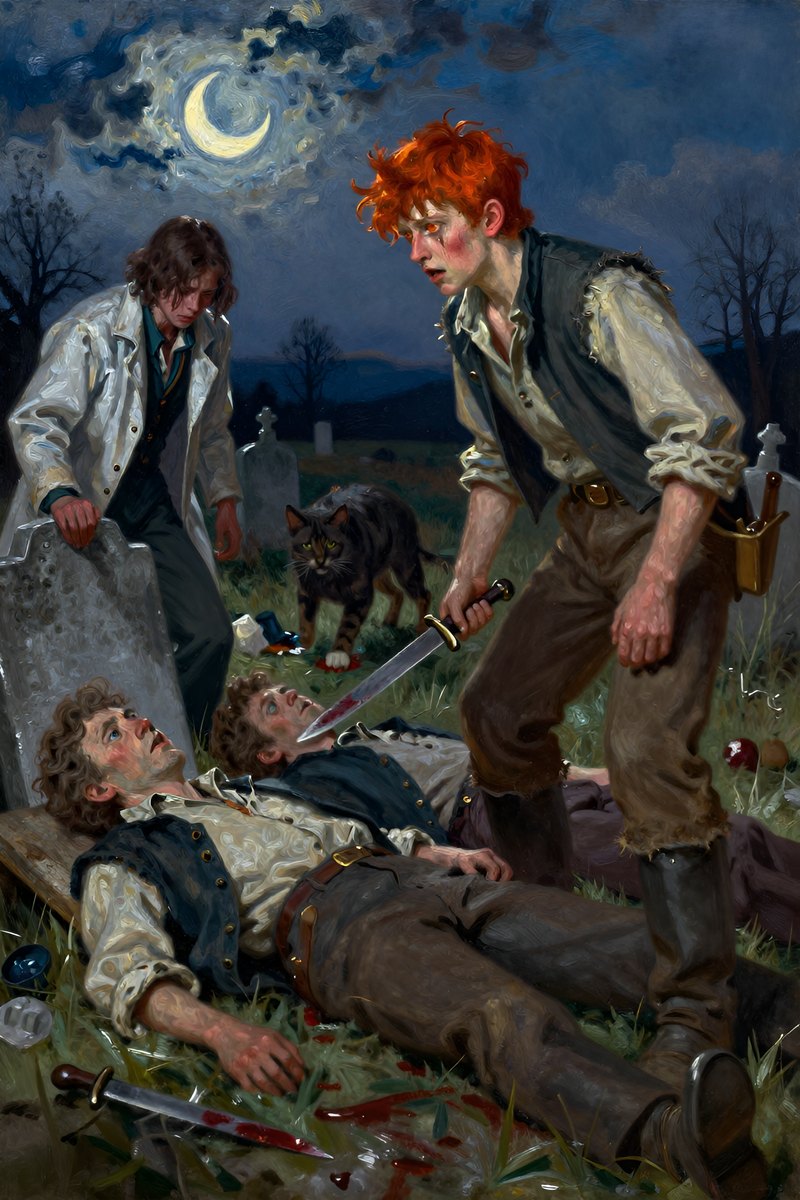
At half-past nine, that night, Tom and Sid were sent to bed, as usual.
They said their prayers, and Sid was soon asleep. Tom lay awake and waited, in restless impatience. When it seemed to him that it must be nearly daylight, he heard the clock strike ten! This was despair. He would have tossed and fidgeted, as his nerves demanded, but he was afraid he might wake Sid. So he lay still, and stared up into the dark.
Everything was dismally still. By and by, out of the stillness, little, scarcely perceptible noises began to emphasize themselves. The ticking of the clock began to bring itself into notice. Old beams began to crack mysteriously. The stairs creaked faintly. Evidently spirits were abroad.
A measured, muffled snore issued from Aunt Polly’s chamber. And now the tiresome chirping of a cricket that no human ingenuity could locate, began. Next the ghastly ticking of a death-watch in the wall at the bed’s head made Tom shudder—it meant that somebody’s days were numbered.
Then the howl of a far-off dog rose on the night air, and was answered by a fainter howl from a remoter distance. Tom was in an agony. At last he was satisfied that time had ceased and eternity begun; he began to doze, in spite of himself; the clock chimed eleven, but he did not hear it. And then there came, mingling with his half-formed dreams, a most melancholy caterwauling. The raising of a neighboring window disturbed him. A cry of “Scat! you devil!” and the crash of an empty bottle against the back of his aunt’s woodshed brought him wide awake, and a single minute later he was dressed and out of the window and creeping along the roof of the “ell” on all fours. He “meow’d” with caution once or twice, as he went; then jumped to the roof of the woodshed and thence to the ground. Huckleberry Finn was there, with his dead cat. The boys moved off and disappeared in the gloom. At the end of half an hour they were wading through the tall grass of the graveyard.
It was a graveyard of the old-fashioned Western kind. It was on a hill, about a mile and a half from the village. It had a crazy board fence around it, which leaned inward in places, and outward the rest of the time, but stood upright nowhere. Grass and weeds grew rank over the whole cemetery. All the old graves were sunken in, there was not a tombstone on the place; round-topped, worm-eaten boards staggered over the graves, leaning for support and finding none. “Sacred to the memory of” So-and-So had been painted on them once, but it could no longer have been read, on the most of them, now, even if there had been light.
A faint wind moaned through the trees, and Tom feared it might be the spirits of the dead, complaining at being disturbed. The boys talked little, and only under their breath, for the time and the place and the pervading solemnity and silence oppressed their spirits. They found the sharp new heap they were seeking, and ensconced themselves within the protection of three great elms that grew in a bunch within a few feet of the grave.
Then they waited in silence for what seemed a long time. The hooting of a distant owl was all the sound that troubled the dead stillness. Tom’s reflections grew oppressive. He must force some talk. So he said in a whisper:
“Hucky, do you believe the dead people like it for us to be here?”
Huckleberry whispered:
“I wisht I knowed. It’s awful solemn like, ain’t it?”
“I bet it is.”
There was a considerable pause, while the boys canvassed this matter inwardly. Then Tom whispered:
“Say, Hucky—do you reckon Hoss Williams hears us talking?”
“O’ course he does. Least his sperrit does.”
Tom, after a pause:
“I wish I’d said Mister Williams. But I never meant any harm. Everybody calls him Hoss.”
“A body can’t be too partic’lar how they talk ’bout these-yer dead people, Tom.”
This was a damper, and conversation died again.
Presently Tom seized his comrade’s arm and said:
“Sh!”
“What is it, Tom?” And the two clung together with beating hearts.
“Sh! There ’tis again! Didn’t you hear it?”
“I—”
“There! Now you hear it.”
“Lord, Tom, they’re coming! They’re coming, sure. What’ll we do?”
“I dono. Think they’ll see us?”
“Oh, Tom, they can see in the dark, same as cats. I wisht I hadn’t come.”
“Oh, don’t be afeard. I don’t believe they’ll bother us. We ain’t doing any harm. If we keep perfectly still, maybe they won’t notice us at all.”
“I’ll try to, Tom, but, Lord, I’m all of a shiver.”
“Listen!”
The boys bent their heads together and scarcely breathed. A muffled sound of voices floated up from the far end of the graveyard.
“Look! See there!” whispered Tom. “What is it?”
“It’s devil-fire. Oh, Tom, this is awful.”
Some vague figures approached through the gloom, swinging an old-fashioned tin lantern that freckled the ground with innumerable little spangles of light. Presently Huckleberry whispered with a shudder:
“It’s the devils sure enough. Three of ’em! Lordy, Tom, we’re goners!
Can you pray?”
“I’ll try, but don’t you be afeard. They ain’t going to hurt us. ‘Now I lay me down to sleep, I—’”
“Sh!”
“What is it, Huck?”
“They’re humans! One of ’em is, anyway. One of ’em’s old Muff Potter’s voice.”
“No—’tain’t so, is it?”
“I bet I know it. Don’t you stir nor budge. He ain’t sharp enough to notice us. Drunk, the same as usual, likely—blamed old rip!”
“All right, I’ll keep still. Now they’re stuck. Can’t find it. Here they come again. Now they’re hot. Cold again. Hot again. Red hot! They’re p’inted right, this time. Say, Huck, I know another o’ them voices; it’s Injun Joe.”
“That’s so—that murderin’ half-breed! I’d druther they was devils a dern sight. What kin they be up to?”
The whisper died wholly out, now, for the three men had reached the grave and stood within a few feet of the boys’ hiding-place.
“Here it is,” said the third voice; and the owner of it held the lantern up and revealed the face of young Doctor Robinson.
Potter and Injun Joe were carrying a handbarrow with a rope and a couple of shovels on it. They cast down their load and began to open the grave.
The doctor put the lantern at the head of the grave and came and sat down with his back against one of the elm trees. He was so close the boys could have touched him.
“Hurry, men!” he said, in a low voice; “the moon might come out at any moment.”
They growled a response and went on digging. For some time there was no noise but the grating sound of the spades discharging their freight of mould and gravel. It was very monotonous. Finally a spade struck upon the coffin with a dull woody accent, and within another minute or two the men had hoisted it out on the ground. They pried off the lid with their shovels, got out the body and dumped it rudely on the ground. The moon drifted from behind the clouds and exposed the pallid face.
The barrow was got ready and the corpse placed on it, covered with a blanket, and bound to its place with the rope. Potter took out a large spring-knife and cut off the dangling end of the rope and then said:
“Now the cussed thing’s ready, Sawbones, and you’ll just out with another five, or here she stays.”
“That’s the talk!” said Injun Joe.
“Look here, what does this mean?” said the doctor. “You required your pay in advance, and I’ve paid you.”
“Yes, and you done more than that,” said Injun Joe, approaching the doctor, who was now standing. “Five years ago you drove me away from your father’s kitchen one night, when I come to ask for something to eat, and you said I warn’t there for any good; and when I swore I’d get even with you if it took a hundred years, your father had me jailed for a vagrant. Did you think I’d forget? The Injun blood ain’t in me for nothing. And now I’ve got you, and you got to settle, you know!”
He was threatening the doctor, with his fist in his face, by this time.
The doctor struck out suddenly and stretched the ruffian on the ground.
Potter dropped his knife, and exclaimed:
“Here, now, don’t you hit my pard!” and the next moment he had grappled with the doctor and the two were struggling with might and main, trampling the grass and tearing the ground with their heels. Injun Joe sprang to his feet, his eyes flaming with passion, snatched up Potter’s knife, and went creeping, catlike and stooping, round and round about the combatants, seeking an opportunity. All at once the doctor flung himself free, seized the heavy headboard of Williams’ grave and felled Potter to the earth with it—and in the same instant the half-breed saw his chance and drove the knife to the hilt in the young man’s breast. He reeled and fell partly upon Potter, flooding him with his blood, and in the same moment the clouds blotted out the dreadful spectacle and the two frightened boys went speeding away in the dark.
Presently, when the moon emerged again, Injun Joe was standing over the two forms, contemplating them. The doctor murmured inarticulately, gave a long gasp or two and was still. The half-breed muttered:
“That score is settled—damn you.”
Then he robbed the body. After which he put the fatal knife in Potter’s open right hand, and sat down on the dismantled coffin. Three—four—five minutes passed, and then Potter began to stir and moan. His hand closed upon the knife; he raised it, glanced at it, and let it fall, with a shudder. Then he sat up, pushing the body from him, and gazed at it, and then around him, confusedly. His eyes met Joe’s.
“Lord, how is this, Joe?” he said.
“It’s a dirty business,” said Joe, without moving. “What did you do it for?”
“I! I never done it!”
“Look here! That kind of talk won’t wash.”
Potter trembled and grew white.
“I thought I’d got sober. I’d no business to drink to-night. But it’s in my head yet—worse’n when we started here. I’m all in a muddle; can’t recollect anything of it, hardly. Tell me, Joe—honest, now, old feller—did I do it? Joe, I never meant to—’pon my soul and honor, I never meant to, Joe. Tell me how it was, Joe. Oh, it’s awful—and him so young and promising.”
“Why, you two was scuffling, and he fetched you one with the headboard and you fell flat; and then up you come, all reeling and staggering like, and snatched the knife and jammed it into him, just as he fetched you another awful clip—and here you’ve laid, as dead as a wedge til now.”
“Oh, I didn’t know what I was a-doing. I wish I may die this minute if I did. It was all on account of the whiskey and the excitement, I reckon.
I never used a weepon in my life before, Joe. I’ve fought, but never with weepons. They’ll all say that. Joe, don’t tell! Say you won’t tell, Joe—that’s a good feller. I always liked you, Joe, and stood up for you, too. Don’t you remember? You won’t tell, will you, Joe?” And the poor creature dropped on his knees before the stolid murderer, and clasped his appealing hands.
“No, you’ve always been fair and square with me, Muff Potter, and I won’t go back on you. There, now, that’s as fair as a man can say.”
“Oh, Joe, you’re an angel. I’ll bless you for this the longest day I live.” And Potter began to cry.
“Come, now, that’s enough of that. This ain’t any time for blubbering.
You be off yonder way and I’ll go this. Move, now, and don’t leave any tracks behind you.”
Potter started on a trot that quickly increased to a run. The half-breed stood looking after him. He muttered:
“If he’s as much stunned with the lick and fuddled with the rum as he had the look of being, he won’t think of the knife till he’s gone so far he’ll be afraid to come back after it to such a place by himself—chicken-heart!”
Two or three minutes later the murdered man, the blanketed corpse, the lidless coffin, and the open grave were under no inspection but the moon’s. The stillness was complete again, too.
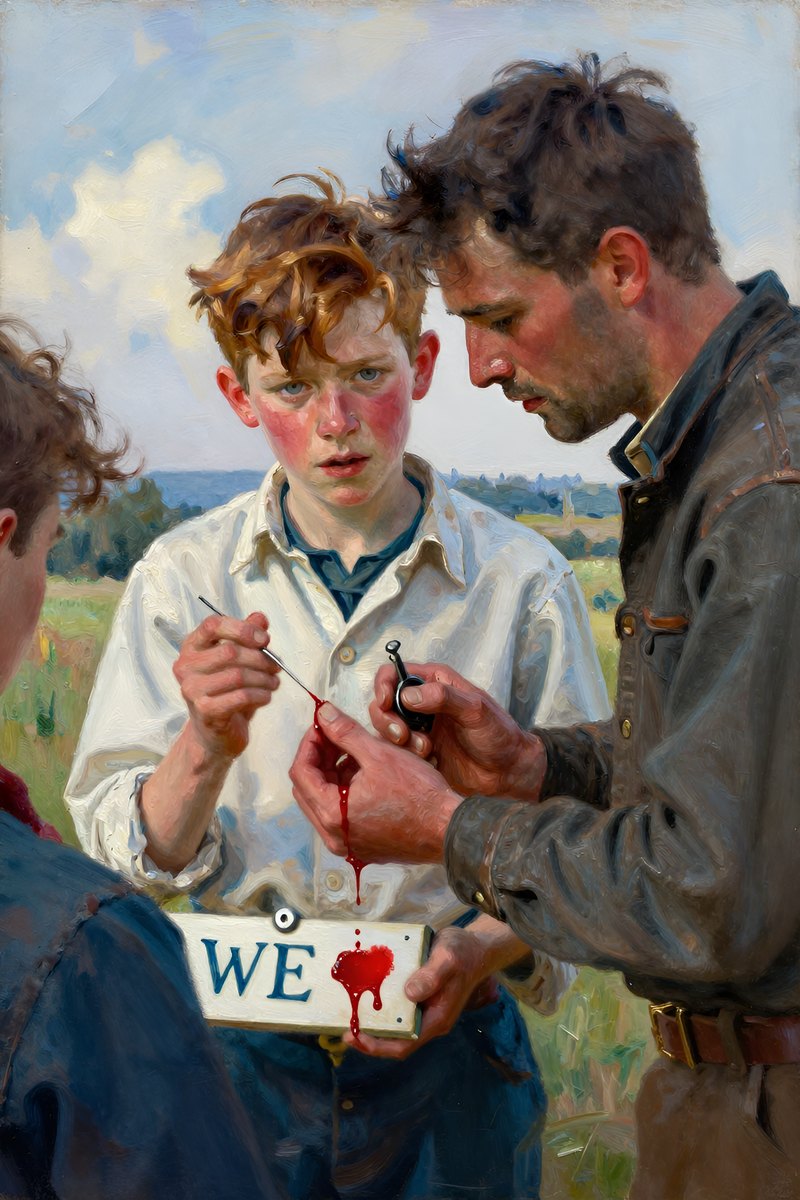
The two boys flew on and on, toward the village, speechless with horror. They glanced backward over their shoulders from time to time, apprehensively, as if they feared they might be followed. Every stump that started up in their path seemed a man and an enemy, and made them catch their breath; and as they sped by some outlying cottages that lay near the village, the barking of the aroused watch-dogs seemed to give wings to their feet.
“If we can only get to the old tannery before we break down!” whispered Tom, in short catches between breaths. “I can’t stand it much longer.”
Huckleberry’s hard pantings were his only reply, and the boys fixed their eyes on the goal of their hopes and bent to their work to win it.
They gained steadily on it, and at last, breast to breast, they burst through the open door and fell grateful and exhausted in the sheltering shadows beyond. By and by their pulses slowed down, and Tom whispered:
“Huckleberry, what do you reckon’ll come of this?”
“If Doctor Robinson dies, I reckon hanging’ll come of it.”
“Do you though?”
“Why, I know it, Tom.”
Tom thought a while, then he said:
“Who’ll tell? We?”
“What are you talking about? S’pose something happened and Injun Joe didn’t hang? Why, he’d kill us some time or other, just as dead sure as we’re a laying here.”
“That’s just what I was thinking to myself, Huck.”
“If anybody tells, let Muff Potter do it, if he’s fool enough. He’s generally drunk enough.”
Tom said nothing—went on thinking. Presently he whispered:
“Huck, Muff Potter don’t know it. How can he tell?”
“What’s the reason he don’t know it?”
“Because he’d just got that whack when Injun Joe done it. D’you reckon he could see anything? D’you reckon he knowed anything?”
“By hokey, that’s so, Tom!”
“And besides, look-a-here—maybe that whack done for him!”
“No, ’taint likely, Tom. He had liquor in him; I could see that; and besides, he always has. Well, when pap’s full, you might take and belt him over the head with a church and you couldn’t phase him. He says so, his own self. So it’s the same with Muff Potter, of course. But if a man was dead sober, I reckon maybe that whack might fetch him; I dono.”
After another reflective silence, Tom said:
“Hucky, you sure you can keep mum?”
“Tom, we got to keep mum. You know that. That Injun devil wouldn’t make any more of drownding us than a couple of cats, if we was to squeak ’bout this and they didn’t hang him. Now, look-a-here, Tom, less take and swear to one another—that’s what we got to do—swear to keep mum.”
“I’m agreed. It’s the best thing. Would you just hold hands and swear that we—”
“Oh no, that wouldn’t do for this. That’s good enough for little rubbishy common things—specially with gals, cuz they go back on you anyway, and blab if they get in a huff—but there orter be writing ’bout a big thing like this. And blood.”
Tom’s whole being applauded this idea. It was deep, and dark, and awful; the hour, the circumstances, the surroundings, were in keeping with it.
He picked up a clean pine shingle that lay in the moon-light, took a little fragment of “red keel” out of his pocket, got the moon on his work, and painfully scrawled these lines, emphasizing each slow down-stroke by clamping his tongue between his teeth, and letting up the pressure on the up-strokes.
“Huck Finn and Tom Sawyer swears they will keep mum about This and They wish They may Drop down dead in Their Tracks if They ever Tell and Rot.”
Huckleberry was filled with admiration of Tom’s facility in writing, and the sublimity of his language. He at once took a pin from his lapel and was going to prick his flesh, but Tom said:
“Hold on! Don’t do that. A pin’s brass. It might have verdigrease on it.”
“What’s verdigrease?”
“It’s p’ison. That’s what it is. You just swaller some of it once—you’ll see.”
So Tom unwound the thread from one of his needles, and each boy pricked the ball of his thumb and squeezed out a drop of blood. In time, after many squeezes, Tom managed to sign his initials, using the ball of his little finger for a pen. Then he showed Huckleberry how to make an H and an F, and the oath was complete. They buried the shingle close to the wall, with some dismal ceremonies and incantations, and the fetters that bound their tongues were considered to be locked and the key thrown away.
A figure crept stealthily through a break in the other end of the ruined building, now, but they did not notice it.
“Tom,” whispered Huckleberry, “does this keep us from ever telling—always?”
“Of course it does. It don’t make any difference what happens, we got to keep mum. We’d drop down dead—don’t you know that?”
“Yes, I reckon that’s so.”
They continued to whisper for some little time. Presently a dog set up a long, lugubrious howl just outside—within ten feet of them. The boys clasped each other suddenly, in an agony of fright.
“Which of us does he mean?” gasped Huckleberry.
“I dono—peep through the crack. Quick!”
“No, you, Tom!”
“I can’t—I can’t do it, Huck!”
“Please, Tom. There ’tis again!”
“Oh, lordy, I’m thankful!” whispered Tom. “I know his voice. It’s Bull Harbison.” * [* If Mr. Harbison owned a slave named Bull, Tom would have spoken of him as “Harbison’s Bull,” but a son or a dog of that name was “Bull Harbison.”] “Oh, that’s good—I tell you, Tom, I was most scared to death; I’d a bet anything it was a stray dog.”
The dog howled again. The boys’ hearts sank once more.
“Oh, my! that ain’t no Bull Harbison!” whispered Huckleberry. “Do, Tom!”
Tom, quaking with fear, yielded, and put his eye to the crack. His whisper was hardly audible when he said:
“Oh, Huck, it’s a stray dog!”
“Quick, Tom, quick! Who does he mean?”
“Huck, he must mean us both—we’re right together.”
“Oh, Tom, I reckon we’re goners. I reckon there ain’t no mistake ’bout where I’ll go to. I been so wicked.”
“Dad fetch it! This comes of playing hookey and doing everything a feller’s told not to do. I might a been good, like Sid, if I’d a tried—but no, I wouldn’t, of course. But if ever I get off this time, I lay I’ll just waller in Sunday-schools!” And Tom began to snuffle a little.
“You bad!” and Huckleberry began to snuffle too. “Consound it, Tom Sawyer, you’re just old pie, ’long-side o’ what I am. Oh, lordy, lordy, lordy, I wisht I only had half your chance.”
Tom choked off and whispered:
“Look, Hucky, look! He’s got his back to us!”
Hucky looked, with joy in his heart.
“Well, he has, by jingoes! Did he before?”
“Yes, he did. But I, like a fool, never thought. Oh, this is bully, you know. Now who can he mean?”
The howling stopped. Tom pricked up his ears.
“Sh! What’s that?” he whispered.
“Sounds like—like hogs grunting. No—it’s somebody snoring, Tom.”
“That is it! Where ’bouts is it, Huck?”
“I bleeve it’s down at ’tother end. Sounds so, anyway. Pap used to sleep there, sometimes, ’long with the hogs, but laws bless you, he just lifts things when he snores. Besides, I reckon he ain’t ever coming back to this town any more.”
The spirit of adventure rose in the boys’ souls once more.
“Hucky, do you das’t to go if I lead?”
“I don’t like to, much. Tom, s’pose it’s Injun Joe!”
Tom quailed. But presently the temptation rose up strong again and the boys agreed to try, with the understanding that they would take to their heels if the snoring stopped. So they went tiptoeing stealthily down, the one behind the other. When they had got to within five steps of the snorer, Tom stepped on a stick, and it broke with a sharp snap. The man moaned, writhed a little, and his face came into the moonlight. It was Muff Potter. The boys’ hearts had stood still, and their hopes too, when the man moved, but their fears passed away now. They tip-toed out, through the broken weather-boarding, and stopped at a little distance to exchange a parting word. That long, lugubrious howl rose on the night air again! They turned and saw the strange dog standing within a few feet of where Potter was lying, and facing Potter, with his nose pointing heavenward.
“Oh, geeminy, it’s him!” exclaimed both boys, in a breath.
“Say, Tom—they say a stray dog come howling around Johnny Miller’s house, ’bout midnight, as much as two weeks ago; and a whippoorwill come in and lit on the banisters and sung, the very same evening; and there ain’t anybody dead there yet.”
“Well, I know that. And suppose there ain’t. Didn’t Gracie Miller fall in the kitchen fire and burn herself terrible the very next Saturday?”
“Yes, but she ain’t dead. And what’s more, she’s getting better, too.”
“All right, you wait and see. She’s a goner, just as dead sure as Muff Potter’s a goner. That’s what the niggers say, and they know all about these kind of things, Huck.”
Then they separated, cogitating. When Tom crept in at his bedroom window the night was almost spent. He undressed with excessive caution, and fell asleep congratulating himself that nobody knew of his escapade. He was not aware that the gently-snoring Sid was awake, and had been so for an hour.
When Tom awoke, Sid was dressed and gone. There was a late look in the light, a late sense in the atmosphere. He was startled. Why had he not been called—persecuted till he was up, as usual? The thought filled him with bodings. Within five minutes he was dressed and down-stairs, feeling sore and drowsy. The family were still at table, but they had finished breakfast. There was no voice of rebuke; but there were averted eyes; there was a silence and an air of solemnity that struck a chill to the culprit’s heart. He sat down and tried to seem gay, but it was up-hill work; it roused no smile, no response, and he lapsed into silence and let his heart sink down to the depths.
After breakfast his aunt took him aside, and Tom almost brightened in the hope that he was going to be flogged; but it was not so. His aunt wept over him and asked him how he could go and break her old heart so; and finally told him to go on, and ruin himself and bring her gray hairs with sorrow to the grave, for it was no use for her to try any more.
This was worse than a thousand whippings, and Tom’s heart was sorer now than his body. He cried, he pleaded for forgiveness, promised to reform over and over again, and then received his dismissal, feeling that he had won but an imperfect forgiveness and established but a feeble confidence.
He left the presence too miserable to even feel revengeful toward Sid; and so the latter’s prompt retreat through the back gate was unnecessary. He moped to school gloomy and sad, and took his flogging, along with Joe Harper, for playing hookey the day before, with the air of one whose heart was busy with heavier woes and wholly dead to trifles. Then he betook himself to his seat, rested his elbows on his desk and his jaws in his hands, and stared at the wall with the stony stare of suffering that has reached the limit and can no further go.
His elbow was pressing against some hard substance. After a long time he slowly and sadly changed his position, and took up this object with a sigh. It was in a paper. He unrolled it. A long, lingering, colossal sigh followed, and his heart broke. It was his brass andiron knob!
This final feather broke the camel’s back.
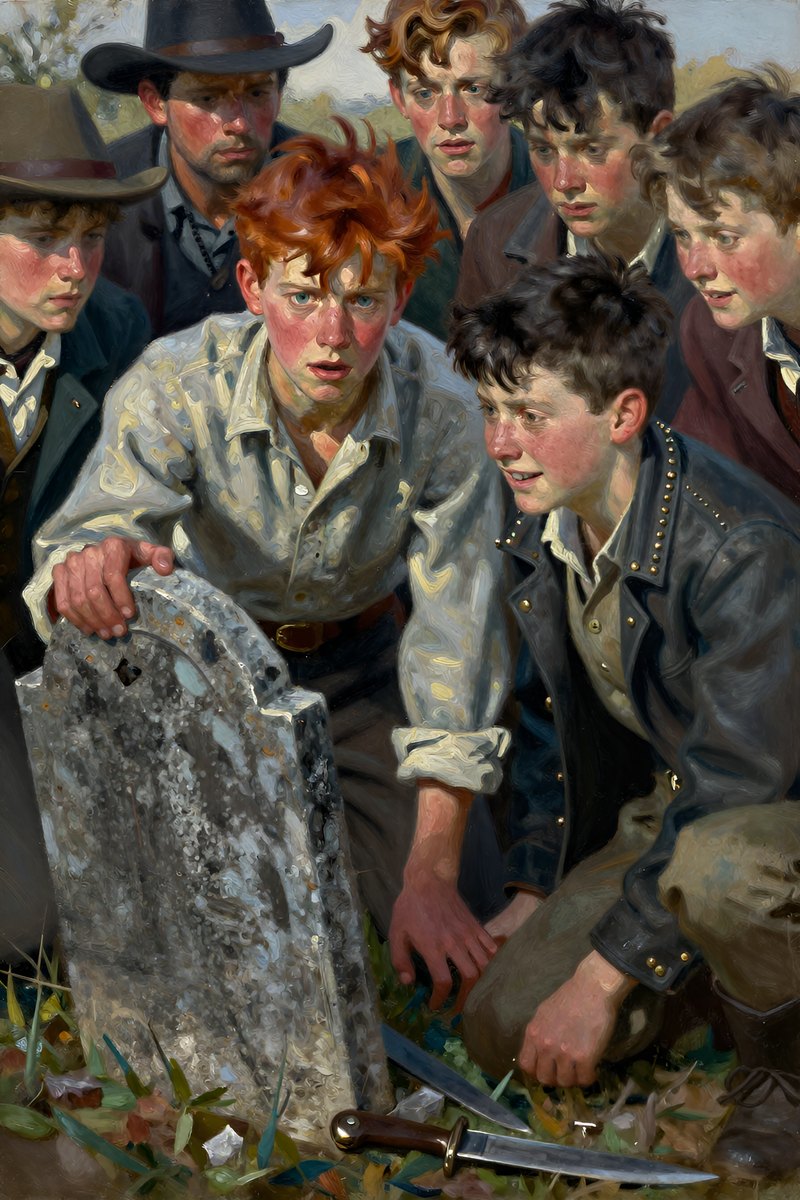
Close upon the hour of noon the whole village was suddenly electrified with the ghastly news. No need of the as yet un-dreamed-of telegraph; the tale flew from man to man, from group to group, from house to house, with little less than telegraphic speed. Of course the schoolmaster gave holiday for that afternoon; the town would have thought strangely of him if he had not.
A gory knife had been found close to the murdered man, and it had been recognized by somebody as belonging to Muff Potter—so the story ran. And it was said that a belated citizen had come upon Potter washing himself in the “branch” about one or two o’clock in the morning, and that Potter had at once sneaked off—suspicious circumstances, especially the washing which was not a habit with Potter. It was also said that the town had been ransacked for this “murderer” (the public are not slow in the matter of sifting evidence and arriving at a verdict), but that he could not be found. Horsemen had departed down all the roads in every direction, and the Sheriff “was confident” that he would be captured before night.
All the town was drifting toward the graveyard. Tom’s heartbreak vanished and he joined the procession, not because he would not a thousand times rather go anywhere else, but because an awful, unaccountable fascination drew him on. Arrived at the dreadful place, he wormed his small body through the crowd and saw the dismal spectacle.
It seemed to him an age since he was there before. Somebody pinched his arm. He turned, and his eyes met Huckleberry’s. Then both looked elsewhere at once, and wondered if anybody had noticed anything in their mutual glance. But everybody was talking, and intent upon the grisly spectacle before them.
“Poor fellow!” “Poor young fellow!” “This ought to be a lesson to grave robbers!” “Muff Potter’ll hang for this if they catch him!” This was the drift of remark; and the minister said, “It was a judgment; His hand is here.”
Now Tom shivered from head to heel; for his eye fell upon the stolid face of Injun Joe. At this moment the crowd began to sway and struggle, and voices shouted, “It’s him! it’s him! he’s coming himself!”
“Who? Who?” from twenty voices.
“Muff Potter!”
“Hallo, he’s stopped!—Look out, he’s turning! Don’t let him get away!”
People in the branches of the trees over Tom’s head said he wasn’t trying to get away—he only looked doubtful and perplexed.
“Infernal impudence!” said a bystander; “wanted to come and take a quiet look at his work, I reckon—didn’t expect any company.”
The crowd fell apart, now, and the Sheriff came through, ostentatiously leading Potter by the arm. The poor fellow’s face was haggard, and his eyes showed the fear that was upon him. When he stood before the murdered man, he shook as with a palsy, and he put his face in his hands and burst into tears.
“I didn’t do it, friends,” he sobbed; “’pon my word and honor I never done it.”
“Who’s accused you?” shouted a voice.
This shot seemed to carry home. Potter lifted his face and looked around him with a pathetic hopelessness in his eyes. He saw Injun Joe, and exclaimed:
“Oh, Injun Joe, you promised me you’d never—”
“Is that your knife?” and it was thrust before him by the Sheriff.
Potter would have fallen if they had not caught him and eased him to the ground. Then he said:
“Something told me ’t if I didn’t come back and get—” He shuddered; then waved his nerveless hand with a vanquished gesture and said, “Tell ’em, Joe, tell ’em—it ain’t any use any more.”
Then Huckleberry and Tom stood dumb and staring, and heard the stony-hearted liar reel off his serene statement, they expecting every moment that the clear sky would deliver God’s lightnings upon his head, and wondering to see how long the stroke was delayed. And when he had finished and still stood alive and whole, their wavering impulse to break their oath and save the poor betrayed prisoner’s life faded and vanished away, for plainly this miscreant had sold himself to Satan and it would be fatal to meddle with the property of such a power as that.
“Why didn’t you leave? What did you want to come here for?” somebody said.
“I couldn’t help it—I couldn’t help it,” Potter moaned. “I wanted to run away, but I couldn’t seem to come anywhere but here.” And he fell to sobbing again.
Injun Joe repeated his statement, just as calmly, a few minutes afterward on the inquest, under oath; and the boys, seeing that the lightnings were still withheld, were confirmed in their belief that Joe had sold himself to the devil. He was now become, to them, the most balefully interesting object they had ever looked upon, and they could not take their fascinated eyes from his face.
They inwardly resolved to watch him nights, when opportunity should offer, in the hope of getting a glimpse of his dread master.
Injun Joe helped to raise the body of the murdered man and put it in a wagon for removal; and it was whispered through the shuddering crowd that the wound bled a little! The boys thought that this happy circumstance would turn suspicion in the right direction; but they were disappointed, for more than one villager remarked:
“It was within three feet of Muff Potter when it done it.”
Tom’s fearful secret and gnawing conscience disturbed his sleep for as much as a week after this; and at breakfast one morning Sid said:
“Tom, you pitch around and talk in your sleep so much that you keep me awake half the time.”
Tom blanched and dropped his eyes.
“It’s a bad sign,” said Aunt Polly, gravely. “What you got on your mind, Tom?”
“Nothing. Nothing ’t I know of.” But the boy’s hand shook so that he spilled his coffee.
“And you do talk such stuff,” Sid said. “Last night you said, ‘It’s blood, it’s blood, that’s what it is!’ You said that over and over.
And you said, ‘Don’t torment me so—I’ll tell!’ Tell what? What is it you’ll tell?”
Everything was swimming before Tom. There is no telling what might have happened, now, but luckily the concern passed out of Aunt Polly’s face and she came to Tom’s relief without knowing it. She said:
“Sho! It’s that dreadful murder. I dream about it most every night myself. Sometimes I dream it’s me that done it.”
Mary said she had been affected much the same way. Sid seemed satisfied.
Tom got out of the presence as quick as he plausibly could, and after that he complained of toothache for a week, and tied up his jaws every night. He never knew that Sid lay nightly watching, and frequently slipped the bandage free and then leaned on his elbow listening a good while at a time, and afterward slipped the bandage back to its place again. Tom’s distress of mind wore off gradually and the toothache grew irksome and was discarded. If Sid really managed to make anything out of Tom’s disjointed mutterings, he kept it to himself.
It seemed to Tom that his schoolmates never would get done holding inquests on dead cats, and thus keeping his trouble present to his mind.
Sid noticed that Tom never was coroner at one of these inquiries, though it had been his habit to take the lead in all new enterprises; he noticed, too, that Tom never acted as a witness—and that was strange; and Sid did not overlook the fact that Tom even showed a marked aversion to these inquests, and always avoided them when he could. Sid marvelled, but said nothing. However, even inquests went out of vogue at last, and ceased to torture Tom’s conscience.
Every day or two, during this time of sorrow, Tom watched his opportunity and went to the little grated jail-window and smuggled such small comforts through to the “murderer” as he could get hold of. The jail was a trifling little brick den that stood in a marsh at the edge of the village, and no guards were afforded for it; indeed, it was seldom occupied. These offerings greatly helped to ease Tom’s conscience.
The villagers had a strong desire to tar-and-feather Injun Joe and ride him on a rail, for body-snatching, but so formidable was his character that nobody could be found who was willing to take the lead in the matter, so it was dropped. He had been careful to begin both of his inquest-statements with the fight, without confessing the grave-robbery that preceded it; therefore it was deemed wisest not to try the case in the courts at present.
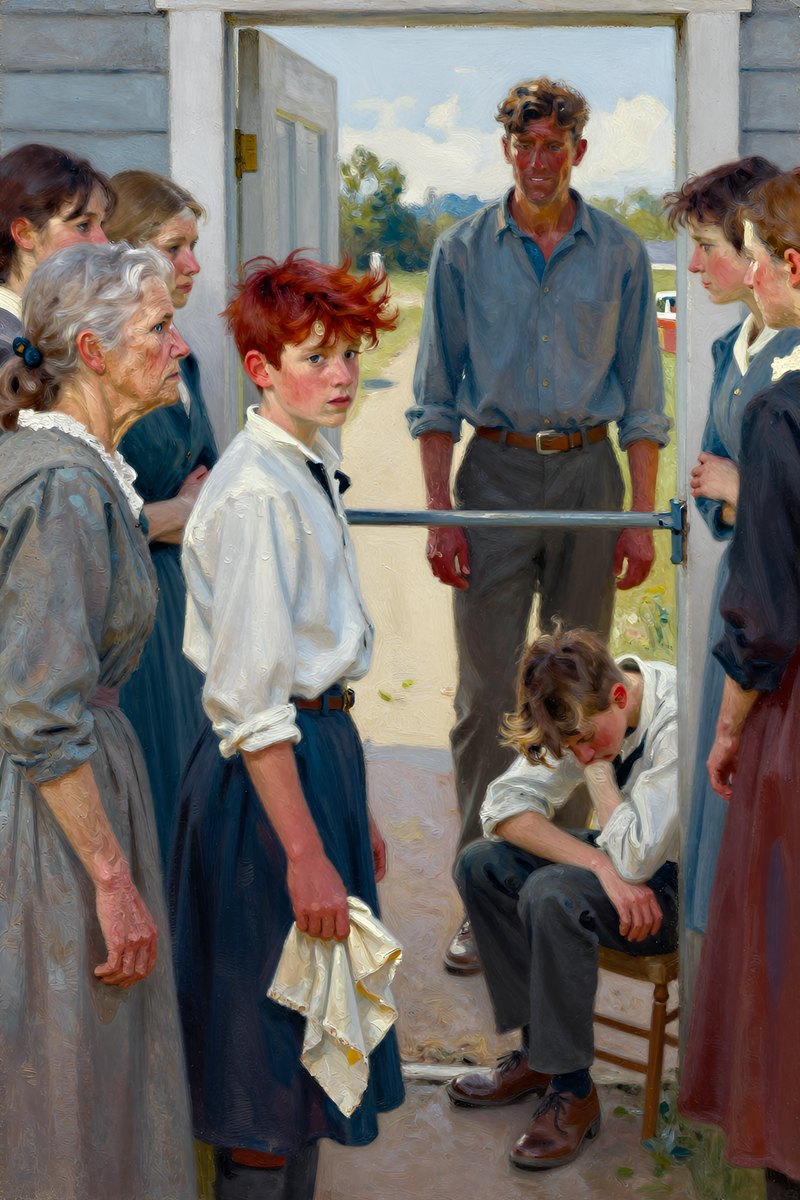
One of the reasons why Tom’s mind had drifted away from its secret troubles was, that it had found a new and weighty matter to interest itself about. Becky Thatcher had stopped coming to school. Tom had struggled with his pride a few days, and tried to “whistle her down the wind,” but failed. He began to find himself hanging around her father’s house, nights, and feeling very miserable. She was ill. What if she should die! There was distraction in the thought. He no longer took an interest in war, nor even in piracy. The charm of life was gone; there was nothing but dreariness left. He put his hoop away, and his bat; there was no joy in them any more. His aunt was concerned. She began to try all manner of remedies on him. She was one of those people who are infatuated with patent medicines and all new-fangled methods of producing health or mending it. She was an inveterate experimenter in these things. When something fresh in this line came out she was in a fever, right away, to try it; not on herself, for she was never ailing, but on anybody else that came handy. She was a subscriber for all the “Health” periodicals and phrenological frauds; and the solemn ignorance they were inflated with was breath to her nostrils. All the “rot” they contained about ventilation, and how to go to bed, and how to get up, and what to eat, and what to drink, and how much exercise to take, and what frame of mind to keep one’s self in, and what sort of clothing to wear, was all gospel to her, and she never observed that her health-journals of the current month customarily upset everything they had recommended the month before. She was as simple-hearted and honest as the day was long, and so she was an easy victim. She gathered together her quack periodicals and her quack medicines, and thus armed with death, went about on her pale horse, metaphorically speaking, with “hell following after.” But she never suspected that she was not an angel of healing and the balm of Gilead in disguise, to the suffering neighbors.
The water treatment was new, now, and Tom’s low condition was a windfall to her. She had him out at daylight every morning, stood him up in the wood-shed and drowned him with a deluge of cold water; then she scrubbed him down with a towel like a file, and so brought him to; then she rolled him up in a wet sheet and put him away under blankets till she sweated his soul clean and “the yellow stains of it came through his pores”—as Tom said.
Yet notwithstanding all this, the boy grew more and more melancholy and pale and dejected. She added hot baths, sitz baths, shower baths, and plunges. The boy remained as dismal as a hearse. She began to assist the water with a slim oatmeal diet and blister-plasters. She calculated his capacity as she would a jug’s, and filled him up every day with quack cure-alls.
Tom had become indifferent to persecution by this time. This phase filled the old lady’s heart with consternation. This indifference must be broken up at any cost. Now she heard of Pain-killer for the first time. She ordered a lot at once. She tasted it and was filled with gratitude. It was simply fire in a liquid form. She dropped the water treatment and everything else, and pinned her faith to Pain-killer.
She gave Tom a teaspoonful and watched with the deepest anxiety for the result. Her troubles were instantly at rest, her soul at peace again; for the “indifference” was broken up. The boy could not have shown a wilder, heartier interest, if she had built a fire under him.
Tom felt that it was time to wake up; this sort of life might be romantic enough, in his blighted condition, but it was getting to have too little sentiment and too much distracting variety about it. So he thought over various plans for relief, and finally hit upon that of professing to be fond of Pain-killer. He asked for it so often that he became a nuisance, and his aunt ended by telling him to help himself and quit bothering her. If it had been Sid, she would have had no misgivings to alloy her delight; but since it was Tom, she watched the bottle clandestinely. She found that the medicine did really diminish, but it did not occur to her that the boy was mending the health of a crack in the sitting-room floor with it.
One day Tom was in the act of dosing the crack when his aunt’s yellow cat came along, purring, eyeing the teaspoon avariciously, and begging for a taste. Tom said:
“Don’t ask for it unless you want it, Peter.”
But Peter signified that he did want it.
“You better make sure.”
Peter was sure.
“Now you’ve asked for it, and I’ll give it to you, because there ain’t anything mean about me; but if you find you don’t like it, you mustn’t blame anybody but your own self.”
Peter was agreeable. So Tom pried his mouth open and poured down the Pain-killer. Peter sprang a couple of yards in the air, and then delivered a war-whoop and set off round and round the room, banging against furniture, upsetting flower-pots, and making general havoc. Next he rose on his hind feet and pranced around, in a frenzy of enjoyment, with his head over his shoulder and his voice proclaiming his unappeasable happiness. Then he went tearing around the house again spreading chaos and destruction in his path. Aunt Polly entered in time to see him throw a few double summersets, deliver a final mighty hurrah, and sail through the open window, carrying the rest of the flower-pots with him. The old lady stood petrified with astonishment, peering over her glasses; Tom lay on the floor expiring with laughter.
“Tom, what on earth ails that cat?”
“I don’t know, aunt,” gasped the boy.
“Why, I never see anything like it. What did make him act so?”
“Deed I don’t know, Aunt Polly; cats always act so when they’re having a good time.”
“They do, do they?” There was something in the tone that made Tom apprehensive.
“Yes’m. That is, I believe they do.”
“You do?”
“Yes’m.”
The old lady was bending down, Tom watching, with interest emphasized by anxiety. Too late he divined her “drift.” The handle of the telltale tea-spoon was visible under the bed-valance. Aunt Polly took it, held it up. Tom winced, and dropped his eyes. Aunt Polly raised him by the usual handle—his ear—and cracked his head soundly with her thimble.
“Now, sir, what did you want to treat that poor dumb beast so, for?”
“I done it out of pity for him—because he hadn’t any aunt.”
“Hadn’t any aunt!—you numskull. What has that got to do with it?”
“Heaps. Because if he’d had one she’d a burnt him out herself! She’d a roasted his bowels out of him ’thout any more feeling than if he was a human!”
Aunt Polly felt a sudden pang of remorse. This was putting the thing in a new light; what was cruelty to a cat might be cruelty to a boy, too.
She began to soften; she felt sorry. Her eyes watered a little, and she put her hand on Tom’s head and said gently:
“I was meaning for the best, Tom. And, Tom, it did do you good.”
Tom looked up in her face with just a perceptible twinkle peeping through his gravity.
“I know you was meaning for the best, aunty, and so was I with Peter. It done him good, too. I never see him get around so since—”
“Oh, go ’long with you, Tom, before you aggravate me again. And you try and see if you can’t be a good boy, for once, and you needn’t take any more medicine.”
Tom reached school ahead of time. It was noticed that this strange thing had been occurring every day latterly. And now, as usual of late, he hung about the gate of the schoolyard instead of playing with his comrades. He was sick, he said, and he looked it. He tried to seem to be looking everywhere but whither he really was looking—down the road.
Presently Jeff Thatcher hove in sight, and Tom’s face lighted; he gazed a moment, and then turned sorrowfully away. When Jeff arrived, Tom accosted him; and “led up” warily to opportunities for remark about Becky, but the giddy lad never could see the bait. Tom watched and watched, hoping whenever a frisking frock came in sight, and hating the owner of it as soon as he saw she was not the right one. At last frocks ceased to appear, and he dropped hopelessly into the dumps; he entered the empty schoolhouse and sat down to suffer. Then one more frock passed in at the gate, and Tom’s heart gave a great bound. The next instant he was out, and “going on” like an Indian; yelling, laughing, chasing boys, jumping over the fence at risk of life and limb, throwing handsprings, standing on his head—doing all the heroic things he could conceive of, and keeping a furtive eye out, all the while, to see if Becky Thatcher was noticing. But she seemed to be unconscious of it all; she never looked. Could it be possible that she was not aware that he was there?
He carried his exploits to her immediate vicinity; came war-whooping around, snatched a boy’s cap, hurled it to the roof of the schoolhouse, broke through a group of boys, tumbling them in every direction, and fell sprawling, himself, under Becky’s nose, almost upsetting her—and she turned, with her nose in the air, and he heard her say: “Mf! some people think they’re mighty smart—always showing off!”
Tom’s cheeks burned. He gathered himself up and sneaked off, crushed and crestfallen.
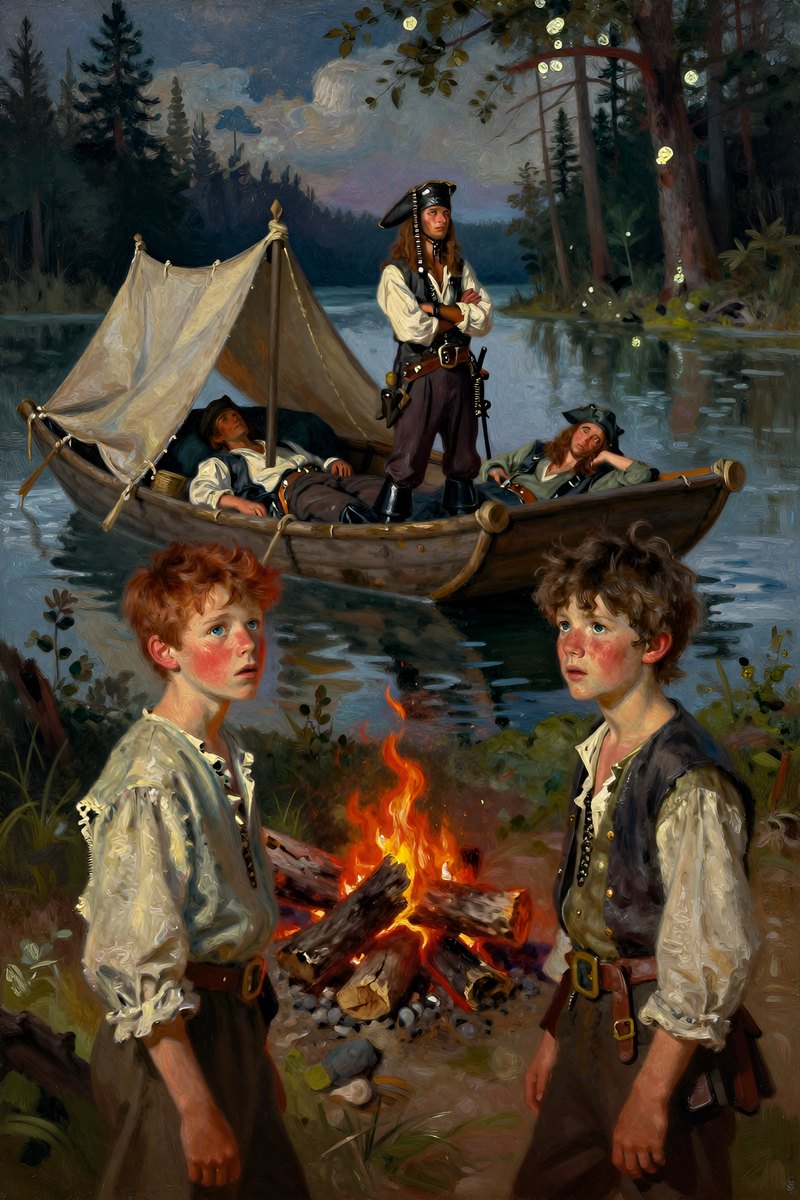
Tom’s mind was made up now. He was gloomy and desperate. He was a forsaken, friendless boy, he said; nobody loved him; when they found out what they had driven him to, perhaps they would be sorry; he had tried to do right and get along, but they would not let him; since nothing would do them but to be rid of him, let it be so; and let them blame him for the consequences—why shouldn’t they? What right had the friendless to complain? Yes, they had forced him to it at last: he would lead a life of crime. There was no choice.
By this time he was far down Meadow Lane, and the bell for school to “take up” tinkled faintly upon his ear. He sobbed, now, to think he should never, never hear that old familiar sound any more—it was very hard, but it was forced on him; since he was driven out into the cold world, he must submit—but he forgave them. Then the sobs came thick and fast.
Just at this point he met his soul’s sworn comrade, Joe Harper—hard-eyed, and with evidently a great and dismal purpose in his heart. Plainly here were “two souls with but a single thought.” Tom, wiping his eyes with his sleeve, began to blubber out something about a resolution to escape from hard usage and lack of sympathy at home by roaming abroad into the great world never to return; and ended by hoping that Joe would not forget him.
But it transpired that this was a request which Joe had just been going to make of Tom, and had come to hunt him up for that purpose. His mother had whipped him for drinking some cream which he had never tasted and knew nothing about; it was plain that she was tired of him and wished him to go; if she felt that way, there was nothing for him to do but succumb; he hoped she would be happy, and never regret having driven her poor boy out into the unfeeling world to suffer and die.
As the two boys walked sorrowing along, they made a new compact to stand by each other and be brothers and never separate till death relieved them of their troubles. Then they began to lay their plans. Joe was for being a hermit, and living on crusts in a remote cave, and dying, some time, of cold and want and grief; but after listening to Tom, he conceded that there were some conspicuous advantages about a life of crime, and so he consented to be a pirate.
Three miles below St. Petersburg, at a point where the Mississippi River was a trifle over a mile wide, there was a long, narrow, wooded island, with a shallow bar at the head of it, and this offered well as a rendezvous. It was not inhabited; it lay far over toward the further shore, abreast a dense and almost wholly unpeopled forest. So Jackson’s Island was chosen. Who were to be the subjects of their piracies was a matter that did not occur to them. Then they hunted up Huckleberry Finn, and he joined them promptly, for all careers were one to him; he was indifferent. They presently separated to meet at a lonely spot on the river-bank two miles above the village at the favorite hour—which was midnight. There was a small log raft there which they meant to capture.
Each would bring hooks and lines, and such provision as he could steal in the most dark and mysterious way—as became outlaws. And before the afternoon was done, they had all managed to enjoy the sweet glory of spreading the fact that pretty soon the town would “hear something.” All who got this vague hint were cautioned to “be mum and wait.”
About midnight Tom arrived with a boiled ham and a few trifles, and stopped in a dense undergrowth on a small bluff overlooking the meeting-place. It was starlight, and very still. The mighty river lay like an ocean at rest. Tom listened a moment, but no sound disturbed the quiet. Then he gave a low, distinct whistle. It was answered from under the bluff. Tom whistled twice more; these signals were answered in the same way. Then a guarded voice said:
“Who goes there?”
“Tom Sawyer, the Black Avenger of the Spanish Main. Name your names.”
“Huck Finn the Red-Handed, and Joe Harper the Terror of the Seas.” Tom had furnished these titles, from his favorite literature.
“’Tis well. Give the countersign.”
Two hoarse whispers delivered the same awful word simultaneously to the brooding night:
“Blood!”
Then Tom tumbled his ham over the bluff and let himself down after it, tearing both skin and clothes to some extent in the effort. There was an easy, comfortable path along the shore under the bluff, but it lacked the advantages of difficulty and danger so valued by a pirate.
The Terror of the Seas had brought a side of bacon, and had about worn himself out with getting it there. Finn the Red-Handed had stolen a skillet and a quantity of half-cured leaf tobacco, and had also brought a few corn-cobs to make pipes with. But none of the pirates smoked or “chewed” but himself. The Black Avenger of the Spanish Main said it would never do to start without some fire. That was a wise thought; matches were hardly known there in that day. They saw a fire smouldering upon a great raft a hundred yards above, and they went stealthily thither and helped themselves to a chunk. They made an imposing adventure of it, saying, “Hist!” every now and then, and suddenly halting with finger on lip; moving with hands on imaginary dagger-hilts; and giving orders in dismal whispers that if “the foe” stirred, to “let him have it to the hilt,” because “dead men tell no tales.” They knew well enough that the raftsmen were all down at the village laying in stores or having a spree, but still that was no excuse for their conducting this thing in an unpiratical way.
They shoved off, presently, Tom in command, Huck at the after oar and Joe at the forward. Tom stood amidships, gloomy-browed, and with folded arms, and gave his orders in a low, stern whisper:
“Luff, and bring her to the wind!”
“Aye-aye, sir!”
“Steady, steady-y-y-y!”
“Steady it is, sir!”
“Let her go off a point!”
“Point it is, sir!”
As the boys steadily and monotonously drove the raft toward mid-stream it was no doubt understood that these orders were given only for “style,” and were not intended to mean anything in particular.
“What sail’s she carrying?”
“Courses, tops’ls, and flying-jib, sir.”
“Send the r’yals up! Lay out aloft, there, half a dozen of ye—foretopmaststuns’l! Lively, now!”
“Aye-aye, sir!”
“Shake out that maintogalans’l! Sheets and braces! now my hearties!”
“Aye-aye, sir!”
“Hellum-a-lee—hard a port! Stand by to meet her when she comes! Port, port! Now, men! With a will! Stead-y-y-y!”
“Steady it is, sir!”
The raft drew beyond the middle of the river; the boys pointed her head right, and then lay on their oars. The river was not high, so there was not more than a two or three mile current. Hardly a word was said during the next three-quarters of an hour. Now the raft was passing before the distant town. Two or three glimmering lights showed where it lay, peacefully sleeping, beyond the vague vast sweep of star-gemmed water, unconscious of the tremendous event that was happening. The Black Avenger stood still with folded arms, “looking his last” upon the scene of his former joys and his later sufferings, and wishing “she” could see him now, abroad on the wild sea, facing peril and death with dauntless heart, going to his doom with a grim smile on his lips. It was but a small strain on his imagination to remove Jackson’s Island beyond eye-shot of the village, and so he “looked his last” with a broken and satisfied heart. The other pirates were looking their last, too; and they all looked so long that they came near letting the current drift them out of the range of the island. But they discovered the danger in time, and made shift to avert it. About two o’clock in the morning the raft grounded on the bar two hundred yards above the head of the island, and they waded back and forth until they had landed their freight. Part of the little raft’s belongings consisted of an old sail, and this they spread over a nook in the bushes for a tent to shelter their provisions; but they themselves would sleep in the open air in good weather, as became outlaws.
They built a fire against the side of a great log twenty or thirty steps within the sombre depths of the forest, and then cooked some bacon in the frying-pan for supper, and used up half of the corn “pone” stock they had brought. It seemed glorious sport to be feasting in that wild, free way in the virgin forest of an unexplored and uninhabited island, far from the haunts of men, and they said they never would return to civilization. The climbing fire lit up their faces and threw its ruddy glare upon the pillared tree-trunks of their forest temple, and upon the varnished foliage and festooning vines.
When the last crisp slice of bacon was gone, and the last allowance of corn pone devoured, the boys stretched themselves out on the grass, filled with contentment. They could have found a cooler place, but they would not deny themselves such a romantic feature as the roasting campfire.
“Ain’t it gay?” said Joe.
“It’s nuts!” said Tom. “What would the boys say if they could see us?”
“Say? Well, they’d just die to be here—hey, Hucky!”
“I reckon so,” said Huckleberry; “anyways, I’m suited. I don’t want nothing better’n this. I don’t ever get enough to eat, gen’ally—and here they can’t come and pick at a feller and bullyrag him so.”
“It’s just the life for me,” said Tom. “You don’t have to get up, mornings, and you don’t have to go to school, and wash, and all that blame foolishness. You see a pirate don’t have to do anything, Joe, when he’s ashore, but a hermit he has to be praying considerable, and then he don’t have any fun, anyway, all by himself that way.”
“Oh yes, that’s so,” said Joe, “but I hadn’t thought much about it, you know. I’d a good deal rather be a pirate, now that I’ve tried it.”
“You see,” said Tom, “people don’t go much on hermits, nowadays, like they used to in old times, but a pirate’s always respected. And a hermit’s got to sleep on the hardest place he can find, and put sackcloth and ashes on his head, and stand out in the rain, and—”
“What does he put sackcloth and ashes on his head for?” inquired Huck.
“I dono. But they’ve got to do it. Hermits always do. You’d have to do that if you was a hermit.”
“Dern’d if I would,” said Huck.
“Well, what would you do?”
“I dono. But I wouldn’t do that.”
“Why, Huck, you’d have to. How’d you get around it?”
“Why, I just wouldn’t stand it. I’d run away.”
“Run away! Well, you would be a nice old slouch of a hermit. You’d be a disgrace.”
The Red-Handed made no response, being better employed. He had finished gouging out a cob, and now he fitted a weed stem to it, loaded it with tobacco, and was pressing a coal to the charge and blowing a cloud of fragrant smoke—he was in the full bloom of luxurious contentment. The other pirates envied him this majestic vice, and secretly resolved to acquire it shortly. Presently Huck said:
“What does pirates have to do?”
Tom said:
“Oh, they have just a bully time—take ships and burn them, and get the money and bury it in awful places in their island where there’s ghosts and things to watch it, and kill everybody in the ships—make ’em walk a plank.”
“And they carry the women to the island,” said Joe; “they don’t kill the women.”
“No,” assented Tom, “they don’t kill the women—they’re too noble. And the women’s always beautiful, too.”
“And don’t they wear the bulliest clothes! Oh no! All gold and silver and di’monds,” said Joe, with enthusiasm.
“Who?” said Huck.
“Why, the pirates.”
Huck scanned his own clothing forlornly.
“I reckon I ain’t dressed fitten for a pirate,” said he, with a regretful pathos in his voice; “but I ain’t got none but these.”
But the other boys told him the fine clothes would come fast enough, after they should have begun their adventures. They made him understand that his poor rags would do to begin with, though it was customary for wealthy pirates to start with a proper wardrobe.
Gradually their talk died out and drowsiness began to steal upon the eyelids of the little waifs. The pipe dropped from the fingers of the Red-Handed, and he slept the sleep of the conscience-free and the weary.
The Terror of the Seas and the Black Avenger of the Spanish Main had more difficulty in getting to sleep. They said their prayers inwardly, and lying down, since there was nobody there with authority to make them kneel and recite aloud; in truth, they had a mind not to say them at all, but they were afraid to proceed to such lengths as that, lest they might call down a sudden and special thunderbolt from heaven. Then at once they reached and hovered upon the imminent verge of sleep—but an intruder came, now, that would not “down.” It was conscience. They began to feel a vague fear that they had been doing wrong to run away; and next they thought of the stolen meat, and then the real torture came.
They tried to argue it away by reminding conscience that they had purloined sweetmeats and apples scores of times; but conscience was not to be appeased by such thin plausibilities; it seemed to them, in the end, that there was no getting around the stubborn fact that taking sweetmeats was only “hooking,” while taking bacon and hams and such valuables was plain simple stealing—and there was a command against that in the Bible. So they inwardly resolved that so long as they remained in the business, their piracies should not again be sullied with the crime of stealing. Then conscience granted a truce, and these curiously inconsistent pirates fell peacefully to sleep.
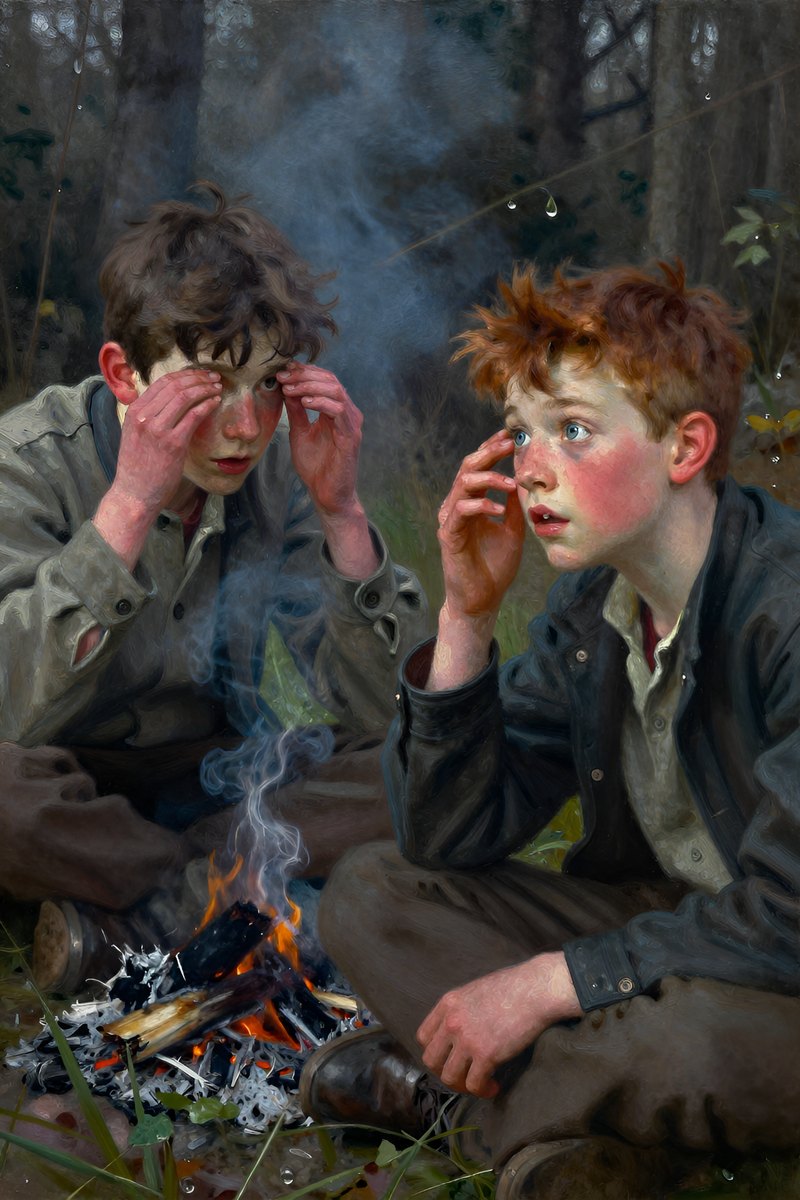
When Tom awoke in the morning, he wondered where he was. He sat up and rubbed his eyes and looked around. Then he comprehended. It was the cool gray dawn, and there was a delicious sense of repose and peace in the deep pervading calm and silence of the woods. Not a leaf stirred; not a sound obtruded upon great Nature’s meditation. Beaded dewdrops stood upon the leaves and grasses. A white layer of ashes covered the fire, and a thin blue breath of smoke rose straight into the air. Joe and Huck still slept.
Now, far away in the woods a bird called; another answered; presently the hammering of a woodpecker was heard. Gradually the cool dim gray of the morning whitened, and as gradually sounds multiplied and life manifested itself. The marvel of Nature shaking off sleep and going to work unfolded itself to the musing boy. A little green worm came crawling over a dewy leaf, lifting two-thirds of his body into the air from time to time and “sniffing around,” then proceeding again—for he was measuring, Tom said; and when the worm approached him, of its own accord, he sat as still as a stone, with his hopes rising and falling, by turns, as the creature still came toward him or seemed inclined to go elsewhere; and when at last it considered a painful moment with its curved body in the air and then came decisively down upon Tom’s leg and began a journey over him, his whole heart was glad—for that meant that he was going to have a new suit of clothes—without the shadow of a doubt a gaudy piratical uniform. Now a procession of ants appeared, from nowhere in particular, and went about their labors; one struggled manfully by with a dead spider five times as big as itself in its arms, and lugged it straight up a tree-trunk. A brown spotted lady-bug climbed the dizzy height of a grass blade, and Tom bent down close to it and said, “Lady-bug, lady-bug, fly away home, your house is on fire, your children’s alone,” and she took wing and went off to see about it—which did not surprise the boy, for he knew of old that this insect was credulous about conflagrations, and he had practised upon its simplicity more than once. A tumblebug came next, heaving sturdily at its ball, and Tom touched the creature, to see it shut its legs against its body and pretend to be dead. The birds were fairly rioting by this time. A catbird, the Northern mocker, lit in a tree over Tom’s head, and trilled out her imitations of her neighbors in a rapture of enjoyment; then a shrill jay swept down, a flash of blue flame, and stopped on a twig almost within the boy’s reach, cocked his head to one side and eyed the strangers with a consuming curiosity; a gray squirrel and a big fellow of the “fox” kind came skurrying along, sitting up at intervals to inspect and chatter at the boys, for the wild things had probably never seen a human being before and scarcely knew whether to be afraid or not.
All Nature was wide awake and stirring, now; long lances of sunlight pierced down through the dense foliage far and near, and a few butterflies came fluttering upon the scene.
Tom stirred up the other pirates and they all clattered away with a shout, and in a minute or two were stripped and chasing after and tumbling over each other in the shallow limpid water of the white sandbar. They felt no longing for the little village sleeping in the distance beyond the majestic waste of water. A vagrant current or a slight rise in the river had carried off their raft, but this only gratified them, since its going was something like burning the bridge between them and civilization.
They came back to camp wonderfully refreshed, glad-hearted, and ravenous; and they soon had the camp-fire blazing up again. Huck found a spring of clear cold water close by, and the boys made cups of broad oak or hickory leaves, and felt that water, sweetened with such a wildwood charm as that, would be a good enough substitute for coffee. While Joe was slicing bacon for breakfast, Tom and Huck asked him to hold on a minute; they stepped to a promising nook in the river-bank and threw in their lines; almost immediately they had reward. Joe had not had time to get impatient before they were back again with some handsome bass, a couple of sun-perch and a small catfish—provisions enough for quite a family. They fried the fish with the bacon, and were astonished; for no fish had ever seemed so delicious before. They did not know that the quicker a fresh-water fish is on the fire after he is caught the better he is; and they reflected little upon what a sauce open-air sleeping, open-air exercise, bathing, and a large ingredient of hunger make, too.
They lay around in the shade, after breakfast, while Huck had a smoke, and then went off through the woods on an exploring expedition. They tramped gayly along, over decaying logs, through tangled underbrush, among solemn monarchs of the forest, hung from their crowns to the ground with a drooping regalia of grape-vines. Now and then they came upon snug nooks carpeted with grass and jeweled with flowers.
They found plenty of things to be delighted with, but nothing to be astonished at. They discovered that the island was about three miles long and a quarter of a mile wide, and that the shore it lay closest to was only separated from it by a narrow channel hardly two hundred yards wide. They took a swim about every hour, so it was close upon the middle of the afternoon when they got back to camp. They were too hungry to stop to fish, but they fared sumptuously upon cold ham, and then threw themselves down in the shade to talk. But the talk soon began to drag, and then died. The stillness, the solemnity that brooded in the woods, and the sense of loneliness, began to tell upon the spirits of the boys.
They fell to thinking. A sort of undefined longing crept upon them. This took dim shape, presently—it was budding homesickness. Even Finn the Red-Handed was dreaming of his doorsteps and empty hogsheads. But they were all ashamed of their weakness, and none was brave enough to speak his thought.
For some time, now, the boys had been dully conscious of a peculiar sound in the distance, just as one sometimes is of the ticking of a clock which he takes no distinct note of. But now this mysterious sound became more pronounced, and forced a recognition. The boys started, glanced at each other, and then each assumed a listening attitude. There was a long silence, profound and unbroken; then a deep, sullen boom came floating down out of the distance.
“What is it!” exclaimed Joe, under his breath.
“I wonder,” said Tom in a whisper.
“’Tain’t thunder,” said Huckleberry, in an awed tone, “becuz thunder—”
“Hark!” said Tom. “Listen—don’t talk.”
They waited a time that seemed an age, and then the same muffled boom troubled the solemn hush.
“Let’s go and see.”
They sprang to their feet and hurried to the shore toward the town. They parted the bushes on the bank and peered out over the water. The little steam ferry-boat was about a mile below the village, drifting with the current. Her broad deck seemed crowded with people. There were a great many skiffs rowing about or floating with the stream in the neighborhood of the ferryboat, but the boys could not determine what the men in them were doing. Presently a great jet of white smoke burst from the ferryboat’s side, and as it expanded and rose in a lazy cloud, that same dull throb of sound was borne to the listeners again.
“I know now!” exclaimed Tom; “somebody’s drownded!”
“That’s it!” said Huck; “they done that last summer, when Bill Turner got drownded; they shoot a cannon over the water, and that makes him come up to the top. Yes, and they take loaves of bread and put quicksilver in ’em and set ’em afloat, and wherever there’s anybody that’s drownded, they’ll float right there and stop.”
“Yes, I’ve heard about that,” said Joe. “I wonder what makes the bread do that.”
“Oh, it ain’t the bread, so much,” said Tom; “I reckon it’s mostly what they say over it before they start it out.”
“But they don’t say anything over it,” said Huck. “I’ve seen ’em and they don’t.”
“Well, that’s funny,” said Tom. “But maybe they say it to themselves. Of course they do. Anybody might know that.”
The other boys agreed that there was reason in what Tom said, because an ignorant lump of bread, uninstructed by an incantation, could not be expected to act very intelligently when set upon an errand of such gravity.
“By jings, I wish I was over there, now,” said Joe.
“I do too,” said Huck. “I’d give heaps to know who it is.”
The boys still listened and watched. Presently a revealing thought flashed through Tom’s mind, and he exclaimed:
“Boys, I know who’s drownded—it’s us!”
They felt like heroes in an instant. Here was a gorgeous triumph; they were missed; they were mourned; hearts were breaking on their account; tears were being shed; accusing memories of unkindness to these poor lost lads were rising up, and unavailing regrets and remorse were being indulged; and best of all, the departed were the talk of the whole town, and the envy of all the boys, as far as this dazzling notoriety was concerned. This was fine. It was worth while to be a pirate, after all.
As twilight drew on, the ferryboat went back to her accustomed business and the skiffs disappeared. The pirates returned to camp. They were jubilant with vanity over their new grandeur and the illustrious trouble they were making. They caught fish, cooked supper and ate it, and then fell to guessing at what the village was thinking and saying about them; and the pictures they drew of the public distress on their account were gratifying to look upon—from their point of view. But when the shadows of night closed them in, they gradually ceased to talk, and sat gazing into the fire, with their minds evidently wandering elsewhere. The excitement was gone, now, and Tom and Joe could not keep back thoughts of certain persons at home who were not enjoying this fine frolic as much as they were. Misgivings came; they grew troubled and unhappy; a sigh or two escaped, unawares. By and by Joe timidly ventured upon a roundabout “feeler” as to how the others might look upon a return to civilization—not right now, but— Tom withered him with derision! Huck, being uncommitted as yet, joined in with Tom, and the waverer quickly “explained,” and was glad to get out of the scrape with as little taint of chicken-hearted home-sickness clinging to his garments as he could. Mutiny was effectually laid to rest for the moment.
As the night deepened, Huck began to nod, and presently to snore.
Joe followed next. Tom lay upon his elbow motionless, for some time, watching the two intently. At last he got up cautiously, on his knees, and went searching among the grass and the flickering reflections flung by the campfire. He picked up and inspected several large semi-cylinders of the thin white bark of a sycamore, and finally chose two which seemed to suit him. Then he knelt by the fire and painfully wrote something upon each of these with his “red keel”; one he rolled up and put in his jacket pocket, and the other he put in Joe’s hat and removed it to a little distance from the owner. And he also put into the hat certain schoolboy treasures of almost inestimable value—among them a lump of chalk, an India-rubber ball, three fishhooks, and one of that kind of marbles known as a “sure ’nough crystal.” Then he tiptoed his way cautiously among the trees till he felt that he was out of hearing, and straightway broke into a keen run in the direction of the sandbar.
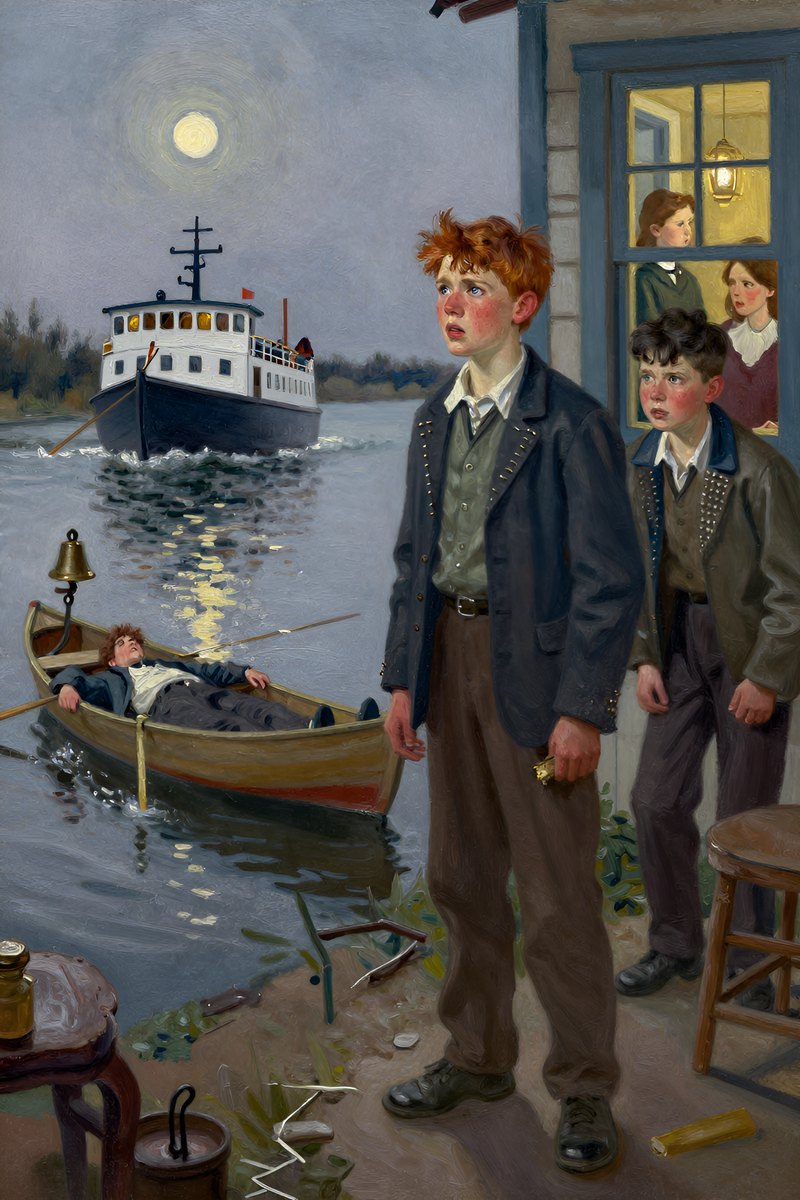
A few minutes later Tom was in the shoal water of the bar, wading toward the Illinois shore. Before the depth reached his middle he was halfway over; the current would permit no more wading, now, so he struck out confidently to swim the remaining hundred yards. He swam quartering upstream, but still was swept downward rather faster than he had expected. However, he reached the shore finally, and drifted along till he found a low place and drew himself out. He put his hand on his jacket pocket, found his piece of bark safe, and then struck through the woods, following the shore, with streaming garments. Shortly before ten o’clock he came out into an open place opposite the village, and saw the ferryboat lying in the shadow of the trees and the high bank. Everything was quiet under the blinking stars. He crept down the bank, watching with all his eyes, slipped into the water, swam three or four strokes and climbed into the skiff that did “yawl” duty at the boat’s stern. He laid himself down under the thwarts and waited, panting.
Presently the cracked bell tapped and a voice gave the order to “cast off.” A minute or two later the skiff’s head was standing high up, against the boat’s swell, and the voyage was begun. Tom felt happy in his success, for he knew it was the boat’s last trip for the night. At the end of a long twelve or fifteen minutes the wheels stopped, and Tom slipped overboard and swam ashore in the dusk, landing fifty yards downstream, out of danger of possible stragglers.
He flew along unfrequented alleys, and shortly found himself at his aunt’s back fence. He climbed over, approached the “ell,” and looked in at the sitting-room window, for a light was burning there. There sat Aunt Polly, Sid, Mary, and Joe Harper’s mother, grouped together, talking. They were by the bed, and the bed was between them and the door. Tom went to the door and began to softly lift the latch; then he pressed gently and the door yielded a crack; he continued pushing cautiously, and quaking every time it creaked, till he judged he might squeeze through on his knees; so he put his head through and began, warily.
“What makes the candle blow so?” said Aunt Polly. Tom hurried up. “Why, that door’s open, I believe. Why, of course it is. No end of strange things now. Go ’long and shut it, Sid.”
Tom disappeared under the bed just in time. He lay and “breathed”
himself for a time, and then crept to where he could almost touch his aunt’s foot.
“But as I was saying,” said Aunt Polly, “he warn’t bad, so to say—only mischeevous. Only just giddy, and harum-scarum, you know. He warn’t any more responsible than a colt. He never meant any harm, and he was the best-hearted boy that ever was”—and she began to cry.
“It was just so with my Joe—always full of his devilment, and up to every kind of mischief, but he was just as unselfish and kind as he could be—and laws bless me, to think I went and whipped him for taking that cream, never once recollecting that I throwed it out myself because it was sour, and I never to see him again in this world, never, never, never, poor abused boy!” And Mrs. Harper sobbed as if her heart would break.
“I hope Tom’s better off where he is,” said Sid, “but if he’d been better in some ways—”
“Sid!” Tom felt the glare of the old lady’s eye, though he could not see it. “Not a word against my Tom, now that he’s gone! God’ll take care of him—never you trouble yourself, sir! Oh, Mrs. Harper, I don’t know how to give him up! I don’t know how to give him up! He was such a comfort to me, although he tormented my old heart out of me, ’most.”
“The Lord giveth and the Lord hath taken away—Blessed be the name of the Lord! But it’s so hard—Oh, it’s so hard! Only last Saturday my Joe busted a firecracker right under my nose and I knocked him sprawling.
Little did I know then, how soon—Oh, if it was to do over again I’d hug him and bless him for it.”
“Yes, yes, yes, I know just how you feel, Mrs. Harper, I know just exactly how you feel. No longer ago than yesterday noon, my Tom took and filled the cat full of Pain-killer, and I did think the cretur would tear the house down. And God forgive me, I cracked Tom’s head with my thimble, poor boy, poor dead boy. But he’s out of all his troubles now.
And the last words I ever heard him say was to reproach—”
But this memory was too much for the old lady, and she broke entirely down. Tom was snuffling, now, himself—and more in pity of himself than anybody else. He could hear Mary crying, and putting in a kindly word for him from time to time. He began to have a nobler opinion of himself than ever before. Still, he was sufficiently touched by his aunt’s grief to long to rush out from under the bed and overwhelm her with joy—and the theatrical gorgeousness of the thing appealed strongly to his nature, too, but he resisted and lay still.
He went on listening, and gathered by odds and ends that it was conjectured at first that the boys had got drowned while taking a swim; then the small raft had been missed; next, certain boys said the missing lads had promised that the village should “hear something” soon; the wise-heads had “put this and that together” and decided that the lads had gone off on that raft and would turn up at the next town below, presently; but toward noon the raft had been found, lodged against the Missouri shore some five or six miles below the village—and then hope perished; they must be drowned, else hunger would have driven them home by nightfall if not sooner. It was believed that the search for the bodies had been a fruitless effort merely because the drowning must have occurred in mid-channel, since the boys, being good swimmers, would otherwise have escaped to shore. This was Wednesday night. If the bodies continued missing until Sunday, all hope would be given over, and the funerals would be preached on that morning. Tom shuddered.
Mrs. Harper gave a sobbing goodnight and turned to go. Then with a mutual impulse the two bereaved women flung themselves into each other’s arms and had a good, consoling cry, and then parted. Aunt Polly was tender far beyond her wont, in her goodnight to Sid and Mary. Sid snuffled a bit and Mary went off crying with all her heart.
Aunt Polly knelt down and prayed for Tom so touchingly, so appealingly, and with such measureless love in her words and her old trembling voice, that he was weltering in tears again, long before she was through.
He had to keep still long after she went to bed, for she kept making broken-hearted ejaculations from time to time, tossing unrestfully, and turning over. But at last she was still, only moaning a little in her sleep. Now the boy stole out, rose gradually by the bedside, shaded the candle-light with his hand, and stood regarding her. His heart was full of pity for her. He took out his sycamore scroll and placed it by the candle. But something occurred to him, and he lingered considering.
His face lighted with a happy solution of his thought; he put the bark hastily in his pocket. Then he bent over and kissed the faded lips, and straightway made his stealthy exit, latching the door behind him.
He threaded his way back to the ferry landing, found nobody at large there, and walked boldly on board the boat, for he knew she was tenantless except that there was a watchman, who always turned in and slept like a graven image. He untied the skiff at the stern, slipped into it, and was soon rowing cautiously upstream. When he had pulled a mile above the village, he started quartering across and bent himself stoutly to his work. He hit the landing on the other side neatly, for this was a familiar bit of work to him. He was moved to capture the skiff, arguing that it might be considered a ship and therefore legitimate prey for a pirate, but he knew a thorough search would be made for it and that might end in revelations. So he stepped ashore and entered the woods.
He sat down and took a long rest, torturing himself meanwhile to keep awake, and then started warily down the home-stretch. The night was far spent. It was broad daylight before he found himself fairly abreast the island bar. He rested again until the sun was well up and gilding the great river with its splendor, and then he plunged into the stream. A little later he paused, dripping, upon the threshold of the camp, and heard Joe say:
“No, Tom’s true-blue, Huck, and he’ll come back. He won’t desert. He knows that would be a disgrace to a pirate, and Tom’s too proud for that sort of thing. He’s up to something or other. Now I wonder what?”
“Well, the things is ours, anyway, ain’t they?”
“Pretty near, but not yet, Huck. The writing says they are if he ain’t back here to breakfast.”
“Which he is!” exclaimed Tom, with fine dramatic effect, stepping grandly into camp.
A sumptuous breakfast of bacon and fish was shortly provided, and as the boys set to work upon it, Tom recounted (and adorned) his adventures.
They were a vain and boastful company of heroes when the tale was done.
Then Tom hid himself away in a shady nook to sleep till noon, and the other pirates got ready to fish and explore.
After dinner all the gang turned out to hunt for turtle eggs on the bar.
They went about poking sticks into the sand, and when they found a soft place they went down on their knees and dug with their hands. Sometimes they would take fifty or sixty eggs out of one hole. They were perfectly round white things a trifle smaller than an English walnut. They had a famous fried-egg feast that night, and another on Friday morning.
After breakfast they went whooping and prancing out on the bar, and chased each other round and round, shedding clothes as they went, until they were naked, and then continued the frolic far away up the shoal water of the bar, against the stiff current, which latter tripped their legs from under them from time to time and greatly increased the fun.
And now and then they stooped in a group and splashed water in each other’s faces with their palms, gradually approaching each other, with averted faces to avoid the strangling sprays, and finally gripping and struggling till the best man ducked his neighbor, and then they all went under in a tangle of white legs and arms and came up blowing, sputtering, laughing, and gasping for breath at one and the same time.
When they were well exhausted, they would run out and sprawl on the dry, hot sand, and lie there and cover themselves up with it, and by and by break for the water again and go through the original performance once more. Finally it occurred to them that their naked skin represented flesh-colored “tights” very fairly; so they drew a ring in the sand and had a circus—with three clowns in it, for none would yield this proudest post to his neighbor.
Next they got their marbles and played “knucks” and “ringtaw” and “keeps” till that amusement grew stale. Then Joe and Huck had another swim, but Tom would not venture, because he found that in kicking off his trousers he had kicked his string of rattlesnake rattles off his ankle, and he wondered how he had escaped cramp so long without the protection of this mysterious charm. He did not venture again until he had found it, and by that time the other boys were tired and ready to rest. They gradually wandered apart, dropped into the “dumps,” and fell to gazing longingly across the wide river to where the village lay drowsing in the sun. Tom found himself writing “BECKY” in the sand with his big toe; he scratched it out, and was angry with himself for his weakness. But he wrote it again, nevertheless; he could not help it. He erased it once more and then took himself out of temptation by driving the other boys together and joining them.
But Joe’s spirits had gone down almost beyond resurrection. He was so homesick that he could hardly endure the misery of it. The tears lay very near the surface. Huck was melancholy, too. Tom was downhearted, but tried hard not to show it. He had a secret which he was not ready to tell, yet, but if this mutinous depression was not broken up soon, he would have to bring it out. He said, with a great show of cheerfulness:
“I bet there’s been pirates on this island before, boys. We’ll explore it again. They’ve hid treasures here somewhere. How’d you feel to light on a rotten chest full of gold and silver—hey?”
But it roused only faint enthusiasm, which faded out, with no reply.
Tom tried one or two other seductions; but they failed, too. It was discouraging work. Joe sat poking up the sand with a stick and looking very gloomy. Finally he said:
“Oh, boys, let’s give it up. I want to go home. It’s so lonesome.”
“Oh no, Joe, you’ll feel better by and by,” said Tom. “Just think of the fishing that’s here.”
“I don’t care for fishing. I want to go home.”
“But, Joe, there ain’t such another swimming-place anywhere.”
“Swimming’s no good. I don’t seem to care for it, somehow, when there ain’t anybody to say I sha’n’t go in. I mean to go home.”
“Oh, shucks! Baby! You want to see your mother, I reckon.”
“Yes, I do want to see my mother—and you would, too, if you had one. I ain’t any more baby than you are.” And Joe snuffled a little.
“Well, we’ll let the crybaby go home to his mother, won’t we, Huck? Poor thing—does it want to see its mother? And so it shall. You like it here, don’t you, Huck? We’ll stay, won’t we?”
Huck said, “Y-e-s”—without any heart in it.
“I’ll never speak to you again as long as I live,” said Joe, rising.
“There now!” And he moved moodily away and began to dress himself.
“Who cares!” said Tom. “Nobody wants you to. Go ’long home and get laughed at. Oh, you’re a nice pirate. Huck and me ain’t crybabies. We’ll stay, won’t we, Huck? Let him go if he wants to. I reckon we can get along without him, per’aps.”
But Tom was uneasy, nevertheless, and was alarmed to see Joe go sullenly on with his dressing. And then it was discomforting to see Huck eying Joe’s preparations so wistfully, and keeping up such an ominous silence.
Presently, without a parting word, Joe began to wade off toward the Illinois shore. Tom’s heart began to sink. He glanced at Huck. Huck could not bear the look, and dropped his eyes. Then he said:
“I want to go, too, Tom. It was getting so lonesome anyway, and now it’ll be worse. Let’s us go, too, Tom.”
“I won’t! You can all go, if you want to. I mean to stay.”
“Tom, I better go.”
“Well, go ’long—who’s hendering you.”
Huck began to pick up his scattered clothes. He said:
“Tom, I wisht you’d come, too. Now you think it over. We’ll wait for you when we get to shore.”
“Well, you’ll wait a blame long time, that’s all.”
Huck started sorrowfully away, and Tom stood looking after him, with a strong desire tugging at his heart to yield his pride and go along too. He hoped the boys would stop, but they still waded slowly on. It suddenly dawned on Tom that it was become very lonely and still. He made one final struggle with his pride, and then darted after his comrades, yelling:
“Wait! Wait! I want to tell you something!”
They presently stopped and turned around. When he got to where they were, he began unfolding his secret, and they listened moodily till at last they saw the “point” he was driving at, and then they set up a warwhoop of applause and said it was “splendid!” and said if he had told them at first, they wouldn’t have started away. He made a plausible excuse; but his real reason had been the fear that not even the secret would keep them with him any very great length of time, and so he had meant to hold it in reserve as a last seduction.
The lads came gayly back and went at their sports again with a will, chattering all the time about Tom’s stupendous plan and admiring the genius of it. After a dainty egg and fish dinner, Tom said he wanted to learn to smoke, now. Joe caught at the idea and said he would like to try, too. So Huck made pipes and filled them. These novices had never smoked anything before but cigars made of grapevine, and they “bit” the tongue, and were not considered manly anyway.
Now they stretched themselves out on their elbows and began to puff, charily, and with slender confidence. The smoke had an unpleasant taste, and they gagged a little, but Tom said:
“Why, it’s just as easy! If I’d a knowed this was all, I’d a learnt long ago.”
“So would I,” said Joe. “It’s just nothing.”
“Why, many a time I’ve looked at people smoking, and thought well I wish I could do that; but I never thought I could,” said Tom.
“That’s just the way with me, hain’t it, Huck? You’ve heard me talk just that way—haven’t you, Huck? I’ll leave it to Huck if I haven’t.”
“Yes—heaps of times,” said Huck.
“Well, I have too,” said Tom; “oh, hundreds of times. Once down by the slaughter-house. Don’t you remember, Huck? Bob Tanner was there, and Johnny Miller, and Jeff Thatcher, when I said it. Don’t you remember, Huck, ’bout me saying that?”
“Yes, that’s so,” said Huck. “That was the day after I lost a white alley. No, ’twas the day before.”
“There—I told you so,” said Tom. “Huck recollects it.”
“I bleeve I could smoke this pipe all day,” said Joe. “I don’t feel sick.”
“Neither do I,” said Tom. “I could smoke it all day. But I bet you Jeff Thatcher couldn’t.”
“Jeff Thatcher! Why, he’d keel over just with two draws. Just let him try it once. He’d see!”
“I bet he would. And Johnny Miller—I wish could see Johnny Miller tackle it once.”
“Oh, don’t I!” said Joe. “Why, I bet you Johnny Miller couldn’t any more do this than nothing. Just one little snifter would fetch him.”
“’Deed it would, Joe. Say—I wish the boys could see us now.”
“So do I.”
“Say—boys, don’t say anything about it, and some time when they’re around, I’ll come up to you and say, ‘Joe, got a pipe? I want a smoke.’
And you’ll say, kind of careless like, as if it warn’t anything, you’ll say, ‘Yes, I got my old pipe, and another one, but my tobacker ain’t very good.’ And I’ll say, ‘Oh, that’s all right, if it’s strong enough.’ And then you’ll out with the pipes, and we’ll light up just as ca’m, and then just see ’em look!”
“By jings, that’ll be gay, Tom! I wish it was now!”
“So do I! And when we tell ’em we learned when we was off pirating, won’t they wish they’d been along?”
“Oh, I reckon not! I’ll just bet they will!”
So the talk ran on. But presently it began to flag a trifle, and grow disjointed. The silences widened; the expectoration marvellously increased. Every pore inside the boys’ cheeks became a spouting fountain; they could scarcely bail out the cellars under their tongues fast enough to prevent an inundation; little overflowings down their throats occurred in spite of all they could do, and sudden retchings followed every time. Both boys were looking very pale and miserable, now. Joe’s pipe dropped from his nerveless fingers. Tom’s followed. Both fountains were going furiously and both pumps bailing with might and main. Joe said feebly:
“I’ve lost my knife. I reckon I better go and find it.”
Tom said, with quivering lips and halting utterance:
“I’ll help you. You go over that way and I’ll hunt around by the spring.
No, you needn’t come, Huck—we can find it.”
So Huck sat down again, and waited an hour. Then he found it lonesome, and went to find his comrades. They were wide apart in the woods, both very pale, both fast asleep. But something informed him that if they had had any trouble they had got rid of it.
They were not talkative at supper that night. They had a humble look, and when Huck prepared his pipe after the meal and was going to prepare theirs, they said no, they were not feeling very well—something they ate at dinner had disagreed with them.
About midnight Joe awoke, and called the boys. There was a brooding oppressiveness in the air that seemed to bode something. The boys huddled themselves together and sought the friendly companionship of the fire, though the dull dead heat of the breathless atmosphere was stifling. They sat still, intent and waiting. The solemn hush continued.
Beyond the light of the fire everything was swallowed up in the blackness of darkness. Presently there came a quivering glow that vaguely revealed the foliage for a moment and then vanished. By and by another came, a little stronger. Then another. Then a faint moan came sighing through the branches of the forest and the boys felt a fleeting breath upon their cheeks, and shuddered with the fancy that the Spirit of the Night had gone by. There was a pause. Now a weird flash turned night into day and showed every little grassblade, separate and distinct, that grew about their feet. And it showed three white, startled faces, too. A deep peal of thunder went rolling and tumbling down the heavens and lost itself in sullen rumblings in the distance. A sweep of chilly air passed by, rustling all the leaves and snowing the flaky ashes broadcast about the fire. Another fierce glare lit up the forest and an instant crash followed that seemed to rend the treetops right over the boys’ heads. They clung together in terror, in the thick gloom that followed. A few big raindrops fell pattering upon the leaves.
“Quick! boys, go for the tent!” exclaimed Tom.
They sprang away, stumbling over roots and among vines in the dark, no two plunging in the same direction. A furious blast roared through the trees, making everything sing as it went. One blinding flash after another came, and peal on peal of deafening thunder. And now a drenching rain poured down and the rising hurricane drove it in sheets along the ground. The boys cried out to each other, but the roaring wind and the booming thunderblasts drowned their voices utterly. However, one by one they straggled in at last and took shelter under the tent, cold, scared, and streaming with water; but to have company in misery seemed something to be grateful for. They could not talk, the old sail flapped so furiously, even if the other noises would have allowed them. The tempest rose higher and higher, and presently the sail tore loose from its fastenings and went winging away on the blast. The boys seized each others’ hands and fled, with many tumblings and bruises, to the shelter of a great oak that stood upon the riverbank. Now the battle was at its highest. Under the ceaseless conflagration of lightning that flamed in the skies, everything below stood out in cleancut and shadowless distinctness: the bending trees, the billowy river, white with foam, the driving spray of spumeflakes, the dim outlines of the high bluffs on the other side, glimpsed through the drifting cloudrack and the slanting veil of rain. Every little while some giant tree yielded the fight and fell crashing through the younger growth; and the unflagging thunderpeals came now in ear-splitting explosive bursts, keen and sharp, and unspeakably appalling. The storm culminated in one matchless effort that seemed likely to tear the island to pieces, burn it up, drown it to the treetops, blow it away, and deafen every creature in it, all at one and the same moment. It was a wild night for homeless young heads to be out in.
But at last the battle was done, and the forces retired with weaker and weaker threatenings and grumblings, and peace resumed her sway. The boys went back to camp, a good deal awed; but they found there was still something to be thankful for, because the great sycamore, the shelter of their beds, was a ruin, now, blasted by the lightnings, and they were not under it when the catastrophe happened.
Everything in camp was drenched, the campfire as well; for they were but heedless lads, like their generation, and had made no provision against rain. Here was matter for dismay, for they were soaked through and chilled. They were eloquent in their distress; but they presently discovered that the fire had eaten so far up under the great log it had been built against (where it curved upward and separated itself from the ground), that a handbreadth or so of it had escaped wetting; so they patiently wrought until, with shreds and bark gathered from the under sides of sheltered logs, they coaxed the fire to burn again. Then they piled on great dead boughs till they had a roaring furnace, and were gladhearted once more. They dried their boiled ham and had a feast, and after that they sat by the fire and expanded and glorified their midnight adventure until morning, for there was not a dry spot to sleep on, anywhere around.
As the sun began to steal in upon the boys, drowsiness came over them, and they went out on the sandbar and lay down to sleep. They got scorched out by and by, and drearily set about getting breakfast. After the meal they felt rusty, and stiff-jointed, and a little homesick once more. Tom saw the signs, and fell to cheering up the pirates as well as he could. But they cared nothing for marbles, or circus, or swimming, or anything. He reminded them of the imposing secret, and raised a ray of cheer. While it lasted, he got them interested in a new device. This was to knock off being pirates, for a while, and be Indians for a change.
They were attracted by this idea; so it was not long before they were stripped, and striped from head to heel with black mud, like so many zebras—all of them chiefs, of course—and then they went tearing through the woods to attack an English settlement.
By and by they separated into three hostile tribes, and darted upon each other from ambush with dreadful warwhoops, and killed and scalped each other by thousands. It was a gory day. Consequently it was an extremely satisfactory one.
They assembled in camp toward suppertime, hungry and happy; but now a difficulty arose—hostile Indians could not break the bread of hospitality together without first making peace, and this was a simple impossibility without smoking a pipe of peace. There was no other process that ever they had heard of. Two of the savages almost wished they had remained pirates. However, there was no other way; so with such show of cheerfulness as they could muster they called for the pipe and took their whiff as it passed, in due form.
And behold, they were glad they had gone into savagery, for they had gained something; they found that they could now smoke a little without having to go and hunt for a lost knife; they did not get sick enough to be seriously uncomfortable. They were not likely to fool away this high promise for lack of effort. No, they practised cautiously, after supper, with right fair success, and so they spent a jubilant evening. They were prouder and happier in their new acquirement than they would have been in the scalping and skinning of the Six Nations. We will leave them to smoke and chatter and brag, since we have no further use for them at present.
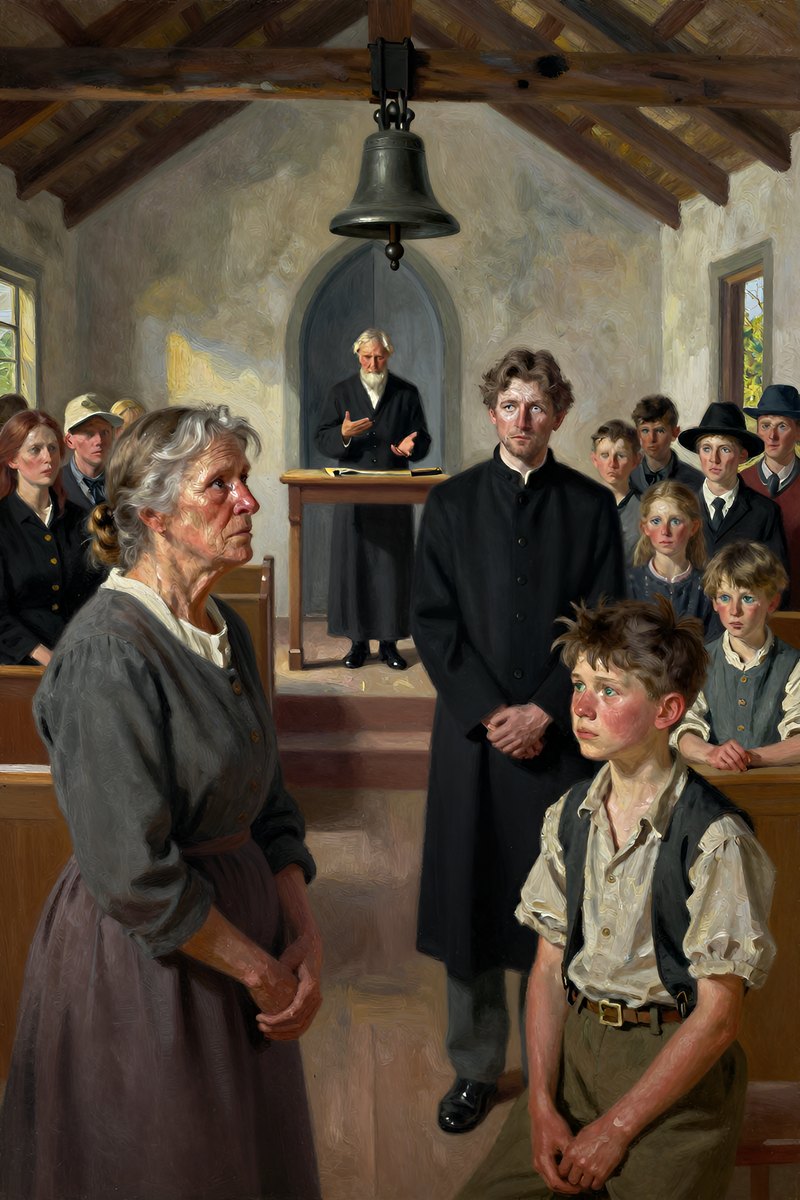
But there was no hilarity in the little town that same tranquil Saturday afternoon. The Harpers, and Aunt Polly’s family, were being put into mourning, with great grief and many tears. An unusual quiet possessed the village, although it was ordinarily quiet enough, in all conscience.
The villagers conducted their concerns with an absent air, and talked little; but they sighed often. The Saturday holiday seemed a burden to the children. They had no heart in their sports, and gradually gave them up.
In the afternoon Becky Thatcher found herself moping about the deserted schoolhouse yard, and feeling very melancholy. But she found nothing there to comfort her. She soliloquized:
“Oh, if I only had a brass andiron-knob again! But I haven’t got anything now to remember him by.” And she choked back a little sob.
Presently she stopped, and said to herself:
“It was right here. Oh, if it was to do over again, I wouldn’t say that—I wouldn’t say it for the whole world. But he’s gone now; I’ll never, never, never see him any more.”
This thought broke her down, and she wandered away, with tears rolling down her cheeks. Then quite a group of boys and girls—playmates of Tom’s and Joe’s—came by, and stood looking over the paling fence and talking in reverent tones of how Tom did so-and-so the last time they saw him, and how Joe said this and that small trifle (pregnant with awful prophecy, as they could easily see now!)—and each speaker pointed out the exact spot where the lost lads stood at the time, and then added something like “and I was a-standing just so—just as I am now, and as if you was him—I was as close as that—and he smiled, just this way—and then something seemed to go all over me, like—awful, you know—and I never thought what it meant, of course, but I can see now!”
Then there was a dispute about who saw the dead boys last in life, and many claimed that dismal distinction, and offered evidences, more or less tampered with by the witness; and when it was ultimately decided who did see the departed last, and exchanged the last words with them, the lucky parties took upon themselves a sort of sacred importance, and were gaped at and envied by all the rest. One poor chap, who had no other grandeur to offer, said with tolerably manifest pride in the remembrance:
“Well, Tom Sawyer he licked me once.”
But that bid for glory was a failure. Most of the boys could say that, and so that cheapened the distinction too much. The group loitered away, still recalling memories of the lost heroes, in awed voices.
When the Sunday-school hour was finished, the next morning, the bell began to toll, instead of ringing in the usual way. It was a very still Sabbath, and the mournful sound seemed in keeping with the musing hush that lay upon nature. The villagers began to gather, loitering a moment in the vestibule to converse in whispers about the sad event. But there was no whispering in the house; only the funereal rustling of dresses as the women gathered to their seats disturbed the silence there. None could remember when the little church had been so full before. There was finally a waiting pause, an expectant dumbness, and then Aunt Polly entered, followed by Sid and Mary, and they by the Harper family, all in deep black, and the whole congregation, the old minister as well, rose reverently and stood until the mourners were seated in the front pew.
There was another communing silence, broken at intervals by muffled sobs, and then the minister spread his hands abroad and prayed. A moving hymn was sung, and the text followed: “I am the Resurrection and the Life.”
As the service proceeded, the clergyman drew such pictures of the graces, the winning ways, and the rare promise of the lost lads that every soul there, thinking he recognized these pictures, felt a pang in remembering that he had persistently blinded himself to them always before, and had as persistently seen only faults and flaws in the poor boys. The minister related many a touching incident in the lives of the departed, too, which illustrated their sweet, generous natures, and the people could easily see, now, how noble and beautiful those episodes were, and remembered with grief that at the time they occurred they had seemed rank rascalities, well deserving of the cowhide. The congregation became more and more moved, as the pathetic tale went on, till at last the whole company broke down and joined the weeping mourners in a chorus of anguished sobs, the preacher himself giving way to his feelings, and crying in the pulpit.
There was a rustle in the gallery, which nobody noticed; a moment later the church door creaked; the minister raised his streaming eyes above his handkerchief, and stood transfixed! First one and then another pair of eyes followed the minister’s, and then almost with one impulse the congregation rose and stared while the three dead boys came marching up the aisle, Tom in the lead, Joe next, and Huck, a ruin of drooping rags, sneaking sheepishly in the rear! They had been hid in the unused gallery listening to their own funeral sermon!
Aunt Polly, Mary, and the Harpers threw themselves upon their restored ones, smothered them with kisses and poured out thanksgivings, while poor Huck stood abashed and uncomfortable, not knowing exactly what to do or where to hide from so many unwelcoming eyes. He wavered, and started to slink away, but Tom seized him and said:
“Aunt Polly, it ain’t fair. Somebody’s got to be glad to see Huck.”
“And so they shall. I’m glad to see him, poor motherless thing!” And the loving attentions Aunt Polly lavished upon him were the one thing capable of making him more uncomfortable than he was before.
Suddenly the minister shouted at the top of his voice: “Praise God from whom all blessings flow—sing!—and put your hearts in it!”
And they did. Old Hundred swelled up with a triumphant burst, and while it shook the rafters Tom Sawyer the Pirate looked around upon the envying juveniles about him and confessed in his heart that this was the proudest moment of his life.
As the “sold” congregation trooped out they said they would almost be willing to be made ridiculous again to hear Old Hundred sung like that once more.
Tom got more cuffs and kisses that day—according to Aunt Polly’s varying moods—than he had earned before in a year; and he hardly knew which expressed the most gratefulness to God and affection for himself.
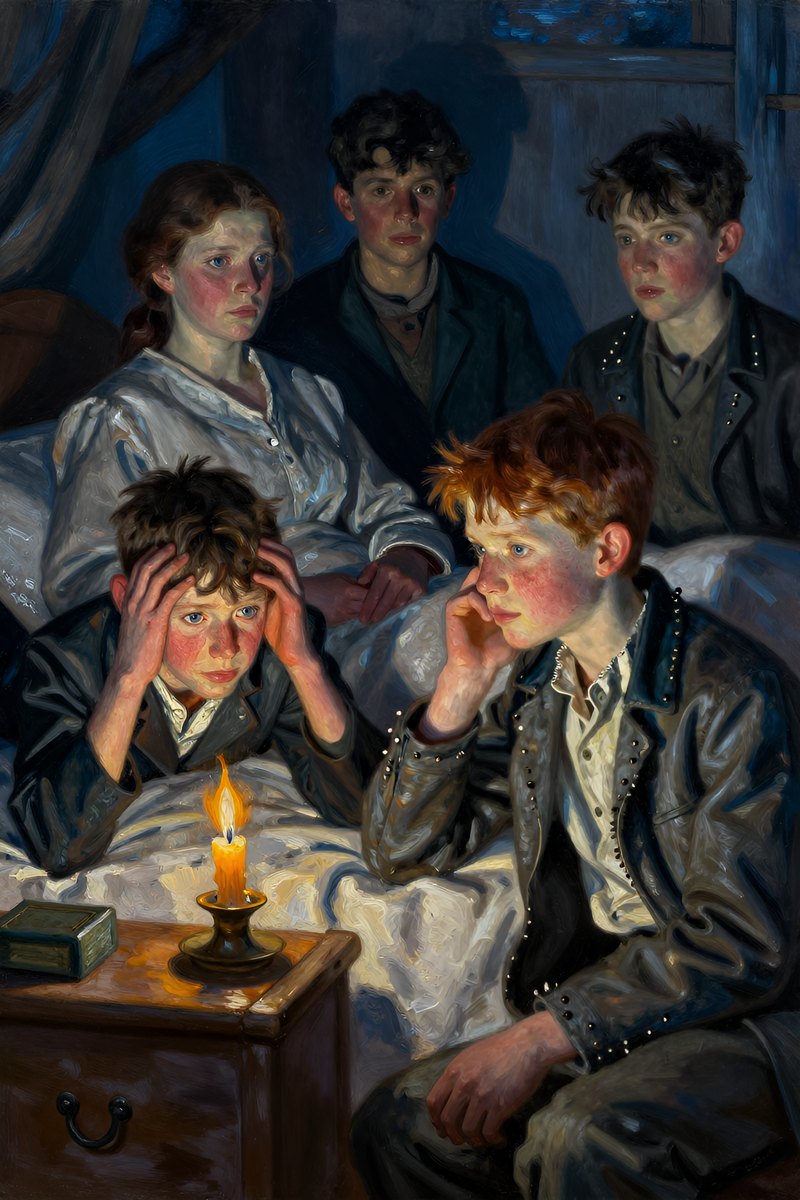
That was Tom’s great secret—the scheme to return home with his brother pirates and attend their own funerals. They had paddled over to the Missouri shore on a log, at dusk on Saturday, landing five or six miles below the village; they had slept in the woods at the edge of the town till nearly daylight, and had then crept through back lanes and alleys and finished their sleep in the gallery of the church among a chaos of invalided benches.
At breakfast, Monday morning, Aunt Polly and Mary were very loving to Tom, and very attentive to his wants. There was an unusual amount of talk. In the course of it Aunt Polly said:
“Well, I don’t say it wasn’t a fine joke, Tom, to keep everybody suffering ’most a week so you boys had a good time, but it is a pity you could be so hard-hearted as to let me suffer so. If you could come over on a log to go to your funeral, you could have come over and give me a hint some way that you warn’t dead, but only run off.”
“Yes, you could have done that, Tom,” said Mary; “and I believe you would if you had thought of it.”
“Would you, Tom?” said Aunt Polly, her face lighting wistfully. “Say, now, would you, if you’d thought of it?”
“I—well, I don’t know. ’Twould ’a’ spoiled everything.”
“Tom, I hoped you loved me that much,” said Aunt Polly, with a grieved tone that discomforted the boy. “It would have been something if you’d cared enough to think of it, even if you didn’t do it.”
“Now, auntie, that ain’t any harm,” pleaded Mary; “it’s only Tom’s giddy way—he is always in such a rush that he never thinks of anything.”
“More’s the pity. Sid would have thought. And Sid would have come and done it, too. Tom, you’ll look back, some day, when it’s too late, and wish you’d cared a little more for me when it would have cost you so little.”
“Now, auntie, you know I do care for you,” said Tom.
“I’d know it better if you acted more like it.”
“I wish now I’d thought,” said Tom, with a repentant tone; “but I dreamt about you, anyway. That’s something, ain’t it?”
“It ain’t much—a cat does that much—but it’s better than nothing. What did you dream?”
“Why, Wednesday night I dreamt that you was sitting over there by the bed, and Sid was sitting by the woodbox, and Mary next to him.”
“Well, so we did. So we always do. I’m glad your dreams could take even that much trouble about us.”
“And I dreamt that Joe Harper’s mother was here.”
“Why, she was here! Did you dream any more?”
“Oh, lots. But it’s so dim, now.”
“Well, try to recollect—can’t you?”
“Somehow it seems to me that the wind—the wind blowed the—the—”
“Try harder, Tom! The wind did blow something. Come!”
Tom pressed his fingers on his forehead an anxious minute, and then said:
“I’ve got it now! I’ve got it now! It blowed the candle!”
“Mercy on us! Go on, Tom—go on!”
“And it seems to me that you said, ‘Why, I believe that that door—’”
“Go on, Tom!”
“Just let me study a moment—just a moment. Oh, yes—you said you believed the door was open.”
“As I’m sitting here, I did! Didn’t I, Mary! Go on!”
“And then—and then—well I won’t be certain, but it seems like as if you made Sid go and—and—”
“Well? Well? What did I make him do, Tom? What did I make him do?”
“You made him—you—Oh, you made him shut it.”
“Well, for the land’s sake! I never heard the beat of that in all my days! Don’t tell me there ain’t anything in dreams, any more. Sereny Harper shall know of this before I’m an hour older. I’d like to see her get around this with her rubbage ’bout superstition. Go on, Tom!”
“Oh, it’s all getting just as bright as day, now. Next you said I warn’t bad, only mischeevous and harum-scarum, and not any more responsible than—than—I think it was a colt, or something.”
“And so it was! Well, goodness gracious! Go on, Tom!”
“And then you began to cry.”
“So I did. So I did. Not the first time, neither. And then—”
“Then Mrs. Harper she began to cry, and said Joe was just the same, and she wished she hadn’t whipped him for taking cream when she’d throwed it out her own self—”
“Tom! The sperrit was upon you! You was a prophesying—that’s what you was doing! Land alive, go on, Tom!”
“Then Sid he said—he said—”
“I don’t think I said anything,” said Sid.
“Yes you did, Sid,” said Mary.
“Shut your heads and let Tom go on! What did he say, Tom?”
“He said—I think he said he hoped I was better off where I was gone to, but if I’d been better sometimes—”
“There, d’you hear that! It was his very words!”
“And you shut him up sharp.”
“I lay I did! There must ’a’ been an angel there. There was an angel there, somewheres!”
“And Mrs. Harper told about Joe scaring her with a firecracker, and you told about Peter and the Pain-killer—”
“Just as true as I live!”
“And then there was a whole lot of talk ’bout dragging the river for us, and ’bout having the funeral Sunday, and then you and old Miss Harper hugged and cried, and she went.”
“It happened just so! It happened just so, as sure as I’m a-sitting in these very tracks. Tom, you couldn’t told it more like if you’d ’a’ seen it! And then what? Go on, Tom!”
“Then I thought you prayed for me—and I could see you and hear every word you said. And you went to bed, and I was so sorry that I took and wrote on a piece of sycamore bark, ‘We ain’t dead—we are only off being pirates,’ and put it on the table by the candle; and then you looked so good, laying there asleep, that I thought I went and leaned over and kissed you on the lips.”
“Did you, Tom, did you! I just forgive you everything for that!” And she seized the boy in a crushing embrace that made him feel like the guiltiest of villains.
“It was very kind, even though it was only a—dream,” Sid soliloquized just audibly.
“Shut up, Sid! A body does just the same in a dream as he’d do if he was awake. Here’s a big Milum apple I’ve been saving for you, Tom, if you was ever found again—now go ’long to school. I’m thankful to the good God and Father of us all I’ve got you back, that’s long-suffering and merciful to them that believe on Him and keep His word, though goodness knows I’m unworthy of it, but if only the worthy ones got His blessings and had His hand to help them over the rough places, there’s few enough would smile here or ever enter into His rest when the long night comes.
Go ’long Sid, Mary, Tom—take yourselves off—you’ve hendered me long enough.”
The children left for school, and the old lady to call on Mrs. Harper and vanquish her realism with Tom’s marvellous dream. Sid had better judgment than to utter the thought that was in his mind as he left the house. It was this: “Pretty thin—as long a dream as that, without any mistakes in it!”
What a hero Tom was become, now! He did not go skipping and prancing, but moved with a dignified swagger as became a pirate who felt that the public eye was on him. And indeed it was; he tried not to seem to see the looks or hear the remarks as he passed along, but they were food and drink to him. Smaller boys than himself flocked at his heels, as proud to be seen with him, and tolerated by him, as if he had been the drummer at the head of a procession or the elephant leading a menagerie into town. Boys of his own size pretended not to know he had been away at all; but they were consuming with envy, nevertheless. They would have given anything to have that swarthy sun-tanned skin of his, and his glittering notoriety; and Tom would not have parted with either for a circus.
At school the children made so much of him and of Joe, and delivered such eloquent admiration from their eyes, that the two heroes were not long in becoming insufferably “stuck-up.” They began to tell their adventures to hungry listeners—but they only began; it was not a thing likely to have an end, with imaginations like theirs to furnish material. And finally, when they got out their pipes and went serenely puffing around, the very summit of glory was reached.
Tom decided that he could be independent of Becky Thatcher now. Glory was sufficient. He would live for glory. Now that he was distinguished, maybe she would be wanting to “make up.” Well, let her—she should see that he could be as indifferent as some other people. Presently she arrived. Tom pretended not to see her. He moved away and joined a group of boys and girls and began to talk. Soon he observed that she was tripping gayly back and forth with flushed face and dancing eyes, pretending to be busy chasing schoolmates, and screaming with laughter when she made a capture; but he noticed that she always made her captures in his vicinity, and that she seemed to cast a conscious eye in his direction at such times, too. It gratified all the vicious vanity that was in him; and so, instead of winning him, it only “set him up”
the more and made him the more diligent to avoid betraying that he knew she was about. Presently she gave over skylarking, and moved irresolutely about, sighing once or twice and glancing furtively and wistfully toward Tom. Then she observed that now Tom was talking more particularly to Amy Lawrence than to any one else. She felt a sharp pang and grew disturbed and uneasy at once. She tried to go away, but her feet were treacherous, and carried her to the group instead. She said to a girl almost at Tom’s elbow—with sham vivacity:
“Why, Mary Austin! you bad girl, why didn’t you come to Sunday-school?”
“I did come—didn’t you see me?”
“Why, no! Did you? Where did you sit?”
“I was in Miss Peters’ class, where I always go. I saw you.”
“Did you? Why, it’s funny I didn’t see you. I wanted to tell you about the picnic.”
“Oh, that’s jolly. Who’s going to give it?”
“My ma’s going to let me have one.”
“Oh, goody; I hope she’ll let me come.”
“Well, she will. The picnic’s for me. She’ll let anybody come that I want, and I want you.”
“That’s ever so nice. When is it going to be?”
“By and by. Maybe about vacation.”
“Oh, won’t it be fun! You going to have all the girls and boys?”
“Yes, every one that’s friends to me—or wants to be”; and she glanced ever so furtively at Tom, but he talked right along to Amy Lawrence about the terrible storm on the island, and how the lightning tore the great sycamore tree “all to flinders” while he was “standing within three feet of it.”
“Oh, may I come?” said Grace Miller.
“Yes.”
“And me?” said Sally Rogers.
“Yes.”
“And me, too?” said Susy Harper. “And Joe?”
“Yes.”
And so on, with clapping of joyful hands till all the group had begged for invitations but Tom and Amy. Then Tom turned coolly away, still talking, and took Amy with him. Becky’s lips trembled and the tears came to her eyes; she hid these signs with a forced gayety and went on chattering, but the life had gone out of the picnic, now, and out of everything else; she got away as soon as she could and hid herself and had what her sex call “a good cry.” Then she sat moody, with wounded pride, till the bell rang. She roused up, now, with a vindictive cast in her eye, and gave her plaited tails a shake and said she knew what she’d do.
At recess Tom continued his flirtation with Amy with jubilant self-satisfaction. And he kept drifting about to find Becky and lacerate her with the performance. At last he spied her, but there was a sudden falling of his mercury. She was sitting cosily on a little bench behind the schoolhouse looking at a picture-book with Alfred Temple—and so absorbed were they, and their heads so close together over the book, that they did not seem to be conscious of anything in the world besides.
Jealousy ran red-hot through Tom’s veins. He began to hate himself for throwing away the chance Becky had offered for a reconciliation. He called himself a fool, and all the hard names he could think of. He wanted to cry with vexation. Amy chatted happily along, as they walked, for her heart was singing, but Tom’s tongue had lost its function. He did not hear what Amy was saying, and whenever she paused expectantly he could only stammer an awkward assent, which was as often misplaced as otherwise. He kept drifting to the rear of the schoolhouse, again and again, to sear his eyeballs with the hateful spectacle there. He could not help it. And it maddened him to see, as he thought he saw, that Becky Thatcher never once suspected that he was even in the land of the living. But she did see, nevertheless; and she knew she was winning her fight, too, and was glad to see him suffer as she had suffered.
Amy’s happy prattle became intolerable. Tom hinted at things he had to attend to; things that must be done; and time was fleeting. But in vain—the girl chirped on. Tom thought, “Oh, hang her, ain’t I ever going to get rid of her?” At last he must be attending to those things—and she said artlessly that she would be “around” when school let out. And he hastened away, hating her for it.
“Any other boy!” Tom thought, grating his teeth. “Any boy in the whole town but that Saint Louis smarty that thinks he dresses so fine and is aristocracy! Oh, all right, I licked you the first day you ever saw this town, mister, and I’ll lick you again! You just wait till I catch you out! I’ll just take and—”
And he went through the motions of thrashing an imaginary boy—pummelling the air, and kicking and gouging. “Oh, you do, do you? You holler ’nough, do you? Now, then, let that learn you!” And so the imaginary flogging was finished to his satisfaction.
Tom fled home at noon. His conscience could not endure any more of Amy’s grateful happiness, and his jealousy could bear no more of the other distress. Becky resumed her picture inspections with Alfred, but as the minutes dragged along and no Tom came to suffer, her triumph began to cloud and she lost interest; gravity and absentmindedness followed, and then melancholy; two or three times she pricked up her ear at a footstep, but it was a false hope; no Tom came. At last she grew entirely miserable and wished she hadn’t carried it so far. When poor Alfred, seeing that he was losing her, he did not know how, kept exclaiming: “Oh, here’s a jolly one! look at this!” she lost patience at last, and said, “Oh, don’t bother me! I don’t care for them!” and burst into tears, and got up and walked away.
Alfred dropped alongside and was going to try to comfort her, but she said:
“Go away and leave me alone, can’t you! I hate you!”
So the boy halted, wondering what he could have done—for she had said she would look at pictures all through the nooning—and she walked on, crying. Then Alfred went musing into the deserted schoolhouse. He was humiliated and angry. He easily guessed his way to the truth—the girl had simply made a convenience of him to vent her spite upon Tom Sawyer.
He was far from hating Tom the less when this thought occurred to him.
He wished there was some way to get that boy into trouble without much risk to himself. Tom’s spelling-book fell under his eye. Here was his opportunity. He gratefully opened to the lesson for the afternoon and poured ink upon the page.
Becky, glancing in at a window behind him at the moment, saw the act, and moved on, without discovering herself. She started homeward, now, intending to find Tom and tell him; Tom would be thankful and their troubles would be healed. Before she was half way home, however, she had changed her mind. The thought of Tom’s treatment of her when she was talking about her picnic came scorching back and filled her with shame.
She resolved to let him get whipped on the damaged spelling-book’s account, and to hate him forever, into the bargain.
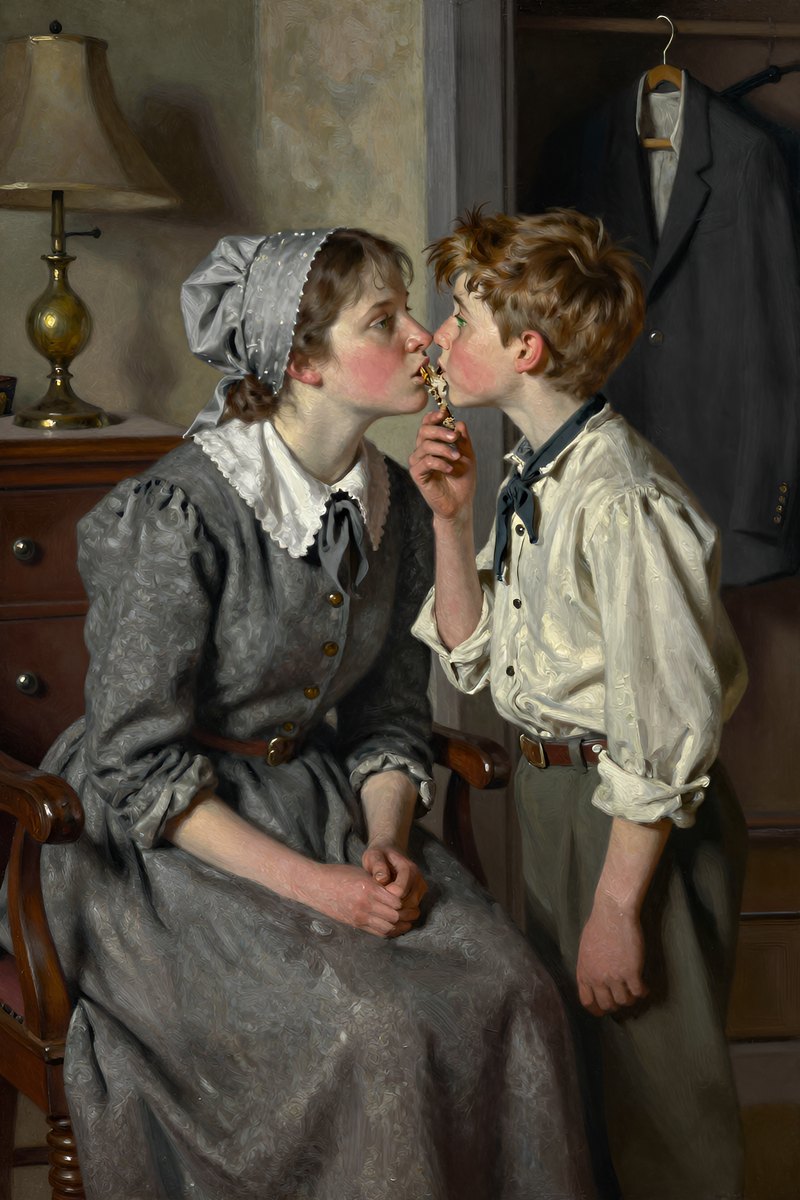
Tom arrived at home in a dreary mood, and the first thing his aunt said to him showed him that he had brought his sorrows to an unpromising market:
“Tom, I’ve a notion to skin you alive!”
“Auntie, what have I done?”
“Well, you’ve done enough. Here I go over to Sereny Harper, like an old softy, expecting I’m going to make her believe all that rubbage about that dream, when lo and behold you she’d found out from Joe that you was over here and heard all the talk we had that night. Tom, I don’t know what is to become of a boy that will act like that. It makes me feel so bad to think you could let me go to Sereny Harper and make such a fool of myself and never say a word.”
This was a new aspect of the thing. His smartness of the morning had seemed to Tom a good joke before, and very ingenious. It merely looked mean and shabby now. He hung his head and could not think of anything to say for a moment. Then he said:
“Auntie, I wish I hadn’t done it—but I didn’t think.”
“Oh, child, you never think. You never think of anything but your own selfishness. You could think to come all the way over here from Jackson’s Island in the night to laugh at our troubles, and you could think to fool me with a lie about a dream; but you couldn’t ever think to pity us and save us from sorrow.”
“Auntie, I know now it was mean, but I didn’t mean to be mean. I didn’t, honest. And besides, I didn’t come over here to laugh at you that night.”
“What did you come for, then?”
“It was to tell you not to be uneasy about us, because we hadn’t got drownded.”
“Tom, Tom, I would be the thankfullest soul in this world if I could believe you ever had as good a thought as that, but you know you never did—and I know it, Tom.”
“Indeed and ’deed I did, auntie—I wish I may never stir if I didn’t.”
“Oh, Tom, don’t lie—don’t do it. It only makes things a hundred times worse.”
“It ain’t a lie, auntie; it’s the truth. I wanted to keep you from grieving—that was all that made me come.”
“I’d give the whole world to believe that—it would cover up a power of sins, Tom. I’d ’most be glad you’d run off and acted so bad. But it ain’t reasonable; because, why didn’t you tell me, child?”
“Why, you see, when you got to talking about the funeral, I just got all full of the idea of our coming and hiding in the church, and I couldn’t somehow bear to spoil it. So I just put the bark back in my pocket and kept mum.”
“What bark?”
“The bark I had wrote on to tell you we’d gone pirating. I wish, now, you’d waked up when I kissed you—I do, honest.”
The hard lines in his aunt’s face relaxed and a sudden tenderness dawned in her eyes.
“Did you kiss me, Tom?”
“Why, yes, I did.”
“Are you sure you did, Tom?”
“Why, yes, I did, auntie—certain sure.”
“What did you kiss me for, Tom?”
“Because I loved you so, and you laid there moaning and I was so sorry.”
The words sounded like truth. The old lady could not hide a tremor in her voice when she said:
“Kiss me again, Tom!—and be off with you to school, now, and don’t bother me any more.”
The moment he was gone, she ran to a closet and got out the ruin of a jacket which Tom had gone pirating in. Then she stopped, with it in her hand, and said to herself:
“No, I don’t dare. Poor boy, I reckon he’s lied about it—but it’s a blessed, blessed lie, there’s such a comfort come from it. I hope the Lord—I know the Lord will forgive him, because it was such good-heartedness in him to tell it. But I don’t want to find out it’s a lie. I won’t look.”
She put the jacket away, and stood by musing a minute. Twice she put out her hand to take the garment again, and twice she refrained. Once more she ventured, and this time she fortified herself with the thought:
“It’s a good lie—it’s a good lie—I won’t let it grieve me.” So she sought the jacket pocket. A moment later she was reading Tom’s piece of bark through flowing tears and saying: “I could forgive the boy, now, if he’d committed a million sins!”
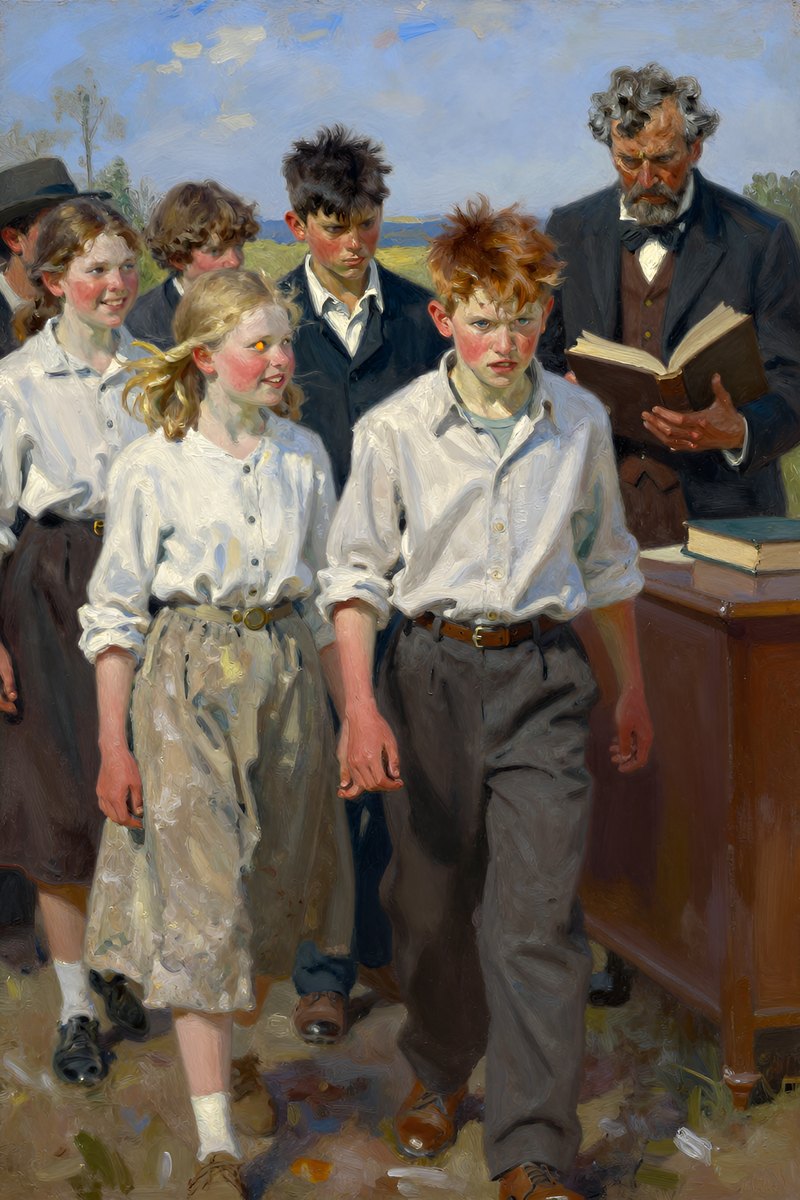
There was something about Aunt Polly’s manner, when she kissed Tom, that swept away his low spirits and made him lighthearted and happy again. He started to school and had the luck of coming upon Becky Thatcher at the head of Meadow Lane. His mood always determined his manner. Without a moment’s hesitation he ran to her and said:
“I acted mighty mean today, Becky, and I’m so sorry. I won’t ever, ever do that way again, as long as ever I live—please make up, won’t you?”
The girl stopped and looked him scornfully in the face:
“I’ll thank you to keep yourself to yourself, Mr. Thomas Sawyer. I’ll never speak to you again.”
She tossed her head and passed on. Tom was so stunned that he had not even presence of mind enough to say “Who cares, Miss Smarty?” until the right time to say it had gone by. So he said nothing. But he was in a fine rage, nevertheless. He moped into the schoolyard wishing she were a boy, and imagining how he would trounce her if she were. He presently encountered her and delivered a stinging remark as he passed. She hurled one in return, and the angry breach was complete. It seemed to Becky, in her hot resentment, that she could hardly wait for school to “take in,”
she was so impatient to see Tom flogged for the injured spelling-book.
If she had had any lingering notion of exposing Alfred Temple, Tom’s offensive fling had driven it entirely away.
Poor girl, she did not know how fast she was nearing trouble herself.
The master, Mr. Dobbins, had reached middle age with an unsatisfied ambition. The darling of his desires was, to be a doctor, but poverty had decreed that he should be nothing higher than a village schoolmaster. Every day he took a mysterious book out of his desk and absorbed himself in it at times when no classes were reciting. He kept that book under lock and key. There was not an urchin in school but was perishing to have a glimpse of it, but the chance never came. Every boy and girl had a theory about the nature of that book; but no two theories were alike, and there was no way of getting at the facts in the case.
Now, as Becky was passing by the desk, which stood near the door, she noticed that the key was in the lock! It was a precious moment. She glanced around; found herself alone, and the next instant she had the book in her hands. The titlepage—Professor Somebody’s Anatomy—carried no information to her mind; so she began to turn the leaves. She came at once upon a handsomely engraved and colored frontispiece—a human figure, stark naked. At that moment a shadow fell on the page and Tom Sawyer stepped in at the door and caught a glimpse of the picture. Becky snatched at the book to close it, and had the hard luck to tear the pictured page half down the middle. She thrust the volume into the desk, turned the key, and burst out crying with shame and vexation.
“Tom Sawyer, you are just as mean as you can be, to sneak up on a person and look at what they’re looking at.”
“How could I know you was looking at anything?”
“You ought to be ashamed of yourself, Tom Sawyer; you know you’re going to tell on me, and oh, what shall I do, what shall I do! I’ll be whipped, and I never was whipped in school.”
Then she stamped her little foot and said:
“Be so mean if you want to! I know something that’s going to happen.
You just wait and you’ll see! Hateful, hateful, hateful!”—and she flung out of the house with a new explosion of crying.
Tom stood still, rather flustered by this onslaught. Presently he said to himself:
“What a curious kind of a fool a girl is! Never been licked in school! Shucks! What’s a licking! That’s just like a girl—they’re so thin-skinned and chicken-hearted. Well, of course I ain’t going to tell old Dobbins on this little fool, because there’s other ways of getting even on her, that ain’t so mean; but what of it? Old Dobbins will ask who it was tore his book. Nobody’ll answer. Then he’ll do just the way he always does—ask first one and then t’other, and when he comes to the right girl he’ll know it, without any telling. Girls’ faces always tell on them. They ain’t got any backbone. She’ll get licked. Well, it’s a kind of a tight place for Becky Thatcher, because there ain’t any way out of it.” Tom conned the thing a moment longer, and then added: “All right, though; she’d like to see me in just such a fix—let her sweat it out!”
Tom joined the mob of skylarking scholars outside. In a few moments the master arrived and school “took in.” Tom did not feel a strong interest in his studies. Every time he stole a glance at the girls’ side of the room Becky’s face troubled him. Considering all things, he did not want to pity her, and yet it was all he could do to help it. He could get up no exultation that was really worthy the name. Presently the spelling-book discovery was made, and Tom’s mind was entirely full of his own matters for a while after that. Becky roused up from her lethargy of distress and showed good interest in the proceedings. She did not expect that Tom could get out of his trouble by denying that he spilt the ink on the book himself; and she was right. The denial only seemed to make the thing worse for Tom. Becky supposed she would be glad of that, and she tried to believe she was glad of it, but she found she was not certain. When the worst came to the worst, she had an impulse to get up and tell on Alfred Temple, but she made an effort and forced herself to keep still—because, said she to herself, “he’ll tell about me tearing the picture sure. I wouldn’t say a word, not to save his life!”
Tom took his whipping and went back to his seat not at all broken-hearted, for he thought it was possible that he had unknowingly upset the ink on the spelling-book himself, in some skylarking bout—he had denied it for form’s sake and because it was custom, and had stuck to the denial from principle.
A whole hour drifted by, the master sat nodding in his throne, the air was drowsy with the hum of study. By and by, Mr. Dobbins straightened himself up, yawned, then unlocked his desk, and reached for his book, but seemed undecided whether to take it out or leave it. Most of the pupils glanced up languidly, but there were two among them that watched his movements with intent eyes. Mr. Dobbins fingered his book absently for a while, then took it out and settled himself in his chair to read!
Tom shot a glance at Becky. He had seen a hunted and helpless rabbit look as she did, with a gun levelled at its head. Instantly he forgot his quarrel with her. Quick—something must be done! done in a flash, too! But the very imminence of the emergency paralyzed his invention.
Good!—he had an inspiration! He would run and snatch the book, spring through the door and fly. But his resolution shook for one little instant, and the chance was lost—the master opened the volume. If Tom only had the wasted opportunity back again! Too late. There was no help for Becky now, he said. The next moment the master faced the school.
Every eye sank under his gaze. There was that in it which smote even the innocent with fear. There was silence while one might count ten—the master was gathering his wrath. Then he spoke: “Who tore this book?”
There was not a sound. One could have heard a pin drop. The stillness continued; the master searched face after face for signs of guilt.
“Benjamin Rogers, did you tear this book?”
A denial. Another pause.
“Joseph Harper, did you?”
Another denial. Tom’s uneasiness grew more and more intense under the slow torture of these proceedings. The master scanned the ranks of boys—considered a while, then turned to the girls:
“Amy Lawrence?”
A shake of the head.
“Gracie Miller?”
The same sign.
“Susan Harper, did you do this?”
Another negative. The next girl was Becky Thatcher. Tom was trembling from head to foot with excitement and a sense of the hopelessness of the situation.
“Rebecca Thatcher” [Tom glanced at her face—it was white with terror]—“did you tear—no, look me in the face” [her hands rose in appeal]—“did you tear this book?”
A thought shot like lightning through Tom’s brain. He sprang to his feet and shouted—“I done it!”
The school stared in perplexity at this incredible folly. Tom stood a moment, to gather his dismembered faculties; and when he stepped forward to go to his punishment the surprise, the gratitude, the adoration that shone upon him out of poor Becky’s eyes seemed pay enough for a hundred floggings. Inspired by the splendor of his own act, he took without an outcry the most merciless flaying that even Mr. Dobbins had ever administered; and also received with indifference the added cruelty of a command to remain two hours after school should be dismissed—for he knew who would wait for him outside till his captivity was done, and not count the tedious time as loss, either.
Tom went to bed that night planning vengeance against Alfred Temple; for with shame and repentance Becky had told him all, not forgetting her own treachery; but even the longing for vengeance had to give way, soon, to pleasanter musings, and he fell asleep at last with Becky’s latest words lingering dreamily in his ear— “Tom, how could you be so noble!”
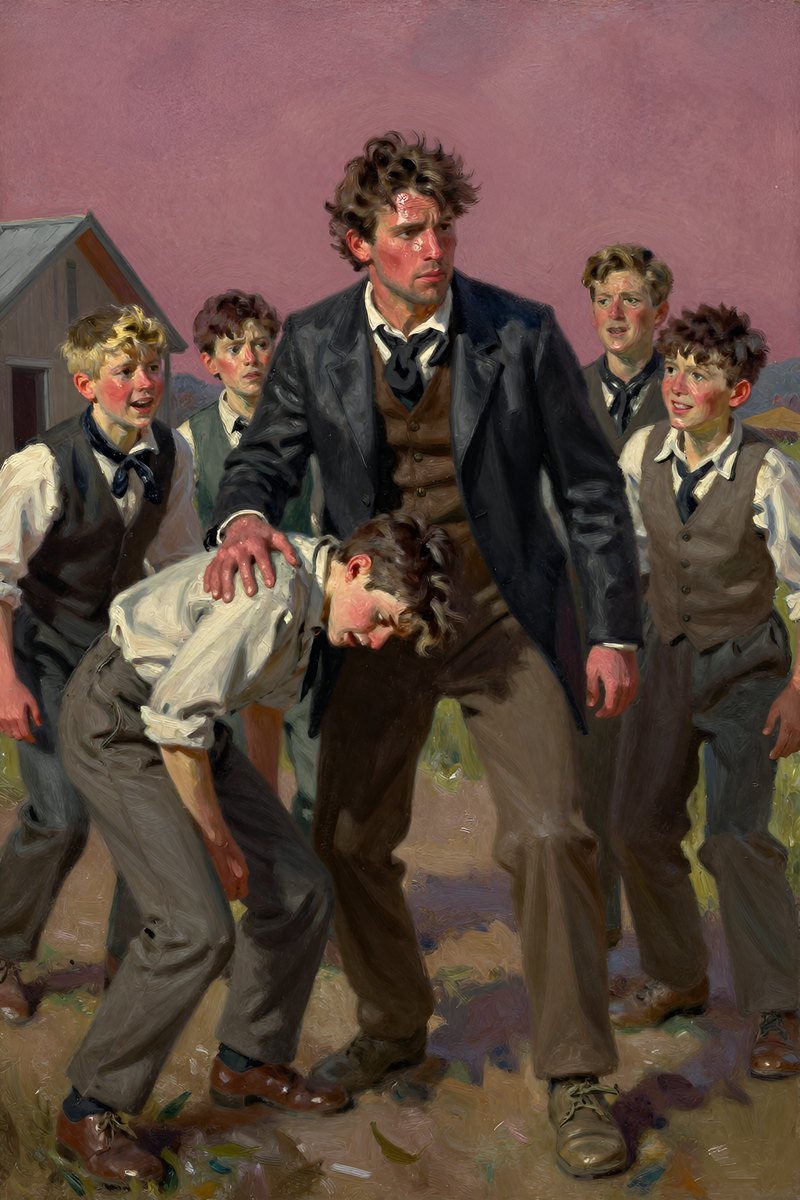
Vacation was approaching. The schoolmaster, always severe, grew severer and more exacting than ever, for he wanted the school to make a good showing on “Examination” day. His rod and his ferule were seldom idle now—at least among the smaller pupils. Only the biggest boys, and young ladies of eighteen and twenty, escaped lashing. Mr. Dobbins’ lashings were very vigorous ones, too; for although he carried, under his wig, a perfectly bald and shiny head, he had only reached middle age, and there was no sign of feebleness in his muscle. As the great day approached, all the tyranny that was in him came to the surface; he seemed to take a vindictive pleasure in punishing the least shortcomings. The consequence was, that the smaller boys spent their days in terror and suffering and their nights in plotting revenge. They threw away no opportunity to do the master a mischief. But he kept ahead all the time. The retribution that followed every vengeful success was so sweeping and majestic that the boys always retired from the field badly worsted. At last they conspired together and hit upon a plan that promised a dazzling victory.
They swore in the signpainter’s boy, told him the scheme, and asked his help. He had his own reasons for being delighted, for the master boarded in his father’s family and had given the boy ample cause to hate him.
The master’s wife would go on a visit to the country in a few days, and there would be nothing to interfere with the plan; the master always prepared himself for great occasions by getting pretty well fuddled, and the signpainter’s boy said that when the dominie had reached the proper condition on Examination Evening he would “manage the thing” while he napped in his chair; then he would have him awakened at the right time and hurried away to school.
In the fulness of time the interesting occasion arrived. At eight in the evening the schoolhouse was brilliantly lighted, and adorned with wreaths and festoons of foliage and flowers. The master sat throned in his great chair upon a raised platform, with his blackboard behind him.
He was looking tolerably mellow. Three rows of benches on each side and six rows in front of him were occupied by the dignitaries of the town and by the parents of the pupils. To his left, back of the rows of citizens, was a spacious temporary platform upon which were seated the scholars who were to take part in the exercises of the evening; rows of small boys, washed and dressed to an intolerable state of discomfort; rows of gawky big boys; snowbanks of girls and young ladies clad in lawn and muslin and conspicuously conscious of their bare arms, their grandmothers’ ancient trinkets, their bits of pink and blue ribbon and the flowers in their hair. All the rest of the house was filled with non-participating scholars.
The exercises began. A very little boy stood up and sheepishly recited, “You’d scarce expect one of my age to speak in public on the stage,”
etc.—accompanying himself with the painfully exact and spasmodic gestures which a machine might have used—supposing the machine to be a trifle out of order. But he got through safely, though cruelly scared, and got a fine round of applause when he made his manufactured bow and retired.
A little shamefaced girl lisped, “Mary had a little lamb,” etc., performed a compassion-inspiring curtsy, got her meed of applause, and sat down flushed and happy.
Tom Sawyer stepped forward with conceited confidence and soared into the unquenchable and indestructible “Give me liberty or give me death”
speech, with fine fury and frantic gesticulation, and broke down in the middle of it. A ghastly stage-fright seized him, his legs quaked under him and he was like to choke. True, he had the manifest sympathy of the house but he had the house’s silence, too, which was even worse than its sympathy. The master frowned, and this completed the disaster. Tom struggled awhile and then retired, utterly defeated. There was a weak attempt at applause, but it died early.
“The Boy Stood on the Burning Deck” followed; also “The Assyrian Came Down,” and other declamatory gems. Then there were reading exercises, and a spelling fight. The meagre Latin class recited with honor. The prime feature of the evening was in order, now—original “compositions”
by the young ladies. Each in her turn stepped forward to the edge of the platform, cleared her throat, held up her manuscript (tied with dainty ribbon), and proceeded to read, with labored attention to “expression”
and punctuation. The themes were the same that had been illuminated upon similar occasions by their mothers before them, their grandmothers, and doubtless all their ancestors in the female line clear back to the Crusades. “Friendship” was one; “Memories of Other Days”; “Religion in History”; “Dream Land”; “The Advantages of Culture”; “Forms of Political Government Compared and Contrasted”; “Melancholy”; “Filial Love”; “Heart Longings,” etc., etc.
A prevalent feature in these compositions was a nursed and petted melancholy; another was a wasteful and opulent gush of “fine language”; another was a tendency to lug in by the ears particularly prized words and phrases until they were worn entirely out; and a peculiarity that conspicuously marked and marred them was the inveterate and intolerable sermon that wagged its crippled tail at the end of each and every one of them. No matter what the subject might be, a brainracking effort was made to squirm it into some aspect or other that the moral and religious mind could contemplate with edification. The glaring insincerity of these sermons was not sufficient to compass the banishment of the fashion from the schools, and it is not sufficient today; it never will be sufficient while the world stands, perhaps. There is no school in all our land where the young ladies do not feel obliged to close their compositions with a sermon; and you will find that the sermon of the most frivolous and the least religious girl in the school is always the longest and the most relentlessly pious. But enough of this. Homely truth is unpalatable.
Let us return to the “Examination.” The first composition that was read was one entitled “Is this, then, Life?” Perhaps the reader can endure an extract from it:
“In the common walks of life, with what delightful emotions does the youthful mind look forward to some anticipated scene of festivity!
Imagination is busy sketching rose-tinted pictures of joy. In fancy, the voluptuous votary of fashion sees herself amid the festive throng, ‘the observed of all observers.’ Her graceful form, arrayed in snowy robes, is whirling through the mazes of the joyous dance; her eye is brightest, her step is lightest in the gay assembly.
“In such delicious fancies time quickly glides by, and the welcome hour arrives for her entrance into the Elysian world, of which she has had such bright dreams. How fairy-like does everything appear to her enchanted vision! Each new scene is more charming than the last. But after a while she finds that beneath this goodly exterior, all is vanity, the flattery which once charmed her soul, now grates harshly upon her ear; the ballroom has lost its charms; and with wasted health and imbittered heart, she turns away with the conviction that earthly pleasures cannot satisfy the longings of the soul!”
And so forth and so on. There was a buzz of gratification from time to time during the reading, accompanied by whispered ejaculations of “How sweet!” “How eloquent!” “So true!” etc., and after the thing had closed with a peculiarly afflicting sermon the applause was enthusiastic.
Then arose a slim, melancholy girl, whose face had the “interesting”
paleness that comes of pills and indigestion, and read a “poem.” Two stanzas of it will do:
“A MISSOURI MAIDEN’S FAREWELL TO ALABAMA “Alabama, goodbye! I love thee well!
But yet for a while do I leave thee now!
Sad, yes, sad thoughts of thee my heart doth swell, And burning recollections throng my brow!
For I have wandered through thy flowery woods; Have roamed and read near Tallapoosa’s stream; Have listened to Tallassee’s warring floods, And wooed on Coosa’s side Aurora’s beam.
“Yet shame I not to bear an o’erfull heart, Nor blush to turn behind my tearful eyes; ’Tis from no stranger land I now must part, ’Tis to no strangers left I yield these sighs.
Welcome and home were mine within this State, Whose vales I leave—whose spires fade fast from me And cold must be mine eyes, and heart, and tête, When, dear Alabama! they turn cold on thee!”
There were very few there who knew what “tête” meant, but the poem was very satisfactory, nevertheless.
Next appeared a dark-complexioned, black-eyed, black-haired young lady, who paused an impressive moment, assumed a tragic expression, and began to read in a measured, solemn tone:
A VISION Dark and tempestuous was night. Around the throne on high not a single star quivered; but the deep intonations of the heavy thunder constantly vibrated upon the ear; whilst the terrific lightning revelled in angry mood through the cloudy chambers of heaven, seeming to scorn the power exerted over its terror by the illustrious Franklin! Even the boisterous winds unanimously came forth from their mystic homes, and blustered about as if to enhance by their aid the wildness of the scene.
At such a time, so dark, so dreary, for human sympathy my very spirit sighed; but instead thereof, ‘My dearest friend, my counsellor, my comforter and guide— My joy in grief, my second bliss in joy,’ came to my side.
She moved like one of those bright beings pictured in the sunny walks of fancy’s Eden by the romantic and young, a queen of beauty unadorned save by her own transcendent loveliness. So soft was her step, it failed to make even a sound, and but for the magical thrill imparted by her genial touch, as other unobtrusive beauties, she would have glided away unperceived—unsought. A strange sadness rested upon her features, like icy tears upon the robe of December, as she pointed to the contending elements without, and bade me contemplate the two beings presented.
This nightmare occupied some ten pages of manuscript and wound up with a sermon so destructive of all hope to non-Presbyterians that it took the first prize. This composition was considered to be the very finest effort of the evening. The mayor of the village, in delivering the prize to the author of it, made a warm speech in which he said that it was by far the most “eloquent” thing he had ever listened to, and that Daniel Webster himself might well be proud of it.
It may be remarked, in passing, that the number of compositions in which the word “beauteous” was over-fondled, and human experience referred to as “life’s page,” was up to the usual average.
Now the master, mellow almost to the verge of geniality, put his chair aside, turned his back to the audience, and began to draw a map of America on the blackboard, to exercise the geography class upon. But he made a sad business of it with his unsteady hand, and a smothered titter rippled over the house. He knew what the matter was, and set himself to right it. He sponged out lines and remade them; but he only distorted them more than ever, and the tittering was more pronounced. He threw his entire attention upon his work, now, as if determined not to be put down by the mirth. He felt that all eyes were fastened upon him; he imagined he was succeeding, and yet the tittering continued; it even manifestly increased. And well it might. There was a garret above, pierced with a scuttle over his head; and down through this scuttle came a cat, suspended around the haunches by a string; she had a rag tied about her head and jaws to keep her from mewing; as she slowly descended she curved upward and clawed at the string, she swung downward and clawed at the intangible air. The tittering rose higher and higher—the cat was within six inches of the absorbed teacher’s head—down, down, a little lower, and she grabbed his wig with her desperate claws, clung to it, and was snatched up into the garret in an instant with her trophy still in her possession! And how the light did blaze abroad from the master’s bald pate—for the signpainter’s boy had gilded it!
That broke up the meeting. The boys were avenged. Vacation had come.
[*] NOTE:—The pretended “compositions” quoted in this chapter are taken without alteration from a volume entitled “Prose and Poetry, by a Western Lady”—but they are exactly and precisely after the schoolgirl pattern, and hence are much happier than any mere imitations could be.
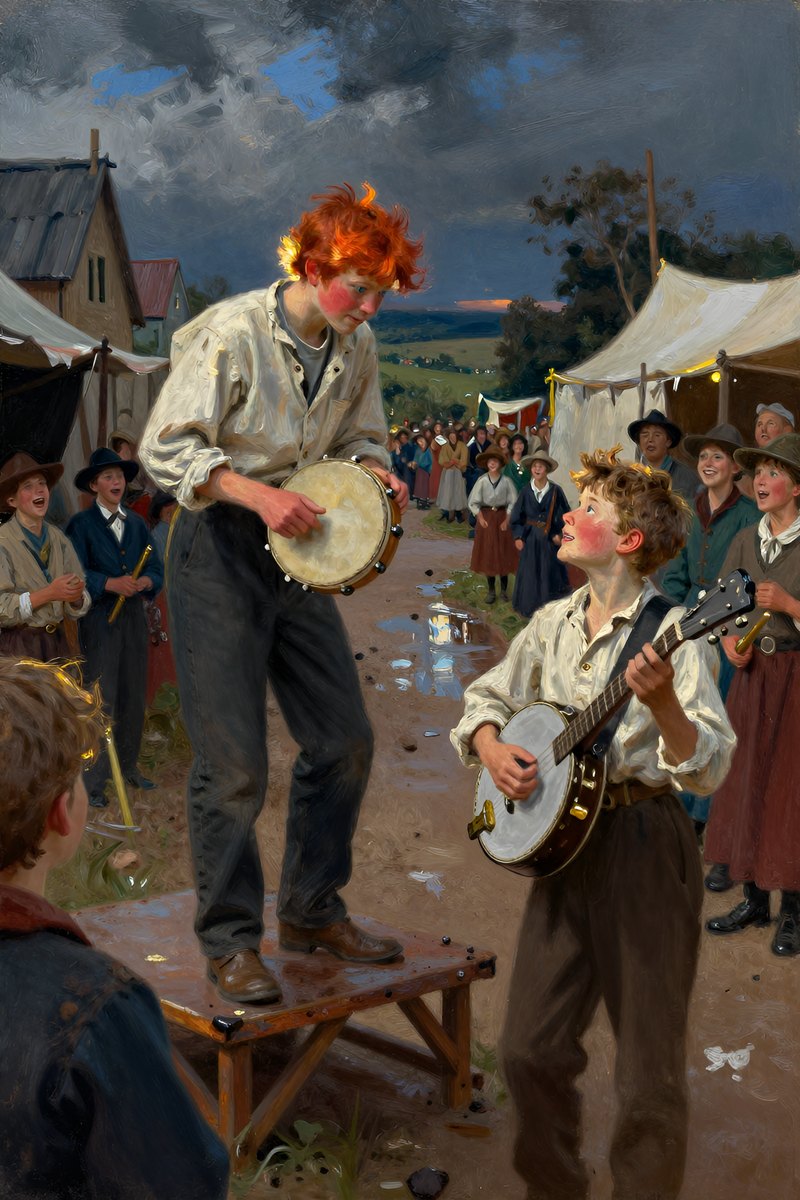
Tom joined the new order of Cadets of Temperance, being attracted by the showy character of their “regalia.” He promised to abstain from smoking, chewing, and profanity as long as he remained a member. Now he found out a new thing—namely, that to promise not to do a thing is the surest way in the world to make a body want to go and do that very thing. Tom soon found himself tormented with a desire to drink and swear; the desire grew to be so intense that nothing but the hope of a chance to display himself in his red sash kept him from withdrawing from the order. Fourth of July was coming; but he soon gave that up—gave it up before he had worn his shackles over forty-eight hours—and fixed his hopes upon old Judge Frazer, justice of the peace, who was apparently on his deathbed and would have a big public funeral, since he was so high an official.
During three days Tom was deeply concerned about the Judge’s condition and hungry for news of it. Sometimes his hopes ran high—so high that he would venture to get out his regalia and practise before the looking-glass. But the Judge had a most discouraging way of fluctuating.
At last he was pronounced upon the mend—and then convalescent. Tom was disgusted; and felt a sense of injury, too. He handed in his resignation at once—and that night the Judge suffered a relapse and died. Tom resolved that he would never trust a man like that again.
The funeral was a fine thing. The Cadets paraded in a style calculated to kill the late member with envy. Tom was a free boy again, however—there was something in that. He could drink and swear, now—but found to his surprise that he did not want to. The simple fact that he could, took the desire away, and the charm of it.
Tom presently wondered to find that his coveted vacation was beginning to hang a little heavily on his hands.
He attempted a diary—but nothing happened during three days, and so he abandoned it.
The first of all the negro minstrel shows came to town, and made a sensation. Tom and Joe Harper got up a band of performers and were happy for two days.
Even the Glorious Fourth was in some sense a failure, for it rained hard, there was no procession in consequence, and the greatest man in the world (as Tom supposed), Mr. Benton, an actual United States Senator, proved an overwhelming disappointment—for he was not twenty-five feet high, nor even anywhere in the neighborhood of it.
A circus came. The boys played circus for three days afterward in tents made of rag carpeting—admission, three pins for boys, two for girls—and then circusing was abandoned.
A phrenologist and a mesmerizer came—and went again and left the village duller and drearier than ever.
There were some boys-and-girls’ parties, but they were so few and so delightful that they only made the aching voids between ache the harder.
Becky Thatcher was gone to her Constantinople home to stay with her parents during vacation—so there was no bright side to life anywhere.
The dreadful secret of the murder was a chronic misery. It was a very cancer for permanency and pain.
Then came the measles.
During two long weeks Tom lay a prisoner, dead to the world and its happenings. He was very ill, he was interested in nothing. When he got upon his feet at last and moved feebly downtown, a melancholy change had come over everything and every creature. There had been a “revival,” and everybody had “got religion,” not only the adults, but even the boys and girls. Tom went about, hoping against hope for the sight of one blessed sinful face, but disappointment crossed him everywhere. He found Joe Harper studying a Testament, and turned sadly away from the depressing spectacle. He sought Ben Rogers, and found him visiting the poor with a basket of tracts. He hunted up Jim Hollis, who called his attention to the precious blessing of his late measles as a warning. Every boy he encountered added another ton to his depression; and when, in desperation, he flew for refuge at last to the bosom of Huckleberry Finn and was received with a Scriptural quotation, his heart broke and he crept home and to bed realizing that he alone of all the town was lost, forever and forever.
And that night there came on a terrific storm, with driving rain, awful claps of thunder and blinding sheets of lightning. He covered his head with the bedclothes and waited in a horror of suspense for his doom; for he had not the shadow of a doubt that all this hubbub was about him.
He believed he had taxed the forbearance of the powers above to the extremity of endurance and that this was the result. It might have seemed to him a waste of pomp and ammunition to kill a bug with a battery of artillery, but there seemed nothing incongruous about the getting up such an expensive thunderstorm as this to knock the turf from under an insect like himself.
By and by the tempest spent itself and died without accomplishing its object. The boy’s first impulse was to be grateful, and reform. His second was to wait—for there might not be any more storms.
The next day the doctors were back; Tom had relapsed. The three weeks he spent on his back this time seemed an entire age. When he got abroad at last he was hardly grateful that he had been spared, remembering how lonely was his estate, how companionless and forlorn he was. He drifted listlessly down the street and found Jim Hollis acting as judge in a juvenile court that was trying a cat for murder, in the presence of her victim, a bird. He found Joe Harper and Huck Finn up an alley eating a stolen melon. Poor lads! they—like Tom—had suffered a relapse.
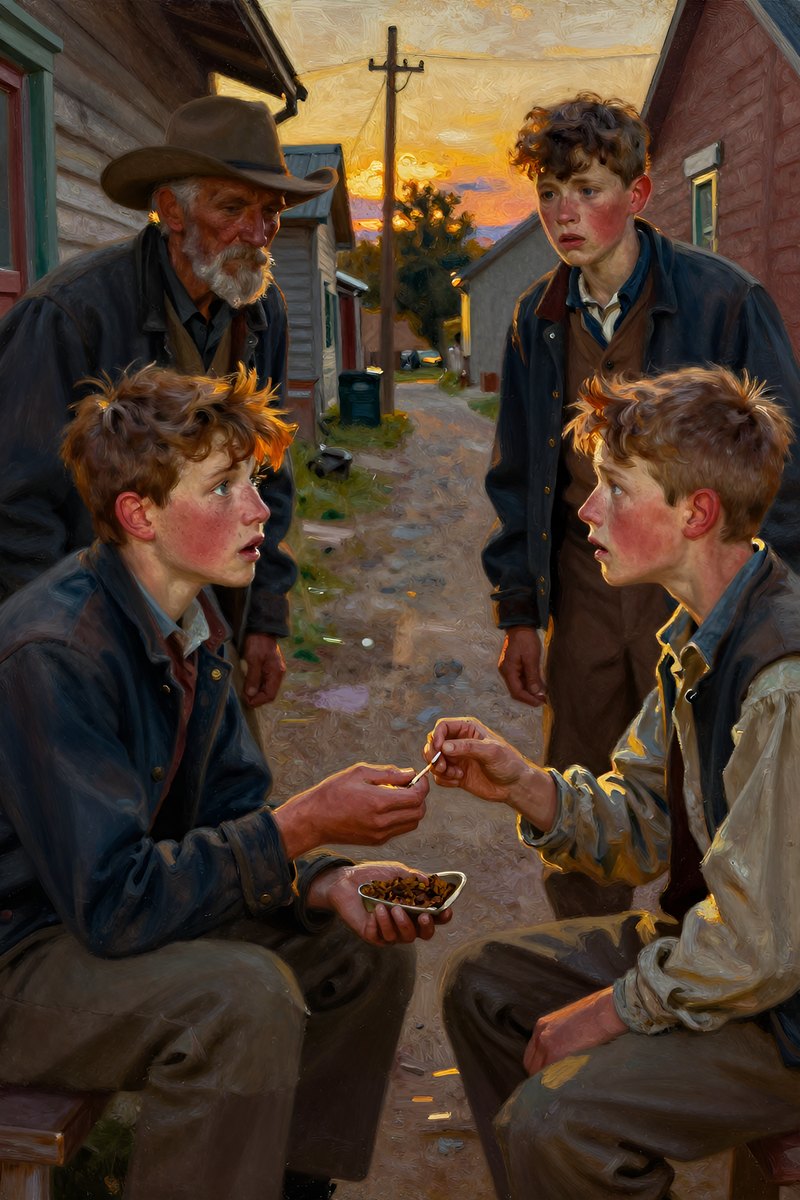
At last the sleepy atmosphere was stirred—and vigorously: the murder trial came on in the court. It became the absorbing topic of village talk immediately. Tom could not get away from it. Every reference to the murder sent a shudder to his heart, for his troubled conscience and fears almost persuaded him that these remarks were put forth in his hearing as “feelers”; he did not see how he could be suspected of knowing anything about the murder, but still he could not be comfortable in the midst of this gossip. It kept him in a cold shiver all the time.
He took Huck to a lonely place to have a talk with him. It would be some relief to unseal his tongue for a little while; to divide his burden of distress with another sufferer. Moreover, he wanted to assure himself that Huck had remained discreet.
“Huck, have you ever told anybody about—that?”
“’Bout what?”
“You know what.”
“Oh—’course I haven’t.”
“Never a word?”
“Never a solitary word, so help me. What makes you ask?”
“Well, I was afeard.”
“Why, Tom Sawyer, we wouldn’t be alive two days if that got found out.
You know that.”
Tom felt more comfortable. After a pause:
“Huck, they couldn’t anybody get you to tell, could they?”
“Get me to tell? Why, if I wanted that halfbreed devil to drownd me they could get me to tell. They ain’t no different way.”
“Well, that’s all right, then. I reckon we’re safe as long as we keep mum. But let’s swear again, anyway. It’s more surer.”
“I’m agreed.”
So they swore again with dread solemnities.
“What is the talk around, Huck? I’ve heard a power of it.”
“Talk? Well, it’s just Muff Potter, Muff Potter, Muff Potter all the time. It keeps me in a sweat, constant, so’s I want to hide som’ers.”
“That’s just the same way they go on round me. I reckon he’s a goner.
Don’t you feel sorry for him, sometimes?”
“Most always—most always. He ain’t no account; but then he hain’t ever done anything to hurt anybody. Just fishes a little, to get money to get drunk on—and loafs around considerable; but lord, we all do that—leastways most of us—preachers and such like. But he’s kind of good—he give me half a fish, once, when there warn’t enough for two; and lots of times he’s kind of stood by me when I was out of luck.”
“Well, he’s mended kites for me, Huck, and knitted hooks on to my line.
I wish we could get him out of there.”
“My! we couldn’t get him out, Tom. And besides, ’twouldn’t do any good; they’d ketch him again.”
“Yes—so they would. But I hate to hear ’em abuse him so like the dickens when he never done—that.”
“I do too, Tom. Lord, I hear ’em say he’s the bloodiest looking villain in this country, and they wonder he wasn’t ever hung before.”
“Yes, they talk like that, all the time. I’ve heard ’em say that if he was to get free they’d lynch him.”
“And they’d do it, too.”
The boys had a long talk, but it brought them little comfort. As the twilight drew on, they found themselves hanging about the neighborhood of the little isolated jail, perhaps with an undefined hope that something would happen that might clear away their difficulties. But nothing happened; there seemed to be no angels or fairies interested in this luckless captive.
The boys did as they had often done before—went to the cell grating and gave Potter some tobacco and matches. He was on the ground floor and there were no guards.
His gratitude for their gifts had always smote their consciences before—it cut deeper than ever, this time. They felt cowardly and treacherous to the last degree when Potter said:
“You’ve been mighty good to me, boys—better’n anybody else in this town.
And I don’t forget it, I don’t. Often I says to myself, says I, ‘I used to mend all the boys’ kites and things, and show ’em where the good fishin’ places was, and befriend ’em what I could, and now they’ve all forgot old Muff when he’s in trouble; but Tom don’t, and Huck don’t—they don’t forget him,’ says I, ‘and I don’t forget them.’ Well, boys, I done an awful thing—drunk and crazy at the time—that’s the only way I account for it—and now I got to swing for it, and it’s right.
Right, and best, too, I reckon—hope so, anyway. Well, we won’t talk about that. I don’t want to make you feel bad; you’ve befriended me.
But what I want to say, is, don’t you ever get drunk—then you won’t ever get here. Stand a litter furder west—so—that’s it; it’s a prime comfort to see faces that’s friendly when a body’s in such a muck of trouble, and there don’t none come here but yourn. Good friendly faces—good friendly faces. Git up on one another’s backs and let me touch ’em. That’s it. Shake hands—yourn’ll come through the bars, but mine’s too big. Little hands, and weak—but they’ve helped Muff Potter a power, and they’d help him more if they could.”
Tom went home miserable, and his dreams that night were full of horrors.
The next day and the day after, he hung about the courtroom, drawn by an almost irresistible impulse to go in, but forcing himself to stay out.
Huck was having the same experience. They studiously avoided each other.
Each wandered away, from time to time, but the same dismal fascination always brought them back presently. Tom kept his ears open when idlers sauntered out of the courtroom, but invariably heard distressing news—the toils were closing more and more relentlessly around poor Potter. At the end of the second day the village talk was to the effect that Injun Joe’s evidence stood firm and unshaken, and that there was not the slightest question as to what the jury’s verdict would be.
Tom was out late, that night, and came to bed through the window. He was in a tremendous state of excitement. It was hours before he got to sleep. All the village flocked to the courthouse the next morning, for this was to be the great day. Both sexes were about equally represented in the packed audience. After a long wait the jury filed in and took their places; shortly afterward, Potter, pale and haggard, timid and hopeless, was brought in, with chains upon him, and seated where all the curious eyes could stare at him; no less conspicuous was Injun Joe, stolid as ever. There was another pause, and then the judge arrived and the sheriff proclaimed the opening of the court. The usual whisperings among the lawyers and gathering together of papers followed. These details and accompanying delays worked up an atmosphere of preparation that was as impressive as it was fascinating.
Now a witness was called who testified that he found Muff Potter washing in the brook, at an early hour of the morning that the murder was discovered, and that he immediately sneaked away. After some further questioning, counsel for the prosecution said:
“Take the witness.”
The prisoner raised his eyes for a moment, but dropped them again when his own counsel said:
“I have no questions to ask him.”
The next witness proved the finding of the knife near the corpse.
Counsel for the prosecution said:
“Take the witness.”
“I have no questions to ask him,” Potter’s lawyer replied.
A third witness swore he had often seen the knife in Potter’s possession.
“Take the witness.”
Counsel for Potter declined to question him. The faces of the audience began to betray annoyance. Did this attorney mean to throw away his client’s life without an effort?
Several witnesses deposed concerning Potter’s guilty behavior when brought to the scene of the murder. They were allowed to leave the stand without being cross-questioned.
Every detail of the damaging circumstances that occurred in the graveyard upon that morning which all present remembered so well was brought out by credible witnesses, but none of them were cross-examined by Potter’s lawyer. The perplexity and dissatisfaction of the house expressed itself in murmurs and provoked a reproof from the bench.
Counsel for the prosecution now said:
“By the oaths of citizens whose simple word is above suspicion, we have fastened this awful crime, beyond all possibility of question, upon the unhappy prisoner at the bar. We rest our case here.”
A groan escaped from poor Potter, and he put his face in his hands and rocked his body softly to and fro, while a painful silence reigned in the courtroom. Many men were moved, and many women’s compassion testified itself in tears. Counsel for the defence rose and said:
“Your honor, in our remarks at the opening of this trial, we foreshadowed our purpose to prove that our client did this fearful deed while under the influence of a blind and irresponsible delirium produced by drink. We have changed our mind. We shall not offer that plea.” [Then to the clerk:] “Call Thomas Sawyer!”
A puzzled amazement awoke in every face in the house, not even excepting Potter’s. Every eye fastened itself with wondering interest upon Tom as he rose and took his place upon the stand. The boy looked wild enough, for he was badly scared. The oath was administered.
“Thomas Sawyer, where were you on the seventeenth of June, about the hour of midnight?”
Tom glanced at Injun Joe’s iron face and his tongue failed him. The audience listened breathless, but the words refused to come. After a few moments, however, the boy got a little of his strength back, and managed to put enough of it into his voice to make part of the house hear:
“In the graveyard!”
“A little bit louder, please. Don’t be afraid. You were—”
“In the graveyard.”
A contemptuous smile flitted across Injun Joe’s face.
“Were you anywhere near Horse Williams’ grave?”
“Yes, sir.”
“Speak up—just a trifle louder. How near were you?”
“Near as I am to you.”
“Were you hidden, or not?”
“I was hid.”
“Where?”
“Behind the elms that’s on the edge of the grave.”
Injun Joe gave a barely perceptible start.
“Any one with you?”
“Yes, sir. I went there with—”
“Wait—wait a moment. Never mind mentioning your companion’s name. We will produce him at the proper time. Did you carry anything there with you.”
Tom hesitated and looked confused.
“Speak out, my boy—don’t be diffident. The truth is always respectable.
What did you take there?”
“Only a—a—dead cat.”
There was a ripple of mirth, which the court checked.
“We will produce the skeleton of that cat. Now, my boy, tell us everything that occurred—tell it in your own way—don’t skip anything, and don’t be afraid.”
Tom began—hesitatingly at first, but as he warmed to his subject his words flowed more and more easily; in a little while every sound ceased but his own voice; every eye fixed itself upon him; with parted lips and bated breath the audience hung upon his words, taking no note of time, rapt in the ghastly fascinations of the tale. The strain upon pent emotion reached its climax when the boy said:
“—and as the doctor fetched the board around and Muff Potter fell, Injun Joe jumped with the knife and—”
Crash! Quick as lightning the halfbreed sprang for a window, tore his way through all opposers, and was gone!
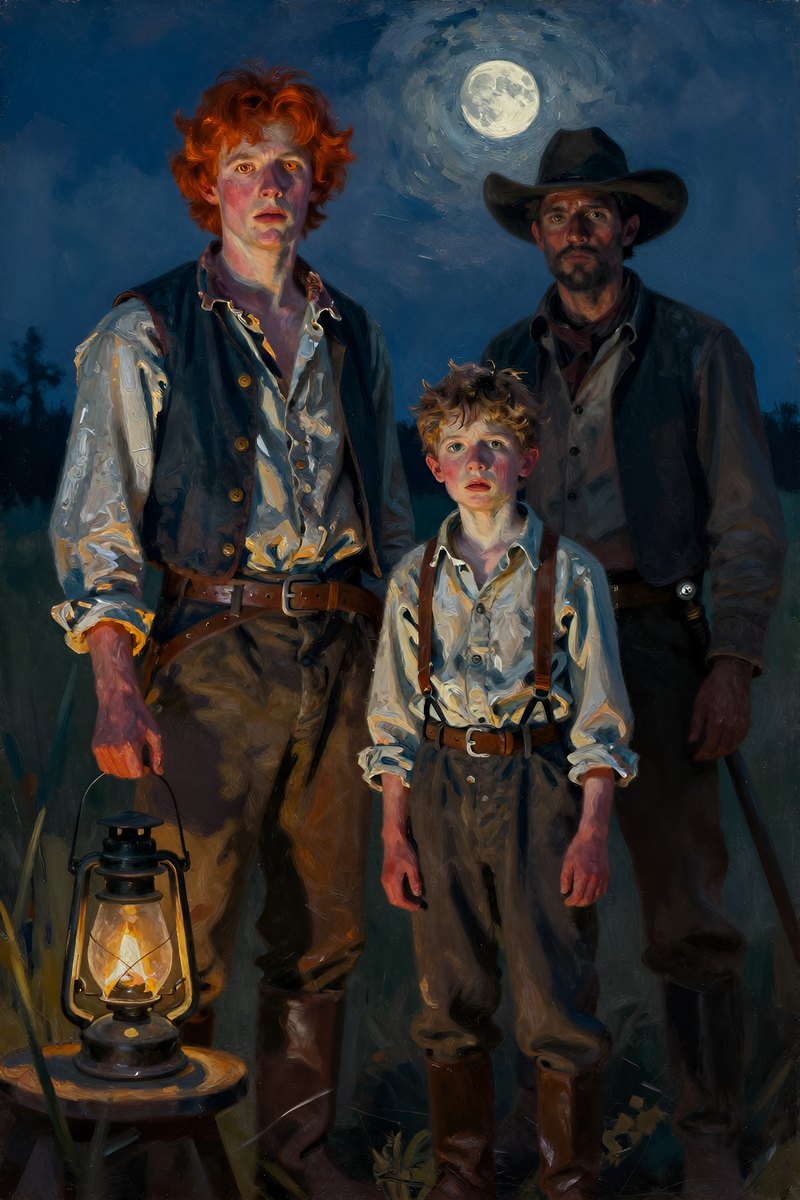
Tom was a glittering hero once more—the pet of the old, the envy of the young. His name even went into immortal print, for the village paper magnified him. There were some that believed he would be President, yet, if he escaped hanging.
As usual, the fickle, unreasoning world took Muff Potter to its bosom and fondled him as lavishly as it had abused him before. But that sort of conduct is to the world’s credit; therefore it is not well to find fault with it.
Tom’s days were days of splendor and exultation to him, but his nights were seasons of horror. Injun Joe infested all his dreams, and always with doom in his eye. Hardly any temptation could persuade the boy to stir abroad after nightfall. Poor Huck was in the same state of wretchedness and terror, for Tom had told the whole story to the lawyer the night before the great day of the trial, and Huck was sore afraid that his share in the business might leak out, yet, notwithstanding Injun Joe’s flight had saved him the suffering of testifying in court.
The poor fellow had got the attorney to promise secrecy, but what of that? Since Tom’s harassed conscience had managed to drive him to the lawyer’s house by night and wring a dread tale from lips that had been sealed with the dismalest and most formidable of oaths, Huck’s confidence in the human race was wellnigh obliterated.
Daily Muff Potter’s gratitude made Tom glad he had spoken; but nightly he wished he had sealed up his tongue.
Half the time Tom was afraid Injun Joe would never be captured; the other half he was afraid he would be. He felt sure he never could draw a safe breath again until that man was dead and he had seen the corpse.
Rewards had been offered, the country had been scoured, but no Injun Joe was found. One of those omniscient and awe-inspiring marvels, a detective, came up from St. Louis, moused around, shook his head, looked wise, and made that sort of astounding success which members of that craft usually achieve. That is to say, he “found a clew.” But you can’t hang a “clew” for murder, and so after that detective had got through and gone home, Tom felt just as insecure as he was before.
The slow days drifted on, and each left behind it a slightly lightened weight of apprehension.
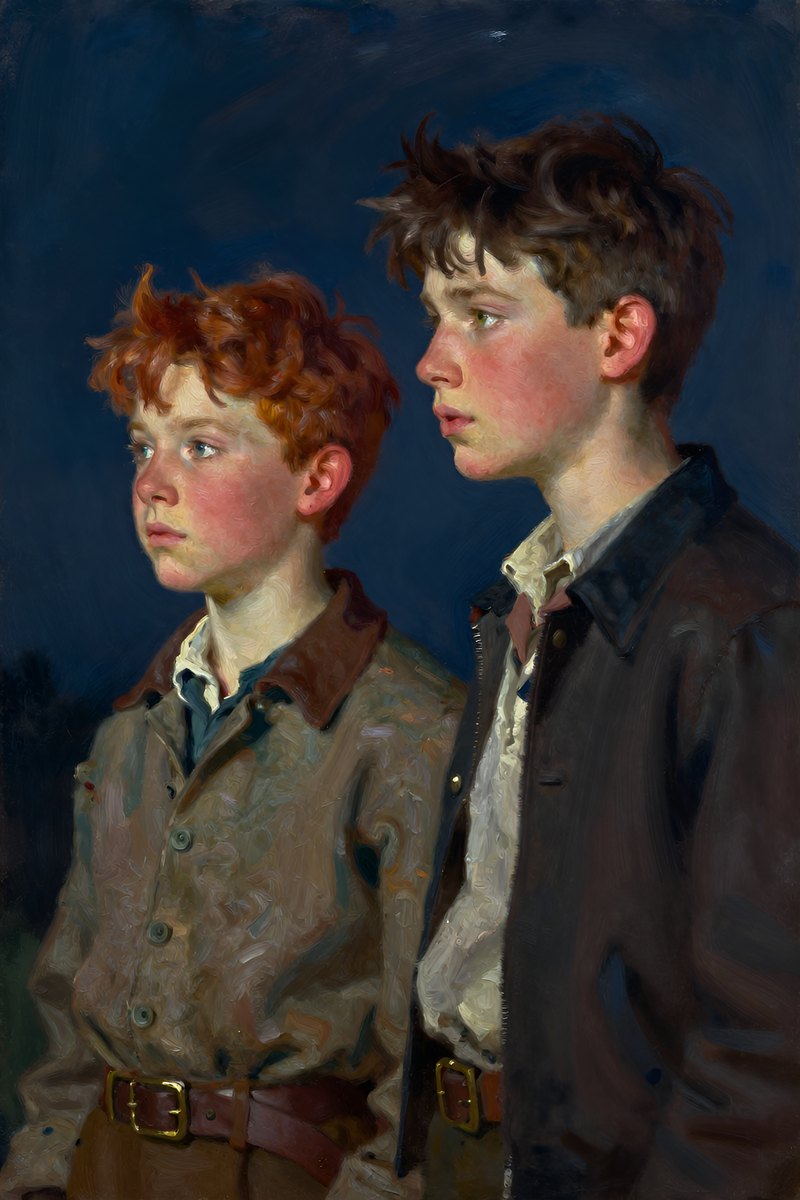
There comes a time in every rightly-constructed boy’s life when he has a raging desire to go somewhere and dig for hidden treasure. This desire suddenly came upon Tom one day. He sallied out to find Joe Harper, but failed of success. Next he sought Ben Rogers; he had gone fishing.
Presently he stumbled upon Huck Finn the Red-Handed. Huck would answer. Tom took him to a private place and opened the matter to him confidentially. Huck was willing. Huck was always willing to take a hand in any enterprise that offered entertainment and required no capital, for he had a troublesome superabundance of that sort of time which is not money. “Where’ll we dig?” said Huck.
“Oh, most anywhere.”
“Why, is it hid all around?”
“No, indeed it ain’t. It’s hid in mighty particular places, Huck—sometimes on islands, sometimes in rotten chests under the end of a limb of an old dead tree, just where the shadow falls at midnight; but mostly under the floor in ha’nted houses.”
“Who hides it?”
“Why, robbers, of course—who’d you reckon? Sunday-school sup’rintendents?”
“I don’t know. If ’twas mine I wouldn’t hide it; I’d spend it and have a good time.”
“So would I. But robbers don’t do that way. They always hide it and leave it there.”
“Don’t they come after it any more?”
“No, they think they will, but they generally forget the marks, or else they die. Anyway, it lays there a long time and gets rusty; and by and by somebody finds an old yellow paper that tells how to find the marks—a paper that’s got to be ciphered over about a week because it’s mostly signs and hy’roglyphics.”
“Hyro—which?”
“Hy’roglyphics—pictures and things, you know, that don’t seem to mean anything.”
“Have you got one of them papers, Tom?”
“No.”
“Well then, how you going to find the marks?”
“I don’t want any marks. They always bury it under a ha’nted house or on an island, or under a dead tree that’s got one limb sticking out. Well, we’ve tried Jackson’s Island a little, and we can try it again some time; and there’s the old ha’nted house up the Still-House branch, and there’s lots of dead-limb trees—dead loads of ’em.”
“Is it under all of them?”
“How you talk! No!”
“Then how you going to know which one to go for?”
“Go for all of ’em!”
“Why, Tom, it’ll take all summer.”
“Well, what of that? Suppose you find a brass pot with a hundred dollars in it, all rusty and gray, or rotten chest full of di’monds. How’s that?”
Huck’s eyes glowed.
“That’s bully. Plenty bully enough for me. Just you gimme the hundred dollars and I don’t want no di’monds.”
“All right. But I bet you I ain’t going to throw off on di’monds. Some of ’em’s worth twenty dollars apiece—there ain’t any, hardly, but’s worth six bits or a dollar.”
“No! Is that so?”
“Cert’nly—anybody’ll tell you so. Hain’t you ever seen one, Huck?”
“Not as I remember.”
“Oh, kings have slathers of them.”
“Well, I don’ know no kings, Tom.”
“I reckon you don’t. But if you was to go to Europe you’d see a raft of ’em hopping around.”
“Do they hop?”
“Hop?—your granny! No!”
“Well, what did you say they did, for?”
“Shucks, I only meant you’d see ’em—not hopping, of course—what do they want to hop for?—but I mean you’d just see ’em—scattered around, you know, in a kind of a general way. Like that old humpbacked Richard.”
“Richard? What’s his other name?”
“He didn’t have any other name. Kings don’t have any but a given name.”
“No?”
“But they don’t.”
“Well, if they like it, Tom, all right; but I don’t want to be a king and have only just a given name, like a nigger. But say—where you going to dig first?”
“Well, I don’t know. S’pose we tackle that old dead-limb tree on the hill t’other side of Still-House branch?”
“I’m agreed.”
So they got a crippled pick and a shovel, and set out on their three-mile tramp. They arrived hot and panting, and threw themselves down in the shade of a neighboring elm to rest and have a smoke.
“I like this,” said Tom.
“So do I.”
“Say, Huck, if we find a treasure here, what you going to do with your share?”
“Well, I’ll have pie and a glass of soda every day, and I’ll go to every circus that comes along. I bet I’ll have a gay time.”
“Well, ain’t you going to save any of it?”
“Save it? What for?”
“Why, so as to have something to live on, by and by.”
“Oh, that ain’t any use. Pap would come back to thish-yer town some day and get his claws on it if I didn’t hurry up, and I tell you he’d clean it out pretty quick. What you going to do with yourn, Tom?”
“I’m going to buy a new drum, and a sure’nough sword, and a red necktie and a bull pup, and get married.”
“Married!”
“That’s it.”
“Tom, you—why, you ain’t in your right mind.”
“Wait—you’ll see.”
“Well, that’s the foolishest thing you could do. Look at pap and my mother. Fight! Why, they used to fight all the time. I remember, mighty well.”
“That ain’t anything. The girl I’m going to marry won’t fight.”
“Tom, I reckon they’re all alike. They’ll all comb a body. Now you better think ’bout this awhile. I tell you you better. What’s the name of the gal?”
“It ain’t a gal at all—it’s a girl.”
“It’s all the same, I reckon; some says gal, some says girl—both’s right, like enough. Anyway, what’s her name, Tom?”
“I’ll tell you some time—not now.”
“All right—that’ll do. Only if you get married I’ll be more lonesomer than ever.”
“No you won’t. You’ll come and live with me. Now stir out of this and we’ll go to digging.”
They worked and sweated for half an hour. No result. They toiled another halfhour. Still no result. Huck said:
“Do they always bury it as deep as this?”
“Sometimes—not always. Not generally. I reckon we haven’t got the right place.”
So they chose a new spot and began again. The labor dragged a little, but still they made progress. They pegged away in silence for some time.
Finally Huck leaned on his shovel, swabbed the beaded drops from his brow with his sleeve, and said:
“Where you going to dig next, after we get this one?”
“I reckon maybe we’ll tackle the old tree that’s over yonder on Cardiff Hill back of the widow’s.”
“I reckon that’ll be a good one. But won’t the widow take it away from us, Tom? It’s on her land.”
“She take it away! Maybe she’d like to try it once. Whoever finds one of these hid treasures, it belongs to him. It don’t make any difference whose land it’s on.”
That was satisfactory. The work went on. By and by Huck said:
“Blame it, we must be in the wrong place again. What do you think?”
“It is mighty curious, Huck. I don’t understand it. Sometimes witches interfere. I reckon maybe that’s what’s the trouble now.”
“Shucks! Witches ain’t got no power in the daytime.”
“Well, that’s so. I didn’t think of that. Oh, I know what the matter is!
What a blamed lot of fools we are! You got to find out where the shadow of the limb falls at midnight, and that’s where you dig!”
“Then consound it, we’ve fooled away all this work for nothing. Now hang it all, we got to come back in the night. It’s an awful long way. Can you get out?”
“I bet I will. We’ve got to do it tonight, too, because if somebody sees these holes they’ll know in a minute what’s here and they’ll go for it.”
“Well, I’ll come around and maow tonight.”
“All right. Let’s hide the tools in the bushes.”
The boys were there that night, about the appointed time. They sat in the shadow waiting. It was a lonely place, and an hour made solemn by old traditions. Spirits whispered in the rustling leaves, ghosts lurked in the murky nooks, the deep baying of a hound floated up out of the distance, an owl answered with his sepulchral note. The boys were subdued by these solemnities, and talked little. By and by they judged that twelve had come; they marked where the shadow fell, and began to dig. Their hopes commenced to rise. Their interest grew stronger, and their industry kept pace with it. The hole deepened and still deepened, but every time their hearts jumped to hear the pick strike upon something, they only suffered a new disappointment. It was only a stone or a chunk. At last Tom said:
“It ain’t any use, Huck, we’re wrong again.”
“Well, but we can’t be wrong. We spotted the shadder to a dot.”
“I know it, but then there’s another thing.”
“What’s that?”
“Why, we only guessed at the time. Like enough it was too late or too early.”
Huck dropped his shovel.
“That’s it,” said he. “That’s the very trouble. We got to give this one up. We can’t ever tell the right time, and besides this kind of thing’s too awful, here this time of night with witches and ghosts a-fluttering around so. I feel as if something’s behind me all the time; and I’m afeard to turn around, becuz maybe there’s others in front a-waiting for a chance. I been creeping all over, ever since I got here.”
“Well, I’ve been pretty much so, too, Huck. They most always put in a dead man when they bury a treasure under a tree, to look out for it.”
“Lordy!”
“Yes, they do. I’ve always heard that.”
“Tom, I don’t like to fool around much where there’s dead people. A body’s bound to get into trouble with ’em, sure.”
“I don’t like to stir ’em up, either. S’pose this one here was to stick his skull out and say something!”
“Don’t Tom! It’s awful.”
“Well, it just is. Huck, I don’t feel comfortable a bit.”
“Say, Tom, let’s give this place up, and try somewheres else.”
“All right, I reckon we better.”
“What’ll it be?”
Tom considered awhile; and then said:
“The ha’nted house. That’s it!”
“Blame it, I don’t like ha’nted houses, Tom. Why, they’re a dern sight worse’n dead people. Dead people might talk, maybe, but they don’t come sliding around in a shroud, when you ain’t noticing, and peep over your shoulder all of a sudden and grit their teeth, the way a ghost does. I couldn’t stand such a thing as that, Tom—nobody could.”
“Yes, but, Huck, ghosts don’t travel around only at night. They won’t hender us from digging there in the daytime.”
“Well, that’s so. But you know mighty well people don’t go about that ha’nted house in the day nor the night.”
“Well, that’s mostly because they don’t like to go where a man’s been murdered, anyway—but nothing’s ever been seen around that house except in the night—just some blue lights slipping by the windows—no regular ghosts.”
“Well, where you see one of them blue lights flickering around, Tom, you can bet there’s a ghost mighty close behind it. It stands to reason.
Becuz you know that they don’t anybody but ghosts use ’em.”
“Yes, that’s so. But anyway they don’t come around in the daytime, so what’s the use of our being afeard?”
“Well, all right. We’ll tackle the ha’nted house if you say so—but I reckon it’s taking chances.”
They had started down the hill by this time. There in the middle of the moonlit valley below them stood the “ha’nted” house, utterly isolated, its fences gone long ago, rank weeds smothering the very doorsteps, the chimney crumbled to ruin, the window-sashes vacant, a corner of the roof caved in. The boys gazed awhile, half expecting to see a blue light flit past a window; then talking in a low tone, as befitted the time and the circumstances, they struck far off to the right, to give the haunted house a wide berth, and took their way homeward through the woods that adorned the rearward side of Cardiff Hill.
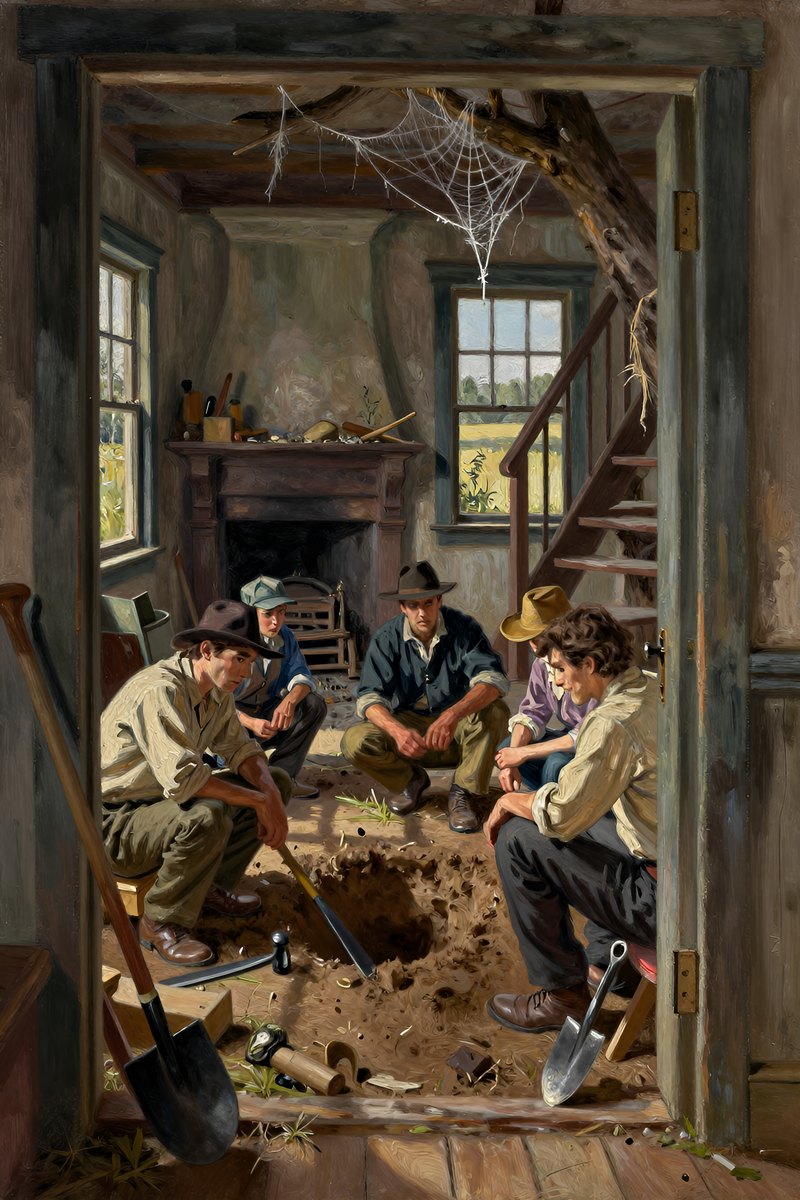
About noon the next day the boys arrived at the dead tree; they had come for their tools. Tom was impatient to go to the haunted house; Huck was measurably so, also—but suddenly said:
“Lookyhere, Tom, do you know what day it is?”
Tom mentally ran over the days of the week, and then quickly lifted his eyes with a startled look in them— “My! I never once thought of it, Huck!”
“Well, I didn’t neither, but all at once it popped onto me that it was Friday.”
“Blame it, a body can’t be too careful, Huck. We might ’a’ got into an awful scrape, tackling such a thing on a Friday.”
“Might! Better say we would! There’s some lucky days, maybe, but Friday ain’t.”
“Any fool knows that. I don’t reckon you was the first that found it out, Huck.”
“Well, I never said I was, did I? And Friday ain’t all, neither. I had a rotten bad dream last night—dreampt about rats.”
“No! Sure sign of trouble. Did they fight?”
“No.”
“Well, that’s good, Huck. When they don’t fight it’s only a sign that there’s trouble around, you know. All we got to do is to look mighty sharp and keep out of it. We’ll drop this thing for today, and play. Do you know Robin Hood, Huck?”
“No. Who’s Robin Hood?”
“Why, he was one of the greatest men that was ever in England—and the best. He was a robber.”
“Cracky, I wisht I was. Who did he rob?”
“Only sheriffs and bishops and rich people and kings, and such like. But he never bothered the poor. He loved ’em. He always divided up with ’em perfectly square.”
“Well, he must ’a’ been a brick.”
“I bet you he was, Huck. Oh, he was the noblest man that ever was.
They ain’t any such men now, I can tell you. He could lick any man in England, with one hand tied behind him; and he could take his yew bow and plug a ten-cent piece every time, a mile and a half.”
“What’s a yew bow?”
“I don’t know. It’s some kind of a bow, of course. And if he hit that dime only on the edge he would set down and cry—and curse. But we’ll play Robin Hood—it’s nobby fun. I’ll learn you.”
“I’m agreed.”
So they played Robin Hood all the afternoon, now and then casting a yearning eye down upon the haunted house and passing a remark about the morrow’s prospects and possibilities there. As the sun began to sink into the west they took their way homeward athwart the long shadows of the trees and soon were buried from sight in the forests of Cardiff Hill.
On Saturday, shortly after noon, the boys were at the dead tree again.
They had a smoke and a chat in the shade, and then dug a little in their last hole, not with great hope, but merely because Tom said there were so many cases where people had given up a treasure after getting down within six inches of it, and then somebody else had come along and turned it up with a single thrust of a shovel. The thing failed this time, however, so the boys shouldered their tools and went away feeling that they had not trifled with fortune, but had fulfilled all the requirements that belong to the business of treasure-hunting.
When they reached the haunted house there was something so weird and grisly about the dead silence that reigned there under the baking sun, and something so depressing about the loneliness and desolation of the place, that they were afraid, for a moment, to venture in. Then they crept to the door and took a trembling peep. They saw a weedgrown, floorless room, unplastered, an ancient fireplace, vacant windows, a ruinous staircase; and here, there, and everywhere hung ragged and abandoned cobwebs. They presently entered, softly, with quickened pulses, talking in whispers, ears alert to catch the slightest sound, and muscles tense and ready for instant retreat.
In a little while familiarity modified their fears and they gave the place a critical and interested examination, rather admiring their own boldness, and wondering at it, too. Next they wanted to look upstairs.
This was something like cutting off retreat, but they got to daring each other, and of course there could be but one result—they threw their tools into a corner and made the ascent. Up there were the same signs of decay. In one corner they found a closet that promised mystery, but the promise was a fraud—there was nothing in it. Their courage was up now and well in hand. They were about to go down and begin work when— “Sh!” said Tom.
“What is it?” whispered Huck, blanching with fright.
“Sh!... There!... Hear it?”
“Yes!... Oh, my! Let’s run!”
“Keep still! Don’t you budge! They’re coming right toward the door.”
The boys stretched themselves upon the floor with their eyes to knotholes in the planking, and lay waiting, in a misery of fear.
“They’ve stopped.... No—coming.... Here they are. Don’t whisper another word, Huck. My goodness, I wish I was out of this!”
Two men entered. Each boy said to himself: “There’s the old deaf and dumb Spaniard that’s been about town once or twice lately—never saw t’other man before.”
“T’other” was a ragged, unkempt creature, with nothing very pleasant in his face. The Spaniard was wrapped in a serape; he had bushy white whiskers; long white hair flowed from under his sombrero, and he wore green goggles. When they came in, “t’other” was talking in a low voice; they sat down on the ground, facing the door, with their backs to the wall, and the speaker continued his remarks. His manner became less guarded and his words more distinct as he proceeded:
“No,” said he, “I’ve thought it all over, and I don’t like it. It’s dangerous.”
“Dangerous!” grunted the “deaf and dumb” Spaniard—to the vast surprise of the boys. “Milksop!”
This voice made the boys gasp and quake. It was Injun Joe’s! There was silence for some time. Then Joe said:
“What’s any more dangerous than that job up yonder—but nothing’s come of it.”
“That’s different. Away up the river so, and not another house about.
’Twon’t ever be known that we tried, anyway, long as we didn’t succeed.”
“Well, what’s more dangerous than coming here in the daytime!—anybody would suspicion us that saw us.”
“I know that. But there warn’t any other place as handy after that fool of a job. I want to quit this shanty. I wanted to yesterday, only it warn’t any use trying to stir out of here, with those infernal boys playing over there on the hill right in full view.”
“Those infernal boys” quaked again under the inspiration of this remark, and thought how lucky it was that they had remembered it was Friday and concluded to wait a day. They wished in their hearts they had waited a year.
The two men got out some food and made a luncheon. After a long and thoughtful silence, Injun Joe said:
“Look here, lad—you go back up the river where you belong. Wait there till you hear from me. I’ll take the chances on dropping into this town just once more, for a look. We’ll do that ‘dangerous’ job after I’ve spied around a little and think things look well for it. Then for Texas!
We’ll leg it together!”
This was satisfactory. Both men presently fell to yawning, and Injun Joe said:
“I’m dead for sleep! It’s your turn to watch.”
He curled down in the weeds and soon began to snore. His comrade stirred him once or twice and he became quiet. Presently the watcher began to nod; his head drooped lower and lower, both men began to snore now.
The boys drew a long, grateful breath. Tom whispered:
“Now’s our chance—come!”
Huck said:
“I can’t—I’d die if they was to wake.”
Tom urged—Huck held back. At last Tom rose slowly and softly, and started alone. But the first step he made wrung such a hideous creak from the crazy floor that he sank down almost dead with fright. He never made a second attempt. The boys lay there counting the dragging moments till it seemed to them that time must be done and eternity growing gray; and then they were grateful to note that at last the sun was setting.
Now one snore ceased. Injun Joe sat up, stared around—smiled grimly upon his comrade, whose head was drooping upon his knees—stirred him up with his foot and said:
“Here! You’re a watchman, ain’t you! All right, though—nothing’s happened.”
“My! have I been asleep?”
“Oh, partly, partly. Nearly time for us to be moving, pard. What’ll we do with what little swag we’ve got left?”
“I don’t know—leave it here as we’ve always done, I reckon. No use to take it away till we start south. Six hundred and fifty in silver’s something to carry.”
“Well—all right—it won’t matter to come here once more.”
“No—but I’d say come in the night as we used to do—it’s better.”
“Yes: but look here; it may be a good while before I get the right chance at that job; accidents might happen; ’tain’t in such a very good place; we’ll just regularly bury it—and bury it deep.”
“Good idea,” said the comrade, who walked across the room, knelt down, raised one of the rearward hearth-stones and took out a bag that jingled pleasantly. He subtracted from it twenty or thirty dollars for himself and as much for Injun Joe, and passed the bag to the latter, who was on his knees in the corner, now, digging with his bowie-knife.
The boys forgot all their fears, all their miseries in an instant. With gloating eyes they watched every movement. Luck!—the splendor of it was beyond all imagination! Six hundred dollars was money enough to make half a dozen boys rich! Here was treasure-hunting under the happiest auspices—there would not be any bothersome uncertainty as to where to dig. They nudged each other every moment—eloquent nudges and easily understood, for they simply meant—“Oh, but ain’t you glad now we’re here!”
Joe’s knife struck upon something.
“Hello!” said he.
“What is it?” said his comrade.
“Half-rotten plank—no, it’s a box, I believe. Here—bear a hand and we’ll see what it’s here for. Never mind, I’ve broke a hole.”
He reached his hand in and drew it out— “Man, it’s money!”
The two men examined the handful of coins. They were gold. The boys above were as excited as themselves, and as delighted.
Joe’s comrade said:
“We’ll make quick work of this. There’s an old rusty pick over amongst the weeds in the corner the other side of the fireplace—I saw it a minute ago.”
He ran and brought the boys’ pick and shovel. Injun Joe took the pick, looked it over critically, shook his head, muttered something to himself, and then began to use it. The box was soon unearthed. It was not very large; it was iron bound and had been very strong before the slow years had injured it. The men contemplated the treasure awhile in blissful silence.
“Pard, there’s thousands of dollars here,” said Injun Joe.
“’Twas always said that Murrel’s gang used to be around here one summer,” the stranger observed.
“I know it,” said Injun Joe; “and this looks like it, I should say.”
“Now you won’t need to do that job.”
The halfbreed frowned. Said he:
“You don’t know me. Least you don’t know all about that thing. ’Tain’t robbery altogether—it’s revenge!” and a wicked light flamed in his eyes. “I’ll need your help in it. When it’s finished—then Texas. Go home to your Nance and your kids, and stand by till you hear from me.”
“Well—if you say so; what’ll we do with this—bury it again?”
“Yes. [Ravishing delight overhead.] No! by the great Sachem, no!
[Profound distress overhead.] I’d nearly forgot. That pick had fresh earth on it! [The boys were sick with terror in a moment.] What business has a pick and a shovel here? What business with fresh earth on them? Who brought them here—and where are they gone? Have you heard anybody?—seen anybody? What! bury it again and leave them to come and see the ground disturbed? Not exactly—not exactly. We’ll take it to my den.”
“Why, of course! Might have thought of that before. You mean Number One?”
“No—Number Two—under the cross. The other place is bad—too common.”
“All right. It’s nearly dark enough to start.”
Injun Joe got up and went about from window to window cautiously peeping out. Presently he said:
“Who could have brought those tools here? Do you reckon they can be upstairs?”
The boys’ breath forsook them. Injun Joe put his hand on his knife, halted a moment, undecided, and then turned toward the stairway. The boys thought of the closet, but their strength was gone. The steps came creaking up the stairs—the intolerable distress of the situation woke the stricken resolution of the lads—they were about to spring for the closet, when there was a crash of rotten timbers and Injun Joe landed on the ground amid the debris of the ruined stairway. He gathered himself up cursing, and his comrade said:
“Now what’s the use of all that? If it’s anybody, and they’re up there, let them stay there—who cares? If they want to jump down, now, and get into trouble, who objects? It will be dark in fifteen minutes—and then let them follow us if they want to. I’m willing. In my opinion, whoever hove those things in here caught a sight of us and took us for ghosts or devils or something. I’ll bet they’re running yet.”
Joe grumbled awhile; then he agreed with his friend that what daylight was left ought to be economized in getting things ready for leaving.
Shortly afterward they slipped out of the house in the deepening twilight, and moved toward the river with their precious box.
Tom and Huck rose up, weak but vastly relieved, and stared after them through the chinks between the logs of the house. Follow? Not they. They were content to reach ground again without broken necks, and take the townward track over the hill. They did not talk much. They were too much absorbed in hating themselves—hating the ill luck that made them take the spade and the pick there. But for that, Injun Joe never would have suspected. He would have hidden the silver with the gold to wait there till his “revenge” was satisfied, and then he would have had the misfortune to find that money turn up missing. Bitter, bitter luck that the tools were ever brought there!
They resolved to keep a lookout for that Spaniard when he should come to town spying out for chances to do his revengeful job, and follow him to “Number Two,” wherever that might be. Then a ghastly thought occurred to Tom.
“Revenge? What if he means us, Huck!”
“Oh, don’t!” said Huck, nearly fainting.
They talked it all over, and as they entered town they agreed to believe that he might possibly mean somebody else—at least that he might at least mean nobody but Tom, since only Tom had testified.
Very, very small comfort it was to Tom to be alone in danger! Company would be a palpable improvement, he thought.
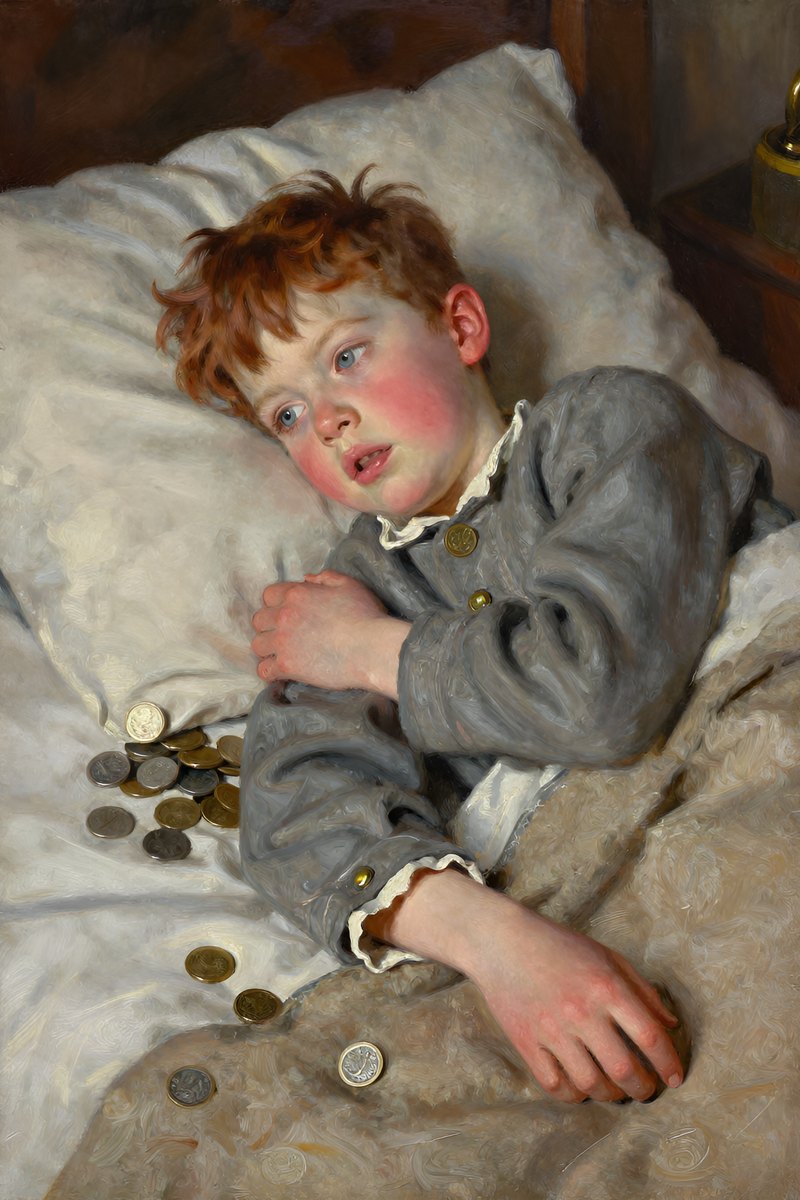
The adventure of the day mightily tormented Tom’s dreams that night.
Four times he had his hands on that rich treasure and four times it wasted to nothingness in his fingers as sleep forsook him and wakefulness brought back the hard reality of his misfortune. As he lay in the early morning recalling the incidents of his great adventure, he noticed that they seemed curiously subdued and far away—somewhat as if they had happened in another world, or in a time long gone by. Then it occurred to him that the great adventure itself must be a dream! There was one very strong argument in favor of this idea—namely, that the quantity of coin he had seen was too vast to be real. He had never seen as much as fifty dollars in one mass before, and he was like all boys of his age and station in life, in that he imagined that all references to “hundreds” and “thousands” were mere fanciful forms of speech, and that no such sums really existed in the world. He never had supposed for a moment that so large a sum as a hundred dollars was to be found in actual money in any one’s possession. If his notions of hidden treasure had been analyzed, they would have been found to consist of a handful of real dimes and a bushel of vague, splendid, ungraspable dollars.
But the incidents of his adventure grew sensibly sharper and clearer under the attrition of thinking them over, and so he presently found himself leaning to the impression that the thing might not have been a dream, after all. This uncertainty must be swept away. He would snatch a hurried breakfast and go and find Huck.
Huck was sitting on the gunwale of a flatboat, listlessly dangling his feet in the water and looking very melancholy. Tom concluded to let Huck lead up to the subject. If he did not do it, then the adventure would be proved to have been only a dream.
“Hello, Huck!”
“Hello, yourself.”
Silence, for a minute.
“Tom, if we’d ’a’ left the blame tools at the dead tree, we’d ’a’ got the money. Oh, ain’t it awful!”
“’Tain’t a dream, then, ’tain’t a dream! Somehow I most wish it was.
Dog’d if I don’t, Huck.”
“What ain’t a dream?”
“Oh, that thing yesterday. I been half thinking it was.”
“Dream! If them stairs hadn’t broke down you’d ’a’ seen how much dream it was! I’ve had dreams enough all night—with that patch-eyed Spanish devil going for me all through ’em—rot him!”
“No, not rot him. Find him! Track the money!”
“Tom, we’ll never find him. A feller don’t have only one chance for such a pile—and that one’s lost. I’d feel mighty shaky if I was to see him, anyway.”
“Well, so’d I; but I’d like to see him, anyway—and track him out—to his Number Two.”
“Number Two—yes, that’s it. I been thinking ’bout that. But I can’t make nothing out of it. What do you reckon it is?”
“I dono. It’s too deep. Say, Huck—maybe it’s the number of a house!”
“Goody!... No, Tom, that ain’t it. If it is, it ain’t in this one-horse town. They ain’t no numbers here.”
“Well, that’s so. Lemme think a minute. Here—it’s the number of a room—in a tavern, you know!”
“Oh, that’s the trick! They ain’t only two taverns. We can find out quick.”
“You stay here, Huck, till I come.”
Tom was off at once. He did not care to have Huck’s company in public places. He was gone half an hour. He found that in the best tavern, No.
2 had long been occupied by a young lawyer, and was still so occupied.
In the less ostentatious house, No. 2 was a mystery. The tavern-keeper’s young son said it was kept locked all the time, and he never saw anybody go into it or come out of it except at night; he did not know any particular reason for this state of things; had had some little curiosity, but it was rather feeble; had made the most of the mystery by entertaining himself with the idea that that room was “ha’nted”; had noticed that there was a light in there the night before.
“That’s what I’ve found out, Huck. I reckon that’s the very No. 2 we’re after.”
“I reckon it is, Tom. Now what you going to do?”
“Lemme think.”
Tom thought a long time. Then he said:
“I’ll tell you. The back door of that No. 2 is the door that comes out into that little close alley between the tavern and the old rattle trap of a brick store. Now you get hold of all the doorkeys you can find, and I’ll nip all of auntie’s, and the first dark night we’ll go there and try ’em. And mind you, keep a lookout for Injun Joe, because he said he was going to drop into town and spy around once more for a chance to get his revenge. If you see him, you just follow him; and if he don’t go to that No. 2, that ain’t the place.”
“Lordy, I don’t want to foller him by myself!”
“Why, it’ll be night, sure. He mightn’t ever see you—and if he did, maybe he’d never think anything.”
“Well, if it’s pretty dark I reckon I’ll track him. I dono—I dono. I’ll try.”
“You bet I’ll follow him, if it’s dark, Huck. Why, he might ’a’ found out he couldn’t get his revenge, and be going right after that money.”
“It’s so, Tom, it’s so. I’ll foller him; I will, by jingoes!”
“Now you’re talking! Don’t you ever weaken, Huck, and I won’t.”
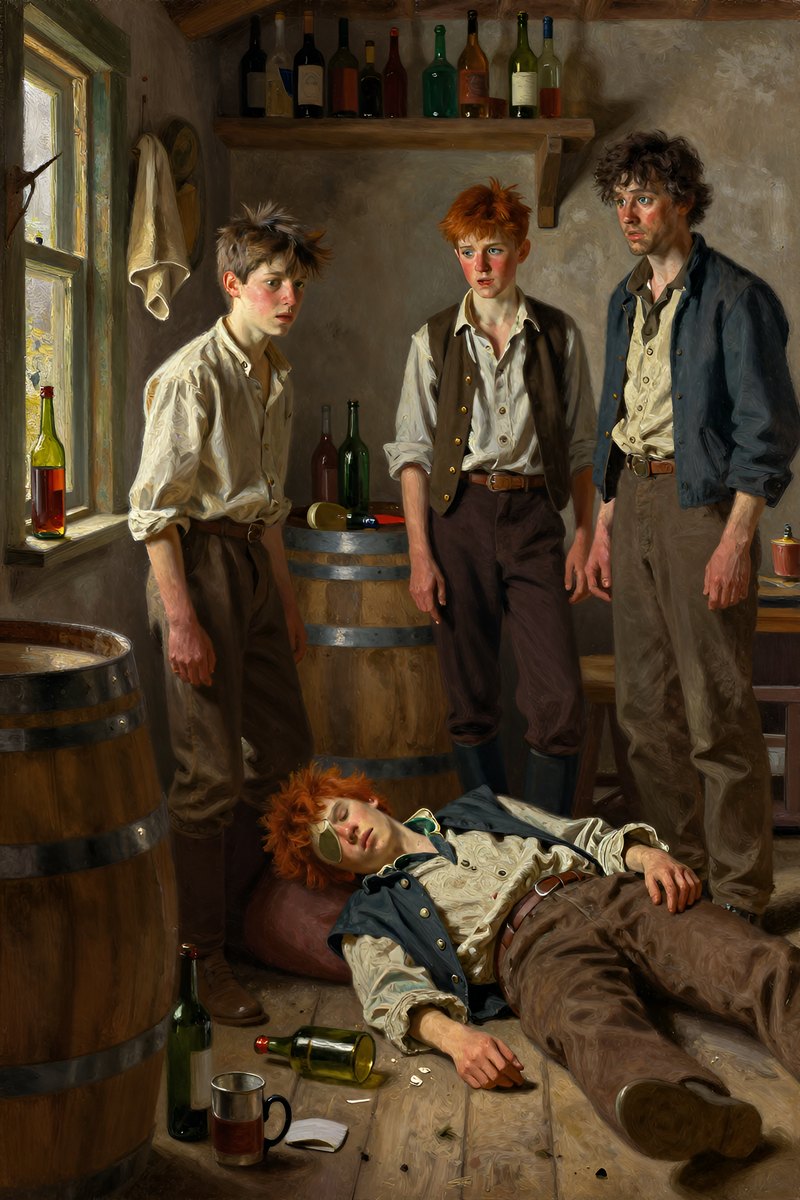
That night Tom and Huck were ready for their adventure. They hung about the neighborhood of the tavern until after nine, one watching the alley at a distance and the other the tavern door. Nobody entered the alley or left it; nobody resembling the Spaniard entered or left the tavern door. The night promised to be a fair one; so Tom went home with the understanding that if a considerable degree of darkness came on, Huck was to come and “maow,” whereupon he would slip out and try the keys.
But the night remained clear, and Huck closed his watch and retired to bed in an empty sugar hogshead about twelve.
Tuesday the boys had the same ill luck. Also Wednesday. But Thursday night promised better. Tom slipped out in good season with his aunt’s old tin lantern, and a large towel to blindfold it with. He hid the lantern in Huck’s sugar hogshead and the watch began. An hour before midnight the tavern closed up and its lights (the only ones thereabouts)
were put out. No Spaniard had been seen. Nobody had entered or left the alley. Everything was auspicious. The blackness of darkness reigned, the perfect stillness was interrupted only by occasional mutterings of distant thunder.
Tom got his lantern, lit it in the hogshead, wrapped it closely in the towel, and the two adventurers crept in the gloom toward the tavern.
Huck stood sentry and Tom felt his way into the alley. Then there was a season of waiting anxiety that weighed upon Huck’s spirits like a mountain. He began to wish he could see a flash from the lantern—it would frighten him, but it would at least tell him that Tom was alive yet. It seemed hours since Tom had disappeared. Surely he must have fainted; maybe he was dead; maybe his heart had burst under terror and excitement. In his uneasiness Huck found himself drawing closer and closer to the alley; fearing all sorts of dreadful things, and momentarily expecting some catastrophe to happen that would take away his breath. There was not much to take away, for he seemed only able to inhale it by thimblefuls, and his heart would soon wear itself out, the way it was beating. Suddenly there was a flash of light and Tom came tearing by him: “Run!” said he; “run, for your life!”
He needn’t have repeated it; once was enough; Huck was making thirty or forty miles an hour before the repetition was uttered. The boys never stopped till they reached the shed of a deserted slaughter-house at the lower end of the village. Just as they got within its shelter the storm burst and the rain poured down. As soon as Tom got his breath he said:
“Huck, it was awful! I tried two of the keys, just as soft as I could; but they seemed to make such a power of racket that I couldn’t hardly get my breath I was so scared. They wouldn’t turn in the lock, either.
Well, without noticing what I was doing, I took hold of the knob, and open comes the door! It warn’t locked! I hopped in, and shook off the towel, and, Great Caesar’s Ghost!”
“What!—what’d you see, Tom?”
“Huck, I most stepped onto Injun Joe’s hand!”
“No!”
“Yes! He was lying there, sound asleep on the floor, with his old patch on his eye and his arms spread out.”
“Lordy, what did you do? Did he wake up?”
“No, never budged. Drunk, I reckon. I just grabbed that towel and started!”
“I’d never ’a’ thought of the towel, I bet!”
“Well, I would. My aunt would make me mighty sick if I lost it.”
“Say, Tom, did you see that box?”
“Huck, I didn’t wait to look around. I didn’t see the box, I didn’t see the cross. I didn’t see anything but a bottle and a tin cup on the floor by Injun Joe; yes, I saw two barrels and lots more bottles in the room.
Don’t you see, now, what’s the matter with that ha’nted room?”
“How?”
“Why, it’s ha’nted with whiskey! Maybe all the Temperance Taverns have got a ha’nted room, hey, Huck?”
“Well, I reckon maybe that’s so. Who’d ’a’ thought such a thing? But say, Tom, now’s a mighty good time to get that box, if Injun Joe’s drunk.”
“It is, that! You try it!”
Huck shuddered.
“Well, no—I reckon not.”
“And I reckon not, Huck. Only one bottle alongside of Injun Joe ain’t enough. If there’d been three, he’d be drunk enough and I’d do it.”
There was a long pause for reflection, and then Tom said:
“Lookyhere, Huck, less not try that thing any more till we know Injun Joe’s not in there. It’s too scary. Now, if we watch every night, we’ll be dead sure to see him go out, some time or other, and then we’ll snatch that box quicker’n lightning.”
“Well, I’m agreed. I’ll watch the whole night long, and I’ll do it every night, too, if you’ll do the other part of the job.”
“All right, I will. All you got to do is to trot up Hooper Street a block and maow—and if I’m asleep, you throw some gravel at the window and that’ll fetch me.”
“Agreed, and good as wheat!”
“Now, Huck, the storm’s over, and I’ll go home. It’ll begin to be daylight in a couple of hours. You go back and watch that long, will you?”
“I said I would, Tom, and I will. I’ll ha’nt that tavern every night for a year! I’ll sleep all day and I’ll stand watch all night.”
“That’s all right. Now, where you going to sleep?”
“In Ben Rogers’ hayloft. He lets me, and so does his pap’s nigger man, Uncle Jake. I tote water for Uncle Jake whenever he wants me to, and any time I ask him he gives me a little something to eat if he can spare it.
That’s a mighty good nigger, Tom. He likes me, becuz I don’t ever act as if I was above him. Sometime I’ve set right down and eat with him. But you needn’t tell that. A body’s got to do things when he’s awful hungry he wouldn’t want to do as a steady thing.”
“Well, if I don’t want you in the daytime, I’ll let you sleep. I won’t come bothering around. Any time you see something’s up, in the night, just skip right around and maow.”
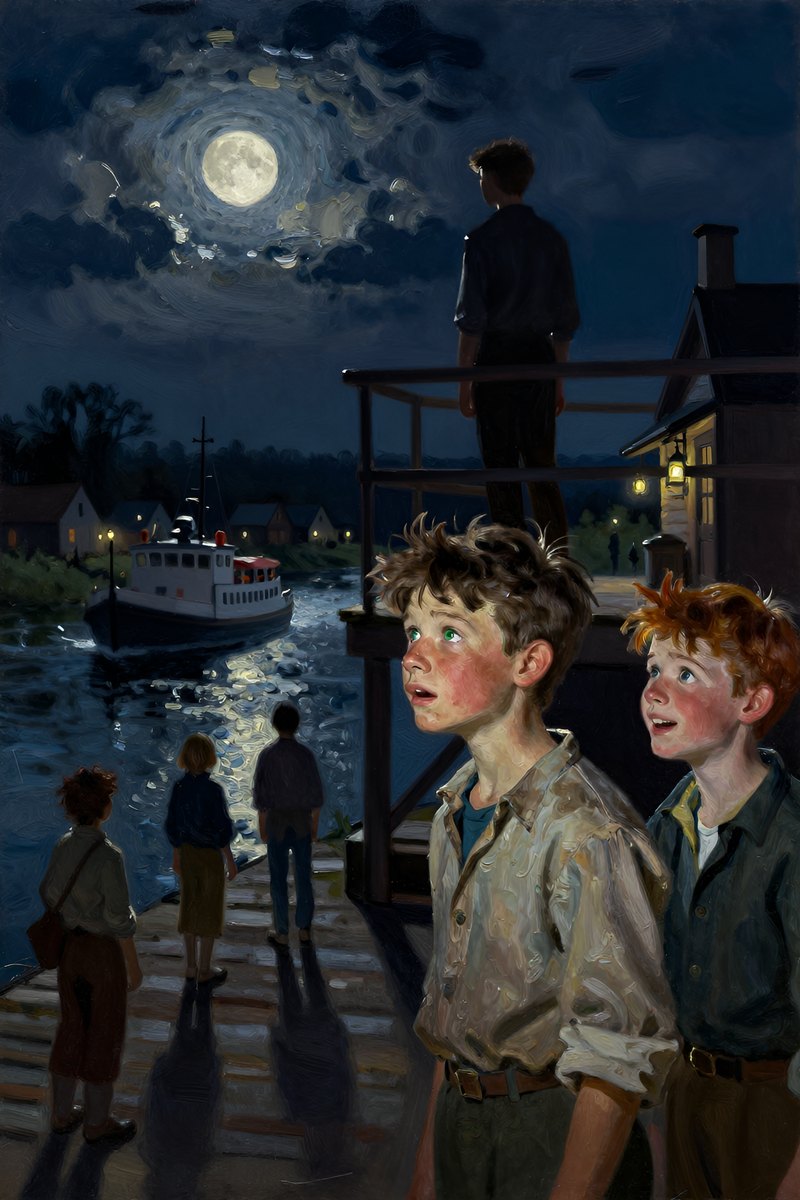
The first thing Tom heard on Friday morning was a glad piece of news—Judge Thatcher’s family had come back to town the night before.
Both Injun Joe and the treasure sunk into secondary importance for a moment, and Becky took the chief place in the boy’s interest. He saw her and they had an exhausting good time playing “hispy” and “gully-keeper”
with a crowd of their schoolmates. The day was completed and crowned in a peculiarly satisfactory way: Becky teased her mother to appoint the next day for the long-promised and long-delayed picnic, and she consented. The child’s delight was boundless; and Tom’s not more moderate. The invitations were sent out before sunset, and straightway the young folks of the village were thrown into a fever of preparation and pleasurable anticipation. Tom’s excitement enabled him to keep awake until a pretty late hour, and he had good hopes of hearing Huck’s “maow,” and of having his treasure to astonish Becky and the picnickers with, next day; but he was disappointed. No signal came that night.
Morning came, eventually, and by ten or eleven o’clock a giddy and rollicking company were gathered at Judge Thatcher’s, and everything was ready for a start. It was not the custom for elderly people to mar the picnics with their presence. The children were considered safe enough under the wings of a few young ladies of eighteen and a few young gentlemen of twenty-three or thereabouts. The old steam ferry-boat was chartered for the occasion; presently the gay throng filed up the main street laden with provision-baskets. Sid was sick and had to miss the fun; Mary remained at home to entertain him. The last thing Mrs.
Thatcher said to Becky, was:
“You’ll not get back till late. Perhaps you’d better stay all night with some of the girls that live near the ferry-landing, child.”
“Then I’ll stay with Susy Harper, mamma.”
“Very well. And mind and behave yourself and don’t be any trouble.”
Presently, as they tripped along, Tom said to Becky:
“Say—I’ll tell you what we’ll do. ’Stead of going to Joe Harper’s we’ll climb right up the hill and stop at the Widow Douglas’. She’ll have ice-cream! She has it most every day—dead loads of it. And she’ll be awful glad to have us.”
“Oh, that will be fun!”
Then Becky reflected a moment and said:
“But what will mamma say?”
“How’ll she ever know?”
The girl turned the idea over in her mind, and said reluctantly:
“I reckon it’s wrong—but—”
“But shucks! Your mother won’t know, and so what’s the harm? All she wants is that you’ll be safe; and I bet you she’d ’a’ said go there if she’d ’a’ thought of it. I know she would!”
The Widow Douglas’ splendid hospitality was a tempting bait. It and Tom’s persuasions presently carried the day. So it was decided to say nothing to anybody about the night’s programme. Presently it occurred to Tom that maybe Huck might come this very night and give the signal. The thought took a deal of the spirit out of his anticipations. Still he could not bear to give up the fun at Widow Douglas’. And why should he give it up, he reasoned—the signal did not come the night before, so why should it be any more likely to come tonight? The sure fun of the evening outweighed the uncertain treasure; and, boy-like, he determined to yield to the stronger inclination and not allow himself to think of the box of money another time that day.
Three miles below town the ferryboat stopped at the mouth of a woody hollow and tied up. The crowd swarmed ashore and soon the forest distances and craggy heights echoed far and near with shoutings and laughter. All the different ways of getting hot and tired were gone through with, and by-and-by the rovers straggled back to camp fortified with responsible appetites, and then the destruction of the good things began. After the feast there was a refreshing season of rest and chat in the shade of spreading oaks. By-and-by somebody shouted:
“Who’s ready for the cave?”
Everybody was. Bundles of candles were procured, and straightway there was a general scamper up the hill. The mouth of the cave was up the hillside—an opening shaped like a letter A. Its massive oaken door stood unbarred. Within was a small chamber, chilly as an icehouse, and walled by Nature with solid limestone that was dewy with a cold sweat. It was romantic and mysterious to stand here in the deep gloom and look out upon the green valley shining in the sun. But the impressiveness of the situation quickly wore off, and the romping began again. The moment a candle was lighted there was a general rush upon the owner of it; a struggle and a gallant defence followed, but the candle was soon knocked down or blown out, and then there was a glad clamor of laughter and a new chase. But all things have an end. By-and-by the procession went filing down the steep descent of the main avenue, the flickering rank of lights dimly revealing the lofty walls of rock almost to their point of junction sixty feet overhead. This main avenue was not more than eight or ten feet wide. Every few steps other lofty and still narrower crevices branched from it on either hand—for McDougal’s cave was but a vast labyrinth of crooked aisles that ran into each other and out again and led nowhere. It was said that one might wander days and nights together through its intricate tangle of rifts and chasms, and never find the end of the cave; and that he might go down, and down, and still down, into the earth, and it was just the same—labyrinth under labyrinth, and no end to any of them. No man “knew” the cave. That was an impossible thing. Most of the young men knew a portion of it, and it was not customary to venture much beyond this known portion. Tom Sawyer knew as much of the cave as any one.
The procession moved along the main avenue some three-quarters of a mile, and then groups and couples began to slip aside into branch avenues, fly along the dismal corridors, and take each other by surprise at points where the corridors joined again. Parties were able to elude each other for the space of half an hour without going beyond the “known” ground.
By-and-by, one group after another came straggling back to the mouth of the cave, panting, hilarious, smeared from head to foot with tallow drippings, daubed with clay, and entirely delighted with the success of the day. Then they were astonished to find that they had been taking no note of time and that night was about at hand. The clanging bell had been calling for half an hour. However, this sort of close to the day’s adventures was romantic and therefore satisfactory. When the ferryboat with her wild freight pushed into the stream, nobody cared sixpence for the wasted time but the captain of the craft.
Huck was already upon his watch when the ferryboat’s lights went glinting past the wharf. He heard no noise on board, for the young people were as subdued and still as people usually are who are nearly tired to death. He wondered what boat it was, and why she did not stop at the wharf—and then he dropped her out of his mind and put his attention upon his business. The night was growing cloudy and dark. Ten o’clock came, and the noise of vehicles ceased, scattered lights began to wink out, all straggling foot-passengers disappeared, the village betook itself to its slumbers and left the small watcher alone with the silence and the ghosts. Eleven o’clock came, and the tavern lights were put out; darkness everywhere, now. Huck waited what seemed a weary long time, but nothing happened. His faith was weakening. Was there any use?
Was there really any use? Why not give it up and turn in?
A noise fell upon his ear. He was all attention in an instant. The alley door closed softly. He sprang to the corner of the brick store. The next moment two men brushed by him, and one seemed to have something under his arm. It must be that box! So they were going to remove the treasure.
Why call Tom now? It would be absurd—the men would get away with the box and never be found again. No, he would stick to their wake and follow them; he would trust to the darkness for security from discovery. So communing with himself, Huck stepped out and glided along behind the men, cat-like, with bare feet, allowing them to keep just far enough ahead not to be invisible.
They moved up the river street three blocks, then turned to the left up a crossstreet. They went straight ahead, then, until they came to the path that led up Cardiff Hill; this they took. They passed by the old Welshman’s house, halfway up the hill, without hesitating, and still climbed upward. Good, thought Huck, they will bury it in the old quarry.
But they never stopped at the quarry. They passed on, up the summit.
They plunged into the narrow path between the tall sumach bushes, and were at once hidden in the gloom. Huck closed up and shortened his distance, now, for they would never be able to see him. He trotted along awhile; then slackened his pace, fearing he was gaining too fast; moved on a piece, then stopped altogether; listened; no sound; none, save that he seemed to hear the beating of his own heart. The hooting of an owl came over the hill—ominous sound! But no footsteps. Heavens, was everything lost! He was about to spring with winged feet, when a man cleared his throat not four feet from him! Huck’s heart shot into his throat, but he swallowed it again; and then he stood there shaking as if a dozen agues had taken charge of him at once, and so weak that he thought he must surely fall to the ground. He knew where he was. He knew he was within five steps of the stile leading into Widow Douglas’
grounds. Very well, he thought, let them bury it there; it won’t be hard to find.
Now there was a voice—a very low voice—Injun Joe’s:
“Damn her, maybe she’s got company—there’s lights, late as it is.”
“I can’t see any.”
This was that stranger’s voice—the stranger of the haunted house. A deadly chill went to Huck’s heart—this, then, was the “revenge” job! His thought was, to fly. Then he remembered that the Widow Douglas had been kind to him more than once, and maybe these men were going to murder her. He wished he dared venture to warn her; but he knew he didn’t dare—they might come and catch him. He thought all this and more in the moment that elapsed between the stranger’s remark and Injun Joe’s next—which was— “Because the bush is in your way. Now—this way—now you see, don’t you?”
“Yes. Well, there is company there, I reckon. Better give it up.”
“Give it up, and I just leaving this country forever! Give it up and maybe never have another chance. I tell you again, as I’ve told you before, I don’t care for her swag—you may have it. But her husband was rough on me—many times he was rough on me—and mainly he was the justice of the peace that jugged me for a vagrant. And that ain’t all. It ain’t a millionth part of it! He had me horsewhipped!—horsewhipped in front of the jail, like a nigger!—with all the town looking on!
Horsewhipped!—do you understand? He took advantage of me and died. But I’ll take it out of her.”
“Oh, don’t kill her! Don’t do that!”
“Kill? Who said anything about killing? I would kill him if he was here; but not her. When you want to get revenge on a woman you don’t kill her—bosh! you go for her looks. You slit her nostrils—you notch her ears like a sow!”
“By God, that’s—”
“Keep your opinion to yourself! It will be safest for you. I’ll tie her to the bed. If she bleeds to death, is that my fault? I’ll not cry, if she does. My friend, you’ll help me in this thing—for my sake—that’s why you’re here—I mightn’t be able alone. If you flinch, I’ll kill you.
Do you understand that? And if I have to kill you, I’ll kill her—and then I reckon nobody’ll ever know much about who done this business.”
“Well, if it’s got to be done, let’s get at it. The quicker the better—I’m all in a shiver.”
“Do it now? And company there? Look here—I’ll get suspicious of you, first thing you know. No—we’ll wait till the lights are out—there’s no hurry.”
Huck felt that a silence was going to ensue—a thing still more awful than any amount of murderous talk; so he held his breath and stepped gingerly back; planted his foot carefully and firmly, after balancing, one-legged, in a precarious way and almost toppling over, first on one side and then on the other. He took another step back, with the same elaboration and the same risks; then another and another, and—a twig snapped under his foot! His breath stopped and he listened. There was no sound—the stillness was perfect. His gratitude was measureless. Now he turned in his tracks, between the walls of sumach bushes—turned himself as carefully as if he were a ship—and then stepped quickly but cautiously along. When he emerged at the quarry he felt secure, and so he picked up his nimble heels and flew. Down, down he sped, till he reached the Welshman’s. He banged at the door, and presently the heads of the old man and his two stalwart sons were thrust from windows.
“What’s the row there? Who’s banging? What do you want?”
“Let me in—quick! I’ll tell everything.”
“Why, who are you?”
“Huckleberry Finn—quick, let me in!”
“Huckleberry Finn, indeed! It ain’t a name to open many doors, I judge!
But let him in, lads, and let’s see what’s the trouble.”
“Please don’t ever tell I told you,” were Huck’s first words when he got in. “Please don’t—I’d be killed, sure—but the widow’s been good friends to me sometimes, and I want to tell—I will tell if you’ll promise you won’t ever say it was me.”
“By George, he has got something to tell, or he wouldn’t act so!”
exclaimed the old man; “out with it and nobody here’ll ever tell, lad.”
Three minutes later the old man and his sons, well armed, were up the hill, and just entering the sumach path on tiptoe, their weapons in their hands. Huck accompanied them no further. He hid behind a great bowlder and fell to listening. There was a lagging, anxious silence, and then all of a sudden there was an explosion of firearms and a cry.
Huck waited for no particulars. He sprang away and sped down the hill as fast as his legs could carry him.
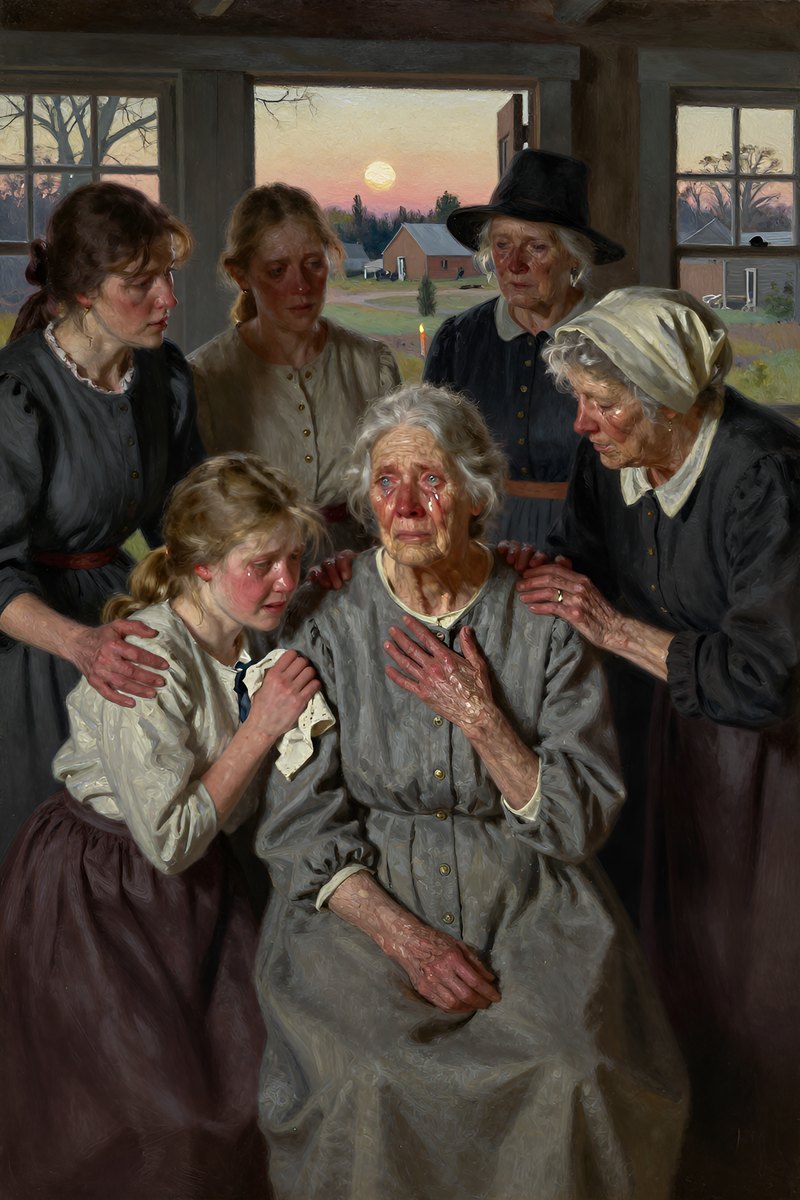
As the earliest suspicion of dawn appeared on Sunday morning, Huck came groping up the hill and rapped gently at the old Welshman’s door. The inmates were asleep, but it was a sleep that was set on a hair-trigger, on account of the exciting episode of the night. A call came from a window:
“Who’s there!”
Huck’s scared voice answered in a low tone:
“Please let me in! It’s only Huck Finn!”
“It’s a name that can open this door night or day, lad!—and welcome!”
These were strange words to the vagabond boy’s ears, and the pleasantest he had ever heard. He could not recollect that the closing word had ever been applied in his case before. The door was quickly unlocked, and he entered. Huck was given a seat and the old man and his brace of tall sons speedily dressed themselves.
“Now, my boy, I hope you’re good and hungry, because breakfast will be ready as soon as the sun’s up, and we’ll have a piping hot one, too—make yourself easy about that! I and the boys hoped you’d turn up and stop here last night.”
“I was awful scared,” said Huck, “and I run. I took out when the pistols went off, and I didn’t stop for three mile. I’ve come now becuz I wanted to know about it, you know; and I come before daylight becuz I didn’t want to run across them devils, even if they was dead.”
“Well, poor chap, you do look as if you’d had a hard night of it—but there’s a bed here for you when you’ve had your breakfast. No, they ain’t dead, lad—we are sorry enough for that. You see we knew right where to put our hands on them, by your description; so we crept along on tiptoe till we got within fifteen feet of them—dark as a cellar that sumach path was—and just then I found I was going to sneeze. It was the meanest kind of luck! I tried to keep it back, but no use—’twas bound to come, and it did come! I was in the lead with my pistol raised, and when the sneeze started those scoundrels a-rustling to get out of the path, I sung out, ‘Fire boys!’ and blazed away at the place where the rustling was. So did the boys. But they were off in a jiffy, those villains, and we after them, down through the woods. I judge we never touched them.
They fired a shot apiece as they started, but their bullets whizzed by and didn’t do us any harm. As soon as we lost the sound of their feet we quit chasing, and went down and stirred up the constables. They got a posse together, and went off to guard the river bank, and as soon as it is light the sheriff and a gang are going to beat up the woods. My boys will be with them presently. I wish we had some sort of description of those rascals—’twould help a good deal. But you couldn’t see what they were like, in the dark, lad, I suppose?”
“Oh yes; I saw them downtown and follered them.”
“Splendid! Describe them—describe them, my boy!”
“One’s the old deaf and dumb Spaniard that’s ben around here once or twice, and t’other’s a mean-looking, ragged—”
“That’s enough, lad, we know the men! Happened on them in the woods back of the widow’s one day, and they slunk away. Off with you, boys, and tell the sheriff—get your breakfast tomorrow morning!”
The Welshman’s sons departed at once. As they were leaving the room Huck sprang up and exclaimed:
“Oh, please don’t tell anybody it was me that blowed on them! Oh, please!”
“All right if you say it, Huck, but you ought to have the credit of what you did.”
“Oh no, no! Please don’t tell!”
When the young men were gone, the old Welshman said:
“They won’t tell—and I won’t. But why don’t you want it known?”
Huck would not explain, further than to say that he already knew too much about one of those men and would not have the man know that he knew anything against him for the whole world—he would be killed for knowing it, sure.
The old man promised secrecy once more, and said:
“How did you come to follow these fellows, lad? Were they looking suspicious?”
Huck was silent while he framed a duly cautious reply. Then he said:
“Well, you see, I’m a kind of a hard lot,—least everybody says so, and I don’t see nothing agin it—and sometimes I can’t sleep much, on account of thinking about it and sort of trying to strike out a new way of doing. That was the way of it last night. I couldn’t sleep, and so I come along upstreet ’bout midnight, a-turning it all over, and when I got to that old shackly brick store by the Temperance Tavern, I backed up agin the wall to have another think. Well, just then along comes these two chaps slipping along close by me, with something under their arm, and I reckoned they’d stole it. One was a-smoking, and t’other one wanted a light; so they stopped right before me and the cigars lit up their faces and I see that the big one was the deaf and dumb Spaniard, by his white whiskers and the patch on his eye, and t’other one was a rusty, ragged-looking devil.”
“Could you see the rags by the light of the cigars?”
This staggered Huck for a moment. Then he said:
“Well, I don’t know—but somehow it seems as if I did.”
“Then they went on, and you—”
“Follered ’em—yes. That was it. I wanted to see what was up—they sneaked along so. I dogged ’em to the widder’s stile, and stood in the dark and heard the ragged one beg for the widder, and the Spaniard swear he’d spile her looks just as I told you and your two—”
“What! The deaf and dumb man said all that!”
Huck had made another terrible mistake! He was trying his best to keep the old man from getting the faintest hint of who the Spaniard might be, and yet his tongue seemed determined to get him into trouble in spite of all he could do. He made several efforts to creep out of his scrape, but the old man’s eye was upon him and he made blunder after blunder.
Presently the Welshman said:
“My boy, don’t be afraid of me. I wouldn’t hurt a hair of your head for all the world. No—I’d protect you—I’d protect you. This Spaniard is not deaf and dumb; you’ve let that slip without intending it; you can’t cover that up now. You know something about that Spaniard that you want to keep dark. Now trust me—tell me what it is, and trust me—I won’t betray you.”
Huck looked into the old man’s honest eyes a moment, then bent over and whispered in his ear:
“’Tain’t a Spaniard—it’s Injun Joe!”
The Welshman almost jumped out of his chair. In a moment he said:
“It’s all plain enough, now. When you talked about notching ears and slitting noses I judged that that was your own embellishment, because white men don’t take that sort of revenge. But an Injun! That’s a different matter altogether.”
During breakfast the talk went on, and in the course of it the old man said that the last thing which he and his sons had done, before going to bed, was to get a lantern and examine the stile and its vicinity for marks of blood. They found none, but captured a bulky bundle of— “Of what?”
If the words had been lightning they could not have leaped with a more stunning suddenness from Huck’s blanched lips. His eyes were staring wide, now, and his breath suspended—waiting for the answer. The Welshman started—stared in return—three seconds—five seconds—ten—then replied:
“Of burglar’s tools. Why, what’s the matter with you?”
Huck sank back, panting gently, but deeply, unutterably grateful. The Welshman eyed him gravely, curiously—and presently said:
“Yes, burglar’s tools. That appears to relieve you a good deal. But what did give you that turn? What were you expecting we’d found?”
Huck was in a close place—the inquiring eye was upon him—he would have given anything for material for a plausible answer—nothing suggested itself—the inquiring eye was boring deeper and deeper—a senseless reply offered—there was no time to weigh it, so at a venture he uttered it—feebly:
“Sunday-school books, maybe.”
Poor Huck was too distressed to smile, but the old man laughed loud and joyously, shook up the details of his anatomy from head to foot, and ended by saying that such a laugh was money in a man’s pocket, because it cut down the doctor’s bill like everything. Then he added:
“Poor old chap, you’re white and jaded—you ain’t well a bit—no wonder you’re a little flighty and off your balance. But you’ll come out of it.
Rest and sleep will fetch you out all right, I hope.”
Huck was irritated to think he had been such a goose and betrayed such a suspicious excitement, for he had dropped the idea that the parcel brought from the tavern was the treasure, as soon as he had heard the talk at the widow’s stile. He had only thought it was not the treasure, however—he had not known that it wasn’t—and so the suggestion of a captured bundle was too much for his self-possession. But on the whole he felt glad the little episode had happened, for now he knew beyond all question that that bundle was not the bundle, and so his mind was at rest and exceedingly comfortable. In fact, everything seemed to be drifting just in the right direction, now; the treasure must be still in No. 2, the men would be captured and jailed that day, and he and Tom could seize the gold that night without any trouble or any fear of interruption.
Just as breakfast was completed there was a knock at the door. Huck jumped for a hiding-place, for he had no mind to be connected even remotely with the late event. The Welshman admitted several ladies and gentlemen, among them the Widow Douglas, and noticed that groups of citizens were climbing up the hill—to stare at the stile. So the news had spread. The Welshman had to tell the story of the night to the visitors. The widow’s gratitude for her preservation was outspoken.
“Don’t say a word about it, madam. There’s another that you’re more beholden to than you are to me and my boys, maybe, but he don’t allow me to tell his name. We wouldn’t have been there but for him.”
Of course this excited a curiosity so vast that it almost belittled the main matter—but the Welshman allowed it to eat into the vitals of his visitors, and through them be transmitted to the whole town, for he refused to part with his secret. When all else had been learned, the widow said:
“I went to sleep reading in bed and slept straight through all that noise. Why didn’t you come and wake me?”
“We judged it warn’t worth while. Those fellows warn’t likely to come again—they hadn’t any tools left to work with, and what was the use of waking you up and scaring you to death? My three negro men stood guard at your house all the rest of the night. They’ve just come back.”
More visitors came, and the story had to be told and retold for a couple of hours more.
There was no Sabbath-school during day-school vacation, but everybody was early at church. The stirring event was well canvassed. News came that not a sign of the two villains had been yet discovered. When the sermon was finished, Judge Thatcher’s wife dropped alongside of Mrs.
Harper as she moved down the aisle with the crowd and said:
“Is my Becky going to sleep all day? I just expected she would be tired to death.”
“Your Becky?”
“Yes,” with a startled look—“didn’t she stay with you last night?”
“Why, no.”
Mrs. Thatcher turned pale, and sank into a pew, just as Aunt Polly, talking briskly with a friend, passed by. Aunt Polly said:
“Goodmorning, Mrs. Thatcher. Goodmorning, Mrs. Harper. I’ve got a boy that’s turned up missing. I reckon my Tom stayed at your house last night—one of you. And now he’s afraid to come to church. I’ve got to settle with him.”
Mrs. Thatcher shook her head feebly and turned paler than ever.
“He didn’t stay with us,” said Mrs. Harper, beginning to look uneasy. A marked anxiety came into Aunt Polly’s face.
“Joe Harper, have you seen my Tom this morning?”
“No’m.”
“When did you see him last?”
Joe tried to remember, but was not sure he could say. The people had stopped moving out of church. Whispers passed along, and a boding uneasiness took possession of every countenance. Children were anxiously questioned, and young teachers. They all said they had not noticed whether Tom and Becky were on board the ferryboat on the homeward trip; it was dark; no one thought of inquiring if any one was missing. One young man finally blurted out his fear that they were still in the cave!
Mrs. Thatcher swooned away. Aunt Polly fell to crying and wringing her hands.
The alarm swept from lip to lip, from group to group, from street to street, and within five minutes the bells were wildly clanging and the whole town was up! The Cardiff Hill episode sank into instant insignificance, the burglars were forgotten, horses were saddled, skiffs were manned, the ferryboat ordered out, and before the horror was half an hour old, two hundred men were pouring down highroad and river toward the cave.
All the long afternoon the village seemed empty and dead. Many women visited Aunt Polly and Mrs. Thatcher and tried to comfort them. They cried with them, too, and that was still better than words. All the tedious night the town waited for news; but when the morning dawned at last, all the word that came was, “Send more candles—and send food.”
Mrs. Thatcher was almost crazed; and Aunt Polly, also. Judge Thatcher sent messages of hope and encouragement from the cave, but they conveyed no real cheer.
The old Welshman came home toward daylight, spattered with candle-grease, smeared with clay, and almost worn out. He found Huck still in the bed that had been provided for him, and delirious with fever. The physicians were all at the cave, so the Widow Douglas came and took charge of the patient. She said she would do her best by him, because, whether he was good, bad, or indifferent, he was the Lord’s, and nothing that was the Lord’s was a thing to be neglected. The Welshman said Huck had good spots in him, and the widow said:
“You can depend on it. That’s the Lord’s mark. He don’t leave it off.
He never does. Puts it somewhere on every creature that comes from his hands.”
Early in the forenoon parties of jaded men began to straggle into the village, but the strongest of the citizens continued searching. All the news that could be gained was that remotenesses of the cavern were being ransacked that had never been visited before; that every corner and crevice was going to be thoroughly searched; that wherever one wandered through the maze of passages, lights were to be seen flitting hither and thither in the distance, and shoutings and pistol-shots sent their hollow reverberations to the ear down the sombre aisles. In one place, far from the section usually traversed by tourists, the names “BECKY & TOM” had been found traced upon the rocky wall with candle-smoke, and near at hand a grease-soiled bit of ribbon. Mrs. Thatcher recognized the ribbon and cried over it. She said it was the last relic she should ever have of her child; and that no other memorial of her could ever be so precious, because this one parted latest from the living body before the awful death came. Some said that now and then, in the cave, a far-away speck of light would glimmer, and then a glorious shout would burst forth and a score of men go trooping down the echoing aisle—and then a sickening disappointment always followed; the children were not there; it was only a searcher’s light.
Three dreadful days and nights dragged their tedious hours along, and the village sank into a hopeless stupor. No one had heart for anything.
The accidental discovery, just made, that the proprietor of the Temperance Tavern kept liquor on his premises, scarcely fluttered the public pulse, tremendous as the fact was. In a lucid interval, Huck feebly led up to the subject of taverns, and finally asked—dimly dreading the worst—if anything had been discovered at the Temperance Tavern since he had been ill.
“Yes,” said the widow.
Huck started up in bed, wild-eyed:
“What? What was it?”
“Liquor!—and the place has been shut up. Lie down, child—what a turn you did give me!”
“Only tell me just one thing—only just one—please! Was it Tom Sawyer that found it?”
The widow burst into tears. “Hush, hush, child, hush! I’ve told you before, you must not talk. You are very, very sick!”
Then nothing but liquor had been found; there would have been a great powwow if it had been the gold. So the treasure was gone forever—gone forever! But what could she be crying about? Curious that she should cry.
These thoughts worked their dim way through Huck’s mind, and under the weariness they gave him he fell asleep. The widow said to herself:
“There—he’s asleep, poor wreck. Tom Sawyer find it! Pity but somebody could find Tom Sawyer! Ah, there ain’t many left, now, that’s got hope enough, or strength enough, either, to go on searching.”
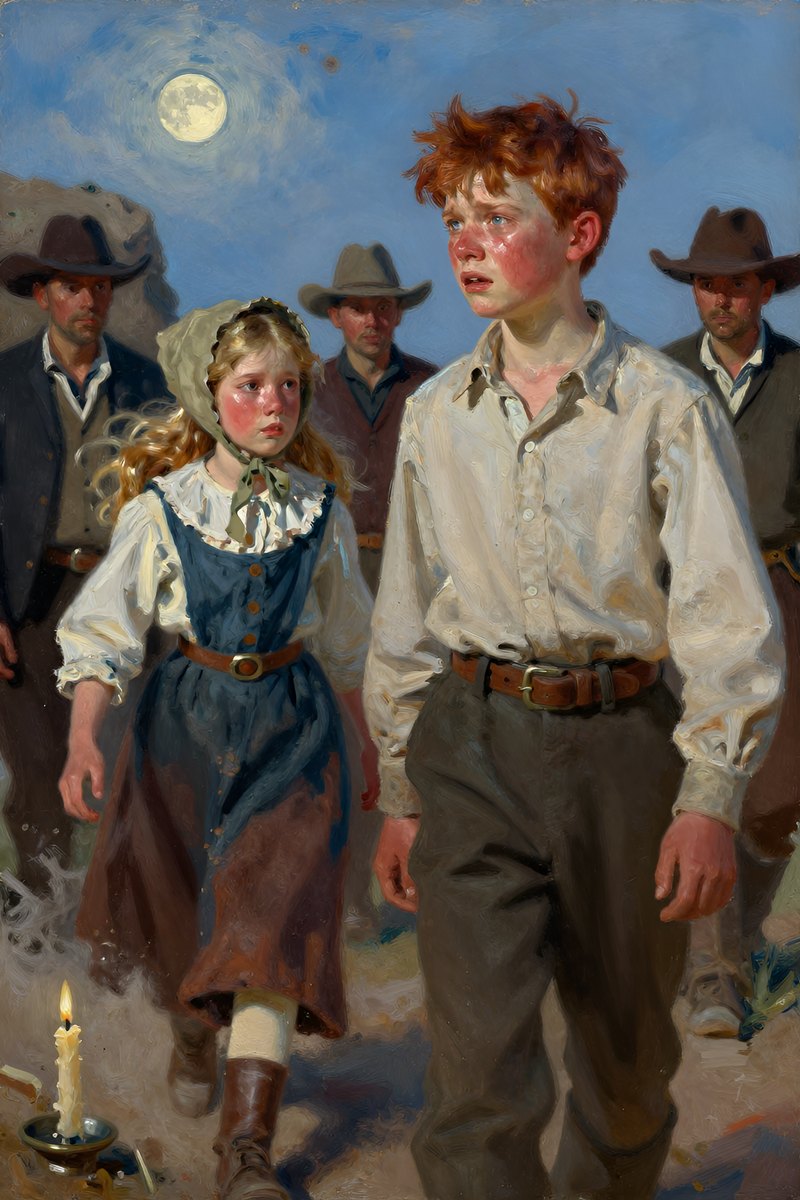
Now to return to Tom and Becky’s share in the picnic. They tripped along the murky aisles with the rest of the company, visiting the familiar wonders of the cave—wonders dubbed with rather over-descriptive names, such as “The Drawing-Room,” “The Cathedral,” “Aladdin’s Palace,” and so on. Presently the hide-and-seek frolicking began, and Tom and Becky engaged in it with zeal until the exertion began to grow a trifle wearisome; then they wandered down a sinuous avenue holding their candles aloft and reading the tangled webwork of names, dates, postoffice addresses, and mottoes with which the rocky walls had been frescoed (in candle-smoke). Still drifting along and talking, they scarcely noticed that they were now in a part of the cave whose walls were not frescoed. They smoked their own names under an overhanging shelf and moved on. Presently they came to a place where a little stream of water, trickling over a ledge and carrying a limestone sediment with it, had, in the slow-dragging ages, formed a laced and ruffled Niagara in gleaming and imperishable stone. Tom squeezed his small body behind it in order to illuminate it for Becky’s gratification. He found that it curtained a sort of steep natural stairway which was enclosed between narrow walls, and at once the ambition to be a discoverer seized him.
Becky responded to his call, and they made a smoke-mark for future guidance, and started upon their quest. They wound this way and that, far down into the secret depths of the cave, made another mark, and branched off in search of novelties to tell the upper world about. In one place they found a spacious cavern, from whose ceiling depended a multitude of shining stalactites of the length and circumference of a man’s leg; they walked all about it, wondering and admiring, and presently left it by one of the numerous passages that opened into it. This shortly brought them to a bewitching spring, whose basin was incrusted with a frostwork of glittering crystals; it was in the midst of a cavern whose walls were supported by many fantastic pillars which had been formed by the joining of great stalactites and stalagmites together, the result of the ceaseless water-drip of centuries. Under the roof vast knots of bats had packed themselves together, thousands in a bunch; the lights disturbed the creatures and they came flocking down by hundreds, squeaking and darting furiously at the candles. Tom knew their ways and the danger of this sort of conduct. He seized Becky’s hand and hurried her into the first corridor that offered; and none too soon, for a bat struck Becky’s light out with its wing while she was passing out of the cavern. The bats chased the children a good distance; but the fugitives plunged into every new passage that offered, and at last got rid of the perilous things. Tom found a subterranean lake, shortly, which stretched its dim length away until its shape was lost in the shadows. He wanted to explore its borders, but concluded that it would be best to sit down and rest awhile, first. Now, for the first time, the deep stillness of the place laid a clammy hand upon the spirits of the children. Becky said:
“Why, I didn’t notice, but it seems ever so long since I heard any of the others.”
“Come to think, Becky, we are away down below them—and I don’t know how far away north, or south, or east, or whichever it is. We couldn’t hear them here.”
Becky grew apprehensive.
“I wonder how long we’ve been down here, Tom? We better start back.”
“Yes, I reckon we better. P’raps we better.”
“Can you find the way, Tom? It’s all a mixed-up crookedness to me.”
“I reckon I could find it—but then the bats. If they put our candles out it will be an awful fix. Let’s try some other way, so as not to go through there.”
“Well. But I hope we won’t get lost. It would be so awful!” and the girl shuddered at the thought of the dreadful possibilities.
They started through a corridor, and traversed it in silence a long way, glancing at each new opening, to see if there was anything familiar about the look of it; but they were all strange. Every time Tom made an examination, Becky would watch his face for an encouraging sign, and he would say cheerily:
“Oh, it’s all right. This ain’t the one, but we’ll come to it right away!”
But he felt less and less hopeful with each failure, and presently began to turn off into diverging avenues at sheer random, in desperate hope of finding the one that was wanted. He still said it was “all right,” but there was such a leaden dread at his heart that the words had lost their ring and sounded just as if he had said, “All is lost!” Becky clung to his side in an anguish of fear, and tried hard to keep back the tears, but they would come. At last she said:
“Oh, Tom, never mind the bats, let’s go back that way! We seem to get worse and worse off all the time.”
“Listen!” said he.
Profound silence; silence so deep that even their breathings were conspicuous in the hush. Tom shouted. The call went echoing down the empty aisles and died out in the distance in a faint sound that resembled a ripple of mocking laughter.
“Oh, don’t do it again, Tom, it is too horrid,” said Becky.
“It is horrid, but I better, Becky; they might hear us, you know,” and he shouted again.
The “might” was even a chillier horror than the ghostly laughter, it so confessed a perishing hope. The children stood still and listened; but there was no result. Tom turned upon the back track at once, and hurried his steps. It was but a little while before a certain indecision in his manner revealed another fearful fact to Becky—he could not find his way back!
“Oh, Tom, you didn’t make any marks!”
“Becky, I was such a fool! Such a fool! I never thought we might want to come back! No—I can’t find the way. It’s all mixed up.”
“Tom, Tom, we’re lost! we’re lost! We never can get out of this awful place! Oh, why did we ever leave the others!”
She sank to the ground and burst into such a frenzy of crying that Tom was appalled with the idea that she might die, or lose her reason. He sat down by her and put his arms around her; she buried her face in his bosom, she clung to him, she poured out her terrors, her unavailing regrets, and the far echoes turned them all to jeering laughter. Tom begged her to pluck up hope again, and she said she could not. He fell to blaming and abusing himself for getting her into this miserable situation; this had a better effect. She said she would try to hope again, she would get up and follow wherever he might lead if only he would not talk like that any more. For he was no more to blame than she, she said.
So they moved on again—aimlessly—simply at random—all they could do was to move, keep moving. For a little while, hope made a show of reviving—not with any reason to back it, but only because it is its nature to revive when the spring has not been taken out of it by age and familiarity with failure.
By-and-by Tom took Becky’s candle and blew it out. This economy meant so much! Words were not needed. Becky understood, and her hope died again.
She knew that Tom had a whole candle and three or four pieces in his pockets—yet he must economize.
By-and-by, fatigue began to assert its claims; the children tried to pay attention, for it was dreadful to think of sitting down when time was grown to be so precious, moving, in some direction, in any direction, was at least progress and might bear fruit; but to sit down was to invite death and shorten its pursuit.
At last Becky’s frail limbs refused to carry her farther. She sat down.
Tom rested with her, and they talked of home, and the friends there, and the comfortable beds and, above all, the light! Becky cried, and Tom tried to think of some way of comforting her, but all his encouragements were grown thread-bare with use, and sounded like sarcasms. Fatigue bore so heavily upon Becky that she drowsed off to sleep. Tom was grateful.
He sat looking into her drawn face and saw it grow smooth and natural under the influence of pleasant dreams; and by-and-by a smile dawned and rested there. The peaceful face reflected somewhat of peace and healing into his own spirit, and his thoughts wandered away to bygone times and dreamy memories. While he was deep in his musings, Becky woke up with a breezy little laugh—but it was stricken dead upon her lips, and a groan followed it.
“Oh, how could I sleep! I wish I never, never had waked! No! No, I don’t, Tom! Don’t look so! I won’t say it again.”
“I’m glad you’ve slept, Becky; you’ll feel rested, now, and we’ll find the way out.”
“We can try, Tom; but I’ve seen such a beautiful country in my dream. I reckon we are going there.”
“Maybe not, maybe not. Cheer up, Becky, and let’s go on trying.”
They rose up and wandered along, hand in hand and hopeless. They tried to estimate how long they had been in the cave, but all they knew was that it seemed days and weeks, and yet it was plain that this could not be, for their candles were not gone yet. A long time after this—they could not tell how long—Tom said they must go softly and listen for dripping water—they must find a spring. They found one presently, and Tom said it was time to rest again. Both were cruelly tired, yet Becky said she thought she could go a little farther. She was surprised to hear Tom dissent. She could not understand it. They sat down, and Tom fastened his candle to the wall in front of them with some clay. Thought was soon busy; nothing was said for some time. Then Becky broke the silence:
“Tom, I am so hungry!”
Tom took something out of his pocket.
“Do you remember this?” said he.
Becky almost smiled.
“It’s our wedding-cake, Tom.”
“Yes—I wish it was as big as a barrel, for it’s all we’ve got.”
“I saved it from the picnic for us to dream on, Tom, the way grownup people do with wedding-cake—but it’ll be our—”
She dropped the sentence where it was. Tom divided the cake and Becky ate with good appetite, while Tom nibbled at his moiety. There was abundance of cold water to finish the feast with. By-and-by Becky suggested that they move on again. Tom was silent a moment. Then he said:
“Becky, can you bear it if I tell you something?”
Becky’s face paled, but she thought she could.
“Well, then, Becky, we must stay here, where there’s water to drink.
That little piece is our last candle!”
Becky gave loose to tears and wailings. Tom did what he could to comfort her, but with little effect. At length Becky said:
“Tom!”
“Well, Becky?”
“They’ll miss us and hunt for us!”
“Yes, they will! Certainly they will!”
“Maybe they’re hunting for us now, Tom.”
“Why, I reckon maybe they are. I hope they are.”
“When would they miss us, Tom?”
“When they get back to the boat, I reckon.”
“Tom, it might be dark then—would they notice we hadn’t come?”
“I don’t know. But anyway, your mother would miss you as soon as they got home.”
A frightened look in Becky’s face brought Tom to his senses and he saw that he had made a blunder. Becky was not to have gone home that night!
The children became silent and thoughtful. In a moment a new burst of grief from Becky showed Tom that the thing in his mind had struck hers also—that the Sabbath morning might be half spent before Mrs. Thatcher discovered that Becky was not at Mrs. Harper’s.
The children fastened their eyes upon their bit of candle and watched it melt slowly and pitilessly away; saw the half inch of wick stand alone at last; saw the feeble flame rise and fall, climb the thin column of smoke, linger at its top a moment, and then—the horror of utter darkness reigned!
How long afterward it was that Becky came to a slow consciousness that she was crying in Tom’s arms, neither could tell. All that they knew was, that after what seemed a mighty stretch of time, both awoke out of a dead stupor of sleep and resumed their miseries once more. Tom said it might be Sunday, now—maybe Monday. He tried to get Becky to talk, but her sorrows were too oppressive, all her hopes were gone. Tom said that they must have been missed long ago, and no doubt the search was going on. He would shout and maybe some one would come. He tried it; but in the darkness the distant echoes sounded so hideously that he tried it no more.
The hours wasted away, and hunger came to torment the captives again. A portion of Tom’s half of the cake was left; they divided and ate it. But they seemed hungrier than before. The poor morsel of food only whetted desire.
By-and-by Tom said:
“SH! Did you hear that?”
Both held their breath and listened. There was a sound like the faintest, far-off shout. Instantly Tom answered it, and leading Becky by the hand, started groping down the corridor in its direction. Presently he listened again; again the sound was heard, and apparently a little nearer.
“It’s them!” said Tom; “they’re coming! Come along, Becky—we’re all right now!”
The joy of the prisoners was almost overwhelming. Their speed was slow, however, because pitfalls were somewhat common, and had to be guarded against. They shortly came to one and had to stop. It might be three feet deep, it might be a hundred—there was no passing it at any rate.
Tom got down on his breast and reached as far down as he could. No bottom. They must stay there and wait until the searchers came. They listened; evidently the distant shoutings were growing more distant!
a moment or two more and they had gone altogether. The heart-sinking misery of it! Tom whooped until he was hoarse, but it was of no use. He talked hopefully to Becky; but an age of anxious waiting passed and no sounds came again.
The children groped their way back to the spring. The weary time dragged on; they slept again, and awoke famished and woe-stricken. Tom believed it must be Tuesday by this time.
Now an idea struck him. There were some side passages near at hand. It would be better to explore some of these than bear the weight of the heavy time in idleness. He took a kite-line from his pocket, tied it to a projection, and he and Becky started, Tom in the lead, unwinding the line as he groped along. At the end of twenty steps the corridor ended in a “jumping-off place.” Tom got down on his knees and felt below, and then as far around the corner as he could reach with his hands conveniently; he made an effort to stretch yet a little farther to the right, and at that moment, not twenty yards away, a human hand, holding a candle, appeared from behind a rock! Tom lifted up a glorious shout, and instantly that hand was followed by the body it belonged to—Injun Joe’s! Tom was paralyzed; he could not move. He was vastly gratified the next moment, to see the “Spaniard” take to his heels and get himself out of sight. Tom wondered that Joe had not recognized his voice and come over and killed him for testifying in court. But the echoes must have disguised the voice. Without doubt, that was it, he reasoned. Tom’s fright weakened every muscle in his body. He said to himself that if he had strength enough to get back to the spring he would stay there, and nothing should tempt him to run the risk of meeting Injun Joe again. He was careful to keep from Becky what it was he had seen. He told her he had only shouted “for luck.”
But hunger and wretchedness rise superior to fears in the long run.
Another tedious wait at the spring and another long sleep brought changes. The children awoke tortured with a raging hunger. Tom believed that it must be Wednesday or Thursday or even Friday or Saturday, now, and that the search had been given over. He proposed to explore another passage. He felt willing to risk Injun Joe and all other terrors. But Becky was very weak. She had sunk into a dreary apathy and would not be roused. She said she would wait, now, where she was, and die—it would not be long. She told Tom to go with the kite-line and explore if he chose; but she implored him to come back every little while and speak to her; and she made him promise that when the awful time came, he would stay by her and hold her hand until all was over.
Tom kissed her, with a choking sensation in his throat, and made a show of being confident of finding the searchers or an escape from the cave; then he took the kite-line in his hand and went groping down one of the passages on his hands and knees, distressed with hunger and sick with bodings of coming doom.
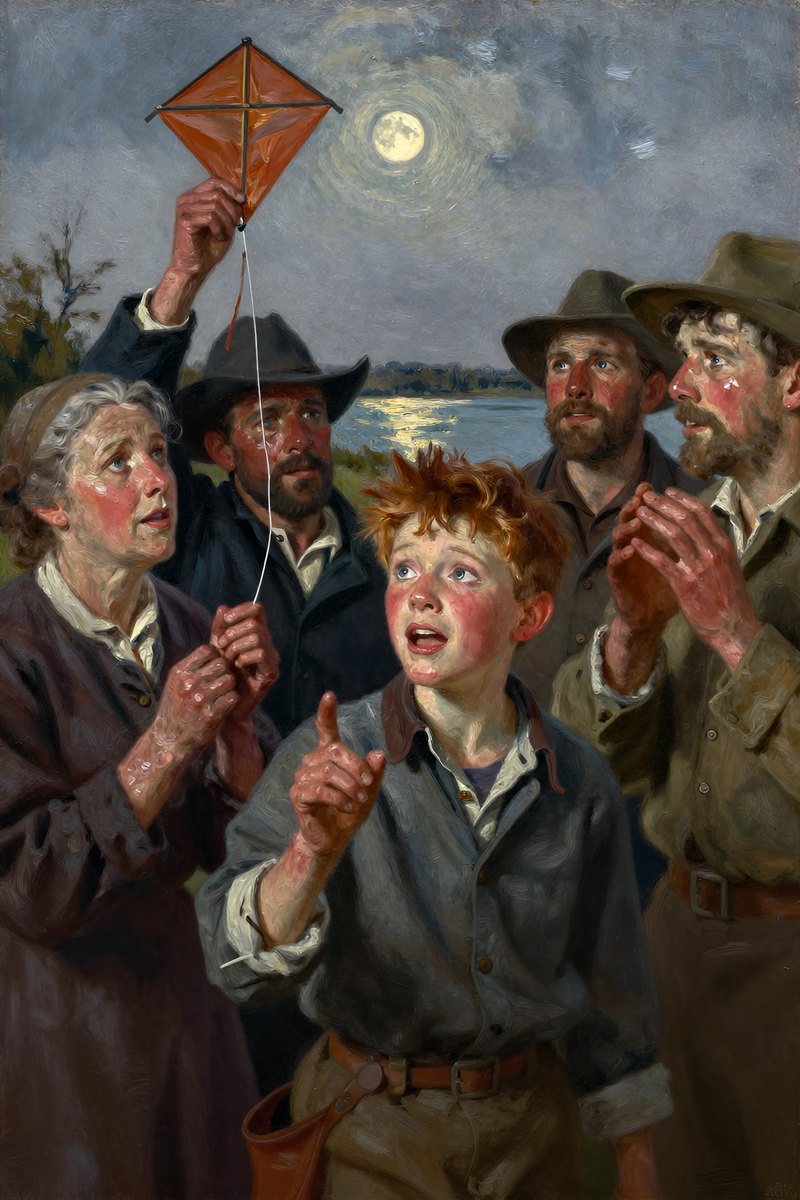
Tuesday afternoon came, and waned to the twilight. The village of St.
Petersburg still mourned. The lost children had not been found. Public prayers had been offered up for them, and many and many a private prayer that had the petitioner’s whole heart in it; but still no good news came from the cave. The majority of the searchers had given up the quest and gone back to their daily avocations, saying that it was plain the children could never be found. Mrs. Thatcher was very ill, and a great part of the time delirious. People said it was heartbreaking to hear her call her child, and raise her head and listen a whole minute at a time, then lay it wearily down again with a moan. Aunt Polly had drooped into a settled melancholy, and her gray hair had grown almost white. The village went to its rest on Tuesday night, sad and forlorn.
Away in the middle of the night a wild peal burst from the village bells, and in a moment the streets were swarming with frantic half-clad people, who shouted, “Turn out! turn out! they’re found! they’re found!”
Tin pans and horns were added to the din, the population massed itself and moved toward the river, met the children coming in an open carriage drawn by shouting citizens, thronged around it, joined its homeward march, and swept magnificently up the main street roaring huzzah after huzzah!
The village was illuminated; nobody went to bed again; it was the greatest night the little town had ever seen. During the first half-hour a procession of villagers filed through Judge Thatcher’s house, seized the saved ones and kissed them, squeezed Mrs. Thatcher’s hand, tried to speak but couldn’t—and drifted out raining tears all over the place.
Aunt Polly’s happiness was complete, and Mrs. Thatcher’s nearly so. It would be complete, however, as soon as the messenger dispatched with the great news to the cave should get the word to her husband. Tom lay upon a sofa with an eager auditory about him and told the history of the wonderful adventure, putting in many striking additions to adorn it withal; and closed with a description of how he left Becky and went on an exploring expedition; how he followed two avenues as far as his kite-line would reach; how he followed a third to the fullest stretch of the kite-line, and was about to turn back when he glimpsed a far-off speck that looked like daylight; dropped the line and groped toward it, pushed his head and shoulders through a small hole, and saw the broad Mississippi rolling by!
And if it had only happened to be night he would not have seen that speck of daylight and would not have explored that passage any more! He told how he went back for Becky and broke the good news and she told him not to fret her with such stuff, for she was tired, and knew she was going to die, and wanted to. He described how he labored with her and convinced her; and how she almost died for joy when she had groped to where she actually saw the blue speck of daylight; how he pushed his way out at the hole and then helped her out; how they sat there and cried for gladness; how some men came along in a skiff and Tom hailed them and told them their situation and their famished condition; how the men didn’t believe the wild tale at first, “because,” said they, “you are five miles down the river below the valley the cave is in”—then took them aboard, rowed to a house, gave them supper, made them rest till two or three hours after dark and then brought them home.
Before day-dawn, Judge Thatcher and the handful of searchers with him were tracked out, in the cave, by the twine clews they had strung behind them, and informed of the great news.
Three days and nights of toil and hunger in the cave were not to be shaken off at once, as Tom and Becky soon discovered. They were bedridden all of Wednesday and Thursday, and seemed to grow more and more tired and worn, all the time. Tom got about, a little, on Thursday, was downtown Friday, and nearly as whole as ever Saturday; but Becky did not leave her room until Sunday, and then she looked as if she had passed through a wasting illness.
Tom learned of Huck’s sickness and went to see him on Friday, but could not be admitted to the bedroom; neither could he on Saturday or Sunday.
He was admitted daily after that, but was warned to keep still about his adventure and introduce no exciting topic. The Widow Douglas stayed by to see that he obeyed. At home Tom learned of the Cardiff Hill event; also that the “ragged man’s” body had eventually been found in the river near the ferry-landing; he had been drowned while trying to escape, perhaps.
About a fortnight after Tom’s rescue from the cave, he started off to visit Huck, who had grown plenty strong enough, now, to hear exciting talk, and Tom had some that would interest him, he thought. Judge Thatcher’s house was on Tom’s way, and he stopped to see Becky. The Judge and some friends set Tom to talking, and some one asked him ironically if he wouldn’t like to go to the cave again. Tom said he thought he wouldn’t mind it. The Judge said:
“Well, there are others just like you, Tom, I’ve not the least doubt.
But we have taken care of that. Nobody will get lost in that cave any more.”
“Why?”
“Because I had its big door sheathed with boiler iron two weeks ago, and triple-locked—and I’ve got the keys.”
Tom turned as white as a sheet.
“What’s the matter, boy! Here, run, somebody! Fetch a glass of water!”
The water was brought and thrown into Tom’s face.
“Ah, now you’re all right. What was the matter with you, Tom?”
“Oh, Judge, Injun Joe’s in the cave!”
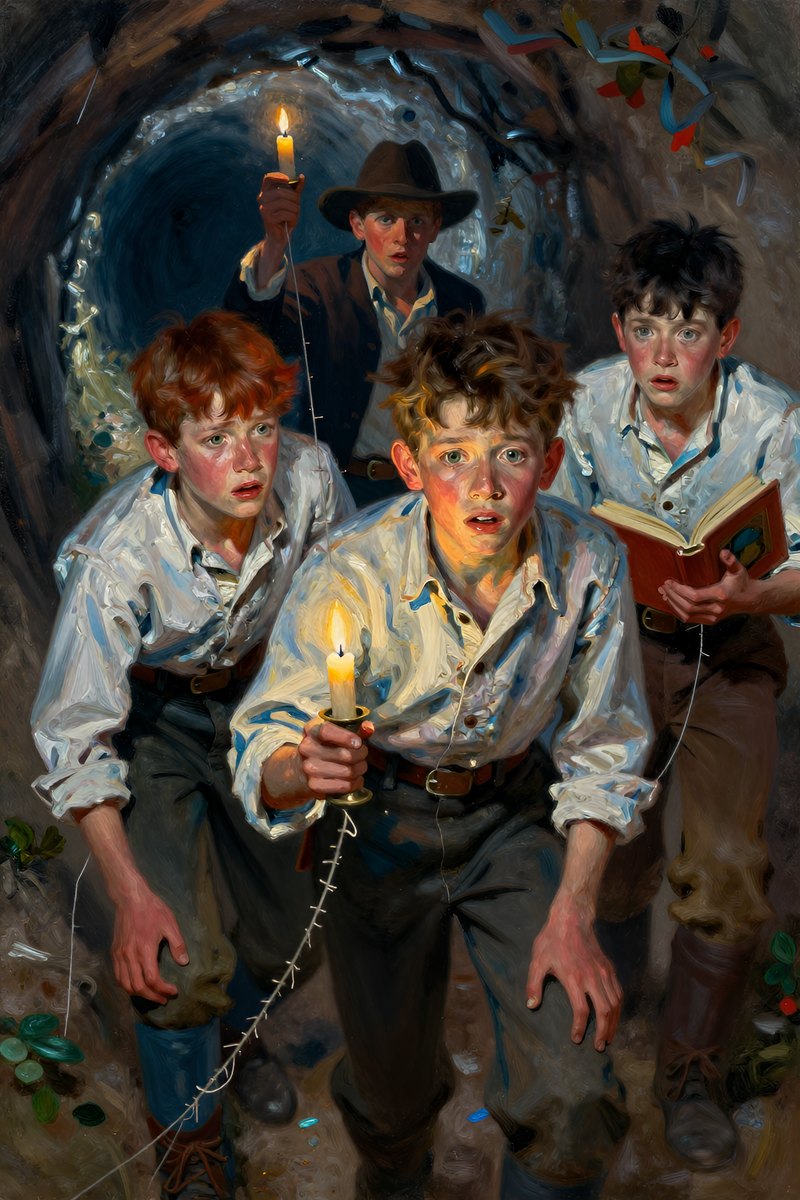
Within a few minutes the news had spread, and a dozen skiff-loads of men were on their way to McDougal’s cave, and the ferryboat, well filled with passengers, soon followed. Tom Sawyer was in the skiff that bore Judge Thatcher.
When the cave door was unlocked, a sorrowful sight presented itself in the dim twilight of the place. Injun Joe lay stretched upon the ground, dead, with his face close to the crack of the door, as if his longing eyes had been fixed, to the latest moment, upon the light and the cheer of the free world outside. Tom was touched, for he knew by his own experience how this wretch had suffered. His pity was moved, but nevertheless he felt an abounding sense of relief and security, now, which revealed to him in a degree which he had not fully appreciated before how vast a weight of dread had been lying upon him since the day he lifted his voice against this bloody-minded outcast.
Injun Joe’s bowie-knife lay close by, its blade broken in two. The great foundation-beam of the door had been chipped and hacked through, with tedious labor; useless labor, too, it was, for the native rock formed a sill outside it, and upon that stubborn material the knife had wrought no effect; the only damage done was to the knife itself. But if there had been no stony obstruction there the labor would have been useless still, for if the beam had been wholly cut away Injun Joe could not have squeezed his body under the door, and he knew it. So he had only hacked that place in order to be doing something—in order to pass the weary time—in order to employ his tortured faculties. Ordinarily one could find half a dozen bits of candle stuck around in the crevices of this vestibule, left there by tourists; but there were none now. The prisoner had searched them out and eaten them. He had also contrived to catch a few bats, and these, also, he had eaten, leaving only their claws. The poor unfortunate had starved to death. In one place, near at hand, a stalagmite had been slowly growing up from the ground for ages, builded by the water-drip from a stalactite overhead. The captive had broken off the stalagmite, and upon the stump had placed a stone, wherein he had scooped a shallow hollow to catch the precious drop that fell once in every three minutes with the dreary regularity of a clock-tick—a dessertspoonful once in four and twenty hours. That drop was falling when the Pyramids were new; when Troy fell; when the foundations of Rome were laid; when Christ was crucified; when the Conqueror created the British empire; when Columbus sailed; when the massacre at Lexington was “news.”
It is falling now; it will still be falling when all these things shall have sunk down the afternoon of history, and the twilight of tradition, and been swallowed up in the thick night of oblivion. Has everything a purpose and a mission? Did this drop fall patiently during five thousand years to be ready for this flitting human insect’s need? and has it another important object to accomplish ten thousand years to come? No matter. It is many and many a year since the hapless half-breed scooped out the stone to catch the priceless drops, but to this day the tourist stares longest at that pathetic stone and that slow-dropping water when he comes to see the wonders of McDougal’s cave. Injun Joe’s cup stands first in the list of the cavern’s marvels; even “Aladdin’s Palace”
cannot rival it.
Injun Joe was buried near the mouth of the cave; and people flocked there in boats and wagons from the towns and from all the farms and hamlets for seven miles around; they brought their children, and all sorts of provisions, and confessed that they had had almost as satisfactory a time at the funeral as they could have had at the hanging.
This funeral stopped the further growth of one thing—the petition to the governor for Injun Joe’s pardon. The petition had been largely signed; many tearful and eloquent meetings had been held, and a committee of sappy women been appointed to go in deep mourning and wail around the governor, and implore him to be a merciful ass and trample his duty under foot. Injun Joe was believed to have killed five citizens of the village, but what of that? If he had been Satan himself there would have been plenty of weaklings ready to scribble their names to a pardon-petition, and drip a tear on it from their permanently impaired and leaky water-works.
The morning after the funeral Tom took Huck to a private place to have an important talk. Huck had learned all about Tom’s adventure from the Welshman and the Widow Douglas, by this time, but Tom said he reckoned there was one thing they had not told him; that thing was what he wanted to talk about now. Huck’s face saddened. He said:
“I know what it is. You got into No. 2 and never found anything but whiskey. Nobody told me it was you; but I just knowed it must ’a’ ben you, soon as I heard ’bout that whiskey business; and I knowed you hadn’t got the money becuz you’d ’a’ got at me some way or other and told me even if you was mum to everybody else. Tom, something’s always told me we’d never get holt of that swag.”
“Why, Huck, I never told on that tavern-keeper. You know his tavern was all right the Saturday I went to the picnic. Don’t you remember you was to watch there that night?”
“Oh yes! Why, it seems ’bout a year ago. It was that very night that I follered Injun Joe to the widder’s.”
“You followed him?”
“Yes—but you keep mum. I reckon Injun Joe’s left friends behind him, and I don’t want ’em souring on me and doing me mean tricks. If it hadn’t ben for me he’d be down in Texas now, all right.”
Then Huck told his entire adventure in confidence to Tom, who had only heard of the Welshman’s part of it before.
“Well,” said Huck, presently, coming back to the main question, “whoever nipped the whiskey in No. 2, nipped the money, too, I reckon—anyways it’s a goner for us, Tom.”
“Huck, that money wasn’t ever in No. 2!”
“What!” Huck searched his comrade’s face keenly. “Tom, have you got on the track of that money again?”
“Huck, it’s in the cave!”
Huck’s eyes blazed.
“Say it again, Tom.”
“The money’s in the cave!”
“Tom—honest injun, now—is it fun, or earnest?”
“Earnest, Huck—just as earnest as ever I was in my life. Will you go in there with me and help get it out?”
“I bet I will! I will if it’s where we can blaze our way to it and not get lost.”
“Huck, we can do that without the least little bit of trouble in the world.”
“Good as wheat! What makes you think the money’s—”
“Huck, you just wait till we get in there. If we don’t find it I’ll agree to give you my drum and every thing I’ve got in the world. I will, by jings.”
“All right—it’s a whiz. When do you say?”
“Right now, if you say it. Are you strong enough?”
“Is it far in the cave? I ben on my pins a little, three or four days, now, but I can’t walk more’n a mile, Tom—least I don’t think I could.”
“It’s about five mile into there the way anybody but me would go, Huck, but there’s a mighty short cut that they don’t anybody but me know about. Huck, I’ll take you right to it in a skiff. I’ll float the skiff down there, and I’ll pull it back again all by myself. You needn’t ever turn your hand over.”
“Less start right off, Tom.”
“All right. We want some bread and meat, and our pipes, and a little bag or two, and two or three kite-strings, and some of these new-fangled things they call lucifer matches. I tell you, many’s the time I wished I had some when I was in there before.”
A trifle after noon the boys borrowed a small skiff from a citizen who was absent, and got under way at once. When they were several miles below “Cave Hollow,” Tom said:
“Now you see this bluff here looks all alike all the way down from the cave hollow—no houses, no wood-yards, bushes all alike. But do you see that white place up yonder where there’s been a landslide? Well, that’s one of my marks. We’ll get ashore, now.”
They landed.
“Now, Huck, where we’re a-standing you could touch that hole I got out of with a fishing-pole. See if you can find it.”
Huck searched all the place about, and found nothing. Tom proudly marched into a thick clump of sumach bushes and said:
“Here you are! Look at it, Huck; it’s the snuggest hole in this country.
You just keep mum about it. All along I’ve been wanting to be a robber, but I knew I’d got to have a thing like this, and where to run across it was the bother. We’ve got it now, and we’ll keep it quiet, only we’ll let Joe Harper and Ben Rogers in—because of course there’s got to be a Gang, or else there wouldn’t be any style about it. Tom Sawyer’s Gang—it sounds splendid, don’t it, Huck?”
“Well, it just does, Tom. And who’ll we rob?”
“Oh, most anybody. Waylay people—that’s mostly the way.”
“And kill them?”
“No, not always. Hive them in the cave till they raise a ransom.”
“What’s a ransom?”
“Money. You make them raise all they can, off’n their friends; and after you’ve kept them a year, if it ain’t raised then you kill them. That’s the general way. Only you don’t kill the women. You shut up the women, but you don’t kill them. They’re always beautiful and rich, and awfully scared. You take their watches and things, but you always take your hat off and talk polite. They ain’t anybody as polite as robbers—you’ll see that in any book. Well, the women get to loving you, and after they’ve been in the cave a week or two weeks they stop crying and after that you couldn’t get them to leave. If you drove them out they’d turn right around and come back. It’s so in all the books.”
“Why, it’s real bully, Tom. I believe it’s better’n to be a pirate.”
“Yes, it’s better in some ways, because it’s close to home and circuses and all that.”
By this time everything was ready and the boys entered the hole, Tom in the lead. They toiled their way to the farther end of the tunnel, then made their spliced kite-strings fast and moved on. A few steps brought them to the spring, and Tom felt a shudder quiver all through him.
He showed Huck the fragment of candle-wick perched on a lump of clay against the wall, and described how he and Becky had watched the flame struggle and expire.
The boys began to quiet down to whispers, now, for the stillness and gloom of the place oppressed their spirits. They went on, and presently entered and followed Tom’s other corridor until they reached the “jumping-off place.” The candles revealed the fact that it was not really a precipice, but only a steep clay hill twenty or thirty feet high. Tom whispered:
“Now I’ll show you something, Huck.”
He held his candle aloft and said:
“Look as far around the corner as you can. Do you see that? There—on the big rock over yonder—done with candle-smoke.”
“Tom, it’s a cross!”
“Now where’s your Number Two? ‘under the cross,’ hey? Right yonder’s where I saw Injun Joe poke up his candle, Huck!”
Huck stared at the mystic sign awhile, and then said with a shaky voice:
“Tom, less git out of here!”
“What! and leave the treasure?”
“Yes—leave it. Injun Joe’s ghost is round about there, certain.”
“No it ain’t, Huck, no it ain’t. It would ha’nt the place where he died—away out at the mouth of the cave—five mile from here.”
“No, Tom, it wouldn’t. It would hang round the money. I know the ways of ghosts, and so do you.”
Tom began to fear that Huck was right. Misgivings gathered in his mind.
But presently an idea occurred to him— “Lookyhere, Huck, what fools we’re making of ourselves! Injun Joe’s ghost ain’t a going to come around where there’s a cross!”
The point was well taken. It had its effect.
“Tom, I didn’t think of that. But that’s so. It’s luck for us, that cross is. I reckon we’ll climb down there and have a hunt for that box.”
Tom went first, cutting rude steps in the clay hill as he descended.
Huck followed. Four avenues opened out of the small cavern which the great rock stood in. The boys examined three of them with no result.
They found a small recess in the one nearest the base of the rock, with a pallet of blankets spread down in it; also an old suspender, some bacon rind, and the well-gnawed bones of two or three fowls. But there was no moneybox. The lads searched and researched this place, but in vain. Tom said:
“He said under the cross. Well, this comes nearest to being under the cross. It can’t be under the rock itself, because that sets solid on the ground.”
They searched everywhere once more, and then sat down discouraged. Huck could suggest nothing. By-and-by Tom said:
“Lookyhere, Huck, there’s footprints and some candle-grease on the clay about one side of this rock, but not on the other sides. Now, what’s that for? I bet you the money is under the rock. I’m going to dig in the clay.”
“That ain’t no bad notion, Tom!” said Huck with animation.
Tom’s “real Barlow” was out at once, and he had not dug four inches before he struck wood.
“Hey, Huck!—you hear that?”
Huck began to dig and scratch now. Some boards were soon uncovered and removed. They had concealed a natural chasm which led under the rock.
Tom got into this and held his candle as far under the rock as he could, but said he could not see to the end of the rift. He proposed to explore. He stooped and passed under; the narrow way descended gradually. He followed its winding course, first to the right, then to the left, Huck at his heels. Tom turned a short curve, by-and-by, and exclaimed:
“My goodness, Huck, lookyhere!”
It was the treasure-box, sure enough, occupying a snug little cavern, along with an empty powder-keg, a couple of guns in leather cases, two or three pairs of old moccasins, a leather belt, and some other rubbish well soaked with the water-drip.
“Got it at last!” said Huck, ploughing among the tarnished coins with his hand. “My, but we’re rich, Tom!”
“Huck, I always reckoned we’d get it. It’s just too good to believe, but we have got it, sure! Say—let’s not fool around here. Let’s snake it out. Lemme see if I can lift the box.”
It weighed about fifty pounds. Tom could lift it, after an awkward fashion, but could not carry it conveniently.
“I thought so,” he said; “They carried it like it was heavy, that day at the ha’nted house. I noticed that. I reckon I was right to think of fetching the little bags along.”
The money was soon in the bags and the boys took it up to the cross rock.
“Now less fetch the guns and things,” said Huck.
“No, Huck—leave them there. They’re just the tricks to have when we go to robbing. We’ll keep them there all the time, and we’ll hold our orgies there, too. It’s an awful snug place for orgies.”
“What orgies?”
“I dono. But robbers always have orgies, and of course we’ve got to have them, too. Come along, Huck, we’ve been in here a long time. It’s getting late, I reckon. I’m hungry, too. We’ll eat and smoke when we get to the skiff.”
They presently emerged into the clump of sumach bushes, looked warily out, found the coast clear, and were soon lunching and smoking in the skiff. As the sun dipped toward the horizon they pushed out and got under way. Tom skimmed up the shore through the long twilight, chatting cheerily with Huck, and landed shortly after dark.
“Now, Huck,” said Tom, “we’ll hide the money in the loft of the widow’s woodshed, and I’ll come up in the morning and we’ll count it and divide, and then we’ll hunt up a place out in the woods for it where it will be safe. Just you lay quiet here and watch the stuff till I run and hook Benny Taylor’s little wagon; I won’t be gone a minute.”
He disappeared, and presently returned with the wagon, put the two small sacks into it, threw some old rags on top of them, and started off, dragging his cargo behind him. When the boys reached the Welshman’s house, they stopped to rest. Just as they were about to move on, the Welshman stepped out and said:
“Hallo, who’s that?”
“Huck and Tom Sawyer.”
“Good! Come along with me, boys, you are keeping everybody waiting.
Here—hurry up, trot ahead—I’ll haul the wagon for you. Why, it’s not as light as it might be. Got bricks in it?—or old metal?”
“Old metal,” said Tom.
“I judged so; the boys in this town will take more trouble and fool away more time hunting up six bits’ worth of old iron to sell to the foundry than they would to make twice the money at regular work. But that’s human nature—hurry along, hurry along!”
The boys wanted to know what the hurry was about.
“Never mind; you’ll see, when we get to the Widow Douglas’.”
Huck said with some apprehension—for he was long used to being falsely accused:
“Mr. Jones, we haven’t been doing nothing.”
The Welshman laughed.
“Well, I don’t know, Huck, my boy. I don’t know about that. Ain’t you and the widow good friends?”
“Yes. Well, she’s ben good friends to me, anyway.”
“All right, then. What do you want to be afraid for?”
This question was not entirely answered in Huck’s slow mind before he found himself pushed, along with Tom, into Mrs. Douglas’ drawing-room.
Mr. Jones left the wagon near the door and followed.
The place was grandly lighted, and everybody that was of any consequence in the village was there. The Thatchers were there, the Harpers, the Rogerses, Aunt Polly, Sid, Mary, the minister, the editor, and a great many more, and all dressed in their best. The widow received the boys as heartily as any one could well receive two such looking beings. They were covered with clay and candle-grease. Aunt Polly blushed crimson with humiliation, and frowned and shook her head at Tom. Nobody suffered half as much as the two boys did, however. Mr. Jones said:
“Tom wasn’t at home, yet, so I gave him up; but I stumbled on him and Huck right at my door, and so I just brought them along in a hurry.”
“And you did just right,” said the widow. “Come with me, boys.”
She took them to a bedchamber and said:
“Now wash and dress yourselves. Here are two new suits of clothes—shirts, socks, everything complete. They’re Huck’s—no, no thanks, Huck—Mr. Jones bought one and I the other. But they’ll fit both of you. Get into them. We’ll wait—come down when you are slicked up enough.”
Then she left.
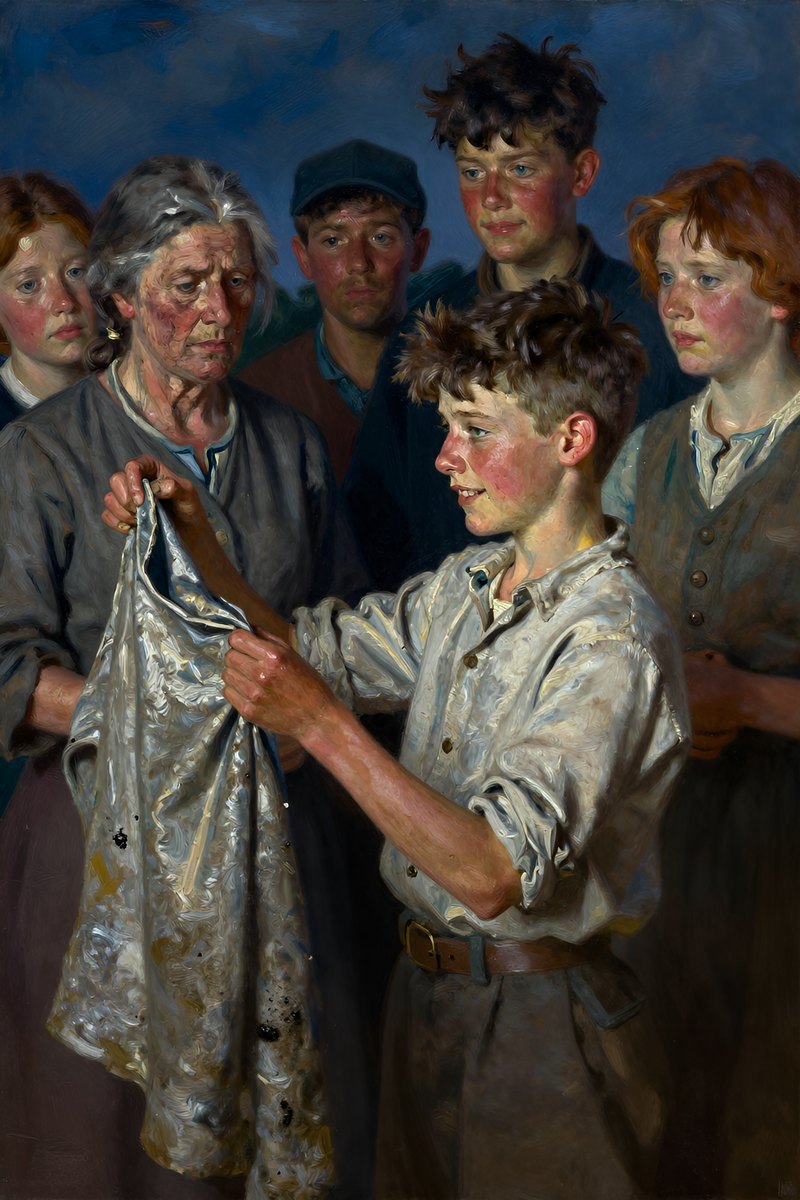
Huck said: “Tom, we can slope, if we can find a rope. The window ain’t high from the ground.”
“Shucks! what do you want to slope for?”
“Well, I ain’t used to that kind of a crowd. I can’t stand it. I ain’t going down there, Tom.”
“Oh, bother! It ain’t anything. I don’t mind it a bit. I’ll take care of you.”
Sid appeared.
“Tom,” said he, “auntie has been waiting for you all the afternoon. Mary got your Sunday clothes ready, and everybody’s been fretting about you.
Say—ain’t this grease and clay, on your clothes?”
“Now, Mr. Siddy, you jist ’tend to your own business. What’s all this blowout about, anyway?”
“It’s one of the widow’s parties that she’s always having. This time it’s for the Welshman and his sons, on account of that scrape they helped her out of the other night. And say—I can tell you something, if you want to know.”
“Well, what?”
“Why, old Mr. Jones is going to try to spring something on the people here tonight, but I overheard him tell auntie today about it, as a secret, but I reckon it’s not much of a secret now. Everybody knows—the widow, too, for all she tries to let on she don’t. Mr. Jones was bound Huck should be here—couldn’t get along with his grand secret without Huck, you know!”
“Secret about what, Sid?”
“About Huck tracking the robbers to the widow’s. I reckon Mr. Jones was going to make a grand time over his surprise, but I bet you it will drop pretty flat.”
Sid chuckled in a very contented and satisfied way.
“Sid, was it you that told?”
“Oh, never mind who it was. Somebody told—that’s enough.”
“Sid, there’s only one person in this town mean enough to do that, and that’s you. If you had been in Huck’s place you’d ’a’ sneaked down the hill and never told anybody on the robbers. You can’t do any but mean things, and you can’t bear to see anybody praised for doing good ones.
There—no thanks, as the widow says”—and Tom cuffed Sid’s ears and helped him to the door with several kicks. “Now go and tell auntie if you dare—and tomorrow you’ll catch it!”
Some minutes later the widow’s guests were at the supper-table, and a dozen children were propped up at little side-tables in the same room, after the fashion of that country and that day. At the proper time Mr.
Jones made his little speech, in which he thanked the widow for the honor she was doing himself and his sons, but said that there was another person whose modesty— And so forth and so on. He sprung his secret about Huck’s share in the adventure in the finest dramatic manner he was master of, but the surprise it occasioned was largely counterfeit and not as clamorous and effusive as it might have been under happier circumstances. However, the widow made a pretty fair show of astonishment, and heaped so many compliments and so much gratitude upon Huck that he almost forgot the nearly intolerable discomfort of his new clothes in the entirely intolerable discomfort of being set up as a target for everybody’s gaze and everybody’s laudations.
The widow said she meant to give Huck a home under her roof and have him educated; and that when she could spare the money she would start him in business in a modest way. Tom’s chance was come. He said:
“Huck don’t need it. Huck’s rich.”
Nothing but a heavy strain upon the good manners of the company kept back the due and proper complimentary laugh at this pleasant joke. But the silence was a little awkward. Tom broke it:
“Huck’s got money. Maybe you don’t believe it, but he’s got lots of it.
Oh, you needn’t smile—I reckon I can show you. You just wait a minute.”
Tom ran out of doors. The company looked at each other with a perplexed interest—and inquiringly at Huck, who was tongue-tied.
“Sid, what ails Tom?” said Aunt Polly. “He—well, there ain’t ever any making of that boy out. I never—”
Tom entered, struggling with the weight of his sacks, and Aunt Polly did not finish her sentence. Tom poured the mass of yellow coin upon the table and said:
“There—what did I tell you? Half of it’s Huck’s and half of it’s mine!”
The spectacle took the general breath away. All gazed, nobody spoke for a moment. Then there was a unanimous call for an explanation. Tom said he could furnish it, and he did. The tale was long, but brimful of interest. There was scarcely an interruption from any one to break the charm of its flow. When he had finished, Mr. Jones said:
“I thought I had fixed up a little surprise for this occasion, but it don’t amount to anything now. This one makes it sing mighty small, I’m willing to allow.”
The money was counted. The sum amounted to a little over twelve thousand dollars. It was more than any one present had ever seen at one time before, though several persons were there who were worth considerably more than that in property.
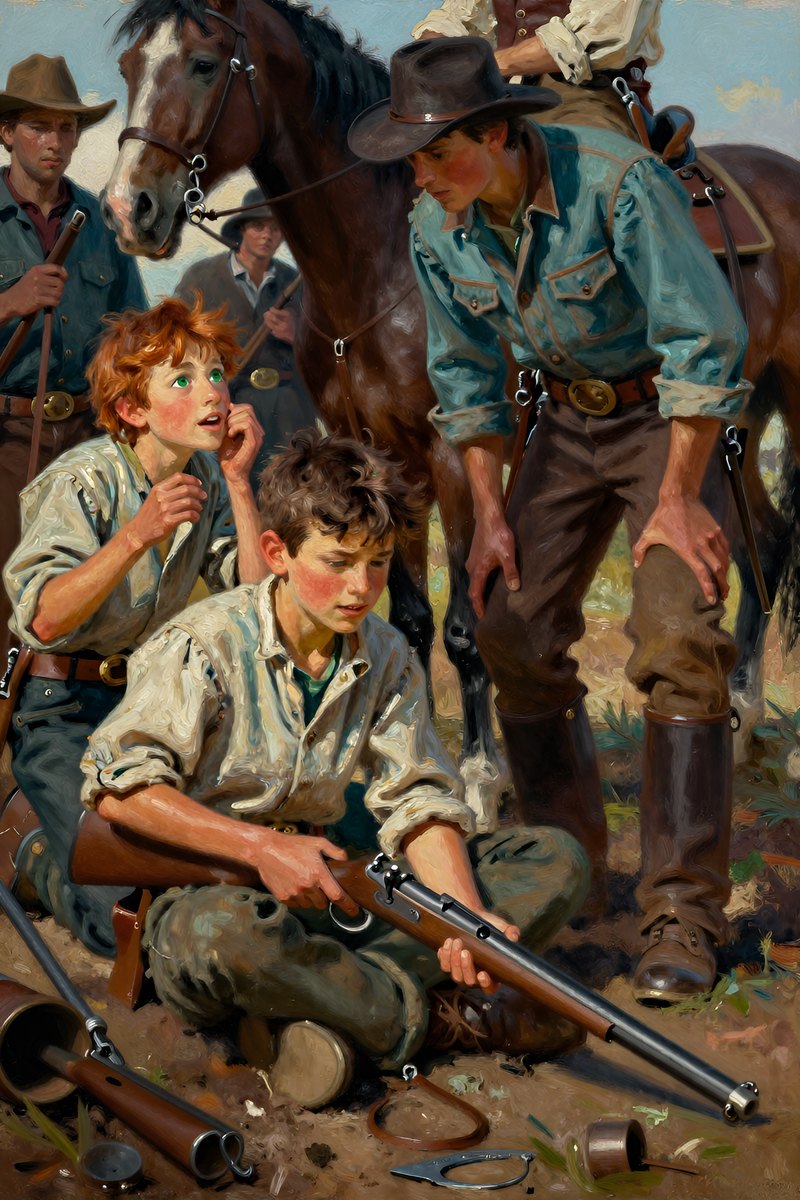
The reader may rest satisfied that Tom’s and Huck’s windfall made a mighty stir in the poor little village of St. Petersburg. So vast a sum, all in actual cash, seemed next to incredible. It was talked about, gloated over, glorified, until the reason of many of the citizens tottered under the strain of the unhealthy excitement. Every “haunted”
house in St. Petersburg and the neighboring villages was dissected, plank by plank, and its foundations dug up and ransacked for hidden treasure—and not by boys, but men—pretty grave, unromantic men, too, some of them. Wherever Tom and Huck appeared they were courted, admired, stared at. The boys were not able to remember that their remarks had possessed weight before; but now their sayings were treasured and repeated; everything they did seemed somehow to be regarded as remarkable; they had evidently lost the power of doing and saying commonplace things; moreover, their past history was raked up and discovered to bear marks of conspicuous originality. The village paper published biographical sketches of the boys.
The Widow Douglas put Huck’s money out at six per cent., and Judge Thatcher did the same with Tom’s at Aunt Polly’s request. Each lad had an income, now, that was simply prodigious—a dollar for every weekday in the year and half of the Sundays. It was just what the minister got—no, it was what he was promised—he generally couldn’t collect it. A dollar and a quarter a week would board, lodge, and school a boy in those old simple days—and clothe him and wash him, too, for that matter.
Judge Thatcher had conceived a great opinion of Tom. He said that no commonplace boy would ever have got his daughter out of the cave. When Becky told her father, in strict confidence, how Tom had taken her whipping at school, the Judge was visibly moved; and when she pleaded grace for the mighty lie which Tom had told in order to shift that whipping from her shoulders to his own, the Judge said with a fine outburst that it was a noble, a generous, a magnanimous lie—a lie that was worthy to hold up its head and march down through history breast to breast with George Washington’s lauded Truth about the hatchet! Becky thought her father had never looked so tall and so superb as when he walked the floor and stamped his foot and said that. She went straight off and told Tom about it.
Judge Thatcher hoped to see Tom a great lawyer or a great soldier some day. He said he meant to look to it that Tom should be admitted to the National Military Academy and afterward trained in the best law school in the country, in order that he might be ready for either career or both.
Huck Finn’s wealth and the fact that he was now under the Widow Douglas’
protection introduced him into society—no, dragged him into it, hurled him into it—and his sufferings were almost more than he could bear. The widow’s servants kept him clean and neat, combed and brushed, and they bedded him nightly in unsympathetic sheets that had not one little spot or stain which he could press to his heart and know for a friend. He had to eat with a knife and fork; he had to use napkin, cup, and plate; he had to learn his book, he had to go to church; he had to talk so properly that speech was become insipid in his mouth; whithersoever he turned, the bars and shackles of civilization shut him in and bound him hand and foot.
He bravely bore his miseries three weeks, and then one day turned up missing. For forty-eight hours the widow hunted for him everywhere in great distress. The public were profoundly concerned; they searched high and low, they dragged the river for his body. Early the third morning Tom Sawyer wisely went poking among some old empty hogsheads down behind the abandoned slaughter-house, and in one of them he found the refugee.
Huck had slept there; he had just breakfasted upon some stolen odds and ends of food, and was lying off, now, in comfort, with his pipe. He was unkempt, uncombed, and clad in the same old ruin of rags that had made him picturesque in the days when he was free and happy. Tom routed him out, told him the trouble he had been causing, and urged him to go home.
Huck’s face lost its tranquil content, and took a melancholy cast. He said:
“Don’t talk about it, Tom. I’ve tried it, and it don’t work; it don’t work, Tom. It ain’t for me; I ain’t used to it. The widder’s good to me, and friendly; but I can’t stand them ways. She makes me get up just at the same time every morning; she makes me wash, they comb me all to thunder; she won’t let me sleep in the woodshed; I got to wear them blamed clothes that just smothers me, Tom; they don’t seem to any air git through ’em, somehow; and they’re so rotten nice that I can’t set down, nor lay down, nor roll around anywher’s; I hain’t slid on a cellar-door for—well, it ’pears to be years; I got to go to church and sweat and sweat—I hate them ornery sermons! I can’t ketch a fly in there, I can’t chaw. I got to wear shoes all Sunday. The widder eats by a bell; she goes to bed by a bell; she gits up by a bell—everything’s so awful reg’lar a body can’t stand it.”
“Well, everybody does that way, Huck.”
“Tom, it don’t make no difference. I ain’t everybody, and I can’t stand it. It’s awful to be tied up so. And grub comes too easy—I don’t take no interest in vittles, that way. I got to ask to go a-fishing; I got to ask to go in a-swimming—dern’d if I hain’t got to ask to do everything. Well, I’d got to talk so nice it wasn’t no comfort—I’d got to go up in the attic and rip out awhile, every day, to git a taste in my mouth, or I’d a died, Tom. The widder wouldn’t let me smoke; she wouldn’t let me yell, she wouldn’t let me gape, nor stretch, nor scratch, before folks—” [Then with a spasm of special irritation and injury]—“And dad fetch it, she prayed all the time! I never see such a woman! I had to shove, Tom—I just had to. And besides, that school’s going to open, and I’d a had to go to it—well, I wouldn’t stand that, Tom. Looky-here, Tom, being rich ain’t what it’s cracked up to be. It’s just worry and worry, and sweat and sweat, and a-wishing you was dead all the time. Now these clothes suits me, and this bar’l suits me, and I ain’t ever going to shake ’em any more. Tom, I wouldn’t ever got into all this trouble if it hadn’t ’a’ been for that money; now you just take my sheer of it along with your’n, and gimme a ten-center sometimes—not many times, becuz I don’t give a dern for a thing ’thout it’s tollable hard to git—and you go and beg off for me with the widder.”
“Oh, Huck, you know I can’t do that. ’Tain’t fair; and besides if you’ll try this thing just a while longer you’ll come to like it.”
“Like it! Yes—the way I’d like a hot stove if I was to set on it long enough. No, Tom, I won’t be rich, and I won’t live in them cussed smothery houses. I like the woods, and the river, and hogsheads, and I’ll stick to ’em, too. Blame it all! just as we’d got guns, and a cave, and all just fixed to rob, here this dern foolishness has got to come up and spile it all!”
Tom saw his opportunity— “Lookyhere, Huck, being rich ain’t going to keep me back from turning robber.”
“No! Oh, good-licks; are you in real dead-wood earnest, Tom?”
“Just as dead earnest as I’m sitting here. But Huck, we can’t let you into the gang if you ain’t respectable, you know.”
Huck’s joy was quenched.
“Can’t let me in, Tom? Didn’t you let me go for a pirate?”
“Yes, but that’s different. A robber is more high-toned than what a pirate is—as a general thing. In most countries they’re awful high up in the nobility—dukes and such.”
“Now, Tom, hain’t you always ben friendly to me? You wouldn’t shet me out, would you, Tom? You wouldn’t do that, now, would you, Tom?”
“Huck, I wouldn’t want to, and I don’t want to—but what would people say? Why, they’d say, ‘Mph! Tom Sawyer’s Gang! pretty low characters in it!’ They’d mean you, Huck. You wouldn’t like that, and I wouldn’t.”
Huck was silent for some time, engaged in a mental struggle. Finally he said:
“Well, I’ll go back to the widder for a month and tackle it and see if I can come to stand it, if you’ll let me b’long to the gang, Tom.”
“All right, Huck, it’s a whiz! Come along, old chap, and I’ll ask the widow to let up on you a little, Huck.”
“Will you, Tom—now will you? That’s good. If she’ll let up on some of the roughest things, I’ll smoke private and cuss private, and crowd through or bust. When you going to start the gang and turn robbers?”
“Oh, right off. We’ll get the boys together and have the initiation tonight, maybe.”
“Have the which?”
“Have the initiation.”
“What’s that?”
“It’s to swear to stand by one another, and never tell the gang’s secrets, even if you’re chopped all to flinders, and kill anybody and all his family that hurts one of the gang.”
“That’s gay—that’s mighty gay, Tom, I tell you.”
“Well, I bet it is. And all that swearing’s got to be done at midnight, in the lonesomest, awfulest place you can find—a ha’nted house is the best, but they’re all ripped up now.”
“Well, midnight’s good, anyway, Tom.”
“Yes, so it is. And you’ve got to swear on a coffin, and sign it with blood.”
“Now, that’s something like! Why, it’s a million times bullier than pirating. I’ll stick to the widder till I rot, Tom; and if I git to be a reg’lar ripper of a robber, and everybody talking ’bout it, I reckon she’ll be proud she snaked me in out of the wet.”
CONCLUSION So endeth this chronicle. It being strictly a history of a boy, it must stop here; the story could not go much further without becoming the history of a man. When one writes a novel about grown people, he knows exactly where to stop—that is, with a marriage; but when he writes of juveniles, he must stop where he best can.
Most of the characters that perform in this book still live, and are prosperous and happy. Some day it may seem worth while to take up the story of the younger ones again and see what sort of men and women they turned out to be; therefore it will be wisest not to reveal any of that part of their lives at present.
1. In what way does the author's writing style shape the reader's experience of the book? Answer: Twain writes in a warm, ironic narrative voice that frequently steps outside the story to comment on boyhood, adult hypocrisy, and small-town custom, as when he pauses over the tedium of the Sunday-school superintendent's speech or the minister's long prayer. This blend of affectionate humor and gentle satire lets readers laugh at the town's pretensions while still caring about Tom. The style keeps the book feeling like both a nostalgic memoir and a comic tale.
2. Why is the narrative point of view important to understanding "The Adventures of Tom Sawyer, Complete"? Answer: The book is told by an adult narrator looking back on childhood, which allows Twain to render Tom's boyish logic sympathetically while also noting, from an adult vantage, how absurd or touching that logic really is. This double perspective explains why scenes like the whitewashing of the fence or Tom's daydreams of his own funeral can be funny and poignant at once. The narrator's occasional direct address to the reader reinforces this reflective, storytelling stance.
3. How does Mark Twain develop the tone of the narrative throughout the story? Answer: The tone shifts from light comedy in the early chapters, built around pranks, courtship games, and school mischief, to genuine suspense and dread once Tom and Huck witness the murder in the graveyard. By the cave sequence near the end, the tone has moved into real peril, though Twain still allows humor, as with the Cadets of Temperance episode, to punctuate the darker turns. This movement from playful to perilous and back again mirrors Tom's own growth across the book.
4. In what way does the pivotal turning point shape the reader's experience of the book? Answer: The murder Tom and Huck witness in the graveyard, and Injun Joe's framing of Muff Potter, turns the story from a series of boyhood pranks into a tale with real moral stakes. From that point on, the reader watches Tom wrestle with guilt and fear alongside his usual mischief, which deepens sympathy for him. It also sets up the later courtroom testimony and the cave confrontation as consequences of that single night.
5. In what way does the closing chapter shape the reader's experience of the book? Answer: The final chapter resolves the treasure plot with the boys' wealth invested by Judge Thatcher, and it turns attention to Huck's discomfort with being "civilized" by the Widow Douglas. Tom's promise to let Huck join his robber gang if he stays respectable gives the ending a comic, open-ended feel rather than a tidy moral close. The reader leaves the book sensing more adventures are still ahead for both boys.
6. What can you say about the story's themes in "The Adventures of Tom Sawyer, Complete"? Answer: The novel explores the tension between freedom and respectability, seen in the contrast between Huck's unsupervised life and the rules imposed on Tom by Aunt Polly and the church. It also examines guilt and conscience, especially through Tom's inner struggle over Muff Potter's unjust arrest. Superstition, boyhood imagination, and the gap between childhood play and adult society run throughout as well.
7. In what way does the secondary characters shape the reader's experience of the book? Answer: Characters like Huck Finn, Joe Harper, and Aunt Polly give texture to Tom's world, each representing a different pull on him, whether toward lawless freedom, loyal friendship, or domestic duty. Injun Joe supplies the story's genuine menace, while Becky Thatcher drives much of Tom's emotional life and his eventual heroism in the cave. These figures let Twain show different sides of the small-town setting beyond Tom's own perspective.
8. What can you say about the relationships between characters in "The Adventures of Tom Sawyer, Complete"? Answer: Tom's bond with Huck is built on shared mischief and loyalty, most visible when they make a blood oath to keep Injun Joe's crime secret and later when they search for treasure together. His relationship with Aunt Polly mixes real affection with exasperation, as she struggles between discipline and tenderness toward her sister's orphaned son. His romance with Becky Thatcher moves through jealousy, estrangement, and reconciliation, culminating in his protecting her inside McDougal's Cave.
9. In what way does the central conflict shape the reader's experience of the book? Answer: The central conflict pits Tom's conscience against his fear of Injun Joe, since testifying honestly about the murder means endangering himself but also freeing an innocent man. This conflict gives weight to Tom's otherwise playful character and explains his courage later in the cave and courtroom. It also creates the suspense that carries the second half of the novel toward Injun Joe's death and the treasure's recovery.
10. In what way does the reader's emotional response shape the reader's experience of the book? Answer: Readers are meant to feel the same swing between amusement and anxiety that Tom feels, laughing at his tricks in early chapters and then sharing his dread once he becomes tangled in Injun Joe's crime. The scenes of the boys presumed drowned, and their surprise return during their own funeral, are engineered to produce both worry and relief in quick succession. This emotional rhythm keeps the reader invested in Tom's fate even as the plot ranges from comic to dangerous.
11. How does Mark Twain develop the secondary characters throughout the story? Answer: Huck Finn develops from a purely comic "juvenile pariah" figure into a genuine hero when he tracks Injun Joe and saves the Widow Douglas from harm. Aunt Polly is shown consistently torn between strict duty and love, softening at moments like Tom's supposed death and hardening again when she suspects mischief. Injun Joe, introduced almost incidentally in the graveyard scene, becomes the novel's clearest villain, his motives of revenge explained gradually as the plot advances.
12. In what way does the cultural significance of the work shape the reader's experience of the book? Answer: As one of the best-known portraits of small-town American boyhood along the Mississippi River, the novel shapes reader expectations of the "classic" adventure tale, with whitewashing a fence and searching for buried treasure becoming iconic scenes. Its setting in antebellum Missouri also invites readers to notice the social order of the period, including the presence of enslaved and free Black characters like Jim on the margins of Tom's world. Its status as a foundational American novel means readers often approach it already aware of its most famous episodes.
Mark Twain published The Adventures of Tom Sawyer in 1876, a decade after the end of the Civil War, at a moment when the United States was reckoning with reconstruction, rapid industrialization, and a search for a literary voice distinct from European models. This period, often called the Gilded Age, was marked by expansion, commercial ambition, and a growing appetite for stories that captured the texture of everyday American life rather than imitating the manners of English or Continental fiction. Twain, already known for the sharp, colloquial humor of works like The Innocents Abroad and Roughing It, brought that same regional voice to a work of sustained fiction set in his own remembered boyhood.
The novel's setting, the fictional St. Petersburg, draws directly on Twain's childhood in Hannibal, Missouri, along the Mississippi River. In his preface, Twain places the story roughly thirty or forty years before its publication, situating it in the antebellum South of the 1830s and 1840s, before the war that had so recently reshaped the country. This choice allowed Twain to write about a world of enslaved and free Black townspeople, rigid religious custom, and small-town social hierarchy from the vantage point of a nation already transformed by emancipation and industrial growth. The cultural forces shaping the book include a strong contemporary interest in regional and "local color" writing, which prized authentic dialect and place over ornate literary convention, as well as a sentimental fondness, common in the period, for stories of boyhood innocence set against the backdrop of a vanishing rural America.
Within Twain's larger body of work, Tom Sawyer occupies a transitional place. It follows his early success as a travel writer and platform humorist and marks his turn toward long-form narrative fiction grounded in a fixed, imagined community rather than the shifting geography of a travelogue. It also serves as the direct predecessor to Adventures of Huckleberry Finn, which grew out of a minor character here and eventually surpassed Tom Sawyer in the seriousness of its moral and social concerns, particularly regarding slavery and conscience. Read alongside Life on the Mississippi, Tom Sawyer forms part of a loose trilogy of works in which Twain returns again and again to the river, to boyhood, and to the particular textures of Missouri life, treating that world with a mixture of nostalgia and clear-eyed satire.
What makes the novel significant beyond its own moment is its role in establishing an American vernacular voice in fiction, one built from regional speech, folk superstition, and the rhythms of childhood play rather than inherited literary formality. Its portrait of boyhood, oscillating between comic mischief and real moral weight, as in Tom's crisis of conscience over Muff Potter, helped set a template for how American writers would treat childhood as a subject worthy of serious literary attention. The book's continued presence in classrooms and its status as a touchstone of American regional writing reflect this lasting influence, even as later readers have brought more critical attention to its treatment of race and its idealized version of the antebellum South.
Twain's craft in The Adventures of Tom Sawyer is most visible in scenes where a simple domestic or childhood moment is stretched out and examined until it reveals something larger about character or society. The fence-whitewashing episode in Chapter II is the clearest instance. Twain lingers over Tom's initial despair at the thirty yards of board fence, then slows the pacing further to trace, boy by boy, how Tom converts a punishment into a coveted privilege, ending with him "literally rolling in wealth" in marbles and trinkets. The scene works through patient accumulation rather than a single punchline; each new boy who arrives and is talked into paying for the chance to whitewash adds another turn to the joke, and Twain's aside about the "great law of human action" he has Tom stumble upon without knowing it turns a boyish trick into a small essay on the nature of work and desire. The craft here lies in restraint: Twain never states the irony outright until the very end, trusting the accumulated comic detail to carry the reader there first.
A different kind of control appears in the graveyard scene of Chapter IX, where Tom and Huck witness the murder of Dr. Robinson. Twain shifts his sentence rhythms from the loose, conversational cadences of the boys' earlier dialogue into shorter, more clipped observation, mirroring their terror and the need for silence. The tonal pivot is abrupt by design; readers who have spent eight chapters laughing at pranks and courtships are suddenly asked to feel real dread, and Twain achieves this less through explicit description of violence than through the boys' physical stillness and enforced silence, which the prose itself performs by slowing down and narrowing its focus to small, exact details.
The novel's narrative structure depends on this oscillation between comic set piece and genuine peril, and its voice, an adult narrator recalling boyhood with equal parts affection and irony, is what makes the shifts bearable rather than jarring. The narrator never abandons the boy's-eye view entirely, even in frightening scenes, but he also never lets the reader forget that an older, wiser perspective is shaping the account, as in his dry commentary on adult vanity during the Sunday-school exhibition in Chapter IV.
Setting functions similarly as both comic backdrop and site of real danger; McDougal's Cave, introduced almost casually during the picnic excursion, is transformed by the later chapters into the location of Tom and Becky's near-death and Injun Joe's actual death, showing how Twain repurposes a single place for radically different narrative effects. Characterization, too, relies on this doubling, since Tom is drawn consistently as vain, imaginative, and self-dramatizing, whether he is staging his own funeral or defending Becky before the schoolmaster, so that his eventual courage in the courtroom and the cave grows out of traits already established in his lighter mischief rather than arriving as a sudden transformation.
What distinguishes Twain's technique overall is this refusal to separate comedy from consequence, allowing a single scene, sentence, or set of character traits to serve both purposes without strain.
Beneath its whitewashed fences and buried treasure, The Adventures of Tom Sawyer is not a book about boyhood mischief. It is a book about the manufacture of innocence, and about a community that needs Tom's performances of virtue and heroism far more than Tom needs to actually possess them. Every triumph in this novel is staged, and every audience is complicit in believing the stagecraft.
Consider what actually happens when Tom "earns" his Bible in Chapter IV. He has not memorized two thousand verses of Scripture; he has traded whitewashing privileges for tickets, converting other boys' labor into the appearance of his own piety. The town does not merely fail to notice the fraud. Mr. Walters, the superintendent, senses something is wrong and delivers the prize anyway, because the ceremony of reward matters more to the community than the truth behind it. This is not an isolated joke. It is the operating principle of the entire book. The Sore Truth Is: St. Petersburg does not want honest boys. It wants convincing performances of honesty, courage, and piety, and it will reward whichever boy stages those performances most persuasively.
Tom's greatest triumphs confirm this. His return from Jackson's Island is not simply a homecoming; it is a resurrection engineered for maximum theatrical effect, timed to interrupt his own funeral. He could reveal himself to Aunt Polly quietly, sparing her days of grief he already knows about, since he has secretly visited home and watched her mourn. He chooses spectacle over mercy. Later, his courtroom testimony against Injun Joe is genuinely brave, yet Twain is careful to show the town transforming that single act into permanent hero status, as though one truthful moment erases years of small deceptions and washes Tom clean in the town's eyes. The community needs a hero more than it needs consistent honesty, and Tom, whatever his private guilt, understands exactly how to supply one.
Even Huck's arc confirms the pattern rather than complicating it. His genuine heroism in saving the Widow Douglas earns him not simple gratitude but forced adoption into "civilized" life, complete with shoes, manners, and a fortune he did not ask for. The town cannot simply thank Huck; it must absorb him into its performance of respectability, converting his authentic, unglamorous courage into another occasion for communal self-congratulation. Tom's final solution, promising Huck a place in a robber gang if he endures civilization, is not a rejection of the town's hypocrisy but a shrewd accommodation of it, since Tom has already mastered the art of performing respectability while privately keeping his freedom intact.
Twain does not condemn this outright, and that restraint is itself the sharpest edge of the book. He lets the reader laugh at the whitewashed fence and the gilded schoolmaster's head without insisting that we see the pattern beneath them, trusting that the accumulation of these small frauds will eventually indict the whole town's appetite for appearances over substance.
Therefore, thusly: Tom Sawyer endures not because it celebrates boyhood innocence, but because it exposes, gently and repeatedly, how thoroughly a community will reward the performance of virtue over virtue itself.
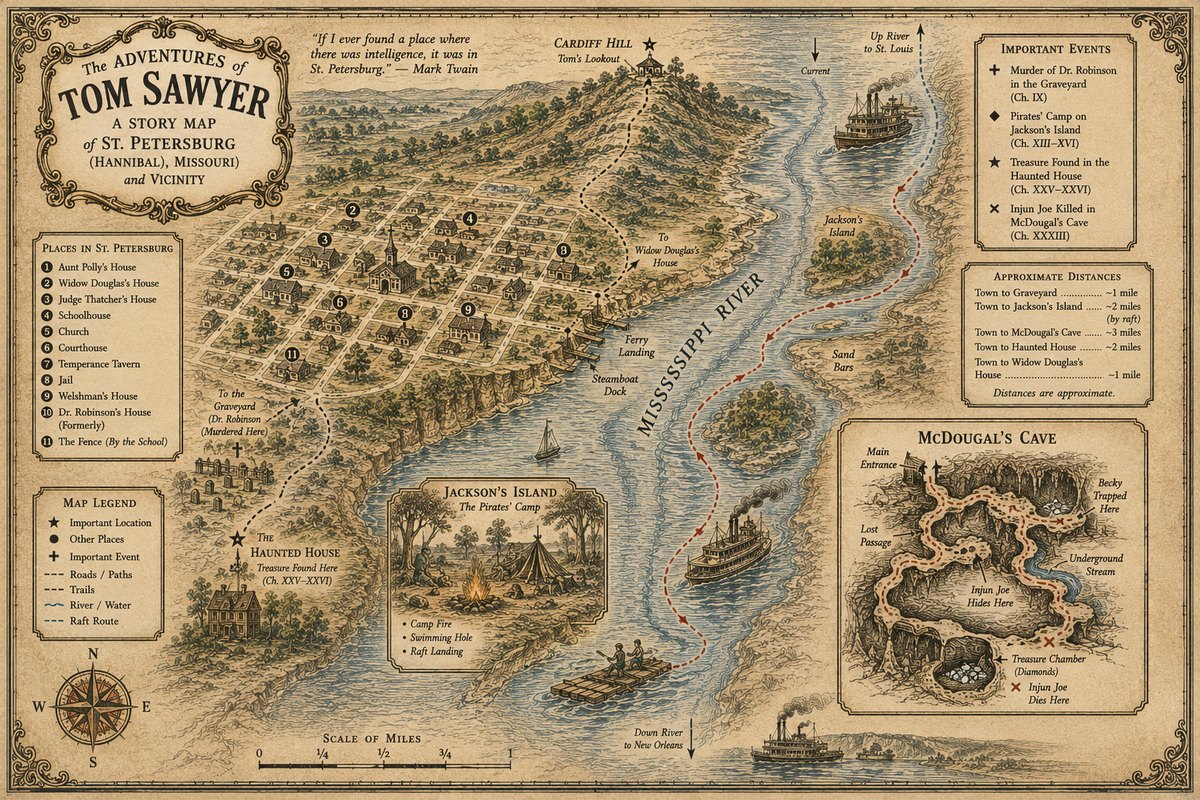
SECTION 1: KEY LOCATIONS Aunt Polly's House and Garden Real-world equivalent: Modeled on Twain's own childhood home in Hannibal, Missouri. Description: A modest household containing "bedroom, breakfast-room, dining-room, and library, combined" in one rearward apartment, with a garden of tomato vines and jimson weeds behind it. It is the site of Tom's earliest mischief, from stealing jam to escaping over the fence after Aunt Polly catches him. Significance: This is Tom's home base and the seat of the domestic authority he constantly negotiates or evades; nearly every scheme in the opening chapters begins or ends here.
The Board Fence Real-world equivalent: A generic backyard fence, not tied to a specific real location. Description: Thirty yards of board fence, nine feet high, which Aunt Polly assigns Tom to whitewash as punishment. Tom transforms it from a site of drudgery into a stage for his cleverest scheme, convincing other boys to pay him for the privilege of doing his work. Significance: The fence-painting episode in Chapter II is the novel's most famous demonstration of Tom's ingenuity and establishes the "law" that Twain uses to explain Tom's psychology throughout the book.
The Village Square Real-world equivalent: The public square of Hannibal, Missouri, as Twain remembered it. Description: An open space where the boys' mock "military" companies, led by Tom and Joe Harper as rival generals, meet for staged battles. It represents the public, communal space of the village outside the home and school. Significance: This is where Tom first spots the girl from Jeff Thatcher's garden, linking the square's boyish war games to the beginning of his romantic pursuits.
Jeff Thatcher's House and Garden Real-world equivalent: No specific real-world counterpart; part of the fictional St. Petersburg. Description: A house Tom passes on his way home, where he first glimpses the golden-haired girl who briefly displaces Amy Lawrence in his affections. The garden setting, with its fence and pansy flower, frames Tom's exaggerated, theatrical courtship display. Significance: This location introduces the girl who becomes Becky Thatcher, setting up the romantic plot that runs through much of the book's first half.
The Village Church Real-world equivalent: Based on the small Protestant churches typical of antebellum Missouri towns. Description: A "small, plain affair" with pews seating about three hundred people and a pine-board steeple, used for both Sunday school and the main worship service. It hosts the ticket-trading and Bible-prize scenes as well as the pinchbug-and-poodle episode during the sermon. Significance: The church setting allows Twain to satirize adult piety and performance, and it becomes the site of one of the novel's most celebrated later scenes, the boys' return during their own funeral.
The Schoolhouse Real-world equivalent: A one-room frame schoolhouse typical of the period. Description: A small, "isolated frame school-house" presided over by a strict master in a "great splint-bottom arm-chair." It is where Tom is punished for lateness by being seated with the girls, placing him beside Becky Thatcher for the first time. Significance: The school is the setting for the beginning of Tom and Becky's relationship and for recurring conflicts between Tom's restless imagination and institutional discipline.
Cardiff Hill and the Douglas Mansion Real-world equivalent: Likely inspired by a hill overlooking Hannibal. Description: A green hill above the village, described as a "Delectable Land, dreamy, reposeful, and inviting," with the Widow Douglas's mansion at its summit. Tom passes behind it while fleeing deeper into the woods after his falling-out with Becky. Significance: The hill marks the boundary between the village proper and the wilder, more solitary spaces Tom retreats to, and the Widow Douglas's home here anticipates her later importance in the novel.
The Dense Wood Real-world equivalent: Likely drawn from the wooded areas surrounding Hannibal. Description: An isolated patch of forest where Tom sits beneath a spreading oak, brooding over his rejection by Becky and slipping into fantasies of death, heroism, and piracy. The setting is described as still and heavy with heat, matching Tom's melancholy mood. Significance: This is where Tom settles on his identity as a pirate, directly leading to the Jackson's Island adventure later in the book.
SECTION 2: DESCRIPTIVE GEOGRAPHY The world of The Adventures of Tom Sawyer is a small Mississippi River village called St. Petersburg, modeled closely on Twain's own boyhood home of Hannibal, Missouri, and set some three or four decades before the time of the book's writing, placing it in the antebellum South of the 1830s and 1840s. The town is compact and self-contained, with its church, schoolhouse, and town square all within easy walking distance of Aunt Polly's house, so that the boys' entire social world can be traversed on foot in a single afternoon. Cardiff Hill rises above the village to the north, offering both a physical vantage point over the town and, in these early chapters, a threshold into wilder, less supervised territory.
The climate is warm and languid, dominated by long summer days that Twain uses to reinforce the tension between freedom and obligation running through the book: the "bright and fresh" Saturday morning that opens the whitewashing episode, and the "utterly dead" heat of the woods where Tom broods, both reflect a physical environment that seems to invite idleness and daydreaming even as school, church, and chores demand discipline. This geography, small enough for every character to know every other, and open enough at its edges to offer real escape into hill, wood, and eventually river, shapes the plot's recurring rhythm of boys slipping out of supervised space into freer territory, a pattern that begins with the fence and the woods in these early chapters and expands dramatically once the story moves to Jackson's Island and the Mississippi itself.
PART 2
Adventures of Huckleberry Finn - Revised Illustrated Edition
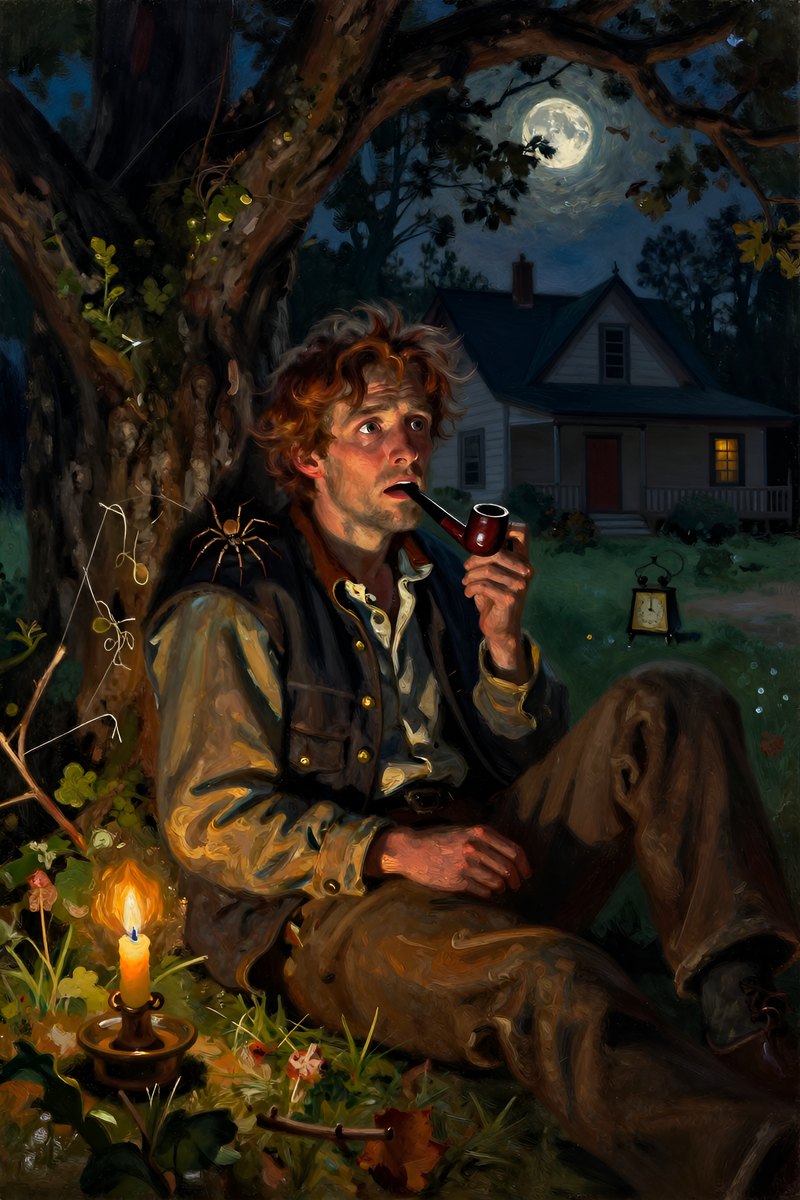
You don’t know about me without you have read a book by the name of The Adventures of Tom Sawyer; but that ain’t no matter. That book was made by Mr. Mark Twain, and he told the truth, mainly. There was things which he stretched, but mainly he told the truth. That is nothing. I never seen anybody but lied one time or another, without it was Aunt Polly, or the widow, or maybe Mary. Aunt Polly—Tom’s Aunt Polly, she is—and Mary, and the Widow Douglas is all told about in that book, which is mostly a true book, with some stretchers, as I said before.
Now the way that the book winds up is this: Tom and me found the money that the robbers hid in the cave, and it made us rich. We got six thousand dollars apiece—all gold. It was an awful sight of money when it was piled up. Well, Judge Thatcher he took it and put it out at interest, and it fetched us a dollar a day apiece all the year round—more than a body could tell what to do with. The Widow Douglas she took me for her son, and allowed she would sivilize me; but it was rough living in the house all the time, considering how dismal regular and decent the widow was in all her ways; and so when I couldn’t stand it no longer I lit out. I got into my old rags and my sugar-hogshead again, and was free and satisfied. But Tom Sawyer he hunted me up and said he was going to start a band of robbers, and I might join if I would go back to the widow and be respectable. So I went back.
The widow she cried over me, and called me a poor lost lamb, and she called me a lot of other names, too, but she never meant no harm by it.
She put me in them new clothes again, and I couldn’t do nothing but sweat and sweat, and feel all cramped up. Well, then, the old thing commenced again. The widow rung a bell for supper, and you had to come to time. When you got to the table you couldn’t go right to eating, but you had to wait for the widow to tuck down her head and grumble a little over the victuals, though there warn’t really anything the matter with them,—that is, nothing only everything was cooked by itself. In a barrel of odds and ends it is different; things get mixed up, and the juice kind of swaps around, and the things go better.
After supper she got out her book and learned me about Moses and the Bulrushers, and I was in a sweat to find out all about him; but by-and-by she let it out that Moses had been dead a considerable long time; so then I didn’t care no more about him, because I don’t take no stock in dead people.
Pretty soon I wanted to smoke, and asked the widow to let me. But she wouldn’t. She said it was a mean practice and wasn’t clean, and I must try to not do it any more. That is just the way with some people. They get down on a thing when they don’t know nothing about it. Here she was a-bothering about Moses, which was no kin to her, and no use to anybody, being gone, you see, yet finding a power of fault with me for doing a thing that had some good in it. And she took snuff, too; of course that was all right, because she done it herself.
Her sister, Miss Watson, a tolerable slim old maid, with goggles on, had just come to live with her, and took a set at me now with a spelling-book. She worked me middling hard for about an hour, and then the widow made her ease up. I couldn’t stood it much longer. Then for an hour it was deadly dull, and I was fidgety. Miss Watson would say, “Don’t put your feet up there, Huckleberry;” and “Don’t scrunch up like that, Huckleberry—set up straight;” and pretty soon she would say, “Don’t gap and stretch like that, Huckleberry—why don’t you try to behave?” Then she told me all about the bad place, and I said I wished I was there. She got mad then, but I didn’t mean no harm. All I wanted was to go somewheres; all I wanted was a change, I warn’t particular.
She said it was wicked to say what I said; said she wouldn’t say it for the whole world; she was going to live so as to go to the good place.
Well, I couldn’t see no advantage in going where she was going, so I made up my mind I wouldn’t try for it. But I never said so, because it would only make trouble, and wouldn’t do no good.
Now she had got a start, and she went on and told me all about the good place. She said all a body would have to do there was to go around all day long with a harp and sing, forever and ever. So I didn’t think much of it. But I never said so. I asked her if she reckoned Tom Sawyer would go there, and she said not by a considerable sight. I was glad about that, because I wanted him and me to be together.
Miss Watson she kept pecking at me, and it got tiresome and lonesome.
By-and-by they fetched the niggers in and had prayers, and then everybody was off to bed. I went up to my room with a piece of candle, and put it on the table. Then I set down in a chair by the window and tried to think of something cheerful, but it warn’t no use. I felt so lonesome I most wished I was dead. The stars were shining, and the leaves rustled in the woods ever so mournful; and I heard an owl, away off, who-whooing about somebody that was dead, and a whippowill and a dog crying about somebody that was going to die; and the wind was trying to whisper something to me, and I couldn’t make out what it was, and so it made the cold shivers run over me. Then away out in the woods I heard that kind of a sound that a ghost makes when it wants to tell about something that’s on its mind and can’t make itself understood, and so can’t rest easy in its grave, and has to go about that way every night grieving. I got so down-hearted and scared I did wish I had some company. Pretty soon a spider went crawling up my shoulder, and I flipped it off and it lit in the candle; and before I could budge it was all shriveled up. I didn’t need anybody to tell me that that was an awful bad sign and would fetch me some bad luck, so I was scared and most shook the clothes off of me. I got up and turned around in my tracks three times and crossed my breast every time; and then I tied up a little lock of my hair with a thread to keep witches away. But I hadn’t no confidence. You do that when you’ve lost a horseshoe that you’ve found, instead of nailing it up over the door, but I hadn’t ever heard anybody say it was any way to keep off bad luck when you’d killed a spider.
I set down again, a-shaking all over, and got out my pipe for a smoke; for the house was all as still as death now, and so the widow wouldn’t know. Well, after a long time I heard the clock away off in the town go boom—boom—boom—twelve licks; and all still again—stiller than ever.
Pretty soon I heard a twig snap down in the dark amongst the trees—something was a stirring. I set still and listened. Directly I could just barely hear a “me-yow! me-yow!” down there. That was good!
Says I, “me-yow! me-yow!” as soft as I could, and then I put out the light and scrambled out of the window on to the shed. Then I slipped down to the ground and crawled in among the trees, and, sure enough, there was Tom Sawyer waiting for me.
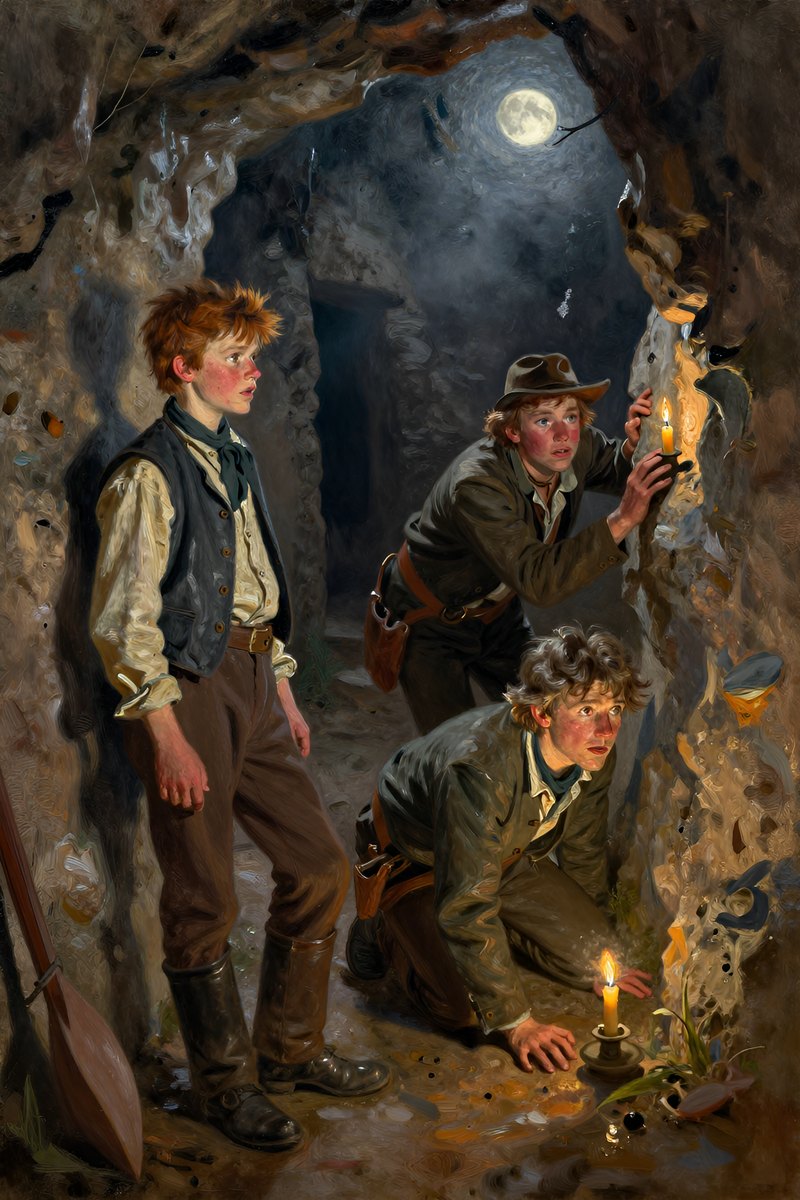
We went tiptoeing along a path amongst the trees back towards the end of the widow’s garden, stooping down so as the branches wouldn’t scrape our heads. When we was passing by the kitchen I fell over a root and made a noise. We scrouched down and laid still. Miss Watson’s big nigger, named Jim, was setting in the kitchen door; we could see him pretty clear, because there was a light behind him. He got up and stretched his neck out about a minute, listening. Then he says:
“Who dah?”
He listened some more; then he come tiptoeing down and stood right between us; we could a touched him, nearly. Well, likely it was minutes and minutes that there warn’t a sound, and we all there so close together. There was a place on my ankle that got to itching, but I dasn’t scratch it; and then my ear begun to itch; and next my back, right between my shoulders. Seemed like I’d die if I couldn’t scratch.
Well, I’ve noticed that thing plenty times since. If you are with the quality, or at a funeral, or trying to go to sleep when you ain’t sleepy—if you are anywheres where it won’t do for you to scratch, why you will itch all over in upwards of a thousand places. Pretty soon Jim says:
“Say, who is you? Whar is you? Dog my cats ef I didn’ hear sumf’n.
Well, I know what I’s gwyne to do: I’s gwyne to set down here and listen tell I hears it agin.”
So he set down on the ground betwixt me and Tom. He leaned his back up against a tree, and stretched his legs out till one of them most touched one of mine. My nose begun to itch. It itched till the tears come into my eyes. But I dasn’t scratch. Then it begun to itch on the inside. Next I got to itching underneath. I didn’t know how I was going to set still. This miserableness went on as much as six or seven minutes; but it seemed a sight longer than that. I was itching in eleven different places now. I reckoned I couldn’t stand it more’n a minute longer, but I set my teeth hard and got ready to try. Just then Jim begun to breathe heavy; next he begun to snore—and then I was pretty soon comfortable again.
Tom he made a sign to me—kind of a little noise with his mouth—and we went creeping away on our hands and knees. When we was ten foot off Tom whispered to me, and wanted to tie Jim to the tree for fun. But I said no; he might wake and make a disturbance, and then they’d find out I warn’t in. Then Tom said he hadn’t got candles enough, and he would slip in the kitchen and get some more. I didn’t want him to try. I said Jim might wake up and come. But Tom wanted to resk it; so we slid in there and got three candles, and Tom laid five cents on the table for pay. Then we got out, and I was in a sweat to get away; but nothing would do Tom but he must crawl to where Jim was, on his hands and knees, and play something on him. I waited, and it seemed a good while, everything was so still and lonesome.
As soon as Tom was back we cut along the path, around the garden fence, and by-and-by fetched up on the steep top of the hill the other side of the house. Tom said he slipped Jim’s hat off of his head and hung it on a limb right over him, and Jim stirred a little, but he didn’t wake.
Afterwards Jim said the witches bewitched him and put him in a trance, and rode him all over the State, and then set him under the trees again, and hung his hat on a limb to show who done it. And next time Jim told it he said they rode him down to New Orleans; and, after that, every time he told it he spread it more and more, till by-and-by he said they rode him all over the world, and tired him most to death, and his back was all over saddle-boils. Jim was monstrous proud about it, and he got so he wouldn’t hardly notice the other niggers. Niggers would come miles to hear Jim tell about it, and he was more looked up to than any nigger in that country. Strange niggers would stand with their mouths open and look him all over, same as if he was a wonder.
Niggers is always talking about witches in the dark by the kitchen fire; but whenever one was talking and letting on to know all about such things, Jim would happen in and say, “Hm! What you know ’bout witches?” and that nigger was corked up and had to take a back seat.
Jim always kept that five-center piece round his neck with a string, and said it was a charm the devil give to him with his own hands, and told him he could cure anybody with it and fetch witches whenever he wanted to just by saying something to it; but he never told what it was he said to it. Niggers would come from all around there and give Jim anything they had, just for a sight of that five-center piece; but they wouldn’t touch it, because the devil had had his hands on it. Jim was most ruined for a servant, because he got stuck up on account of having seen the devil and been rode by witches.
Well, when Tom and me got to the edge of the hilltop we looked away down into the village and could see three or four lights twinkling, where there was sick folks, maybe; and the stars over us was sparkling ever so fine; and down by the village was the river, a whole mile broad, and awful still and grand. We went down the hill and found Jo Harper and Ben Rogers, and two or three more of the boys, hid in the old tanyard. So we unhitched a skiff and pulled down the river two mile and a half, to the big scar on the hillside, and went ashore.
We went to a clump of bushes, and Tom made everybody swear to keep the secret, and then showed them a hole in the hill, right in the thickest part of the bushes. Then we lit the candles, and crawled in on our hands and knees. We went about two hundred yards, and then the cave opened up. Tom poked about amongst the passages, and pretty soon ducked under a wall where you wouldn’t a noticed that there was a hole. We went along a narrow place and got into a kind of room, all damp and sweaty and cold, and there we stopped. Tom says:
“Now, we’ll start this band of robbers and call it Tom Sawyer’s Gang.
Everybody that wants to join has got to take an oath, and write his name in blood.”
Everybody was willing. So Tom got out a sheet of paper that he had wrote the oath on, and read it. It swore every boy to stick to the band, and never tell any of the secrets; and if anybody done anything to any boy in the band, whichever boy was ordered to kill that person and his family must do it, and he mustn’t eat and he mustn’t sleep till he had killed them and hacked a cross in their breasts, which was the sign of the band. And nobody that didn’t belong to the band could use that mark, and if he did he must be sued; and if he done it again he must be killed. And if anybody that belonged to the band told the secrets, he must have his throat cut, and then have his carcass burnt up and the ashes scattered all around, and his name blotted off of the list with blood and never mentioned again by the gang, but have a curse put on it and be forgot forever.
Everybody said it was a real beautiful oath, and asked Tom if he got it out of his own head. He said, some of it, but the rest was out of pirate-books and robber-books, and every gang that was high-toned had it.
Some thought it would be good to kill the families of boys that told the secrets. Tom said it was a good idea, so he took a pencil and wrote it in. Then Ben Rogers says:
“Here’s Huck Finn, he hain’t got no family; what you going to do ’bout him?”
“Well, hain’t he got a father?” says Tom Sawyer.
“Yes, he’s got a father, but you can’t never find him these days. He used to lay drunk with the hogs in the tanyard, but he hain’t been seen in these parts for a year or more.”
They talked it over, and they was going to rule me out, because they said every boy must have a family or somebody to kill, or else it wouldn’t be fair and square for the others. Well, nobody could think of anything to do—everybody was stumped, and set still. I was most ready to cry; but all at once I thought of a way, and so I offered them Miss Watson—they could kill her. Everybody said:
“Oh, she’ll do. That’s all right. Huck can come in.”
Then they all stuck a pin in their fingers to get blood to sign with, and I made my mark on the paper.
“Now,” says Ben Rogers, “what’s the line of business of this Gang?”
“Nothing only robbery and murder,” Tom said.
“But who are we going to rob?—houses, or cattle, or—”
“Stuff! stealing cattle and such things ain’t robbery; it’s burglary,”
says Tom Sawyer. “We ain’t burglars. That ain’t no sort of style. We are highwaymen. We stop stages and carriages on the road, with masks on, and kill the people and take their watches and money.”
“Must we always kill the people?”
“Oh, certainly. It’s best. Some authorities think different, but mostly it’s considered best to kill them—except some that you bring to the cave here, and keep them till they’re ransomed.”
“Ransomed? What’s that?”
“I don’t know. But that’s what they do. I’ve seen it in books; and so of course that’s what we’ve got to do.”
“But how can we do it if we don’t know what it is?”
“Why, blame it all, we’ve got to do it. Don’t I tell you it’s in the books? Do you want to go to doing different from what’s in the books, and get things all muddled up?”
“Oh, that’s all very fine to say, Tom Sawyer, but how in the nation are these fellows going to be ransomed if we don’t know how to do it to them?—that’s the thing I want to get at. Now, what do you reckon it is?”
“Well, I don’t know. But per’aps if we keep them till they’re ransomed, it means that we keep them till they’re dead.”
“Now, that’s something like. That’ll answer. Why couldn’t you said that before? We’ll keep them till they’re ransomed to death; and a bothersome lot they’ll be, too—eating up everything, and always trying to get loose.”
“How you talk, Ben Rogers. How can they get loose when there’s a guard over them, ready to shoot them down if they move a peg?”
“A guard! Well, that is good. So somebody’s got to set up all night and never get any sleep, just so as to watch them. I think that’s foolishness. Why can’t a body take a club and ransom them as soon as they get here?”
“Because it ain’t in the books so—that’s why. Now, Ben Rogers, do you want to do things regular, or don’t you?—that’s the idea. Don’t you reckon that the people that made the books knows what’s the correct thing to do? Do you reckon you can learn ’em anything? Not by a good deal. No, sir, we’ll just go on and ransom them in the regular way.”
“All right. I don’t mind; but I say it’s a fool way, anyhow. Say, do we kill the women, too?”
“Well, Ben Rogers, if I was as ignorant as you I wouldn’t let on. Kill the women? No; nobody ever saw anything in the books like that. You fetch them to the cave, and you’re always as polite as pie to them; and by-and-by they fall in love with you, and never want to go home any more.”
“Well, if that’s the way I’m agreed, but I don’t take no stock in it.
Mighty soon we’ll have the cave so cluttered up with women, and fellows waiting to be ransomed, that there won’t be no place for the robbers.
But go ahead, I ain’t got nothing to say.”
Little Tommy Barnes was asleep now, and when they waked him up he was scared, and cried, and said he wanted to go home to his ma, and didn’t want to be a robber any more.
So they all made fun of him, and called him cry-baby, and that made him mad, and he said he would go straight and tell all the secrets. But Tom give him five cents to keep quiet, and said we would all go home and meet next week, and rob somebody and kill some people.
Ben Rogers said he couldn’t get out much, only Sundays, and so he wanted to begin next Sunday; but all the boys said it would be wicked to do it on Sunday, and that settled the thing. They agreed to get together and fix a day as soon as they could, and then we elected Tom Sawyer first captain and Jo Harper second captain of the Gang, and so started home.
I clumb up the shed and crept into my window just before day was breaking. My new clothes was all greased up and clayey, and I was dog-tired.
Well, I got a good going-over in the morning from old Miss Watson on account of my clothes; but the widow she didn’t scold, but only cleaned off the grease and clay, and looked so sorry that I thought I would behave a while if I could. Then Miss Watson she took me in the closet and prayed, but nothing come of it. She told me to pray every day, and whatever I asked for I would get it. But it warn’t so. I tried it. Once I got a fish-line, but no hooks. It warn’t any good to me without hooks. I tried for the hooks three or four times, but somehow I couldn’t make it work. By-and-by, one day, I asked Miss Watson to try for me, but she said I was a fool. She never told me why, and I couldn’t make it out no way.
I set down one time back in the woods, and had a long think about it. I says to myself, if a body can get anything they pray for, why don’t Deacon Winn get back the money he lost on pork? Why can’t the widow get back her silver snuffbox that was stole? Why can’t Miss Watson fat up?
No, says I to myself, there ain’t nothing in it. I went and told the widow about it, and she said the thing a body could get by praying for it was “spiritual gifts.” This was too many for me, but she told me what she meant—I must help other people, and do everything I could for other people, and look out for them all the time, and never think about myself. This was including Miss Watson, as I took it. I went out in the woods and turned it over in my mind a long time, but I couldn’t see no advantage about it—except for the other people; so at last I reckoned I wouldn’t worry about it any more, but just let it go. Sometimes the widow would take me one side and talk about Providence in a way to make a body’s mouth water; but maybe next day Miss Watson would take hold and knock it all down again. I judged I could see that there was two Providences, and a poor chap would stand considerable show with the widow’s Providence, but if Miss Watson’s got him there warn’t no help for him any more. I thought it all out, and reckoned I would belong to the widow’s if he wanted me, though I couldn’t make out how he was a-going to be any better off then than what he was before, seeing I was so ignorant, and so kind of low-down and ornery.
Pap he hadn’t been seen for more than a year, and that was comfortable for me; I didn’t want to see him no more. He used to always whale me when he was sober and could get his hands on me; though I used to take to the woods most of the time when he was around. Well, about this time he was found in the river drownded, about twelve mile above town, so people said. They judged it was him, anyway; said this drownded man was just his size, and was ragged, and had uncommon long hair, which was all like pap; but they couldn’t make nothing out of the face, because it had been in the water so long it warn’t much like a face at all.
They said he was floating on his back in the water. They took him and buried him on the bank. But I warn’t comfortable long, because I happened to think of something. I knowed mighty well that a drownded man don’t float on his back, but on his face. So I knowed, then, that this warn’t pap, but a woman dressed up in a man’s clothes. So I was uncomfortable again. I judged the old man would turn up again by-and-by, though I wished he wouldn’t.
We played robber now and then about a month, and then I resigned. All the boys did. We hadn’t robbed nobody, hadn’t killed any people, but only just pretended. We used to hop out of the woods and go charging down on hog-drivers and women in carts taking garden stuff to market, but we never hived any of them. Tom Sawyer called the hogs “ingots,”
and he called the turnips and stuff “julery,” and we would go to the cave and powwow over what we had done, and how many people we had killed and marked. But I couldn’t see no profit in it. One time Tom sent a boy to run about town with a blazing stick, which he called a slogan (which was the sign for the Gang to get together), and then he said he had got secret news by his spies that next day a whole parcel of Spanish merchants and rich A-rabs was going to camp in Cave Hollow with two hundred elephants, and six hundred camels, and over a thousand “sumter” mules, all loaded down with di’monds, and they didn’t have only a guard of four hundred soldiers, and so we would lay in ambuscade, as he called it, and kill the lot and scoop the things. He said we must slick up our swords and guns, and get ready. He never could go after even a turnip-cart but he must have the swords and guns all scoured up for it, though they was only lath and broomsticks, and you might scour at them till you rotted, and then they warn’t worth a mouthful of ashes more than what they was before. I didn’t believe we could lick such a crowd of Spaniards and A-rabs, but I wanted to see the camels and elephants, so I was on hand next day, Saturday, in the ambuscade; and when we got the word we rushed out of the woods and down the hill. But there warn’t no Spaniards and A-rabs, and there warn’t no camels nor no elephants. It warn’t anything but a Sunday-school picnic, and only a primer-class at that. We busted it up, and chased the children up the hollow; but we never got anything but some doughnuts and jam, though Ben Rogers got a rag doll, and Jo Harper got a hymn-book and a tract; and then the teacher charged in, and made us drop everything and cut.
I didn’t see no di’monds, and I told Tom Sawyer so. He said there was loads of them there, anyway; and he said there was A-rabs there, too, and elephants and things. I said, why couldn’t we see them, then? He said if I warn’t so ignorant, but had read a book called Don Quixote, I would know without asking. He said it was all done by enchantment. He said there was hundreds of soldiers there, and elephants and treasure, and so on, but we had enemies which he called magicians; and they had turned the whole thing into an infant Sunday-school, just out of spite.
I said, all right; then the thing for us to do was to go for the magicians. Tom Sawyer said I was a numskull.
“Why,” said he, “a magician could call up a lot of genies, and they would hash you up like nothing before you could say Jack Robinson. They are as tall as a tree and as big around as a church.”
“Well,” I says, “s’pose we got some genies to help us—can’t we lick the other crowd then?”
“How you going to get them?”
“I don’t know. How do they get them?”
“Why, they rub an old tin lamp or an iron ring, and then the genies come tearing in, with the thunder and lightning a-ripping around and the smoke a-rolling, and everything they’re told to do they up and do it. They don’t think nothing of pulling a shot-tower up by the roots, and belting a Sunday-school superintendent over the head with it—or any other man.”
“Who makes them tear around so?”
“Why, whoever rubs the lamp or the ring. They belong to whoever rubs the lamp or the ring, and they’ve got to do whatever he says. If he tells them to build a palace forty miles long out of di’monds, and fill it full of chewing-gum, or whatever you want, and fetch an emperor’s daughter from China for you to marry, they’ve got to do it—and they’ve got to do it before sun-up next morning, too. And more: they’ve got to waltz that palace around over the country wherever you want it, you understand.”
“Well,” says I, “I think they are a pack of flat-heads for not keeping the palace themselves ’stead of fooling them away like that. And what’s more—if I was one of them I would see a man in Jericho before I would drop my business and come to him for the rubbing of an old tin lamp.”
“How you talk, Huck Finn. Why, you’d have to come when he rubbed it, whether you wanted to or not.”
“What! and I as high as a tree and as big as a church? All right, then; I would come; but I lay I’d make that man climb the highest tree there was in the country.”
“Shucks, it ain’t no use to talk to you, Huck Finn. You don’t seem to know anything, somehow—perfect saphead.”
I thought all this over for two or three days, and then I reckoned I would see if there was anything in it. I got an old tin lamp and an iron ring, and went out in the woods and rubbed and rubbed till I sweat like an Injun, calculating to build a palace and sell it; but it warn’t no use, none of the genies come. So then I judged that all that stuff was only just one of Tom Sawyer’s lies. I reckoned he believed in the A-rabs and the elephants, but as for me I think different. It had all the marks of a Sunday-school.
Well, three or four months run along, and it was well into the winter now. I had been to school most all the time and could spell and read and write just a little, and could say the multiplication table up to six times seven is thirty-five, and I don’t reckon I could ever get any further than that if I was to live forever. I don’t take no stock in mathematics, anyway.
At first I hated the school, but by-and-by I got so I could stand it.
Whenever I got uncommon tired I played hookey, and the hiding I got next day done me good and cheered me up. So the longer I went to school the easier it got to be. I was getting sort of used to the widow’s ways, too, and they warn’t so raspy on me. Living in a house and sleeping in a bed pulled on me pretty tight mostly, but before the cold weather I used to slide out and sleep in the woods sometimes, and so that was a rest to me. I liked the old ways best, but I was getting so I liked the new ones, too, a little bit. The widow said I was coming along slow but sure, and doing very satisfactory. She said she warn’t ashamed of me.
One morning I happened to turn over the salt-cellar at breakfast. I reached for some of it as quick as I could to throw over my left shoulder and keep off the bad luck, but Miss Watson was in ahead of me, and crossed me off. She says, “Take your hands away, Huckleberry; what a mess you are always making!” The widow put in a good word for me, but that warn’t going to keep off the bad luck, I knowed that well enough.
I started out, after breakfast, feeling worried and shaky, and wondering where it was going to fall on me, and what it was going to be. There is ways to keep off some kinds of bad luck, but this wasn’t one of them kind; so I never tried to do anything, but just poked along low-spirited and on the watch-out.
I went down to the front garden and clumb over the stile where you go through the high board fence. There was an inch of new snow on the ground, and I seen somebody’s tracks. They had come up from the quarry and stood around the stile a while, and then went on around the garden fence. It was funny they hadn’t come in, after standing around so. I couldn’t make it out. It was very curious, somehow. I was going to follow around, but I stooped down to look at the tracks first. I didn’t notice anything at first, but next I did. There was a cross in the left boot-heel made with big nails, to keep off the devil.
I was up in a second and shinning down the hill. I looked over my shoulder every now and then, but I didn’t see nobody. I was at Judge Thatcher’s as quick as I could get there. He said:
“Why, my boy, you are all out of breath. Did you come for your interest?”
“No, sir,” I says; “is there some for me?”
“Oh, yes, a half-yearly is in, last night—over a hundred and fifty dollars. Quite a fortune for you. You had better let me invest it along with your six thousand, because if you take it you’ll spend it.”
“No, sir,” I says, “I don’t want to spend it. I don’t want it at all—nor the six thousand, nuther. I want you to take it; I want to give it to you—the six thousand and all.”
He looked surprised. He couldn’t seem to make it out. He says:
“Why, what can you mean, my boy?”
I says, “Don’t you ask me no questions about it, please. You’ll take it—won’t you?”
He says:
“Well, I’m puzzled. Is something the matter?”
“Please take it,” says I, “and don’t ask me nothing—then I won’t have to tell no lies.”
He studied a while, and then he says:
“Oho-o! I think I see. You want to sell all your property to me—not give it. That’s the correct idea.”
Then he wrote something on a paper and read it over, and says:
“There; you see it says ‘for a consideration.’ That means I have bought it of you and paid you for it. Here’s a dollar for you. Now you sign it.”
So I signed it, and left.
Miss Watson’s nigger, Jim, had a hair-ball as big as your fist, which had been took out of the fourth stomach of an ox, and he used to do magic with it. He said there was a spirit inside of it, and it knowed everything. So I went to him that night and told him pap was here again, for I found his tracks in the snow. What I wanted to know was, what he was going to do, and was he going to stay? Jim got out his hair-ball and said something over it, and then he held it up and dropped it on the floor. It fell pretty solid, and only rolled about an inch. Jim tried it again, and then another time, and it acted just the same. Jim got down on his knees, and put his ear against it and listened. But it warn’t no use; he said it wouldn’t talk. He said sometimes it wouldn’t talk without money. I told him I had an old slick counterfeit quarter that warn’t no good because the brass showed through the silver a little, and it wouldn’t pass nohow, even if the brass didn’t show, because it was so slick it felt greasy, and so that would tell on it every time. (I reckoned I wouldn’t say nothing about the dollar I got from the judge.) I said it was pretty bad money, but maybe the hair-ball would take it, because maybe it wouldn’t know the difference. Jim smelt it and bit it and rubbed it, and said he would manage so the hair-ball would think it was good. He said he would split open a raw Irish potato and stick the quarter in between and keep it there all night, and next morning you couldn’t see no brass, and it wouldn’t feel greasy no more, and so anybody in town would take it in a minute, let alone a hair-ball. Well, I knowed a potato would do that before, but I had forgot it.
Jim put the quarter under the hair-ball, and got down and listened again. This time he said the hair-ball was all right. He said it would tell my whole fortune if I wanted it to. I says, go on. So the hair-ball talked to Jim, and Jim told it to me. He says:
“Yo’ ole father doan’ know yit what he’s a-gwyne to do. Sometimes he spec he’ll go ’way, en den agin he spec he’ll stay. De bes’ way is to res’ easy en let de ole man take his own way. Dey’s two angels hoverin’
roun’ ’bout him. One uv ’em is white en shiny, en t’other one is black.
De white one gits him to go right a little while, den de black one sail in en bust it all up. A body can’t tell yit which one gwyne to fetch him at de las’. But you is all right. You gwyne to have considable trouble in yo’ life, en considable joy. Sometimes you gwyne to git hurt, en sometimes you gwyne to git sick; but every time you’s gwyne to git well agin. Dey’s two gals flyin’ ’bout you in yo’ life. One uv ’em’s light en t’other one is dark. One is rich en t’other is po’.
You’s gwyne to marry de po’ one fust en de rich one by en by. You wants to keep ’way fum de water as much as you kin, en don’t run no resk, ’kase it’s down in de bills dat you’s gwyne to git hung.”
When I lit my candle and went up to my room that night there sat pap his own self!
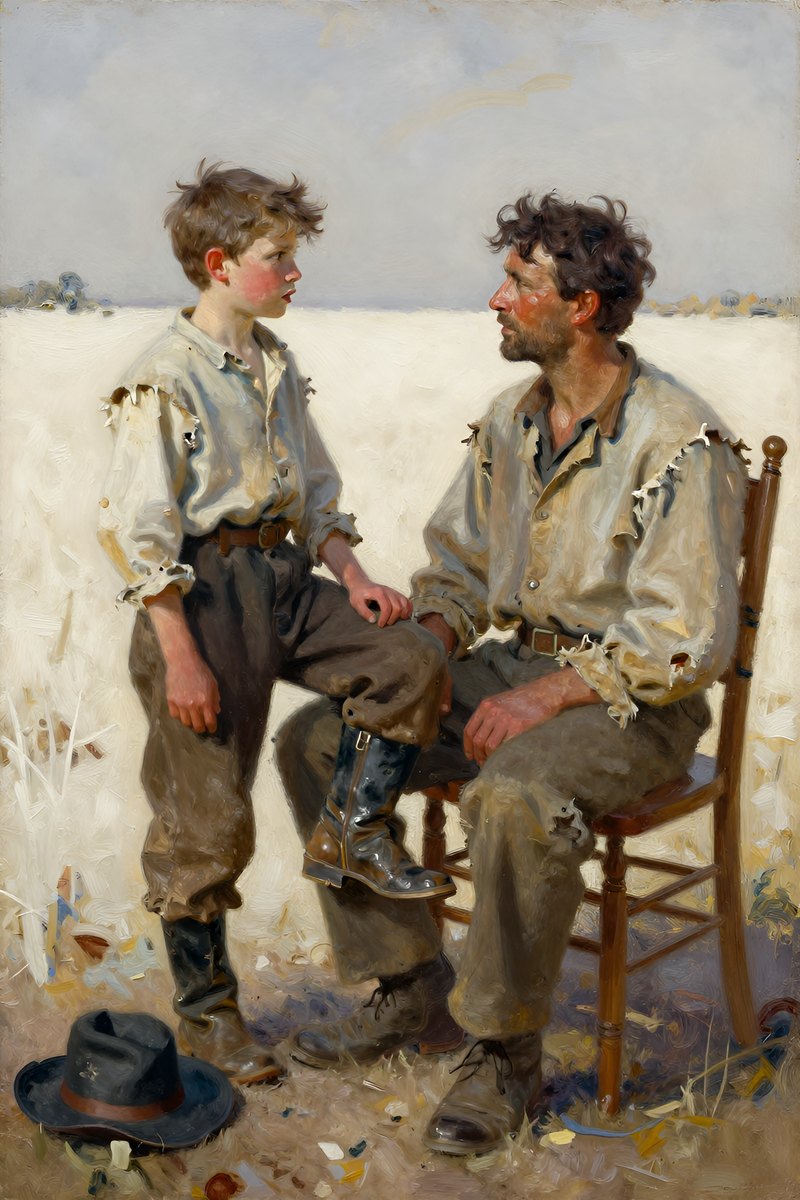
I had shut the door to. Then I turned around and there he was. I used to be scared of him all the time, he tanned me so much. I reckoned I was scared now, too; but in a minute I see I was mistaken—that is, after the first jolt, as you may say, when my breath sort of hitched, he being so unexpected; but right away after I see I warn’t scared of him worth bothring about.
He was most fifty, and he looked it. His hair was long and tangled and greasy, and hung down, and you could see his eyes shining through like he was behind vines. It was all black, no gray; so was his long, mixed-up whiskers. There warn’t no color in his face, where his face showed; it was white; not like another man’s white, but a white to make a body sick, a white to make a body’s flesh crawl—a tree-toad white, a fish-belly white. As for his clothes—just rags, that was all. He had one ankle resting on t’other knee; the boot on that foot was busted, and two of his toes stuck through, and he worked them now and then. His hat was laying on the floor—an old black slouch with the top caved in, like a lid.
I stood a-looking at him; he set there a-looking at me, with his chair tilted back a little. I set the candle down. I noticed the window was up; so he had clumb in by the shed. He kept a-looking me all over.
By-and-by he says:
“Starchy clothes—very. You think you’re a good deal of a big-bug, don’t you?”
“Maybe I am, maybe I ain’t,” I says.
“Don’t you give me none o’ your lip,” says he. “You’ve put on considerable many frills since I been away. I’ll take you down a peg before I get done with you. You’re educated, too, they say—can read and write. You think you’re better’n your father, now, don’t you, because he can’t? I’ll take it out of you. Who told you you might meddle with such hifalut’n foolishness, hey?—who told you you could?”
“The widow. She told me.”
“The widow, hey?—and who told the widow she could put in her shovel about a thing that ain’t none of her business?”
“Nobody never told her.”
“Well, I’ll learn her how to meddle. And looky here—you drop that school, you hear? I’ll learn people to bring up a boy to put on airs over his own father and let on to be better’n what he is. You lemme catch you fooling around that school again, you hear? Your mother couldn’t read, and she couldn’t write, nuther, before she died. None of the family couldn’t before they died. I can’t; and here you’re a-swelling yourself up like this. I ain’t the man to stand it—you hear?
Say, lemme hear you read.”
I took up a book and begun something about General Washington and the wars. When I’d read about a half a minute, he fetched the book a whack with his hand and knocked it across the house. He says:
“It’s so. You can do it. I had my doubts when you told me. Now looky here; you stop that putting on frills. I won’t have it. I’ll lay for you, my smarty; and if I catch you about that school I’ll tan you good.
First you know you’ll get religion, too. I never see such a son.”
He took up a little blue and yaller picture of some cows and a boy, and says:
“What’s this?”
“It’s something they give me for learning my lessons good.”
He tore it up, and says:
“I’ll give you something better—I’ll give you a cowhide.”
He set there a-mumbling and a-growling a minute, and then he says:
“Ain’t you a sweet-scented dandy, though? A bed; and bedclothes; and a look’n’-glass; and a piece of carpet on the floor—and your own father got to sleep with the hogs in the tanyard. I never see such a son. I bet I’ll take some o’ these frills out o’ you before I’m done with you.
Why, there ain’t no end to your airs—they say you’re rich. Hey?—how’s that?”
“They lie—that’s how.”
“Looky here—mind how you talk to me; I’m a-standing about all I can stand now—so don’t gimme no sass. I’ve been in town two days, and I hain’t heard nothing but about you bein’ rich. I heard about it away down the river, too. That’s why I come. You git me that money to-morrow—I want it.”
“I hain’t got no money.”
“It’s a lie. Judge Thatcher’s got it. You git it. I want it.”
“I hain’t got no money, I tell you. You ask Judge Thatcher; he’ll tell you the same.”
“All right. I’ll ask him; and I’ll make him pungle, too, or I’ll know the reason why. Say, how much you got in your pocket? I want it.”
“I hain’t got only a dollar, and I want that to—”
“It don’t make no difference what you want it for—you just shell it out.”
He took it and bit it to see if it was good, and then he said he was going down town to get some whisky; said he hadn’t had a drink all day.
When he had got out on the shed he put his head in again, and cussed me for putting on frills and trying to be better than him; and when I reckoned he was gone he come back and put his head in again, and told me to mind about that school, because he was going to lay for me and lick me if I didn’t drop that.
Next day he was drunk, and he went to Judge Thatcher’s and bullyragged him, and tried to make him give up the money; but he couldn’t, and then he swore he’d make the law force him.
The judge and the widow went to law to get the court to take me away from him and let one of them be my guardian; but it was a new judge that had just come, and he didn’t know the old man; so he said courts mustn’t interfere and separate families if they could help it; said he’d druther not take a child away from its father. So Judge Thatcher and the widow had to quit on the business.
That pleased the old man till he couldn’t rest. He said he’d cowhide me till I was black and blue if I didn’t raise some money for him. I borrowed three dollars from Judge Thatcher, and pap took it and got drunk, and went a-blowing around and cussing and whooping and carrying on; and he kept it up all over town, with a tin pan, till most midnight; then they jailed him, and next day they had him before court, and jailed him again for a week. But he said he was satisfied; said he was boss of his son, and he’d make it warm for him.
When he got out the new judge said he was a-going to make a man of him.
So he took him to his own house, and dressed him up clean and nice, and had him to breakfast and dinner and supper with the family, and was just old pie to him, so to speak. And after supper he talked to him about temperance and such things till the old man cried, and said he’d been a fool, and fooled away his life; but now he was a-going to turn over a new leaf and be a man nobody wouldn’t be ashamed of, and he hoped the judge would help him and not look down on him. The judge said he could hug him for them words; so he cried, and his wife she cried again; pap said he’d been a man that had always been misunderstood before, and the judge said he believed it. The old man said that what a man wanted that was down was sympathy, and the judge said it was so; so they cried again. And when it was bedtime the old man rose up and held out his hand, and says:
“Look at it, gentlemen and ladies all; take a-hold of it; shake it.
There’s a hand that was the hand of a hog; but it ain’t so no more; it’s the hand of a man that’s started in on a new life, and’ll die before he’ll go back. You mark them words—don’t forget I said them.
It’s a clean hand now; shake it—don’t be afeard.”
So they shook it, one after the other, all around, and cried. The judge’s wife she kissed it. Then the old man he signed a pledge—made his mark. The judge said it was the holiest time on record, or something like that. Then they tucked the old man into a beautiful room, which was the spare room, and in the night some time he got powerful thirsty and clumb out on to the porch-roof and slid down a stanchion and traded his new coat for a jug of forty-rod, and clumb back again and had a good old time; and towards daylight he crawled out again, drunk as a fiddler, and rolled off the porch and broke his left arm in two places, and was most froze to death when somebody found him after sun-up. And when they come to look at that spare room they had to take soundings before they could navigate it.
The judge he felt kind of sore. He said he reckoned a body could reform the old man with a shotgun, maybe, but he didn’t know no other way.
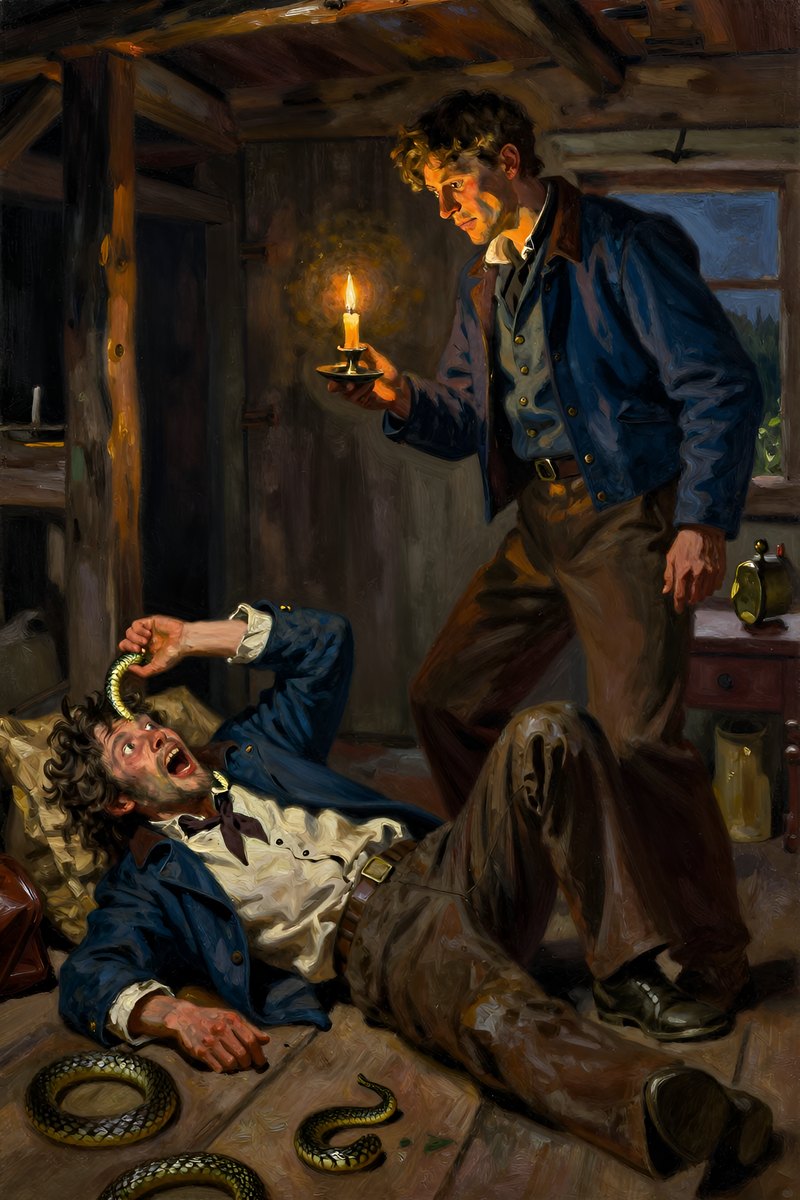
Well, pretty soon the old man was up and around again, and then he went for Judge Thatcher in the courts to make him give up that money, and he went for me, too, for not stopping school. He catched me a couple of times and thrashed me, but I went to school just the same, and dodged him or outrun him most of the time. I didn’t want to go to school much before, but I reckoned I’d go now to spite pap. That law trial was a slow business—appeared like they warn’t ever going to get started on it; so every now and then I’d borrow two or three dollars off of the judge for him, to keep from getting a cowhiding. Every time he got money he got drunk; and every time he got drunk he raised Cain around town; and every time he raised Cain he got jailed. He was just suited—this kind of thing was right in his line.
He got to hanging around the widow’s too much and so she told him at last that if he didn’t quit using around there she would make trouble for him. Well, wasn’t he mad? He said he would show who was Huck Finn’s boss. So he watched out for me one day in the spring, and catched me, and took me up the river about three mile in a skiff, and crossed over to the Illinois shore where it was woody and there warn’t no houses but an old log hut in a place where the timber was so thick you couldn’t find it if you didn’t know where it was.
He kept me with him all the time, and I never got a chance to run off.
We lived in that old cabin, and he always locked the door and put the key under his head nights. He had a gun which he had stole, I reckon, and we fished and hunted, and that was what we lived on. Every little while he locked me in and went down to the store, three miles, to the ferry, and traded fish and game for whisky, and fetched it home and got drunk and had a good time, and licked me. The widow she found out where I was by-and-by, and she sent a man over to try to get hold of me; but pap drove him off with the gun, and it warn’t long after that till I was used to being where I was, and liked it—all but the cowhide part.
It was kind of lazy and jolly, laying off comfortable all day, smoking and fishing, and no books nor study. Two months or more run along, and my clothes got to be all rags and dirt, and I didn’t see how I’d ever got to like it so well at the widow’s, where you had to wash, and eat on a plate, and comb up, and go to bed and get up regular, and be forever bothering over a book, and have old Miss Watson pecking at you all the time. I didn’t want to go back no more. I had stopped cussing, because the widow didn’t like it; but now I took to it again because pap hadn’t no objections. It was pretty good times up in the woods there, take it all around.
But by-and-by pap got too handy with his hick’ry, and I couldn’t stand it. I was all over welts. He got to going away so much, too, and locking me in. Once he locked me in and was gone three days. It was dreadful lonesome. I judged he had got drownded, and I wasn’t ever going to get out any more. I was scared. I made up my mind I would fix up some way to leave there. I had tried to get out of that cabin many a time, but I couldn’t find no way. There warn’t a window to it big enough for a dog to get through. I couldn’t get up the chimbly; it was too narrow. The door was thick, solid oak slabs. Pap was pretty careful not to leave a knife or anything in the cabin when he was away; I reckon I had hunted the place over as much as a hundred times; well, I was most all the time at it, because it was about the only way to put in the time. But this time I found something at last; I found an old rusty wood-saw without any handle; it was laid in between a rafter and the clapboards of the roof. I greased it up and went to work. There was an old horse-blanket nailed against the logs at the far end of the cabin behind the table, to keep the wind from blowing through the chinks and putting the candle out. I got under the table and raised the blanket, and went to work to saw a section of the big bottom log out—big enough to let me through. Well, it was a good long job, but I was getting towards the end of it when I heard pap’s gun in the woods.
I got rid of the signs of my work, and dropped the blanket and hid my saw, and pretty soon pap come in.
Pap warn’t in a good humor—so he was his natural self. He said he was down town, and everything was going wrong. His lawyer said he reckoned he would win his lawsuit and get the money if they ever got started on the trial; but then there was ways to put it off a long time, and Judge Thatcher knowed how to do it. And he said people allowed there’d be another trial to get me away from him and give me to the widow for my guardian, and they guessed it would win this time. This shook me up considerable, because I didn’t want to go back to the widow’s any more and be so cramped up and sivilized, as they called it. Then the old man got to cussing, and cussed everything and everybody he could think of, and then cussed them all over again to make sure he hadn’t skipped any, and after that he polished off with a kind of a general cuss all round, including a considerable parcel of people which he didn’t know the names of, and so called them what’s-his-name when he got to them, and went right along with his cussing.
He said he would like to see the widow get me. He said he would watch out, and if they tried to come any such game on him he knowed of a place six or seven mile off to stow me in, where they might hunt till they dropped and they couldn’t find me. That made me pretty uneasy again, but only for a minute; I reckoned I wouldn’t stay on hand till he got that chance.
The old man made me go to the skiff and fetch the things he had got.
There was a fifty-pound sack of corn meal, and a side of bacon, ammunition, and a four-gallon jug of whisky, and an old book and two newspapers for wadding, besides some tow. I toted up a load, and went back and set down on the bow of the skiff to rest. I thought it all over, and I reckoned I would walk off with the gun and some lines, and take to the woods when I run away. I guessed I wouldn’t stay in one place, but just tramp right across the country, mostly night times, and hunt and fish to keep alive, and so get so far away that the old man nor the widow couldn’t ever find me any more. I judged I would saw out and leave that night if pap got drunk enough, and I reckoned he would.
I got so full of it I didn’t notice how long I was staying till the old man hollered and asked me whether I was asleep or drownded.
I got the things all up to the cabin, and then it was about dark. While I was cooking supper the old man took a swig or two and got sort of warmed up, and went to ripping again. He had been drunk over in town, and laid in the gutter all night, and he was a sight to look at. A body would a thought he was Adam—he was just all mud. Whenever his liquor begun to work he most always went for the govment, this time he says:
“Call this a govment! why, just look at it and see what it’s like.
Here’s the law a-standing ready to take a man’s son away from him—a man’s own son, which he has had all the trouble and all the anxiety and all the expense of raising. Yes, just as that man has got that son raised at last, and ready to go to work and begin to do suthin’ for him and give him a rest, the law up and goes for him. And they call that govment! That ain’t all, nuther. The law backs that old Judge Thatcher up and helps him to keep me out o’ my property. Here’s what the law does: The law takes a man worth six thousand dollars and up’ards, and jams him into an old trap of a cabin like this, and lets him go round in clothes that ain’t fitten for a hog. They call that govment! A man can’t get his rights in a govment like this. Sometimes I’ve a mighty notion to just leave the country for good and all. Yes, and I told ’em so; I told old Thatcher so to his face. Lots of ’em heard me, and can tell what I said. Says I, for two cents I’d leave the blamed country and never come a-near it agin. Them’s the very words. I says look at my hat—if you call it a hat—but the lid raises up and the rest of it goes down till it’s below my chin, and then it ain’t rightly a hat at all, but more like my head was shoved up through a jint o’
stove-pipe. Look at it, says I—such a hat for me to wear—one of the wealthiest men in this town if I could git my rights.
“Oh, yes, this is a wonderful govment, wonderful. Why, looky here.
There was a free nigger there from Ohio—a mulatter, most as white as a white man. He had the whitest shirt on you ever see, too, and the shiniest hat; and there ain’t a man in that town that’s got as fine clothes as what he had; and he had a gold watch and chain, and a silver-headed cane—the awfulest old gray-headed nabob in the State. And what do you think? They said he was a p’fessor in a college, and could talk all kinds of languages, and knowed everything. And that ain’t the wust. They said he could vote when he was at home. Well, that let me out. Thinks I, what is the country a-coming to? It was ’lection day, and I was just about to go and vote myself if I warn’t too drunk to get there; but when they told me there was a State in this country where they’d let that nigger vote, I drawed out. I says I’ll never vote agin.
Them’s the very words I said; they all heard me; and the country may rot for all me—I’ll never vote agin as long as I live. And to see the cool way of that nigger—why, he wouldn’t a give me the road if I hadn’t shoved him out o’ the way. I says to the people, why ain’t this nigger put up at auction and sold?—that’s what I want to know. And what do you reckon they said? Why, they said he couldn’t be sold till he’d been in the State six months, and he hadn’t been there that long yet. There, now—that’s a specimen. They call that a govment that can’t sell a free nigger till he’s been in the State six months. Here’s a govment that calls itself a govment, and lets on to be a govment, and thinks it is a govment, and yet’s got to set stock-still for six whole months before it can take a hold of a prowling, thieving, infernal, white-shirted free nigger, and—”
Pap was agoing on so he never noticed where his old limber legs was taking him to, so he went head over heels over the tub of salt pork and barked both shins, and the rest of his speech was all the hottest kind of language—mostly hove at the nigger and the govment, though he give the tub some, too, all along, here and there. He hopped around the cabin considerable, first on one leg and then on the other, holding first one shin and then the other one, and at last he let out with his left foot all of a sudden and fetched the tub a rattling kick. But it warn’t good judgment, because that was the boot that had a couple of his toes leaking out of the front end of it; so now he raised a howl that fairly made a body’s hair raise, and down he went in the dirt, and rolled there, and held his toes; and the cussing he done then laid over anything he had ever done previous. He said so his own self afterwards.
He had heard old Sowberry Hagan in his best days, and he said it laid over him, too; but I reckon that was sort of piling it on, maybe.
After supper pap took the jug, and said he had enough whisky there for two drunks and one delirium tremens. That was always his word. I judged he would be blind drunk in about an hour, and then I would steal the key, or saw myself out, one or t’other. He drank and drank, and tumbled down on his blankets by-and-by; but luck didn’t run my way. He didn’t go sound asleep, but was uneasy. He groaned and moaned and thrashed around this way and that for a long time. At last I got so sleepy I couldn’t keep my eyes open all I could do, and so before I knowed what I was about I was sound asleep, and the candle burning.
I don’t know how long I was asleep, but all of a sudden there was an awful scream and I was up. There was pap looking wild, and skipping around every which way and yelling about snakes. He said they was crawling up his legs; and then he would give a jump and scream, and say one had bit him on the cheek—but I couldn’t see no snakes. He started and run round and round the cabin, hollering “Take him off! take him off! he’s biting me on the neck!” I never see a man look so wild in the eyes. Pretty soon he was all fagged out, and fell down panting; then he rolled over and over wonderful fast, kicking things every which way, and striking and grabbing at the air with his hands, and screaming and saying there was devils a-hold of him. He wore out by-and-by, and laid still a while, moaning. Then he laid stiller, and didn’t make a sound.
I could hear the owls and the wolves away off in the woods, and it seemed terrible still. He was laying over by the corner. By-and-by he raised up part way and listened, with his head to one side. He says, very low:
“Tramp—tramp—tramp; that’s the dead; tramp—tramp—tramp; they’re coming after me; but I won’t go. Oh, they’re here! don’t touch me—don’t! hands off—they’re cold; let go. Oh, let a poor devil alone!”
Then he went down on all fours and crawled off, begging them to let him alone, and he rolled himself up in his blanket and wallowed in under the old pine table, still a-begging; and then he went to crying. I could hear him through the blanket.
By-and-by he rolled out and jumped up on his feet looking wild, and he see me and went for me. He chased me round and round the place with a clasp-knife, calling me the Angel of Death, and saying he would kill me, and then I couldn’t come for him no more. I begged, and told him I was only Huck; but he laughed such a screechy laugh, and roared and cussed, and kept on chasing me up. Once when I turned short and dodged under his arm he made a grab and got me by the jacket between my shoulders, and I thought I was gone; but I slid out of the jacket quick as lightning, and saved myself. Pretty soon he was all tired out, and dropped down with his back against the door, and said he would rest a minute and then kill me. He put his knife under him, and said he would sleep and get strong, and then he would see who was who.
So he dozed off pretty soon. By-and-by I got the old split-bottom chair and clumb up as easy as I could, not to make any noise, and got down the gun. I slipped the ramrod down it to make sure it was loaded, then I laid it across the turnip barrel, pointing towards pap, and set down behind it to wait for him to stir. And how slow and still the time did drag along.
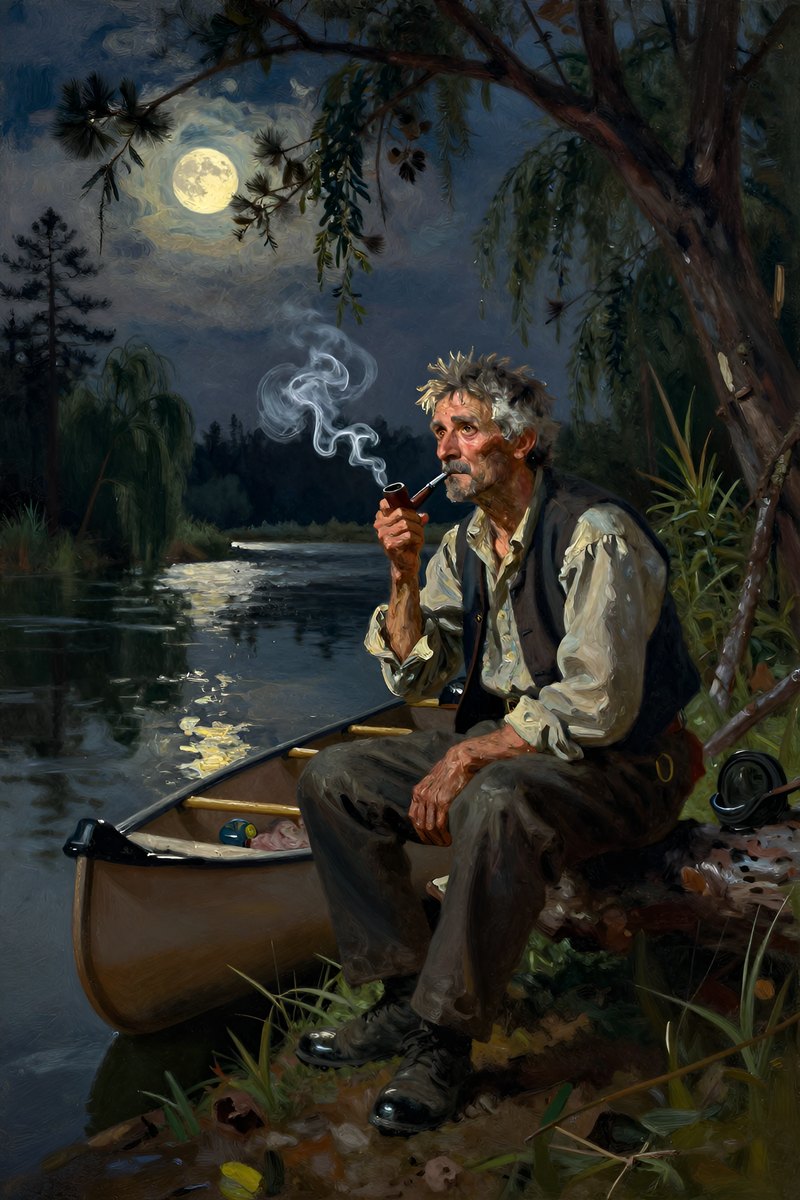
“Git up! What you ’bout?”
I opened my eyes and looked around, trying to make out where I was. It was after sun-up, and I had been sound asleep. Pap was standing over me looking sour and sick, too. He says:
“What you doin’ with this gun?”
I judged he didn’t know nothing about what he had been doing, so I says:
“Somebody tried to get in, so I was laying for him.”
“Why didn’t you roust me out?”
“Well, I tried to, but I couldn’t; I couldn’t budge you.”
“Well, all right. Don’t stand there palavering all day, but out with you and see if there’s a fish on the lines for breakfast. I’ll be along in a minute.”
He unlocked the door, and I cleared out up the river-bank. I noticed some pieces of limbs and such things floating down, and a sprinkling of bark; so I knowed the river had begun to rise. I reckoned I would have great times now if I was over at the town. The June rise used to be always luck for me; because as soon as that rise begins here comes cordwood floating down, and pieces of log rafts—sometimes a dozen logs together; so all you have to do is to catch them and sell them to the wood-yards and the sawmill.
I went along up the bank with one eye out for pap and t’other one out for what the rise might fetch along. Well, all at once here comes a canoe; just a beauty, too, about thirteen or fourteen foot long, riding high like a duck. I shot head-first off of the bank like a frog, clothes and all on, and struck out for the canoe. I just expected there’d be somebody laying down in it, because people often done that to fool folks, and when a chap had pulled a skiff out most to it they’d raise up and laugh at him. But it warn’t so this time. It was a drift-canoe sure enough, and I clumb in and paddled her ashore. Thinks I, the old man will be glad when he sees this—she’s worth ten dollars.
But when I got to shore pap wasn’t in sight yet, and as I was running her into a little creek like a gully, all hung over with vines and willows, I struck another idea: I judged I’d hide her good, and then, ’stead of taking to the woods when I run off, I’d go down the river about fifty mile and camp in one place for good, and not have such a rough time tramping on foot.
It was pretty close to the shanty, and I thought I heard the old man coming all the time; but I got her hid; and then I out and looked around a bunch of willows, and there was the old man down the path a piece just drawing a bead on a bird with his gun. So he hadn’t seen anything.
When he got along I was hard at it taking up a “trot” line. He abused me a little for being so slow; but I told him I fell in the river, and that was what made me so long. I knowed he would see I was wet, and then he would be asking questions. We got five catfish off the lines and went home.
While we laid off after breakfast to sleep up, both of us being about wore out, I got to thinking that if I could fix up some way to keep pap and the widow from trying to follow me, it would be a certainer thing than trusting to luck to get far enough off before they missed me; you see, all kinds of things might happen. Well, I didn’t see no way for a while, but by-and-by pap raised up a minute to drink another barrel of water, and he says:
“Another time a man comes a-prowling round here you roust me out, you hear? That man warn’t here for no good. I’d a shot him. Next time you roust me out, you hear?”
Then he dropped down and went to sleep again; but what he had been saying give me the very idea I wanted. I says to myself, I can fix it now so nobody won’t think of following me.
About twelve o’clock we turned out and went along up the bank. The river was coming up pretty fast, and lots of driftwood going by on the rise. By-and-by along comes part of a log raft—nine logs fast together.
We went out with the skiff and towed it ashore. Then we had dinner.
Anybody but pap would a waited and seen the day through, so as to catch more stuff; but that warn’t pap’s style. Nine logs was enough for one time; he must shove right over to town and sell. So he locked me in and took the skiff, and started off towing the raft about half-past three.
I judged he wouldn’t come back that night. I waited till I reckoned he had got a good start; then I out with my saw, and went to work on that log again. Before he was t’other side of the river I was out of the hole; him and his raft was just a speck on the water away off yonder.
I took the sack of corn meal and took it to where the canoe was hid, and shoved the vines and branches apart and put it in; then I done the same with the side of bacon; then the whisky-jug. I took all the coffee and sugar there was, and all the ammunition; I took the wadding; I took the bucket and gourd; I took a dipper and a tin cup, and my old saw and two blankets, and the skillet and the coffee-pot. I took fish-lines and matches and other things—everything that was worth a cent. I cleaned out the place. I wanted an axe, but there wasn’t any, only the one out at the woodpile, and I knowed why I was going to leave that. I fetched out the gun, and now I was done.
I had wore the ground a good deal crawling out of the hole and dragging out so many things. So I fixed that as good as I could from the outside by scattering dust on the place, which covered up the smoothness and the sawdust. Then I fixed the piece of log back into its place, and put two rocks under it and one against it to hold it there, for it was bent up at that place and didn’t quite touch ground. If you stood four or five foot away and didn’t know it was sawed, you wouldn’t never notice it; and besides, this was the back of the cabin, and it warn’t likely anybody would go fooling around there.
It was all grass clear to the canoe, so I hadn’t left a track. I followed around to see. I stood on the bank and looked out over the river. All safe. So I took the gun and went up a piece into the woods, and was hunting around for some birds when I see a wild pig; hogs soon went wild in them bottoms after they had got away from the prairie farms. I shot this fellow and took him into camp.
I took the axe and smashed in the door. I beat it and hacked it considerable a-doing it. I fetched the pig in, and took him back nearly to the table and hacked into his throat with the axe, and laid him down on the ground to bleed; I say ground because it was ground—hard packed, and no boards. Well, next I took an old sack and put a lot of big rocks in it—all I could drag—and I started it from the pig, and dragged it to the door and through the woods down to the river and dumped it in, and down it sunk, out of sight. You could easy see that something had been dragged over the ground. I did wish Tom Sawyer was there; I knowed he would take an interest in this kind of business, and throw in the fancy touches. Nobody could spread himself like Tom Sawyer in such a thing as that.
Well, last I pulled out some of my hair, and blooded the axe good, and stuck it on the back side, and slung the axe in the corner. Then I took up the pig and held him to my breast with my jacket (so he couldn’t drip) till I got a good piece below the house and then dumped him into the river. Now I thought of something else. So I went and got the bag of meal and my old saw out of the canoe, and fetched them to the house.
I took the bag to where it used to stand, and ripped a hole in the bottom of it with the saw, for there warn’t no knives and forks on the place—pap done everything with his clasp-knife about the cooking. Then I carried the sack about a hundred yards across the grass and through the willows east of the house, to a shallow lake that was five mile wide and full of rushes—and ducks too, you might say, in the season.
There was a slough or a creek leading out of it on the other side that went miles away, I don’t know where, but it didn’t go to the river. The meal sifted out and made a little track all the way to the lake. I dropped pap’s whetstone there too, so as to look like it had been done by accident. Then I tied up the rip in the meal sack with a string, so it wouldn’t leak no more, and took it and my saw to the canoe again.
It was about dark now; so I dropped the canoe down the river under some willows that hung over the bank, and waited for the moon to rise. I made fast to a willow; then I took a bite to eat, and by-and-by laid down in the canoe to smoke a pipe and lay out a plan. I says to myself, they’ll follow the track of that sackful of rocks to the shore and then drag the river for me. And they’ll follow that meal track to the lake and go browsing down the creek that leads out of it to find the robbers that killed me and took the things. They won’t ever hunt the river for anything but my dead carcass. They’ll soon get tired of that, and won’t bother no more about me. All right; I can stop anywhere I want to.
Jackson’s Island is good enough for me; I know that island pretty well, and nobody ever comes there. And then I can paddle over to town nights, and slink around and pick up things I want. Jackson’s Island’s the place.
I was pretty tired, and the first thing I knowed I was asleep. When I woke up I didn’t know where I was for a minute. I set up and looked around, a little scared. Then I remembered. The river looked miles and miles across. The moon was so bright I could a counted the drift logs that went a-slipping along, black and still, hundreds of yards out from shore. Everything was dead quiet, and it looked late, and smelt late.
You know what I mean—I don’t know the words to put it in.
I took a good gap and a stretch, and was just going to unhitch and start when I heard a sound away over the water. I listened. Pretty soon I made it out. It was that dull kind of a regular sound that comes from oars working in rowlocks when it’s a still night. I peeped out through the willow branches, and there it was—a skiff, away across the water. I couldn’t tell how many was in it. It kept a-coming, and when it was abreast of me I see there warn’t but one man in it. Think’s I, maybe it’s pap, though I warn’t expecting him. He dropped below me with the current, and by-and-by he came a-swinging up shore in the easy water, and he went by so close I could a reached out the gun and touched him.
Well, it was pap, sure enough—and sober, too, by the way he laid his oars.
I didn’t lose no time. The next minute I was a-spinning down stream soft but quick in the shade of the bank. I made two mile and a half, and then struck out a quarter of a mile or more towards the middle of the river, because pretty soon I would be passing the ferry landing, and people might see me and hail me. I got out amongst the driftwood, and then laid down in the bottom of the canoe and let her float.
I laid there, and had a good rest and a smoke out of my pipe, looking away into the sky; not a cloud in it. The sky looks ever so deep when you lay down on your back in the moonshine; I never knowed it before.
And how far a body can hear on the water such nights! I heard people talking at the ferry landing. I heard what they said, too—every word of it. One man said it was getting towards the long days and the short nights now. T’other one said this warn’t one of the short ones, he reckoned—and then they laughed, and he said it over again, and they laughed again; then they waked up another fellow and told him, and laughed, but he didn’t laugh; he ripped out something brisk, and said let him alone. The first fellow said he ’lowed to tell it to his old woman—she would think it was pretty good; but he said that warn’t nothing to some things he had said in his time. I heard one man say it was nearly three o’clock, and he hoped daylight wouldn’t wait more than about a week longer. After that the talk got further and further away, and I couldn’t make out the words any more; but I could hear the mumble, and now and then a laugh, too, but it seemed a long ways off.
I was away below the ferry now. I rose up, and there was Jackson’s Island, about two mile and a half down stream, heavy timbered and standing up out of the middle of the river, big and dark and solid, like a steamboat without any lights. There warn’t any signs of the bar at the head—it was all under water now.
It didn’t take me long to get there. I shot past the head at a ripping rate, the current was so swift, and then I got into the dead water and landed on the side towards the Illinois shore. I run the canoe into a deep dent in the bank that I knowed about; I had to part the willow branches to get in; and when I made fast nobody could a seen the canoe from the outside.
I went up and set down on a log at the head of the island, and looked out on the big river and the black driftwood and away over to the town, three mile away, where there was three or four lights twinkling. A monstrous big lumber-raft was about a mile up stream, coming along down, with a lantern in the middle of it. I watched it come creeping down, and when it was most abreast of where I stood I heard a man say, “Stern oars, there! heave her head to stabboard!” I heard that just as plain as if the man was by my side.
There was a little gray in the sky now; so I stepped into the woods, and laid down for a nap before breakfast.
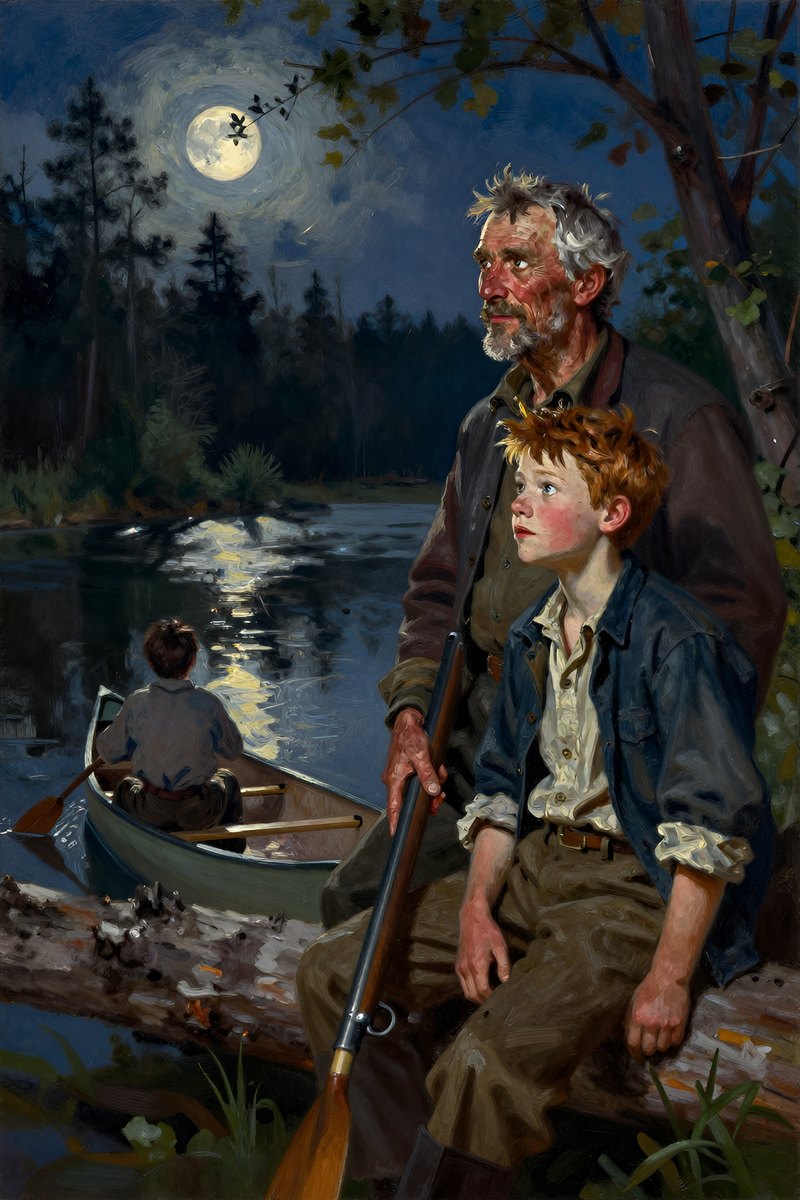
The sun was up so high when I waked that I judged it was after eight o’clock. I laid there in the grass and the cool shade thinking about things, and feeling rested and ruther comfortable and satisfied. I could see the sun out at one or two holes, but mostly it was big trees all about, and gloomy in there amongst them. There was freckled places on the ground where the light sifted down through the leaves, and the freckled places swapped about a little, showing there was a little breeze up there. A couple of squirrels set on a limb and jabbered at me very friendly.
I was powerful lazy and comfortable—didn’t want to get up and cook breakfast. Well, I was dozing off again when I thinks I hears a deep sound of “boom!” away up the river. I rouses up, and rests on my elbow and listens; pretty soon I hears it again. I hopped up, and went and looked out at a hole in the leaves, and I see a bunch of smoke laying on the water a long ways up—about abreast the ferry. And there was the ferry-boat full of people floating along down. I knowed what was the matter now. “Boom!” I see the white smoke squirt out of the ferry-boat’s side. You see, they was firing cannon over the water, trying to make my carcass come to the top.
I was pretty hungry, but it warn’t going to do for me to start a fire, because they might see the smoke. So I set there and watched the cannon-smoke and listened to the boom. The river was a mile wide there, and it always looks pretty on a summer morning—so I was having a good enough time seeing them hunt for my remainders if I only had a bite to eat. Well, then I happened to think how they always put quicksilver in loaves of bread and float them off, because they always go right to the drownded carcass and stop there. So, says I, I’ll keep a lookout, and if any of them’s floating around after me I’ll give them a show. I changed to the Illinois edge of the island to see what luck I could have, and I warn’t disappointed. A big double loaf come along, and I most got it with a long stick, but my foot slipped and she floated out further. Of course I was where the current set in the closest to the shore—I knowed enough for that. But by-and-by along comes another one, and this time I won. I took out the plug and shook out the little dab of quicksilver, and set my teeth in. It was “baker’s bread”—what the quality eat; none of your low-down corn-pone.
I got a good place amongst the leaves, and set there on a log, munching the bread and watching the ferry-boat, and very well satisfied. And then something struck me. I says, now I reckon the widow or the parson or somebody prayed that this bread would find me, and here it has gone and done it. So there ain’t no doubt but there is something in that thing—that is, there’s something in it when a body like the widow or the parson prays, but it don’t work for me, and I reckon it don’t work for only just the right kind.
I lit a pipe and had a good long smoke, and went on watching. The ferry-boat was floating with the current, and I allowed I’d have a chance to see who was aboard when she come along, because she would come in close, where the bread did. When she’d got pretty well along down towards me, I put out my pipe and went to where I fished out the bread, and laid down behind a log on the bank in a little open place.
Where the log forked I could peep through.
By-and-by she come along, and she drifted in so close that they could a run out a plank and walked ashore. Most everybody was on the boat. Pap, and Judge Thatcher, and Bessie Thatcher, and Jo Harper, and Tom Sawyer, and his old Aunt Polly, and Sid and Mary, and plenty more. Everybody was talking about the murder, but the captain broke in and says:
“Look sharp, now; the current sets in the closest here, and maybe he’s washed ashore and got tangled amongst the brush at the water’s edge. I hope so, anyway.”
I didn’t hope so. They all crowded up and leaned over the rails, nearly in my face, and kept still, watching with all their might. I could see them first-rate, but they couldn’t see me. Then the captain sung out:
“Stand away!” and the cannon let off such a blast right before me that it made me deef with the noise and pretty near blind with the smoke, and I judged I was gone. If they’d a had some bullets in, I reckon they’d a got the corpse they was after. Well, I see I warn’t hurt, thanks to goodness. The boat floated on and went out of sight around the shoulder of the island. I could hear the booming now and then, further and further off, and by-and-by, after an hour, I didn’t hear it no more. The island was three mile long. I judged they had got to the foot, and was giving it up. But they didn’t yet a while. They turned around the foot of the island and started up the channel on the Missouri side, under steam, and booming once in a while as they went. I crossed over to that side and watched them. When they got abreast the head of the island they quit shooting and dropped over to the Missouri shore and went home to the town.
I knowed I was all right now. Nobody else would come a-hunting after me. I got my traps out of the canoe and made me a nice camp in the thick woods. I made a kind of a tent out of my blankets to put my things under so the rain couldn’t get at them. I catched a catfish and haggled him open with my saw, and towards sundown I started my camp fire and had supper. Then I set out a line to catch some fish for breakfast.
When it was dark I set by my camp fire smoking, and feeling pretty well satisfied; but by-and-by it got sort of lonesome, and so I went and set on the bank and listened to the current swashing along, and counted the stars and drift logs and rafts that come down, and then went to bed; there ain’t no better way to put in time when you are lonesome; you can’t stay so, you soon get over it.
And so for three days and nights. No difference—just the same thing.
But the next day I went exploring around down through the island. I was boss of it; it all belonged to me, so to say, and I wanted to know all about it; but mainly I wanted to put in the time. I found plenty strawberries, ripe and prime; and green summer grapes, and green razberries; and the green blackberries was just beginning to show. They would all come handy by-and-by, I judged.
Well, I went fooling along in the deep woods till I judged I warn’t far from the foot of the island. I had my gun along, but I hadn’t shot nothing; it was for protection; thought I would kill some game nigh home. About this time I mighty near stepped on a good-sized snake, and it went sliding off through the grass and flowers, and I after it, trying to get a shot at it. I clipped along, and all of a sudden I bounded right on to the ashes of a camp fire that was still smoking.
My heart jumped up amongst my lungs. I never waited for to look further, but uncocked my gun and went sneaking back on my tiptoes as fast as ever I could. Every now and then I stopped a second amongst the thick leaves and listened, but my breath come so hard I couldn’t hear nothing else. I slunk along another piece further, then listened again; and so on, and so on. If I see a stump, I took it for a man; if I trod on a stick and broke it, it made me feel like a person had cut one of my breaths in two and I only got half, and the short half, too.
When I got to camp I warn’t feeling very brash, there warn’t much sand in my craw; but I says, this ain’t no time to be fooling around. So I got all my traps into my canoe again so as to have them out of sight, and I put out the fire and scattered the ashes around to look like an old last year’s camp, and then clumb a tree.
I reckon I was up in the tree two hours; but I didn’t see nothing, I didn’t hear nothing—I only thought I heard and seen as much as a thousand things. Well, I couldn’t stay up there forever; so at last I got down, but I kept in the thick woods and on the lookout all the time. All I could get to eat was berries and what was left over from breakfast.
By the time it was night I was pretty hungry. So when it was good and dark I slid out from shore before moonrise and paddled over to the Illinois bank—about a quarter of a mile. I went out in the woods and cooked a supper, and I had about made up my mind I would stay there all night when I hear a plunkety-plunk, plunkety-plunk, and says to myself, horses coming; and next I hear people’s voices. I got everything into the canoe as quick as I could, and then went creeping through the woods to see what I could find out. I hadn’t got far when I hear a man say:
“We better camp here if we can find a good place; the horses is about beat out. Let’s look around.”
I didn’t wait, but shoved out and paddled away easy. I tied up in the old place, and reckoned I would sleep in the canoe.
I didn’t sleep much. I couldn’t, somehow, for thinking. And every time I waked up I thought somebody had me by the neck. So the sleep didn’t do me no good. By-and-by I says to myself, I can’t live this way; I’m a-going to find out who it is that’s here on the island with me; I’ll find it out or bust. Well, I felt better right off.
So I took my paddle and slid out from shore just a step or two, and then let the canoe drop along down amongst the shadows. The moon was shining, and outside of the shadows it made it most as light as day. I poked along well on to an hour, everything still as rocks and sound asleep. Well, by this time I was most down to the foot of the island. A little ripply, cool breeze begun to blow, and that was as good as saying the night was about done. I give her a turn with the paddle and brung her nose to shore; then I got my gun and slipped out and into the edge of the woods. I sat down there on a log, and looked out through the leaves. I see the moon go off watch, and the darkness begin to blanket the river. But in a little while I see a pale streak over the treetops, and knowed the day was coming. So I took my gun and slipped off towards where I had run across that camp fire, stopping every minute or two to listen. But I hadn’t no luck somehow; I couldn’t seem to find the place. But by-and-by, sure enough, I catched a glimpse of fire away through the trees. I went for it, cautious and slow.
By-and-by I was close enough to have a look, and there laid a man on the ground. It most give me the fan-tods. He had a blanket around his head, and his head was nearly in the fire. I set there behind a clump of bushes, in about six foot of him, and kept my eyes on him steady. It was getting gray daylight now. Pretty soon he gapped and stretched himself and hove off the blanket, and it was Miss Watson’s Jim! I bet I was glad to see him. I says:
“Hello, Jim!” and skipped out.
He bounced up and stared at me wild. Then he drops down on his knees, and puts his hands together and says:
“Doan’ hurt me—don’t! I hain’t ever done no harm to a ghos’. I alwuz liked dead people, en done all I could for ’em. You go en git in de river agin, whah you b’longs, en doan’ do nuffn to Ole Jim, ’at ’uz awluz yo’ fren’.”
Well, I warn’t long making him understand I warn’t dead. I was ever so glad to see Jim. I warn’t lonesome now. I told him I warn’t afraid of him telling the people where I was. I talked along, but he only set there and looked at me; never said nothing. Then I says:
“It’s good daylight. Le’s get breakfast. Make up your camp fire good.”
“What’s de use er makin’ up de camp fire to cook strawbries en sich truck? But you got a gun, hain’t you? Den we kin git sumfn better den strawbries.”
“Strawberries and such truck,” I says. “Is that what you live on?”
“I couldn’ git nuffn else,” he says.
“Why, how long you been on the island, Jim?”
“I come heah de night arter you’s killed.”
“What, all that time?”
“Yes—indeedy.”
“And ain’t you had nothing but that kind of rubbage to eat?”
“No, sah—nuffn else.”
“Well, you must be most starved, ain’t you?”
“I reck’n I could eat a hoss. I think I could. How long you ben on de islan’?”
“Since the night I got killed.”
“No! W’y, what has you lived on? But you got a gun. Oh, yes, you got a gun. Dat’s good. Now you kill sumfn en I’ll make up de fire.”
So we went over to where the canoe was, and while he built a fire in a grassy open place amongst the trees, I fetched meal and bacon and coffee, and coffee-pot and frying-pan, and sugar and tin cups, and the nigger was set back considerable, because he reckoned it was all done with witchcraft. I catched a good big catfish, too, and Jim cleaned him with his knife, and fried him.
When breakfast was ready we lolled on the grass and eat it smoking hot.
Jim laid it in with all his might, for he was most about starved. Then when we had got pretty well stuffed, we laid off and lazied. By-and-by Jim says:
“But looky here, Huck, who wuz it dat ’uz killed in dat shanty ef it warn’t you?”
Then I told him the whole thing, and he said it was smart. He said Tom Sawyer couldn’t get up no better plan than what I had. Then I says:
“How do you come to be here, Jim, and how’d you get here?”
He looked pretty uneasy, and didn’t say nothing for a minute. Then he says:
“Maybe I better not tell.”
“Why, Jim?”
“Well, dey’s reasons. But you wouldn’ tell on me ef I uz to tell you, would you, Huck?”
“Blamed if I would, Jim.”
“Well, I b’lieve you, Huck. I—I run off.”
“Jim!”
“But mind, you said you wouldn’ tell—you know you said you wouldn’
tell, Huck.”
“Well, I did. I said I wouldn’t, and I’ll stick to it. Honest injun, I will. People would call me a low-down Abolitionist and despise me for keeping mum—but that don’t make no difference. I ain’t a-going to tell, and I ain’t a-going back there, anyways. So, now, le’s know all about it.”
“Well, you see, it ’uz dis way. Ole missus—dat’s Miss Watson—she pecks on me all de time, en treats me pooty rough, but she awluz said she wouldn’ sell me down to Orleans. But I noticed dey wuz a nigger trader roun’ de place considable lately, en I begin to git oneasy. Well, one night I creeps to de do’ pooty late, en de do’ warn’t quite shet, en I hear old missus tell de widder she gwyne to sell me down to Orleans, but she didn’ want to, but she could git eight hund’d dollars for me, en it ’uz sich a big stack o’ money she couldn’ resis’. De widder she try to git her to say she wouldn’ do it, but I never waited to hear de res’. I lit out mighty quick, I tell you.
“I tuck out en shin down de hill, en ’spec to steal a skift ’long de sho’ som’ers ’bove de town, but dey wuz people a-stirring yit, so I hid in de ole tumble-down cooper-shop on de bank to wait for everybody to go ’way. Well, I wuz dah all night. Dey wuz somebody roun’ all de time.
’Long ’bout six in de mawnin’ skifts begin to go by, en ’bout eight er nine every skift dat went ’long wuz talkin’ ’bout how yo’ pap come over to de town en say you’s killed. Dese las’ skifts wuz full o’ ladies en genlmen a-goin’ over for to see de place. Sometimes dey’d pull up at de sho’ en take a res’ b’fo’ dey started acrost, so by de talk I got to know all ’bout de killin’. I ’uz powerful sorry you’s killed, Huck, but I ain’t no mo’ now.
“I laid dah under de shavin’s all day. I ’uz hungry, but I warn’t afeard; bekase I knowed ole missus en de widder wuz goin’ to start to de camp-meet’n’ right arter breakfas’ en be gone all day, en dey knows I goes off wid de cattle ’bout daylight, so dey wouldn’ ’spec to see me roun’ de place, en so dey wouldn’ miss me tell arter dark in de evenin’. De yuther servants wouldn’ miss me, kase dey’d shin out en take holiday soon as de ole folks ’uz out’n de way.
“Well, when it come dark I tuck out up de river road, en went ’bout two mile er more to whah dey warn’t no houses. I’d made up my mine ’bout what I’s agwyne to do. You see, ef I kep’ on tryin’ to git away afoot, de dogs ’ud track me; ef I stole a skift to cross over, dey’d miss dat skift, you see, en dey’d know ’bout whah I’d lan’ on de yuther side, en whah to pick up my track. So I says, a raff is what I’s arter; it doan’
make no track.
“I see a light a-comin’ roun’ de p’int bymeby, so I wade’ in en shove’
a log ahead o’ me en swum more’n half way acrost de river, en got in ’mongst de drift-wood, en kep’ my head down low, en kinder swum agin de current tell de raff come along. Den I swum to de stern uv it en tuck a-holt. It clouded up en ’uz pooty dark for a little while. So I clumb up en laid down on de planks. De men ’uz all ’way yonder in de middle, whah de lantern wuz. De river wuz a-risin’, en dey wuz a good current; so I reck’n’d ’at by fo’ in de mawnin’ I’d be twenty-five mile down de river, en den I’d slip in jis b’fo’ daylight en swim asho’, en take to de woods on de Illinois side.
“But I didn’ have no luck. When we ’uz mos’ down to de head er de islan’ a man begin to come aft wid de lantern, I see it warn’t no use fer to wait, so I slid overboard en struck out fer de islan’. Well, I had a notion I could lan’ mos’ anywhers, but I couldn’t—bank too bluff.
I ’uz mos’ to de foot er de islan’ b’fo’ I found’ a good place. I went into de woods en jedged I wouldn’ fool wid raffs no mo’, long as dey move de lantern roun’ so. I had my pipe en a plug er dog-leg, en some matches in my cap, en dey warn’t wet, so I ’uz all right.”
“And so you ain’t had no meat nor bread to eat all this time? Why didn’t you get mud-turkles?”
“How you gwyne to git ’m? You can’t slip up on um en grab um; en how’s a body gwyne to hit um wid a rock? How could a body do it in de night?
En I warn’t gwyne to show mysef on de bank in de daytime.”
“Well, that’s so. You’ve had to keep in the woods all the time, of course. Did you hear ’em shooting the cannon?”
“Oh, yes. I knowed dey was arter you. I see um go by heah—watched um thoo de bushes.”
Some young birds come along, flying a yard or two at a time and lighting. Jim said it was a sign it was going to rain. He said it was a sign when young chickens flew that way, and so he reckoned it was the same way when young birds done it. I was going to catch some of them, but Jim wouldn’t let me. He said it was death. He said his father laid mighty sick once, and some of them catched a bird, and his old granny said his father would die, and he did.
And Jim said you mustn’t count the things you are going to cook for dinner, because that would bring bad luck. The same if you shook the table-cloth after sundown. And he said if a man owned a beehive and that man died, the bees must be told about it before sun-up next morning, or else the bees would all weaken down and quit work and die.
Jim said bees wouldn’t sting idiots; but I didn’t believe that, because I had tried them lots of times myself, and they wouldn’t sting me.
I had heard about some of these things before, but not all of them. Jim knowed all kinds of signs. He said he knowed most everything. I said it looked to me like all the signs was about bad luck, and so I asked him if there warn’t any good-luck signs. He says:
“Mighty few—an’ dey ain’t no use to a body. What you want to know when good luck’s a-comin’ for? Want to keep it off?” And he said: “Ef you’s got hairy arms en a hairy breas’, it’s a sign dat you’s agwyne to be rich. Well, dey’s some use in a sign like dat, ’kase it’s so fur ahead. You see, maybe you’s got to be po’ a long time fust, en so you might git discourage’ en kill yo’sef ’f you didn’ know by de sign dat you gwyne to be rich bymeby.”
“Have you got hairy arms and a hairy breast, Jim?”
“What’s de use to ax dat question? Don’t you see I has?”
“Well, are you rich?”
“No, but I ben rich wunst, and gwyne to be rich agin. Wunst I had foteen dollars, but I tuck to specalat’n’, en got busted out.”
“What did you speculate in, Jim?”
“Well, fust I tackled stock.”
“What kind of stock?”
“Why, live stock—cattle, you know. I put ten dollars in a cow. But I ain’ gwyne to resk no mo’ money in stock. De cow up ’n’ died on my han’s.”
“So you lost the ten dollars.”
“No, I didn’t lose it all. I on’y los’ ’bout nine of it. I sole de hide en taller for a dollar en ten cents.”
“You had five dollars and ten cents left. Did you speculate any more?”
“Yes. You know that one-laigged nigger dat b’longs to old Misto Bradish? Well, he sot up a bank, en say anybody dat put in a dollar would git fo’ dollars mo’ at de en’ er de year. Well, all de niggers went in, but dey didn’t have much. I wuz de on’y one dat had much. So I stuck out for mo’ dan fo’ dollars, en I said ’f I didn’ git it I’d start a bank mysef. Well, o’ course dat nigger want’ to keep me out er de business, bekase he says dey warn’t business ’nough for two banks, so he say I could put in my five dollars en he pay me thirty-five at de en’ er de year.
“So I done it. Den I reck’n’d I’d inves’ de thirty-five dollars right off en keep things a-movin’. Dey wuz a nigger name’ Bob, dat had ketched a wood-flat, en his marster didn’ know it; en I bought it off’n him en told him to take de thirty-five dollars when de en’ er de year come; but somebody stole de wood-flat dat night, en nex day de one-laigged nigger say de bank’s busted. So dey didn’ none uv us git no money.”
“What did you do with the ten cents, Jim?”
“Well, I ’uz gwyne to spen’ it, but I had a dream, en de dream tole me to give it to a nigger name’ Balum—Balum’s Ass dey call him for short; he’s one er dem chuckleheads, you know. But he’s lucky, dey say, en I see I warn’t lucky. De dream say let Balum inves’ de ten cents en he’d make a raise for me. Well, Balum he tuck de money, en when he wuz in church he hear de preacher say dat whoever give to de po’ len’ to de Lord, en boun’ to git his money back a hund’d times. So Balum he tuck en give de ten cents to de po’, en laid low to see what wuz gwyne to come of it.”
“Well, what did come of it, Jim?”
“Nuffn never come of it. I couldn’ manage to k’leck dat money no way; en Balum he couldn’. I ain’ gwyne to len’ no mo’ money ’dout I see de security. Boun’ to git yo’ money back a hund’d times, de preacher says!
Ef I could git de ten cents back, I’d call it squah, en be glad er de chanst.”
“Well, it’s all right anyway, Jim, long as you’re going to be rich again some time or other.”
“Yes; en I’s rich now, come to look at it. I owns mysef, en I’s wuth eight hund’d dollars. I wisht I had de money, I wouldn’ want no mo’.”
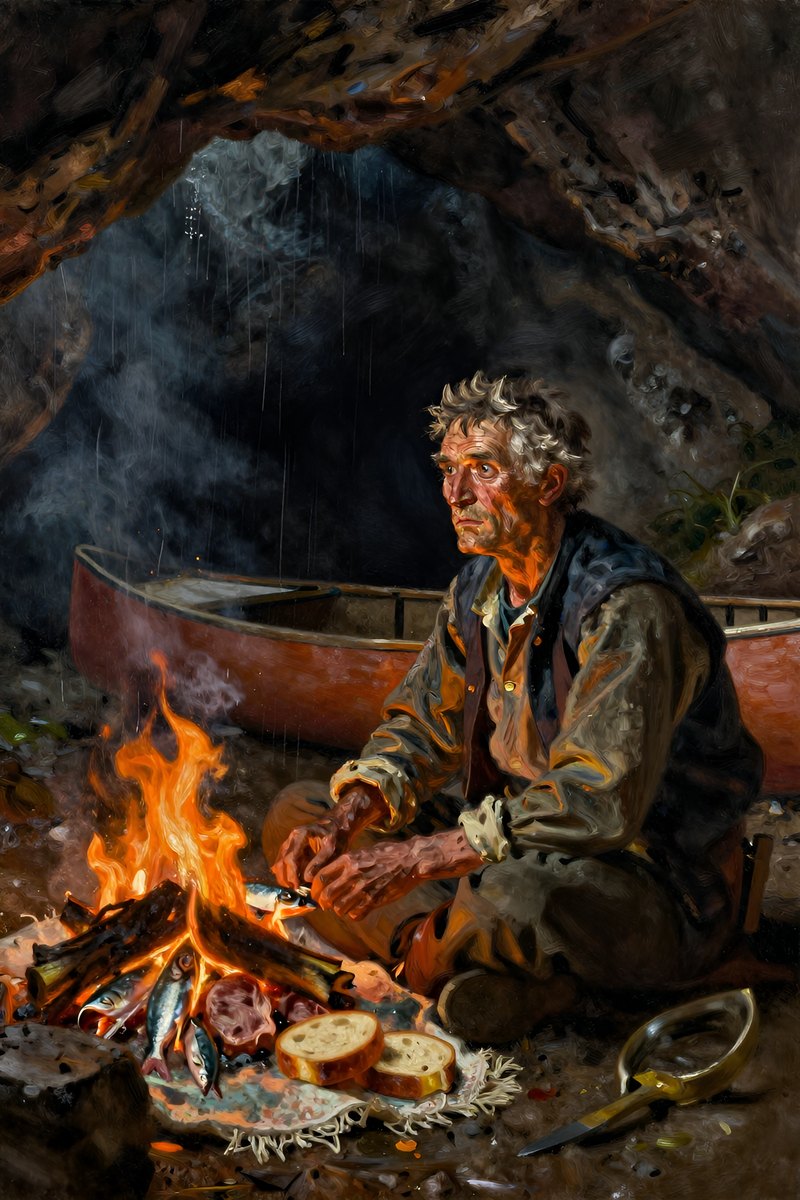
I wanted to go and look at a place right about the middle of the island that I’d found when I was exploring; so we started and soon got to it, because the island was only three miles long and a quarter of a mile wide.
This place was a tolerable long, steep hill or ridge about forty foot high. We had a rough time getting to the top, the sides was so steep and the bushes so thick. We tramped and clumb around all over it, and by-and-by found a good big cavern in the rock, most up to the top on the side towards Illinois. The cavern was as big as two or three rooms bunched together, and Jim could stand up straight in it. It was cool in there. Jim was for putting our traps in there right away, but I said we didn’t want to be climbing up and down there all the time.
Jim said if we had the canoe hid in a good place, and had all the traps in the cavern, we could rush there if anybody was to come to the island, and they would never find us without dogs. And, besides, he said them little birds had said it was going to rain, and did I want the things to get wet?
So we went back and got the canoe, and paddled up abreast the cavern, and lugged all the traps up there. Then we hunted up a place close by to hide the canoe in, amongst the thick willows. We took some fish off of the lines and set them again, and begun to get ready for dinner.
The door of the cavern was big enough to roll a hogshead in, and on one side of the door the floor stuck out a little bit, and was flat and a good place to build a fire on. So we built it there and cooked dinner.
We spread the blankets inside for a carpet, and eat our dinner in there. We put all the other things handy at the back of the cavern.
Pretty soon it darkened up, and begun to thunder and lighten; so the birds was right about it. Directly it begun to rain, and it rained like all fury, too, and I never see the wind blow so. It was one of these regular summer storms. It would get so dark that it looked all blue-black outside, and lovely; and the rain would thrash along by so thick that the trees off a little ways looked dim and spider-webby; and here would come a blast of wind that would bend the trees down and turn up the pale underside of the leaves; and then a perfect ripper of a gust would follow along and set the branches to tossing their arms as if they was just wild; and next, when it was just about the bluest and blackest—fst! it was as bright as glory, and you’d have a little glimpse of tree-tops a-plunging about away off yonder in the storm, hundreds of yards further than you could see before; dark as sin again in a second, and now you’d hear the thunder let go with an awful crash, and then go rumbling, grumbling, tumbling, down the sky towards the under side of the world, like rolling empty barrels down stairs—where it’s long stairs and they bounce a good deal, you know.
“Jim, this is nice,” I says. “I wouldn’t want to be nowhere else but here. Pass me along another hunk of fish and some hot corn-bread.”
“Well, you wouldn’t a ben here ’f it hadn’t a ben for Jim. You’d a ben down dah in de woods widout any dinner, en gittn’ mos’ drownded, too; dat you would, honey. Chickens knows when it’s gwyne to rain, en so do de birds, chile.”
The river went on raising and raising for ten or twelve days, till at last it was over the banks. The water was three or four foot deep on the island in the low places and on the Illinois bottom. On that side it was a good many miles wide, but on the Missouri side it was the same old distance across—a half a mile—because the Missouri shore was just a wall of high bluffs.
Daytimes we paddled all over the island in the canoe, It was mighty cool and shady in the deep woods, even if the sun was blazing outside.
We went winding in and out amongst the trees, and sometimes the vines hung so thick we had to back away and go some other way. Well, on every old broken-down tree you could see rabbits and snakes and such things; and when the island had been overflowed a day or two they got so tame, on account of being hungry, that you could paddle right up and put your hand on them if you wanted to; but not the snakes and turtles—they would slide off in the water. The ridge our cavern was in was full of them. We could a had pets enough if we’d wanted them.
One night we catched a little section of a lumber raft—nice pine planks. It was twelve foot wide and about fifteen or sixteen foot long, and the top stood above water six or seven inches—a solid, level floor.
We could see saw-logs go by in the daylight sometimes, but we let them go; we didn’t show ourselves in daylight.
Another night when we was up at the head of the island, just before daylight, here comes a frame-house down, on the west side. She was a two-story, and tilted over considerable. We paddled out and got aboard—clumb in at an upstairs window. But it was too dark to see yet, so we made the canoe fast and set in her to wait for daylight.
The light begun to come before we got to the foot of the island. Then we looked in at the window. We could make out a bed, and a table, and two old chairs, and lots of things around about on the floor, and there was clothes hanging against the wall. There was something laying on the floor in the far corner that looked like a man. So Jim says:
“Hello, you!”
But it didn’t budge. So I hollered again, and then Jim says:
“De man ain’t asleep—he’s dead. You hold still—I’ll go en see.”
He went, and bent down and looked, and says:
“It’s a dead man. Yes, indeedy; naked, too. He’s ben shot in de back. I reck’n he’s ben dead two er three days. Come in, Huck, but doan’ look at his face—it’s too gashly.”
I didn’t look at him at all. Jim throwed some old rags over him, but he needn’t done it; I didn’t want to see him. There was heaps of old greasy cards scattered around over the floor, and old whisky bottles, and a couple of masks made out of black cloth; and all over the walls was the ignorantest kind of words and pictures made with charcoal.
There was two old dirty calico dresses, and a sun-bonnet, and some women’s underclothes hanging against the wall, and some men’s clothing, too. We put the lot into the canoe—it might come good. There was a boy’s old speckled straw hat on the floor; I took that, too. And there was a bottle that had had milk in it, and it had a rag stopper for a baby to suck. We would a took the bottle, but it was broke. There was a seedy old chest, and an old hair trunk with the hinges broke. They stood open, but there warn’t nothing left in them that was any account.
The way things was scattered about we reckoned the people left in a hurry, and warn’t fixed so as to carry off most of their stuff.
We got an old tin lantern, and a butcher-knife without any handle, and a bran-new Barlow knife worth two bits in any store, and a lot of tallow candles, and a tin candlestick, and a gourd, and a tin cup, and a ratty old bedquilt off the bed, and a reticule with needles and pins and beeswax and buttons and thread and all such truck in it, and a hatchet and some nails, and a fishline as thick as my little finger with some monstrous hooks on it, and a roll of buckskin, and a leather dog-collar, and a horseshoe, and some vials of medicine that didn’t have no label on them; and just as we was leaving I found a tolerable good curry-comb, and Jim he found a ratty old fiddle-bow, and a wooden leg. The straps was broke off of it, but, barring that, it was a good enough leg, though it was too long for me and not long enough for Jim, and we couldn’t find the other one, though we hunted all around.
And so, take it all around, we made a good haul. When we was ready to shove off we was a quarter of a mile below the island, and it was pretty broad day; so I made Jim lay down in the canoe and cover up with the quilt, because if he set up people could tell he was a nigger a good ways off. I paddled over to the Illinois shore, and drifted down most a half a mile doing it. I crept up the dead water under the bank, and hadn’t no accidents and didn’t see nobody. We got home all safe.
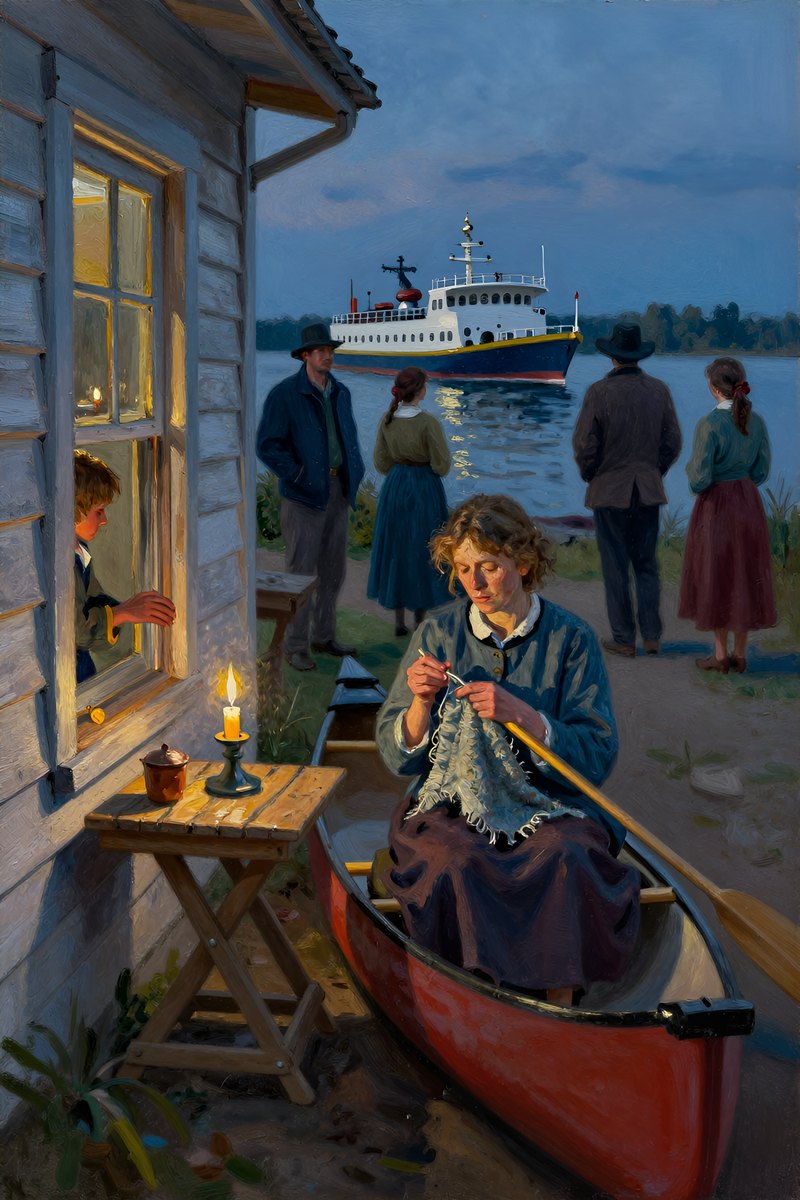
After breakfast I wanted to talk about the dead man and guess out how he come to be killed, but Jim didn’t want to. He said it would fetch bad luck; and besides, he said, he might come and ha’nt us; he said a man that warn’t buried was more likely to go a-ha’nting around than one that was planted and comfortable. That sounded pretty reasonable, so I didn’t say no more; but I couldn’t keep from studying over it and wishing I knowed who shot the man, and what they done it for.
We rummaged the clothes we’d got, and found eight dollars in silver sewed up in the lining of an old blanket overcoat. Jim said he reckoned the people in that house stole the coat, because if they’d a knowed the money was there they wouldn’t a left it. I said I reckoned they killed him, too; but Jim didn’t want to talk about that. I says:
“Now you think it’s bad luck; but what did you say when I fetched in the snake-skin that I found on the top of the ridge day before yesterday? You said it was the worst bad luck in the world to touch a snake-skin with my hands. Well, here’s your bad luck! We’ve raked in all this truck and eight dollars besides. I wish we could have some bad luck like this every day, Jim.”
“Never you mind, honey, never you mind. Don’t you git too peart. It’s a-comin’. Mind I tell you, it’s a-comin’.”
It did come, too. It was a Tuesday that we had that talk. Well, after dinner Friday we was laying around in the grass at the upper end of the ridge, and got out of tobacco. I went to the cavern to get some, and found a rattlesnake in there. I killed him, and curled him up on the foot of Jim’s blanket, ever so natural, thinking there’d be some fun when Jim found him there. Well, by night I forgot all about the snake, and when Jim flung himself down on the blanket while I struck a light the snake’s mate was there, and bit him.
He jumped up yelling, and the first thing the light showed was the varmint curled up and ready for another spring. I laid him out in a second with a stick, and Jim grabbed pap’s whisky-jug and begun to pour it down.
He was barefooted, and the snake bit him right on the heel. That all comes of my being such a fool as to not remember that wherever you leave a dead snake its mate always comes there and curls around it. Jim told me to chop off the snake’s head and throw it away, and then skin the body and roast a piece of it. I done it, and he eat it and said it would help cure him. He made me take off the rattles and tie them around his wrist, too. He said that that would help. Then I slid out quiet and throwed the snakes clear away amongst the bushes; for I warn’t going to let Jim find out it was all my fault, not if I could help it.
Jim sucked and sucked at the jug, and now and then he got out of his head and pitched around and yelled; but every time he come to himself he went to sucking at the jug again. His foot swelled up pretty big, and so did his leg; but by-and-by the drunk begun to come, and so I judged he was all right; but I’d druther been bit with a snake than pap’s whisky.
Jim was laid up for four days and nights. Then the swelling was all gone and he was around again. I made up my mind I wouldn’t ever take a-holt of a snake-skin again with my hands, now that I see what had come of it. Jim said he reckoned I would believe him next time. And he said that handling a snake-skin was such awful bad luck that maybe we hadn’t got to the end of it yet. He said he druther see the new moon over his left shoulder as much as a thousand times than take up a snake-skin in his hand. Well, I was getting to feel that way myself, though I’ve always reckoned that looking at the new moon over your left shoulder is one of the carelessest and foolishest things a body can do.
Old Hank Bunker done it once, and bragged about it; and in less than two years he got drunk and fell off of the shot-tower, and spread himself out so that he was just a kind of a layer, as you may say; and they slid him edgeways between two barn doors for a coffin, and buried him so, so they say, but I didn’t see it. Pap told me. But anyway it all come of looking at the moon that way, like a fool.
Well, the days went along, and the river went down between its banks again; and about the first thing we done was to bait one of the big hooks with a skinned rabbit and set it and catch a catfish that was as big as a man, being six foot two inches long, and weighed over two hundred pounds. We couldn’t handle him, of course; he would a flung us into Illinois. We just set there and watched him rip and tear around till he drownded. We found a brass button in his stomach and a round ball, and lots of rubbage. We split the ball open with the hatchet, and there was a spool in it. Jim said he’d had it there a long time, to coat it over so and make a ball of it. It was as big a fish as was ever catched in the Mississippi, I reckon. Jim said he hadn’t ever seen a bigger one. He would a been worth a good deal over at the village. They peddle out such a fish as that by the pound in the market-house there; everybody buys some of him; his meat’s as white as snow and makes a good fry.
Next morning I said it was getting slow and dull, and I wanted to get a stirring up some way. I said I reckoned I would slip over the river and find out what was going on. Jim liked that notion; but he said I must go in the dark and look sharp. Then he studied it over and said, couldn’t I put on some of them old things and dress up like a girl?
That was a good notion, too. So we shortened up one of the calico gowns, and I turned up my trouser-legs to my knees and got into it. Jim hitched it behind with the hooks, and it was a fair fit. I put on the sun-bonnet and tied it under my chin, and then for a body to look in and see my face was like looking down a joint of stove-pipe. Jim said nobody would know me, even in the daytime, hardly. I practiced around all day to get the hang of the things, and by-and-by I could do pretty well in them, only Jim said I didn’t walk like a girl; and he said I must quit pulling up my gown to get at my britches-pocket. I took notice, and done better.
I started up the Illinois shore in the canoe just after dark.
I started across to the town from a little below the ferry-landing, and the drift of the current fetched me in at the bottom of the town. I tied up and started along the bank. There was a light burning in a little shanty that hadn’t been lived in for a long time, and I wondered who had took up quarters there. I slipped up and peeped in at the window. There was a woman about forty year old in there knitting by a candle that was on a pine table. I didn’t know her face; she was a stranger, for you couldn’t start a face in that town that I didn’t know. Now this was lucky, because I was weakening; I was getting afraid I had come; people might know my voice and find me out. But if this woman had been in such a little town two days she could tell me all I wanted to know; so I knocked at the door, and made up my mind I wouldn’t forget I was a girl.
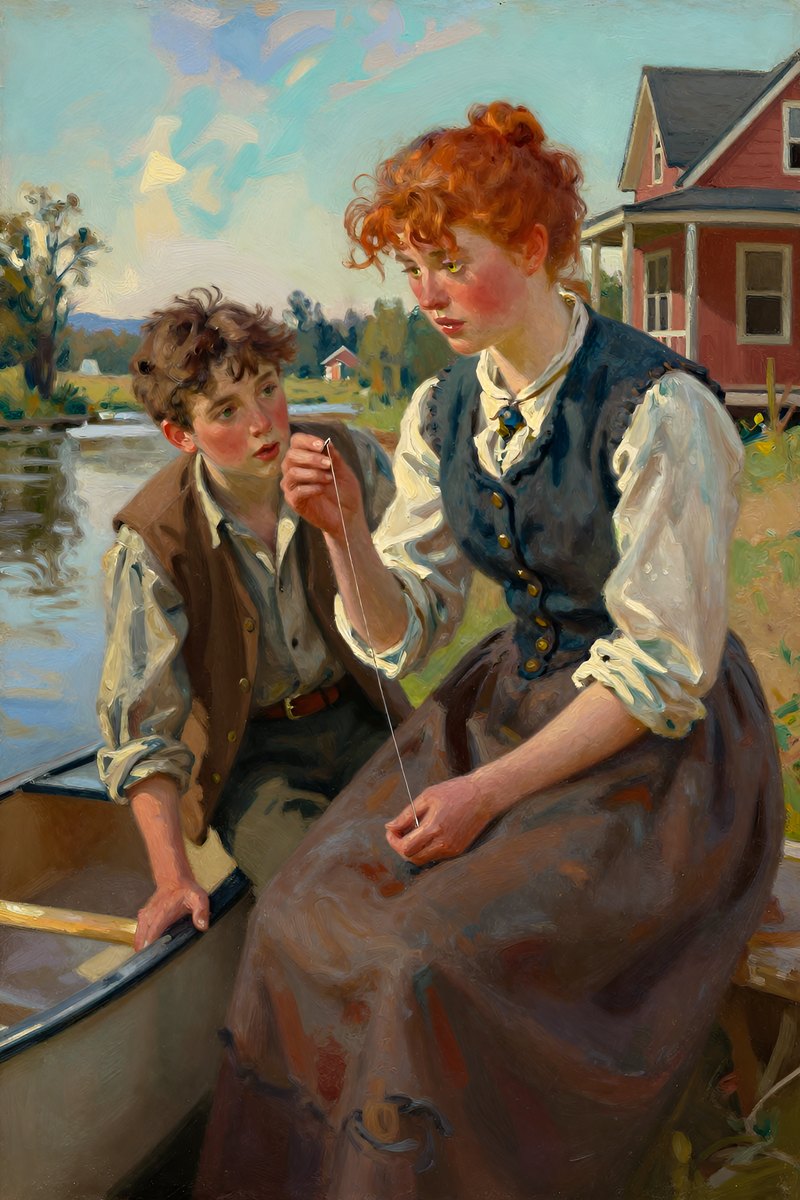
“Come in,” says the woman, and I did. She says: “Take a cheer.”
I done it. She looked me all over with her little shiny eyes, and says:
“What might your name be?”
“Sarah Williams.”
“Where ’bouts do you live? In this neighborhood?”
“No’m. In Hookerville, seven mile below. I’ve walked all the way and I’m all tired out.”
“Hungry, too, I reckon. I’ll find you something.”
“No’m, I ain’t hungry. I was so hungry I had to stop two miles below here at a farm; so I ain’t hungry no more. It’s what makes me so late.
My mother’s down sick, and out of money and everything, and I come to tell my uncle Abner Moore. He lives at the upper end of the town, she says. I hain’t ever been here before. Do you know him?”
“No; but I don’t know everybody yet. I haven’t lived here quite two weeks. It’s a considerable ways to the upper end of the town. You better stay here all night. Take off your bonnet.”
“No,” I says; “I’ll rest a while, I reckon, and go on. I ain’t afeared of the dark.”
She said she wouldn’t let me go by myself, but her husband would be in by-and-by, maybe in a hour and a half, and she’d send him along with me. Then she got to talking about her husband, and about her relations up the river, and her relations down the river, and about how much better off they used to was, and how they didn’t know but they’d made a mistake coming to our town, instead of letting well alone—and so on and so on, till I was afeard I had made a mistake coming to her to find out what was going on in the town; but by-and-by she dropped on to pap and the murder, and then I was pretty willing to let her clatter right along. She told about me and Tom Sawyer finding the six thousand dollars (only she got it ten) and all about pap and what a hard lot he was, and what a hard lot I was, and at last she got down to where I was murdered. I says:
“Who done it? We’ve heard considerable about these goings on down in Hookerville, but we don’t know who ’twas that killed Huck Finn.”
“Well, I reckon there’s a right smart chance of people here that’d like to know who killed him. Some think old Finn done it himself.”
“No—is that so?”
“Most everybody thought it at first. He’ll never know how nigh he come to getting lynched. But before night they changed around and judged it was done by a runaway nigger named Jim.”
“Why he—”
I stopped. I reckoned I better keep still. She run on, and never noticed I had put in at all:
“The nigger run off the very night Huck Finn was killed. So there’s a reward out for him—three hundred dollars. And there’s a reward out for old Finn, too—two hundred dollars. You see, he come to town the morning after the murder, and told about it, and was out with ’em on the ferry-boat hunt, and right away after he up and left. Before night they wanted to lynch him, but he was gone, you see. Well, next day they found out the nigger was gone; they found out he hadn’t ben seen sence ten o’clock the night the murder was done. So then they put it on him, you see; and while they was full of it, next day, back comes old Finn, and went boo-hooing to Judge Thatcher to get money to hunt for the nigger all over Illinois with. The judge gave him some, and that evening he got drunk, and was around till after midnight with a couple of mighty hard-looking strangers, and then went off with them. Well, he hain’t come back sence, and they ain’t looking for him back till this thing blows over a little, for people thinks now that he killed his boy and fixed things so folks would think robbers done it, and then he’d get Huck’s money without having to bother a long time with a lawsuit.
People do say he warn’t any too good to do it. Oh, he’s sly, I reckon.
If he don’t come back for a year he’ll be all right. You can’t prove anything on him, you know; everything will be quieted down then, and he’ll walk in Huck’s money as easy as nothing.”
“Yes, I reckon so, ’m. I don’t see nothing in the way of it. Has everybody quit thinking the nigger done it?”
“Oh, no, not everybody. A good many thinks he done it. But they’ll get the nigger pretty soon now, and maybe they can scare it out of him.”
“Why, are they after him yet?”
“Well, you’re innocent, ain’t you! Does three hundred dollars lay around every day for people to pick up? Some folks think the nigger ain’t far from here. I’m one of them—but I hain’t talked it around. A few days ago I was talking with an old couple that lives next door in the log shanty, and they happened to say hardly anybody ever goes to that island over yonder that they call Jackson’s Island. Don’t anybody live there? says I. No, nobody, says they. I didn’t say any more, but I done some thinking. I was pretty near certain I’d seen smoke over there, about the head of the island, a day or two before that, so I says to myself, like as not that nigger’s hiding over there; anyway, says I, it’s worth the trouble to give the place a hunt. I hain’t seen any smoke sence, so I reckon maybe he’s gone, if it was him; but husband’s going over to see—him and another man. He was gone up the river; but he got back to-day, and I told him as soon as he got here two hours ago.”
I had got so uneasy I couldn’t set still. I had to do something with my hands; so I took up a needle off of the table and went to threading it.
My hands shook, and I was making a bad job of it. When the woman stopped talking I looked up, and she was looking at me pretty curious and smiling a little. I put down the needle and thread, and let on to be interested—and I was, too—and says:
“Three hundred dollars is a power of money. I wish my mother could get it. Is your husband going over there to-night?”
“Oh, yes. He went up-town with the man I was telling you of, to get a boat and see if they could borrow another gun. They’ll go over after midnight.”
“Couldn’t they see better if they was to wait till daytime?”
“Yes. And couldn’t the nigger see better, too? After midnight he’ll likely be asleep, and they can slip around through the woods and hunt up his camp fire all the better for the dark, if he’s got one.”
“I didn’t think of that.”
The woman kept looking at me pretty curious, and I didn’t feel a bit comfortable. Pretty soon she says, “What did you say your name was, honey?”
“M—Mary Williams.”
Somehow it didn’t seem to me that I said it was Mary before, so I didn’t look up—seemed to me I said it was Sarah; so I felt sort of cornered, and was afeared maybe I was looking it, too. I wished the woman would say something more; the longer she set still the uneasier I was. But now she says:
“Honey, I thought you said it was Sarah when you first come in?”
“Oh, yes’m, I did. Sarah Mary Williams. Sarah’s my first name. Some calls me Sarah, some calls me Mary.”
“Oh, that’s the way of it?”
“Yes’m.”
I was feeling better then, but I wished I was out of there, anyway. I couldn’t look up yet.
Well, the woman fell to talking about how hard times was, and how poor they had to live, and how the rats was as free as if they owned the place, and so forth and so on, and then I got easy again. She was right about the rats. You’d see one stick his nose out of a hole in the corner every little while. She said she had to have things handy to throw at them when she was alone, or they wouldn’t give her no peace.
She showed me a bar of lead twisted up into a knot, and said she was a good shot with it generly, but she’d wrenched her arm a day or two ago, and didn’t know whether she could throw true now. But she watched for a chance, and directly banged away at a rat; but she missed him wide, and said “Ouch!” it hurt her arm so. Then she told me to try for the next one. I wanted to be getting away before the old man got back, but of course I didn’t let on. I got the thing, and the first rat that showed his nose I let drive, and if he’d a stayed where he was he’d a been a tolerable sick rat. She said that was first-rate, and she reckoned I would hive the next one. She went and got the lump of lead and fetched it back, and brought along a hank of yarn which she wanted me to help her with. I held up my two hands and she put the hank over them, and went on talking about her and her husband’s matters. But she broke off to say:
“Keep your eye on the rats. You better have the lead in your lap, handy.”
So she dropped the lump into my lap just at that moment, and I clapped my legs together on it and she went on talking. But only about a minute. Then she took off the hank and looked me straight in the face, and very pleasant, and says:
“Come, now, what’s your real name?”
“Wh—what, mum?”
“What’s your real name? Is it Bill, or Tom, or Bob?—or what is it?”
I reckon I shook like a leaf, and I didn’t know hardly what to do. But I says:
“Please to don’t poke fun at a poor girl like me, mum. If I’m in the way here, I’ll—”
“No, you won’t. Set down and stay where you are. I ain’t going to hurt you, and I ain’t going to tell on you, nuther. You just tell me your secret, and trust me. I’ll keep it; and, what’s more, I’ll help you.
So’ll my old man if you want him to. You see, you’re a runaway ’prentice, that’s all. It ain’t anything. There ain’t no harm in it.
You’ve been treated bad, and you made up your mind to cut. Bless you, child, I wouldn’t tell on you. Tell me all about it now, that’s a good boy.”
So I said it wouldn’t be no use to try to play it any longer, and I would just make a clean breast and tell her everything, but she musn’t go back on her promise. Then I told her my father and mother was dead, and the law had bound me out to a mean old farmer in the country thirty mile back from the river, and he treated me so bad I couldn’t stand it no longer; he went away to be gone a couple of days, and so I took my chance and stole some of his daughter’s old clothes and cleared out, and I had been three nights coming the thirty miles. I traveled nights, and hid daytimes and slept, and the bag of bread and meat I carried from home lasted me all the way, and I had a-plenty. I said I believed my uncle Abner Moore would take care of me, and so that was why I struck out for this town of Goshen.
“Goshen, child? This ain’t Goshen. This is St. Petersburg. Goshen’s ten mile further up the river. Who told you this was Goshen?”
“Why, a man I met at daybreak this morning, just as I was going to turn into the woods for my regular sleep. He told me when the roads forked I must take the right hand, and five mile would fetch me to Goshen.”
“He was drunk, I reckon. He told you just exactly wrong.”
“Well, he did act like he was drunk, but it ain’t no matter now. I got to be moving along. I’ll fetch Goshen before daylight.”
“Hold on a minute. I’ll put you up a snack to eat. You might want it.”
So she put me up a snack, and says:
“Say, when a cow’s laying down, which end of her gets up first? Answer up prompt now—don’t stop to study over it. Which end gets up first?”
“The hind end, mum.”
“Well, then, a horse?”
“The for’rard end, mum.”
“Which side of a tree does the moss grow on?”
“North side.”
“If fifteen cows is browsing on a hillside, how many of them eats with their heads pointed the same direction?”
“The whole fifteen, mum.”
“Well, I reckon you have lived in the country. I thought maybe you was trying to hocus me again. What’s your real name, now?”
“George Peters, mum.”
“Well, try to remember it, George. Don’t forget and tell me it’s Elexander before you go, and then get out by saying it’s George Elexander when I catch you. And don’t go about women in that old calico. You do a girl tolerable poor, but you might fool men, maybe.
Bless you, child, when you set out to thread a needle don’t hold the thread still and fetch the needle up to it; hold the needle still and poke the thread at it; that’s the way a woman most always does, but a man always does t’other way. And when you throw at a rat or anything, hitch yourself up a tiptoe and fetch your hand up over your head as awkward as you can, and miss your rat about six or seven foot. Throw stiff-armed from the shoulder, like there was a pivot there for it to turn on, like a girl; not from the wrist and elbow, with your arm out to one side, like a boy. And, mind you, when a girl tries to catch anything in her lap she throws her knees apart; she don’t clap them together, the way you did when you catched the lump of lead. Why, I spotted you for a boy when you was threading the needle; and I contrived the other things just to make certain. Now trot along to your uncle, Sarah Mary Williams George Elexander Peters, and if you get into trouble you send word to Mrs. Judith Loftus, which is me, and I’ll do what I can to get you out of it. Keep the river road all the way, and next time you tramp take shoes and socks with you. The river road’s a rocky one, and your feet’ll be in a condition when you get to Goshen, I reckon.”
I went up the bank about fifty yards, and then I doubled on my tracks and slipped back to where my canoe was, a good piece below the house. I jumped in, and was off in a hurry. I went up-stream far enough to make the head of the island, and then started across. I took off the sun-bonnet, for I didn’t want no blinders on then. When I was about the middle I heard the clock begin to strike, so I stops and listens; the sound come faint over the water but clear—eleven. When I struck the head of the island I never waited to blow, though I was most winded, but I shoved right into the timber where my old camp used to be, and started a good fire there on a high and dry spot.
Then I jumped in the canoe and dug out for our place, a mile and a half below, as hard as I could go. I landed, and slopped through the timber and up the ridge and into the cavern. There Jim laid, sound asleep on the ground. I roused him out and says:
“Git up and hump yourself, Jim! There ain’t a minute to lose. They’re after us!”
Jim never asked no questions, he never said a word; but the way he worked for the next half an hour showed about how he was scared. By that time everything we had in the world was on our raft, and she was ready to be shoved out from the willow cove where she was hid. We put out the camp fire at the cavern the first thing, and didn’t show a candle outside after that.
I took the canoe out from the shore a little piece, and took a look; but if there was a boat around I couldn’t see it, for stars and shadows ain’t good to see by. Then we got out the raft and slipped along down in the shade, past the foot of the island dead still—never saying a word.
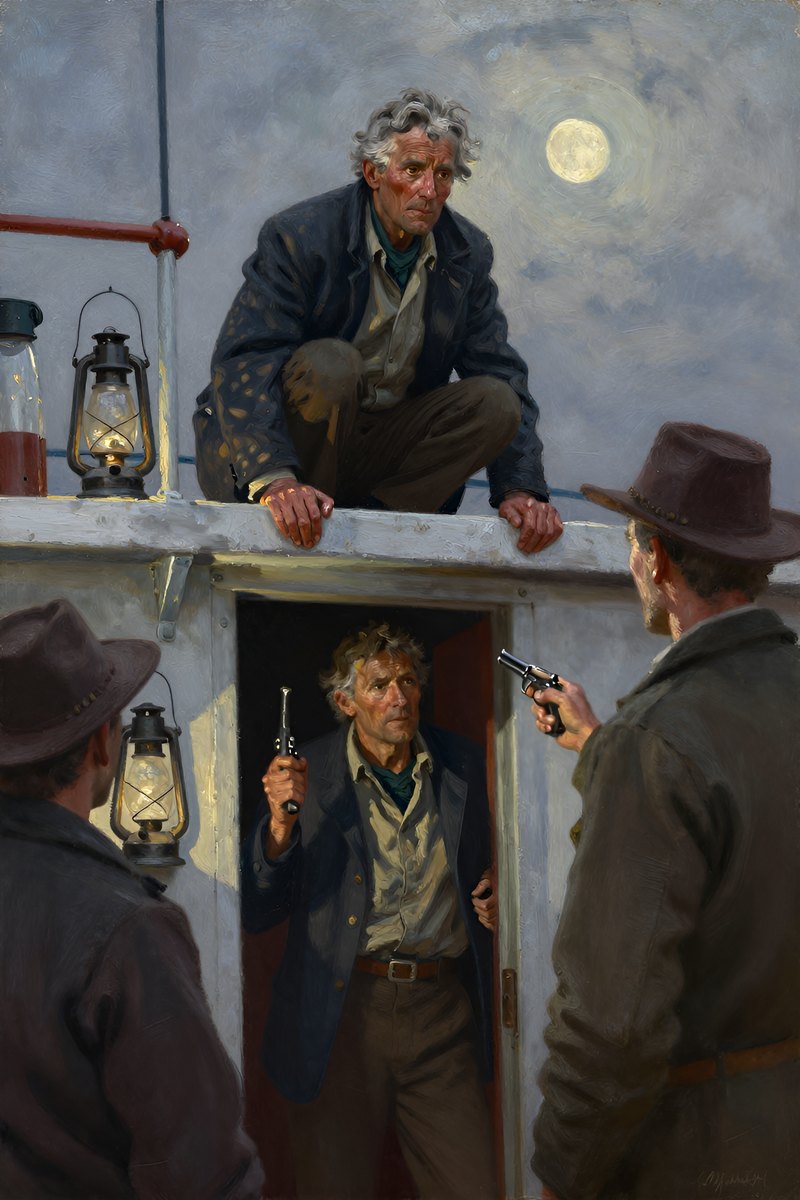
It must a been close on to one o’clock when we got below the island at last, and the raft did seem to go mighty slow. If a boat was to come along we was going to take to the canoe and break for the Illinois shore; and it was well a boat didn’t come, for we hadn’t ever thought to put the gun in the canoe, or a fishing-line, or anything to eat. We was in ruther too much of a sweat to think of so many things. It warn’t good judgment to put everything on the raft.
If the men went to the island I just expect they found the camp fire I built, and watched it all night for Jim to come. Anyways, they stayed away from us, and if my building the fire never fooled them it warn’t no fault of mine. I played it as low down on them as I could.
When the first streak of day began to show we tied up to a tow-head in a big bend on the Illinois side, and hacked off cottonwood branches with the hatchet, and covered up the raft with them so she looked like there had been a cave-in in the bank there. A tow-head is a sandbar that has cottonwoods on it as thick as harrow-teeth.
We had mountains on the Missouri shore and heavy timber on the Illinois side, and the channel was down the Missouri shore at that place, so we warn’t afraid of anybody running across us. We laid there all day, and watched the rafts and steamboats spin down the Missouri shore, and up-bound steamboats fight the big river in the middle. I told Jim all about the time I had jabbering with that woman; and Jim said she was a smart one, and if she was to start after us herself she wouldn’t set down and watch a camp fire—no, sir, she’d fetch a dog. Well, then, I said, why couldn’t she tell her husband to fetch a dog? Jim said he bet she did think of it by the time the men was ready to start, and he believed they must a gone up-town to get a dog and so they lost all that time, or else we wouldn’t be here on a tow-head sixteen or seventeen mile below the village—no, indeedy, we would be in that same old town again. So I said I didn’t care what was the reason they didn’t get us as long as they didn’t.
When it was beginning to come on dark we poked our heads out of the cottonwood thicket, and looked up and down and across; nothing in sight; so Jim took up some of the top planks of the raft and built a snug wigwam to get under in blazing weather and rainy, and to keep the things dry. Jim made a floor for the wigwam, and raised it a foot or more above the level of the raft, so now the blankets and all the traps was out of reach of steamboat waves. Right in the middle of the wigwam we made a layer of dirt about five or six inches deep with a frame around it for to hold it to its place; this was to build a fire on in sloppy weather or chilly; the wigwam would keep it from being seen. We made an extra steering-oar, too, because one of the others might get broke on a snag or something. We fixed up a short forked stick to hang the old lantern on, because we must always light the lantern whenever we see a steamboat coming down-stream, to keep from getting run over; but we wouldn’t have to light it for up-stream boats unless we see we was in what they call a “crossing”; for the river was pretty high yet, very low banks being still a little under water; so up-bound boats didn’t always run the channel, but hunted easy water.
This second night we run between seven and eight hours, with a current that was making over four mile an hour. We catched fish and talked, and we took a swim now and then to keep off sleepiness. It was kind of solemn, drifting down the big, still river, laying on our backs looking up at the stars, and we didn’t ever feel like talking loud, and it warn’t often that we laughed—only a little kind of a low chuckle. We had mighty good weather as a general thing, and nothing ever happened to us at all—that night, nor the next, nor the next.
Every night we passed towns, some of them away up on black hillsides, nothing but just a shiny bed of lights; not a house could you see. The fifth night we passed St. Louis, and it was like the whole world lit up. In St. Petersburg they used to say there was twenty or thirty thousand people in St. Louis, but I never believed it till I see that wonderful spread of lights at two o’clock that still night. There warn’t a sound there; everybody was asleep.
Every night now I used to slip ashore towards ten o’clock at some little village, and buy ten or fifteen cents’ worth of meal or bacon or other stuff to eat; and sometimes I lifted a chicken that warn’t roosting comfortable, and took him along. Pap always said, take a chicken when you get a chance, because if you don’t want him yourself you can easy find somebody that does, and a good deed ain’t ever forgot. I never see pap when he didn’t want the chicken himself, but that is what he used to say, anyway.
Mornings before daylight I slipped into cornfields and borrowed a watermelon, or a mushmelon, or a punkin, or some new corn, or things of that kind. Pap always said it warn’t no harm to borrow things if you was meaning to pay them back some time; but the widow said it warn’t anything but a soft name for stealing, and no decent body would do it.
Jim said he reckoned the widow was partly right and pap was partly right; so the best way would be for us to pick out two or three things from the list and say we wouldn’t borrow them any more—then he reckoned it wouldn’t be no harm to borrow the others. So we talked it over all one night, drifting along down the river, trying to make up our minds whether to drop the watermelons, or the cantelopes, or the mushmelons, or what. But towards daylight we got it all settled satisfactory, and concluded to drop crabapples and p’simmons. We warn’t feeling just right before that, but it was all comfortable now. I was glad the way it come out, too, because crabapples ain’t ever good, and the p’simmons wouldn’t be ripe for two or three months yet.
We shot a water-fowl, now and, then that got up too early in the morning or didn’t go to bed early enough in the evening. Take it all round, we lived pretty high.
The fifth night below St. Louis we had a big storm after midnight, with a power of thunder and lightning, and the rain poured down in a solid sheet. We stayed in the wigwam and let the raft take care of itself.
When the lightning glared out we could see a big straight river ahead, and high, rocky bluffs on both sides. By-and-by says I, “Hel-lo, Jim, looky yonder!” It was a steamboat that had killed herself on a rock. We was drifting straight down for her. The lightning showed her very distinct. She was leaning over, with part of her upper deck above water, and you could see every little chimbly-guy clean and clear, and a chair by the big bell, with an old slouch hat hanging on the back of it, when the flashes come.
Well, it being away in the night and stormy, and all so mysterious-like, I felt just the way any other boy would a felt when I see that wreck laying there so mournful and lonesome in the middle of the river. I wanted to get aboard of her and slink around a little, and see what there was there. So I says:
“Le’s land on her, Jim.”
But Jim was dead against it at first. He says:
“I doan’ want to go fool’n ’long er no wrack. We’s doin’ blame’ well, en we better let blame’ well alone, as de good book says. Like as not dey’s a watchman on dat wrack.”
“Watchman your grandmother,” I says; “there ain’t nothing to watch but the texas and the pilot-house; and do you reckon anybody’s going to resk his life for a texas and a pilot-house such a night as this, when it’s likely to break up and wash off down the river any minute?” Jim couldn’t say nothing to that, so he didn’t try. “And besides,” I says, “we might borrow something worth having out of the captain’s stateroom.
Seegars, I bet you—and cost five cents apiece, solid cash. Steamboat captains is always rich, and get sixty dollars a month, and they don’t care a cent what a thing costs, you know, long as they want it.
Stick a candle in your pocket; I can’t rest, Jim, till we give her a rummaging. Do you reckon Tom Sawyer would ever go by this thing? Not for pie, he wouldn’t. He’d call it an adventure—that’s what he’d call it; and he’d land on that wreck if it was his last act. And wouldn’t he throw style into it?—wouldn’t he spread himself, nor nothing? Why, you’d think it was Christopher C’lumbus discovering Kingdom-Come. I wish Tom Sawyer was here.”
Jim he grumbled a little, but give in. He said we mustn’t talk any more than we could help, and then talk mighty low. The lightning showed us the wreck again just in time, and we fetched the stabboard derrick, and made fast there.
The deck was high out here. We went sneaking down the slope of it to labboard, in the dark, towards the texas, feeling our way slow with our feet, and spreading our hands out to fend off the guys, for it was so dark we couldn’t see no sign of them. Pretty soon we struck the forward end of the skylight, and clumb on to it; and the next step fetched us in front of the captain’s door, which was open, and by Jimminy, away down through the texas-hall we see a light! and all in the same second we seem to hear low voices in yonder!
Jim whispered and said he was feeling powerful sick, and told me to come along. I says, all right, and was going to start for the raft; but just then I heard a voice wail out and say:
“Oh, please don’t, boys; I swear I won’t ever tell!”
Another voice said, pretty loud:
“It’s a lie, Jim Turner. You’ve acted this way before. You always want more’n your share of the truck, and you’ve always got it, too, because you’ve swore ’t if you didn’t you’d tell. But this time you’ve said it jest one time too many. You’re the meanest, treacherousest hound in this country.”
By this time Jim was gone for the raft. I was just a-biling with curiosity; and I says to myself, Tom Sawyer wouldn’t back out now, and so I won’t either; I’m a-going to see what’s going on here. So I dropped on my hands and knees in the little passage, and crept aft in the dark till there warn’t but one stateroom betwixt me and the cross-hall of the texas. Then in there I see a man stretched on the floor and tied hand and foot, and two men standing over him, and one of them had a dim lantern in his hand, and the other one had a pistol.
This one kept pointing the pistol at the man’s head on the floor, and saying:
“I’d like to! And I orter, too—a mean skunk!”
The man on the floor would shrivel up and say, “Oh, please don’t, Bill; I hain’t ever goin’ to tell.”
And every time he said that the man with the lantern would laugh and say:
“’Deed you ain’t! You never said no truer thing ’n that, you bet you.” And once he said: “Hear him beg! and yit if we hadn’t got the best of him and tied him he’d a killed us both. And what for? Jist for noth’n. Jist because we stood on our rights—that’s what for. But I lay you ain’t a-goin’ to threaten nobody any more, Jim Turner. Put up that pistol, Bill.”
Bill says:
“I don’t want to, Jake Packard. I’m for killin’ him—and didn’t he kill old Hatfield jist the same way—and don’t he deserve it?”
“But I don’t want him killed, and I’ve got my reasons for it.”
“Bless yo’ heart for them words, Jake Packard! I’ll never forgit you long’s I live!” says the man on the floor, sort of blubbering.
Packard didn’t take no notice of that, but hung up his lantern on a nail and started towards where I was there in the dark, and motioned Bill to come. I crawfished as fast as I could about two yards, but the boat slanted so that I couldn’t make very good time; so to keep from getting run over and catched I crawled into a stateroom on the upper side. The man came a-pawing along in the dark, and when Packard got to my stateroom, he says:
“Here—come in here.”
And in he come, and Bill after him. But before they got in I was up in the upper berth, cornered, and sorry I come. Then they stood there, with their hands on the ledge of the berth, and talked. I couldn’t see them, but I could tell where they was by the whisky they’d been having.
I was glad I didn’t drink whisky; but it wouldn’t made much difference anyway, because most of the time they couldn’t a treed me because I didn’t breathe. I was too scared. And, besides, a body couldn’t breathe and hear such talk. They talked low and earnest. Bill wanted to kill Turner. He says:
“He’s said he’ll tell, and he will. If we was to give both our shares to him now it wouldn’t make no difference after the row and the way we’ve served him. Shore’s you’re born, he’ll turn State’s evidence; now you hear me. I’m for putting him out of his troubles.”
“So’m I,” says Packard, very quiet.
“Blame it, I’d sorter begun to think you wasn’t. Well, then, that’s all right. Le’s go and do it.”
“Hold on a minute; I hain’t had my say yit. You listen to me.
Shooting’s good, but there’s quieter ways if the thing’s got to be done. But what I say is this: it ain’t good sense to go court’n around after a halter if you can git at what you’re up to in some way that’s jist as good and at the same time don’t bring you into no resks.
Ain’t that so?”
“You bet it is. But how you goin’ to manage it this time?”
“Well, my idea is this: we’ll rustle around and gather up whatever pickins we’ve overlooked in the staterooms, and shove for shore and hide the truck. Then we’ll wait. Now I say it ain’t a-goin’ to be more’n two hours befo’ this wrack breaks up and washes off down the river. See? He’ll be drownded, and won’t have nobody to blame for it but his own self. I reckon that’s a considerble sight better ’n killin’
of him. I’m unfavorable to killin’ a man as long as you can git aroun’
it; it ain’t good sense, it ain’t good morals. Ain’t I right?”
“Yes, I reck’n you are. But s’pose she don’t break up and wash off?”
“Well, we can wait the two hours anyway and see, can’t we?”
“All right, then; come along.”
So they started, and I lit out, all in a cold sweat, and scrambled forward. It was dark as pitch there; but I said, in a kind of a coarse whisper, “Jim!” and he answered up, right at my elbow, with a sort of a moan, and I says:
“Quick, Jim, it ain’t no time for fooling around and moaning; there’s a gang of murderers in yonder, and if we don’t hunt up their boat and set her drifting down the river so these fellows can’t get away from the wreck there’s one of ’em going to be in a bad fix. But if we find their boat we can put all of ’em in a bad fix—for the Sheriff ’ll get ’em.
Quick—hurry! I’ll hunt the labboard side, you hunt the stabboard. You start at the raft, and—”
“Oh, my lordy, lordy! Raf’? Dey ain’ no raf’ no mo’; she done broke loose en gone I—en here we is!”
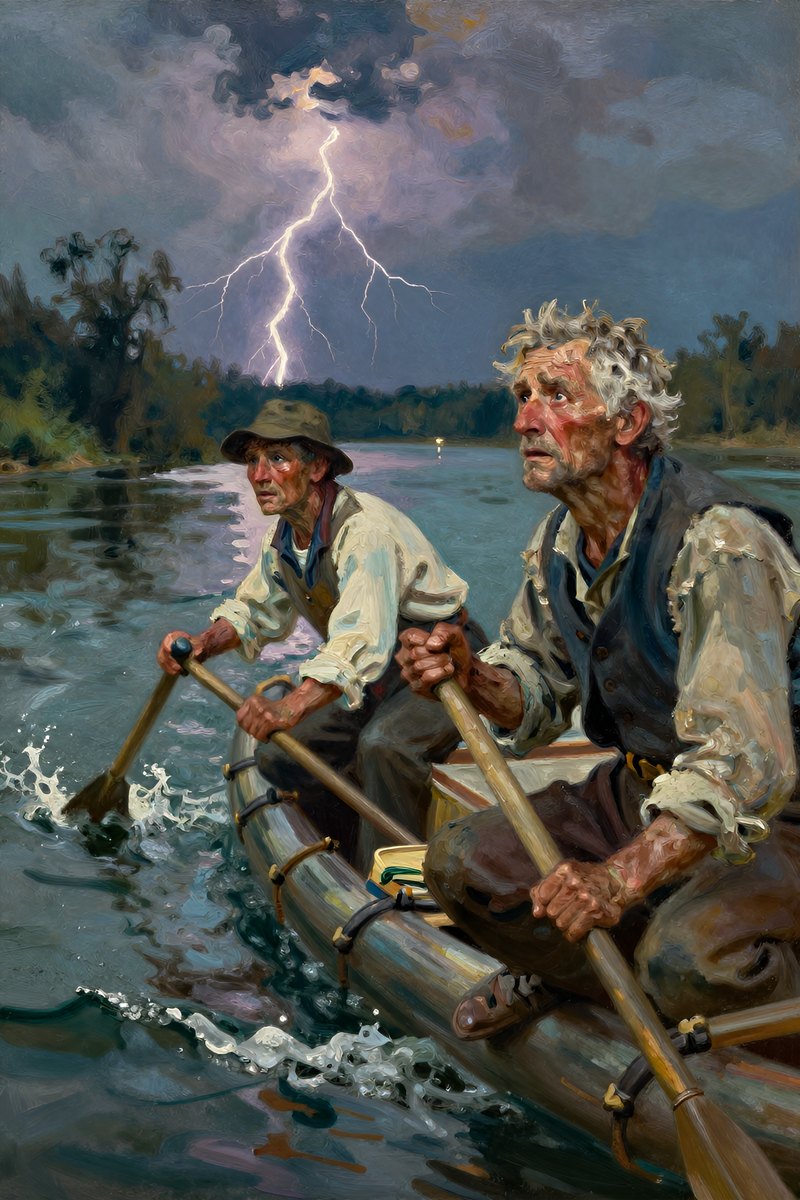
Well, I catched my breath and most fainted. Shut up on a wreck with such a gang as that! But it warn’t no time to be sentimentering. We’d got to find that boat now—had to have it for ourselves. So we went a-quaking and shaking down the stabboard side, and slow work it was, too—seemed a week before we got to the stern. No sign of a boat. Jim said he didn’t believe he could go any further—so scared he hadn’t hardly any strength left, he said. But I said, come on, if we get left on this wreck we are in a fix, sure. So on we prowled again. We struck for the stern of the texas, and found it, and then scrabbled along forwards on the skylight, hanging on from shutter to shutter, for the edge of the skylight was in the water. When we got pretty close to the cross-hall door, there was the skiff, sure enough! I could just barely see her. I felt ever so thankful. In another second I would a been aboard of her, but just then the door opened. One of the men stuck his head out only about a couple of foot from me, and I thought I was gone; but he jerked it in again, and says:
“Heave that blame lantern out o’ sight, Bill!”
He flung a bag of something into the boat, and then got in himself and set down. It was Packard. Then Bill he come out and got in. Packard says, in a low voice:
“All ready—shove off!”
I couldn’t hardly hang on to the shutters, I was so weak. But Bill says:
“Hold on—’d you go through him?”
“No. Didn’t you?”
“No. So he’s got his share o’ the cash yet.”
“Well, then, come along; no use to take truck and leave money.”
“Say, won’t he suspicion what we’re up to?”
“Maybe he won’t. But we got to have it anyway. Come along.”
So they got out and went in.
The door slammed to because it was on the careened side; and in a half second I was in the boat, and Jim come tumbling after me. I out with my knife and cut the rope, and away we went!
We didn’t touch an oar, and we didn’t speak nor whisper, nor hardly even breathe. We went gliding swift along, dead silent, past the tip of the paddle-box, and past the stern; then in a second or two more we was a hundred yards below the wreck, and the darkness soaked her up, every last sign of her, and we was safe, and knowed it.
When we was three or four hundred yards down-stream we see the lantern show like a little spark at the texas door for a second, and we knowed by that that the rascals had missed their boat, and was beginning to understand that they was in just as much trouble now as Jim Turner was.
Then Jim manned the oars, and we took out after our raft. Now was the first time that I begun to worry about the men—I reckon I hadn’t had time to before. I begun to think how dreadful it was, even for murderers, to be in such a fix. I says to myself, there ain’t no telling but I might come to be a murderer myself yet, and then how would I like it? So says I to Jim:
“The first light we see we’ll land a hundred yards below it or above it, in a place where it’s a good hiding-place for you and the skiff, and then I’ll go and fix up some kind of a yarn, and get somebody to go for that gang and get them out of their scrape, so they can be hung when their time comes.”
But that idea was a failure; for pretty soon it begun to storm again, and this time worse than ever. The rain poured down, and never a light showed; everybody in bed, I reckon. We boomed along down the river, watching for lights and watching for our raft. After a long time the rain let up, but the clouds stayed, and the lightning kept whimpering, and by-and-by a flash showed us a black thing ahead, floating, and we made for it.
It was the raft, and mighty glad was we to get aboard of it again. We seen a light now away down to the right, on shore. So I said I would go for it. The skiff was half full of plunder which that gang had stole there on the wreck. We hustled it on to the raft in a pile, and I told Jim to float along down, and show a light when he judged he had gone about two mile, and keep it burning till I come; then I manned my oars and shoved for the light. As I got down towards it, three or four more showed—up on a hillside. It was a village. I closed in above the shore light, and laid on my oars and floated. As I went by, I see it was a lantern hanging on the jackstaff of a double-hull ferry-boat. I skimmed around for the watchman, a-wondering whereabouts he slept; and by-and-by I found him roosting on the bitts, forward, with his head down between his knees. I gave his shoulder two or three little shoves, and begun to cry.
He stirred up, in a kind of a startlish way; but when he see it was only me, he took a good gap and stretch, and then he says:
“Hello, what’s up? Don’t cry, bub. What’s the trouble?”
I says:
“Pap, and mam, and sis, and—”
Then I broke down. He says:
“Oh, dang it now, don’t take on so; we all has to have our troubles, and this’n ’ll come out all right. What’s the matter with ’em?”
“They’re—they’re—are you the watchman of the boat?”
“Yes,” he says, kind of pretty-well-satisfied like. “I’m the captain and the owner and the mate and the pilot and watchman and head deck-hand; and sometimes I’m the freight and passengers. I ain’t as rich as old Jim Hornback, and I can’t be so blame’ generous and good to Tom, Dick and Harry as what he is, and slam around money the way he does; but I’ve told him a many a time ’t I wouldn’t trade places with him; for, says I, a sailor’s life’s the life for me, and I’m derned if I’d live two mile out o’ town, where there ain’t nothing ever goin’
on, not for all his spondulicks and as much more on top of it. Says I—”
I broke in and says:
“They’re in an awful peck of trouble, and—”
“Who is?”
“Why, pap and mam and sis and Miss Hooker; and if you’d take your ferry-boat and go up there—”
“Up where? Where are they?”
“On the wreck.”
“What wreck?”
“Why, there ain’t but one.”
“What, you don’t mean the Walter Scott?”
“Yes.”
“Good land! what are they doin’ there, for gracious sakes?”
“Well, they didn’t go there a-purpose.”
“I bet they didn’t! Why, great goodness, there ain’t no chance for ’em if they don’t git off mighty quick! Why, how in the nation did they ever git into such a scrape?”
“Easy enough. Miss Hooker was a-visiting up there to the town—”
“Yes, Booth’s Landing—go on.”
“She was a-visiting there at Booth’s Landing, and just in the edge of the evening she started over with her nigger woman in the horse-ferry to stay all night at her friend’s house, Miss What-you-may-call-her I disremember her name—and they lost their steering-oar, and swung around and went a-floating down, stern first, about two mile, and saddle-baggsed on the wreck, and the ferryman and the nigger woman and the horses was all lost, but Miss Hooker she made a grab and got aboard the wreck. Well, about an hour after dark we come along down in our trading-scow, and it was so dark we didn’t notice the wreck till we was right on it; and so we saddle-baggsed; but all of us was saved but Bill Whipple—and oh, he was the best cretur!—I most wish’t it had been me, I do.”
“My George! It’s the beatenest thing I ever struck. And then what did you all do?”
“Well, we hollered and took on, but it’s so wide there we couldn’t make nobody hear. So pap said somebody got to get ashore and get help somehow. I was the only one that could swim, so I made a dash for it, and Miss Hooker she said if I didn’t strike help sooner, come here and hunt up her uncle, and he’d fix the thing. I made the land about a mile below, and been fooling along ever since, trying to get people to do something, but they said, ‘What, in such a night and such a current?
There ain’t no sense in it; go for the steam ferry.’ Now if you’ll go and—”
“By Jackson, I’d like to, and, blame it, I don’t know but I will; but who in the dingnation’s a-going’ to pay for it? Do you reckon your pap—”
“Why that’s all right. Miss Hooker she tole me, particular, that her uncle Hornback—”
“Great guns! is he her uncle? Looky here, you break for that light over yonder-way, and turn out west when you git there, and about a quarter of a mile out you’ll come to the tavern; tell ’em to dart you out to Jim Hornback’s, and he’ll foot the bill. And don’t you fool around any, because he’ll want to know the news. Tell him I’ll have his niece all safe before he can get to town. Hump yourself, now; I’m a-going up around the corner here to roust out my engineer.”
I struck for the light, but as soon as he turned the corner I went back and got into my skiff and bailed her out, and then pulled up shore in the easy water about six hundred yards, and tucked myself in among some woodboats; for I couldn’t rest easy till I could see the ferry-boat start. But take it all around, I was feeling ruther comfortable on accounts of taking all this trouble for that gang, for not many would a done it. I wished the widow knowed about it. I judged she would be proud of me for helping these rapscallions, because rapscallions and dead beats is the kind the widow and good people takes the most interest in.
Well, before long, here comes the wreck, dim and dusky, sliding along down! A kind of cold shiver went through me, and then I struck out for her. She was very deep, and I see in a minute there warn’t much chance for anybody being alive in her. I pulled all around her and hollered a little, but there wasn’t any answer; all dead still. I felt a little bit heavy-hearted about the gang, but not much, for I reckoned if they could stand it, I could.
Then here comes the ferry-boat; so I shoved for the middle of the river on a long down-stream slant; and when I judged I was out of eye-reach, I laid on my oars, and looked back and see her go and smell around the wreck for Miss Hooker’s remainders, because the captain would know her uncle Hornback would want them; and then pretty soon the ferry-boat give it up and went for the shore, and I laid into my work and went a-booming down the river.
It did seem a powerful long time before Jim’s light showed up; and when it did show, it looked like it was a thousand mile off. By the time I got there the sky was beginning to get a little gray in the east; so we struck for an island, and hid the raft, and sunk the skiff, and turned in and slept like dead people.
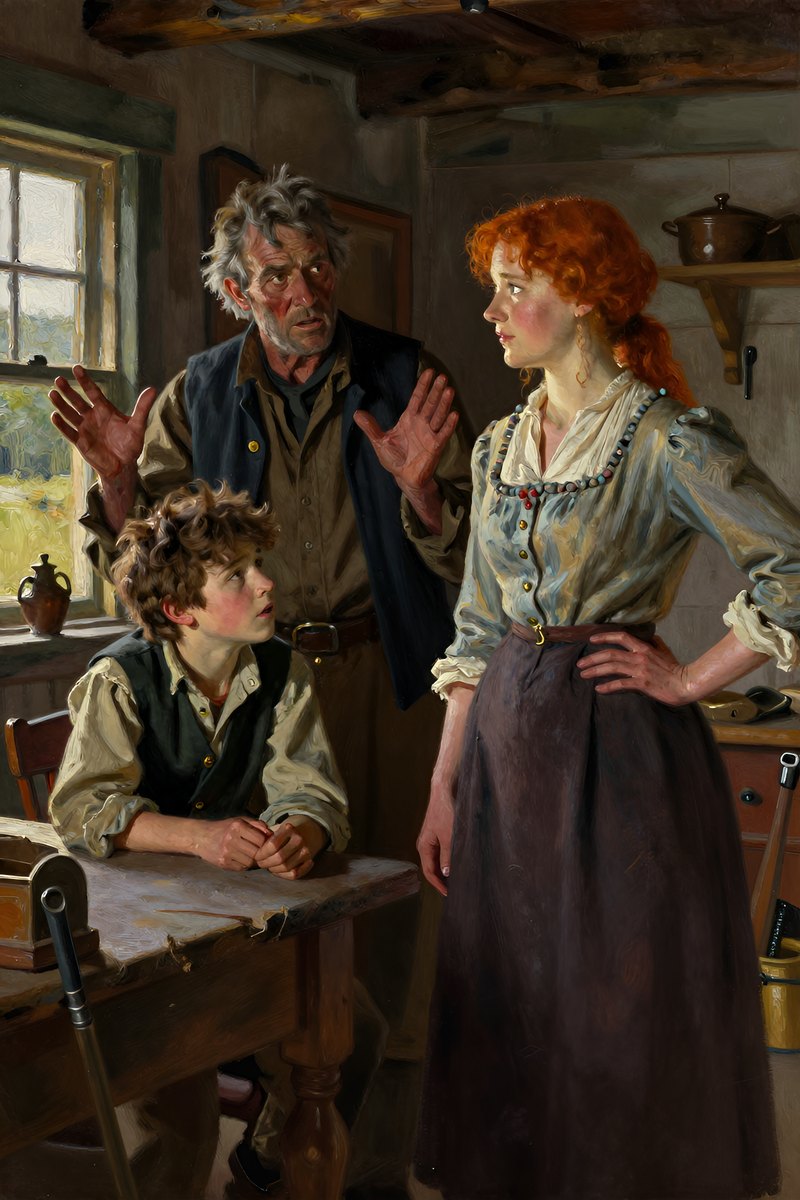
By-and-by, when we got up, we turned over the truck the gang had stole off of the wreck, and found boots, and blankets, and clothes, and all sorts of other things, and a lot of books, and a spyglass, and three boxes of seegars. We hadn’t ever been this rich before in neither of our lives. The seegars was prime. We laid off all the afternoon in the woods talking, and me reading the books, and having a general good time. I told Jim all about what happened inside the wreck and at the ferry-boat, and I said these kinds of things was adventures; but he said he didn’t want no more adventures. He said that when I went in the texas and he crawled back to get on the raft and found her gone, he nearly died; because he judged it was all up with him, anyway it could be fixed; for if he didn’t get saved he would get drownded; and if he did get saved, whoever saved him would send him back home so as to get the reward, and then Miss Watson would sell him South, sure. Well, he was right; he was most always right; he had an uncommon level head, for a nigger.
I read considerable to Jim about kings and dukes and earls and such, and how gaudy they dressed, and how much style they put on, and called each other your majesty, and your grace, and your lordship, and so on, ’stead of mister; and Jim’s eyes bugged out, and he was interested. He says:
“I didn’ know dey was so many un um. I hain’t hearn ’bout none un um, skasely, but ole King Sollermun, onless you counts dem kings dat’s in a pack er k’yards. How much do a king git?”
“Get?” I says; “why, they get a thousand dollars a month if they want it; they can have just as much as they want; everything belongs to them.”
“Ain’ dat gay? En what dey got to do, Huck?”
“They don’t do nothing! Why, how you talk! They just set around.”
“No; is dat so?”
“Of course it is. They just set around—except, maybe, when there’s a war; then they go to the war. But other times they just lazy around; or go hawking—just hawking and sp— Sh!—d’ you hear a noise?”
We skipped out and looked; but it warn’t nothing but the flutter of a steamboat’s wheel away down, coming around the point; so we come back.
“Yes,” says I, “and other times, when things is dull, they fuss with the parlyment; and if everybody don’t go just so he whacks their heads off. But mostly they hang round the harem.”
“Roun’ de which?”
“Harem.”
“What’s de harem?”
“The place where he keeps his wives. Don’t you know about the harem?
Solomon had one; he had about a million wives.”
“Why, yes, dat’s so; I—I’d done forgot it. A harem’s a bo’d’n-house, I reck’n. Mos’ likely dey has rackety times in de nussery. En I reck’n de wives quarrels considable; en dat ’crease de racket. Yit dey say Sollermun de wises’ man dat ever live’. I doan’ take no stock in dat.
Bekase why: would a wise man want to live in de mids’ er sich a blim-blammin’ all de time? No—’deed he wouldn’t. A wise man ’ud take en buil’ a biler-factry; en den he could shet down de biler-factry when he want to res’.”
“Well, but he was the wisest man, anyway; because the widow she told me so, her own self.”
“I doan k’yer what de widder say, he warn’t no wise man nuther. He had some er de dad-fetchedes’ ways I ever see. Does you know ’bout dat chile dat he ’uz gwyne to chop in two?”
“Yes, the widow told me all about it.”
“Well, den! Warn’ dat de beatenes’ notion in de worl’? You jes’ take en look at it a minute. Dah’s de stump, dah—dat’s one er de women; heah’s you—dat’s de yuther one; I’s Sollermun; en dish yer dollar bill’s de chile. Bofe un you claims it. What does I do? Does I shin aroun’ mongs’ de neighbors en fine out which un you de bill do b’long to, en han’ it over to de right one, all safe en soun’, de way dat anybody dat had any gumption would? No; I take en whack de bill in two, en give half un it to you, en de yuther half to de yuther woman.
Dat’s de way Sollermun was gwyne to do wid de chile. Now I want to ast you: what’s de use er dat half a bill?—can’t buy noth’n wid it. En what use is a half a chile? I wouldn’ give a dern for a million un um.”
“But hang it, Jim, you’ve clean missed the point—blame it, you’ve missed it a thousand mile.”
“Who? Me? Go ’long. Doan’ talk to me ’bout yo’ pints. I reck’n I knows sense when I sees it; en dey ain’ no sense in sich doin’s as dat.
De ’spute warn’t ’bout a half a chile, de ’spute was ’bout a whole chile; en de man dat think he kin settle a ’spute ’bout a whole chile wid a half a chile doan’ know enough to come in out’n de rain. Doan’
talk to me ’bout Sollermun, Huck, I knows him by de back.”
“But I tell you you don’t get the point.”
“Blame de point! I reck’n I knows what I knows. En mine you, de real pint is down furder—it’s down deeper. It lays in de way Sollermun was raised. You take a man dat’s got on’y one or two chillen; is dat man gwyne to be waseful o’ chillen? No, he ain’t; he can’t ’ford it. He know how to value ’em. But you take a man dat’s got ’bout five million chillen runnin’ roun’ de house, en it’s diffunt. He as soon chop a chile in two as a cat. Dey’s plenty mo’. A chile er two, mo’ er less, warn’t no consekens to Sollermun, dad fatch him!”
I never see such a nigger. If he got a notion in his head once, there warn’t no getting it out again. He was the most down on Solomon of any nigger I ever see. So I went to talking about other kings, and let Solomon slide. I told about Louis Sixteenth that got his head cut off in France long time ago; and about his little boy the dolphin, that would a been a king, but they took and shut him up in jail, and some say he died there.
“Po’ little chap.”
“But some says he got out and got away, and come to America.”
“Dat’s good! But he’ll be pooty lonesome—dey ain’ no kings here, is dey, Huck?”
“No.”
“Den he cain’t git no situation. What he gwyne to do?”
“Well, I don’t know. Some of them gets on the police, and some of them learns people how to talk French.”
“Why, Huck, doan’ de French people talk de same way we does?”
“No, Jim; you couldn’t understand a word they said—not a single word.”
“Well, now, I be ding-busted! How do dat come?”
“I don’t know; but it’s so. I got some of their jabber out of a book.
S’pose a man was to come to you and say Polly-voo-franzy—what would you think?”
“I wouldn’ think nuff’n; I’d take en bust him over de head—dat is, if he warn’t white. I wouldn’t ’low no nigger to call me dat.”
“Shucks, it ain’t calling you anything. It’s only saying, do you know how to talk French?”
“Well, den, why couldn’t he say it?”
“Why, he is a-saying it. That’s a Frenchman’s way of saying it.”
“Well, it’s a blame ridicklous way, en I doan’ want to hear no mo’
’bout it. Dey ain’ no sense in it.”
“Looky here, Jim; does a cat talk like we do?”
“No, a cat don’t.”
“Well, does a cow?”
“No, a cow don’t, nuther.”
“Does a cat talk like a cow, or a cow talk like a cat?”
“No, dey don’t.”
“It’s natural and right for ’em to talk different from each other, ain’t it?”
“’Course.”
“And ain’t it natural and right for a cat and a cow to talk different from us?”
“Why, mos’ sholy it is.”
“Well, then, why ain’t it natural and right for a Frenchman to talk different from us? You answer me that.”
“Is a cat a man, Huck?”
“No.”
“Well, den, dey ain’t no sense in a cat talkin’ like a man. Is a cow a man?—er is a cow a cat?”
“No, she ain’t either of them.”
“Well, den, she ain’t got no business to talk like either one er the yuther of ’em. Is a Frenchman a man?”
“Yes.”
“Well, den! Dad blame it, why doan’ he talk like a man? You answer me dat!”
I see it warn’t no use wasting words—you can’t learn a nigger to argue.
So I quit.
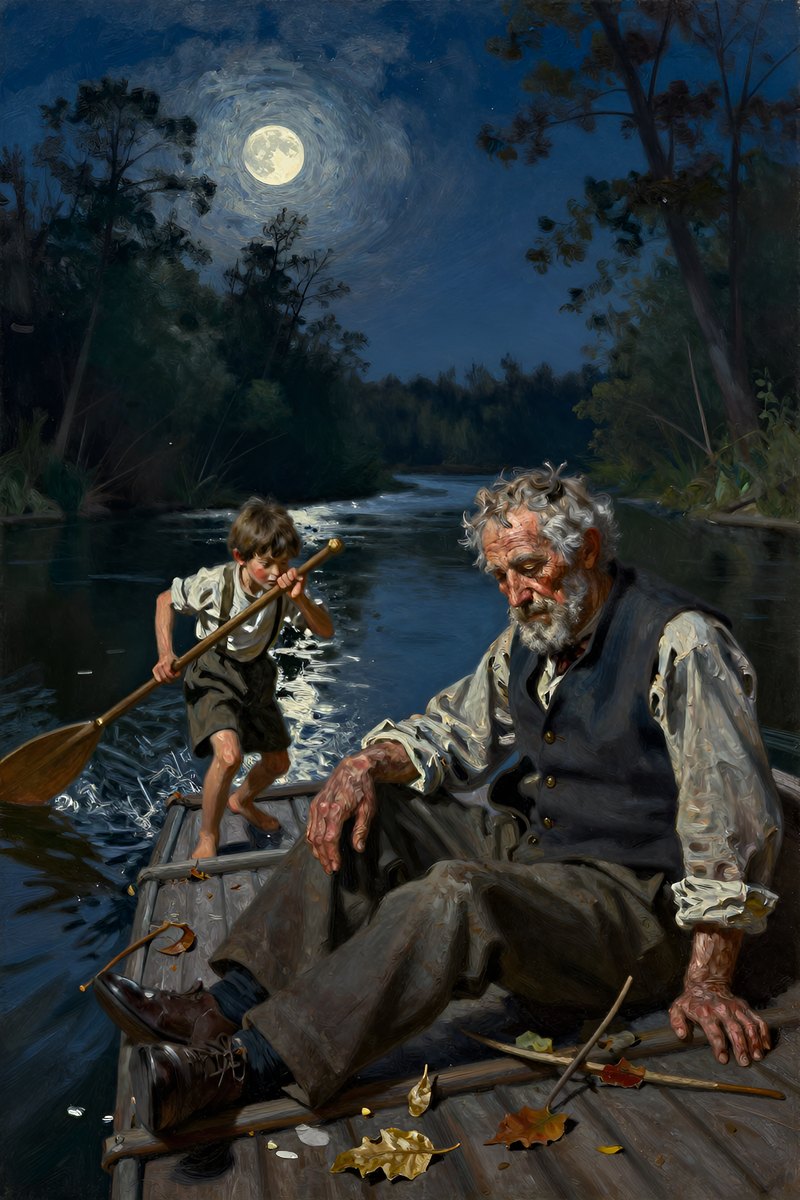
We judged that three nights more would fetch us to Cairo, at the bottom of Illinois, where the Ohio River comes in, and that was what we was after. We would sell the raft and get on a steamboat and go way up the Ohio amongst the free States, and then be out of trouble.
Well, the second night a fog begun to come on, and we made for a tow-head to tie to, for it wouldn’t do to try to run in a fog; but when I paddled ahead in the canoe, with the line to make fast, there warn’t anything but little saplings to tie to. I passed the line around one of them right on the edge of the cut bank, but there was a stiff current, and the raft come booming down so lively she tore it out by the roots and away she went. I see the fog closing down, and it made me so sick and scared I couldn’t budge for most a half a minute it seemed to me—and then there warn’t no raft in sight; you couldn’t see twenty yards. I jumped into the canoe and run back to the stern, and grabbed the paddle and set her back a stroke. But she didn’t come. I was in such a hurry I hadn’t untied her. I got up and tried to untie her, but I was so excited my hands shook so I couldn’t hardly do anything with them.
As soon as I got started I took out after the raft, hot and heavy, right down the tow-head. That was all right as far as it went, but the tow-head warn’t sixty yards long, and the minute I flew by the foot of it I shot out into the solid white fog, and hadn’t no more idea which way I was going than a dead man.
Thinks I, it won’t do to paddle; first I know I’ll run into the bank or a tow-head or something; I got to set still and float, and yet it’s mighty fidgety business to have to hold your hands still at such a time. I whooped and listened. Away down there somewheres I hears a small whoop, and up comes my spirits. I went tearing after it, listening sharp to hear it again. The next time it come, I see I warn’t heading for it, but heading away to the right of it. And the next time I was heading away to the left of it—and not gaining on it much either, for I was flying around, this way and that and t’other, but it was going straight ahead all the time.
I did wish the fool would think to beat a tin pan, and beat it all the time, but he never did, and it was the still places between the whoops that was making the trouble for me. Well, I fought along, and directly I hears the whoop behind me. I was tangled good now. That was somebody else’s whoop, or else I was turned around.
I throwed the paddle down. I heard the whoop again; it was behind me yet, but in a different place; it kept coming, and kept changing its place, and I kept answering, till by-and-by it was in front of me again, and I knowed the current had swung the canoe’s head down-stream, and I was all right if that was Jim and not some other raftsman hollering. I couldn’t tell nothing about voices in a fog, for nothing don’t look natural nor sound natural in a fog.
The whooping went on, and in about a minute I come a-booming down on a cut bank with smoky ghosts of big trees on it, and the current throwed me off to the left and shot by, amongst a lot of snags that fairly roared, the current was tearing by them so swift.
In another second or two it was solid white and still again. I set perfectly still then, listening to my heart thump, and I reckon I didn’t draw a breath while it thumped a hundred.
I just give up then. I knowed what the matter was. That cut bank was an island, and Jim had gone down t’other side of it. It warn’t no tow-head that you could float by in ten minutes. It had the big timber of a regular island; it might be five or six miles long and more than half a mile wide.
I kept quiet, with my ears cocked, about fifteen minutes, I reckon. I was floating along, of course, four or five miles an hour; but you don’t ever think of that. No, you feel like you are laying dead still on the water; and if a little glimpse of a snag slips by you don’t think to yourself how fast you’re going, but you catch your breath and think, my! how that snag’s tearing along. If you think it ain’t dismal and lonesome out in a fog that way by yourself in the night, you try it once—you’ll see.
Next, for about a half an hour, I whoops now and then; at last I hears the answer a long ways off, and tries to follow it, but I couldn’t do it, and directly I judged I’d got into a nest of tow-heads, for I had little dim glimpses of them on both sides of me—sometimes just a narrow channel between, and some that I couldn’t see I knowed was there because I’d hear the wash of the current against the old dead brush and trash that hung over the banks. Well, I warn’t long loosing the whoops down amongst the tow-heads; and I only tried to chase them a little while, anyway, because it was worse than chasing a Jack-o’-lantern. You never knowed a sound dodge around so, and swap places so quick and so much.
I had to claw away from the bank pretty lively four or five times, to keep from knocking the islands out of the river; and so I judged the raft must be butting into the bank every now and then, or else it would get further ahead and clear out of hearing—it was floating a little faster than what I was.
Well, I seemed to be in the open river again by-and-by, but I couldn’t hear no sign of a whoop nowheres. I reckoned Jim had fetched up on a snag, maybe, and it was all up with him. I was good and tired, so I laid down in the canoe and said I wouldn’t bother no more. I didn’t want to go to sleep, of course; but I was so sleepy I couldn’t help it; so I thought I would take jest one little cat-nap.
But I reckon it was more than a cat-nap, for when I waked up the stars was shining bright, the fog was all gone, and I was spinning down a big bend stern first. First I didn’t know where I was; I thought I was dreaming; and when things began to come back to me they seemed to come up dim out of last week.
It was a monstrous big river here, with the tallest and the thickest kind of timber on both banks; just a solid wall, as well as I could see by the stars. I looked away down-stream, and seen a black speck on the water. I took after it; but when I got to it it warn’t nothing but a couple of sawlogs made fast together. Then I see another speck, and chased that; then another, and this time I was right. It was the raft.
When I got to it Jim was setting there with his head down between his knees, asleep, with his right arm hanging over the steering-oar. The other oar was smashed off, and the raft was littered up with leaves and branches and dirt. So she’d had a rough time.
I made fast and laid down under Jim’s nose on the raft, and began to gap, and stretch my fists out against Jim, and says:
“Hello, Jim, have I been asleep? Why didn’t you stir me up?”
“Goodness gracious, is dat you, Huck? En you ain’ dead—you ain’
drownded—you’s back agin? It’s too good for true, honey, it’s too good for true. Lemme look at you chile, lemme feel o’ you. No, you ain’
dead! you’s back agin, ’live en soun’, jis de same ole Huck—de same ole Huck, thanks to goodness!”
“What’s the matter with you, Jim? You been a-drinking?”
“Drinkin’? Has I ben a-drinkin’? Has I had a chance to be a-drinkin’?”
“Well, then, what makes you talk so wild?”
“How does I talk wild?”
“How? Why, hain’t you been talking about my coming back, and all that stuff, as if I’d been gone away?”
“Huck—Huck Finn, you look me in de eye; look me in de eye. Hain’t you ben gone away?”
“Gone away? Why, what in the nation do you mean? I hain’t been gone anywheres. Where would I go to?”
“Well, looky here, boss, dey’s sumf’n wrong, dey is. Is I me, or who is I? Is I heah, or whah is I? Now dat’s what I wants to know.”
“Well, I think you’re here, plain enough, but I think you’re a tangle-headed old fool, Jim.”
“I is, is I? Well, you answer me dis: Didn’t you tote out de line in de canoe fer to make fas’ to de tow-head?”
“No, I didn’t. What tow-head? I hain’t see no tow-head.”
“You hain’t seen no tow-head? Looky here, didn’t de line pull loose en de raf’ go a-hummin’ down de river, en leave you en de canoe behine in de fog?”
“What fog?”
“Why, de fog!—de fog dat’s been aroun’ all night. En didn’t you whoop, en didn’t I whoop, tell we got mix’ up in de islands en one un us got los’ en t’other one was jis’ as good as los’, ’kase he didn’
know whah he wuz? En didn’t I bust up agin a lot er dem islands en have a turrible time en mos’ git drownded? Now ain’ dat so, boss—ain’t it so? You answer me dat.”
“Well, this is too many for me, Jim. I hain’t seen no fog, nor no islands, nor no troubles, nor nothing. I been setting here talking with you all night till you went to sleep about ten minutes ago, and I reckon I done the same. You couldn’t a got drunk in that time, so of course you’ve been dreaming.”
“Dad fetch it, how is I gwyne to dream all dat in ten minutes?”
“Well, hang it all, you did dream it, because there didn’t any of it happen.”
“But, Huck, it’s all jis’ as plain to me as—”
“It don’t make no difference how plain it is; there ain’t nothing in it. I know, because I’ve been here all the time.”
Jim didn’t say nothing for about five minutes, but set there studying over it. Then he says:
“Well, den, I reck’n I did dream it, Huck; but dog my cats ef it ain’t de powerfullest dream I ever see. En I hain’t ever had no dream b’fo’
dat’s tired me like dis one.”
“Oh, well, that’s all right, because a dream does tire a body like everything sometimes. But this one was a staving dream; tell me all about it, Jim.”
So Jim went to work and told me the whole thing right through, just as it happened, only he painted it up considerable. Then he said he must start in and “’terpret” it, because it was sent for a warning. He said the first tow-head stood for a man that would try to do us some good, but the current was another man that would get us away from him. The whoops was warnings that would come to us every now and then, and if we didn’t try hard to make out to understand them they’d just take us into bad luck, ’stead of keeping us out of it. The lot of tow-heads was troubles we was going to get into with quarrelsome people and all kinds of mean folks, but if we minded our business and didn’t talk back and aggravate them, we would pull through and get out of the fog and into the big clear river, which was the free States, and wouldn’t have no more trouble.
It had clouded up pretty dark just after I got on to the raft, but it was clearing up again now.
“Oh, well, that’s all interpreted well enough as far as it goes, Jim,”
I says; “but what does these things stand for?”
It was the leaves and rubbish on the raft and the smashed oar. You could see them first-rate now.
Jim looked at the trash, and then looked at me, and back at the trash again. He had got the dream fixed so strong in his head that he couldn’t seem to shake it loose and get the facts back into its place again right away. But when he did get the thing straightened around he looked at me steady without ever smiling, and says:
“What do dey stan’ for? I’se gwyne to tell you. When I got all wore out wid work, en wid de callin’ for you, en went to sleep, my heart wuz mos’ broke bekase you wuz los’, en I didn’ k’yer no’ mo’ what become er me en de raf’. En when I wake up en fine you back agin, all safe en soun’, de tears come, en I could a got down on my knees en kiss yo’
foot, I’s so thankful. En all you wuz thinkin’ ’bout wuz how you could make a fool uv ole Jim wid a lie. Dat truck dah is trash; en trash is what people is dat puts dirt on de head er dey fren’s en makes ’em ashamed.”
Then he got up slow and walked to the wigwam, and went in there without saying anything but that. But that was enough. It made me feel so mean I could almost kissed his foot to get him to take it back.
It was fifteen minutes before I could work myself up to go and humble myself to a nigger; but I done it, and I warn’t ever sorry for it afterwards, neither. I didn’t do him no more mean tricks, and I wouldn’t done that one if I’d a knowed it would make him feel that way.
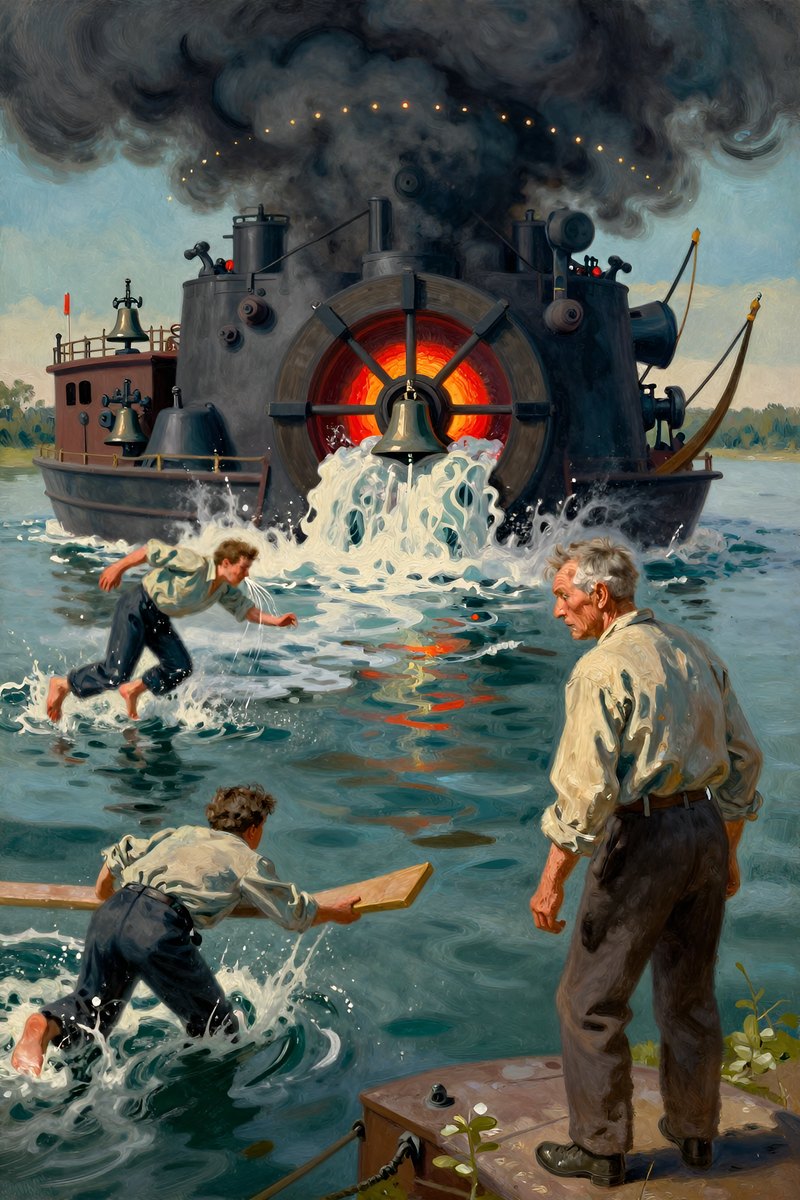
We slept most all day, and started out at night, a little ways behind a monstrous long raft that was as long going by as a procession. She had four long sweeps at each end, so we judged she carried as many as thirty men, likely. She had five big wigwams aboard, wide apart, and an open camp fire in the middle, and a tall flag-pole at each end. There was a power of style about her. It amounted to something being a raftsman on such a craft as that.
We went drifting down into a big bend, and the night clouded up and got hot. The river was very wide, and was walled with solid timber on both sides; you couldn’t see a break in it hardly ever, or a light. We talked about Cairo, and wondered whether we would know it when we got to it. I said likely we wouldn’t, because I had heard say there warn’t but about a dozen houses there, and if they didn’t happen to have them lit up, how was we going to know we was passing a town? Jim said if the two big rivers joined together there, that would show. But I said maybe we might think we was passing the foot of an island and coming into the same old river again. That disturbed Jim—and me too. So the question was, what to do? I said, paddle ashore the first time a light showed, and tell them pap was behind, coming along with a trading-scow, and was a green hand at the business, and wanted to know how far it was to Cairo. Jim thought it was a good idea, so we took a smoke on it and waited.
There warn’t nothing to do now but to look out sharp for the town, and not pass it without seeing it. He said he’d be mighty sure to see it, because he’d be a free man the minute he seen it, but if he missed it he’d be in a slave country again and no more show for freedom. Every little while he jumps up and says:
“Dah she is?”
But it warn’t. It was Jack-o’-lanterns, or lightning bugs; so he set down again, and went to watching, same as before. Jim said it made him all over trembly and feverish to be so close to freedom. Well, I can tell you it made me all over trembly and feverish, too, to hear him, because I begun to get it through my head that he was most free—and who was to blame for it? Why, me. I couldn’t get that out of my conscience, no how nor no way. It got to troubling me so I couldn’t rest; I couldn’t stay still in one place. It hadn’t ever come home to me before, what this thing was that I was doing. But now it did; and it stayed with me, and scorched me more and more. I tried to make out to myself that I warn’t to blame, because I didn’t run Jim off from his rightful owner; but it warn’t no use, conscience up and says, every time, “But you knowed he was running for his freedom, and you could a paddled ashore and told somebody.” That was so—I couldn’t get around that noway. That was where it pinched. Conscience says to me, “What had poor Miss Watson done to you that you could see her nigger go off right under your eyes and never say one single word? What did that poor old woman do to you that you could treat her so mean? Why, she tried to learn you your book, she tried to learn you your manners, she tried to be good to you every way she knowed how. That’s what she done.”
I got to feeling so mean and so miserable I most wished I was dead. I fidgeted up and down the raft, abusing myself to myself, and Jim was fidgeting up and down past me. We neither of us could keep still. Every time he danced around and says, “Dah’s Cairo!” it went through me like a shot, and I thought if it was Cairo I reckoned I would die of miserableness.
Jim talked out loud all the time while I was talking to myself. He was saying how the first thing he would do when he got to a free State he would go to saving up money and never spend a single cent, and when he got enough he would buy his wife, which was owned on a farm close to where Miss Watson lived; and then they would both work to buy the two children, and if their master wouldn’t sell them, they’d get an Ab’litionist to go and steal them.
It most froze me to hear such talk. He wouldn’t ever dared to talk such talk in his life before. Just see what a difference it made in him the minute he judged he was about free. It was according to the old saying, “Give a nigger an inch and he’ll take an ell.” Thinks I, this is what comes of my not thinking. Here was this nigger, which I had as good as helped to run away, coming right out flat-footed and saying he would steal his children—children that belonged to a man I didn’t even know; a man that hadn’t ever done me no harm.
I was sorry to hear Jim say that, it was such a lowering of him. My conscience got to stirring me up hotter than ever, until at last I says to it, “Let up on me—it ain’t too late yet—I’ll paddle ashore at the first light and tell.” I felt easy and happy and light as a feather right off. All my troubles was gone. I went to looking out sharp for a light, and sort of singing to myself. By-and-by one showed. Jim sings out:
“We’s safe, Huck, we’s safe! Jump up and crack yo’ heels! Dat’s de good ole Cairo at las’, I jis knows it!”
I says:
“I’ll take the canoe and go and see, Jim. It mightn’t be, you know.”
He jumped and got the canoe ready, and put his old coat in the bottom for me to set on, and give me the paddle; and as I shoved off, he says:
“Pooty soon I’ll be a-shout’n’ for joy, en I’ll say, it’s all on accounts o’ Huck; I’s a free man, en I couldn’t ever ben free ef it hadn’ ben for Huck; Huck done it. Jim won’t ever forgit you, Huck; you’s de bes’ fren’ Jim’s ever had; en you’s de only fren’ ole Jim’s got now.”
I was paddling off, all in a sweat to tell on him; but when he says this, it seemed to kind of take the tuck all out of me. I went along slow then, and I warn’t right down certain whether I was glad I started or whether I warn’t. When I was fifty yards off, Jim says:
“Dah you goes, de ole true Huck; de on’y white genlman dat ever kep’
his promise to ole Jim.”
Well, I just felt sick. But I says, I got to do it—I can’t get out of it. Right then along comes a skiff with two men in it with guns, and they stopped and I stopped. One of them says:
“What’s that yonder?”
“A piece of a raft,” I says.
“Do you belong on it?”
“Yes, sir.”
“Any men on it?”
“Only one, sir.”
“Well, there’s five niggers run off to-night up yonder, above the head of the bend. Is your man white or black?”
I didn’t answer up prompt. I tried to, but the words wouldn’t come. I tried for a second or two to brace up and out with it, but I warn’t man enough—hadn’t the spunk of a rabbit. I see I was weakening; so I just give up trying, and up and says:
“He’s white.”
“I reckon we’ll go and see for ourselves.”
“I wish you would,” says I, “because it’s pap that’s there, and maybe you’d help me tow the raft ashore where the light is. He’s sick—and so is mam and Mary Ann.”
“Oh, the devil! we’re in a hurry, boy. But I s’pose we’ve got to. Come, buckle to your paddle, and let’s get along.”
I buckled to my paddle and they laid to their oars. When we had made a stroke or two, I says:
“Pap’ll be mighty much obleeged to you, I can tell you. Everybody goes away when I want them to help me tow the raft ashore, and I can’t do it by myself.”
“Well, that’s infernal mean. Odd, too. Say, boy, what’s the matter with your father?”
“It’s the—a—the—well, it ain’t anything much.”
They stopped pulling. It warn’t but a mighty little ways to the raft now. One says:
“Boy, that’s a lie. What is the matter with your pap? Answer up square now, and it’ll be the better for you.”
“I will, sir, I will, honest—but don’t leave us, please. It’s the—the—gentlemen, if you’ll only pull ahead, and let me heave you the headline, you won’t have to come a-near the raft—please do.”
“Set her back, John, set her back!” says one. They backed water. “Keep away, boy—keep to looard. Confound it, I just expect the wind has blowed it to us. Your pap’s got the small-pox, and you know it precious well. Why didn’t you come out and say so? Do you want to spread it all over?”
“Well,” says I, a-blubbering, “I’ve told everybody before, and they just went away and left us.”
“Poor devil, there’s something in that. We are right down sorry for you, but we—well, hang it, we don’t want the small-pox, you see. Look here, I’ll tell you what to do. Don’t you try to land by yourself, or you’ll smash everything to pieces. You float along down about twenty miles, and you’ll come to a town on the left-hand side of the river. It will be long after sun-up then, and when you ask for help you tell them your folks are all down with chills and fever. Don’t be a fool again, and let people guess what is the matter. Now we’re trying to do you a kindness; so you just put twenty miles between us, that’s a good boy.
It wouldn’t do any good to land yonder where the light is—it’s only a wood-yard. Say, I reckon your father’s poor, and I’m bound to say he’s in pretty hard luck. Here, I’ll put a twenty-dollar gold piece on this board, and you get it when it floats by. I feel mighty mean to leave you; but my kingdom! it won’t do to fool with small-pox, don’t you see?”
“Hold on, Parker,” says the other man, “here’s a twenty to put on the board for me. Good-bye, boy; you do as Mr. Parker told you, and you’ll be all right.”
“That’s so, my boy—good-bye, good-bye. If you see any runaway niggers you get help and nab them, and you can make some money by it.”
“Good-bye, sir,” says I; “I won’t let no runaway niggers get by me if I can help it.”
They went off and I got aboard the raft, feeling bad and low, because I knowed very well I had done wrong, and I see it warn’t no use for me to try to learn to do right; a body that don’t get started right when he’s little ain’t got no show—when the pinch comes there ain’t nothing to back him up and keep him to his work, and so he gets beat. Then I thought a minute, and says to myself, hold on; s’pose you’d a done right and give Jim up, would you felt better than what you do now? No, says I, I’d feel bad—I’d feel just the same way I do now. Well, then, says I, what’s the use you learning to do right when it’s troublesome to do right and ain’t no trouble to do wrong, and the wages is just the same? I was stuck. I couldn’t answer that. So I reckoned I wouldn’t bother no more about it, but after this always do whichever come handiest at the time.
I went into the wigwam; Jim warn’t there. I looked all around; he warn’t anywhere. I says:
“Jim!”
“Here I is, Huck. Is dey out o’ sight yit? Don’t talk loud.”
He was in the river under the stern oar, with just his nose out. I told him they were out of sight, so he come aboard. He says:
“I was a-listenin’ to all de talk, en I slips into de river en was gwyne to shove for sho’ if dey come aboard. Den I was gwyne to swim to de raf’ agin when dey was gone. But lawsy, how you did fool ’em, Huck!
Dat wuz de smartes’ dodge! I tell you, chile, I ’speck it save’ ole Jim—ole Jim ain’t going to forgit you for dat, honey.”
Then we talked about the money. It was a pretty good raise—twenty dollars apiece. Jim said we could take deck passage on a steamboat now, and the money would last us as far as we wanted to go in the free States. He said twenty mile more warn’t far for the raft to go, but he wished we was already there.
Towards daybreak we tied up, and Jim was mighty particular about hiding the raft good. Then he worked all day fixing things in bundles, and getting all ready to quit rafting.
That night about ten we hove in sight of the lights of a town away down in a left-hand bend.
I went off in the canoe to ask about it. Pretty soon I found a man out in the river with a skiff, setting a trot-line. I ranged up and says:
“Mister, is that town Cairo?”
“Cairo? no. You must be a blame’ fool.”
“What town is it, mister?”
“If you want to know, go and find out. If you stay here botherin’
around me for about a half a minute longer you’ll get something you won’t want.”
I paddled to the raft. Jim was awful disappointed, but I said never mind, Cairo would be the next place, I reckoned.
We passed another town before daylight, and I was going out again; but it was high ground, so I didn’t go. No high ground about Cairo, Jim said. I had forgot it. We laid up for the day on a tow-head tolerable close to the left-hand bank. I begun to suspicion something. So did Jim. I says:
“Maybe we went by Cairo in the fog that night.”
He says:
“Doan’ le’s talk about it, Huck. Po’ niggers can’t have no luck. I awluz ’spected dat rattlesnake-skin warn’t done wid its work.”
“I wish I’d never seen that snake-skin, Jim—I do wish I’d never laid eyes on it.”
“It ain’t yo’ fault, Huck; you didn’ know. Don’t you blame yo’self ’bout it.”
When it was daylight, here was the clear Ohio water inshore, sure enough, and outside was the old regular Muddy! So it was all up with Cairo.
We talked it all over. It wouldn’t do to take to the shore; we couldn’t take the raft up the stream, of course. There warn’t no way but to wait for dark, and start back in the canoe and take the chances. So we slept all day amongst the cottonwood thicket, so as to be fresh for the work, and when we went back to the raft about dark the canoe was gone!
We didn’t say a word for a good while. There warn’t anything to say. We both knowed well enough it was some more work of the rattlesnake-skin; so what was the use to talk about it? It would only look like we was finding fault, and that would be bound to fetch more bad luck—and keep on fetching it, too, till we knowed enough to keep still.
By-and-by we talked about what we better do, and found there warn’t no way but just to go along down with the raft till we got a chance to buy a canoe to go back in. We warn’t going to borrow it when there warn’t anybody around, the way pap would do, for that might set people after us.
So we shoved out after dark on the raft.
Anybody that don’t believe yet that it’s foolishness to handle a snake-skin, after all that that snake-skin done for us, will believe it now if they read on and see what more it done for us.
The place to buy canoes is off of rafts laying up at shore. But we didn’t see no rafts laying up; so we went along during three hours and more. Well, the night got gray and ruther thick, which is the next meanest thing to fog. You can’t tell the shape of the river, and you can’t see no distance. It got to be very late and still, and then along comes a steamboat up the river. We lit the lantern, and judged she would see it. Up-stream boats didn’t generly come close to us; they go out and follow the bars and hunt for easy water under the reefs; but nights like this they bull right up the channel against the whole river.
We could hear her pounding along, but we didn’t see her good till she was close. She aimed right for us. Often they do that and try to see how close they can come without touching; sometimes the wheel bites off a sweep, and then the pilot sticks his head out and laughs, and thinks he’s mighty smart. Well, here she comes, and we said she was going to try and shave us; but she didn’t seem to be sheering off a bit. She was a big one, and she was coming in a hurry, too, looking like a black cloud with rows of glow-worms around it; but all of a sudden she bulged out, big and scary, with a long row of wide-open furnace doors shining like red-hot teeth, and her monstrous bows and guards hanging right over us. There was a yell at us, and a jingling of bells to stop the engines, a powwow of cussing, and whistling of steam—and as Jim went overboard on one side and I on the other, she come smashing straight through the raft.
I dived—and I aimed to find the bottom, too, for a thirty-foot wheel had got to go over me, and I wanted it to have plenty of room. I could always stay under water a minute; this time I reckon I stayed under a minute and a half. Then I bounced for the top in a hurry, for I was nearly busting. I popped out to my armpits and blowed the water out of my nose, and puffed a bit. Of course there was a booming current; and of course that boat started her engines again ten seconds after she stopped them, for they never cared much for raftsmen; so now she was churning along up the river, out of sight in the thick weather, though I could hear her.
I sung out for Jim about a dozen times, but I didn’t get any answer; so I grabbed a plank that touched me while I was “treading water,” and struck out for shore, shoving it ahead of me. But I made out to see that the drift of the current was towards the left-hand shore, which meant that I was in a crossing; so I changed off and went that way.
It was one of these long, slanting, two-mile crossings; so I was a good long time in getting over. I made a safe landing, and clumb up the bank. I couldn’t see but a little ways, but I went poking along over rough ground for a quarter of a mile or more, and then I run across a big old-fashioned double log-house before I noticed it. I was going to rush by and get away, but a lot of dogs jumped out and went to howling and barking at me, and I knowed better than to move another peg.
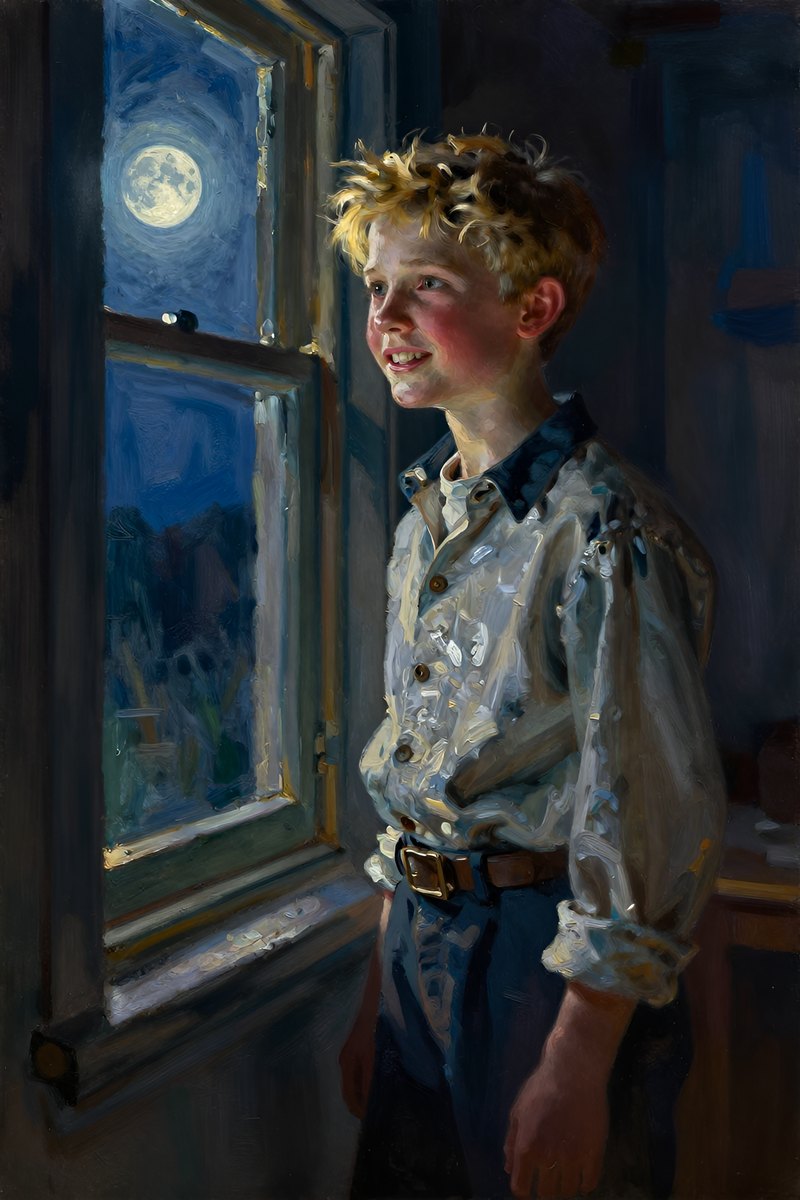
In about a minute somebody spoke out of a window without putting his head out, and says:
“Be done, boys! Who’s there?”
I says:
“It’s me.”
“Who’s me?”
“George Jackson, sir.”
“What do you want?”
“I don’t want nothing, sir. I only want to go along by, but the dogs won’t let me.”
“What are you prowling around here this time of night for—hey?”
“I warn’t prowling around, sir, I fell overboard off of the steamboat.”
“Oh, you did, did you? Strike a light there, somebody. What did you say your name was?”
“George Jackson, sir. I’m only a boy.”
“Look here, if you’re telling the truth you needn’t be afraid—nobody’ll hurt you. But don’t try to budge; stand right where you are. Rouse out Bob and Tom, some of you, and fetch the guns. George Jackson, is there anybody with you?”
“No, sir, nobody.”
I heard the people stirring around in the house now, and see a light.
The man sung out:
“Snatch that light away, Betsy, you old fool—ain’t you got any sense?
Put it on the floor behind the front door. Bob, if you and Tom are ready, take your places.”
“All ready.”
“Now, George Jackson, do you know the Shepherdsons?”
“No, sir; I never heard of them.”
“Well, that may be so, and it mayn’t. Now, all ready. Step forward, George Jackson. And mind, don’t you hurry—come mighty slow. If there’s anybody with you, let him keep back—if he shows himself he’ll be shot.
Come along now. Come slow; push the door open yourself—just enough to squeeze in, d’ you hear?”
I didn’t hurry; I couldn’t if I’d a wanted to. I took one slow step at a time and there warn’t a sound, only I thought I could hear my heart.
The dogs were as still as the humans, but they followed a little behind me. When I got to the three log doorsteps I heard them unlocking and unbarring and unbolting. I put my hand on the door and pushed it a little and a little more till somebody said, “There, that’s enough—put your head in.” I done it, but I judged they would take it off.
The candle was on the floor, and there they all was, looking at me, and me at them, for about a quarter of a minute: Three big men with guns pointed at me, which made me wince, I tell you; the oldest, gray and about sixty, the other two thirty or more—all of them fine and handsome—and the sweetest old gray-headed lady, and back of her two young women which I couldn’t see right well. The old gentleman says:
“There; I reckon it’s all right. Come in.”
As soon as I was in the old gentleman he locked the door and barred it and bolted it, and told the young men to come in with their guns, and they all went in a big parlor that had a new rag carpet on the floor, and got together in a corner that was out of the range of the front windows—there warn’t none on the side. They held the candle, and took a good look at me, and all said, “Why, he ain’t a Shepherdson—no, there ain’t any Shepherdson about him.” Then the old man said he hoped I wouldn’t mind being searched for arms, because he didn’t mean no harm by it—it was only to make sure. So he didn’t pry into my pockets, but only felt outside with his hands, and said it was all right. He told me to make myself easy and at home, and tell all about myself; but the old lady says:
“Why, bless you, Saul, the poor thing’s as wet as he can be; and don’t you reckon it may be he’s hungry?”
“True for you, Rachel—I forgot.”
So the old lady says:
“Betsy” (this was a nigger woman), “you fly around and get him something to eat as quick as you can, poor thing; and one of you girls go and wake up Buck and tell him—oh, here he is himself. Buck, take this little stranger and get the wet clothes off from him and dress him up in some of yours that’s dry.”
Buck looked about as old as me—thirteen or fourteen or along there, though he was a little bigger than me. He hadn’t on anything but a shirt, and he was very frowzy-headed. He came in gaping and digging one fist into his eyes, and he was dragging a gun along with the other one.
He says:
“Ain’t they no Shepherdsons around?”
They said, no, ’twas a false alarm.
“Well,” he says, “if they’d a ben some, I reckon I’d a got one.”
They all laughed, and Bob says:
“Why, Buck, they might have scalped us all, you’ve been so slow in coming.”
“Well, nobody come after me, and it ain’t right I’m always kept down; I don’t get no show.”
“Never mind, Buck, my boy,” says the old man, “you’ll have show enough, all in good time, don’t you fret about that. Go ’long with you now, and do as your mother told you.”
When we got up-stairs to his room he got me a coarse shirt and a roundabout and pants of his, and I put them on. While I was at it he asked me what my name was, but before I could tell him he started to tell me about a bluejay and a young rabbit he had catched in the woods day before yesterday, and he asked me where Moses was when the candle went out. I said I didn’t know; I hadn’t heard about it before, no way.
“Well, guess,” he says.
“How’m I going to guess,” says I, “when I never heard tell of it before?”
“But you can guess, can’t you? It’s just as easy.”
“Which candle?” I says.
“Why, any candle,” he says.
“I don’t know where he was,” says I; “where was he?”
“Why, he was in the dark! That’s where he was!”
“Well, if you knowed where he was, what did you ask me for?”
“Why, blame it, it’s a riddle, don’t you see? Say, how long are you going to stay here? You got to stay always. We can just have booming times—they don’t have no school now. Do you own a dog? I’ve got a dog—and he’ll go in the river and bring out chips that you throw in. Do you like to comb up Sundays, and all that kind of foolishness? You bet I don’t, but ma she makes me. Confound these ole britches! I reckon I’d better put ’em on, but I’d ruther not, it’s so warm. Are you all ready?
All right. Come along, old hoss.”
Cold corn-pone, cold corn-beef, butter and buttermilk—that is what they had for me down there, and there ain’t nothing better that ever I’ve come across yet. Buck and his ma and all of them smoked cob pipes, except the nigger woman, which was gone, and the two young women. They all smoked and talked, and I eat and talked. The young women had quilts around them, and their hair down their backs. They all asked me questions, and I told them how pap and me and all the family was living on a little farm down at the bottom of Arkansaw, and my sister Mary Ann run off and got married and never was heard of no more, and Bill went to hunt them and he warn’t heard of no more, and Tom and Mort died, and then there warn’t nobody but just me and pap left, and he was just trimmed down to nothing, on account of his troubles; so when he died I took what there was left, because the farm didn’t belong to us, and started up the river, deck passage, and fell overboard; and that was how I come to be here. So they said I could have a home there as long as I wanted it. Then it was most daylight and everybody went to bed, and I went to bed with Buck, and when I waked up in the morning, drat it all, I had forgot what my name was. So I laid there about an hour trying to think, and when Buck waked up I says:
“Can you spell, Buck?”
“Yes,” he says.
“I bet you can’t spell my name,” says I.
“I bet you what you dare I can,” says he.
“All right,” says I, “go ahead.”
“G-e-o-r-g-e J-a-x-o-n—there now,” he says.
“Well,” says I, “you done it, but I didn’t think you could. It ain’t no slouch of a name to spell—right off without studying.”
I set it down, private, because somebody might want me to spell it next, and so I wanted to be handy with it and rattle it off like I was used to it.
It was a mighty nice family, and a mighty nice house, too. I hadn’t seen no house out in the country before that was so nice and had so much style. It didn’t have an iron latch on the front door, nor a wooden one with a buckskin string, but a brass knob to turn, the same as houses in town. There warn’t no bed in the parlor, nor a sign of a bed; but heaps of parlors in towns has beds in them. There was a big fireplace that was bricked on the bottom, and the bricks was kept clean and red by pouring water on them and scrubbing them with another brick; sometimes they wash them over with red water-paint that they call Spanish-brown, same as they do in town. They had big brass dog-irons that could hold up a saw-log. There was a clock on the middle of the mantelpiece, with a picture of a town painted on the bottom half of the glass front, and a round place in the middle of it for the sun, and you could see the pendulum swinging behind it. It was beautiful to hear that clock tick; and sometimes when one of these peddlers had been along and scoured her up and got her in good shape, she would start in and strike a hundred and fifty before she got tuckered out. They wouldn’t took any money for her.
Well, there was a big outlandish parrot on each side of the clock, made out of something like chalk, and painted up gaudy. By one of the parrots was a cat made of crockery, and a crockery dog by the other; and when you pressed down on them they squeaked, but didn’t open their mouths nor look different nor interested. They squeaked through underneath. There was a couple of big wild-turkey-wing fans spread out behind those things. On the table in the middle of the room was a kind of a lovely crockery basket that had apples and oranges and peaches and grapes piled up in it, which was much redder and yellower and prettier than real ones is, but they warn’t real because you could see where pieces had got chipped off and showed the white chalk, or whatever it was, underneath.
This table had a cover made out of beautiful oilcloth, with a red and blue spread-eagle painted on it, and a painted border all around. It come all the way from Philadelphia, they said. There was some books, too, piled up perfectly exact, on each corner of the table. One was a big family Bible full of pictures. One was Pilgrim’s Progress, about a man that left his family, it didn’t say why. I read considerable in it now and then. The statements was interesting, but tough. Another was Friendship’s Offering, full of beautiful stuff and poetry; but I didn’t read the poetry. Another was Henry Clay’s Speeches, and another was Dr.
Gunn’s Family Medicine, which told you all about what to do if a body was sick or dead. There was a hymn book, and a lot of other books. And there was nice split-bottom chairs, and perfectly sound, too—not bagged down in the middle and busted, like an old basket.
They had pictures hung on the walls—mainly Washingtons and Lafayettes, and battles, and Highland Marys, and one called “Signing the Declaration.” There was some that they called crayons, which one of the daughters which was dead made her own self when she was only fifteen years old. They was different from any pictures I ever see before—blacker, mostly, than is common. One was a woman in a slim black dress, belted small under the armpits, with bulges like a cabbage in the middle of the sleeves, and a large black scoop-shovel bonnet with a black veil, and white slim ankles crossed about with black tape, and very wee black slippers, like a chisel, and she was leaning pensive on a tombstone on her right elbow, under a weeping willow, and her other hand hanging down her side holding a white handkerchief and a reticule, and underneath the picture it said “Shall I Never See Thee More Alas.”
Another one was a young lady with her hair all combed up straight to the top of her head, and knotted there in front of a comb like a chair-back, and she was crying into a handkerchief and had a dead bird laying on its back in her other hand with its heels up, and underneath the picture it said “I Shall Never Hear Thy Sweet Chirrup More Alas.”
There was one where a young lady was at a window looking up at the moon, and tears running down her cheeks; and she had an open letter in one hand with black sealing wax showing on one edge of it, and she was mashing a locket with a chain to it against her mouth, and underneath the picture it said “And Art Thou Gone Yes Thou Art Gone Alas.” These was all nice pictures, I reckon, but I didn’t somehow seem to take to them, because if ever I was down a little they always give me the fan-tods. Everybody was sorry she died, because she had laid out a lot more of these pictures to do, and a body could see by what she had done what they had lost. But I reckoned that with her disposition she was having a better time in the graveyard. She was at work on what they said was her greatest picture when she took sick, and every day and every night it was her prayer to be allowed to live till she got it done, but she never got the chance. It was a picture of a young woman in a long white gown, standing on the rail of a bridge all ready to jump off, with her hair all down her back, and looking up to the moon, with the tears running down her face, and she had two arms folded across her breast, and two arms stretched out in front, and two more reaching up towards the moon—and the idea was to see which pair would look best, and then scratch out all the other arms; but, as I was saying, she died before she got her mind made up, and now they kept this picture over the head of the bed in her room, and every time her birthday come they hung flowers on it. Other times it was hid with a little curtain. The young woman in the picture had a kind of a nice sweet face, but there was so many arms it made her look too spidery, seemed to me.
This young girl kept a scrap-book when she was alive, and used to paste obituaries and accidents and cases of patient suffering in it out of the Presbyterian Observer, and write poetry after them out of her own head. It was very good poetry. This is what she wrote about a boy by the name of Stephen Dowling Bots that fell down a well and was drownded:
ODE TO STEPHEN DOWLING BOTS, DEC’D And did young Stephen sicken, And did young Stephen die?
And did the sad hearts thicken, And did the mourners cry?
No; such was not the fate of Young Stephen Dowling Bots; Though sad hearts round him thickened, ’Twas not from sickness’ shots.
No whooping-cough did rack his frame, Nor measles drear with spots; Not these impaired the sacred name Of Stephen Dowling Bots.
Despised love struck not with woe That head of curly knots, Nor stomach troubles laid him low, Young Stephen Dowling Bots.
O no. Then list with tearful eye, Whilst I his fate do tell.
His soul did from this cold world fly By falling down a well.
They got him out and emptied him; Alas it was too late; His spirit was gone for to sport aloft In the realms of the good and great.
If Emmeline Grangerford could make poetry like that before she was fourteen, there ain’t no telling what she could a done by-and-by. Buck said she could rattle off poetry like nothing. She didn’t ever have to stop to think. He said she would slap down a line, and if she couldn’t find anything to rhyme with it would just scratch it out and slap down another one, and go ahead. She warn’t particular; she could write about anything you choose to give her to write about just so it was sadful.
Every time a man died, or a woman died, or a child died, she would be on hand with her “tribute” before he was cold. She called them tributes. The neighbors said it was the doctor first, then Emmeline, then the undertaker—the undertaker never got in ahead of Emmeline but once, and then she hung fire on a rhyme for the dead person’s name, which was Whistler. She warn’t ever the same after that; she never complained, but she kinder pined away and did not live long. Poor thing, many’s the time I made myself go up to the little room that used to be hers and get out her poor old scrap-book and read in it when her pictures had been aggravating me and I had soured on her a little. I liked all that family, dead ones and all, and warn’t going to let anything come between us. Poor Emmeline made poetry about all the dead people when she was alive, and it didn’t seem right that there warn’t nobody to make some about her now she was gone; so I tried to sweat out a verse or two myself, but I couldn’t seem to make it go somehow. They kept Emmeline’s room trim and nice, and all the things fixed in it just the way she liked to have them when she was alive, and nobody ever slept there. The old lady took care of the room herself, though there was plenty of niggers, and she sewed there a good deal and read her Bible there mostly.
Well, as I was saying about the parlor, there was beautiful curtains on the windows: white, with pictures painted on them of castles with vines all down the walls, and cattle coming down to drink. There was a little old piano, too, that had tin pans in it, I reckon, and nothing was ever so lovely as to hear the young ladies sing “The Last Link is Broken”
and play “The Battle of Prague” on it. The walls of all the rooms was plastered, and most had carpets on the floors, and the whole house was whitewashed on the outside.
It was a double house, and the big open place betwixt them was roofed and floored, and sometimes the table was set there in the middle of the day, and it was a cool, comfortable place. Nothing couldn’t be better.
And warn’t the cooking good, and just bushels of it too!
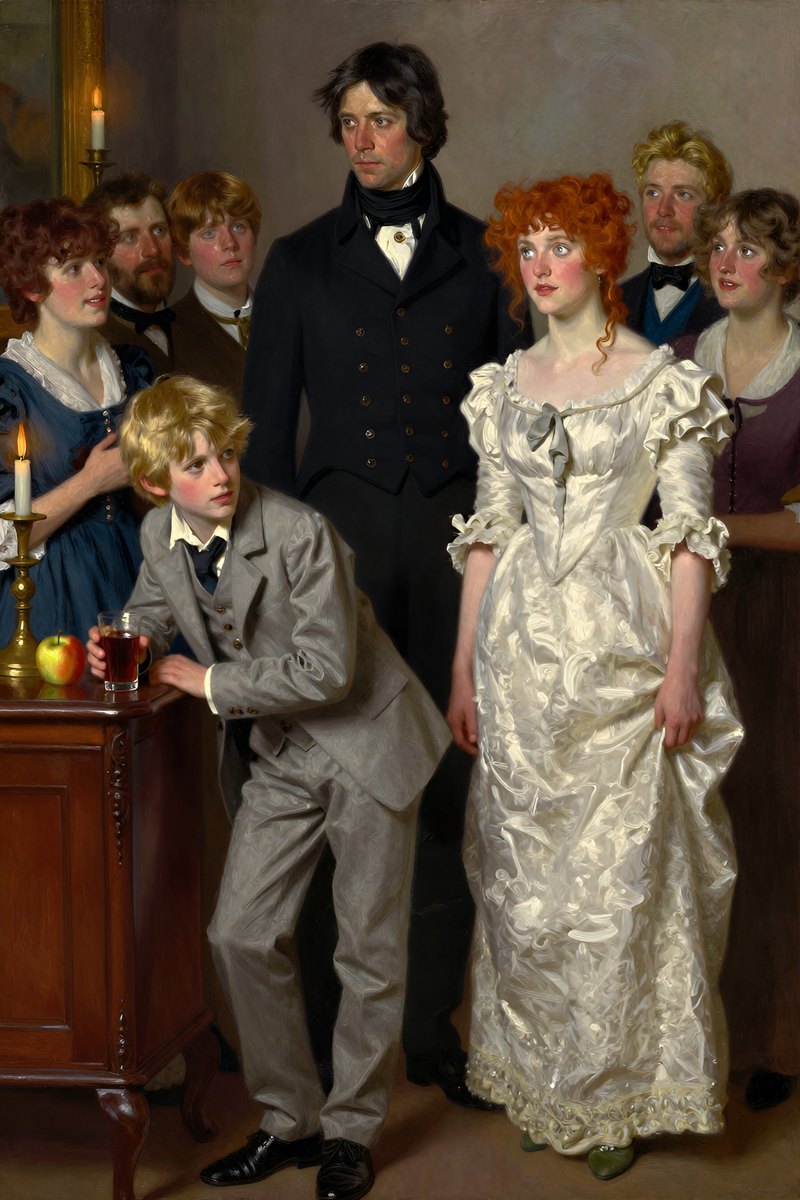
Col. Grangerford was a gentleman, you see. He was a gentleman all over; and so was his family. He was well born, as the saying is, and that’s worth as much in a man as it is in a horse, so the Widow Douglas said, and nobody ever denied that she was of the first aristocracy in our town; and pap he always said it, too, though he warn’t no more quality than a mudcat himself. Col. Grangerford was very tall and very slim, and had a darkish-paly complexion, not a sign of red in it anywheres; he was clean shaved every morning all over his thin face, and he had the thinnest kind of lips, and the thinnest kind of nostrils, and a high nose, and heavy eyebrows, and the blackest kind of eyes, sunk so deep back that they seemed like they was looking out of caverns at you, as you may say. His forehead was high, and his hair was black and straight and hung to his shoulders. His hands was long and thin, and every day of his life he put on a clean shirt and a full suit from head to foot made out of linen so white it hurt your eyes to look at it; and on Sundays he wore a blue tail-coat with brass buttons on it. He carried a mahogany cane with a silver head to it. There warn’t no frivolishness about him, not a bit, and he warn’t ever loud. He was as kind as he could be—you could feel that, you know, and so you had confidence. Sometimes he smiled, and it was good to see; but when he straightened himself up like a liberty-pole, and the lightning begun to flicker out from under his eyebrows, you wanted to climb a tree first, and find out what the matter was afterwards. He didn’t ever have to tell anybody to mind their manners—everybody was always good-mannered where he was. Everybody loved to have him around, too; he was sunshine most always—I mean he made it seem like good weather. When he turned into a cloudbank it was awful dark for half a minute, and that was enough; there wouldn’t nothing go wrong again for a week.
When him and the old lady come down in the morning all the family got up out of their chairs and give them good-day, and didn’t set down again till they had set down. Then Tom and Bob went to the sideboard where the decanter was, and mixed a glass of bitters and handed it to him, and he held it in his hand and waited till Tom’s and Bob’s was mixed, and then they bowed and said, “Our duty to you, sir, and madam;”
and they bowed the least bit in the world and said thank you, and so they drank, all three, and Bob and Tom poured a spoonful of water on the sugar and the mite of whisky or apple brandy in the bottom of their tumblers, and give it to me and Buck, and we drank to the old people too.
Bob was the oldest and Tom next—tall, beautiful men with very broad shoulders and brown faces, and long black hair and black eyes. They dressed in white linen from head to foot, like the old gentleman, and wore broad Panama hats.
Then there was Miss Charlotte; she was twenty-five, and tall and proud and grand, but as good as she could be when she warn’t stirred up; but when she was, she had a look that would make you wilt in your tracks, like her father. She was beautiful.
So was her sister, Miss Sophia, but it was a different kind. She was gentle and sweet like a dove, and she was only twenty.
Each person had their own nigger to wait on them—Buck too. My nigger had a monstrous easy time, because I warn’t used to having anybody do anything for me, but Buck’s was on the jump most of the time.
This was all there was of the family now, but there used to be more—three sons; they got killed; and Emmeline that died.
The old gentleman owned a lot of farms and over a hundred niggers.
Sometimes a stack of people would come there, horseback, from ten or fifteen mile around, and stay five or six days, and have such junketings round about and on the river, and dances and picnics in the woods daytimes, and balls at the house nights. These people was mostly kinfolks of the family. The men brought their guns with them. It was a handsome lot of quality, I tell you.
There was another clan of aristocracy around there—five or six families—mostly of the name of Shepherdson. They was as high-toned and well born and rich and grand as the tribe of Grangerfords. The Shepherdsons and Grangerfords used the same steamboat landing, which was about two mile above our house; so sometimes when I went up there with a lot of our folks I used to see a lot of the Shepherdsons there on their fine horses.
One day Buck and me was away out in the woods hunting, and heard a horse coming. We was crossing the road. Buck says:
“Quick! Jump for the woods!”
We done it, and then peeped down the woods through the leaves. Pretty soon a splendid young man come galloping down the road, setting his horse easy and looking like a soldier. He had his gun across his pommel. I had seen him before. It was young Harney Shepherdson. I heard Buck’s gun go off at my ear, and Harney’s hat tumbled off from his head. He grabbed his gun and rode straight to the place where we was hid. But we didn’t wait. We started through the woods on a run. The woods warn’t thick, so I looked over my shoulder to dodge the bullet, and twice I seen Harney cover Buck with his gun; and then he rode away the way he come—to get his hat, I reckon, but I couldn’t see. We never stopped running till we got home. The old gentleman’s eyes blazed a minute—’twas pleasure, mainly, I judged—then his face sort of smoothed down, and he says, kind of gentle:
“I don’t like that shooting from behind a bush. Why didn’t you step into the road, my boy?”
“The Shepherdsons don’t, father. They always take advantage.”
Miss Charlotte she held her head up like a queen while Buck was telling his tale, and her nostrils spread and her eyes snapped. The two young men looked dark, but never said nothing. Miss Sophia she turned pale, but the color come back when she found the man warn’t hurt.
Soon as I could get Buck down by the corn-cribs under the trees by ourselves, I says:
“Did you want to kill him, Buck?”
“Well, I bet I did.”
“What did he do to you?”
“Him? He never done nothing to me.”
“Well, then, what did you want to kill him for?”
“Why, nothing—only it’s on account of the feud.”
“What’s a feud?”
“Why, where was you raised? Don’t you know what a feud is?”
“Never heard of it before—tell me about it.”
“Well,” says Buck, “a feud is this way. A man has a quarrel with another man, and kills him; then that other man’s brother kills him; then the other brothers, on both sides, goes for one another; then the cousins chip in—and by-and-by everybody’s killed off, and there ain’t no more feud. But it’s kind of slow, and takes a long time.”
“Has this one been going on long, Buck?”
“Well, I should reckon! It started thirty year ago, or som’ers along there. There was trouble ’bout something, and then a lawsuit to settle it; and the suit went agin one of the men, and so he up and shot the man that won the suit—which he would naturally do, of course. Anybody would.”
“What was the trouble about, Buck?—land?”
“I reckon maybe—I don’t know.”
“Well, who done the shooting? Was it a Grangerford or a Shepherdson?”
“Laws, how do I know? It was so long ago.”
“Don’t anybody know?”
“Oh, yes, pa knows, I reckon, and some of the other old people; but they don’t know now what the row was about in the first place.”
“Has there been many killed, Buck?”
“Yes; right smart chance of funerals. But they don’t always kill. Pa’s got a few buckshot in him; but he don’t mind it ’cuz he don’t weigh much, anyway. Bob’s been carved up some with a bowie, and Tom’s been hurt once or twice.”
“Has anybody been killed this year, Buck?”
“Yes; we got one and they got one. ’Bout three months ago my cousin Bud, fourteen year old, was riding through the woods on t’other side of the river, and didn’t have no weapon with him, which was blame’
foolishness, and in a lonesome place he hears a horse a-coming behind him, and sees old Baldy Shepherdson a-linkin’ after him with his gun in his hand and his white hair a-flying in the wind; and ’stead of jumping off and taking to the brush, Bud ’lowed he could out-run him; so they had it, nip and tuck, for five mile or more, the old man a-gaining all the time; so at last Bud seen it warn’t any use, so he stopped and faced around so as to have the bullet holes in front, you know, and the old man he rode up and shot him down. But he didn’t git much chance to enjoy his luck, for inside of a week our folks laid him out.”
“I reckon that old man was a coward, Buck.”
“I reckon he warn’t a coward. Not by a blame’ sight. There ain’t a coward amongst them Shepherdsons—not a one. And there ain’t no cowards amongst the Grangerfords either. Why, that old man kep’ up his end in a fight one day for half an hour against three Grangerfords, and come out winner. They was all a-horseback; he lit off of his horse and got behind a little woodpile, and kep’ his horse before him to stop the bullets; but the Grangerfords stayed on their horses and capered around the old man, and peppered away at him, and he peppered away at them.
Him and his horse both went home pretty leaky and crippled, but the Grangerfords had to be fetched home—and one of ’em was dead, and another died the next day. No, sir; if a body’s out hunting for cowards he don’t want to fool away any time amongst them Shepherdsons, becuz they don’t breed any of that kind.”
Next Sunday we all went to church, about three mile, everybody a-horseback. The men took their guns along, so did Buck, and kept them between their knees or stood them handy against the wall. The Shepherdsons done the same. It was pretty ornery preaching—all about brotherly love, and such-like tiresomeness; but everybody said it was a good sermon, and they all talked it over going home, and had such a powerful lot to say about faith and good works and free grace and preforeordestination, and I don’t know what all, that it did seem to me to be one of the roughest Sundays I had run across yet.
About an hour after dinner everybody was dozing around, some in their chairs and some in their rooms, and it got to be pretty dull. Buck and a dog was stretched out on the grass in the sun sound asleep. I went up to our room, and judged I would take a nap myself. I found that sweet Miss Sophia standing in her door, which was next to ours, and she took me in her room and shut the door very soft, and asked me if I liked her, and I said I did; and she asked me if I would do something for her and not tell anybody, and I said I would. Then she said she’d forgot her Testament, and left it in the seat at church between two other books, and would I slip out quiet and go there and fetch it to her, and not say nothing to nobody. I said I would. So I slid out and slipped off up the road, and there warn’t anybody at the church, except maybe a hog or two, for there warn’t any lock on the door, and hogs likes a puncheon floor in summer-time because it’s cool. If you notice, most folks don’t go to church only when they’ve got to; but a hog is different.
Says I to myself, something’s up; it ain’t natural for a girl to be in such a sweat about a Testament. So I give it a shake, and out drops a little piece of paper with “Half-past two” wrote on it with a pencil.
I ransacked it, but couldn’t find anything else. I couldn’t make anything out of that, so I put the paper in the book again, and when I got home and upstairs there was Miss Sophia in her door waiting for me.
She pulled me in and shut the door; then she looked in the Testament till she found the paper, and as soon as she read it she looked glad; and before a body could think she grabbed me and give me a squeeze, and said I was the best boy in the world, and not to tell anybody. She was mighty red in the face for a minute, and her eyes lighted up, and it made her powerful pretty. I was a good deal astonished, but when I got my breath I asked her what the paper was about, and she asked me if I had read it, and I said no, and she asked me if I could read writing, and I told her “no, only coarse-hand,” and then she said the paper warn’t anything but a book-mark to keep her place, and I might go and play now.
I went off down to the river, studying over this thing, and pretty soon I noticed that my nigger was following along behind. When we was out of sight of the house he looked back and around a second, and then comes a-running, and says:
“Mars Jawge, if you’ll come down into de swamp I’ll show you a whole stack o’ water-moccasins.”
Thinks I, that’s mighty curious; he said that yesterday. He oughter know a body don’t love water-moccasins enough to go around hunting for them. What is he up to, anyway? So I says:
“All right; trot ahead.”
I followed a half a mile; then he struck out over the swamp, and waded ankle deep as much as another half-mile. We come to a little flat piece of land which was dry and very thick with trees and bushes and vines, and he says:
“You shove right in dah jist a few steps, Mars Jawge; dah’s whah dey is. I’s seed ’m befo’; I don’t k’yer to see ’em no mo’.”
Then he slopped right along and went away, and pretty soon the trees hid him. I poked into the place a-ways and come to a little open patch as big as a bedroom all hung around with vines, and found a man laying there asleep—and, by jings, it was my old Jim!
I waked him up, and I reckoned it was going to be a grand surprise to him to see me again, but it warn’t. He nearly cried he was so glad, but he warn’t surprised. Said he swum along behind me that night, and heard me yell every time, but dasn’t answer, because he didn’t want nobody to pick him up and take him into slavery again. Says he:
“I got hurt a little, en couldn’t swim fas’, so I wuz a considable ways behine you towards de las’; when you landed I reck’ned I could ketch up wid you on de lan’ ’dout havin’ to shout at you, but when I see dat house I begin to go slow. I ’uz off too fur to hear what dey say to you—I wuz ’fraid o’ de dogs; but when it ’uz all quiet agin, I knowed you’s in de house, so I struck out for de woods to wait for day. Early in de mawnin’ some er de niggers come along, gwyne to de fields, en dey tuk me en showed me dis place, whah de dogs can’t track me on accounts o’ de water, en dey brings me truck to eat every night, en tells me how you’s a-gitt’n along.”
“Why didn’t you tell my Jack to fetch me here sooner, Jim?”
“Well, ’twarn’t no use to ’sturb you, Huck, tell we could do sumfn—but we’s all right now. I ben a-buyin’ pots en pans en vittles, as I got a chanst, en a-patchin’ up de raf’ nights when—”
“What raft, Jim?”
“Our ole raf’.”
“You mean to say our old raft warn’t smashed all to flinders?”
“No, she warn’t. She was tore up a good deal—one en’ of her was; but dey warn’t no great harm done, on’y our traps was mos’ all los’. Ef we hadn’ dive’ so deep en swum so fur under water, en de night hadn’ ben so dark, en we warn’t so sk’yerd, en ben sich punkin-heads, as de sayin’ is, we’d a seed de raf’. But it’s jis’ as well we didn’t, ’kase now she’s all fixed up agin mos’ as good as new, en we’s got a new lot o’ stuff, in de place o’ what ’uz los’.”
“Why, how did you get hold of the raft again, Jim—did you catch her?”
“How I gwyne to ketch her en I out in de woods? No; some er de niggers foun’ her ketched on a snag along heah in de ben’, en dey hid her in a crick ’mongst de willows, en dey wuz so much jawin’ ’bout which un ’um she b’long to de mos’ dat I come to heah ’bout it pooty soon, so I ups en settles de trouble by tellin’ ’um she don’t b’long to none uv um, but to you en me; en I ast ’m if dey gwyne to grab a young white genlman’s propaty, en git a hid’n for it? Den I gin ’m ten cents apiece, en dey ’uz mighty well satisfied, en wisht some mo’ raf’s ’ud come along en make ’m rich agin. Dey’s mighty good to me, dese niggers is, en whatever I wants ’m to do fur me, I doan’ have to ast ’m twice, honey. Dat Jack’s a good nigger, en pooty smart.”
“Yes, he is. He ain’t ever told me you was here; told me to come, and he’d show me a lot of water-moccasins. If anything happens he ain’t mixed up in it. He can say he never seen us together, and it’ll be the truth.”
I don’t want to talk much about the next day. I reckon I’ll cut it pretty short. I waked up about dawn, and was a-going to turn over and go to sleep again, when I noticed how still it was—didn’t seem to be anybody stirring. That warn’t usual. Next I noticed that Buck was up and gone. Well, I gets up, a-wondering, and goes down stairs—nobody around; everything as still as a mouse. Just the same outside. Thinks I, what does it mean? Down by the wood-pile I comes across my Jack, and says:
“What’s it all about?”
Says he:
“Don’t you know, Mars Jawge?”
“No,” says I, “I don’t.”
“Well, den, Miss Sophia’s run off! ’deed she has. She run off in de night some time—nobody don’t know jis’ when; run off to get married to dat young Harney Shepherdson, you know—leastways, so dey ’spec. De fambly foun’ it out ’bout half an hour ago—maybe a little mo’—en’ I tell you dey warn’t no time los’. Sich another hurryin’ up guns en hosses you never see! De women folks has gone for to stir up de relations, en ole Mars Saul en de boys tuck dey guns en rode up de river road for to try to ketch dat young man en kill him ’fo’ he kin git acrost de river wid Miss Sophia. I reck’n dey’s gwyne to be mighty rough times.”
“Buck went off ’thout waking me up.”
“Well, I reck’n he did! Dey warn’t gwyne to mix you up in it. Mars Buck he loaded up his gun en ’lowed he’s gwyne to fetch home a Shepherdson or bust. Well, dey’ll be plenty un ’m dah, I reck’n, en you bet you he’ll fetch one ef he gits a chanst.”
I took up the river road as hard as I could put. By-and-by I begin to hear guns a good ways off. When I come in sight of the log store and the woodpile where the steamboats lands, I worked along under the trees and brush till I got to a good place, and then I clumb up into the forks of a cottonwood that was out of reach, and watched. There was a wood-rank four foot high a little ways in front of the tree, and first I was going to hide behind that; but maybe it was luckier I didn’t.
There was four or five men cavorting around on their horses in the open place before the log store, cussing and yelling, and trying to get at a couple of young chaps that was behind the wood-rank alongside of the steamboat landing; but they couldn’t come it. Every time one of them showed himself on the river side of the woodpile he got shot at. The two boys was squatting back to back behind the pile, so they could watch both ways.
By-and-by the men stopped cavorting around and yelling. They started riding towards the store; then up gets one of the boys, draws a steady bead over the wood-rank, and drops one of them out of his saddle. All the men jumped off of their horses and grabbed the hurt one and started to carry him to the store; and that minute the two boys started on the run. They got half way to the tree I was in before the men noticed.
Then the men see them, and jumped on their horses and took out after them. They gained on the boys, but it didn’t do no good, the boys had too good a start; they got to the woodpile that was in front of my tree, and slipped in behind it, and so they had the bulge on the men again. One of the boys was Buck, and the other was a slim young chap about nineteen years old.
The men ripped around awhile, and then rode away. As soon as they was out of sight I sung out to Buck and told him. He didn’t know what to make of my voice coming out of the tree at first. He was awful surprised. He told me to watch out sharp and let him know when the men come in sight again; said they was up to some devilment or other—wouldn’t be gone long. I wished I was out of that tree, but I dasn’t come down. Buck begun to cry and rip, and ’lowed that him and his cousin Joe (that was the other young chap) would make up for this day yet. He said his father and his two brothers was killed, and two or three of the enemy. Said the Shepherdsons laid for them in ambush. Buck said his father and brothers ought to waited for their relations—the Shepherdsons was too strong for them. I asked him what was become of young Harney and Miss Sophia. He said they’d got across the river and was safe. I was glad of that; but the way Buck did take on because he didn’t manage to kill Harney that day he shot at him—I hain’t ever heard anything like it.
All of a sudden, bang! bang! bang! goes three or four guns—the men had slipped around through the woods and come in from behind without their horses! The boys jumped for the river—both of them hurt—and as they swum down the current the men run along the bank shooting at them and singing out, “Kill them, kill them!” It made me so sick I most fell out of the tree. I ain’t a-going to tell all that happened—it would make me sick again if I was to do that. I wished I hadn’t ever come ashore that night to see such things. I ain’t ever going to get shut of them—lots of times I dream about them.
I stayed in the tree till it begun to get dark, afraid to come down.
Sometimes I heard guns away off in the woods; and twice I seen little gangs of men gallop past the log store with guns; so I reckoned the trouble was still a-going on. I was mighty downhearted; so I made up my mind I wouldn’t ever go anear that house again, because I reckoned I was to blame, somehow. I judged that that piece of paper meant that Miss Sophia was to meet Harney somewheres at half-past two and run off; and I judged I ought to told her father about that paper and the curious way she acted, and then maybe he would a locked her up, and this awful mess wouldn’t ever happened.
When I got down out of the tree, I crept along down the river bank a piece, and found the two bodies laying in the edge of the water, and tugged at them till I got them ashore; then I covered up their faces, and got away as quick as I could. I cried a little when I was covering up Buck’s face, for he was mighty good to me.
It was just dark now. I never went near the house, but struck through the woods and made for the swamp. Jim warn’t on his island, so I tramped off in a hurry for the crick, and crowded through the willows, red-hot to jump aboard and get out of that awful country. The raft was gone! My souls, but I was scared! I couldn’t get my breath for most a minute. Then I raised a yell. A voice not twenty-five foot from me says:
“Good lan’! is dat you, honey? Doan’ make no noise.”
It was Jim’s voice—nothing ever sounded so good before. I run along the bank a piece and got aboard, and Jim he grabbed me and hugged me, he was so glad to see me. He says:
“Laws bless you, chile, I ’uz right down sho’ you’s dead agin. Jack’s been heah; he say he reck’n you’s ben shot, kase you didn’ come home no mo’; so I’s jes’ dis minute a startin’ de raf’ down towards de mouf er de crick, so’s to be all ready for to shove out en leave soon as Jack comes agin en tells me for certain you is dead. Lawsy, I’s mighty glad to git you back agin, honey.”
I says:
“All right—that’s mighty good; they won’t find me, and they’ll think I’ve been killed, and floated down the river—there’s something up there that’ll help them think so—so don’t you lose no time, Jim, but just shove off for the big water as fast as ever you can.”
I never felt easy till the raft was two mile below there and out in the middle of the Mississippi. Then we hung up our signal lantern, and judged that we was free and safe once more. I hadn’t had a bite to eat since yesterday, so Jim he got out some corn-dodgers and buttermilk, and pork and cabbage and greens—there ain’t nothing in the world so good when it’s cooked right—and whilst I eat my supper we talked, and had a good time. I was powerful glad to get away from the feuds, and so was Jim to get away from the swamp. We said there warn’t no home like a raft, after all. Other places do seem so cramped up and smothery, but a raft don’t. You feel mighty free and easy and comfortable on a raft.
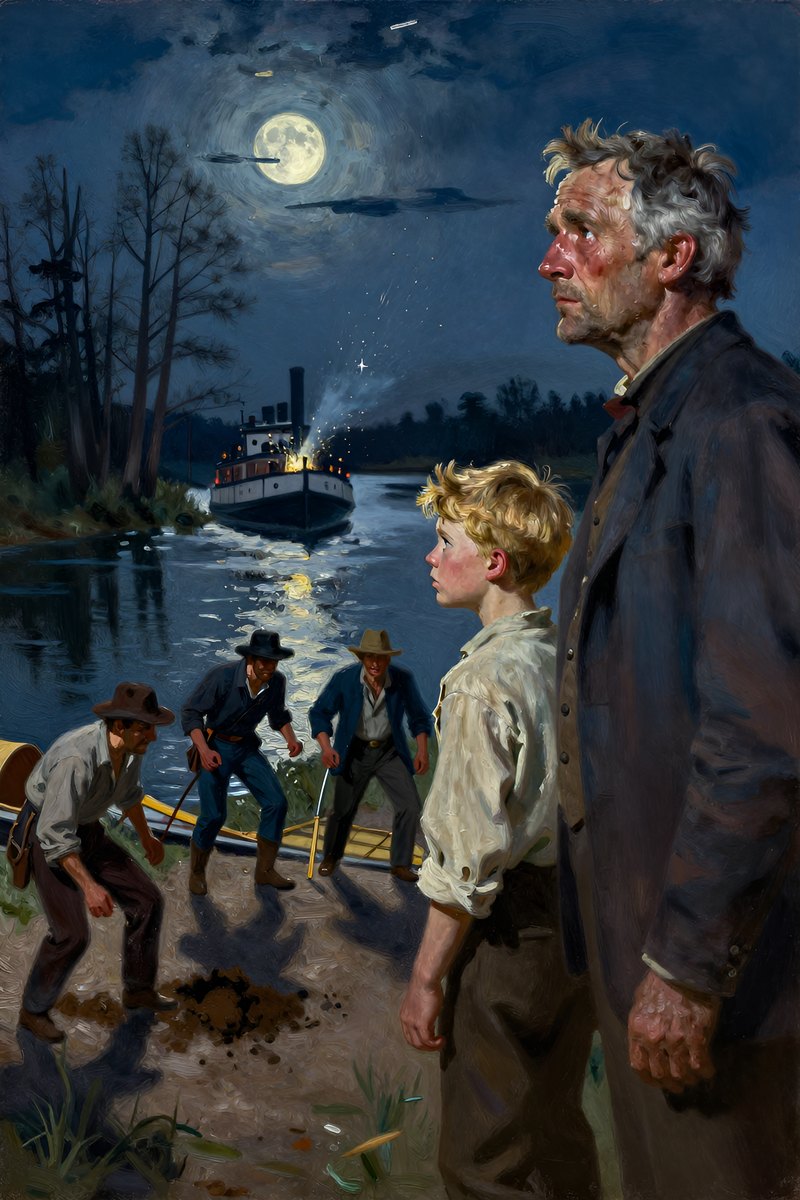
Two or three days and nights went by; I reckon I might say they swum by, they slid along so quiet and smooth and lovely. Here is the way we put in the time. It was a monstrous big river down there—sometimes a mile and a half wide; we run nights, and laid up and hid daytimes; soon as night was most gone we stopped navigating and tied up—nearly always in the dead water under a tow-head; and then cut young cottonwoods and willows, and hid the raft with them. Then we set out the lines. Next we slid into the river and had a swim, so as to freshen up and cool off; then we set down on the sandy bottom where the water was about knee deep, and watched the daylight come. Not a sound anywheres—perfectly still—just like the whole world was asleep, only sometimes the bullfrogs a-cluttering, maybe. The first thing to see, looking away over the water, was a kind of dull line—that was the woods on t’other side; you couldn’t make nothing else out; then a pale place in the sky; then more paleness spreading around; then the river softened up away off, and warn’t black any more, but gray; you could see little dark spots drifting along ever so far away—trading scows, and such things; and long black streaks—rafts; sometimes you could hear a sweep screaking; or jumbled up voices, it was so still, and sounds come so far; and by-and-by you could see a streak on the water which you know by the look of the streak that there’s a snag there in a swift current which breaks on it and makes that streak look that way; and you see the mist curl up off of the water, and the east reddens up, and the river, and you make out a log-cabin in the edge of the woods, away on the bank on t’other side of the river, being a woodyard, likely, and piled by them cheats so you can throw a dog through it anywheres; then the nice breeze springs up, and comes fanning you from over there, so cool and fresh and sweet to smell on account of the woods and the flowers; but sometimes not that way, because they’ve left dead fish laying around, gars and such, and they do get pretty rank; and next you’ve got the full day, and everything smiling in the sun, and the song-birds just going it!
A little smoke couldn’t be noticed now, so we would take some fish off of the lines and cook up a hot breakfast. And afterwards we would watch the lonesomeness of the river, and kind of lazy along, and by-and-by lazy off to sleep. Wake up by-and-by, and look to see what done it, and maybe see a steamboat coughing along up-stream, so far off towards the other side you couldn’t tell nothing about her only whether she was a stern-wheel or side-wheel; then for about an hour there wouldn’t be nothing to hear nor nothing to see—just solid lonesomeness. Next you’d see a raft sliding by, away off yonder, and maybe a galoot on it chopping, because they’re most always doing it on a raft; you’d see the axe flash and come down—you don’t hear nothing; you see that axe go up again, and by the time it’s above the man’s head then you hear the k’chunk!—it had took all that time to come over the water. So we would put in the day, lazying around, listening to the stillness. Once there was a thick fog, and the rafts and things that went by was beating tin pans so the steamboats wouldn’t run over them. A scow or a raft went by so close we could hear them talking and cussing and laughing—heard them plain; but we couldn’t see no sign of them; it made you feel crawly; it was like spirits carrying on that way in the air.
Jim said he believed it was spirits; but I says:
“No; spirits wouldn’t say, ‘Dern the dern fog.’”
Soon as it was night out we shoved; when we got her out to about the middle we let her alone, and let her float wherever the current wanted her to; then we lit the pipes, and dangled our legs in the water, and talked about all kinds of things—we was always naked, day and night, whenever the mosquitoes would let us—the new clothes Buck’s folks made for me was too good to be comfortable, and besides I didn’t go much on clothes, nohow.
Sometimes we’d have that whole river all to ourselves for the longest time. Yonder was the banks and the islands, across the water; and maybe a spark—which was a candle in a cabin window; and sometimes on the water you could see a spark or two—on a raft or a scow, you know; and maybe you could hear a fiddle or a song coming over from one of them crafts. It’s lovely to live on a raft. We had the sky up there, all speckled with stars, and we used to lay on our backs and look up at them, and discuss about whether they was made or only just happened.
Jim he allowed they was made, but I allowed they happened; I judged it would have took too long to make so many. Jim said the moon could a laid them; well, that looked kind of reasonable, so I didn’t say nothing against it, because I’ve seen a frog lay most as many, so of course it could be done. We used to watch the stars that fell, too, and see them streak down. Jim allowed they’d got spoiled and was hove out of the nest.
Once or twice of a night we would see a steamboat slipping along in the dark, and now and then she would belch a whole world of sparks up out of her chimbleys, and they would rain down in the river and look awful pretty; then she would turn a corner and her lights would wink out and her powwow shut off and leave the river still again; and by-and-by her waves would get to us, a long time after she was gone, and joggle the raft a bit, and after that you wouldn’t hear nothing for you couldn’t tell how long, except maybe frogs or something.
After midnight the people on shore went to bed, and then for two or three hours the shores was black—no more sparks in the cabin windows.
These sparks was our clock—the first one that showed again meant morning was coming, so we hunted a place to hide and tie up right away.
One morning about daybreak I found a canoe and crossed over a chute to the main shore—it was only two hundred yards—and paddled about a mile up a crick amongst the cypress woods, to see if I couldn’t get some berries. Just as I was passing a place where a kind of a cowpath crossed the crick, here comes a couple of men tearing up the path as tight as they could foot it. I thought I was a goner, for whenever anybody was after anybody I judged it was me—or maybe Jim. I was about to dig out from there in a hurry, but they was pretty close to me then, and sung out and begged me to save their lives—said they hadn’t been doing nothing, and was being chased for it—said there was men and dogs a-coming. They wanted to jump right in, but I says:
“Don’t you do it. I don’t hear the dogs and horses yet; you’ve got time to crowd through the brush and get up the crick a little ways; then you take to the water and wade down to me and get in—that’ll throw the dogs off the scent.”
They done it, and soon as they was aboard I lit out for our tow-head, and in about five or ten minutes we heard the dogs and the men away off, shouting. We heard them come along towards the crick, but couldn’t see them; they seemed to stop and fool around a while; then, as we got further and further away all the time, we couldn’t hardly hear them at all; by the time we had left a mile of woods behind us and struck the river, everything was quiet, and we paddled over to the tow-head and hid in the cottonwoods and was safe.
One of these fellows was about seventy or upwards, and had a bald head and very gray whiskers. He had an old battered-up slouch hat on, and a greasy blue woollen shirt, and ragged old blue jeans britches stuffed into his boot-tops, and home-knit galluses—no, he only had one. He had an old long-tailed blue jeans coat with slick brass buttons flung over his arm, and both of them had big, fat, ratty-looking carpet-bags.
The other fellow was about thirty, and dressed about as ornery. After breakfast we all laid off and talked, and the first thing that come out was that these chaps didn’t know one another.
“What got you into trouble?” says the baldhead to t’other chap.
“Well, I’d been selling an article to take the tartar off the teeth—and it does take it off, too, and generly the enamel along with it—but I stayed about one night longer than I ought to, and was just in the act of sliding out when I ran across you on the trail this side of town, and you told me they were coming, and begged me to help you to get off.
So I told you I was expecting trouble myself, and would scatter out with you. That’s the whole yarn—what’s yourn?
“Well, I’d ben a-runnin’ a little temperance revival thar, ’bout a week, and was the pet of the women folks, big and little, for I was makin’ it mighty warm for the rummies, I tell you, and takin’ as much as five or six dollars a night—ten cents a head, children and niggers free—and business a-growin’ all the time, when somehow or another a little report got around last night that I had a way of puttin’ in my time with a private jug on the sly. A nigger rousted me out this mornin’, and told me the people was getherin’ on the quiet with their dogs and horses, and they’d be along pretty soon and give me ’bout half an hour’s start, and then run me down if they could; and if they got me they’d tar and feather me and ride me on a rail, sure. I didn’t wait for no breakfast—I warn’t hungry.”
“Old man,” said the young one, “I reckon we might double-team it together; what do you think?”
“I ain’t undisposed. What’s your line—mainly?”
“Jour printer by trade; do a little in patent medicines; theater-actor—tragedy, you know; take a turn to mesmerism and phrenology when there’s a chance; teach singing-geography school for a change; sling a lecture sometimes—oh, I do lots of things—most anything that comes handy, so it ain’t work. What’s your lay?”
“I’ve done considerble in the doctoring way in my time. Layin’ on o’
hands is my best holt—for cancer and paralysis, and sich things; and I k’n tell a fortune pretty good when I’ve got somebody along to find out the facts for me. Preachin’s my line, too, and workin’ camp-meetin’s, and missionaryin’ around.”
Nobody never said anything for a while; then the young man hove a sigh and says:
“Alas!”
“What ’re you alassin’ about?” says the baldhead.
“To think I should have lived to be leading such a life, and be degraded down into such company.” And he begun to wipe the corner of his eye with a rag.
“Dern your skin, ain’t the company good enough for you?” says the baldhead, pretty pert and uppish.
“Yes, it is good enough for me; it’s as good as I deserve; for who fetched me so low when I was so high? I did myself. I don’t blame you, gentlemen—far from it; I don’t blame anybody. I deserve it all.
Let the cold world do its worst; one thing I know—there’s a grave somewhere for me. The world may go on just as it’s always done, and take everything from me—loved ones, property, everything; but it can’t take that. Some day I’ll lie down in it and forget it all, and my poor broken heart will be at rest.” He went on a-wiping.
“Drot your pore broken heart,” says the baldhead; “what are you heaving your pore broken heart at us f’r? We hain’t done nothing.”
“No, I know you haven’t. I ain’t blaming you, gentlemen. I brought myself down—yes, I did it myself. It’s right I should suffer—perfectly right—I don’t make any moan.”
“Brought you down from whar? Whar was you brought down from?”
“Ah, you would not believe me; the world never believes—let it pass—’tis no matter. The secret of my birth—”
“The secret of your birth! Do you mean to say—”
“Gentlemen,” says the young man, very solemn, “I will reveal it to you, for I feel I may have confidence in you. By rights I am a duke!”
Jim’s eyes bugged out when he heard that; and I reckon mine did, too.
Then the baldhead says: “No! you can’t mean it?”
“Yes. My great-grandfather, eldest son of the Duke of Bridgewater, fled to this country about the end of the last century, to breathe the pure air of freedom; married here, and died, leaving a son, his own father dying about the same time. The second son of the late duke seized the titles and estates—the infant real duke was ignored. I am the lineal descendant of that infant—I am the rightful Duke of Bridgewater; and here am I, forlorn, torn from my high estate, hunted of men, despised by the cold world, ragged, worn, heart-broken, and degraded to the companionship of felons on a raft!”
Jim pitied him ever so much, and so did I. We tried to comfort him, but he said it warn’t much use, he couldn’t be much comforted; said if we was a mind to acknowledge him, that would do him more good than most anything else; so we said we would, if he would tell us how. He said we ought to bow when we spoke to him, and say “Your Grace,” or “My Lord,”
or “Your Lordship”—and he wouldn’t mind it if we called him plain “Bridgewater,” which, he said, was a title anyway, and not a name; and one of us ought to wait on him at dinner, and do any little thing for him he wanted done.
Well, that was all easy, so we done it. All through dinner Jim stood around and waited on him, and says, “Will yo’ Grace have some o’ dis or some o’ dat?” and so on, and a body could see it was mighty pleasing to him.
But the old man got pretty silent by-and-by—didn’t have much to say, and didn’t look pretty comfortable over all that petting that was going on around that duke. He seemed to have something on his mind. So, along in the afternoon, he says:
“Looky here, Bilgewater,” he says, “I’m nation sorry for you, but you ain’t the only person that’s had troubles like that.”
“No?”
“No you ain’t. You ain’t the only person that’s ben snaked down wrongfully out’n a high place.”
“Alas!”
“No, you ain’t the only person that’s had a secret of his birth.” And, by jings, he begins to cry.
“Hold! What do you mean?”
“Bilgewater, kin I trust you?” says the old man, still sort of sobbing.
“To the bitter death!” He took the old man by the hand and squeezed it, and says, “That secret of your being: speak!”
“Bilgewater, I am the late Dauphin!”
You bet you, Jim and me stared this time. Then the duke says:
“You are what?”
“Yes, my friend, it is too true—your eyes is lookin’ at this very moment on the pore disappeared Dauphin, Looy the Seventeen, son of Looy the Sixteen and Marry Antonette.”
“You! At your age! No! You mean you’re the late Charlemagne; you must be six or seven hundred years old, at the very least.”
“Trouble has done it, Bilgewater, trouble has done it; trouble has brung these gray hairs and this premature balditude. Yes, gentlemen, you see before you, in blue jeans and misery, the wanderin’, exiled, trampled-on, and sufferin’ rightful King of France.”
Well, he cried and took on so that me and Jim didn’t know hardly what to do, we was so sorry—and so glad and proud we’d got him with us, too.
So we set in, like we done before with the duke, and tried to comfort him. But he said it warn’t no use, nothing but to be dead and done with it all could do him any good; though he said it often made him feel easier and better for a while if people treated him according to his rights, and got down on one knee to speak to him, and always called him “Your Majesty,” and waited on him first at meals, and didn’t set down in his presence till he asked them. So Jim and me set to majestying him, and doing this and that and t’other for him, and standing up till he told us we might set down. This done him heaps of good, and so he got cheerful and comfortable. But the duke kind of soured on him, and didn’t look a bit satisfied with the way things was going; still, the king acted real friendly towards him, and said the duke’s great-grandfather and all the other Dukes of Bilgewater was a good deal thought of by his father, and was allowed to come to the palace considerable; but the duke stayed huffy a good while, till by-and-by the king says:
“Like as not we got to be together a blamed long time on this h-yer raft, Bilgewater, and so what’s the use o’ your bein’ sour? It’ll only make things oncomfortable. It ain’t my fault I warn’t born a duke, it ain’t your fault you warn’t born a king—so what’s the use to worry?
Make the best o’ things the way you find ’em, says I—that’s my motto.
This ain’t no bad thing that we’ve struck here—plenty grub and an easy life—come, give us your hand, Duke, and le’s all be friends.”
The duke done it, and Jim and me was pretty glad to see it. It took away all the uncomfortableness and we felt mighty good over it, because it would a been a miserable business to have any unfriendliness on the raft; for what you want, above all things, on a raft, is for everybody to be satisfied, and feel right and kind towards the others.
It didn’t take me long to make up my mind that these liars warn’t no kings nor dukes at all, but just low-down humbugs and frauds. But I never said nothing, never let on; kept it to myself; it’s the best way; then you don’t have no quarrels, and don’t get into no trouble. If they wanted us to call them kings and dukes, I hadn’t no objections, ’long as it would keep peace in the family; and it warn’t no use to tell Jim, so I didn’t tell him. If I never learnt nothing else out of pap, I learnt that the best way to get along with his kind of people is to let them have their own way.
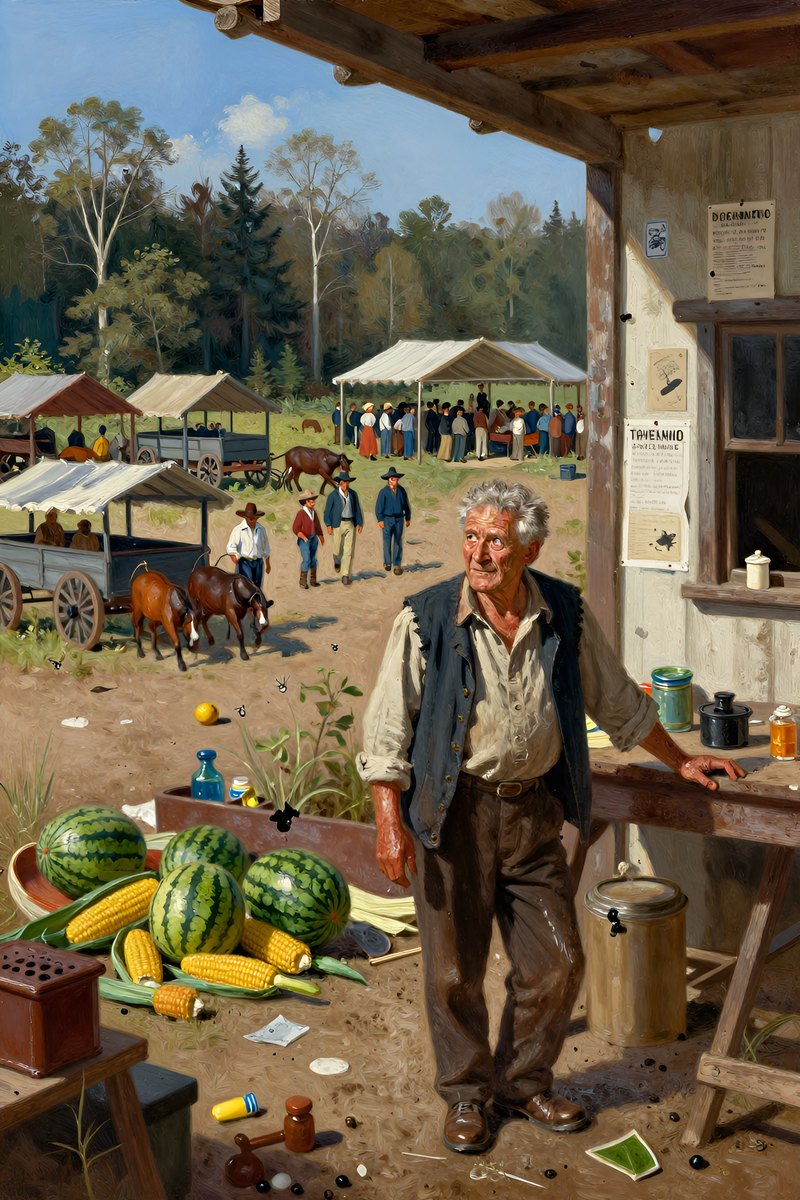
They asked us considerable many questions; wanted to know what we covered up the raft that way for, and laid by in the daytime instead of running—was Jim a runaway nigger? Says I:
“Goodness sakes, would a runaway nigger run south?”
No, they allowed he wouldn’t. I had to account for things some way, so I says:
“My folks was living in Pike County, in Missouri, where I was born, and they all died off but me and pa and my brother Ike. Pa, he ’lowed he’d break up and go down and live with Uncle Ben, who’s got a little one-horse place on the river, forty-four mile below Orleans. Pa was pretty poor, and had some debts; so when he’d squared up there warn’t nothing left but sixteen dollars and our nigger, Jim. That warn’t enough to take us fourteen hundred mile, deck passage nor no other way.
Well, when the river rose pa had a streak of luck one day; he ketched this piece of a raft; so we reckoned we’d go down to Orleans on it.
Pa’s luck didn’t hold out; a steamboat run over the forrard corner of the raft one night, and we all went overboard and dove under the wheel; Jim and me come up all right, but pa was drunk, and Ike was only four years old, so they never come up no more. Well, for the next day or two we had considerable trouble, because people was always coming out in skiffs and trying to take Jim away from me, saying they believed he was a runaway nigger. We don’t run daytimes no more now; nights they don’t bother us.”
The duke says:
“Leave me alone to cipher out a way so we can run in the daytime if we want to. I’ll think the thing over—I’ll invent a plan that’ll fix it.
We’ll let it alone for to-day, because of course we don’t want to go by that town yonder in daylight—it mightn’t be healthy.”
Towards night it begun to darken up and look like rain; the heat lightning was squirting around low down in the sky, and the leaves was beginning to shiver—it was going to be pretty ugly, it was easy to see that. So the duke and the king went to overhauling our wigwam, to see what the beds was like. My bed was a straw tick better than Jim’s, which was a corn-shuck tick; there’s always cobs around about in a shuck tick, and they poke into you and hurt; and when you roll over the dry shucks sound like you was rolling over in a pile of dead leaves; it makes such a rustling that you wake up. Well, the duke allowed he would take my bed; but the king allowed he wouldn’t. He says:
“I should a reckoned the difference in rank would a sejested to you that a corn-shuck bed warn’t just fitten for me to sleep on. Your Grace’ll take the shuck bed yourself.”
Jim and me was in a sweat again for a minute, being afraid there was going to be some more trouble amongst them; so we was pretty glad when the duke says:
“’Tis my fate to be always ground into the mire under the iron heel of oppression. Misfortune has broken my once haughty spirit; I yield, I submit; ’tis my fate. I am alone in the world—let me suffer; I can bear it.”
We got away as soon as it was good and dark. The king told us to stand well out towards the middle of the river, and not show a light till we got a long ways below the town. We come in sight of the little bunch of lights by-and-by—that was the town, you know—and slid by, about a half a mile out, all right. When we was three-quarters of a mile below we hoisted up our signal lantern; and about ten o’clock it come on to rain and blow and thunder and lighten like everything; so the king told us to both stay on watch till the weather got better; then him and the duke crawled into the wigwam and turned in for the night. It was my watch below till twelve, but I wouldn’t a turned in anyway if I’d had a bed, because a body don’t see such a storm as that every day in the week, not by a long sight. My souls, how the wind did scream along! And every second or two there’d come a glare that lit up the white-caps for a half a mile around, and you’d see the islands looking dusty through the rain, and the trees thrashing around in the wind; then comes a h-whack!—bum! bum! bumble-umble-um-bum-bum-bum-bum—and the thunder would go rumbling and grumbling away, and quit—and then rip comes another flash and another sockdolager. The waves most washed me off the raft sometimes, but I hadn’t any clothes on, and didn’t mind. We didn’t have no trouble about snags; the lightning was glaring and flittering around so constant that we could see them plenty soon enough to throw her head this way or that and miss them.
I had the middle watch, you know, but I was pretty sleepy by that time, so Jim he said he would stand the first half of it for me; he was always mighty good that way, Jim was. I crawled into the wigwam, but the king and the duke had their legs sprawled around so there warn’t no show for me; so I laid outside—I didn’t mind the rain, because it was warm, and the waves warn’t running so high now. About two they come up again, though, and Jim was going to call me; but he changed his mind, because he reckoned they warn’t high enough yet to do any harm; but he was mistaken about that, for pretty soon all of a sudden along comes a regular ripper and washed me overboard. It most killed Jim a-laughing.
He was the easiest nigger to laugh that ever was, anyway.
I took the watch, and Jim he laid down and snored away; and by-and-by the storm let up for good and all; and the first cabin-light that showed, I rousted him out and we slid the raft into hiding quarters for the day.
The king got out an old ratty deck of cards after breakfast, and him and the duke played seven-up a while, five cents a game. Then they got tired of it, and allowed they would “lay out a campaign,” as they called it. The duke went down into his carpet-bag, and fetched up a lot of little printed bills and read them out loud. One bill said, “The celebrated Dr. Armand de Montalban, of Paris,” would “lecture on the Science of Phrenology” at such and such a place, on the blank day of blank, at ten cents admission, and “furnish charts of character at twenty-five cents apiece.” The duke said that was him. In another bill he was the “world-renowned Shakespearian tragedian, Garrick the Younger, of Drury Lane, London.” In other bills he had a lot of other names and done other wonderful things, like finding water and gold with a “divining-rod,” “dissipating witch spells,” and so on. By-and-by he says:
“But the histrionic muse is the darling. Have you ever trod the boards, Royalty?”
“No,” says the king.
“You shall, then, before you’re three days older, Fallen Grandeur,”
says the duke. “The first good town we come to we’ll hire a hall and do the sword fight in Richard III. and the balcony scene in Romeo and Juliet. How does that strike you?”
“I’m in, up to the hub, for anything that will pay, Bilgewater; but, you see, I don’t know nothing about play-actin’, and hain’t ever seen much of it. I was too small when pap used to have ’em at the palace. Do you reckon you can learn me?”
“Easy!”
“All right. I’m jist a-freezn’ for something fresh, anyway. Le’s commence right away.”
So the duke he told him all about who Romeo was and who Juliet was, and said he was used to being Romeo, so the king could be Juliet.
“But if Juliet’s such a young gal, duke, my peeled head and my white whiskers is goin’ to look oncommon odd on her, maybe.”
“No, don’t you worry; these country jakes won’t ever think of that.
Besides, you know, you’ll be in costume, and that makes all the difference in the world; Juliet’s in a balcony, enjoying the moonlight before she goes to bed, and she’s got on her night-gown and her ruffled nightcap. Here are the costumes for the parts.”
He got out two or three curtain-calico suits, which he said was meedyevil armor for Richard III. and t’other chap, and a long white cotton nightshirt and a ruffled nightcap to match. The king was satisfied; so the duke got out his book and read the parts over in the most splendid spread-eagle way, prancing around and acting at the same time, to show how it had got to be done; then he give the book to the king and told him to get his part by heart.
There was a little one-horse town about three mile down the bend, and after dinner the duke said he had ciphered out his idea about how to run in daylight without it being dangersome for Jim; so he allowed he would go down to the town and fix that thing. The king allowed he would go, too, and see if he couldn’t strike something. We was out of coffee, so Jim said I better go along with them in the canoe and get some.
When we got there there warn’t nobody stirring; streets empty, and perfectly dead and still, like Sunday. We found a sick nigger sunning himself in a back yard, and he said everybody that warn’t too young or too sick or too old was gone to camp-meeting, about two mile back in the woods. The king got the directions, and allowed he’d go and work that camp-meeting for all it was worth, and I might go, too.
The duke said what he was after was a printing-office. We found it; a little bit of a concern, up over a carpenter shop—carpenters and printers all gone to the meeting, and no doors locked. It was a dirty, littered-up place, and had ink marks, and handbills with pictures of horses and runaway niggers on them, all over the walls. The duke shed his coat and said he was all right now. So me and the king lit out for the camp-meeting.
We got there in about a half an hour fairly dripping, for it was a most awful hot day. There was as much as a thousand people there from twenty mile around. The woods was full of teams and wagons, hitched everywheres, feeding out of the wagon-troughs and stomping to keep off the flies. There was sheds made out of poles and roofed over with branches, where they had lemonade and gingerbread to sell, and piles of watermelons and green corn and such-like truck.
The preaching was going on under the same kinds of sheds, only they was bigger and held crowds of people. The benches was made out of outside slabs of logs, with holes bored in the round side to drive sticks into for legs. They didn’t have no backs. The preachers had high platforms to stand on at one end of the sheds. The women had on sun-bonnets; and some had linsey-woolsey frocks, some gingham ones, and a few of the young ones had on calico. Some of the young men was barefooted, and some of the children didn’t have on any clothes but just a tow-linen shirt. Some of the old women was knitting, and some of the young folks was courting on the sly.
The first shed we come to the preacher was lining out a hymn. He lined out two lines, everybody sung it, and it was kind of grand to hear it, there was so many of them and they done it in such a rousing way; then he lined out two more for them to sing—and so on. The people woke up more and more, and sung louder and louder; and towards the end some begun to groan, and some begun to shout. Then the preacher begun to preach, and begun in earnest, too; and went weaving first to one side of the platform and then the other, and then a-leaning down over the front of it, with his arms and his body going all the time, and shouting his words out with all his might; and every now and then he would hold up his Bible and spread it open, and kind of pass it around this way and that, shouting, “It’s the brazen serpent in the wilderness! Look upon it and live!” And people would shout out, “Glory!—A-a-men!” And so he went on, and the people groaning and crying and saying amen:
“Oh, come to the mourners’ bench! come, black with sin! (amen!) come, sick and sore! (amen!) come, lame and halt and blind! (amen!) come, pore and needy, sunk in shame! (a-a-men!) come, all that’s worn and soiled and suffering!—come with a broken spirit! come with a contrite heart! come in your rags and sin and dirt! the waters that cleanse is free, the door of heaven stands open—oh, enter in and be at rest!”
(a-a-men! glory, glory hallelujah!)
And so on. You couldn’t make out what the preacher said any more, on account of the shouting and crying. Folks got up everywheres in the crowd, and worked their way just by main strength to the mourners’
bench, with the tears running down their faces; and when all the mourners had got up there to the front benches in a crowd, they sung and shouted and flung themselves down on the straw, just crazy and wild.
Well, the first I knowed the king got a-going, and you could hear him over everybody; and next he went a-charging up on to the platform, and the preacher he begged him to speak to the people, and he done it. He told them he was a pirate—been a pirate for thirty years out in the Indian Ocean—and his crew was thinned out considerable last spring in a fight, and he was home now to take out some fresh men, and thanks to goodness he’d been robbed last night and put ashore off of a steamboat without a cent, and he was glad of it; it was the blessedest thing that ever happened to him, because he was a changed man now, and happy for the first time in his life; and, poor as he was, he was going to start right off and work his way back to the Indian Ocean, and put in the rest of his life trying to turn the pirates into the true path; for he could do it better than anybody else, being acquainted with all pirate crews in that ocean; and though it would take him a long time to get there without money, he would get there anyway, and every time he convinced a pirate he would say to him, “Don’t you thank me, don’t you give me no credit; it all belongs to them dear people in Pokeville camp-meeting, natural brothers and benefactors of the race, and that dear preacher there, the truest friend a pirate ever had!”
And then he busted into tears, and so did everybody. Then somebody sings out, “Take up a collection for him, take up a collection!” Well, a half a dozen made a jump to do it, but somebody sings out, “Let him pass the hat around!” Then everybody said it, the preacher too.
So the king went all through the crowd with his hat swabbing his eyes, and blessing the people and praising them and thanking them for being so good to the poor pirates away off there; and every little while the prettiest kind of girls, with the tears running down their cheeks, would up and ask him would he let them kiss him for to remember him by; and he always done it; and some of them he hugged and kissed as many as five or six times—and he was invited to stay a week; and everybody wanted him to live in their houses, and said they’d think it was an honor; but he said as this was the last day of the camp-meeting he couldn’t do no good, and besides he was in a sweat to get to the Indian Ocean right off and go to work on the pirates.
When we got back to the raft and he come to count up he found he had collected eighty-seven dollars and seventy-five cents. And then he had fetched away a three-gallon jug of whisky, too, that he found under a wagon when he was starting home through the woods. The king said, take it all around, it laid over any day he’d ever put in in the missionarying line. He said it warn’t no use talking, heathens don’t amount to shucks alongside of pirates to work a camp-meeting with.
The duke was thinking he’d been doing pretty well till the king come to show up, but after that he didn’t think so so much. He had set up and printed off two little jobs for farmers in that printing-office—horse bills—and took the money, four dollars. And he had got in ten dollars’ worth of advertisements for the paper, which he said he would put in for four dollars if they would pay in advance—so they done it. The price of the paper was two dollars a year, but he took in three subscriptions for half a dollar apiece on condition of them paying him in advance; they were going to pay in cordwood and onions as usual, but he said he had just bought the concern and knocked down the price as low as he could afford it, and was going to run it for cash. He set up a little piece of poetry, which he made, himself, out of his own head—three verses—kind of sweet and saddish—the name of it was, “Yes, crush, cold world, this breaking heart”—and he left that all set up and ready to print in the paper, and didn’t charge nothing for it. Well, he took in nine dollars and a half, and said he’d done a pretty square day’s work for it.
Then he showed us another little job he’d printed and hadn’t charged for, because it was for us. It had a picture of a runaway nigger with a bundle on a stick over his shoulder, and “$200 reward” under it. The reading was all about Jim, and just described him to a dot. It said he run away from St. Jacques’ plantation, forty mile below New Orleans, last winter, and likely went north, and whoever would catch him and send him back he could have the reward and expenses.
“Now,” says the duke, “after to-night we can run in the daytime if we want to. Whenever we see anybody coming we can tie Jim hand and foot with a rope, and lay him in the wigwam and show this handbill and say we captured him up the river, and were too poor to travel on a steamboat, so we got this little raft on credit from our friends and are going down to get the reward. Handcuffs and chains would look still better on Jim, but it wouldn’t go well with the story of us being so poor. Too much like jewelry. Ropes are the correct thing—we must preserve the unities, as we say on the boards.”
We all said the duke was pretty smart, and there couldn’t be no trouble about running daytimes. We judged we could make miles enough that night to get out of the reach of the powwow we reckoned the duke’s work in the printing office was going to make in that little town; then we could boom right along if we wanted to.
We laid low and kept still, and never shoved out till nearly ten o’clock; then we slid by, pretty wide away from the town, and didn’t hoist our lantern till we was clear out of sight of it.
When Jim called me to take the watch at four in the morning, he says:
“Huck, does you reck’n we gwyne to run acrost any mo’ kings on dis trip?”
“No,” I says, “I reckon not.”
“Well,” says he, “dat’s all right, den. I doan’ mine one er two kings, but dat’s enough. Dis one’s powerful drunk, en de duke ain’ much better.”
I found Jim had been trying to get him to talk French, so he could hear what it was like; but he said he had been in this country so long, and had so much trouble, he’d forgot it.
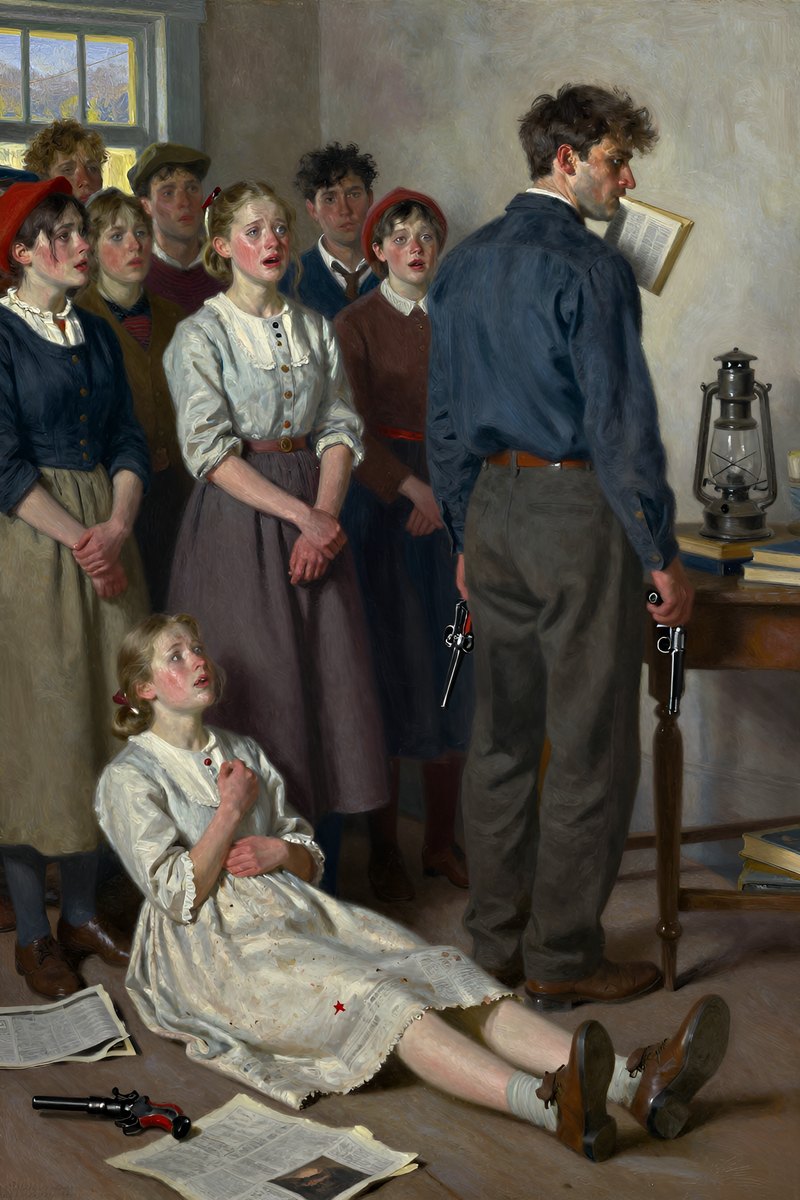
It was after sun-up now, but we went right on and didn’t tie up. The king and the duke turned out by-and-by looking pretty rusty; but after they’d jumped overboard and took a swim it chippered them up a good deal. After breakfast the king he took a seat on the corner of the raft, and pulled off his boots and rolled up his britches, and let his legs dangle in the water, so as to be comfortable, and lit his pipe, and went to getting his Romeo and Juliet by heart. When he had got it pretty good, him and the duke begun to practice it together. The duke had to learn him over and over again how to say every speech; and he made him sigh, and put his hand on his heart, and after a while he said he done it pretty well; “only,” he says, “you mustn’t bellow out Romeo! that way, like a bull—you must say it soft and sick and languishy, so—R-o-o-meo! that is the idea; for Juliet’s a dear sweet mere child of a girl, you know, and she doesn’t bray like a jackass.”
Well, next they got out a couple of long swords that the duke made out of oak laths, and begun to practice the sword fight—the duke called himself Richard III.; and the way they laid on and pranced around the raft was grand to see. But by-and-by the king tripped and fell overboard, and after that they took a rest, and had a talk about all kinds of adventures they’d had in other times along the river.
After dinner the duke says:
“Well, Capet, we’ll want to make this a first-class show, you know, so I guess we’ll add a little more to it. We want a little something to answer encores with, anyway.”
“What’s onkores, Bilgewater?”
The duke told him, and then says:
“I’ll answer by doing the Highland fling or the sailor’s hornpipe; and you—well, let me see—oh, I’ve got it—you can do Hamlet’s soliloquy.”
“Hamlet’s which?”
“Hamlet’s soliloquy, you know; the most celebrated thing in Shakespeare. Ah, it’s sublime, sublime! Always fetches the house. I haven’t got it in the book—I’ve only got one volume—but I reckon I can piece it out from memory. I’ll just walk up and down a minute, and see if I can call it back from recollection’s vaults.”
So he went to marching up and down, thinking, and frowning horrible every now and then; then he would hoist up his eyebrows; next he would squeeze his hand on his forehead and stagger back and kind of moan; next he would sigh, and next he’d let on to drop a tear. It was beautiful to see him. By-and-by he got it. He told us to give attention. Then he strikes a most noble attitude, with one leg shoved forwards, and his arms stretched away up, and his head tilted back, looking up at the sky; and then he begins to rip and rave and grit his teeth; and after that, all through his speech, he howled, and spread around, and swelled up his chest, and just knocked the spots out of any acting ever I see before. This is the speech—I learned it, easy enough, while he was learning it to the king:
To be, or not to be; that is the bare bodkin That makes calamity of so long life; For who would fardels bear, till Birnam Wood do come to Dunsinane, But that the fear of something after death Murders the innocent sleep, Great nature’s second course, And makes us rather sling the arrows of outrageous fortune Than fly to others that we know not of.
There’s the respect must give us pause:
Wake Duncan with thy knocking! I would thou couldst; For who would bear the whips and scorns of time, The oppressor’s wrong, the proud man’s contumely, The law’s delay, and the quietus which his pangs might take.
In the dead waste and middle of the night, when churchyards yawn In customary suits of solemn black, But that the undiscovered country from whose bourne no traveler returns, Breathes forth contagion on the world, And thus the native hue of resolution, like the poor cat i’ the adage, Is sicklied o’er with care.
And all the clouds that lowered o’er our housetops, With this regard their currents turn awry, And lose the name of action.
’Tis a consummation devoutly to be wished.
But soft you, the fair Ophelia:
Ope not thy ponderous and marble jaws.
But get thee to a nunnery—go!
Well, the old man he liked that speech, and he mighty soon got it so he could do it first rate. It seemed like he was just born for it; and when he had his hand in and was excited, it was perfectly lovely the way he would rip and tear and rair up behind when he was getting it off.
The first chance we got, the duke he had some show bills printed; and after that, for two or three days as we floated along, the raft was a most uncommon lively place, for there warn’t nothing but sword-fighting and rehearsing—as the duke called it—going on all the time. One morning, when we was pretty well down the State of Arkansaw, we come in sight of a little one-horse town in a big bend; so we tied up about three-quarters of a mile above it, in the mouth of a crick which was shut in like a tunnel by the cypress trees, and all of us but Jim took the canoe and went down there to see if there was any chance in that place for our show.
We struck it mighty lucky; there was going to be a circus there that afternoon, and the country people was already beginning to come in, in all kinds of old shackly wagons, and on horses. The circus would leave before night, so our show would have a pretty good chance. The duke he hired the court house, and we went around and stuck up our bills. They read like this:
Shaksperean Revival!!!
Wonderful Attraction!
For One Night Only!
The world renowned tragedians, David Garrick the younger, of Drury Lane Theatre, London, and Edmund Kean the elder, of the Royal Haymarket Theatre, Whitechapel, Pudding Lane, Piccadilly, London, and the Royal Continental Theatres, in their sublime Shaksperean Spectacle entitled The Balcony Scene in Romeo and Juliet!!!
Romeo...................................... Mr. Garrick.
Juliet..................................... Mr. Kean.
Assisted by the whole strength of the company!
New costumes, new scenery, new appointments!
Also:
The thrilling, masterly, and blood-curdling Broad-sword conflict In Richard III.!!!
Richard III................................ Mr. Garrick.
Richmond................................... Mr. Kean.
also:
(by special request,)
Hamlet’s Immortal Soliloquy!!
By the Illustrious Kean!
Done by him 300 consecutive nights in Paris!
For One Night Only, On account of imperative European engagements!
Admission 25 cents; children and servants, 10 cents.
Then we went loafing around the town. The stores and houses was most all old shackly dried-up frame concerns that hadn’t ever been painted; they was set up three or four foot above ground on stilts, so as to be out of reach of the water when the river was overflowed. The houses had little gardens around them, but they didn’t seem to raise hardly anything in them but jimpson weeds, and sunflowers, and ash-piles, and old curled-up boots and shoes, and pieces of bottles, and rags, and played-out tin-ware. The fences was made of different kinds of boards, nailed on at different times; and they leaned every which-way, and had gates that didn’t generly have but one hinge—a leather one. Some of the fences had been whitewashed, some time or another, but the duke said it was in Clumbus’s time, like enough. There was generly hogs in the garden, and people driving them out.
All the stores was along one street. They had white domestic awnings in front, and the country people hitched their horses to the awning-posts.
There was empty drygoods boxes under the awnings, and loafers roosting on them all day long, whittling them with their Barlow knives; and chawing tobacco, and gaping and yawning and stretching—a mighty ornery lot. They generly had on yellow straw hats most as wide as an umbrella, but didn’t wear no coats nor waistcoats, they called one another Bill, and Buck, and Hank, and Joe, and Andy, and talked lazy and drawly, and used considerable many cuss words. There was as many as one loafer leaning up against every awning-post, and he most always had his hands in his britches-pockets, except when he fetched them out to lend a chaw of tobacco or scratch. What a body was hearing amongst them all the time was:
“Gimme a chaw ’v tobacker, Hank.”
“Cain’t; I hain’t got but one chaw left. Ask Bill.”
Maybe Bill he gives him a chaw; maybe he lies and says he ain’t got none. Some of them kinds of loafers never has a cent in the world, nor a chaw of tobacco of their own. They get all their chawing by borrowing; they say to a fellow, “I wisht you’d len’ me a chaw, Jack, I jist this minute give Ben Thompson the last chaw I had”—which is a lie pretty much everytime; it don’t fool nobody but a stranger; but Jack ain’t no stranger, so he says:
“You give him a chaw, did you? So did your sister’s cat’s grandmother. You pay me back the chaws you’ve awready borry’d off’n me, Lafe Buckner, then I’ll loan you one or two ton of it, and won’t charge you no back intrust, nuther.”
“Well, I did pay you back some of it wunst.”
“Yes, you did—’bout six chaws. You borry’d store tobacker and paid back nigger-head.”
Store tobacco is flat black plug, but these fellows mostly chaws the natural leaf twisted. When they borrow a chaw they don’t generly cut it off with a knife, but set the plug in between their teeth, and gnaw with their teeth and tug at the plug with their hands till they get it in two; then sometimes the one that owns the tobacco looks mournful at it when it’s handed back, and says, sarcastic:
“Here, gimme the chaw, and you take the plug.”
All the streets and lanes was just mud; they warn’t nothing else but mud—mud as black as tar and nigh about a foot deep in some places, and two or three inches deep in all the places. The hogs loafed and grunted around everywheres. You’d see a muddy sow and a litter of pigs come lazying along the street and whollop herself right down in the way, where folks had to walk around her, and she’d stretch out and shut her eyes and wave her ears whilst the pigs was milking her, and look as happy as if she was on salary. And pretty soon you’d hear a loafer sing out, “Hi! so boy! sick him, Tige!” and away the sow would go, squealing most horrible, with a dog or two swinging to each ear, and three or four dozen more a-coming; and then you would see all the loafers get up and watch the thing out of sight, and laugh at the fun and look grateful for the noise. Then they’d settle back again till there was a dog fight. There couldn’t anything wake them up all over, and make them happy all over, like a dog fight—unless it might be putting turpentine on a stray dog and setting fire to him, or tying a tin pan to his tail and see him run himself to death.
On the river front some of the houses was sticking out over the bank, and they was bowed and bent, and about ready to tumble in. The people had moved out of them. The bank was caved away under one corner of some others, and that corner was hanging over. People lived in them yet, but it was dangersome, because sometimes a strip of land as wide as a house caves in at a time. Sometimes a belt of land a quarter of a mile deep will start in and cave along and cave along till it all caves into the river in one summer. Such a town as that has to be always moving back, and back, and back, because the river’s always gnawing at it.
The nearer it got to noon that day the thicker and thicker was the wagons and horses in the streets, and more coming all the time.
Families fetched their dinners with them from the country, and eat them in the wagons. There was considerable whisky drinking going on, and I seen three fights. By-and-by somebody sings out:
“Here comes old Boggs!—in from the country for his little old monthly drunk; here he comes, boys!”
All the loafers looked glad; I reckoned they was used to having fun out of Boggs. One of them says:
“Wonder who he’s a-gwyne to chaw up this time. If he’d a-chawed up all the men he’s ben a-gwyne to chaw up in the last twenty year he’d have considerable ruputation now.”
Another one says, “I wisht old Boggs ’d threaten me, ’cuz then I’d know I warn’t gwyne to die for a thousan’ year.”
Boggs comes a-tearing along on his horse, whooping and yelling like an Injun, and singing out:
“Cler the track, thar. I’m on the waw-path, and the price uv coffins is a-gwyne to raise.”
He was drunk, and weaving about in his saddle; he was over fifty year old, and had a very red face. Everybody yelled at him and laughed at him and sassed him, and he sassed back, and said he’d attend to them and lay them out in their regular turns, but he couldn’t wait now because he’d come to town to kill old Colonel Sherburn, and his motto was, “Meat first, and spoon vittles to top off on.”
He see me, and rode up and says:
“Whar’d you come f’m, boy? You prepared to die?”
Then he rode on. I was scared, but a man says:
“He don’t mean nothing; he’s always a-carryin’ on like that when he’s drunk. He’s the best naturedest old fool in Arkansaw—never hurt nobody, drunk nor sober.”
Boggs rode up before the biggest store in town, and bent his head down so he could see under the curtain of the awning and yells:
“Come out here, Sherburn! Come out and meet the man you’ve swindled.
You’re the houn’ I’m after, and I’m a-gwyne to have you, too!”
And so he went on, calling Sherburn everything he could lay his tongue to, and the whole street packed with people listening and laughing and going on. By-and-by a proud-looking man about fifty-five—and he was a heap the best dressed man in that town, too—steps out of the store, and the crowd drops back on each side to let him come. He says to Boggs, mighty ca’m and slow—he says:
“I’m tired of this, but I’ll endure it till one o’clock. Till one o’clock, mind—no longer. If you open your mouth against me only once after that time you can’t travel so far but I will find you.”
Then he turns and goes in. The crowd looked mighty sober; nobody stirred, and there warn’t no more laughing. Boggs rode off blackguarding Sherburn as loud as he could yell, all down the street; and pretty soon back he comes and stops before the store, still keeping it up. Some men crowded around him and tried to get him to shut up, but he wouldn’t; they told him it would be one o’clock in about fifteen minutes, and so he must go home—he must go right away. But it didn’t do no good. He cussed away with all his might, and throwed his hat down in the mud and rode over it, and pretty soon away he went a-raging down the street again, with his gray hair a-flying. Everybody that could get a chance at him tried their best to coax him off of his horse so they could lock him up and get him sober; but it warn’t no use—up the street he would tear again, and give Sherburn another cussing. By-and-by somebody says:
“Go for his daughter!—quick, go for his daughter; sometimes he’ll listen to her. If anybody can persuade him, she can.”
So somebody started on a run. I walked down street a ways and stopped.
In about five or ten minutes here comes Boggs again, but not on his horse. He was a-reeling across the street towards me, bare-headed, with a friend on both sides of him a-holt of his arms and hurrying him along. He was quiet, and looked uneasy; and he warn’t hanging back any, but was doing some of the hurrying himself. Somebody sings out:
“Boggs!”
I looked over there to see who said it, and it was that Colonel Sherburn. He was standing perfectly still in the street, and had a pistol raised in his right hand—not aiming it, but holding it out with the barrel tilted up towards the sky. The same second I see a young girl coming on the run, and two men with her. Boggs and the men turned round to see who called him, and when they see the pistol the men jumped to one side, and the pistol-barrel come down slow and steady to a level—both barrels cocked. Boggs throws up both of his hands and says, “O Lord, don’t shoot!” Bang! goes the first shot, and he staggers back, clawing at the air—bang! goes the second one, and he tumbles backwards onto the ground, heavy and solid, with his arms spread out.
That young girl screamed out and comes rushing, and down she throws herself on her father, crying, and saying, “Oh, he’s killed him, he’s killed him!” The crowd closed up around them, and shouldered and jammed one another, with their necks stretched, trying to see, and people on the inside trying to shove them back and shouting, “Back, back! give him air, give him air!”
Colonel Sherburn he tossed his pistol onto the ground, and turned around on his heels and walked off.
They took Boggs to a little drug store, the crowd pressing around just the same, and the whole town following, and I rushed and got a good place at the window, where I was close to him and could see in. They laid him on the floor and put one large Bible under his head, and opened another one and spread it on his breast; but they tore open his shirt first, and I seen where one of the bullets went in. He made about a dozen long gasps, his breast lifting the Bible up when he drawed in his breath, and letting it down again when he breathed it out—and after that he laid still; he was dead. Then they pulled his daughter away from him, screaming and crying, and took her off. She was about sixteen, and very sweet and gentle-looking, but awful pale and scared.
Well, pretty soon the whole town was there, squirming and scrouging and pushing and shoving to get at the window and have a look, but people that had the places wouldn’t give them up, and folks behind them was saying all the time, “Say, now, you’ve looked enough, you fellows; ’tain’t right and ’tain’t fair for you to stay thar all the time, and never give nobody a chance; other folks has their rights as well as you.”
There was considerable jawing back, so I slid out, thinking maybe there was going to be trouble. The streets was full, and everybody was excited. Everybody that seen the shooting was telling how it happened, and there was a big crowd packed around each one of these fellows, stretching their necks and listening. One long, lanky man, with long hair and a big white fur stovepipe hat on the back of his head, and a crooked-handled cane, marked out the places on the ground where Boggs stood and where Sherburn stood, and the people following him around from one place to t’other and watching everything he done, and bobbing their heads to show they understood, and stooping a little and resting their hands on their thighs to watch him mark the places on the ground with his cane; and then he stood up straight and stiff where Sherburn had stood, frowning and having his hat-brim down over his eyes, and sung out, “Boggs!” and then fetched his cane down slow to a level, and says “Bang!” staggered backwards, says “Bang!” again, and fell down flat on his back. The people that had seen the thing said he done it perfect; said it was just exactly the way it all happened. Then as much as a dozen people got out their bottles and treated him.
Well, by-and-by somebody said Sherburn ought to be lynched. In about a minute everybody was saying it; so away they went, mad and yelling, and snatching down every clothes-line they come to, to do the hanging with.
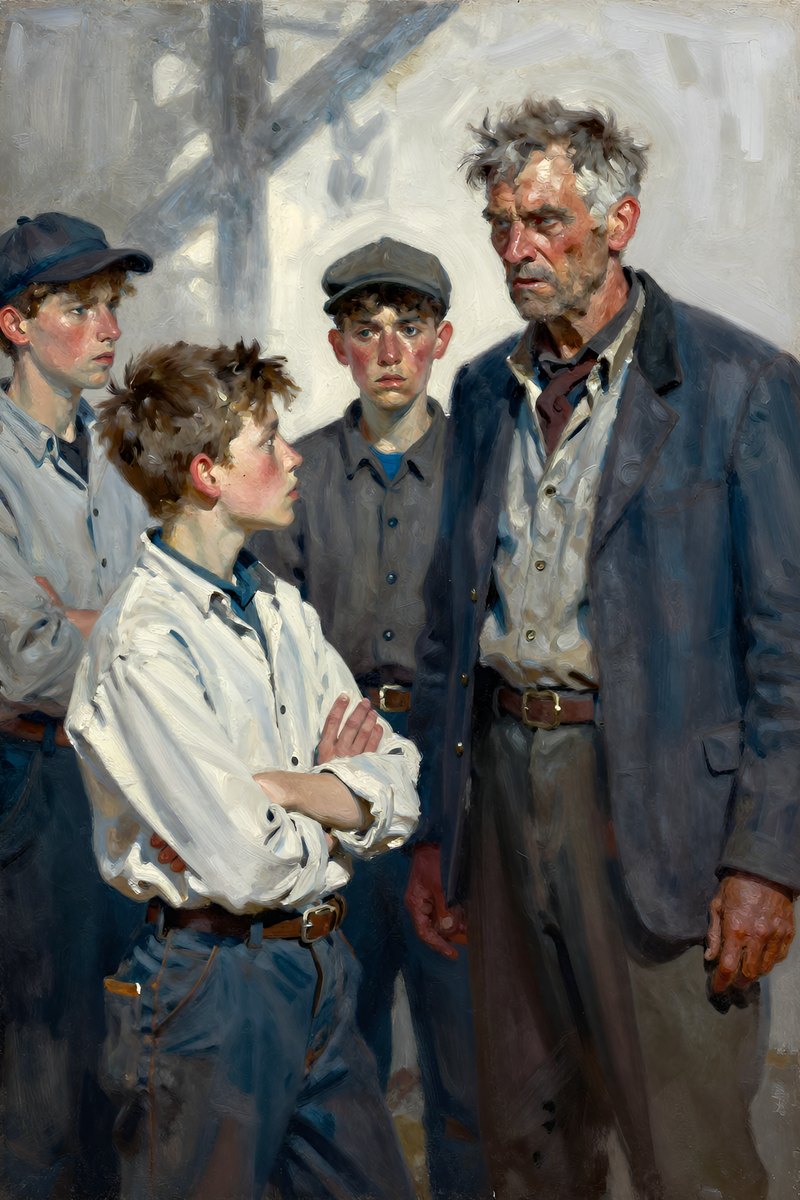
They swarmed up towards Sherburn’s house, a-whooping and raging like Injuns, and everything had to clear the way or get run over and tromped to mush, and it was awful to see. Children was heeling it ahead of the mob, screaming and trying to get out of the way; and every window along the road was full of women’s heads, and there was nigger boys in every tree, and bucks and wenches looking over every fence; and as soon as the mob would get nearly to them they would break and skaddle back out of reach. Lots of the women and girls was crying and taking on, scared most to death.
They swarmed up in front of Sherburn’s palings as thick as they could jam together, and you couldn’t hear yourself think for the noise. It was a little twenty-foot yard. Some sung out “Tear down the fence! tear down the fence!” Then there was a racket of ripping and tearing and smashing, and down she goes, and the front wall of the crowd begins to roll in like a wave.
Just then Sherburn steps out on to the roof of his little front porch, with a double-barrel gun in his hand, and takes his stand, perfectly ca’m and deliberate, not saying a word. The racket stopped, and the wave sucked back.
Sherburn never said a word—just stood there, looking down. The stillness was awful creepy and uncomfortable. Sherburn run his eye slow along the crowd; and wherever it struck the people tried a little to out-gaze him, but they couldn’t; they dropped their eyes and looked sneaky. Then pretty soon Sherburn sort of laughed; not the pleasant kind, but the kind that makes you feel like when you are eating bread that’s got sand in it.
Then he says, slow and scornful:
“The idea of you lynching anybody! It’s amusing. The idea of you thinking you had pluck enough to lynch a man! Because you’re brave enough to tar and feather poor friendless cast-out women that come along here, did that make you think you had grit enough to lay your hands on a man? Why, a man’s safe in the hands of ten thousand of your kind—as long as it’s daytime and you’re not behind him.
“Do I know you? I know you clear through. I was born and raised in the South, and I’ve lived in the North; so I know the average all around.
The average man’s a coward. In the North he lets anybody walk over him that wants to, and goes home and prays for a humble spirit to bear it.
In the South one man all by himself, has stopped a stage full of men in the daytime, and robbed the lot. Your newspapers call you a brave people so much that you think you are braver than any other people—whereas you’re just as brave, and no braver. Why don’t your juries hang murderers? Because they’re afraid the man’s friends will shoot them in the back, in the dark—and it’s just what they would do.
“So they always acquit; and then a man goes in the night, with a hundred masked cowards at his back and lynches the rascal. Your mistake is, that you didn’t bring a man with you; that’s one mistake, and the other is that you didn’t come in the dark and fetch your masks. You brought part of a man—Buck Harkness, there—and if you hadn’t had him to start you, you’d a taken it out in blowing.
“You didn’t want to come. The average man don’t like trouble and danger. You don’t like trouble and danger. But if only half a man—like Buck Harkness, there—shouts ‘Lynch him! lynch him!’ you’re afraid to back down—afraid you’ll be found out to be what you are—cowards—and so you raise a yell, and hang yourselves on to that half-a-man’s coat-tail, and come raging up here, swearing what big things you’re going to do. The pitifulest thing out is a mob; that’s what an army is—a mob; they don’t fight with courage that’s born in them, but with courage that’s borrowed from their mass, and from their officers. But a mob without any man at the head of it is beneath pitifulness. Now the thing for you to do is to droop your tails and go home and crawl in a hole. If any real lynching’s going to be done, it will be done in the dark, Southern fashion; and when they come they’ll bring their masks, and fetch a man along. Now leave—and take your half-a-man with you”—tossing his gun up across his left arm and cocking it when he says this.
The crowd washed back sudden, and then broke all apart, and went tearing off every which way, and Buck Harkness he heeled it after them, looking tolerable cheap. I could a staid if I wanted to, but I didn’t want to.
I went to the circus and loafed around the back side till the watchman went by, and then dived in under the tent. I had my twenty-dollar gold piece and some other money, but I reckoned I better save it, because there ain’t no telling how soon you are going to need it, away from home and amongst strangers that way. You can’t be too careful. I ain’t opposed to spending money on circuses when there ain’t no other way, but there ain’t no use in wasting it on them.
It was a real bully circus. It was the splendidest sight that ever was when they all come riding in, two and two, a gentleman and lady, side by side, the men just in their drawers and undershirts, and no shoes nor stirrups, and resting their hands on their thighs easy and comfortable—there must a been twenty of them—and every lady with a lovely complexion, and perfectly beautiful, and looking just like a gang of real sure-enough queens, and dressed in clothes that cost millions of dollars, and just littered with diamonds. It was a powerful fine sight; I never see anything so lovely. And then one by one they got up and stood, and went a-weaving around the ring so gentle and wavy and graceful, the men looking ever so tall and airy and straight, with their heads bobbing and skimming along, away up there under the tent-roof, and every lady’s rose-leafy dress flapping soft and silky around her hips, and she looking like the most loveliest parasol.
And then faster and faster they went, all of them dancing, first one foot out in the air and then the other, the horses leaning more and more, and the ring-master going round and round the center-pole, cracking his whip and shouting “Hi!—hi!” and the clown cracking jokes behind him; and by-and-by all hands dropped the reins, and every lady put her knuckles on her hips and every gentleman folded his arms, and then how the horses did lean over and hump themselves! And so one after the other they all skipped off into the ring, and made the sweetest bow I ever see, and then scampered out, and everybody clapped their hands and went just about wild.
Well, all through the circus they done the most astonishing things; and all the time that clown carried on so it most killed the people. The ring-master couldn’t ever say a word to him but he was back at him quick as a wink with the funniest things a body ever said; and how he ever could think of so many of them, and so sudden and so pat, was what I couldn’t noway understand. Why, I couldn’t a thought of them in a year.
And by-and-by a drunk man tried to get into the ring—said he wanted to ride; said he could ride as well as anybody that ever was. They argued and tried to keep him out, but he wouldn’t listen, and the whole show come to a standstill. Then the people begun to holler at him and make fun of him, and that made him mad, and he begun to rip and tear; so that stirred up the people, and a lot of men begun to pile down off of the benches and swarm towards the ring, saying, “Knock him down! throw him out!” and one or two women begun to scream. So, then, the ring-master he made a little speech, and said he hoped there wouldn’t be no disturbance, and if the man would promise he wouldn’t make no more trouble he would let him ride if he thought he could stay on the horse.
So everybody laughed and said all right, and the man got on. The minute he was on, the horse begun to rip and tear and jump and cavort around, with two circus men hanging on to his bridle trying to hold him, and the drunk man hanging on to his neck, and his heels flying in the air every jump, and the whole crowd of people standing up shouting and laughing till tears rolled down. And at last, sure enough, all the circus men could do, the horse broke loose, and away he went like the very nation, round and round the ring, with that sot laying down on him and hanging to his neck, with first one leg hanging most to the ground on one side, and then t’other one on t’other side, and the people just crazy. It warn’t funny to me, though; I was all of a tremble to see his danger. But pretty soon he struggled up astraddle and grabbed the bridle, a-reeling this way and that; and the next minute he sprung up and dropped the bridle and stood! and the horse a-going like a house afire too. He just stood up there, a-sailing around as easy and comfortable as if he warn’t ever drunk in his life—and then he begun to pull off his clothes and sling them. He shed them so thick they kind of clogged up the air, and altogether he shed seventeen suits. And, then, there he was, slim and handsome, and dressed the gaudiest and prettiest you ever saw, and he lit into that horse with his whip and made him fairly hum—and finally skipped off, and made his bow and danced off to the dressing-room, and everybody just a-howling with pleasure and astonishment.
Then the ring-master he see how he had been fooled, and he was the sickest ring-master you ever see, I reckon. Why, it was one of his own men! He had got up that joke all out of his own head, and never let on to nobody. Well, I felt sheepish enough to be took in so, but I wouldn’t a been in that ring-master’s place, not for a thousand dollars.
I don’t know; there may be bullier circuses than what that one was, but I never struck them yet. Anyways, it was plenty good enough for me; and wherever I run across it, it can have all of my custom every time.
Well, that night we had our show; but there warn’t only about twelve people there—just enough to pay expenses. And they laughed all the time, and that made the duke mad; and everybody left, anyway, before the show was over, but one boy which was asleep. So the duke said these Arkansaw lunkheads couldn’t come up to Shakespeare; what they wanted was low comedy—and maybe something ruther worse than low comedy, he reckoned. He said he could size their style. So next morning he got some big sheets of wrapping paper and some black paint, and drawed off some handbills, and stuck them up all over the village. The bills said:
AT THE COURT HOUSE!
FOR 3 NIGHTS ONLY!
The World-Renowned Tragedians DAVID GARRICK THE YOUNGER!
AND EDMUND KEAN THE ELDER!
Of the London and Continental Theatres, In their Thrilling Tragedy of THE KING’S CAMELOPARD OR THE ROYAL NONESUCH!!!
Admission 50 cents.
Then at the bottom was the biggest line of all—which said:
LADIES AND CHILDREN NOT ADMITTED.
“There,” says he, “if that line don’t fetch them, I dont know Arkansaw!”
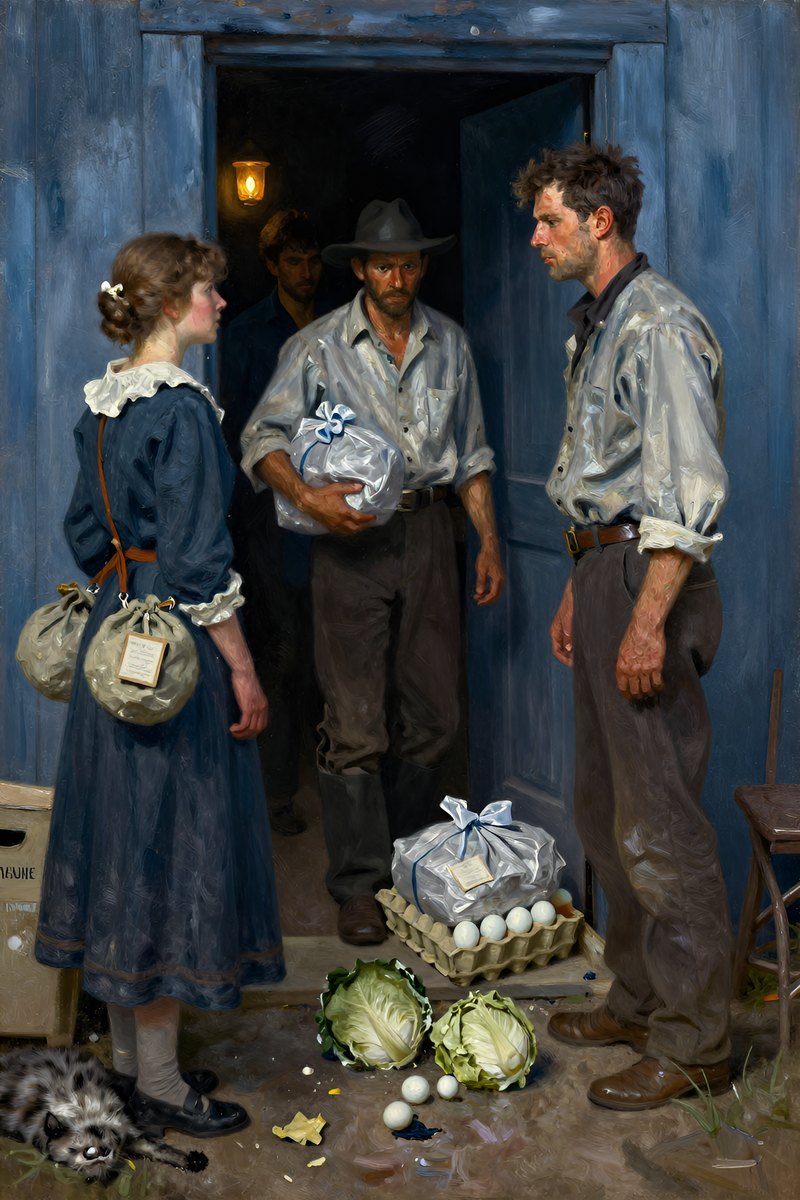
Well, all day him and the king was hard at it, rigging up a stage and a curtain and a row of candles for footlights; and that night the house was jam full of men in no time. When the place couldn’t hold no more, the duke he quit tending door and went around the back way and come on to the stage and stood up before the curtain and made a little speech, and praised up this tragedy, and said it was the most thrillingest one that ever was; and so he went on a-bragging about the tragedy, and about Edmund Kean the Elder, which was to play the main principal part in it; and at last when he’d got everybody’s expectations up high enough, he rolled up the curtain, and the next minute the king come a-prancing out on all fours, naked; and he was painted all over, ring-streaked-and-striped, all sorts of colors, as splendid as a rainbow. And—but never mind the rest of his outfit; it was just wild, but it was awful funny. The people most killed themselves laughing; and when the king got done capering and capered off behind the scenes, they roared and clapped and stormed and haw-hawed till he come back and done it over again, and after that they made him do it another time. Well, it would make a cow laugh to see the shines that old idiot cut.
Then the duke he lets the curtain down, and bows to the people, and says the great tragedy will be performed only two nights more, on accounts of pressing London engagements, where the seats is all sold already for it in Drury Lane; and then he makes them another bow, and says if he has succeeded in pleasing them and instructing them, he will be deeply obleeged if they will mention it to their friends and get them to come and see it.
Twenty people sings out:
“What, is it over? Is that all?”
The duke says yes. Then there was a fine time. Everybody sings out, “Sold!” and rose up mad, and was a-going for that stage and them tragedians. But a big, fine looking man jumps up on a bench and shouts:
“Hold on! Just a word, gentlemen.” They stopped to listen. “We are sold—mighty badly sold. But we don’t want to be the laughing stock of this whole town, I reckon, and never hear the last of this thing as long as we live. No. What we want is to go out of here quiet, and talk this show up, and sell the rest of the town! Then we’ll all be in the same boat. Ain’t that sensible?” (“You bet it is!—the jedge is right!” everybody sings out.) “All right, then—not a word about any sell. Go along home, and advise everybody to come and see the tragedy.”
Next day you couldn’t hear nothing around that town but how splendid that show was. House was jammed again that night, and we sold this crowd the same way. When me and the king and the duke got home to the raft we all had a supper; and by-and-by, about midnight, they made Jim and me back her out and float her down the middle of the river, and fetch her in and hide her about two mile below town.
The third night the house was crammed again—and they warn’t new-comers this time, but people that was at the show the other two nights. I stood by the duke at the door, and I see that every man that went in had his pockets bulging, or something muffled up under his coat—and I see it warn’t no perfumery, neither, not by a long sight. I smelt sickly eggs by the barrel, and rotten cabbages, and such things; and if I know the signs of a dead cat being around, and I bet I do, there was sixty-four of them went in. I shoved in there for a minute, but it was too various for me; I couldn’t stand it. Well, when the place couldn’t hold no more people the duke he give a fellow a quarter and told him to tend door for him a minute, and then he started around for the stage door, I after him; but the minute we turned the corner and was in the dark he says:
“Walk fast now till you get away from the houses, and then shin for the raft like the dickens was after you!”
I done it, and he done the same. We struck the raft at the same time, and in less than two seconds we was gliding down stream, all dark and still, and edging towards the middle of the river, nobody saying a word. I reckoned the poor king was in for a gaudy time of it with the audience, but nothing of the sort; pretty soon he crawls out from under the wigwam, and says:
“Well, how’d the old thing pan out this time, duke?”
He hadn’t been up town at all.
We never showed a light till we was about ten mile below the village.
Then we lit up and had a supper, and the king and the duke fairly laughed their bones loose over the way they’d served them people. The duke says:
“Greenhorns, flatheads! I knew the first house would keep mum and let the rest of the town get roped in; and I knew they’d lay for us the third night, and consider it was their turn now. Well, it is their turn, and I’d give something to know how much they’d take for it. I would just like to know how they’re putting in their opportunity.
They can turn it into a picnic if they want to—they brought plenty provisions.”
Them rapscallions took in four hundred and sixty-five dollars in that three nights. I never see money hauled in by the wagon-load like that before. By-and-by, when they was asleep and snoring, Jim says:
“Don’t it s’prise you de way dem kings carries on, Huck?”
“No,” I says, “it don’t.”
“Why don’t it, Huck?”
“Well, it don’t, because it’s in the breed. I reckon they’re all alike.”
“But, Huck, dese kings o’ ourn is reglar rapscallions; dat’s jist what dey is; dey’s reglar rapscallions.”
“Well, that’s what I’m a-saying; all kings is mostly rapscallions, as fur as I can make out.”
“Is dat so?”
“You read about them once—you’ll see. Look at Henry the Eight; this’n ’s a Sunday-school Superintendent to him. And look at Charles Second, and Louis Fourteen, and Louis Fifteen, and James Second, and Edward Second, and Richard Third, and forty more; besides all them Saxon heptarchies that used to rip around so in old times and raise Cain. My, you ought to seen old Henry the Eight when he was in bloom. He was a blossom. He used to marry a new wife every day, and chop off her head next morning. And he would do it just as indifferent as if he was ordering up eggs. ‘Fetch up Nell Gwynn,’ he says. They fetch her up.
Next morning, ‘Chop off her head!’ And they chop it off. ‘Fetch up Jane Shore,’ he says; and up she comes. Next morning, ‘Chop off her head’—and they chop it off. ‘Ring up Fair Rosamun.’ Fair Rosamun answers the bell. Next morning, ‘Chop off her head.’ And he made every one of them tell him a tale every night; and he kept that up till he had hogged a thousand and one tales that way, and then he put them all in a book, and called it Domesday Book—which was a good name and stated the case. You don’t know kings, Jim, but I know them; and this old rip of ourn is one of the cleanest I’ve struck in history. Well, Henry he takes a notion he wants to get up some trouble with this country. How does he go at it—give notice?—give the country a show? No. All of a sudden he heaves all the tea in Boston Harbor overboard, and whacks out a declaration of independence, and dares them to come on. That was his style—he never give anybody a chance. He had suspicions of his father, the Duke of Wellington. Well, what did he do? Ask him to show up? No—drownded him in a butt of mamsey, like a cat. S’pose people left money laying around where he was—what did he do? He collared it. S’pose he contracted to do a thing, and you paid him, and didn’t set down there and see that he done it—what did he do? He always done the other thing. S’pose he opened his mouth—what then? If he didn’t shut it up powerful quick he’d lose a lie every time. That’s the kind of a bug Henry was; and if we’d a had him along ’stead of our kings he’d a fooled that town a heap worse than ourn done. I don’t say that ourn is lambs, because they ain’t, when you come right down to the cold facts; but they ain’t nothing to that old ram, anyway. All I say is, kings is kings, and you got to make allowances. Take them all around, they’re a mighty ornery lot. It’s the way they’re raised.”
“But dis one do smell so like de nation, Huck.”
“Well, they all do, Jim. We can’t help the way a king smells; history don’t tell no way.”
“Now de duke, he’s a tolerble likely man in some ways.”
“Yes, a duke’s different. But not very different. This one’s a middling hard lot for a duke. When he’s drunk, there ain’t no near-sighted man could tell him from a king.”
“Well, anyways, I doan’ hanker for no mo’ un um, Huck. Dese is all I kin stan’.”
“It’s the way I feel, too, Jim. But we’ve got them on our hands, and we got to remember what they are, and make allowances. Sometimes I wish we could hear of a country that’s out of kings.”
What was the use to tell Jim these warn’t real kings and dukes? It wouldn’t a done no good; and, besides, it was just as I said: you couldn’t tell them from the real kind.
I went to sleep, and Jim didn’t call me when it was my turn. He often done that. When I waked up just at daybreak, he was sitting there with his head down betwixt his knees, moaning and mourning to himself. I didn’t take notice nor let on. I knowed what it was about. He was thinking about his wife and his children, away up yonder, and he was low and homesick; because he hadn’t ever been away from home before in his life; and I do believe he cared just as much for his people as white folks does for their’n. It don’t seem natural, but I reckon it’s so. He was often moaning and mourning that way nights, when he judged I was asleep, and saying, “Po’ little ’Lizabeth! po’ little Johnny! it’s mighty hard; I spec’ I ain’t ever gwyne to see you no mo’, no mo’!” He was a mighty good nigger, Jim was.
But this time I somehow got to talking to him about his wife and young ones; and by-and-by he says:
“What makes me feel so bad dis time ’uz bekase I hear sumpn over yonder on de bank like a whack, er a slam, while ago, en it mine me er de time I treat my little ’Lizabeth so ornery. She warn’t on’y ’bout fo’ year ole, en she tuck de sk’yarlet fever, en had a powful rough spell; but she got well, en one day she was a-stannin’ aroun’, en I says to her, I says:
“‘Shet de do’.’
“She never done it; jis’ stood dah, kiner smilin’ up at me. It make me mad; en I says agin, mighty loud, I says:
“‘Doan’ you hear me?—shet de do’!’
“She jis stood de same way, kiner smilin’ up. I was a-bilin’! I says:
“‘I lay I make you mine!’
“En wid dat I fetch’ her a slap side de head dat sont her a-sprawlin’.
Den I went into de yuther room, en ’uz gone ’bout ten minutes; en when I come back dah was dat do’ a-stannin’ open yit, en dat chile stannin’ mos’ right in it, a-lookin’ down and mournin’, en de tears runnin’ down. My, but I wuz mad! I was a-gwyne for de chile, but jis’
den—it was a do’ dat open innerds—jis’ den, ’long come de wind en slam it to, behine de chile, ker-blam!—en my lan’, de chile never move’!
My breff mos’ hop outer me; en I feel so—so—I doan’ know how I feel.
I crope out, all a-tremblin’, en crope aroun’ en open de do’ easy en slow, en poke my head in behine de chile, sof’ en still, en all uv a sudden I says pow! jis’ as loud as I could yell. She never budge!
Oh, Huck, I bust out a-cryin’ en grab her up in my arms, en say, ‘Oh, de po’ little thing! De Lord God Amighty fogive po’ ole Jim, kaze he never gwyne to fogive hisself as long’s he live!’ Oh, she was plumb deef en dumb, Huck, plumb deef en dumb—en I’d ben a-treat’n her so!”
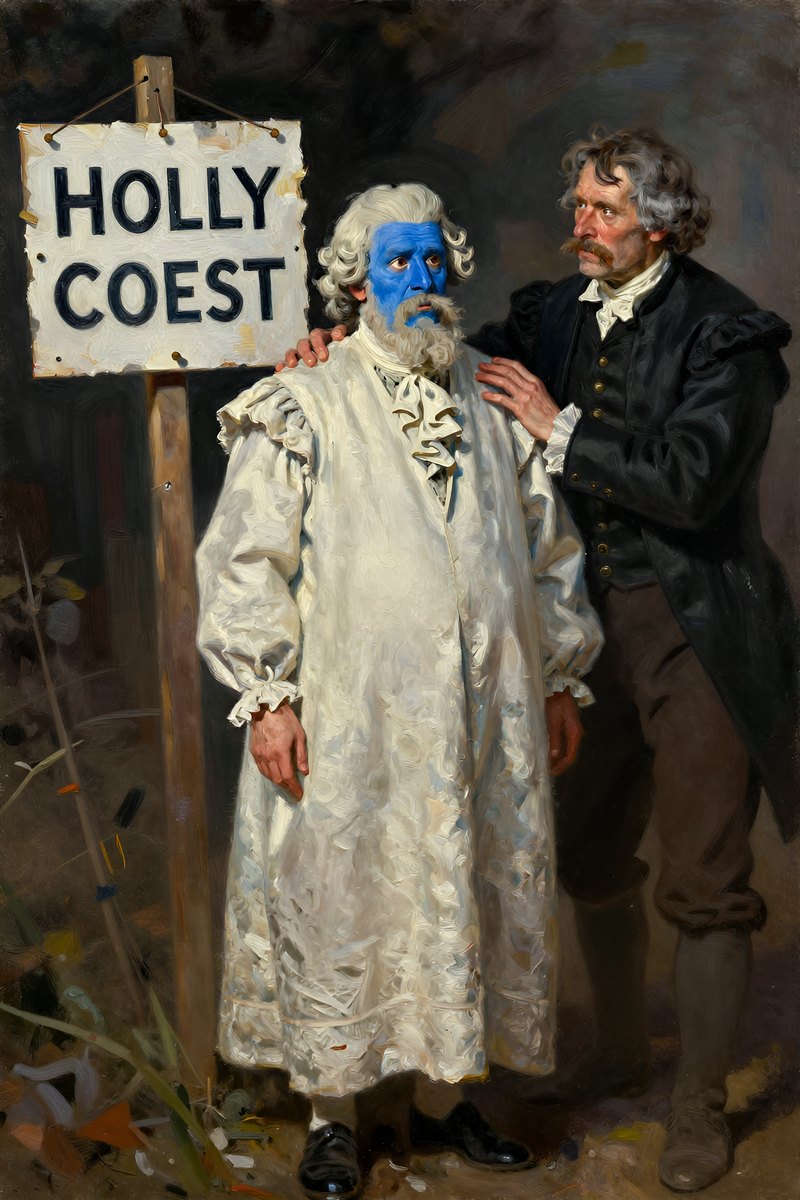
Next day, towards night, we laid up under a little willow tow-head out in the middle, where there was a village on each side of the river, and the duke and the king begun to lay out a plan for working them towns.
Jim he spoke to the duke, and said he hoped it wouldn’t take but a few hours, because it got mighty heavy and tiresome to him when he had to lay all day in the wigwam tied with the rope. You see, when we left him all alone we had to tie him, because if anybody happened on to him all by himself and not tied it wouldn’t look much like he was a runaway nigger, you know. So the duke said it was kind of hard to have to lay roped all day, and he’d cipher out some way to get around it.
He was uncommon bright, the duke was, and he soon struck it. He dressed Jim up in King Lear’s outfit—it was a long curtain-calico gown, and a white horse-hair wig and whiskers; and then he took his theater paint and painted Jim’s face and hands and ears and neck all over a dead, dull, solid blue, like a man that’s been drownded nine days. Blamed if he warn’t the horriblest looking outrage I ever see. Then the duke took and wrote out a sign on a shingle so:
Sick Arab—but harmless when not out of his head.
And he nailed that shingle to a lath, and stood the lath up four or five foot in front of the wigwam. Jim was satisfied. He said it was a sight better than lying tied a couple of years every day, and trembling all over every time there was a sound. The duke told him to make himself free and easy, and if anybody ever come meddling around, he must hop out of the wigwam, and carry on a little, and fetch a howl or two like a wild beast, and he reckoned they would light out and leave him alone. Which was sound enough judgment; but you take the average man, and he wouldn’t wait for him to howl. Why, he didn’t only look like he was dead, he looked considerable more than that.
These rapscallions wanted to try the Nonesuch again, because there was so much money in it, but they judged it wouldn’t be safe, because maybe the news might a worked along down by this time. They couldn’t hit no project that suited exactly; so at last the duke said he reckoned he’d lay off and work his brains an hour or two and see if he couldn’t put up something on the Arkansaw village; and the king he allowed he would drop over to t’other village without any plan, but just trust in Providence to lead him the profitable way—meaning the devil, I reckon.
We had all bought store clothes where we stopped last; and now the king put his’n on, and he told me to put mine on. I done it, of course. The king’s duds was all black, and he did look real swell and starchy. I never knowed how clothes could change a body before. Why, before, he looked like the orneriest old rip that ever was; but now, when he’d take off his new white beaver and make a bow and do a smile, he looked that grand and good and pious that you’d say he had walked right out of the ark, and maybe was old Leviticus himself. Jim cleaned up the canoe, and I got my paddle ready. There was a big steamboat laying at the shore away up under the point, about three mile above the town—been there a couple of hours, taking on freight. Says the king:
“Seein’ how I’m dressed, I reckon maybe I better arrive down from St.
Louis or Cincinnati, or some other big place. Go for the steamboat, Huckleberry; we’ll come down to the village on her.”
I didn’t have to be ordered twice to go and take a steamboat ride. I fetched the shore a half a mile above the village, and then went scooting along the bluff bank in the easy water. Pretty soon we come to a nice innocent-looking young country jake setting on a log swabbing the sweat off of his face, for it was powerful warm weather; and he had a couple of big carpet-bags by him.
“Run her nose in shore,” says the king. I done it. “Wher’ you bound for, young man?”
“For the steamboat; going to Orleans.”
“Git aboard,” says the king. “Hold on a minute, my servant ’ll he’p you with them bags. Jump out and he’p the gentleman, Adolphus”—meaning me, I see.
I done so, and then we all three started on again. The young chap was mighty thankful; said it was tough work toting his baggage such weather. He asked the king where he was going, and the king told him he’d come down the river and landed at the other village this morning, and now he was going up a few mile to see an old friend on a farm up there. The young fellow says:
“When I first see you I says to myself, ‘It’s Mr. Wilks, sure, and he come mighty near getting here in time.’ But then I says again, ‘No, I reckon it ain’t him, or else he wouldn’t be paddling up the river.’ You ain’t him, are you?”
“No, my name’s Blodgett—Elexander Blodgett—Reverend Elexander Blodgett, I s’pose I must say, as I’m one o’ the Lord’s poor servants.
But still I’m jist as able to be sorry for Mr. Wilks for not arriving in time, all the same, if he’s missed anything by it—which I hope he hasn’t.”
“Well, he don’t miss any property by it, because he’ll get that all right; but he’s missed seeing his brother Peter die—which he mayn’t mind, nobody can tell as to that—but his brother would a give anything in this world to see him before he died; never talked about nothing else all these three weeks; hadn’t seen him since they was boys together—and hadn’t ever seen his brother William at all—that’s the deef and dumb one—William ain’t more than thirty or thirty-five. Peter and George were the only ones that come out here; George was the married brother; him and his wife both died last year. Harvey and William’s the only ones that’s left now; and, as I was saying, they haven’t got here in time.”
“Did anybody send ’em word?”
“Oh, yes; a month or two ago, when Peter was first took; because Peter said then that he sorter felt like he warn’t going to get well this time. You see, he was pretty old, and George’s g’yirls was too young to be much company for him, except Mary Jane, the red-headed one; and so he was kinder lonesome after George and his wife died, and didn’t seem to care much to live. He most desperately wanted to see Harvey—and William, too, for that matter—because he was one of them kind that can’t bear to make a will. He left a letter behind for Harvey, and said he’d told in it where his money was hid, and how he wanted the rest of the property divided up so George’s g’yirls would be all right—for George didn’t leave nothing. And that letter was all they could get him to put a pen to.”
“Why do you reckon Harvey don’t come? Wher’ does he live?”
“Oh, he lives in England—Sheffield—preaches there—hasn’t ever been in this country. He hasn’t had any too much time—and besides he mightn’t a got the letter at all, you know.”
“Too bad, too bad he couldn’t a lived to see his brothers, poor soul.
You going to Orleans, you say?”
“Yes, but that ain’t only a part of it. I’m going in a ship, next Wednesday, for Ryo Janeero, where my uncle lives.”
“It’s a pretty long journey. But it’ll be lovely; wisht I was a-going.
Is Mary Jane the oldest? How old is the others?”
“Mary Jane’s nineteen, Susan’s fifteen, and Joanna’s about fourteen—that’s the one that gives herself to good works and has a hare-lip.”
“Poor things! to be left alone in the cold world so.”
“Well, they could be worse off. Old Peter had friends, and they ain’t going to let them come to no harm. There’s Hobson, the Babtis’
preacher; and Deacon Lot Hovey, and Ben Rucker, and Abner Shackleford, and Levi Bell, the lawyer; and Dr. Robinson, and their wives, and the widow Bartley, and—well, there’s a lot of them; but these are the ones that Peter was thickest with, and used to write about sometimes, when he wrote home; so Harvey ’ll know where to look for friends when he gets here.”
Well, the old man went on asking questions till he just fairly emptied that young fellow. Blamed if he didn’t inquire about everybody and everything in that blessed town, and all about the Wilkses; and about Peter’s business—which was a tanner; and about George’s—which was a carpenter; and about Harvey’s—which was a dissentering minister; and so on, and so on. Then he says:
“What did you want to walk all the way up to the steamboat for?”
“Because she’s a big Orleans boat, and I was afeard she mightn’t stop there. When they’re deep they won’t stop for a hail. A Cincinnati boat will, but this is a St. Louis one.”
“Was Peter Wilks well off?”
“Oh, yes, pretty well off. He had houses and land, and it’s reckoned he left three or four thousand in cash hid up som’ers.”
“When did you say he died?”
“I didn’t say, but it was last night.”
“Funeral to-morrow, likely?”
“Yes, ’bout the middle of the day.”
“Well, it’s all terrible sad; but we’ve all got to go, one time or another. So what we want to do is to be prepared; then we’re all right.”
“Yes, sir, it’s the best way. Ma used to always say that.”
When we struck the boat she was about done loading, and pretty soon she got off. The king never said nothing about going aboard, so I lost my ride, after all. When the boat was gone the king made me paddle up another mile to a lonesome place, and then he got ashore and says:
“Now hustle back, right off, and fetch the duke up here, and the new carpet-bags. And if he’s gone over to t’other side, go over there and git him. And tell him to git himself up regardless. Shove along, now.”
I see what he was up to; but I never said nothing, of course. When I got back with the duke we hid the canoe, and then they set down on a log, and the king told him everything, just like the young fellow had said it—every last word of it. And all the time he was a-doing it he tried to talk like an Englishman; and he done it pretty well, too, for a slouch. I can’t imitate him, and so I ain’t a-going to try to; but he really done it pretty good. Then he says:
“How are you on the deef and dumb, Bilgewater?”
The duke said, leave him alone for that; said he had played a deef and dumb person on the histronic boards. So then they waited for a steamboat.
About the middle of the afternoon a couple of little boats come along, but they didn’t come from high enough up the river; but at last there was a big one, and they hailed her. She sent out her yawl, and we went aboard, and she was from Cincinnati; and when they found we only wanted to go four or five mile they was booming mad, and gave us a cussing, and said they wouldn’t land us. But the king was ca’m. He says:
“If gentlemen kin afford to pay a dollar a mile apiece to be took on and put off in a yawl, a steamboat kin afford to carry ’em, can’t it?”
So they softened down and said it was all right; and when we got to the village they yawled us ashore. About two dozen men flocked down when they see the yawl a-coming, and when the king says:
“Kin any of you gentlemen tell me wher’ Mr. Peter Wilks lives?” they give a glance at one another, and nodded their heads, as much as to say, “What d’ I tell you?” Then one of them says, kind of soft and gentle:
“I’m sorry sir, but the best we can do is to tell you where he did live yesterday evening.”
Sudden as winking the ornery old cretur went all to smash, and fell up against the man, and put his chin on his shoulder, and cried down his back, and says:
“Alas, alas, our poor brother—gone, and we never got to see him; oh, it’s too, too hard!”
Then he turns around, blubbering, and makes a lot of idiotic signs to the duke on his hands, and blamed if he didn’t drop a carpet-bag and bust out a-crying. If they warn’t the beatenest lot, them two frauds, that ever I struck.
Well, the men gathered around and sympathized with them, and said all sorts of kind things to them, and carried their carpet-bags up the hill for them, and let them lean on them and cry, and told the king all about his brother’s last moments, and the king he told it all over again on his hands to the duke, and both of them took on about that dead tanner like they’d lost the twelve disciples. Well, if ever I struck anything like it, I’m a nigger. It was enough to make a body ashamed of the human race.
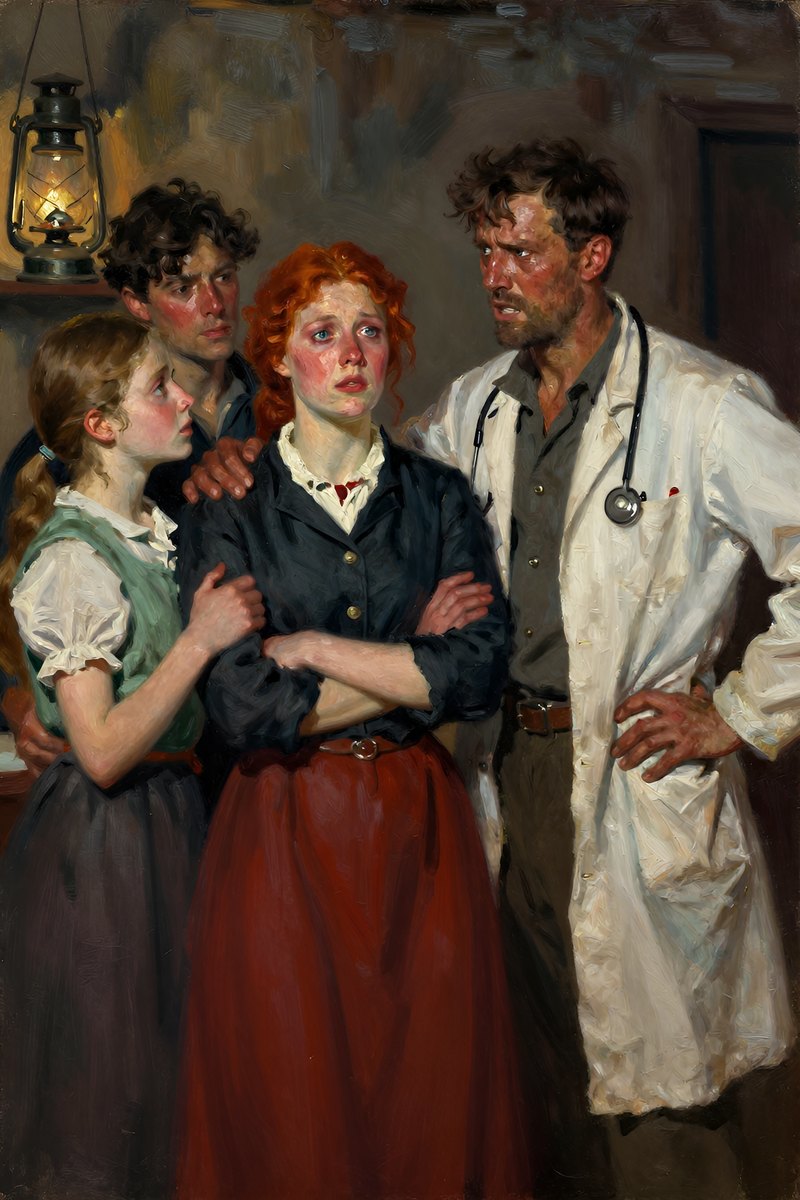
The news was all over town in two minutes, and you could see the people tearing down on the run from every which way, some of them putting on their coats as they come. Pretty soon we was in the middle of a crowd, and the noise of the tramping was like a soldier march. The windows and dooryards was full; and every minute somebody would say, over a fence:
“Is it them?”
And somebody trotting along with the gang would answer back and say:
“You bet it is.”
When we got to the house the street in front of it was packed, and the three girls was standing in the door. Mary Jane was red-headed, but that don’t make no difference, she was most awful beautiful, and her face and her eyes was all lit up like glory, she was so glad her uncles was come. The king he spread his arms, and Mary Jane she jumped for them, and the hare-lip jumped for the duke, and there they had it!
Everybody most, leastways women, cried for joy to see them meet again at last and have such good times.
Then the king he hunched the duke private—I see him do it—and then he looked around and see the coffin, over in the corner on two chairs; so then him and the duke, with a hand across each other’s shoulder, and t’other hand to their eyes, walked slow and solemn over there, everybody dropping back to give them room, and all the talk and noise stopping, people saying “Sh!” and all the men taking their hats off and drooping their heads, so you could a heard a pin fall. And when they got there they bent over and looked in the coffin, and took one sight, and then they bust out a-crying so you could a heard them to Orleans, most; and then they put their arms around each other’s necks, and hung their chins over each other’s shoulders; and then for three minutes, or maybe four, I never see two men leak the way they done. And, mind you, everybody was doing the same; and the place was that damp I never see anything like it. Then one of them got on one side of the coffin, and t’other on t’other side, and they kneeled down and rested their foreheads on the coffin, and let on to pray all to themselves. Well, when it come to that it worked the crowd like you never see anything like it, and everybody broke down and went to sobbing right out loud—the poor girls, too; and every woman, nearly, went up to the girls, without saying a word, and kissed them, solemn, on the forehead, and then put their hand on their head, and looked up towards the sky, with the tears running down, and then busted out and went off sobbing and swabbing, and give the next woman a show. I never see anything so disgusting.
Well, by-and-by the king he gets up and comes forward a little, and works himself up and slobbers out a speech, all full of tears and flapdoodle about its being a sore trial for him and his poor brother to lose the diseased, and to miss seeing diseased alive after the long journey of four thousand mile, but it’s a trial that’s sweetened and sanctified to us by this dear sympathy and these holy tears, and so he thanks them out of his heart and out of his brother’s heart, because out of their mouths they can’t, words being too weak and cold, and all that kind of rot and slush, till it was just sickening; and then he blubbers out a pious goody-goody Amen, and turns himself loose and goes to crying fit to bust.
And the minute the words were out of his mouth somebody over in the crowd struck up the doxolojer, and everybody joined in with all their might, and it just warmed you up and made you feel as good as church letting out. Music is a good thing; and after all that soul-butter and hogwash I never see it freshen up things so, and sound so honest and bully.
Then the king begins to work his jaw again, and says how him and his nieces would be glad if a few of the main principal friends of the family would take supper here with them this evening, and help set up with the ashes of the diseased; and says if his poor brother laying yonder could speak he knows who he would name, for they was names that was very dear to him, and mentioned often in his letters; and so he will name the same, to wit, as follows, vizz.:—Rev. Mr. Hobson, and Deacon Lot Hovey, and Mr. Ben Rucker, and Abner Shackleford, and Levi Bell, and Dr. Robinson, and their wives, and the widow Bartley.
Rev. Hobson and Dr. Robinson was down to the end of the town a-hunting together—that is, I mean the doctor was shipping a sick man to t’other world, and the preacher was pinting him right. Lawyer Bell was away up to Louisville on business. But the rest was on hand, and so they all come and shook hands with the king and thanked him and talked to him; and then they shook hands with the duke and didn’t say nothing, but just kept a-smiling and bobbing their heads like a passel of sapheads whilst he made all sorts of signs with his hands and said “Goo-goo—goo-goo-goo” all the time, like a baby that can’t talk.
So the king he blattered along, and managed to inquire about pretty much everybody and dog in town, by his name, and mentioned all sorts of little things that happened one time or another in the town, or to George’s family, or to Peter. And he always let on that Peter wrote him the things; but that was a lie: he got every blessed one of them out of that young flathead that we canoed up to the steamboat.
Then Mary Jane she fetched the letter her father left behind, and the king he read it out loud and cried over it. It give the dwelling-house and three thousand dollars, gold, to the girls; and it give the tanyard (which was doing a good business), along with some other houses and land (worth about seven thousand), and three thousand dollars in gold to Harvey and William, and told where the six thousand cash was hid down cellar. So these two frauds said they’d go and fetch it up, and have everything square and above-board; and told me to come with a candle. We shut the cellar door behind us, and when they found the bag they spilt it out on the floor, and it was a lovely sight, all them yaller-boys. My, the way the king’s eyes did shine! He slaps the duke on the shoulder and says:
“Oh, this ain’t bully nor noth’n! Oh, no, I reckon not! Why, Bilji, it beats the Nonesuch, don’t it?”
The duke allowed it did. They pawed the yaller-boys, and sifted them through their fingers and let them jingle down on the floor; and the king says:
“It ain’t no use talkin’; bein’ brothers to a rich dead man and representatives of furrin heirs that’s got left is the line for you and me, Bilge. Thish yer comes of trust’n to Providence. It’s the best way, in the long run. I’ve tried ’em all, and ther’ ain’t no better way.”
Most everybody would a been satisfied with the pile, and took it on trust; but no, they must count it. So they counts it, and it comes out four hundred and fifteen dollars short. Says the king:
“Dern him, I wonder what he done with that four hundred and fifteen dollars?”
They worried over that awhile, and ransacked all around for it. Then the duke says:
“Well, he was a pretty sick man, and likely he made a mistake—I reckon that’s the way of it. The best way’s to let it go, and keep still about it. We can spare it.”
“Oh, shucks, yes, we can spare it. I don’t k’yer noth’n ’bout that—it’s the count I’m thinkin’ about. We want to be awful square and open and above-board here, you know. We want to lug this h-yer money up stairs and count it before everybody—then ther’ ain’t noth’n suspicious. But when the dead man says ther’s six thous’n dollars, you know, we don’t want to—”
“Hold on,” says the duke. “Le’s make up the deffisit,” and he begun to haul out yaller-boys out of his pocket.
“It’s a most amaz’n’ good idea, duke—you have got a rattlin’ clever head on you,” says the king. “Blest if the old Nonesuch ain’t a heppin’
us out agin,” and he begun to haul out yaller-jackets and stack them up.
It most busted them, but they made up the six thousand clean and clear.
“Say,” says the duke, “I got another idea. Le’s go up stairs and count this money, and then take and give it to the girls.”
“Good land, duke, lemme hug you! It’s the most dazzling idea ’at ever a man struck. You have cert’nly got the most astonishin’ head I ever see.
Oh, this is the boss dodge, ther’ ain’t no mistake ’bout it. Let ’em fetch along their suspicions now if they want to—this’ll lay ’em out.”
When we got up-stairs everybody gethered around the table, and the king he counted it and stacked it up, three hundred dollars in a pile—twenty elegant little piles. Everybody looked hungry at it, and licked their chops. Then they raked it into the bag again, and I see the king begin to swell himself up for another speech. He says:
“Friends all, my poor brother that lays yonder has done generous by them that’s left behind in the vale of sorrers. He has done generous by these yer poor little lambs that he loved and sheltered, and that’s left fatherless and motherless. Yes, and we that knowed him knows that he would a done more generous by ’em if he hadn’t ben afeard o’
woundin’ his dear William and me. Now, wouldn’t he? Ther’ ain’t no question ’bout it in my mind. Well, then, what kind o’ brothers would it be that ’d stand in his way at sech a time? And what kind o’ uncles would it be that ’d rob—yes, rob—sech poor sweet lambs as these ’at he loved so at sech a time? If I know William—and I think I do—he—well, I’ll jest ask him.” He turns around and begins to make a lot of signs to the duke with his hands, and the duke he looks at him stupid and leather-headed a while; then all of a sudden he seems to catch his meaning, and jumps for the king, goo-gooing with all his might for joy, and hugs him about fifteen times before he lets up. Then the king says, “I knowed it; I reckon that’ll convince anybody the way he feels about it. Here, Mary Jane, Susan, Joanner, take the money—take it all. It’s the gift of him that lays yonder, cold but joyful.”
Mary Jane she went for him, Susan and the hare-lip went for the duke, and then such another hugging and kissing I never see yet. And everybody crowded up with the tears in their eyes, and most shook the hands off of them frauds, saying all the time:
“You dear good souls!—how lovely!—how could you!”
Well, then, pretty soon all hands got to talking about the diseased again, and how good he was, and what a loss he was, and all that; and before long a big iron-jawed man worked himself in there from outside, and stood a-listening and looking, and not saying anything; and nobody saying anything to him either, because the king was talking and they was all busy listening. The king was saying—in the middle of something he’d started in on— “—they bein’ partickler friends o’ the diseased. That’s why they’re invited here this evenin’; but tomorrow we want all to come—everybody; for he respected everybody, he liked everybody, and so it’s fitten that his funeral orgies sh’d be public.”
And so he went a-mooning on and on, liking to hear himself talk, and every little while he fetched in his funeral orgies again, till the duke he couldn’t stand it no more; so he writes on a little scrap of paper, “obsequies, you old fool,” and folds it up, and goes to goo-gooing and reaching it over people’s heads to him. The king he reads it and puts it in his pocket, and says:
“Poor William, afflicted as he is, his heart’s aluz right. Asks me to invite everybody to come to the funeral—wants me to make ’em all welcome. But he needn’t a worried—it was jest what I was at.”
Then he weaves along again, perfectly ca’m, and goes to dropping in his funeral orgies again every now and then, just like he done before. And when he done it the third time he says:
“I say orgies, not because it’s the common term, because it ain’t—obsequies bein’ the common term—but because orgies is the right term. Obsequies ain’t used in England no more now—it’s gone out. We say orgies now in England. Orgies is better, because it means the thing you’re after more exact. It’s a word that’s made up out’n the Greek orgo, outside, open, abroad; and the Hebrew jeesum, to plant, cover up; hence inter. So, you see, funeral orgies is an open er public funeral.”
He was the worst I ever struck. Well, the iron-jawed man he laughed right in his face. Everybody was shocked. Everybody says, “Why, doctor!” and Abner Shackleford says:
“Why, Robinson, hain’t you heard the news? This is Harvey Wilks.”
The king he smiled eager, and shoved out his flapper, and says:
“Is it my poor brother’s dear good friend and physician? I—”
“Keep your hands off of me!” says the doctor. “You talk like an Englishman, don’t you? It’s the worst imitation I ever heard. You Peter Wilks’s brother! You’re a fraud, that’s what you are!”
Well, how they all took on! They crowded around the doctor and tried to quiet him down, and tried to explain to him and tell him how Harvey ’d showed in forty ways that he was Harvey, and knowed everybody by name, and the names of the very dogs, and begged and begged him not to hurt Harvey’s feelings and the poor girl’s feelings, and all that.
But it warn’t no use; he stormed right along, and said any man that pretended to be an Englishman and couldn’t imitate the lingo no better than what he did was a fraud and a liar. The poor girls was hanging to the king and crying; and all of a sudden the doctor ups and turns on them. He says:
“I was your father’s friend, and I’m your friend; and I warn you as a friend, and an honest one that wants to protect you and keep you out of harm and trouble, to turn your backs on that scoundrel and have nothing to do with him, the ignorant tramp, with his idiotic Greek and Hebrew, as he calls it. He is the thinnest kind of an impostor—has come here with a lot of empty names and facts which he picked up somewheres, and you take them for proofs, and are helped to fool yourselves by these foolish friends here, who ought to know better. Mary Jane Wilks, you know me for your friend, and for your unselfish friend, too. Now listen to me; turn this pitiful rascal out—I beg you to do it. Will you?”
Mary Jane straightened herself up, and my, but she was handsome! She says:
“Here is my answer.” She hove up the bag of money and put it in the king’s hands, and says, “Take this six thousand dollars, and invest for me and my sisters any way you want to, and don’t give us no receipt for it.”
Then she put her arm around the king on one side, and Susan and the hare-lip done the same on the other. Everybody clapped their hands and stomped on the floor like a perfect storm, whilst the king held up his head and smiled proud. The doctor says:
“All right; I wash my hands of the matter. But I warn you all that a time ’s coming when you’re going to feel sick whenever you think of this day.” And away he went.
“All right, doctor,” says the king, kinder mocking him; “we’ll try and get ’em to send for you;” which made them all laugh, and they said it was a prime good hit.
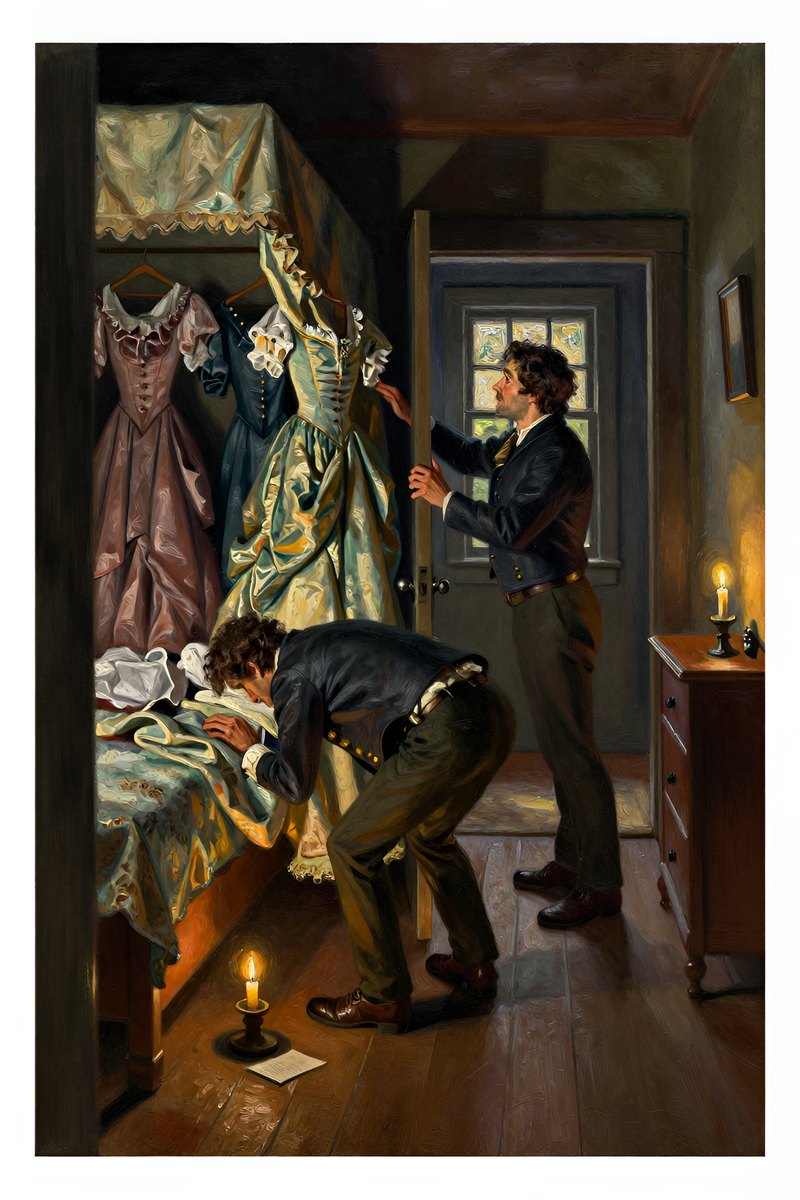
Well, when they was all gone the king he asks Mary Jane how they was off for spare rooms, and she said she had one spare room, which would do for Uncle William, and she’d give her own room to Uncle Harvey, which was a little bigger, and she would turn into the room with her sisters and sleep on a cot; and up garret was a little cubby, with a pallet in it. The king said the cubby would do for his valley—meaning me.
So Mary Jane took us up, and she showed them their rooms, which was plain but nice. She said she’d have her frocks and a lot of other traps took out of her room if they was in Uncle Harvey’s way, but he said they warn’t. The frocks was hung along the wall, and before them was a curtain made out of calico that hung down to the floor. There was an old hair trunk in one corner, and a guitar-box in another, and all sorts of little knickknacks and jimcracks around, like girls brisken up a room with. The king said it was all the more homely and more pleasanter for these fixings, and so don’t disturb them. The duke’s room was pretty small, but plenty good enough, and so was my cubby.
That night they had a big supper, and all them men and women was there, and I stood behind the king and the duke’s chairs and waited on them, and the niggers waited on the rest. Mary Jane she set at the head of the table, with Susan alongside of her, and said how bad the biscuits was, and how mean the preserves was, and how ornery and tough the fried chickens was—and all that kind of rot, the way women always do for to force out compliments; and the people all knowed everything was tiptop, and said so—said “How do you get biscuits to brown so nice?” and “Where, for the land’s sake, did you get these amaz’n pickles?” and all that kind of humbug talky-talk, just the way people always does at a supper, you know.
And when it was all done me and the hare-lip had supper in the kitchen off of the leavings, whilst the others was helping the niggers clean up the things. The hare-lip she got to pumping me about England, and blest if I didn’t think the ice was getting mighty thin sometimes. She says:
“Did you ever see the king?”
“Who? William Fourth? Well, I bet I have—he goes to our church.” I knowed he was dead years ago, but I never let on. So when I says he goes to our church, she says:
“What—regular?”
“Yes—regular. His pew’s right over opposite ourn—on t’other side the pulpit.”
“I thought he lived in London?”
“Well, he does. Where would he live?”
“But I thought you lived in Sheffield?”
I see I was up a stump. I had to let on to get choked with a chicken bone, so as to get time to think how to get down again. Then I says:
“I mean he goes to our church regular when he’s in Sheffield. That’s only in the summer time, when he comes there to take the sea baths.”
“Why, how you talk—Sheffield ain’t on the sea.”
“Well, who said it was?”
“Why, you did.”
“I didn’t nuther.”
“You did!”
“I didn’t.”
“You did.”
“I never said nothing of the kind.”
“Well, what did you say, then?”
“Said he come to take the sea baths—that’s what I said.”
“Well, then, how’s he going to take the sea baths if it ain’t on the sea?”
“Looky here,” I says; “did you ever see any Congress-water?”
“Yes.”
“Well, did you have to go to Congress to get it?”
“Why, no.”
“Well, neither does William Fourth have to go to the sea to get a sea bath.”
“How does he get it, then?”
“Gets it the way people down here gets Congress-water—in barrels. There in the palace at Sheffield they’ve got furnaces, and he wants his water hot. They can’t bile that amount of water away off there at the sea.
They haven’t got no conveniences for it.”
“Oh, I see, now. You might a said that in the first place and saved time.”
When she said that I see I was out of the woods again, and so I was comfortable and glad. Next, she says:
“Do you go to church, too?”
“Yes—regular.”
“Where do you set?”
“Why, in our pew.”
“Whose pew?”
“Why, ourn—your Uncle Harvey’s.”
“His’n? What does he want with a pew?”
“Wants it to set in. What did you reckon he wanted with it?”
“Why, I thought he’d be in the pulpit.”
Rot him, I forgot he was a preacher. I see I was up a stump again, so I played another chicken bone and got another think. Then I says:
“Blame it, do you suppose there ain’t but one preacher to a church?”
“Why, what do they want with more?”
“What!—to preach before a king? I never did see such a girl as you.
They don’t have no less than seventeen.”
“Seventeen! My land! Why, I wouldn’t set out such a string as that, not if I never got to glory. It must take ’em a week.”
“Shucks, they don’t all of ’em preach the same day—only one of ’em.”
“Well, then, what does the rest of ’em do?”
“Oh, nothing much. Loll around, pass the plate—and one thing or another. But mainly they don’t do nothing.”
“Well, then, what are they for?”
“Why, they’re for style. Don’t you know nothing?”
“Well, I don’t want to know no such foolishness as that. How is servants treated in England? Do they treat ’em better ’n we treat our niggers?”
“No! A servant ain’t nobody there. They treat them worse than dogs.”
“Don’t they give ’em holidays, the way we do, Christmas and New Year’s week, and Fourth of July?”
“Oh, just listen! A body could tell you hain’t ever been to England by that. Why, Hare-l—why, Joanna, they never see a holiday from year’s end to year’s end; never go to the circus, nor theater, nor nigger shows, nor nowheres.”
“Nor church?”
“Nor church.”
“But you always went to church.”
Well, I was gone up again. I forgot I was the old man’s servant. But next minute I whirled in on a kind of an explanation how a valley was different from a common servant and had to go to church whether he wanted to or not, and set with the family, on account of its being the law. But I didn’t do it pretty good, and when I got done I see she warn’t satisfied. She says:
“Honest injun, now, hain’t you been telling me a lot of lies?”
“Honest injun,” says I.
“None of it at all?”
“None of it at all. Not a lie in it,” says I.
“Lay your hand on this book and say it.”
I see it warn’t nothing but a dictionary, so I laid my hand on it and said it. So then she looked a little better satisfied, and says:
“Well, then, I’ll believe some of it; but I hope to gracious if I’ll believe the rest.”
“What is it you won’t believe, Joe?” says Mary Jane, stepping in with Susan behind her. “It ain’t right nor kind for you to talk so to him, and him a stranger and so far from his people. How would you like to be treated so?”
“That’s always your way, Maim—always sailing in to help somebody before they’re hurt. I hain’t done nothing to him. He’s told some stretchers, I reckon, and I said I wouldn’t swallow it all; and that’s every bit and grain I did say. I reckon he can stand a little thing like that, can’t he?”
“I don’t care whether ’twas little or whether ’twas big; he’s here in our house and a stranger, and it wasn’t good of you to say it. If you was in his place it would make you feel ashamed; and so you oughtn’t to say a thing to another person that will make them feel ashamed.”
“Why, Mam, he said—”
“It don’t make no difference what he said—that ain’t the thing. The thing is for you to treat him kind, and not be saying things to make him remember he ain’t in his own country and amongst his own folks.”
I says to myself, this is a girl that I’m letting that old reptile rob her of her money!
Then Susan she waltzed in; and if you’ll believe me, she did give Hare-lip hark from the tomb!
Says I to myself, and this is another one that I’m letting him rob her of her money!
Then Mary Jane she took another inning, and went in sweet and lovely again—which was her way; but when she got done there warn’t hardly anything left o’ poor Hare-lip. So she hollered.
“All right, then,” says the other girls; “you just ask his pardon.”
She done it, too; and she done it beautiful. She done it so beautiful it was good to hear; and I wished I could tell her a thousand lies, so she could do it again.
I says to myself, this is another one that I’m letting him rob her of her money. And when she got through they all jest laid theirselves out to make me feel at home and know I was amongst friends. I felt so ornery and low down and mean that I says to myself, my mind’s made up; I’ll hive that money for them or bust.
So then I lit out—for bed, I said, meaning some time or another. When I got by myself I went to thinking the thing over. I says to myself, shall I go to that doctor, private, and blow on these frauds? No—that won’t do. He might tell who told him; then the king and the duke would make it warm for me. Shall I go, private, and tell Mary Jane? No—I dasn’t do it. Her face would give them a hint, sure; they’ve got the money, and they’d slide right out and get away with it. If she was to fetch in help I’d get mixed up in the business before it was done with, I judge. No; there ain’t no good way but one. I got to steal that money, somehow; and I got to steal it some way that they won’t suspicion that I done it. They’ve got a good thing here, and they ain’t a-going to leave till they’ve played this family and this town for all they’re worth, so I’ll find a chance time enough. I’ll steal it and hide it; and by-and-by, when I’m away down the river, I’ll write a letter and tell Mary Jane where it’s hid. But I better hive it tonight if I can, because the doctor maybe hasn’t let up as much as he lets on he has; he might scare them out of here yet.
So, thinks I, I’ll go and search them rooms. Upstairs the hall was dark, but I found the duke’s room, and started to paw around it with my hands; but I recollected it wouldn’t be much like the king to let anybody else take care of that money but his own self; so then I went to his room and begun to paw around there. But I see I couldn’t do nothing without a candle, and I dasn’t light one, of course. So I judged I’d got to do the other thing—lay for them and eavesdrop. About that time I hears their footsteps coming, and was going to skip under the bed; I reached for it, but it wasn’t where I thought it would be; but I touched the curtain that hid Mary Jane’s frocks, so I jumped in behind that and snuggled in amongst the gowns, and stood there perfectly still.
They come in and shut the door; and the first thing the duke done was to get down and look under the bed. Then I was glad I hadn’t found the bed when I wanted it. And yet, you know, it’s kind of natural to hide under the bed when you are up to anything private. They sets down then, and the king says:
“Well, what is it? And cut it middlin’ short, because it’s better for us to be down there a-whoopin’ up the mournin’ than up here givin’ ’em a chance to talk us over.”
“Well, this is it, Capet. I ain’t easy; I ain’t comfortable. That doctor lays on my mind. I wanted to know your plans. I’ve got a notion, and I think it’s a sound one.”
“What is it, duke?”
“That we better glide out of this before three in the morning, and clip it down the river with what we’ve got. Specially, seeing we got it so easy—given back to us, flung at our heads, as you may say, when of course we allowed to have to steal it back. I’m for knocking off and lighting out.”
That made me feel pretty bad. About an hour or two ago it would a been a little different, but now it made me feel bad and disappointed. The king rips out and says:
“What! And not sell out the rest o’ the property? March off like a passel of fools and leave eight or nine thous’n’ dollars’ worth o’
property layin’ around jest sufferin’ to be scooped in?—and all good, salable stuff, too.”
The duke he grumbled; said the bag of gold was enough, and he didn’t want to go no deeper—didn’t want to rob a lot of orphans of everything they had.
“Why, how you talk!” says the king. “We sha’n’t rob ’em of nothing at all but jest this money. The people that buys the property is the suff’rers; because as soon ’s it’s found out ’at we didn’t own it—which won’t be long after we’ve slid—the sale won’t be valid, and it’ll all go back to the estate. These yer orphans ’ll git their house back agin, and that’s enough for them; they’re young and spry, and k’n easy earn a livin’. They ain’t a-goin to suffer. Why, jest think—there’s thous’n’s and thous’n’s that ain’t nigh so well off. Bless you, they ain’t got noth’n’ to complain of.”
Well, the king he talked him blind; so at last he give in, and said all right, but said he believed it was blamed foolishness to stay, and that doctor hanging over them. But the king says:
“Cuss the doctor! What do we k’yer for him? Hain’t we got all the fools in town on our side? And ain’t that a big enough majority in any town?”
So they got ready to go down stairs again. The duke says:
“I don’t think we put that money in a good place.”
That cheered me up. I’d begun to think I warn’t going to get a hint of no kind to help me. The king says:
“Why?”
“Because Mary Jane ’ll be in mourning from this out; and first you know the nigger that does up the rooms will get an order to box these duds up and put ’em away; and do you reckon a nigger can run across money and not borrow some of it?”
“Your head’s level agin, duke,” says the king; and he comes a-fumbling under the curtain two or three foot from where I was. I stuck tight to the wall and kept mighty still, though quivery; and I wondered what them fellows would say to me if they catched me; and I tried to think what I’d better do if they did catch me. But the king he got the bag before I could think more than about a half a thought, and he never suspicioned I was around. They took and shoved the bag through a rip in the straw tick that was under the feather-bed, and crammed it in a foot or two amongst the straw and said it was all right now, because a nigger only makes up the feather-bed, and don’t turn over the straw tick only about twice a year, and so it warn’t in no danger of getting stole now.
But I knowed better. I had it out of there before they was half-way down stairs. I groped along up to my cubby, and hid it there till I could get a chance to do better. I judged I better hide it outside of the house somewheres, because if they missed it they would give the house a good ransacking: I knowed that very well. Then I turned in, with my clothes all on; but I couldn’t a gone to sleep if I’d a wanted to, I was in such a sweat to get through with the business. By-and-by I heard the king and the duke come up; so I rolled off my pallet and laid with my chin at the top of my ladder, and waited to see if anything was going to happen. But nothing did.
So I held on till all the late sounds had quit and the early ones hadn’t begun yet; and then I slipped down the ladder.
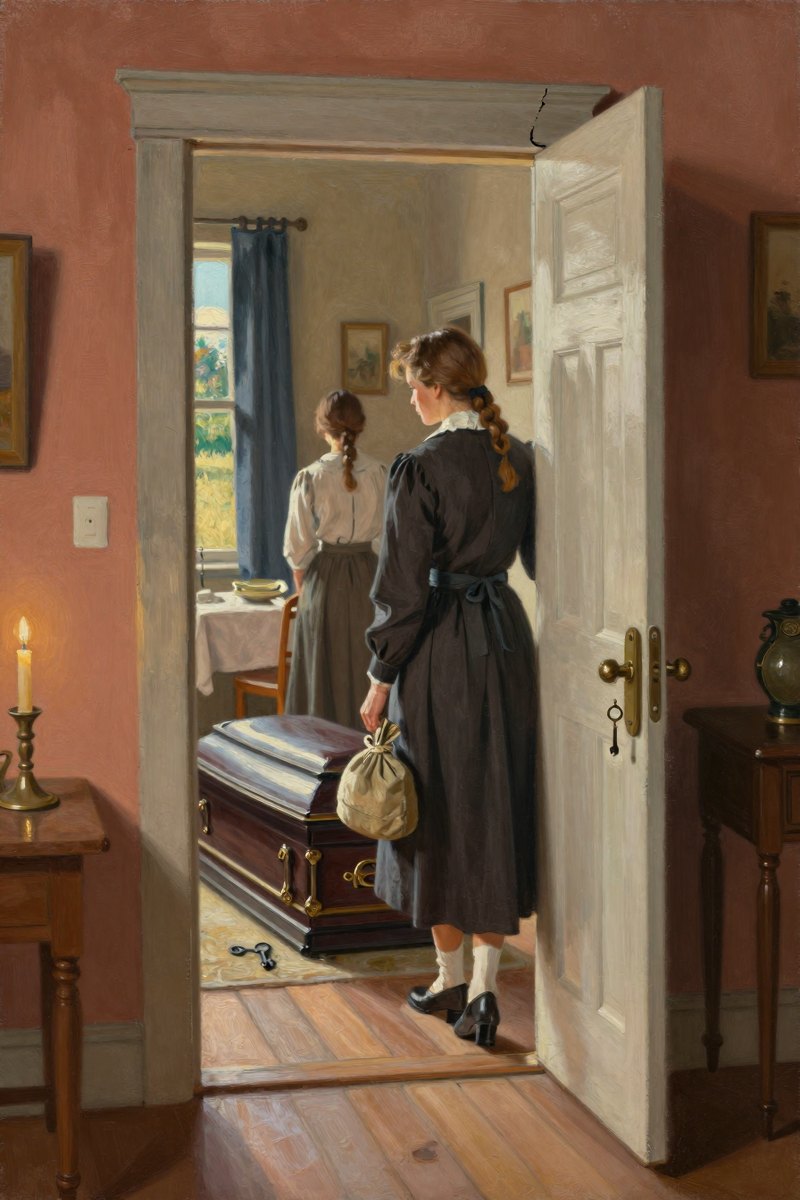
I crept to their doors and listened; they was snoring. So I tiptoed along, and got down stairs all right. There warn’t a sound anywheres. I peeped through a crack of the dining-room door, and see the men that was watching the corpse all sound asleep on their chairs. The door was open into the parlor, where the corpse was laying, and there was a candle in both rooms. I passed along, and the parlor door was open; but I see there warn’t nobody in there but the remainders of Peter; so I shoved on by; but the front door was locked, and the key wasn’t there.
Just then I heard somebody coming down the stairs, back behind me. I run in the parlor and took a swift look around, and the only place I see to hide the bag was in the coffin. The lid was shoved along about a foot, showing the dead man’s face down in there, with a wet cloth over it, and his shroud on. I tucked the money-bag in under the lid, just down beyond where his hands was crossed, which made me creep, they was so cold, and then I run back across the room and in behind the door.
The person coming was Mary Jane. She went to the coffin, very soft, and kneeled down and looked in; then she put up her handkerchief, and I see she begun to cry, though I couldn’t hear her, and her back was to me. I slid out, and as I passed the dining-room I thought I’d make sure them watchers hadn’t seen me; so I looked through the crack, and everything was all right. They hadn’t stirred.
I slipped up to bed, feeling ruther blue, on accounts of the thing playing out that way after I had took so much trouble and run so much resk about it. Says I, if it could stay where it is, all right; because when we get down the river a hundred mile or two I could write back to Mary Jane, and she could dig him up again and get it; but that ain’t the thing that’s going to happen; the thing that’s going to happen is, the money ’ll be found when they come to screw on the lid. Then the king ’ll get it again, and it ’ll be a long day before he gives anybody another chance to smouch it from him. Of course I wanted to slide down and get it out of there, but I dasn’t try it. Every minute it was getting earlier now, and pretty soon some of them watchers would begin to stir, and I might get catched—catched with six thousand dollars in my hands that nobody hadn’t hired me to take care of. I don’t wish to be mixed up in no such business as that, I says to myself.
When I got down stairs in the morning the parlor was shut up, and the watchers was gone. There warn’t nobody around but the family and the widow Bartley and our tribe. I watched their faces to see if anything had been happening, but I couldn’t tell.
Towards the middle of the day the undertaker come with his man, and they set the coffin in the middle of the room on a couple of chairs, and then set all our chairs in rows, and borrowed more from the neighbors till the hall and the parlor and the dining-room was full. I see the coffin lid was the way it was before, but I dasn’t go to look in under it, with folks around.
Then the people begun to flock in, and the beats and the girls took seats in the front row at the head of the coffin, and for a half an hour the people filed around slow, in single rank, and looked down at the dead man’s face a minute, and some dropped in a tear, and it was all very still and solemn, only the girls and the beats holding handkerchiefs to their eyes and keeping their heads bent, and sobbing a little. There warn’t no other sound but the scraping of the feet on the floor and blowing noses—because people always blows them more at a funeral than they do at other places except church.
When the place was packed full the undertaker he slid around in his black gloves with his softy soothering ways, putting on the last touches, and getting people and things all ship-shape and comfortable, and making no more sound than a cat. He never spoke; he moved people around, he squeezed in late ones, he opened up passageways, and done it with nods, and signs with his hands. Then he took his place over against the wall. He was the softest, glidingest, stealthiest man I ever see; and there warn’t no more smile to him than there is to a ham.
They had borrowed a melodeum—a sick one; and when everything was ready a young woman set down and worked it, and it was pretty skreeky and colicky, and everybody joined in and sung, and Peter was the only one that had a good thing, according to my notion. Then the Reverend Hobson opened up, slow and solemn, and begun to talk; and straight off the most outrageous row busted out in the cellar a body ever heard; it was only one dog, but he made a most powerful racket, and he kept it up right along; the parson he had to stand there, over the coffin, and wait—you couldn’t hear yourself think. It was right down awkward, and nobody didn’t seem to know what to do. But pretty soon they see that long-legged undertaker make a sign to the preacher as much as to say, “Don’t you worry—just depend on me.” Then he stooped down and begun to glide along the wall, just his shoulders showing over the people’s heads. So he glided along, and the powwow and racket getting more and more outrageous all the time; and at last, when he had gone around two sides of the room, he disappears down cellar. Then in about two seconds we heard a whack, and the dog he finished up with a most amazing howl or two, and then everything was dead still, and the parson begun his solemn talk where he left off. In a minute or two here comes this undertaker’s back and shoulders gliding along the wall again; and so he glided and glided around three sides of the room, and then rose up, and shaded his mouth with his hands, and stretched his neck out towards the preacher, over the people’s heads, and says, in a kind of a coarse whisper, “He had a rat!” Then he drooped down and glided along the wall again to his place. You could see it was a great satisfaction to the people, because naturally they wanted to know. A little thing like that don’t cost nothing, and it’s just the little things that makes a man to be looked up to and liked. There warn’t no more popular man in town than what that undertaker was.
Well, the funeral sermon was very good, but pison long and tiresome; and then the king he shoved in and got off some of his usual rubbage, and at last the job was through, and the undertaker begun to sneak up on the coffin with his screw-driver. I was in a sweat then, and watched him pretty keen. But he never meddled at all; just slid the lid along as soft as mush, and screwed it down tight and fast. So there I was! I didn’t know whether the money was in there or not. So, says I, s’pose somebody has hogged that bag on the sly?—now how do I know whether to write to Mary Jane or not? S’pose she dug him up and didn’t find nothing, what would she think of me? Blame it, I says, I might get hunted up and jailed; I’d better lay low and keep dark, and not write at all; the thing’s awful mixed now; trying to better it, I’ve worsened it a hundred times, and I wish to goodness I’d just let it alone, dad fetch the whole business!
They buried him, and we come back home, and I went to watching faces again—I couldn’t help it, and I couldn’t rest easy. But nothing come of it; the faces didn’t tell me nothing.
The king he visited around in the evening, and sweetened everybody up, and made himself ever so friendly; and he give out the idea that his congregation over in England would be in a sweat about him, so he must hurry and settle up the estate right away and leave for home. He was very sorry he was so pushed, and so was everybody; they wished he could stay longer, but they said they could see it couldn’t be done. And he said of course him and William would take the girls home with them; and that pleased everybody too, because then the girls would be well fixed and amongst their own relations; and it pleased the girls, too—tickled them so they clean forgot they ever had a trouble in the world; and told him to sell out as quick as he wanted to, they would be ready.
Them poor things was that glad and happy it made my heart ache to see them getting fooled and lied to so, but I didn’t see no safe way for me to chip in and change the general tune.
Well, blamed if the king didn’t bill the house and the niggers and all the property for auction straight off—sale two days after the funeral; but anybody could buy private beforehand if they wanted to.
So the next day after the funeral, along about noon-time, the girls’
joy got the first jolt. A couple of nigger traders come along, and the king sold them the niggers reasonable, for three-day drafts as they called it, and away they went, the two sons up the river to Memphis, and their mother down the river to Orleans. I thought them poor girls and them niggers would break their hearts for grief; they cried around each other, and took on so it most made me down sick to see it. The girls said they hadn’t ever dreamed of seeing the family separated or sold away from the town. I can’t ever get it out of my memory, the sight of them poor miserable girls and niggers hanging around each other’s necks and crying; and I reckon I couldn’t a stood it all, but would a had to bust out and tell on our gang if I hadn’t knowed the sale warn’t no account and the niggers would be back home in a week or two.
The thing made a big stir in the town, too, and a good many come out flatfooted and said it was scandalous to separate the mother and the children that way. It injured the frauds some; but the old fool he bulled right along, spite of all the duke could say or do, and I tell you the duke was powerful uneasy.
Next day was auction day. About broad day in the morning the king and the duke come up in the garret and woke me up, and I see by their look that there was trouble. The king says:
“Was you in my room night before last?”
“No, your majesty”—which was the way I always called him when nobody but our gang warn’t around.
“Was you in there yisterday er last night?”
“No, your majesty.”
“Honor bright, now—no lies.”
“Honor bright, your majesty, I’m telling you the truth. I hain’t been a-near your room since Miss Mary Jane took you and the duke and showed it to you.”
The duke says:
“Have you seen anybody else go in there?”
“No, your grace, not as I remember, I believe.”
“Stop and think.”
I studied awhile and see my chance; then I says:
“Well, I see the niggers go in there several times.”
Both of them gave a little jump, and looked like they hadn’t ever expected it, and then like they had. Then the duke says:
“What, all of them?”
“No—leastways, not all at once—that is, I don’t think I ever see them all come out at once but just one time.”
“Hello! When was that?”
“It was the day we had the funeral. In the morning. It warn’t early, because I overslept. I was just starting down the ladder, and I see them.”
“Well, go on, go on! What did they do? How’d they act?”
“They didn’t do nothing. And they didn’t act anyway much, as fur as I see. They tiptoed away; so I seen, easy enough, that they’d shoved in there to do up your majesty’s room, or something, s’posing you was up; and found you warn’t up, and so they was hoping to slide out of the way of trouble without waking you up, if they hadn’t already waked you up.”
“Great guns, this is a go!” says the king; and both of them looked pretty sick and tolerable silly. They stood there a-thinking and scratching their heads a minute, and the duke he bust into a kind of a little raspy chuckle, and says:
“It does beat all how neat the niggers played their hand. They let on to be sorry they was going out of this region! And I believed they was sorry, and so did you, and so did everybody. Don’t ever tell me any more that a nigger ain’t got any histrionic talent. Why, the way they played that thing it would fool anybody. In my opinion, there’s a fortune in ’em. If I had capital and a theater, I wouldn’t want a better lay-out than that—and here we’ve gone and sold ’em for a song.
Yes, and ain’t privileged to sing the song yet. Say, where is that song—that draft?”
“In the bank for to be collected. Where would it be?”
“Well, that’s all right then, thank goodness.”
Says I, kind of timid-like:
“Is something gone wrong?”
The king whirls on me and rips out:
“None o’ your business! You keep your head shet, and mind y’r own affairs—if you got any. Long as you’re in this town don’t you forgit that—you hear?” Then he says to the duke, “We got to jest swaller it and say noth’n’: mum’s the word for us.”
As they was starting down the ladder the duke he chuckles again, and says:
“Quick sales and small profits! It’s a good business—yes.”
v The king snarls around on him and says:
“I was trying to do for the best in sellin’ ’em out so quick. If the profits has turned out to be none, lackin’ considable, and none to carry, is it my fault any more’n it’s yourn?”
“Well, they’d be in this house yet and we wouldn’t if I could a got my advice listened to.”
The king sassed back as much as was safe for him, and then swapped around and lit into me again. He give me down the banks for not coming and telling him I see the niggers come out of his room acting that way—said any fool would a knowed something was up. And then waltzed in and cussed himself awhile, and said it all come of him not laying late and taking his natural rest that morning, and he’d be blamed if he’d ever do it again. So they went off a-jawing; and I felt dreadful glad I’d worked it all off on to the niggers, and yet hadn’t done the niggers no harm by it.
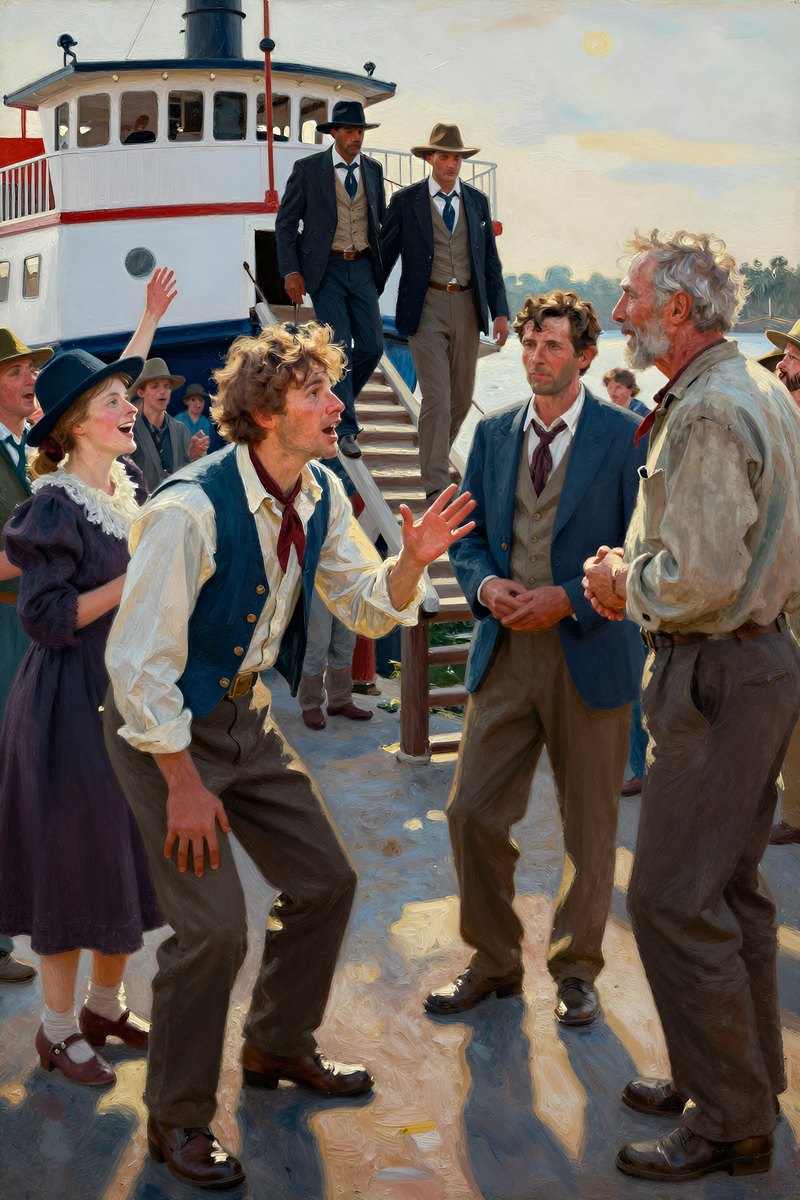
By-and-by it was getting-up time. So I come down the ladder and started for down-stairs; but as I come to the girls’ room the door was open, and I see Mary Jane setting by her old hair trunk, which was open and she’d been packing things in it—getting ready to go to England. But she had stopped now with a folded gown in her lap, and had her face in her hands, crying. I felt awful bad to see it; of course anybody would. I went in there and says:
“Miss Mary Jane, you can’t a-bear to see people in trouble, and I can’t—most always. Tell me about it.”
So she done it. And it was the niggers—I just expected it. She said the beautiful trip to England was most about spoiled for her; she didn’t know how she was ever going to be happy there, knowing the mother and the children warn’t ever going to see each other no more—and then busted out bitterer than ever, and flung up her hands, and says:
“Oh, dear, dear, to think they ain’t ever going to see each other any more!”
“But they will—and inside of two weeks—and I know it!” says I.
Laws, it was out before I could think! And before I could budge she throws her arms around my neck and told me to say it again, say it again, say it again!
I see I had spoke too sudden and said too much, and was in a close place. I asked her to let me think a minute; and she set there, very impatient and excited and handsome, but looking kind of happy and eased-up, like a person that’s had a tooth pulled out. So I went to studying it out. I says to myself, I reckon a body that ups and tells the truth when he is in a tight place is taking considerable many resks, though I ain’t had no experience, and can’t say for certain; but it looks so to me, anyway; and yet here’s a case where I’m blest if it don’t look to me like the truth is better and actuly safer than a lie. I must lay it by in my mind, and think it over some time or other, it’s so kind of strange and unregular. I never see nothing like it.
Well, I says to myself at last, I’m a-going to chance it; I’ll up and tell the truth this time, though it does seem most like setting down on a kag of powder and touching it off just to see where you’ll go to.
Then I says:
“Miss Mary Jane, is there any place out of town a little ways where you could go and stay three or four days?”
“Yes; Mr. Lothrop’s. Why?”
“Never mind why yet. If I’ll tell you how I know the niggers will see each other again inside of two weeks—here in this house—and prove how I know it—will you go to Mr. Lothrop’s and stay four days?”
“Four days!” she says; “I’ll stay a year!”
“All right,” I says, “I don’t want nothing more out of you than just your word—I druther have it than another man’s kiss-the-Bible.” She smiled and reddened up very sweet, and I says, “If you don’t mind it, I’ll shut the door—and bolt it.”
Then I come back and set down again, and says:
“Don’t you holler. Just set still and take it like a man. I got to tell the truth, and you want to brace up, Miss Mary, because it’s a bad kind, and going to be hard to take, but there ain’t no help for it.
These uncles of yourn ain’t no uncles at all; they’re a couple of frauds—regular dead-beats. There, now we’re over the worst of it, you can stand the rest middling easy.”
It jolted her up like everything, of course; but I was over the shoal water now, so I went right along, her eyes a-blazing higher and higher all the time, and told her every blame thing, from where we first struck that young fool going up to the steamboat, clear through to where she flung herself on to the king’s breast at the front door and he kissed her sixteen or seventeen times—and then up she jumps, with her face afire like sunset, and says:
“The brute! Come, don’t waste a minute—not a second—we’ll have them tarred and feathered, and flung in the river!”
Says I:
“Cert’nly. But do you mean before you go to Mr. Lothrop’s, or—”
“Oh,” she says, “what am I thinking about!” she says, and set right down again. “Don’t mind what I said—please don’t—you won’t, now, will you?” Laying her silky hand on mine in that kind of a way that I said I would die first. “I never thought, I was so stirred up,” she says; “now go on, and I won’t do so any more. You tell me what to do, and whatever you say I’ll do it.”
“Well,” I says, “it’s a rough gang, them two frauds, and I’m fixed so I got to travel with them a while longer, whether I want to or not—I druther not tell you why; and if you was to blow on them this town would get me out of their claws, and I’d be all right; but there’d be another person that you don’t know about who’d be in big trouble. Well, we got to save him, hain’t we? Of course. Well, then, we won’t blow on them.”
Saying them words put a good idea in my head. I see how maybe I could get me and Jim rid of the frauds; get them jailed here, and then leave.
But I didn’t want to run the raft in the daytime without anybody aboard to answer questions but me; so I didn’t want the plan to begin working till pretty late to-night. I says:
“Miss Mary Jane, I’ll tell you what we’ll do, and you won’t have to stay at Mr. Lothrop’s so long, nuther. How fur is it?”
“A little short of four miles—right out in the country, back here.”
“Well, that’ll answer. Now you go along out there, and lay low till nine or half-past to-night, and then get them to fetch you home again—tell them you’ve thought of something. If you get here before eleven put a candle in this window, and if I don’t turn up wait till eleven, and then if I don’t turn up it means I’m gone, and out of the way, and safe. Then you come out and spread the news around, and get these beats jailed.”
“Good,” she says, “I’ll do it.”
“And if it just happens so that I don’t get away, but get took up along with them, you must up and say I told you the whole thing beforehand, and you must stand by me all you can.”
“Stand by you! indeed I will. They sha’n’t touch a hair of your head!”
she says, and I see her nostrils spread and her eyes snap when she said it, too.
“If I get away I sha’n’t be here,” I says, “to prove these rapscallions ain’t your uncles, and I couldn’t do it if I was here. I could swear they was beats and bummers, that’s all, though that’s worth something.
Well, there’s others can do that better than what I can, and they’re people that ain’t going to be doubted as quick as I’d be. I’ll tell you how to find them. Gimme a pencil and a piece of paper. There—‘Royal Nonesuch, Bricksville.’ Put it away, and don’t lose it. When the court wants to find out something about these two, let them send up to Bricksville and say they’ve got the men that played the Royal Nonesuch, and ask for some witnesses—why, you’ll have that entire town down here before you can hardly wink, Miss Mary. And they’ll come a-biling, too.”
I judged we had got everything fixed about right now. So I says:
“Just let the auction go right along, and don’t worry. Nobody don’t have to pay for the things they buy till a whole day after the auction on accounts of the short notice, and they ain’t going out of this till they get that money; and the way we’ve fixed it the sale ain’t going to count, and they ain’t going to get no money. It’s just like the way it was with the niggers—it warn’t no sale, and the niggers will be back before long. Why, they can’t collect the money for the niggers yet—they’re in the worst kind of a fix, Miss Mary.”
“Well,” she says, “I’ll run down to breakfast now, and then I’ll start straight for Mr. Lothrop’s.”
“’Deed, that ain’t the ticket, Miss Mary Jane,” I says, “by no manner of means; go before breakfast.”
“Why?”
“What did you reckon I wanted you to go at all for, Miss Mary?”
“Well, I never thought—and come to think, I don’t know. What was it?”
“Why, it’s because you ain’t one of these leather-face people. I don’t want no better book than what your face is. A body can set down and read it off like coarse print. Do you reckon you can go and face your uncles when they come to kiss you good-morning, and never—”
“There, there, don’t! Yes, I’ll go before breakfast—I’ll be glad to.
And leave my sisters with them?”
“Yes; never mind about them. They’ve got to stand it yet a while. They might suspicion something if all of you was to go. I don’t want you to see them, nor your sisters, nor nobody in this town; if a neighbor was to ask how is your uncles this morning your face would tell something.
No, you go right along, Miss Mary Jane, and I’ll fix it with all of them. I’ll tell Miss Susan to give your love to your uncles and say you’ve went away for a few hours for to get a little rest and change, or to see a friend, and you’ll be back to-night or early in the morning.”
“Gone to see a friend is all right, but I won’t have my love given to them.”
“Well, then, it sha’n’t be.” It was well enough to tell her so—no harm in it. It was only a little thing to do, and no trouble; and it’s the little things that smooths people’s roads the most, down here below; it would make Mary Jane comfortable, and it wouldn’t cost nothing. Then I says: “There’s one more thing—that bag of money.”
“Well, they’ve got that; and it makes me feel pretty silly to think how they got it.”
“No, you’re out, there. They hain’t got it.”
“Why, who’s got it?”
“I wish I knowed, but I don’t. I had it, because I stole it from them; and I stole it to give to you; and I know where I hid it, but I’m afraid it ain’t there no more. I’m awful sorry, Miss Mary Jane, I’m just as sorry as I can be; but I done the best I could; I did honest. I come nigh getting caught, and I had to shove it into the first place I come to, and run—and it warn’t a good place.”
“Oh, stop blaming yourself—it’s too bad to do it, and I won’t allow it—you couldn’t help it; it wasn’t your fault. Where did you hide it?”
I didn’t want to set her to thinking about her troubles again; and I couldn’t seem to get my mouth to tell her what would make her see that corpse laying in the coffin with that bag of money on his stomach. So for a minute I didn’t say nothing; then I says:
“I’d ruther not tell you where I put it, Miss Mary Jane, if you don’t mind letting me off; but I’ll write it for you on a piece of paper, and you can read it along the road to Mr. Lothrop’s, if you want to. Do you reckon that’ll do?”
“Oh, yes.”
So I wrote: “I put it in the coffin. It was in there when you was crying there, away in the night. I was behind the door, and I was mighty sorry for you, Miss Mary Jane.”
It made my eyes water a little to remember her crying there all by herself in the night, and them devils laying there right under her own roof, shaming her and robbing her; and when I folded it up and give it to her I see the water come into her eyes, too; and she shook me by the hand, hard, and says:
“Good-bye. I’m going to do everything just as you’ve told me; and if I don’t ever see you again, I sha’n’t ever forget you and I’ll think of you a many and a many a time, and I’ll pray for you, too!”—and she was gone.
Pray for me! I reckoned if she knowed me she’d take a job that was more nearer her size. But I bet she done it, just the same—she was just that kind. She had the grit to pray for Judus if she took the notion—there warn’t no back-down to her, I judge. You may say what you want to, but in my opinion she had more sand in her than any girl I ever see; in my opinion she was just full of sand. It sounds like flattery, but it ain’t no flattery. And when it comes to beauty—and goodness, too—she lays over them all. I hain’t ever seen her since that time that I see her go out of that door; no, I hain’t ever seen her since, but I reckon I’ve thought of her a many and a many a million times, and of her saying she would pray for me; and if ever I’d a thought it would do any good for me to pray for her, blamed if I wouldn’t a done it or bust.
Well, Mary Jane she lit out the back way, I reckon; because nobody see her go. When I struck Susan and the hare-lip, I says:
“What’s the name of them people over on t’other side of the river that you all goes to see sometimes?”
They says:
“There’s several; but it’s the Proctors, mainly.”
“That’s the name,” I says; “I most forgot it. Well, Miss Mary Jane she told me to tell you she’s gone over there in a dreadful hurry—one of them’s sick.”
“Which one?”
“I don’t know; leastways, I kinder forget; but I thinks it’s—”
“Sakes alive, I hope it ain’t Hanner?”
“I’m sorry to say it,” I says, “but Hanner’s the very one.”
“My goodness, and she so well only last week! Is she took bad?”
“It ain’t no name for it. They set up with her all night, Miss Mary Jane said, and they don’t think she’ll last many hours.”
“Only think of that, now! What’s the matter with her?”
I couldn’t think of anything reasonable, right off that way, so I says:
“Mumps.”
“Mumps your granny! They don’t set up with people that’s got the mumps.”
“They don’t, don’t they? You better bet they do with these mumps.
These mumps is different. It’s a new kind, Miss Mary Jane said.”
“How’s it a new kind?”
“Because it’s mixed up with other things.”
“What other things?”
“Well, measles, and whooping-cough, and erysiplas, and consumption, and yaller janders, and brain-fever, and I don’t know what all.”
“My land! And they call it the mumps?”
“That’s what Miss Mary Jane said.”
“Well, what in the nation do they call it the mumps for?”
“Why, because it is the mumps. That’s what it starts with.”
“Well, ther’ ain’t no sense in it. A body might stump his toe, and take pison, and fall down the well, and break his neck, and bust his brains out, and somebody come along and ask what killed him, and some numskull up and say, ‘Why, he stumped his toe.’ Would ther’ be any sense in that? No. And ther’ ain’t no sense in this, nuther. Is it ketching?”
“Is it ketching? Why, how you talk. Is a harrow catching—in the dark? If you don’t hitch on to one tooth, you’re bound to on another, ain’t you? And you can’t get away with that tooth without fetching the whole harrow along, can you? Well, these kind of mumps is a kind of a harrow, as you may say—and it ain’t no slouch of a harrow, nuther, you come to get it hitched on good.”
“Well, it’s awful, I think,” says the hare-lip. “I’ll go to Uncle Harvey and—”
“Oh, yes,” I says, “I would. Of course I would. I wouldn’t lose no time.”
“Well, why wouldn’t you?”
“Just look at it a minute, and maybe you can see. Hain’t your uncles obleegd to get along home to England as fast as they can? And do you reckon they’d be mean enough to go off and leave you to go all that journey by yourselves? You know they’ll wait for you. So fur, so good. Your uncle Harvey’s a preacher, ain’t he? Very well, then; is a preacher going to deceive a steamboat clerk? is he going to deceive a ship clerk?—so as to get them to let Miss Mary Jane go aboard? Now you know he ain’t. What will he do, then? Why, he’ll say, ‘It’s a great pity, but my church matters has got to get along the best way they can; for my niece has been exposed to the dreadful pluribus-unum mumps, and so it’s my bounden duty to set down here and wait the three months it takes to show on her if she’s got it.’ But never mind, if you think it’s best to tell your uncle Harvey—”
“Shucks, and stay fooling around here when we could all be having good times in England whilst we was waiting to find out whether Mary Jane’s got it or not? Why, you talk like a muggins.”
“Well, anyway, maybe you’d better tell some of the neighbors.”
“Listen at that, now. You do beat all for natural stupidness. Can’t you see that they’d go and tell? Ther’ ain’t no way but just to not tell anybody at all.”
“Well, maybe you’re right—yes, I judge you are right.”
“But I reckon we ought to tell Uncle Harvey she’s gone out a while, anyway, so he won’t be uneasy about her?”
“Yes, Miss Mary Jane she wanted you to do that. She says, ‘Tell them to give Uncle Harvey and William my love and a kiss, and say I’ve run over the river to see Mr.’—Mr.—what is the name of that rich family your uncle Peter used to think so much of?—I mean the one that—”
“Why, you must mean the Apthorps, ain’t it?”
“Of course; bother them kind of names, a body can’t ever seem to remember them, half the time, somehow. Yes, she said, say she has run over for to ask the Apthorps to be sure and come to the auction and buy this house, because she allowed her uncle Peter would ruther they had it than anybody else; and she’s going to stick to them till they say they’ll come, and then, if she ain’t too tired, she’s coming home; and if she is, she’ll be home in the morning anyway. She said, don’t say nothing about the Proctors, but only about the Apthorps—which’ll be perfectly true, because she is going there to speak about their buying the house; I know it, because she told me so herself.”
“All right,” they said, and cleared out to lay for their uncles, and give them the love and the kisses, and tell them the message.
Everything was all right now. The girls wouldn’t say nothing because they wanted to go to England; and the king and the duke would ruther Mary Jane was off working for the auction than around in reach of Doctor Robinson. I felt very good; I judged I had done it pretty neat—I reckoned Tom Sawyer couldn’t a done it no neater himself. Of course he would a throwed more style into it, but I can’t do that very handy, not being brung up to it.
Well, they held the auction in the public square, along towards the end of the afternoon, and it strung along, and strung along, and the old man he was on hand and looking his level pisonest, up there longside of the auctioneer, and chipping in a little Scripture now and then, or a little goody-goody saying of some kind, and the duke he was around goo-gooing for sympathy all he knowed how, and just spreading himself generly.
But by-and-by the thing dragged through, and everything was sold—everything but a little old trifling lot in the graveyard. So they’d got to work that off—I never see such a girafft as the king was for wanting to swallow everything. Well, whilst they was at it a steamboat landed, and in about two minutes up comes a crowd a-whooping and yelling and laughing and carrying on, and singing out:
“Here’s your opposition line! here’s your two sets o’ heirs to old Peter Wilks—and you pays your money and you takes your choice!”
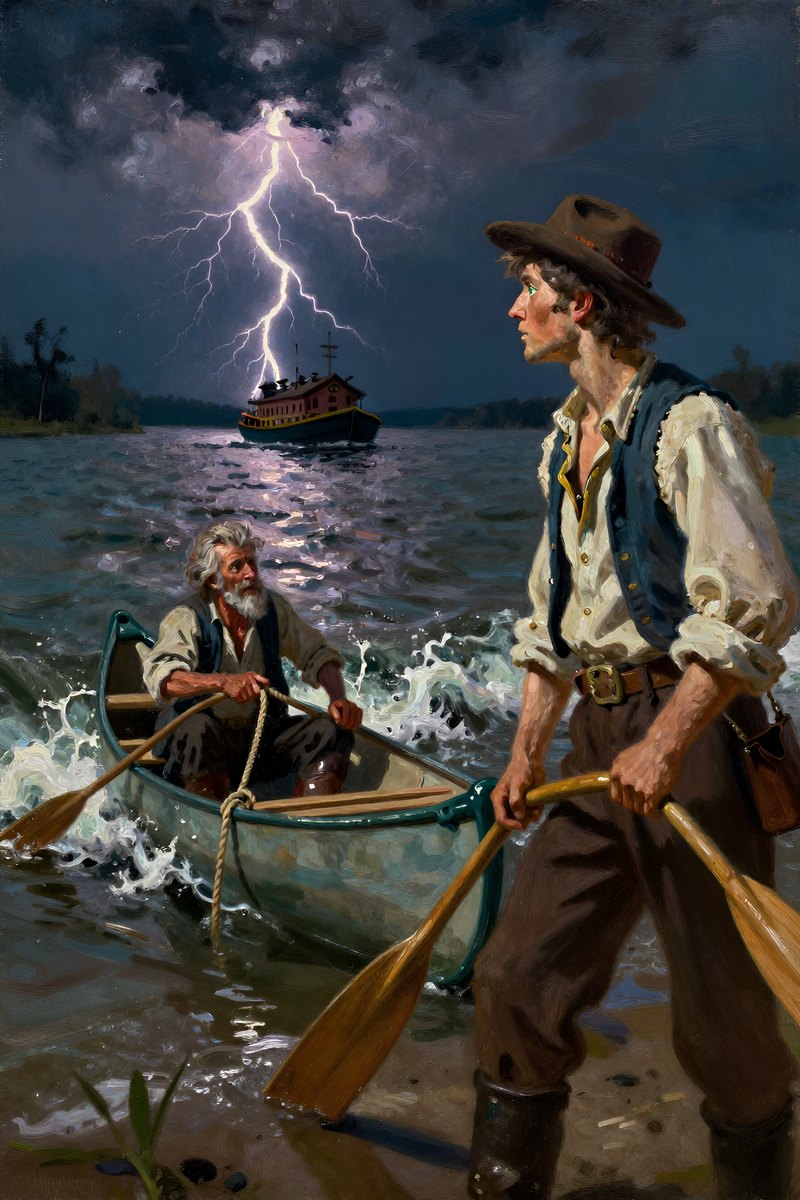
They was fetching a very nice-looking old gentleman along, and a nice-looking younger one, with his right arm in a sling. And, my souls, how the people yelled and laughed, and kept it up. But I didn’t see no joke about it, and I judged it would strain the duke and the king some to see any. I reckoned they’d turn pale. But no, nary a pale did they turn. The duke he never let on he suspicioned what was up, but just went a goo-gooing around, happy and satisfied, like a jug that’s googling out buttermilk; and as for the king, he just gazed and gazed down sorrowful on them new-comers like it give him the stomach-ache in his very heart to think there could be such frauds and rascals in the world. Oh, he done it admirable. Lots of the principal people gethered around the king, to let him see they was on his side. That old gentleman that had just come looked all puzzled to death. Pretty soon he begun to speak, and I see straight off he pronounced like an Englishman—not the king’s way, though the king’s was pretty good for an imitation. I can’t give the old gent’s words, nor I can’t imitate him; but he turned around to the crowd, and says, about like this:
“This is a surprise to me which I wasn’t looking for; and I’ll acknowledge, candid and frank, I ain’t very well fixed to meet it and answer it; for my brother and me has had misfortunes; he’s broke his arm, and our baggage got put off at a town above here last night in the night by a mistake. I am Peter Wilks’ brother Harvey, and this is his brother William, which can’t hear nor speak—and can’t even make signs to amount to much, now’t he’s only got one hand to work them with. We are who we say we are; and in a day or two, when I get the baggage, I can prove it. But up till then I won’t say nothing more, but go to the hotel and wait.”
So him and the new dummy started off; and the king he laughs, and blethers out:
“Broke his arm—very likely, ain’t it?—and very convenient, too, for a fraud that’s got to make signs, and ain’t learnt how. Lost their baggage! That’s mighty good!—and mighty ingenious—under the circumstances!”
So he laughed again; and so did everybody else, except three or four, or maybe half a dozen. One of these was that doctor; another one was a sharp-looking gentleman, with a carpet-bag of the old-fashioned kind made out of carpet-stuff, that had just come off of the steamboat and was talking to him in a low voice, and glancing towards the king now and then and nodding their heads—it was Levi Bell, the lawyer that was gone up to Louisville; and another one was a big rough husky that come along and listened to all the old gentleman said, and was listening to the king now. And when the king got done this husky up and says:
“Say, looky here; if you are Harvey Wilks, when’d you come to this town?”
“The day before the funeral, friend,” says the king.
“But what time o’ day?”
“In the evenin’—’bout an hour er two before sundown.”
“How’d you come?”
“I come down on the Susan Powell from Cincinnati.”
“Well, then, how’d you come to be up at the Pint in the mornin’—in a canoe?”
“I warn’t up at the Pint in the mornin’.”
“It’s a lie.”
Several of them jumped for him and begged him not to talk that way to an old man and a preacher.
“Preacher be hanged, he’s a fraud and a liar. He was up at the Pint that mornin’. I live up there, don’t I? Well, I was up there, and he was up there. I see him there. He come in a canoe, along with Tim Collins and a boy.”
The doctor he up and says:
“Would you know the boy again if you was to see him, Hines?”
“I reckon I would, but I don’t know. Why, yonder he is, now. I know him perfectly easy.”
It was me he pointed at. The doctor says:
“Neighbors, I don’t know whether the new couple is frauds or not; but if these two ain’t frauds, I am an idiot, that’s all. I think it’s our duty to see that they don’t get away from here till we’ve looked into this thing. Come along, Hines; come along, the rest of you. We’ll take these fellows to the tavern and affront them with t’other couple, and I reckon we’ll find out something before we get through.”
It was nuts for the crowd, though maybe not for the king’s friends; so we all started. It was about sundown. The doctor he led me along by the hand, and was plenty kind enough, but he never let go my hand.
We all got in a big room in the hotel, and lit up some candles, and fetched in the new couple. First, the doctor says:
“I don’t wish to be too hard on these two men, but I think they’re frauds, and they may have complices that we don’t know nothing about.
If they have, won’t the complices get away with that bag of gold Peter Wilks left? It ain’t unlikely. If these men ain’t frauds, they won’t object to sending for that money and letting us keep it till they prove they’re all right—ain’t that so?”
Everybody agreed to that. So I judged they had our gang in a pretty tight place right at the outstart. But the king he only looked sorrowful, and says:
“Gentlemen, I wish the money was there, for I ain’t got no disposition to throw anything in the way of a fair, open, out-and-out investigation o’ this misable business; but, alas, the money ain’t there; you k’n send and see, if you want to.”
“Where is it, then?”
“Well, when my niece give it to me to keep for her I took and hid it inside o’ the straw tick o’ my bed, not wishin’ to bank it for the few days we’d be here, and considerin’ the bed a safe place, we not bein’
used to niggers, and suppos’n’ ’em honest, like servants in England.
The niggers stole it the very next mornin’ after I had went down stairs; and when I sold ’em I hadn’t missed the money yit, so they got clean away with it. My servant here k’n tell you ’bout it, gentlemen.”
The doctor and several said “Shucks!” and I see nobody didn’t altogether believe him. One man asked me if I see the niggers steal it.
I said no, but I see them sneaking out of the room and hustling away, and I never thought nothing, only I reckoned they was afraid they had waked up my master and was trying to get away before he made trouble with them. That was all they asked me. Then the doctor whirls on me and says:
“Are you English, too?”
I says yes; and him and some others laughed, and said, “Stuff!”
Well, then they sailed in on the general investigation, and there we had it, up and down, hour in, hour out, and nobody never said a word about supper, nor ever seemed to think about it—and so they kept it up, and kept it up; and it was the worst mixed-up thing you ever see.
They made the king tell his yarn, and they made the old gentleman tell his’n; and anybody but a lot of prejudiced chuckleheads would a seen that the old gentleman was spinning truth and t’other one lies. And by-and-by they had me up to tell what I knowed. The king he give me a left-handed look out of the corner of his eye, and so I knowed enough to talk on the right side. I begun to tell about Sheffield, and how we lived there, and all about the English Wilkses, and so on; but I didn’t get pretty fur till the doctor begun to laugh; and Levi Bell, the lawyer, says:
“Set down, my boy; I wouldn’t strain myself if I was you. I reckon you ain’t used to lying, it don’t seem to come handy; what you want is practice. You do it pretty awkward.”
I didn’t care nothing for the compliment, but I was glad to be let off, anyway.
The doctor he started to say something, and turns and says:
“If you’d been in town at first, Levi Bell—” The king broke in and reached out his hand, and says:
“Why, is this my poor dead brother’s old friend that he’s wrote so often about?”
The lawyer and him shook hands, and the lawyer smiled and looked pleased, and they talked right along awhile, and then got to one side and talked low; and at last the lawyer speaks up and says:
“That’ll fix it. I’ll take the order and send it, along with your brother’s, and then they’ll know it’s all right.”
So they got some paper and a pen, and the king he set down and twisted his head to one side, and chawed his tongue, and scrawled off something; and then they give the pen to the duke—and then for the first time the duke looked sick. But he took the pen and wrote. So then the lawyer turns to the new old gentleman and says:
“You and your brother please write a line or two and sign your names.”
The old gentleman wrote, but nobody couldn’t read it. The lawyer looked powerful astonished, and says:
“Well, it beats me”—and snaked a lot of old letters out of his pocket, and examined them, and then examined the old man’s writing, and then them again; and then says: “These old letters is from Harvey Wilks; and here’s these two handwritings, and anybody can see they didn’t write them” (the king and the duke looked sold and foolish, I tell you, to see how the lawyer had took them in), “and here’s this old gentleman’s hand writing, and anybody can tell, easy enough, he didn’t write them—fact is, the scratches he makes ain’t properly writing at all. Now, here’s some letters from—”
The new old gentleman says:
“If you please, let me explain. Nobody can read my hand but my brother there—so he copies for me. It’s his hand you’ve got there, not mine.”
“Well!” says the lawyer, “this is a state of things. I’ve got some of William’s letters, too; so if you’ll get him to write a line or so we can com—”
“He can’t write with his left hand,” says the old gentleman. “If he could use his right hand, you would see that he wrote his own letters and mine too. Look at both, please—they’re by the same hand.”
The lawyer done it, and says:
“I believe it’s so—and if it ain’t so, there’s a heap stronger resemblance than I’d noticed before, anyway. Well, well, well! I thought we was right on the track of a solution, but it’s gone to grass, partly. But anyway, one thing is proved—these two ain’t either of ’em Wilkses”—and he wagged his head towards the king and the duke.
Well, what do you think? That muleheaded old fool wouldn’t give in then! Indeed he wouldn’t. Said it warn’t no fair test. Said his brother William was the cussedest joker in the world, and hadn’t tried to write—he see William was going to play one of his jokes the minute he put the pen to paper. And so he warmed up and went warbling and warbling right along till he was actuly beginning to believe what he was saying himself; but pretty soon the new gentleman broke in, and says:
“I’ve thought of something. Is there anybody here that helped to lay out my br—helped to lay out the late Peter Wilks for burying?”
“Yes,” says somebody, “me and Ab Turner done it. We’re both here.”
Then the old man turns towards the king, and says:
“Perhaps this gentleman can tell me what was tattooed on his breast?”
Blamed if the king didn’t have to brace up mighty quick, or he’d a squshed down like a bluff bank that the river has cut under, it took him so sudden; and, mind you, it was a thing that was calculated to make most anybody sqush to get fetched such a solid one as that without any notice, because how was he going to know what was tattooed on the man? He whitened a little; he couldn’t help it; and it was mighty still in there, and everybody bending a little forwards and gazing at him. Says I to myself, Now he’ll throw up the sponge—there ain’t no more use. Well, did he? A body can’t hardly believe it, but he didn’t. I reckon he thought he’d keep the thing up till he tired them people out, so they’d thin out, and him and the duke could break loose and get away. Anyway, he set there, and pretty soon he begun to smile, and says:
“Mf! It’s a very tough question, ain’t it! Yes, sir, I k’n tell you what’s tattooed on his breast. It’s jest a small, thin, blue arrow—that’s what it is; and if you don’t look clost, you can’t see it.
Now what do you say—hey?”
Well, I never see anything like that old blister for clean out-and-out cheek.
The new old gentleman turns brisk towards Ab Turner and his pard, and his eye lights up like he judged he’d got the king this time, and says:
“There—you’ve heard what he said! Was there any such mark on Peter Wilks’ breast?”
Both of them spoke up and says:
“We didn’t see no such mark.”
“Good!” says the old gentleman. “Now, what you did see on his breast was a small dim P, and a B (which is an initial he dropped when he was young), and a W, with dashes between them, so: P—B—W”—and he marked them that way on a piece of paper. “Come, ain’t that what you saw?”
Both of them spoke up again, and says:
“No, we didn’t. We never seen any marks at all.”
Well, everybody was in a state of mind now, and they sings out:
“The whole bilin’ of ’m ’s frauds! Le’s duck ’em! le’s drown ’em!
le’s ride ’em on a rail!” and everybody was whooping at once, and there was a rattling powwow. But the lawyer he jumps on the table and yells, and says:
“Gentlemen—gentlemen! Hear me just a word—just a single word—if you PLEASE! There’s one way yet—let’s go and dig up the corpse and look.”
That took them.
“Hooray!” they all shouted, and was starting right off; but the lawyer and the doctor sung out:
“Hold on, hold on! Collar all these four men and the boy, and fetch them along, too!”
“We’ll do it!” they all shouted; “and if we don’t find them marks we’ll lynch the whole gang!”
I was scared, now, I tell you. But there warn’t no getting away, you know. They gripped us all, and marched us right along, straight for the graveyard, which was a mile and a half down the river, and the whole town at our heels, for we made noise enough, and it was only nine in the evening.
As we went by our house I wished I hadn’t sent Mary Jane out of town; because now if I could tip her the wink she’d light out and save me, and blow on our dead-beats.
Well, we swarmed along down the river road, just carrying on like wildcats; and to make it more scary the sky was darking up, and the lightning beginning to wink and flitter, and the wind to shiver amongst the leaves. This was the most awful trouble and most dangersome I ever was in; and I was kinder stunned; everything was going so different from what I had allowed for; stead of being fixed so I could take my own time if I wanted to, and see all the fun, and have Mary Jane at my back to save me and set me free when the close-fit come, here was nothing in the world betwixt me and sudden death but just them tattoo-marks. If they didn’t find them— I couldn’t bear to think about it; and yet, somehow, I couldn’t think about nothing else. It got darker and darker, and it was a beautiful time to give the crowd the slip; but that big husky had me by the wrist—Hines—and a body might as well try to give Goliar the slip. He dragged me right along, he was so excited, and I had to run to keep up.
When they got there they swarmed into the graveyard and washed over it like an overflow. And when they got to the grave they found they had about a hundred times as many shovels as they wanted, but nobody hadn’t thought to fetch a lantern. But they sailed into digging anyway by the flicker of the lightning, and sent a man to the nearest house, a half a mile off, to borrow one.
So they dug and dug like everything; and it got awful dark, and the rain started, and the wind swished and swushed along, and the lightning come brisker and brisker, and the thunder boomed; but them people never took no notice of it, they was so full of this business; and one minute you could see everything and every face in that big crowd, and the shovelfuls of dirt sailing up out of the grave, and the next second the dark wiped it all out, and you couldn’t see nothing at all.
At last they got out the coffin and begun to unscrew the lid, and then such another crowding and shouldering and shoving as there was, to scrouge in and get a sight, you never see; and in the dark, that way, it was awful. Hines he hurt my wrist dreadful pulling and tugging so, and I reckon he clean forgot I was in the world, he was so excited and panting.
All of a sudden the lightning let go a perfect sluice of white glare, and somebody sings out:
“By the living jingo, here’s the bag of gold on his breast!”
Hines let out a whoop, like everybody else, and dropped my wrist and give a big surge to bust his way in and get a look, and the way I lit out and shinned for the road in the dark there ain’t nobody can tell.
I had the road all to myself, and I fairly flew—leastways, I had it all to myself except the solid dark, and the now-and-then glares, and the buzzing of the rain, and the thrashing of the wind, and the splitting of the thunder; and sure as you are born I did clip it along!
When I struck the town I see there warn’t nobody out in the storm, so I never hunted for no back streets, but humped it straight through the main one; and when I begun to get towards our house I aimed my eye and set it. No light there; the house all dark—which made me feel sorry and disappointed, I didn’t know why. But at last, just as I was sailing by, flash comes the light in Mary Jane’s window! and my heart swelled up sudden, like to bust; and the same second the house and all was behind me in the dark, and wasn’t ever going to be before me no more in this world. She was the best girl I ever see, and had the most sand.
The minute I was far enough above the town to see I could make the tow-head, I begun to look sharp for a boat to borrow, and the first time the lightning showed me one that wasn’t chained I snatched it and shoved. It was a canoe, and warn’t fastened with nothing but a rope.
The tow-head was a rattling big distance off, away out there in the middle of the river, but I didn’t lose no time; and when I struck the raft at last I was so fagged I would a just laid down to blow and gasp if I could afforded it. But I didn’t. As I sprung aboard I sung out:
“Out with you, Jim, and set her loose! Glory be to goodness, we’re shut of them!”
Jim lit out, and was a-coming for me with both arms spread, he was so full of joy; but when I glimpsed him in the lightning my heart shot up in my mouth and I went overboard backwards; for I forgot he was old King Lear and a drownded A-rab all in one, and it most scared the livers and lights out of me. But Jim fished me out, and was going to hug me and bless me, and so on, he was so glad I was back and we was shut of the king and the duke, but I says:
“Not now; have it for breakfast, have it for breakfast! Cut loose and let her slide!”
So in two seconds away we went a-sliding down the river, and it did seem so good to be free again and all by ourselves on the big river, and nobody to bother us. I had to skip around a bit, and jump up and crack my heels a few times—I couldn’t help it; but about the third crack I noticed a sound that I knowed mighty well, and held my breath and listened and waited; and sure enough, when the next flash busted out over the water, here they come!—and just a-laying to their oars and making their skiff hum! It was the king and the duke.
So I wilted right down on to the planks then, and give up; and it was all I could do to keep from crying.
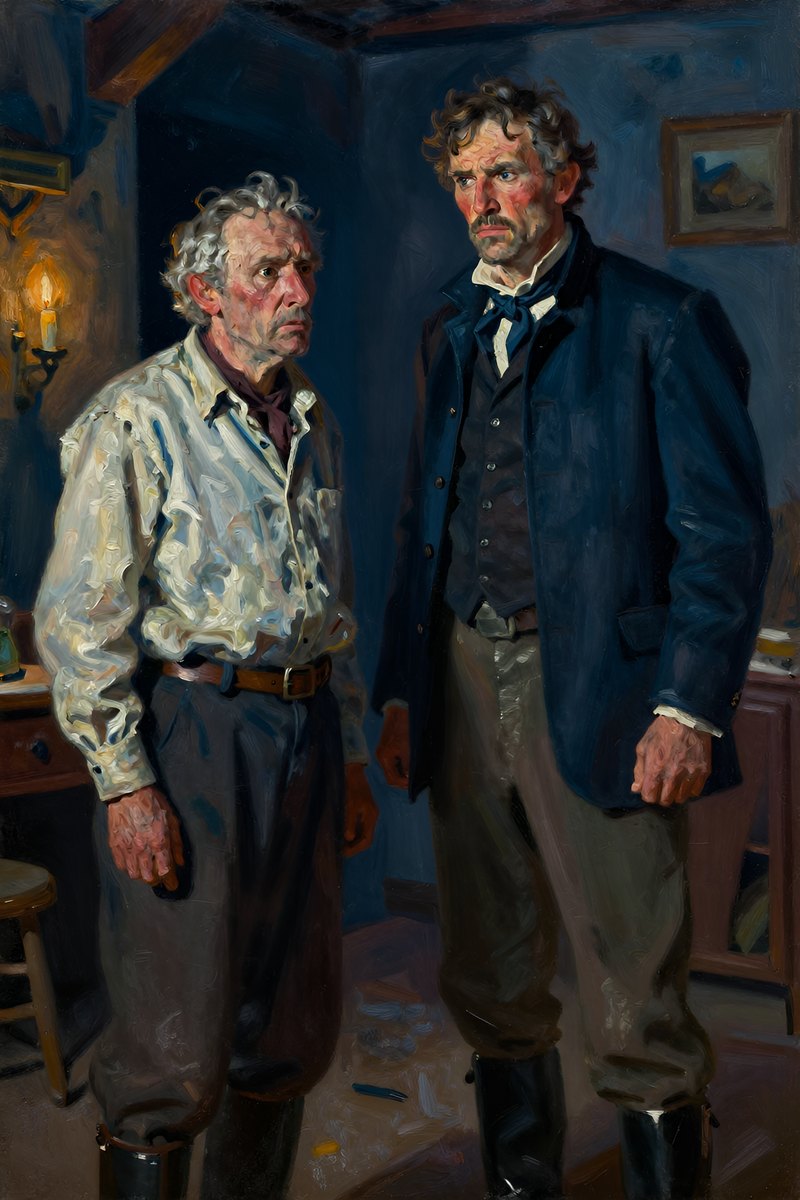
When they got aboard the king went for me, and shook me by the collar, and says:
“Tryin’ to give us the slip, was ye, you pup! Tired of our company, hey?”
I says:
“No, your majesty, we warn’t—please don’t, your majesty!”
“Quick, then, and tell us what was your idea, or I’ll shake the insides out o’ you!”
“Honest, I’ll tell you everything just as it happened, your majesty.
The man that had a-holt of me was very good to me, and kept saying he had a boy about as big as me that died last year, and he was sorry to see a boy in such a dangerous fix; and when they was all took by surprise by finding the gold, and made a rush for the coffin, he lets go of me and whispers, ‘Heel it now, or they’ll hang ye, sure!’ and I lit out. It didn’t seem no good for me to stay—I couldn’t do nothing, and I didn’t want to be hung if I could get away. So I never stopped running till I found the canoe; and when I got here I told Jim to hurry, or they’d catch me and hang me yet, and said I was afeard you and the duke wasn’t alive now, and I was awful sorry, and so was Jim, and was awful glad when we see you coming; you may ask Jim if I didn’t.”
Jim said it was so; and the king told him to shut up, and said, “Oh, yes, it’s mighty likely!” and shook me up again, and said he reckoned he’d drownd me. But the duke says:
“Leggo the boy, you old idiot! Would you a done any different? Did you inquire around for him when you got loose? I don’t remember it.”
So the king let go of me, and begun to cuss that town and everybody in it. But the duke says:
“You better a blame sight give yourself a good cussing, for you’re the one that’s entitled to it most. You hain’t done a thing from the start that had any sense in it, except coming out so cool and cheeky with that imaginary blue-arrow mark. That was bright—it was right down bully; and it was the thing that saved us. For if it hadn’t been for that, they’d a jailed us till them Englishmen’s baggage come—and then—the penitentiary, you bet! But that trick took ’em to the graveyard, and the gold done us a still bigger kindness; for if the excited fools hadn’t let go all holts and made that rush to get a look, we’d a slept in our cravats to-night—cravats warranted to wear, too—longer than we’d need ’em.”
They was still a minute—thinking; then the king says, kind of absent-minded like:
“Mf! And we reckoned the niggers stole it!”
That made me squirm!
“Yes,” says the duke, kinder slow and deliberate and sarcastic, “We did.”
After about a half a minute the king drawls out:
“Leastways, I did.”
The duke says, the same way:
“On the contrary, I did.”
The king kind of ruffles up, and says:
“Looky here, Bilgewater, what’r you referrin’ to?”
The duke says, pretty brisk:
“When it comes to that, maybe you’ll let me ask, what was you referring to?”
“Shucks!” says the king, very sarcastic; “but I don’t know—maybe you was asleep, and didn’t know what you was about.”
The duke bristles up now, and says:
“Oh, let up on this cussed nonsense; do you take me for a blame’
fool? Don’t you reckon I know who hid that money in that coffin?”
“Yes, sir! I know you do know, because you done it yourself!”
“It’s a lie!”—and the duke went for him. The king sings out:
“Take y’r hands off!—leggo my throat!—I take it all back!”
The duke says:
“Well, you just own up, first, that you did hide that money there, intending to give me the slip one of these days, and come back and dig it up, and have it all to yourself.”
“Wait jest a minute, duke—answer me this one question, honest and fair; if you didn’t put the money there, say it, and I’ll b’lieve you, and take back everything I said.”
“You old scoundrel, I didn’t, and you know I didn’t. There, now!”
“Well, then, I b’lieve you. But answer me only jest this one more—now don’t git mad; didn’t you have it in your mind to hook the money and hide it?”
The duke never said nothing for a little bit; then he says:
“Well, I don’t care if I did, I didn’t do it, anyway. But you not only had it in mind to do it, but you done it.”
“I wisht I never die if I done it, duke, and that’s honest. I won’t say I warn’t goin’ to do it, because I was; but you—I mean somebody—got in ahead o’ me.”
“It’s a lie! You done it, and you got to say you done it, or—”
The king began to gurgle, and then he gasps out:
“’Nough!—I own up!”
I was very glad to hear him say that; it made me feel much more easier than what I was feeling before. So the duke took his hands off and says:
“If you ever deny it again I’ll drown you. It’s well for you to set there and blubber like a baby—it’s fitten for you, after the way you’ve acted. I never see such an old ostrich for wanting to gobble everything—and I a-trusting you all the time, like you was my own father. You ought to been ashamed of yourself to stand by and hear it saddled on to a lot of poor niggers, and you never say a word for ’em.
It makes me feel ridiculous to think I was soft enough to believe that rubbage. Cuss you, I can see now why you was so anxious to make up the deffisit—you wanted to get what money I’d got out of the Nonesuch and one thing or another, and scoop it all!”
The king says, timid, and still a-snuffling:
“Why, duke, it was you that said make up the deffisit; it warn’t me.”
“Dry up! I don’t want to hear no more out of you!” says the duke.
“And now you see what you got by it. They’ve got all their own money back, and all of ourn but a shekel or two besides. G’long to bed, and don’t you deffersit me no more deffersits, long ’s you live!”
So the king sneaked into the wigwam and took to his bottle for comfort, and before long the duke tackled his bottle; and so in about a half an hour they was as thick as thieves again, and the tighter they got, the lovinger they got, and went off a-snoring in each other’s arms.
They both got powerful mellow, but I noticed the king didn’t get mellow enough to forget to remember to not deny about hiding the money-bag again. That made me feel easy and satisfied. Of course when they got to snoring we had a long gabble, and I told Jim everything.
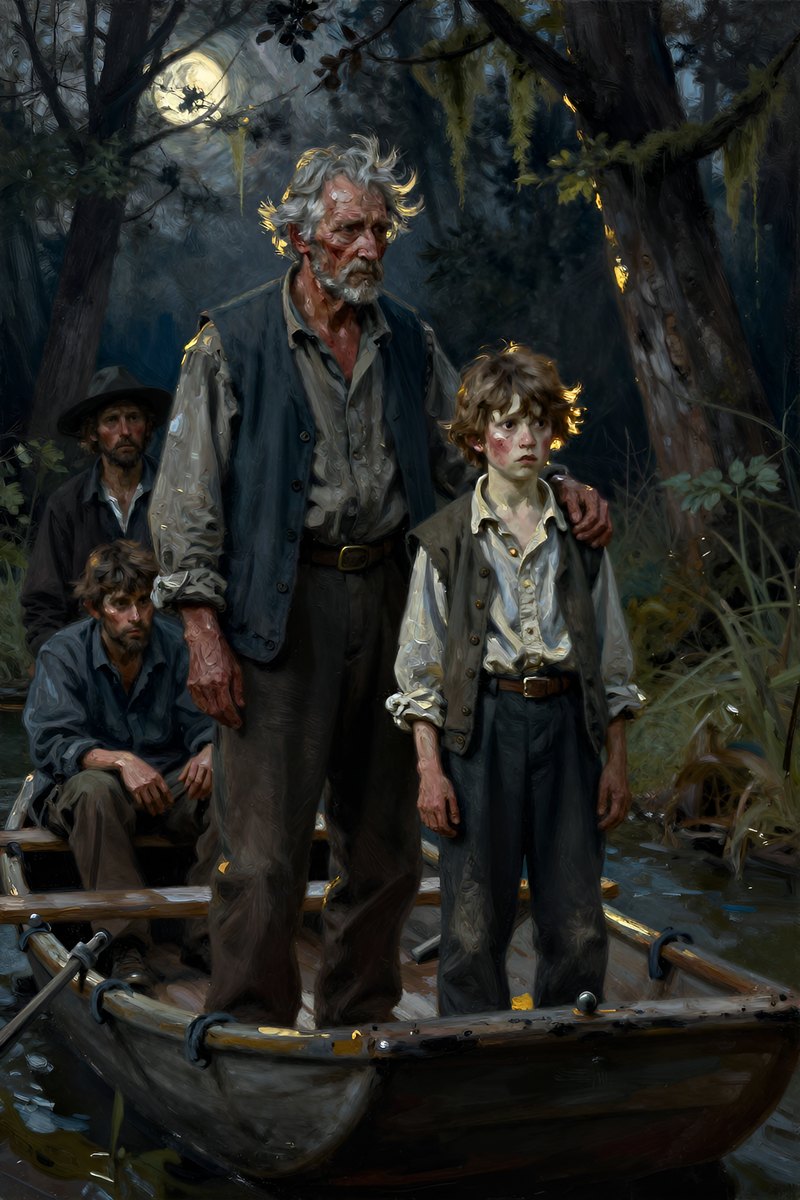
We dasn’t stop again at any town for days and days; kept right along down the river. We was down south in the warm weather now, and a mighty long ways from home. We begun to come to trees with Spanish moss on them, hanging down from the limbs like long, gray beards. It was the first I ever see it growing, and it made the woods look solemn and dismal. So now the frauds reckoned they was out of danger, and they begun to work the villages again.
First they done a lecture on temperance; but they didn’t make enough for them both to get drunk on. Then in another village they started a dancing-school; but they didn’t know no more how to dance than a kangaroo does; so the first prance they made the general public jumped in and pranced them out of town. Another time they tried to go at yellocution; but they didn’t yellocute long till the audience got up and give them a solid good cussing, and made them skip out. They tackled missionarying, and mesmerizing, and doctoring, and telling fortunes, and a little of everything; but they couldn’t seem to have no luck. So at last they got just about dead broke, and laid around the raft as she floated along, thinking and thinking, and never saying nothing, by the half a day at a time, and dreadful blue and desperate.
And at last they took a change and begun to lay their heads together in the wigwam and talk low and confidential two or three hours at a time.
Jim and me got uneasy. We didn’t like the look of it. We judged they was studying up some kind of worse deviltry than ever. We turned it over and over, and at last we made up our minds they was going to break into somebody’s house or store, or was going into the counterfeit-money business, or something. So then we was pretty scared, and made up an agreement that we wouldn’t have nothing in the world to do with such actions, and if we ever got the least show we would give them the cold shake and clear out and leave them behind. Well, early one morning we hid the raft in a good, safe place about two mile below a little bit of a shabby village named Pikesville, and the king he went ashore and told us all to stay hid whilst he went up to town and smelt around to see if anybody had got any wind of the Royal Nonesuch there yet. (“House to rob, you mean,” says I to myself; “and when you get through robbing it you’ll come back here and wonder what has become of me and Jim and the raft—and you’ll have to take it out in wondering.”) And he said if he warn’t back by midday the duke and me would know it was all right, and we was to come along.
So we stayed where we was. The duke he fretted and sweated around, and was in a mighty sour way. He scolded us for everything, and we couldn’t seem to do nothing right; he found fault with every little thing.
Something was a-brewing, sure. I was good and glad when midday come and no king; we could have a change, anyway—and maybe a chance for the change on top of it. So me and the duke went up to the village, and hunted around there for the king, and by-and-by we found him in the back room of a little low doggery, very tight, and a lot of loafers bullyragging him for sport, and he a-cussing and a-threatening with all his might, and so tight he couldn’t walk, and couldn’t do nothing to them. The duke he begun to abuse him for an old fool, and the king begun to sass back, and the minute they was fairly at it I lit out and shook the reefs out of my hind legs, and spun down the river road like a deer, for I see our chance; and I made up my mind that it would be a long day before they ever see me and Jim again. I got down there all out of breath but loaded up with joy, and sung out:
“Set her loose, Jim! we’re all right now!”
But there warn’t no answer, and nobody come out of the wigwam. Jim was gone! I set up a shout—and then another—and then another one; and run this way and that in the woods, whooping and screeching; but it warn’t no use—old Jim was gone. Then I set down and cried; I couldn’t help it.
But I couldn’t set still long. Pretty soon I went out on the road, trying to think what I better do, and I run across a boy walking, and asked him if he’d seen a strange nigger dressed so and so, and he says:
“Yes.”
“Whereabouts?” says I.
“Down to Silas Phelps’ place, two mile below here. He’s a runaway nigger, and they’ve got him. Was you looking for him?”
“You bet I ain’t! I run across him in the woods about an hour or two ago, and he said if I hollered he’d cut my livers out—and told me to lay down and stay where I was; and I done it. Been there ever since; afeard to come out.”
“Well,” he says, “you needn’t be afeard no more, becuz they’ve got him.
He run off f’m down South, som’ers.”
“It’s a good job they got him.”
“Well, I reckon! There’s two hunderd dollars reward on him. It’s like picking up money out’n the road.”
“Yes, it is—and I could a had it if I’d been big enough; I see him first. Who nailed him?”
“It was an old fellow—a stranger—and he sold out his chance in him for forty dollars, becuz he’s got to go up the river and can’t wait. Think o’ that, now! You bet I’d wait, if it was seven year.”
“That’s me, every time,” says I. “But maybe his chance ain’t worth no more than that, if he’ll sell it so cheap. Maybe there’s something ain’t straight about it.”
“But it is, though—straight as a string. I see the handbill myself.
It tells all about him, to a dot—paints him like a picture, and tells the plantation he’s frum, below Newrleans. No-sirree-bob, they ain’t no trouble ’bout that speculation, you bet you. Say, gimme a chaw tobacker, won’t ye?”
I didn’t have none, so he left. I went to the raft, and set down in the wigwam to think. But I couldn’t come to nothing. I thought till I wore my head sore, but I couldn’t see no way out of the trouble. After all this long journey, and after all we’d done for them scoundrels, here it was all come to nothing, everything all busted up and ruined, because they could have the heart to serve Jim such a trick as that, and make him a slave again all his life, and amongst strangers, too, for forty dirty dollars.
Once I said to myself it would be a thousand times better for Jim to be a slave at home where his family was, as long as he’d got to be a slave, and so I’d better write a letter to Tom Sawyer and tell him to tell Miss Watson where he was. But I soon give up that notion for two things: she’d be mad and disgusted at his rascality and ungratefulness for leaving her, and so she’d sell him straight down the river again; and if she didn’t, everybody naturally despises an ungrateful nigger, and they’d make Jim feel it all the time, and so he’d feel ornery and disgraced. And then think of me! It would get all around that Huck Finn helped a nigger to get his freedom; and if I was ever to see anybody from that town again I’d be ready to get down and lick his boots for shame. That’s just the way: a person does a low-down thing, and then he don’t want to take no consequences of it. Thinks as long as he can hide it, it ain’t no disgrace. That was my fix exactly. The more I studied about this, the more my conscience went to grinding me, and the more wicked and low-down and ornery I got to feeling. And at last, when it hit me all of a sudden that here was the plain hand of Providence slapping me in the face and letting me know my wickedness was being watched all the time from up there in heaven, whilst I was stealing a poor old woman’s nigger that hadn’t ever done me no harm, and now was showing me there’s One that’s always on the lookout, and ain’t a-going to allow no such miserable doings to go only just so fur and no further, I most dropped in my tracks I was so scared. Well, I tried the best I could to kinder soften it up somehow for myself by saying I was brung up wicked, and so I warn’t so much to blame; but something inside of me kept saying, “There was the Sunday-school, you could a gone to it; and if you’d a done it they’d a learnt you there that people that acts as I’d been acting about that nigger goes to everlasting fire.”
It made me shiver. And I about made up my mind to pray, and see if I couldn’t try to quit being the kind of a boy I was and be better. So I kneeled down. But the words wouldn’t come. Why wouldn’t they? It warn’t no use to try and hide it from Him. Nor from me, neither. I knowed very well why they wouldn’t come. It was because my heart warn’t right; it was because I warn’t square; it was because I was playing double. I was letting on to give up sin, but away inside of me I was holding on to the biggest one of all. I was trying to make my mouth say I would do the right thing and the clean thing, and go and write to that nigger’s owner and tell where he was; but deep down in me I knowed it was a lie, and He knowed it. You can’t pray a lie—I found that out.
So I was full of trouble, full as I could be; and didn’t know what to do. At last I had an idea; and I says, I’ll go and write the letter—and then see if I can pray. Why, it was astonishing, the way I felt as light as a feather right straight off, and my troubles all gone. So I got a piece of paper and a pencil, all glad and excited, and set down and wrote:
Miss Watson, your runaway nigger Jim is down here two mile below Pikesville, and Mr. Phelps has got him and he will give him up for the reward if you send.
Huck Finn.
I felt good and all washed clean of sin for the first time I had ever felt so in my life, and I knowed I could pray now. But I didn’t do it straight off, but laid the paper down and set there thinking—thinking how good it was all this happened so, and how near I come to being lost and going to hell. And went on thinking. And got to thinking over our trip down the river; and I see Jim before me all the time: in the day and in the night-time, sometimes moonlight, sometimes storms, and we a-floating along, talking and singing and laughing. But somehow I couldn’t seem to strike no places to harden me against him, but only the other kind. I’d see him standing my watch on top of his’n, ’stead of calling me, so I could go on sleeping; and see him how glad he was when I come back out of the fog; and when I come to him again in the swamp, up there where the feud was; and such-like times; and would always call me honey, and pet me and do everything he could think of for me, and how good he always was; and at last I struck the time I saved him by telling the men we had small-pox aboard, and he was so grateful, and said I was the best friend old Jim ever had in the world, and the only one he’s got now; and then I happened to look around and see that paper.
It was a close place. I took it up, and held it in my hand. I was a-trembling, because I’d got to decide, forever, betwixt two things, and I knowed it. I studied a minute, sort of holding my breath, and then says to myself:
“All right, then, I’ll go to hell”—and tore it up.
It was awful thoughts and awful words, but they was said. And I let them stay said; and never thought no more about reforming. I shoved the whole thing out of my head, and said I would take up wickedness again, which was in my line, being brung up to it, and the other warn’t. And for a starter I would go to work and steal Jim out of slavery again; and if I could think up anything worse, I would do that, too; because as long as I was in, and in for good, I might as well go the whole hog.
Then I set to thinking over how to get at it, and turned over some considerable many ways in my mind; and at last fixed up a plan that suited me. So then I took the bearings of a woody island that was down the river a piece, and as soon as it was fairly dark I crept out with my raft and went for it, and hid it there, and then turned in. I slept the night through, and got up before it was light, and had my breakfast, and put on my store clothes, and tied up some others and one thing or another in a bundle, and took the canoe and cleared for shore.
I landed below where I judged was Phelps’s place, and hid my bundle in the woods, and then filled up the canoe with water, and loaded rocks into her and sunk her where I could find her again when I wanted her, about a quarter of a mile below a little steam sawmill that was on the bank.
Then I struck up the road, and when I passed the mill I see a sign on it, “Phelps’s Sawmill,” and when I come to the farm-houses, two or three hundred yards further along, I kept my eyes peeled, but didn’t see nobody around, though it was good daylight now. But I didn’t mind, because I didn’t want to see nobody just yet—I only wanted to get the lay of the land. According to my plan, I was going to turn up there from the village, not from below. So I just took a look, and shoved along, straight for town. Well, the very first man I see when I got there was the duke. He was sticking up a bill for the Royal Nonesuch—three-night performance—like that other time. They had the cheek, them frauds! I was right on him before I could shirk. He looked astonished, and says:
“Hel-lo! Where’d you come from?” Then he says, kind of glad and eager, “Where’s the raft?—got her in a good place?”
I says:
“Why, that’s just what I was going to ask your grace.”
Then he didn’t look so joyful, and says:
“What was your idea for asking me?” he says.
“Well,” I says, “when I see the king in that doggery yesterday I says to myself, we can’t get him home for hours, till he’s soberer; so I went a-loafing around town to put in the time and wait. A man up and offered me ten cents to help him pull a skiff over the river and back to fetch a sheep, and so I went along; but when we was dragging him to the boat, and the man left me a-holt of the rope and went behind him to shove him along, he was too strong for me and jerked loose and run, and we after him. We didn’t have no dog, and so we had to chase him all over the country till we tired him out. We never got him till dark; then we fetched him over, and I started down for the raft. When I got there and see it was gone, I says to myself, ‘they’ve got into trouble and had to leave; and they’ve took my nigger, which is the only nigger I’ve got in the world, and now I’m in a strange country, and ain’t got no property no more, nor nothing, and no way to make my living;’ so I set down and cried. I slept in the woods all night. But what did become of the raft, then?—and Jim—poor Jim!”
“Blamed if I know—that is, what’s become of the raft. That old fool had made a trade and got forty dollars, and when we found him in the doggery the loafers had matched half-dollars with him and got every cent but what he’d spent for whisky; and when I got him home late last night and found the raft gone, we said, ‘That little rascal has stole our raft and shook us, and run off down the river.’”
“I wouldn’t shake my nigger, would I?—the only nigger I had in the world, and the only property.”
“We never thought of that. Fact is, I reckon we’d come to consider him our nigger; yes, we did consider him so—goodness knows we had trouble enough for him. So when we see the raft was gone and we flat broke, there warn’t anything for it but to try the Royal Nonesuch another shake. And I’ve pegged along ever since, dry as a powder-horn. Where’s that ten cents? Give it here.”
I had considerable money, so I give him ten cents, but begged him to spend it for something to eat, and give me some, because it was all the money I had, and I hadn’t had nothing to eat since yesterday. He never said nothing. The next minute he whirls on me and says:
“Do you reckon that nigger would blow on us? We’d skin him if he done that!”
“How can he blow? Hain’t he run off?”
“No! That old fool sold him, and never divided with me, and the money’s gone.”
“Sold him?” I says, and begun to cry; “why, he was my nigger, and that was my money. Where is he?—I want my nigger.”
“Well, you can’t get your nigger, that’s all—so dry up your blubbering. Looky here—do you think you’d venture to blow on us?
Blamed if I think I’d trust you. Why, if you was to blow on us—”
He stopped, but I never see the duke look so ugly out of his eyes before. I went on a-whimpering, and says:
“I don’t want to blow on nobody; and I ain’t got no time to blow, nohow. I got to turn out and find my nigger.”
He looked kinder bothered, and stood there with his bills fluttering on his arm, thinking, and wrinkling up his forehead. At last he says:
“I’ll tell you something. We got to be here three days. If you’ll promise you won’t blow, and won’t let the nigger blow, I’ll tell you where to find him.”
So I promised, and he says:
“A farmer by the name of Silas Ph—” and then he stopped. You see, he started to tell me the truth; but when he stopped that way, and begun to study and think again, I reckoned he was changing his mind. And so he was. He wouldn’t trust me; he wanted to make sure of having me out of the way the whole three days. So pretty soon he says:
“The man that bought him is named Abram Foster—Abram G. Foster—and he lives forty mile back here in the country, on the road to Lafayette.”
“All right,” I says, “I can walk it in three days. And I’ll start this very afternoon.”
“No you wont, you’ll start now; and don’t you lose any time about it, neither, nor do any gabbling by the way. Just keep a tight tongue in your head and move right along, and then you won’t get into trouble with us, d’ye hear?”
That was the order I wanted, and that was the one I played for. I wanted to be left free to work my plans.
“So clear out,” he says; “and you can tell Mr. Foster whatever you want to. Maybe you can get him to believe that Jim is your nigger—some idiots don’t require documents—leastways I’ve heard there’s such down South here. And when you tell him the handbill and the reward’s bogus, maybe he’ll believe you when you explain to him what the idea was for getting ’em out. Go ’long now, and tell him anything you want to; but mind you don’t work your jaw any between here and there.”
So I left, and struck for the back country. I didn’t look around, but I kinder felt like he was watching me. But I knowed I could tire him out at that. I went straight out in the country as much as a mile before I stopped; then I doubled back through the woods towards Phelps’. I reckoned I better start in on my plan straight off without fooling around, because I wanted to stop Jim’s mouth till these fellows could get away. I didn’t want no trouble with their kind. I’d seen all I wanted to of them, and wanted to get entirely shut of them.
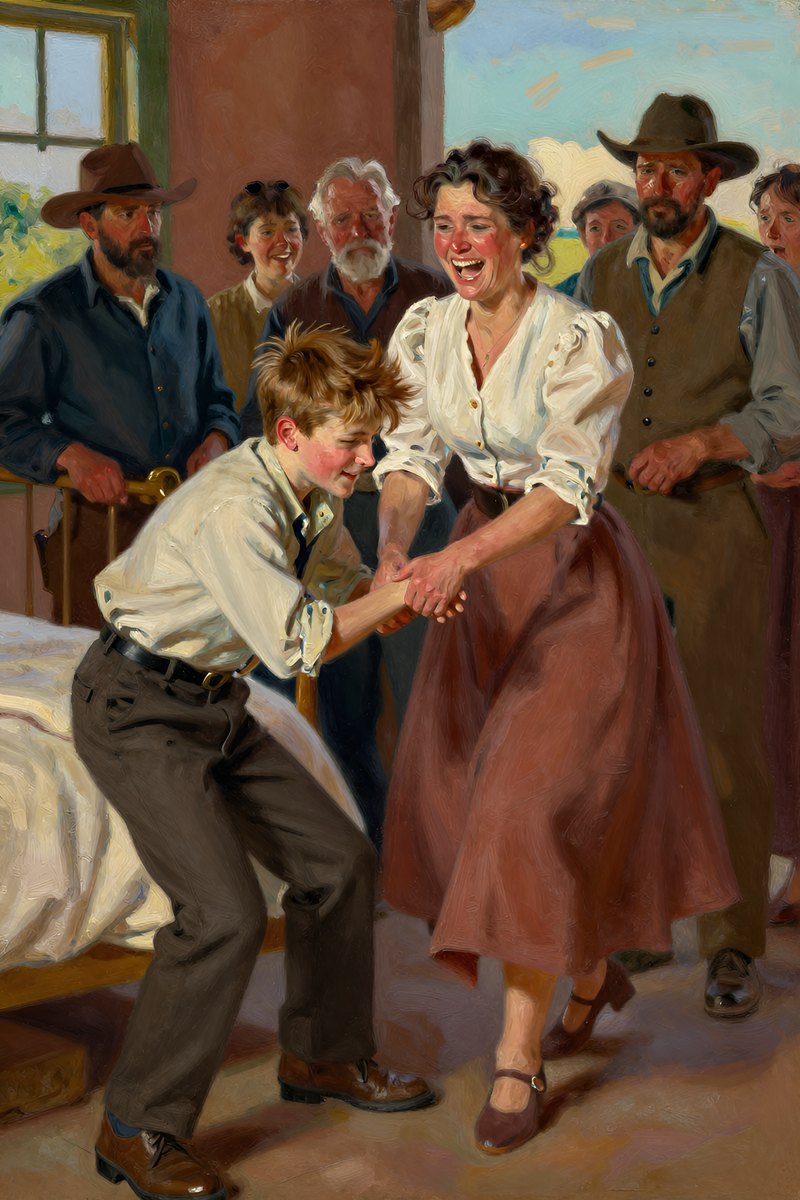
When I got there it was all still and Sunday-like, and hot and sunshiny; the hands was gone to the fields; and there was them kind of faint dronings of bugs and flies in the air that makes it seem so lonesome and like everybody’s dead and gone; and if a breeze fans along and quivers the leaves it makes you feel mournful, because you feel like it’s spirits whispering—spirits that’s been dead ever so many years—and you always think they’re talking about you. As a general thing it makes a body wish he was dead, too, and done with it all.
Phelps’ was one of these little one-horse cotton plantations, and they all look alike. A rail fence round a two-acre yard; a stile made out of logs sawed off and up-ended in steps, like barrels of a different length, to climb over the fence with, and for the women to stand on when they are going to jump on to a horse; some sickly grass-patches in the big yard, but mostly it was bare and smooth, like an old hat with the nap rubbed off; big double log-house for the white folks—hewed logs, with the chinks stopped up with mud or mortar, and these mud-stripes been whitewashed some time or another; round-log kitchen, with a big broad, open but roofed passage joining it to the house; log smoke-house back of the kitchen; three little log nigger-cabins in a row t’other side the smoke-house; one little hut all by itself away down against the back fence, and some outbuildings down a piece the other side; ash-hopper and big kettle to bile soap in by the little hut; bench by the kitchen door, with bucket of water and a gourd; hound asleep there in the sun; more hounds asleep round about; about three shade trees away off in a corner; some currant bushes and gooseberry bushes in one place by the fence; outside of the fence a garden and a watermelon patch; then the cotton fields begins, and after the fields the woods.
I went around and clumb over the back stile by the ash-hopper, and started for the kitchen. When I got a little ways I heard the dim hum of a spinning-wheel wailing along up and sinking along down again; and then I knowed for certain I wished I was dead—for that is the lonesomest sound in the whole world.
I went right along, not fixing up any particular plan, but just trusting to Providence to put the right words in my mouth when the time come; for I’d noticed that Providence always did put the right words in my mouth if I left it alone.
When I got half-way, first one hound and then another got up and went for me, and of course I stopped and faced them, and kept still. And such another powwow as they made! In a quarter of a minute I was a kind of a hub of a wheel, as you may say—spokes made out of dogs—circle of fifteen of them packed together around me, with their necks and noses stretched up towards me, a-barking and howling; and more a-coming; you could see them sailing over fences and around corners from everywheres.
A nigger woman come tearing out of the kitchen with a rolling-pin in her hand, singing out, “Begone you Tige! you Spot! begone sah!” and she fetched first one and then another of them a clip and sent them howling, and then the rest followed; and the next second half of them come back, wagging their tails around me, and making friends with me.
There ain’t no harm in a hound, nohow.
And behind the woman comes a little nigger girl and two little nigger boys without anything on but tow-linen shirts, and they hung on to their mother’s gown, and peeped out from behind her at me, bashful, the way they always do. And here comes the white woman running from the house, about forty-five or fifty year old, bareheaded, and her spinning-stick in her hand; and behind her comes her little white children, acting the same way the little niggers was doing. She was smiling all over so she could hardly stand—and says:
“It’s you, at last!—ain’t it?”
I out with a “Yes’m” before I thought.
She grabbed me and hugged me tight; and then gripped me by both hands and shook and shook; and the tears come in her eyes, and run down over; and she couldn’t seem to hug and shake enough, and kept saying, “You don’t look as much like your mother as I reckoned you would; but law sakes, I don’t care for that, I’m so glad to see you! Dear, dear, it does seem like I could eat you up! Children, it’s your cousin Tom!—tell him howdy.”
But they ducked their heads, and put their fingers in their mouths, and hid behind her. So she run on:
“Lize, hurry up and get him a hot breakfast right away—or did you get your breakfast on the boat?”
I said I had got it on the boat. So then she started for the house, leading me by the hand, and the children tagging after. When we got there she set me down in a split-bottomed chair, and set herself down on a little low stool in front of me, holding both of my hands, and says:
“Now I can have a good look at you; and, laws-a-me, I’ve been hungry for it a many and a many a time, all these long years, and it’s come at last! We been expecting you a couple of days and more. What kep’
you?—boat get aground?”
“Yes’m—she—”
“Don’t say yes’m—say Aunt Sally. Where’d she get aground?”
I didn’t rightly know what to say, because I didn’t know whether the boat would be coming up the river or down. But I go a good deal on instinct; and my instinct said she would be coming up—from down towards Orleans. That didn’t help me much, though; for I didn’t know the names of bars down that way. I see I’d got to invent a bar, or forget the name of the one we got aground on—or—Now I struck an idea, and fetched it out:
“It warn’t the grounding—that didn’t keep us back but a little. We blowed out a cylinder-head.”
“Good gracious! anybody hurt?”
“No’m. Killed a nigger.”
“Well, it’s lucky; because sometimes people do get hurt. Two years ago last Christmas your uncle Silas was coming up from Newrleans on the old Lally Rook, and she blowed out a cylinder-head and crippled a man.
And I think he died afterwards. He was a Baptist. Your uncle Silas knowed a family in Baton Rouge that knowed his people very well. Yes, I remember now, he did die. Mortification set in, and they had to amputate him. But it didn’t save him. Yes, it was mortification—that was it. He turned blue all over, and died in the hope of a glorious resurrection. They say he was a sight to look at. Your uncle’s been up to the town every day to fetch you. And he’s gone again, not more’n an hour ago; he’ll be back any minute now. You must a met him on the road, didn’t you?—oldish man, with a—”
“No, I didn’t see nobody, Aunt Sally. The boat landed just at daylight, and I left my baggage on the wharf-boat and went looking around the town and out a piece in the country, to put in the time and not get here too soon; and so I come down the back way.”
“Who’d you give the baggage to?”
“Nobody.”
“Why, child, it’ll be stole!”
“Not where I hid it I reckon it won’t,” I says.
“How’d you get your breakfast so early on the boat?”
It was kinder thin ice, but I says:
“The captain see me standing around, and told me I better have something to eat before I went ashore; so he took me in the texas to the officers’ lunch, and give me all I wanted.”
I was getting so uneasy I couldn’t listen good. I had my mind on the children all the time; I wanted to get them out to one side and pump them a little, and find out who I was. But I couldn’t get no show, Mrs.
Phelps kept it up and run on so. Pretty soon she made the cold chills streak all down my back, because she says:
“But here we’re a-running on this way, and you hain’t told me a word about Sis, nor any of them. Now I’ll rest my works a little, and you start up yourn; just tell me everything—tell me all about ’m all every one of ’m; and how they are, and what they’re doing, and what they told you to tell me; and every last thing you can think of.”
Well, I see I was up a stump—and up it good. Providence had stood by me this fur all right, but I was hard and tight aground now. I see it warn’t a bit of use to try to go ahead—I’d got to throw up my hand.
So I says to myself, here’s another place where I got to resk the truth. I opened my mouth to begin; but she grabbed me and hustled me in behind the bed, and says:
“Here he comes! Stick your head down lower—there, that’ll do; you can’t be seen now. Don’t you let on you’re here. I’ll play a joke on him.
Children, don’t you say a word.”
I see I was in a fix now. But it warn’t no use to worry; there warn’t nothing to do but just hold still, and try and be ready to stand from under when the lightning struck.
I had just one little glimpse of the old gentleman when he come in; then the bed hid him. Mrs. Phelps she jumps for him, and says:
“Has he come?”
“No,” says her husband.
“Good-ness gracious!” she says, “what in the warld can have become of him?”
“I can’t imagine,” says the old gentleman; “and I must say it makes me dreadful uneasy.”
“Uneasy!” she says; “I’m ready to go distracted! He must a come; and you’ve missed him along the road. I know it’s so—something tells me so.”
“Why, Sally, I couldn’t miss him along the road—you know that.”
“But oh, dear, dear, what will Sis say! He must a come! You must a missed him. He—”
“Oh, don’t distress me any more’n I’m already distressed. I don’t know what in the world to make of it. I’m at my wit’s end, and I don’t mind acknowledging ’t I’m right down scared. But there’s no hope that he’s come; for he couldn’t come and me miss him. Sally, it’s terrible—just terrible—something’s happened to the boat, sure!”
“Why, Silas! Look yonder!—up the road!—ain’t that somebody coming?”
He sprung to the window at the head of the bed, and that give Mrs.
Phelps the chance she wanted. She stooped down quick at the foot of the bed and give me a pull, and out I come; and when he turned back from the window there she stood, a-beaming and a-smiling like a house afire, and I standing pretty meek and sweaty alongside. The old gentleman stared, and says:
“Why, who’s that?”
“Who do you reckon ’t is?”
“I hain’t no idea. Who is it?”
“It’s Tom Sawyer!”
By jings, I most slumped through the floor! But there warn’t no time to swap knives; the old man grabbed me by the hand and shook, and kept on shaking; and all the time how the woman did dance around and laugh and cry; and then how they both did fire off questions about Sid, and Mary, and the rest of the tribe.
But if they was joyful, it warn’t nothing to what I was; for it was like being born again, I was so glad to find out who I was. Well, they froze to me for two hours; and at last, when my chin was so tired it couldn’t hardly go any more, I had told them more about my family—I mean the Sawyer family—than ever happened to any six Sawyer families.
And I explained all about how we blowed out a cylinder-head at the mouth of White River, and it took us three days to fix it. Which was all right, and worked first-rate; because they didn’t know but what it would take three days to fix it. If I’d a called it a bolthead it would a done just as well.
Now I was feeling pretty comfortable all down one side, and pretty uncomfortable all up the other. Being Tom Sawyer was easy and comfortable, and it stayed easy and comfortable till by-and-by I hear a steamboat coughing along down the river. Then I says to myself, s’pose Tom Sawyer comes down on that boat? And s’pose he steps in here any minute, and sings out my name before I can throw him a wink to keep quiet? Well, I couldn’t have it that way; it wouldn’t do at all. I must go up the road and waylay him. So I told the folks I reckoned I would go up to the town and fetch down my baggage. The old gentleman was for going along with me, but I said no, I could drive the horse myself, and I druther he wouldn’t take no trouble about me.
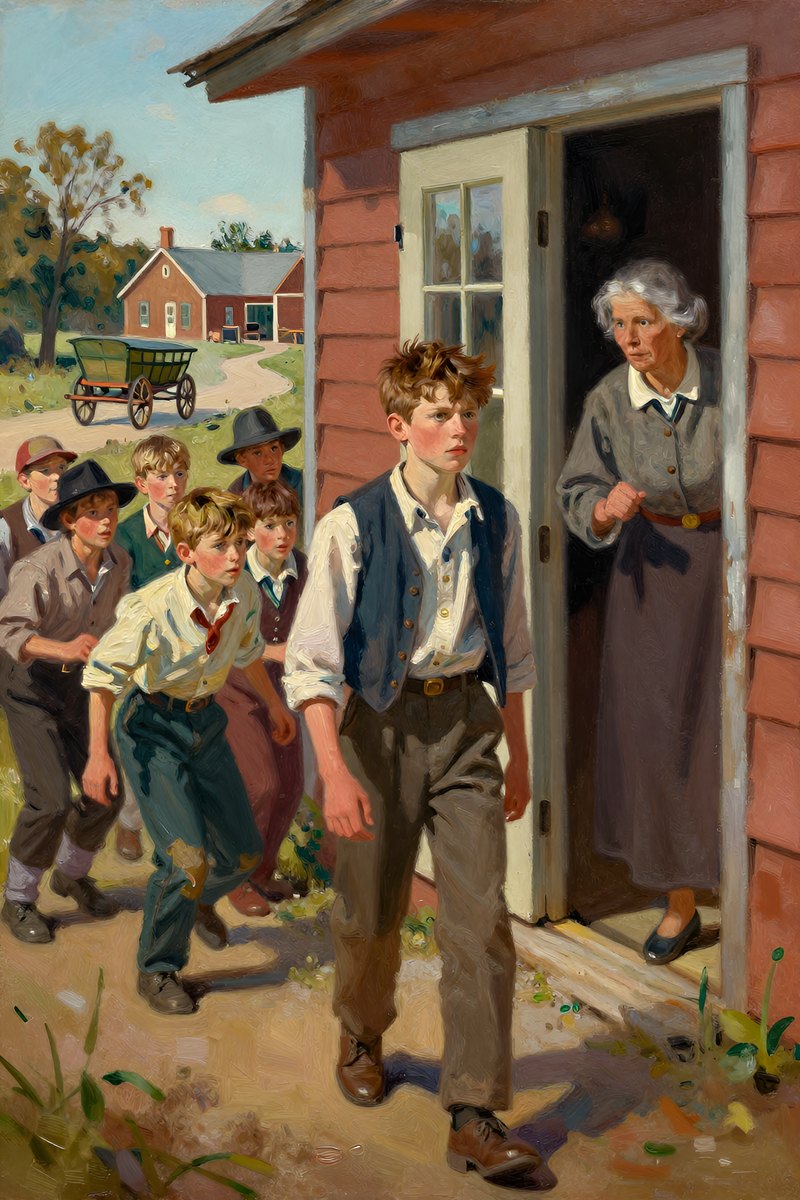
So I started for town in the wagon, and when I was half-way I see a wagon coming, and sure enough it was Tom Sawyer, and I stopped and waited till he come along. I says “Hold on!” and it stopped alongside, and his mouth opened up like a trunk, and stayed so; and he swallowed two or three times like a person that’s got a dry throat, and then says:
“I hain’t ever done you no harm. You know that. So, then, what you want to come back and ha’nt me for?”
I says:
“I hain’t come back—I hain’t been gone.”
When he heard my voice it righted him up some, but he warn’t quite satisfied yet. He says:
“Don’t you play nothing on me, because I wouldn’t on you. Honest injun now, you ain’t a ghost?”
“Honest injun, I ain’t,” I says.
“Well—I—I—well, that ought to settle it, of course; but I can’t somehow seem to understand it no way. Looky here, warn’t you ever murdered at all?”
“No. I warn’t ever murdered at all—I played it on them. You come in here and feel of me if you don’t believe me.”
So he done it; and it satisfied him; and he was that glad to see me again he didn’t know what to do. And he wanted to know all about it right off, because it was a grand adventure, and mysterious, and so it hit him where he lived. But I said, leave it alone till by-and-by; and told his driver to wait, and we drove off a little piece, and I told him the kind of a fix I was in, and what did he reckon we better do? He said, let him alone a minute, and don’t disturb him. So he thought and thought, and pretty soon he says:
“It’s all right; I’ve got it. Take my trunk in your wagon, and let on it’s your’n; and you turn back and fool along slow, so as to get to the house about the time you ought to; and I’ll go towards town a piece, and take a fresh start, and get there a quarter or a half an hour after you; and you needn’t let on to know me at first.”
I says:
“All right; but wait a minute. There’s one more thing—a thing that nobody don’t know but me. And that is, there’s a nigger here that I’m a-trying to steal out of slavery, and his name is Jim—old Miss Watson’s Jim.”
He says:
“What! Why, Jim is—”
He stopped and went to studying. I says:
“I know what you’ll say. You’ll say it’s dirty, low-down business; but what if it is? I’m low down; and I’m a-going to steal him, and I want you keep mum and not let on. Will you?”
His eye lit up, and he says:
“I’ll help you steal him!”
Well, I let go all holts then, like I was shot. It was the most astonishing speech I ever heard—and I’m bound to say Tom Sawyer fell considerable in my estimation. Only I couldn’t believe it. Tom Sawyer a nigger stealer!
“Oh, shucks!” I says; “you’re joking.”
“I ain’t joking, either.”
“Well, then,” I says, “joking or no joking, if you hear anything said about a runaway nigger, don’t forget to remember that you don’t know nothing about him, and I don’t know nothing about him.”
Then we took the trunk and put it in my wagon, and he drove off his way and I drove mine. But of course I forgot all about driving slow on accounts of being glad and full of thinking; so I got home a heap too quick for that length of a trip. The old gentleman was at the door, and he says:
“Why, this is wonderful! Whoever would a thought it was in that mare to do it? I wish we’d a timed her. And she hain’t sweated a hair—not a hair. It’s wonderful. Why, I wouldn’t take a hundred dollars for that horse now—I wouldn’t, honest; and yet I’d a sold her for fifteen before, and thought ’twas all she was worth.”
That’s all he said. He was the innocentest, best old soul I ever see.
But it warn’t surprising; because he warn’t only just a farmer, he was a preacher, too, and had a little one-horse log church down back of the plantation, which he built it himself at his own expense, for a church and schoolhouse, and never charged nothing for his preaching, and it was worth it, too. There was plenty other farmer-preachers like that, and done the same way, down South.
In about half an hour Tom’s wagon drove up to the front stile, and Aunt Sally she see it through the window, because it was only about fifty yards, and says:
“Why, there’s somebody come! I wonder who ’tis? Why, I do believe it’s a stranger. Jimmy” (that’s one of the children) “run and tell Lize to put on another plate for dinner.”
Everybody made a rush for the front door, because, of course, a stranger don’t come every year, and so he lays over the yaller-fever, for interest, when he does come. Tom was over the stile and starting for the house; the wagon was spinning up the road for the village, and we was all bunched in the front door. Tom had his store clothes on, and an audience—and that was always nuts for Tom Sawyer. In them circumstances it warn’t no trouble to him to throw in an amount of style that was suitable. He warn’t a boy to meeky along up that yard like a sheep; no, he come ca’m and important, like the ram. When he got a-front of us he lifts his hat ever so gracious and dainty, like it was the lid of a box that had butterflies asleep in it and he didn’t want to disturb them, and says:
“Mr. Archibald Nichols, I presume?”
“No, my boy,” says the old gentleman, “I’m sorry to say ’t your driver has deceived you; Nichols’s place is down a matter of three mile more.
Come in, come in.”
Tom he took a look back over his shoulder, and says, “Too late—he’s out of sight.”
“Yes, he’s gone, my son, and you must come in and eat your dinner with us; and then we’ll hitch up and take you down to Nichols’s.”
“Oh, I can’t make you so much trouble; I couldn’t think of it. I’ll walk—I don’t mind the distance.”
“But we won’t let you walk—it wouldn’t be Southern hospitality to do it. Come right in.”
“Oh, do,” says Aunt Sally; “it ain’t a bit of trouble to us, not a bit in the world. You must stay. It’s a long, dusty three mile, and we can’t let you walk. And, besides, I’ve already told ’em to put on another plate when I see you coming; so you mustn’t disappoint us. Come right in and make yourself at home.”
So Tom he thanked them very hearty and handsome, and let himself be persuaded, and come in; and when he was in he said he was a stranger from Hicksville, Ohio, and his name was William Thompson—and he made another bow.
Well, he run on, and on, and on, making up stuff about Hicksville and everybody in it he could invent, and I getting a little nervious, and wondering how this was going to help me out of my scrape; and at last, still talking along, he reached over and kissed Aunt Sally right on the mouth, and then settled back again in his chair comfortable, and was going on talking; but she jumped up and wiped it off with the back of her hand, and says:
“You owdacious puppy!”
He looked kind of hurt, and says:
“I’m surprised at you, m’am.”
“You’re s’rp—Why, what do you reckon I am? I’ve a good notion to take and—Say, what do you mean by kissing me?”
He looked kind of humble, and says:
“I didn’t mean nothing, m’am. I didn’t mean no harm. I—I—thought you’d like it.”
“Why, you born fool!” She took up the spinning stick, and it looked like it was all she could do to keep from giving him a crack with it.
“What made you think I’d like it?”
“Well, I don’t know. Only, they—they—told me you would.”
“They told you I would. Whoever told you’s another lunatic. I never heard the beat of it. Who’s they?”
“Why, everybody. They all said so, m’am.”
It was all she could do to hold in; and her eyes snapped, and her fingers worked like she wanted to scratch him; and she says:
“Who’s ‘everybody’? Out with their names, or ther’ll be an idiot short.”
He got up and looked distressed, and fumbled his hat, and says:
“I’m sorry, and I warn’t expecting it. They told me to. They all told me to. They all said, kiss her; and said she’d like it. They all said it—every one of them. But I’m sorry, m’am, and I won’t do it no more—I won’t, honest.”
“You won’t, won’t you? Well, I sh’d reckon you won’t!”
“No’m, I’m honest about it; I won’t ever do it again—till you ask me.”
“Till I ask you! Well, I never see the beat of it in my born days! I lay you’ll be the Methusalem-numskull of creation before ever I ask you—or the likes of you.”
“Well,” he says, “it does surprise me so. I can’t make it out, somehow.
They said you would, and I thought you would. But—” He stopped and looked around slow, like he wished he could run across a friendly eye somewheres, and fetched up on the old gentleman’s, and says, “Didn’t you think she’d like me to kiss her, sir?”
“Why, no; I—I—well, no, I b’lieve I didn’t.”
Then he looks on around the same way to me, and says:
“Tom, didn’t you think Aunt Sally ’d open out her arms and say, ‘Sid Sawyer—’”
“My land!” she says, breaking in and jumping for him, “you impudent young rascal, to fool a body so—” and was going to hug him, but he fended her off, and says:
“No, not till you’ve asked me first.”
So she didn’t lose no time, but asked him; and hugged him and kissed him over and over again, and then turned him over to the old man, and he took what was left. And after they got a little quiet again she says:
“Why, dear me, I never see such a surprise. We warn’t looking for you at all, but only Tom. Sis never wrote to me about anybody coming but him.”
“It’s because it warn’t intended for any of us to come but Tom,” he says; “but I begged and begged, and at the last minute she let me come, too; so, coming down the river, me and Tom thought it would be a first-rate surprise for him to come here to the house first, and for me to by-and-by tag along and drop in, and let on to be a stranger. But it was a mistake, Aunt Sally. This ain’t no healthy place for a stranger to come.”
“No—not impudent whelps, Sid. You ought to had your jaws boxed; I hain’t been so put out since I don’t know when. But I don’t care, I don’t mind the terms—I’d be willing to stand a thousand such jokes to have you here. Well, to think of that performance! I don’t deny it, I was most putrified with astonishment when you give me that smack.”
We had dinner out in that broad open passage betwixt the house and the kitchen; and there was things enough on that table for seven families—and all hot, too; none of your flabby, tough meat that’s laid in a cupboard in a damp cellar all night and tastes like a hunk of old cold cannibal in the morning. Uncle Silas he asked a pretty long blessing over it, but it was worth it; and it didn’t cool it a bit, neither, the way I’ve seen them kind of interruptions do lots of times.
There was a considerable good deal of talk all the afternoon, and me and Tom was on the lookout all the time; but it warn’t no use, they didn’t happen to say nothing about any runaway nigger, and we was afraid to try to work up to it. But at supper, at night, one of the little boys says:
“Pa, mayn’t Tom and Sid and me go to the show?”
“No,” says the old man, “I reckon there ain’t going to be any; and you couldn’t go if there was; because the runaway nigger told Burton and me all about that scandalous show, and Burton said he would tell the people; so I reckon they’ve drove the owdacious loafers out of town before this time.”
So there it was!—but I couldn’t help it. Tom and me was to sleep in the same room and bed; so, being tired, we bid good-night and went up to bed right after supper, and clumb out of the window and down the lightning-rod, and shoved for the town; for I didn’t believe anybody was going to give the king and the duke a hint, and so if I didn’t hurry up and give them one they’d get into trouble sure.
On the road Tom he told me all about how it was reckoned I was murdered, and how pap disappeared pretty soon, and didn’t come back no more, and what a stir there was when Jim run away; and I told Tom all about our Royal Nonesuch rapscallions, and as much of the raft voyage as I had time to; and as we struck into the town and up through the middle of it—it was as much as half-after eight, then—here comes a raging rush of people with torches, and an awful whooping and yelling, and banging tin pans and blowing horns; and we jumped to one side to let them go by; and as they went by I see they had the king and the duke astraddle of a rail—that is, I knowed it was the king and the duke, though they was all over tar and feathers, and didn’t look like nothing in the world that was human—just looked like a couple of monstrous big soldier-plumes. Well, it made me sick to see it; and I was sorry for them poor pitiful rascals, it seemed like I couldn’t ever feel any hardness against them any more in the world. It was a dreadful thing to see. Human beings can be awful cruel to one another.
We see we was too late—couldn’t do no good. We asked some stragglers about it, and they said everybody went to the show looking very innocent; and laid low and kept dark till the poor old king was in the middle of his cavortings on the stage; then somebody give a signal, and the house rose up and went for them.
So we poked along back home, and I warn’t feeling so brash as I was before, but kind of ornery, and humble, and to blame, somehow—though I hadn’t done nothing. But that’s always the way; it don’t make no difference whether you do right or wrong, a person’s conscience ain’t got no sense, and just goes for him anyway. If I had a yaller dog that didn’t know no more than a person’s conscience does I would pison him. It takes up more room than all the rest of a person’s insides, and yet ain’t no good, nohow. Tom Sawyer he says the same.
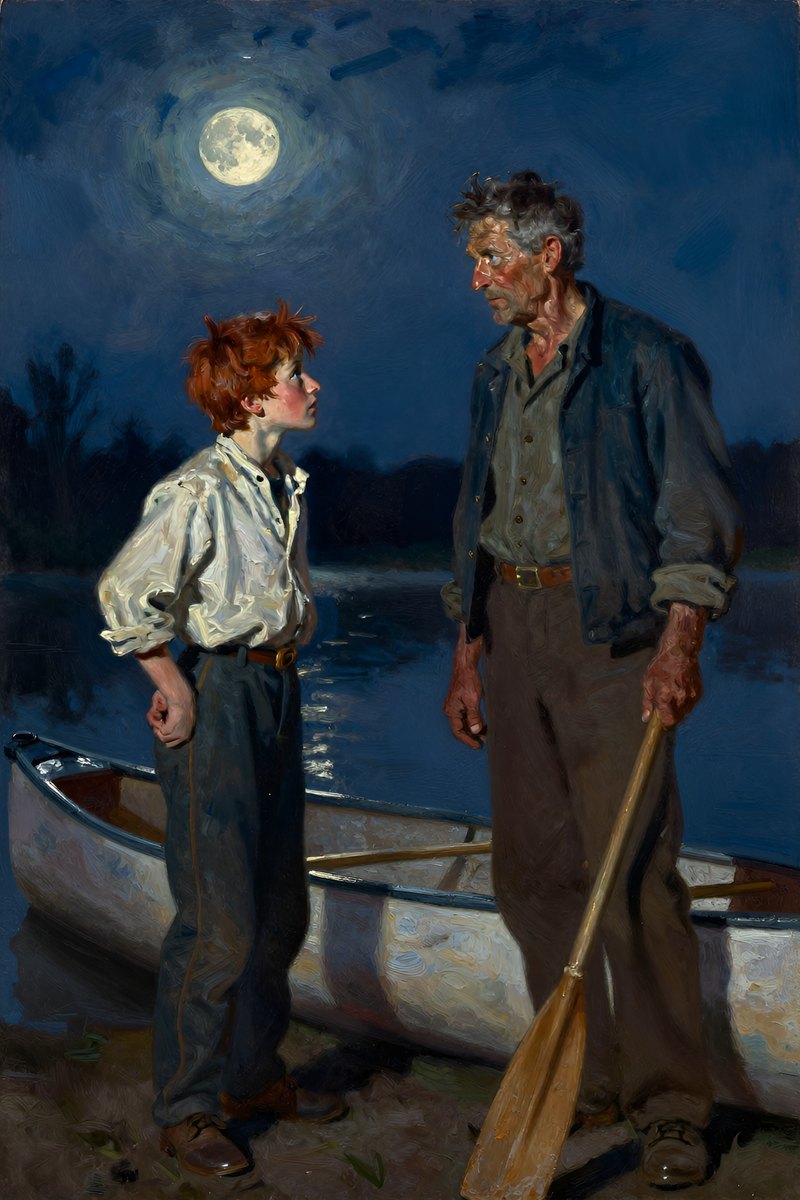
We stopped talking, and got to thinking. By-and-by Tom says:
“Looky here, Huck, what fools we are to not think of it before! I bet I know where Jim is.”
“No! Where?”
“In that hut down by the ash-hopper. Why, looky here. When we was at dinner, didn’t you see a nigger man go in there with some vittles?”
“Yes.”
“What did you think the vittles was for?”
“For a dog.”
“So’d I. Well, it wasn’t for a dog.”
“Why?”
“Because part of it was watermelon.”
“So it was—I noticed it. Well, it does beat all that I never thought about a dog not eating watermelon. It shows how a body can see and don’t see at the same time.”
“Well, the nigger unlocked the padlock when he went in, and he locked it again when he came out. He fetched uncle a key about the time we got up from table—same key, I bet. Watermelon shows man, lock shows prisoner; and it ain’t likely there’s two prisoners on such a little plantation, and where the people’s all so kind and good. Jim’s the prisoner. All right—I’m glad we found it out detective fashion; I wouldn’t give shucks for any other way. Now you work your mind, and study out a plan to steal Jim, and I will study out one, too; and we’ll take the one we like the best.”
What a head for just a boy to have! If I had Tom Sawyer’s head I wouldn’t trade it off to be a duke, nor mate of a steamboat, nor clown in a circus, nor nothing I can think of. I went to thinking out a plan, but only just to be doing something; I knowed very well where the right plan was going to come from. Pretty soon Tom says:
“Ready?”
“Yes,” I says.
“All right—bring it out.”
“My plan is this,” I says. “We can easy find out if it’s Jim in there.
Then get up my canoe to-morrow night, and fetch my raft over from the island. Then the first dark night that comes steal the key out of the old man’s britches after he goes to bed, and shove off down the river on the raft with Jim, hiding daytimes and running nights, the way me and Jim used to do before. Wouldn’t that plan work?”
“Work? Why, cert’nly it would work, like rats a-fighting. But it’s too blame’ simple; there ain’t nothing to it. What’s the good of a plan that ain’t no more trouble than that? It’s as mild as goose-milk.
Why, Huck, it wouldn’t make no more talk than breaking into a soap factory.”
I never said nothing, because I warn’t expecting nothing different; but I knowed mighty well that whenever he got his plan ready it wouldn’t have none of them objections to it.
And it didn’t. He told me what it was, and I see in a minute it was worth fifteen of mine for style, and would make Jim just as free a man as mine would, and maybe get us all killed besides. So I was satisfied, and said we would waltz in on it. I needn’t tell what it was here, because I knowed it wouldn’t stay the way, it was. I knowed he would be changing it around every which way as we went along, and heaving in new bullinesses wherever he got a chance. And that is what he done.
Well, one thing was dead sure, and that was that Tom Sawyer was in earnest, and was actuly going to help steal that nigger out of slavery.
That was the thing that was too many for me. Here was a boy that was respectable and well brung up; and had a character to lose; and folks at home that had characters; and he was bright and not leather-headed; and knowing and not ignorant; and not mean, but kind; and yet here he was, without any more pride, or rightness, or feeling, than to stoop to this business, and make himself a shame, and his family a shame, before everybody. I couldn’t understand it no way at all. It was outrageous, and I knowed I ought to just up and tell him so; and so be his true friend, and let him quit the thing right where he was and save himself.
And I did start to tell him; but he shut me up, and says:
“Don’t you reckon I know what I’m about? Don’t I generly know what I’m about?”
“Yes.”
“Didn’t I say I was going to help steal the nigger?”
“Yes.”
“Well, then.”
That’s all he said, and that’s all I said. It warn’t no use to say any more; because when he said he’d do a thing, he always done it. But I couldn’t make out how he was willing to go into this thing; so I just let it go, and never bothered no more about it. If he was bound to have it so, I couldn’t help it.
When we got home the house was all dark and still; so we went on down to the hut by the ash-hopper for to examine it. We went through the yard so as to see what the hounds would do. They knowed us, and didn’t make no more noise than country dogs is always doing when anything comes by in the night. When we got to the cabin we took a look at the front and the two sides; and on the side I warn’t acquainted with—which was the north side—we found a square window-hole, up tolerable high, with just one stout board nailed across it. I says:
“Here’s the ticket. This hole’s big enough for Jim to get through if we wrench off the board.”
Tom says:
“It’s as simple as tit-tat-toe, three-in-a-row, and as easy as playing hooky. I should hope we can find a way that’s a little more complicated than that, Huck Finn.”
“Well, then,” I says, “how’ll it do to saw him out, the way I done before I was murdered that time?”
“That’s more like,” he says. “It’s real mysterious, and troublesome, and good,” he says; “but I bet we can find a way that’s twice as long.
There ain’t no hurry; le’s keep on looking around.”
Betwixt the hut and the fence, on the back side, was a lean-to that joined the hut at the eaves, and was made out of plank. It was as long as the hut, but narrow—only about six foot wide. The door to it was at the south end, and was padlocked. Tom he went to the soap-kettle and searched around, and fetched back the iron thing they lift the lid with; so he took it and prized out one of the staples. The chain fell down, and we opened the door and went in, and shut it, and struck a match, and see the shed was only built against a cabin and hadn’t no connection with it; and there warn’t no floor to the shed, nor nothing in it but some old rusty played-out hoes and spades and picks and a crippled plow. The match went out, and so did we, and shoved in the staple again, and the door was locked as good as ever. Tom was joyful.
He says; “Now we’re all right. We’ll dig him out. It’ll take about a week!”
Then we started for the house, and I went in the back door—you only have to pull a buckskin latch-string, they don’t fasten the doors—but that warn’t romantical enough for Tom Sawyer; no way would do him but he must climb up the lightning-rod. But after he got up half way about three times, and missed fire and fell every time, and the last time most busted his brains out, he thought he’d got to give it up; but after he was rested he allowed he would give her one more turn for luck, and this time he made the trip.
In the morning we was up at break of day, and down to the nigger cabins to pet the dogs and make friends with the nigger that fed Jim—if it was Jim that was being fed. The niggers was just getting through breakfast and starting for the fields; and Jim’s nigger was piling up a tin pan with bread and meat and things; and whilst the others was leaving, the key come from the house.
This nigger had a good-natured, chuckle-headed face, and his wool was all tied up in little bunches with thread. That was to keep witches off. He said the witches was pestering him awful these nights, and making him see all kinds of strange things, and hear all kinds of strange words and noises, and he didn’t believe he was ever witched so long before in his life. He got so worked up, and got to running on so about his troubles, he forgot all about what he’d been a-going to do.
So Tom says:
“What’s the vittles for? Going to feed the dogs?”
The nigger kind of smiled around gradually over his face, like when you heave a brickbat in a mud-puddle, and he says:
“Yes, Mars Sid, a dog. Cur’us dog, too. Does you want to go en look at ’im?”
“Yes.”
I hunched Tom, and whispers:
“You going, right here in the daybreak? That warn’t the plan.”
“No, it warn’t; but it’s the plan now.”
So, drat him, we went along, but I didn’t like it much. When we got in we couldn’t hardly see anything, it was so dark; but Jim was there, sure enough, and could see us; and he sings out:
“Why, Huck! En good lan’! ain’ dat Misto Tom?”
I just knowed how it would be; I just expected it. I didn’t know nothing to do; and if I had I couldn’t a done it, because that nigger busted in and says:
“Why, de gracious sakes! do he know you genlmen?”
We could see pretty well now. Tom he looked at the nigger, steady and kind of wondering, and says:
“Does who know us?”
“Why, dis-yer runaway nigger.”
“I don’t reckon he does; but what put that into your head?”
“What put it dar? Didn’ he jis’ dis minute sing out like he knowed you?”
Tom says, in a puzzled-up kind of way:
“Well, that’s mighty curious. Who sung out? When did he sing out?
what did he sing out?” And turns to me, perfectly ca’m, and says, “Did you hear anybody sing out?”
Of course there warn’t nothing to be said but the one thing; so I says:
“No; I ain’t heard nobody say nothing.”
Then he turns to Jim, and looks him over like he never see him before, and says:
“Did you sing out?”
“No, sah,” says Jim; “I hain’t said nothing, sah.”
“Not a word?”
“No, sah, I hain’t said a word.”
“Did you ever see us before?”
“No, sah; not as I knows on.”
So Tom turns to the nigger, which was looking wild and distressed, and says, kind of severe:
“What do you reckon’s the matter with you, anyway? What made you think somebody sung out?”
“Oh, it’s de dad-blame’ witches, sah, en I wisht I was dead, I do.
Dey’s awluz at it, sah, en dey do mos’ kill me, dey sk’yers me so.
Please to don’t tell nobody ’bout it sah, er ole Mars Silas he’ll scole me; ’kase he say dey ain’t no witches. I jis’ wish to goodness he was heah now—den what would he say! I jis’ bet he couldn’ fine no way to git aroun’ it dis time. But it’s awluz jis’ so; people dat’s sot, stays sot; dey won’t look into noth’n’en fine it out f’r deyselves, en when you fine it out en tell um ’bout it, dey doan’ b’lieve you.”
Tom give him a dime, and said we wouldn’t tell nobody; and told him to buy some more thread to tie up his wool with; and then looks at Jim, and says:
“I wonder if Uncle Silas is going to hang this nigger. If I was to catch a nigger that was ungrateful enough to run away, I wouldn’t give him up, I’d hang him.” And whilst the nigger stepped to the door to look at the dime and bite it to see if it was good, he whispers to Jim and says:
“Don’t ever let on to know us. And if you hear any digging going on nights, it’s us; we’re going to set you free.”
Jim only had time to grab us by the hand and squeeze it; then the nigger come back, and we said we’d come again some time if the nigger wanted us to; and he said he would, more particular if it was dark, because the witches went for him mostly in the dark, and it was good to have folks around then.
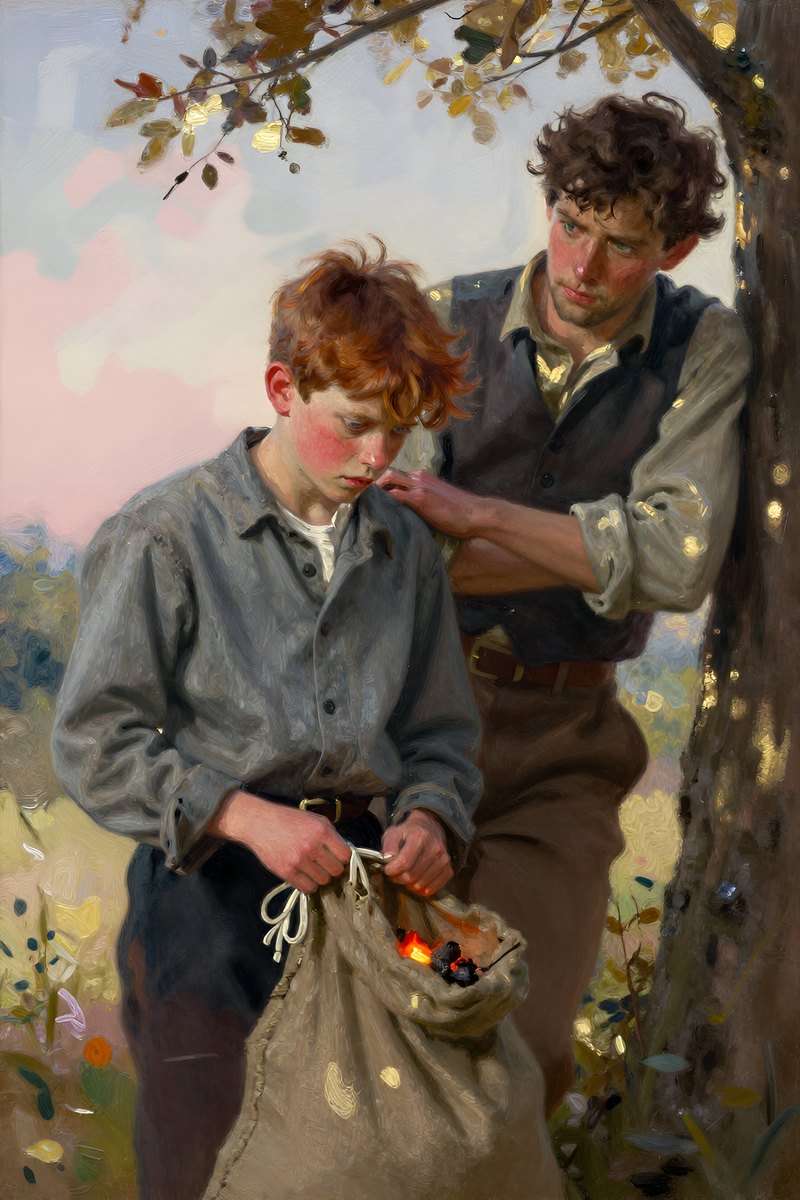
It would be most an hour yet till breakfast, so we left and struck down into the woods; because Tom said we got to have some light to see how to dig by, and a lantern makes too much, and might get us into trouble; what we must have was a lot of them rotten chunks that’s called fox-fire, and just makes a soft kind of a glow when you lay them in a dark place. We fetched an armful and hid it in the weeds, and set down to rest, and Tom says, kind of dissatisfied:
“Blame it, this whole thing is just as easy and awkward as it can be.
And so it makes it so rotten difficult to get up a difficult plan.
There ain’t no watchman to be drugged—now there ought to be a watchman. There ain’t even a dog to give a sleeping-mixture to. And there’s Jim chained by one leg, with a ten-foot chain, to the leg of his bed: why, all you got to do is to lift up the bedstead and slip off the chain. And Uncle Silas he trusts everybody; sends the key to the punkin-headed nigger, and don’t send nobody to watch the nigger. Jim could a got out of that window-hole before this, only there wouldn’t be no use trying to travel with a ten-foot chain on his leg. Why, drat it, Huck, it’s the stupidest arrangement I ever see. You got to invent all the difficulties. Well, we can’t help it; we got to do the best we can with the materials we’ve got. Anyhow, there’s one thing—there’s more honor in getting him out through a lot of difficulties and dangers, where there warn’t one of them furnished to you by the people who it was their duty to furnish them, and you had to contrive them all out of your own head. Now look at just that one thing of the lantern.
When you come down to the cold facts, we simply got to let on that a lantern’s resky. Why, we could work with a torchlight procession if we wanted to, I believe. Now, whilst I think of it, we got to hunt up something to make a saw out of the first chance we get.”
“What do we want of a saw?”
“What do we want of it? Hain’t we got to saw the leg of Jim’s bed off, so as to get the chain loose?”
“Why, you just said a body could lift up the bedstead and slip the chain off.”
“Well, if that ain’t just like you, Huck Finn. You can get up the infant-schooliest ways of going at a thing. Why, hain’t you ever read any books at all?—Baron Trenck, nor Casanova, nor Benvenuto Chelleeny, nor Henri IV., nor none of them heroes? Who ever heard of getting a prisoner loose in such an old-maidy way as that? No; the way all the best authorities does is to saw the bed-leg in two, and leave it just so, and swallow the sawdust, so it can’t be found, and put some dirt and grease around the sawed place so the very keenest seneskal can’t see no sign of it’s being sawed, and thinks the bed-leg is perfectly sound. Then, the night you’re ready, fetch the leg a kick, down she goes; slip off your chain, and there you are. Nothing to do but hitch your rope ladder to the battlements, shin down it, break your leg in the moat—because a rope ladder is nineteen foot too short, you know—and there’s your horses and your trusty vassles, and they scoop you up and fling you across a saddle, and away you go to your native Langudoc, or Navarre, or wherever it is. It’s gaudy, Huck. I wish there was a moat to this cabin. If we get time, the night of the escape, we’ll dig one.”
I says:
“What do we want of a moat when we’re going to snake him out from under the cabin?”
But he never heard me. He had forgot me and everything else. He had his chin in his hand, thinking. Pretty soon he sighs and shakes his head; then sighs again, and says:
“No, it wouldn’t do—there ain’t necessity enough for it.”
“For what?” I says.
“Why, to saw Jim’s leg off,” he says.
“Good land!” I says; “why, there ain’t no necessity for it. And what would you want to saw his leg off for, anyway?”
“Well, some of the best authorities has done it. They couldn’t get the chain off, so they just cut their hand off and shoved. And a leg would be better still. But we got to let that go. There ain’t necessity enough in this case; and, besides, Jim’s a nigger, and wouldn’t understand the reasons for it, and how it’s the custom in Europe; so we’ll let it go. But there’s one thing—he can have a rope ladder; we can tear up our sheets and make him a rope ladder easy enough. And we can send it to him in a pie; it’s mostly done that way. And I’ve et worse pies.”
“Why, Tom Sawyer, how you talk,” I says; “Jim ain’t got no use for a rope ladder.”
“He has got use for it. How you talk, you better say; you don’t know nothing about it. He’s got to have a rope ladder; they all do.”
“What in the nation can he do with it?”
“Do with it? He can hide it in his bed, can’t he? That’s what they all do; and he’s got to, too. Huck, you don’t ever seem to want to do anything that’s regular; you want to be starting something fresh all the time. S’pose he don’t do nothing with it? ain’t it there in his bed, for a clew, after he’s gone? and don’t you reckon they’ll want clews? Of course they will. And you wouldn’t leave them any? That would be a pretty howdy-do, wouldn’t it! I never heard of such a thing.”
“Well,” I says, “if it’s in the regulations, and he’s got to have it, all right, let him have it; because I don’t wish to go back on no regulations; but there’s one thing, Tom Sawyer—if we go to tearing up our sheets to make Jim a rope ladder, we’re going to get into trouble with Aunt Sally, just as sure as you’re born. Now, the way I look at it, a hickry-bark ladder don’t cost nothing, and don’t waste nothing, and is just as good to load up a pie with, and hide in a straw tick, as any rag ladder you can start; and as for Jim, he ain’t had no experience, and so he don’t care what kind of a—”
“Oh, shucks, Huck Finn, if I was as ignorant as you I’d keep still—that’s what I’d do. Who ever heard of a state prisoner escaping by a hickry-bark ladder? Why, it’s perfectly ridiculous.”
“Well, all right, Tom, fix it your own way; but if you’ll take my advice, you’ll let me borrow a sheet off of the clothesline.”
He said that would do. And that gave him another idea, and he says:
“Borrow a shirt, too.”
“What do we want of a shirt, Tom?”
“Want it for Jim to keep a journal on.”
“Journal your granny—Jim can’t write.”
“S’pose he can’t write—he can make marks on the shirt, can’t he, if we make him a pen out of an old pewter spoon or a piece of an old iron barrel-hoop?”
“Why, Tom, we can pull a feather out of a goose and make him a better one; and quicker, too.”
“Prisoners don’t have geese running around the donjon-keep to pull pens out of, you muggins. They always make their pens out of the hardest, toughest, troublesomest piece of old brass candlestick or something like that they can get their hands on; and it takes them weeks and weeks and months and months to file it out, too, because they’ve got to do it by rubbing it on the wall. They wouldn’t use a goose-quill if they had it. It ain’t regular.”
“Well, then, what’ll we make him the ink out of?”
“Many makes it out of iron-rust and tears; but that’s the common sort and women; the best authorities uses their own blood. Jim can do that; and when he wants to send any little common ordinary mysterious message to let the world know where he’s captivated, he can write it on the bottom of a tin plate with a fork and throw it out of the window. The Iron Mask always done that, and it’s a blame’ good way, too.”
“Jim ain’t got no tin plates. They feed him in a pan.”
“That ain’t nothing; we can get him some.”
“Can’t nobody read his plates.”
“That ain’t got anything to do with it, Huck Finn. All he’s got to do is to write on the plate and throw it out. You don’t have to be able to read it. Why, half the time you can’t read anything a prisoner writes on a tin plate, or anywhere else.”
“Well, then, what’s the sense in wasting the plates?”
“Why, blame it all, it ain’t the prisoner’s plates.”
“But it’s somebody’s plates, ain’t it?”
“Well, spos’n it is? What does the prisoner care whose—”
He broke off there, because we heard the breakfast-horn blowing. So we cleared out for the house.
Along during the morning I borrowed a sheet and a white shirt off of the clothes-line; and I found an old sack and put them in it, and we went down and got the fox-fire, and put that in too. I called it borrowing, because that was what pap always called it; but Tom said it warn’t borrowing, it was stealing. He said we was representing prisoners; and prisoners don’t care how they get a thing so they get it, and nobody don’t blame them for it, either. It ain’t no crime in a prisoner to steal the thing he needs to get away with, Tom said; it’s his right; and so, as long as we was representing a prisoner, we had a perfect right to steal anything on this place we had the least use for to get ourselves out of prison with. He said if we warn’t prisoners it would be a very different thing, and nobody but a mean, ornery person would steal when he warn’t a prisoner. So we allowed we would steal everything there was that come handy. And yet he made a mighty fuss, one day, after that, when I stole a watermelon out of the nigger-patch and eat it; and he made me go and give the niggers a dime without telling them what it was for. Tom said that what he meant was, we could steal anything we needed. Well, I says, I needed the watermelon. But he said I didn’t need it to get out of prison with; there’s where the difference was. He said if I’d a wanted it to hide a knife in, and smuggle it to Jim to kill the seneskal with, it would a been all right.
So I let it go at that, though I couldn’t see no advantage in my representing a prisoner if I got to set down and chaw over a lot of gold-leaf distinctions like that every time I see a chance to hog a watermelon.
Well, as I was saying, we waited that morning till everybody was settled down to business, and nobody in sight around the yard; then Tom he carried the sack into the lean-to whilst I stood off a piece to keep watch. By-and-by he come out, and we went and set down on the woodpile to talk. He says:
“Everything’s all right now except tools; and that’s easy fixed.”
“Tools?” I says.
“Yes.”
“Tools for what?”
“Why, to dig with. We ain’t a-going to gnaw him out, are we?”
“Ain’t them old crippled picks and things in there good enough to dig a nigger out with?” I says.
He turns on me, looking pitying enough to make a body cry, and says:
“Huck Finn, did you ever hear of a prisoner having picks and shovels, and all the modern conveniences in his wardrobe to dig himself out with? Now I want to ask you—if you got any reasonableness in you at all—what kind of a show would that give him to be a hero? Why, they might as well lend him the key and done with it. Picks and shovels—why, they wouldn’t furnish ’em to a king.”
“Well, then,” I says, “if we don’t want the picks and shovels, what do we want?”
“A couple of case-knives.”
“To dig the foundations out from under that cabin with?”
“Yes.”
“Confound it, it’s foolish, Tom.”
“It don’t make no difference how foolish it is, it’s the right way—and it’s the regular way. And there ain’t no other way, that ever I heard of, and I’ve read all the books that gives any information about these things. They always dig out with a case-knife—and not through dirt, mind you; generly it’s through solid rock. And it takes them weeks and weeks and weeks, and for ever and ever. Why, look at one of them prisoners in the bottom dungeon of the Castle Deef, in the harbor of Marseilles, that dug himself out that way; how long was he at it, you reckon?”
“I don’t know.”
“Well, guess.”
“I don’t know. A month and a half.”
“Thirty-seven year—and he come out in China. That’s the kind. I wish the bottom of this fortress was solid rock.”
“Jim don’t know nobody in China.”
“What’s that got to do with it? Neither did that other fellow. But you’re always a-wandering off on a side issue. Why can’t you stick to the main point?”
“All right—I don’t care where he comes out, so he comes out; and Jim don’t, either, I reckon. But there’s one thing, anyway—Jim’s too old to be dug out with a case-knife. He won’t last.”
“Yes he will last, too. You don’t reckon it’s going to take thirty-seven years to dig out through a dirt foundation, do you?”
“How long will it take, Tom?”
“Well, we can’t resk being as long as we ought to, because it mayn’t take very long for Uncle Silas to hear from down there by New Orleans.
He’ll hear Jim ain’t from there. Then his next move will be to advertise Jim, or something like that. So we can’t resk being as long digging him out as we ought to. By rights I reckon we ought to be a couple of years; but we can’t. Things being so uncertain, what I recommend is this: that we really dig right in, as quick as we can; and after that, we can let on, to ourselves, that we was at it thirty-seven years. Then we can snatch him out and rush him away the first time there’s an alarm. Yes, I reckon that’ll be the best way.”
“Now, there’s sense in that,” I says. “Letting on don’t cost nothing; letting on ain’t no trouble; and if it’s any object, I don’t mind letting on we was at it a hundred and fifty year. It wouldn’t strain me none, after I got my hand in. So I’ll mosey along now, and smouch a couple of case-knives.”
“Smouch three,” he says; “we want one to make a saw out of.”
“Tom, if it ain’t unregular and irreligious to sejest it,” I says, “there’s an old rusty saw-blade around yonder sticking under the weather-boarding behind the smoke-house.”
He looked kind of weary and discouraged-like, and says:
“It ain’t no use to try to learn you nothing, Huck. Run along and smouch the knives—three of them.” So I done it.
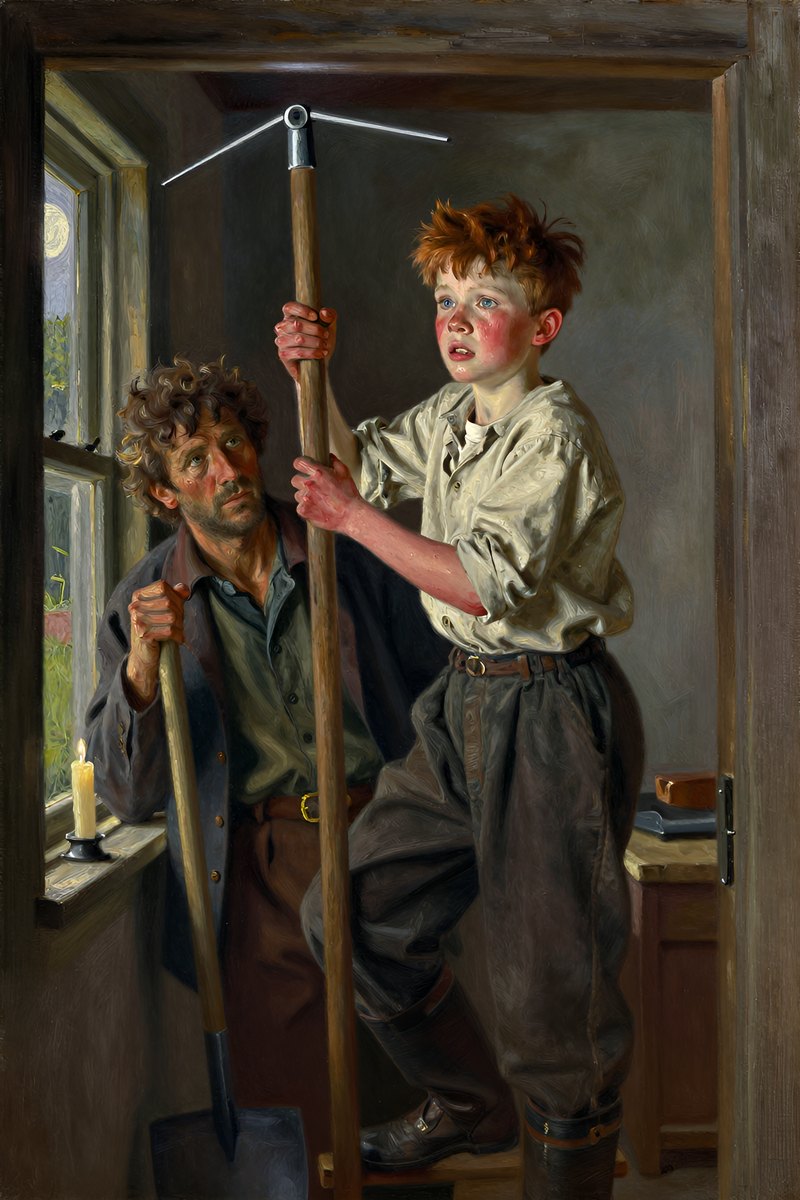
As soon as we reckoned everybody was asleep that night we went down the lightning-rod, and shut ourselves up in the lean-to, and got out our pile of fox-fire, and went to work. We cleared everything out of the way, about four or five foot along the middle of the bottom log. Tom said he was right behind Jim’s bed now, and we’d dig in under it, and when we got through there couldn’t nobody in the cabin ever know there was any hole there, because Jim’s counter-pin hung down most to the ground, and you’d have to raise it up and look under to see the hole.
So we dug and dug with the case-knives till most midnight; and then we was dog-tired, and our hands was blistered, and yet you couldn’t see we’d done anything hardly. At last I says:
“This ain’t no thirty-seven year job; this is a thirty-eight year job, Tom Sawyer.”
He never said nothing. But he sighed, and pretty soon he stopped digging, and then for a good little while I knowed that he was thinking. Then he says:
“It ain’t no use, Huck, it ain’t a-going to work. If we was prisoners it would, because then we’d have as many years as we wanted, and no hurry; and we wouldn’t get but a few minutes to dig, every day, while they was changing watches, and so our hands wouldn’t get blistered, and we could keep it up right along, year in and year out, and do it right, and the way it ought to be done. But we can’t fool along; we got to rush; we ain’t got no time to spare. If we was to put in another night this way we’d have to knock off for a week to let our hands get well—couldn’t touch a case-knife with them sooner.”
“Well, then, what we going to do, Tom?”
“I’ll tell you. It ain’t right, and it ain’t moral, and I wouldn’t like it to get out; but there ain’t only just the one way: we got to dig him out with the picks, and let on it’s case-knives.”
“Now you’re talking!” I says; “your head gets leveler and leveler all the time, Tom Sawyer,” I says. “Picks is the thing, moral or no moral; and as for me, I don’t care shucks for the morality of it, nohow. When I start in to steal a nigger, or a watermelon, or a Sunday-school book, I ain’t no ways particular how it’s done so it’s done. What I want is my nigger; or what I want is my watermelon; or what I want is my Sunday-school book; and if a pick’s the handiest thing, that’s the thing I’m a-going to dig that nigger or that watermelon or that Sunday-school book out with; and I don’t give a dead rat what the authorities thinks about it nuther.”
“Well,” he says, “there’s excuse for picks and letting-on in a case like this; if it warn’t so, I wouldn’t approve of it, nor I wouldn’t stand by and see the rules broke—because right is right, and wrong is wrong, and a body ain’t got no business doing wrong when he ain’t ignorant and knows better. It might answer for you to dig Jim out with a pick, without any letting on, because you don’t know no better; but it wouldn’t for me, because I do know better. Gimme a case-knife.”
He had his own by him, but I handed him mine. He flung it down, and says:
“Gimme a case-knife.”
I didn’t know just what to do—but then I thought. I scratched around amongst the old tools, and got a pickaxe and give it to him, and he took it and went to work, and never said a word.
He was always just that particular. Full of principle.
So then I got a shovel, and then we picked and shoveled, turn about, and made the fur fly. We stuck to it about a half an hour, which was as long as we could stand up; but we had a good deal of a hole to show for it. When I got up stairs I looked out at the window and see Tom doing his level best with the lightning-rod, but he couldn’t come it, his hands was so sore. At last he says:
“It ain’t no use, it can’t be done. What you reckon I better do? Can’t you think of no way?”
“Yes,” I says, “but I reckon it ain’t regular. Come up the stairs, and let on it’s a lightning-rod.”
So he done it.
Next day Tom stole a pewter spoon and a brass candlestick in the house, for to make some pens for Jim out of, and six tallow candles; and I hung around the nigger cabins and laid for a chance, and stole three tin plates. Tom says it wasn’t enough; but I said nobody wouldn’t ever see the plates that Jim throwed out, because they’d fall in the dog-fennel and jimpson weeds under the window-hole—then we could tote them back and he could use them over again. So Tom was satisfied. Then he says:
“Now, the thing to study out is, how to get the things to Jim.”
“Take them in through the hole,” I says, “when we get it done.”
He only just looked scornful, and said something about nobody ever heard of such an idiotic idea, and then he went to studying. By-and-by he said he had ciphered out two or three ways, but there warn’t no need to decide on any of them yet. Said we’d got to post Jim first.
That night we went down the lightning-rod a little after ten, and took one of the candles along, and listened under the window-hole, and heard Jim snoring; so we pitched it in, and it didn’t wake him. Then we whirled in with the pick and shovel, and in about two hours and a half the job was done. We crept in under Jim’s bed and into the cabin, and pawed around and found the candle and lit it, and stood over Jim awhile, and found him looking hearty and healthy, and then we woke him up gentle and gradual. He was so glad to see us he most cried; and called us honey, and all the pet names he could think of; and was for having us hunt up a cold-chisel to cut the chain off of his leg with right away, and clearing out without losing any time. But Tom he showed him how unregular it would be, and set down and told him all about our plans, and how we could alter them in a minute any time there was an alarm; and not to be the least afraid, because we would see he got away, sure. So Jim he said it was all right, and we set there and talked over old times awhile, and then Tom asked a lot of questions, and when Jim told him Uncle Silas come in every day or two to pray with him, and Aunt Sally come in to see if he was comfortable and had plenty to eat, and both of them was kind as they could be, Tom says:
“Now I know how to fix it. We’ll send you some things by them.”
I said, “Don’t do nothing of the kind; it’s one of the most jackass ideas I ever struck;” but he never paid no attention to me; went right on. It was his way when he’d got his plans set.
So he told Jim how we’d have to smuggle in the rope-ladder pie and other large things by Nat, the nigger that fed him, and he must be on the lookout, and not be surprised, and not let Nat see him open them; and we would put small things in uncle’s coat-pockets and he must steal them out; and we would tie things to aunt’s apron-strings or put them in her apron-pocket, if we got a chance; and told him what they would be and what they was for. And told him how to keep a journal on the shirt with his blood, and all that. He told him everything. Jim he couldn’t see no sense in the most of it, but he allowed we was white folks and knowed better than him; so he was satisfied, and said he would do it all just as Tom said.
Jim had plenty corn-cob pipes and tobacco; so we had a right down good sociable time; then we crawled out through the hole, and so home to bed, with hands that looked like they’d been chawed. Tom was in high spirits. He said it was the best fun he ever had in his life, and the most intellectural; and said if he only could see his way to it we would keep it up all the rest of our lives and leave Jim to our children to get out; for he believed Jim would come to like it better and better the more he got used to it. He said that in that way it could be strung out to as much as eighty year, and would be the best time on record. And he said it would make us all celebrated that had a hand in it.
In the morning we went out to the woodpile and chopped up the brass candlestick into handy sizes, and Tom put them and the pewter spoon in his pocket. Then we went to the nigger cabins, and while I got Nat’s notice off, Tom shoved a piece of candlestick into the middle of a corn-pone that was in Jim’s pan, and we went along with Nat to see how it would work, and it just worked noble; when Jim bit into it it most mashed all his teeth out; and there warn’t ever anything could a worked better. Tom said so himself. Jim he never let on but what it was only just a piece of rock or something like that that’s always getting into bread, you know; but after that he never bit into nothing but what he jabbed his fork into it in three or four places first.
And whilst we was a-standing there in the dimmish light, here comes a couple of the hounds bulging in from under Jim’s bed; and they kept on piling in till there was eleven of them, and there warn’t hardly room in there to get your breath. By jings, we forgot to fasten that lean-to door! The nigger Nat he only just hollered “Witches” once, and keeled over on to the floor amongst the dogs, and begun to groan like he was dying. Tom jerked the door open and flung out a slab of Jim’s meat, and the dogs went for it, and in two seconds he was out himself and back again and shut the door, and I knowed he’d fixed the other door too.
Then he went to work on the nigger, coaxing him and petting him, and asking him if he’d been imagining he saw something again. He raised up, and blinked his eyes around, and says:
“Mars Sid, you’ll say I’s a fool, but if I didn’t b’lieve I see most a million dogs, er devils, er some’n, I wisht I may die right heah in dese tracks. I did, mos’ sholy. Mars Sid, I felt um—I felt um, sah; dey was all over me. Dad fetch it, I jis’ wisht I could git my han’s on one er dem witches jis’ wunst—on’y jis’ wunst—it’s all I’d ast. But mos’ly I wisht dey’d lemme ’lone, I does.”
Tom says:
“Well, I tell you what I think. What makes them come here just at this runaway nigger’s breakfast-time? It’s because they’re hungry; that’s the reason. You make them a witch pie; that’s the thing for you to do.”
“But my lan’, Mars Sid, how’s I gwyne to make ’m a witch pie? I doan’
know how to make it. I hain’t ever hearn er sich a thing b’fo’.”
“Well, then, I’ll have to make it myself.”
“Will you do it, honey?—will you? I’ll wusshup de groun’ und’ yo’ foot, I will!”
“All right, I’ll do it, seeing it’s you, and you’ve been good to us and showed us the runaway nigger. But you got to be mighty careful. When we come around, you turn your back; and then whatever we’ve put in the pan, don’t you let on you see it at all. And don’t you look when Jim unloads the pan—something might happen, I don’t know what. And above all, don’t you handle the witch-things.”
“Hannel ’m, Mars Sid? What is you a-talkin’ ’bout? I wouldn’ lay de weight er my finger on um, not f’r ten hund’d thous’n billion dollars, I wouldn’t.”
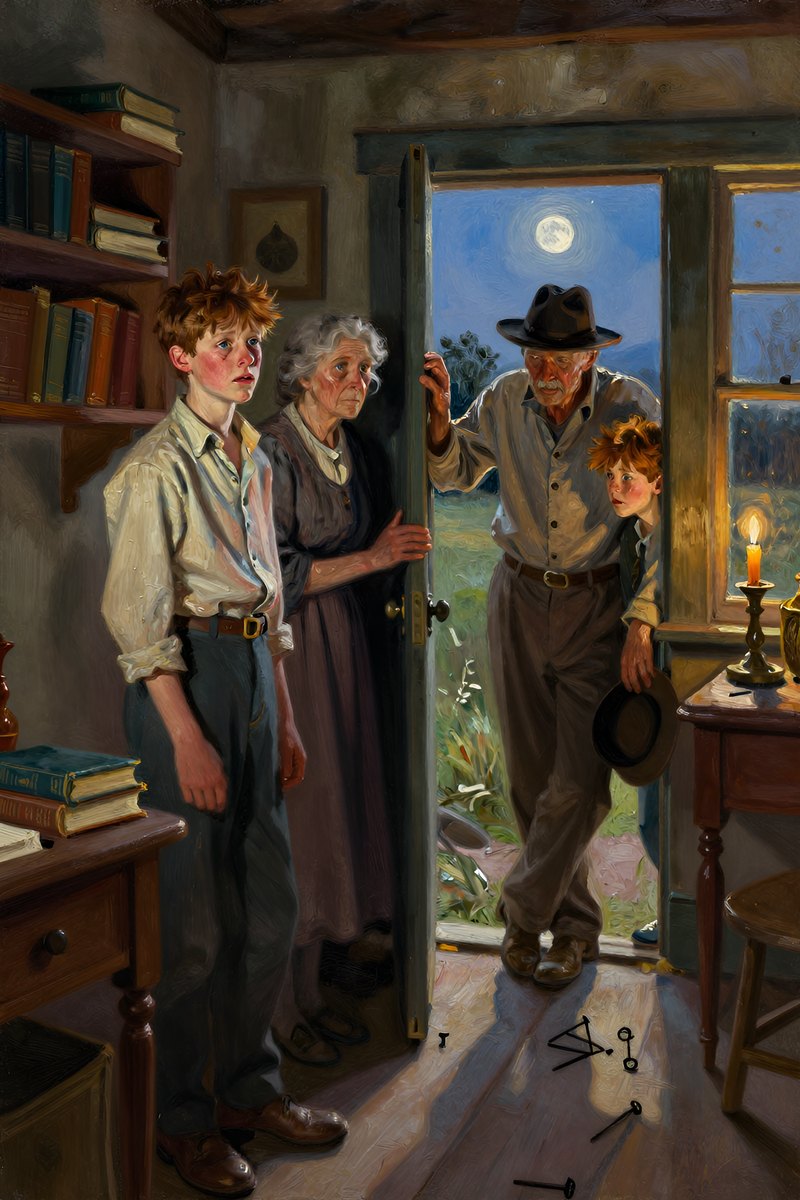
That was all fixed. So then we went away and went to the rubbage-pile in the back yard, where they keep the old boots, and rags, and pieces of bottles, and wore-out tin things, and all such truck, and scratched around and found an old tin washpan, and stopped up the holes as well as we could, to bake the pie in, and took it down cellar and stole it full of flour and started for breakfast, and found a couple of shingle-nails that Tom said would be handy for a prisoner to scrabble his name and sorrows on the dungeon walls with, and dropped one of them in Aunt Sally’s apron-pocket which was hanging on a chair, and t’other we stuck in the band of Uncle Silas’s hat, which was on the bureau, because we heard the children say their pa and ma was going to the runaway nigger’s house this morning, and then went to breakfast, and Tom dropped the pewter spoon in Uncle Silas’s coat-pocket, and Aunt Sally wasn’t come yet, so we had to wait a little while.
And when she come she was hot and red and cross, and couldn’t hardly wait for the blessing; and then she went to sluicing out coffee with one hand and cracking the handiest child’s head with her thimble with the other, and says:
“I’ve hunted high and I’ve hunted low, and it does beat all what has become of your other shirt.”
My heart fell down amongst my lungs and livers and things, and a hard piece of corn-crust started down my throat after it and got met on the road with a cough, and was shot across the table, and took one of the children in the eye and curled him up like a fishing-worm, and let a cry out of him the size of a warwhoop, and Tom he turned kinder blue around the gills, and it all amounted to a considerable state of things for about a quarter of a minute or as much as that, and I would a sold out for half price if there was a bidder. But after that we was all right again—it was the sudden surprise of it that knocked us so kind of cold. Uncle Silas he says:
“It’s most uncommon curious, I can’t understand it. I know perfectly well I took it off, because—”
“Because you hain’t got but one on. Just listen at the man! I know you took it off, and know it by a better way than your wool-gethering memory, too, because it was on the clo’s-line yesterday—I see it there myself. But it’s gone, that’s the long and the short of it, and you’ll just have to change to a red flann’l one till I can get time to make a new one. And it’ll be the third I’ve made in two years. It just keeps a body on the jump to keep you in shirts; and whatever you do manage to do with ’m all is more’n I can make out.
A body ’d think you would learn to take some sort of care of ’em at your time of life.”
“I know it, Sally, and I do try all I can. But it oughtn’t to be altogether my fault, because, you know, I don’t see them nor have nothing to do with them except when they’re on me; and I don’t believe I’ve ever lost one of them off of me.”
“Well, it ain’t your fault if you haven’t, Silas; you’d a done it if you could, I reckon. And the shirt ain’t all that’s gone, nuther.
Ther’s a spoon gone; and that ain’t all. There was ten, and now ther’s only nine. The calf got the shirt, I reckon, but the calf never took the spoon, that’s certain.”
“Why, what else is gone, Sally?”
“Ther’s six candles gone—that’s what. The rats could a got the candles, and I reckon they did; I wonder they don’t walk off with the whole place, the way you’re always going to stop their holes and don’t do it; and if they warn’t fools they’d sleep in your hair, Silas—you’d never find it out; but you can’t lay the spoon on the rats, and that I know.”
“Well, Sally, I’m in fault, and I acknowledge it; I’ve been remiss; but I won’t let to-morrow go by without stopping up them holes.”
“Oh, I wouldn’t hurry; next year’ll do. Matilda Angelina Araminta Phelps!”
Whack comes the thimble, and the child snatches her claws out of the sugar-bowl without fooling around any. Just then the nigger woman steps on to the passage, and says:
“Missus, dey’s a sheet gone.”
“A sheet gone! Well, for the land’s sake!”
“I’ll stop up them holes to-day,” says Uncle Silas, looking sorrowful.
“Oh, do shet up!—s’pose the rats took the sheet? Where’s it gone, Lize?”
“Clah to goodness I hain’t no notion, Miss’ Sally. She wuz on de clo’sline yistiddy, but she done gone: she ain’ dah no mo’ now.”
“I reckon the world is coming to an end. I never see the beat of it in all my born days. A shirt, and a sheet, and a spoon, and six can—”
“Missus,” comes a young yaller wench, “dey’s a brass cannelstick miss’n.”
“Cler out from here, you hussy, er I’ll take a skillet to ye!”
Well, she was just a-biling. I begun to lay for a chance; I reckoned I would sneak out and go for the woods till the weather moderated. She kept a-raging right along, running her insurrection all by herself, and everybody else mighty meek and quiet; and at last Uncle Silas, looking kind of foolish, fishes up that spoon out of his pocket. She stopped, with her mouth open and her hands up; and as for me, I wished I was in Jeruslem or somewheres. But not long, because she says:
“It’s just as I expected. So you had it in your pocket all the time; and like as not you’ve got the other things there, too. How’d it get there?”
“I reely don’t know, Sally,” he says, kind of apologizing, “or you know I would tell. I was a-studying over my text in Acts Seventeen before breakfast, and I reckon I put it in there, not noticing, meaning to put my Testament in, and it must be so, because my Testament ain’t in; but I’ll go and see; and if the Testament is where I had it, I’ll know I didn’t put it in, and that will show that I laid the Testament down and took up the spoon, and—”
“Oh, for the land’s sake! Give a body a rest! Go ’long now, the whole kit and biling of ye; and don’t come nigh me again till I’ve got back my peace of mind.”
I’d a heard her if she’d a said it to herself, let alone speaking it out; and I’d a got up and obeyed her if I’d a been dead. As we was passing through the setting-room the old man he took up his hat, and the shingle-nail fell out on the floor, and he just merely picked it up and laid it on the mantel-shelf, and never said nothing, and went out.
Tom see him do it, and remembered about the spoon, and says:
“Well, it ain’t no use to send things by him no more, he ain’t reliable.” Then he says: “But he done us a good turn with the spoon, anyway, without knowing it, and so we’ll go and do him one without him knowing it—stop up his rat-holes.”
There was a noble good lot of them down cellar, and it took us a whole hour, but we done the job tight and good and shipshape. Then we heard steps on the stairs, and blowed out our light and hid; and here comes the old man, with a candle in one hand and a bundle of stuff in t’other, looking as absent-minded as year before last. He went a mooning around, first to one rat-hole and then another, till he’d been to them all. Then he stood about five minutes, picking tallow-drip off of his candle and thinking. Then he turns off slow and dreamy towards the stairs, saying:
“Well, for the life of me I can’t remember when I done it. I could show her now that I warn’t to blame on account of the rats. But never mind—let it go. I reckon it wouldn’t do no good.”
And so he went on a-mumbling up stairs, and then we left. He was a mighty nice old man. And always is.
Tom was a good deal bothered about what to do for a spoon, but he said we’d got to have it; so he took a think. When he had ciphered it out he told me how we was to do; then we went and waited around the spoon-basket till we see Aunt Sally coming, and then Tom went to counting the spoons and laying them out to one side, and I slid one of them up my sleeve, and Tom says:
“Why, Aunt Sally, there ain’t but nine spoons yet.”
She says:
“Go ’long to your play, and don’t bother me. I know better, I counted ’m myself.”
“Well, I’ve counted them twice, Aunty, and I can’t make but nine.”
She looked out of all patience, but of course she come to count—anybody would.
“I declare to gracious ther’ ain’t but nine!” she says. “Why, what in the world—plague take the things, I’ll count ’m again.”
So I slipped back the one I had, and when she got done counting, she says:
“Hang the troublesome rubbage, ther’s ten now!” and she looked huffy and bothered both. But Tom says:
“Why, Aunty, I don’t think there’s ten.”
“You numskull, didn’t you see me count ’m?”
“I know, but—”
“Well, I’ll count ’m again.”
So I smouched one, and they come out nine, same as the other time.
Well, she was in a tearing way—just a-trembling all over, she was so mad. But she counted and counted till she got that addled she’d start to count in the basket for a spoon sometimes; and so, three times they come out right, and three times they come out wrong. Then she grabbed up the basket and slammed it across the house and knocked the cat galley-west; and she said cle’r out and let her have some peace, and if we come bothering around her again betwixt that and dinner she’d skin us. So we had the odd spoon, and dropped it in her apron-pocket whilst she was a-giving us our sailing orders, and Jim got it all right, along with her shingle nail, before noon. We was very well satisfied with this business, and Tom allowed it was worth twice the trouble it took, because he said now she couldn’t ever count them spoons twice alike again to save her life; and wouldn’t believe she’d counted them right if she did; and said that after she’d about counted her head off for the next three days he judged she’d give it up and offer to kill anybody that wanted her to ever count them any more.
So we put the sheet back on the line that night, and stole one out of her closet; and kept on putting it back and stealing it again for a couple of days till she didn’t know how many sheets she had any more, and she didn’t care, and warn’t a-going to bullyrag the rest of her soul out about it, and wouldn’t count them again not to save her life; she druther die first.
So we was all right now, as to the shirt and the sheet and the spoon and the candles, by the help of the calf and the rats and the mixed-up counting; and as to the candlestick, it warn’t no consequence, it would blow over by-and-by.
But that pie was a job; we had no end of trouble with that pie. We fixed it up away down in the woods, and cooked it there; and we got it done at last, and very satisfactory, too; but not all in one day; and we had to use up three wash-pans full of flour before we got through, and we got burnt pretty much all over, in places, and eyes put out with the smoke; because, you see, we didn’t want nothing but a crust, and we couldn’t prop it up right, and she would always cave in. But of course we thought of the right way at last—which was to cook the ladder, too, in the pie. So then we laid in with Jim the second night, and tore up the sheet all in little strings and twisted them together, and long before daylight we had a lovely rope that you could a hung a person with. We let on it took nine months to make it.
And in the forenoon we took it down to the woods, but it wouldn’t go into the pie. Being made of a whole sheet, that way, there was rope enough for forty pies if we’d a wanted them, and plenty left over for soup, or sausage, or anything you choose. We could a had a whole dinner.
But we didn’t need it. All we needed was just enough for the pie, and so we throwed the rest away. We didn’t cook none of the pies in the wash-pan—afraid the solder would melt; but Uncle Silas he had a noble brass warming-pan which he thought considerable of, because it belonged to one of his ancesters with a long wooden handle that come over from England with William the Conqueror in the Mayflower or one of them early ships and was hid away up garret with a lot of other old pots and things that was valuable, not on account of being any account, because they warn’t, but on account of them being relicts, you know, and we snaked her out, private, and took her down there, but she failed on the first pies, because we didn’t know how, but she come up smiling on the last one. We took and lined her with dough, and set her in the coals, and loaded her up with rag rope, and put on a dough roof, and shut down the lid, and put hot embers on top, and stood off five foot, with the long handle, cool and comfortable, and in fifteen minutes she turned out a pie that was a satisfaction to look at. But the person that et it would want to fetch a couple of kags of toothpicks along, for if that rope ladder wouldn’t cramp him down to business I don’t know nothing what I’m talking about, and lay him in enough stomach-ache to last him till next time, too.
Nat didn’t look when we put the witch pie in Jim’s pan; and we put the three tin plates in the bottom of the pan under the vittles; and so Jim got everything all right, and as soon as he was by himself he busted into the pie and hid the rope ladder inside of his straw tick, and scratched some marks on a tin plate and throwed it out of the window-hole.
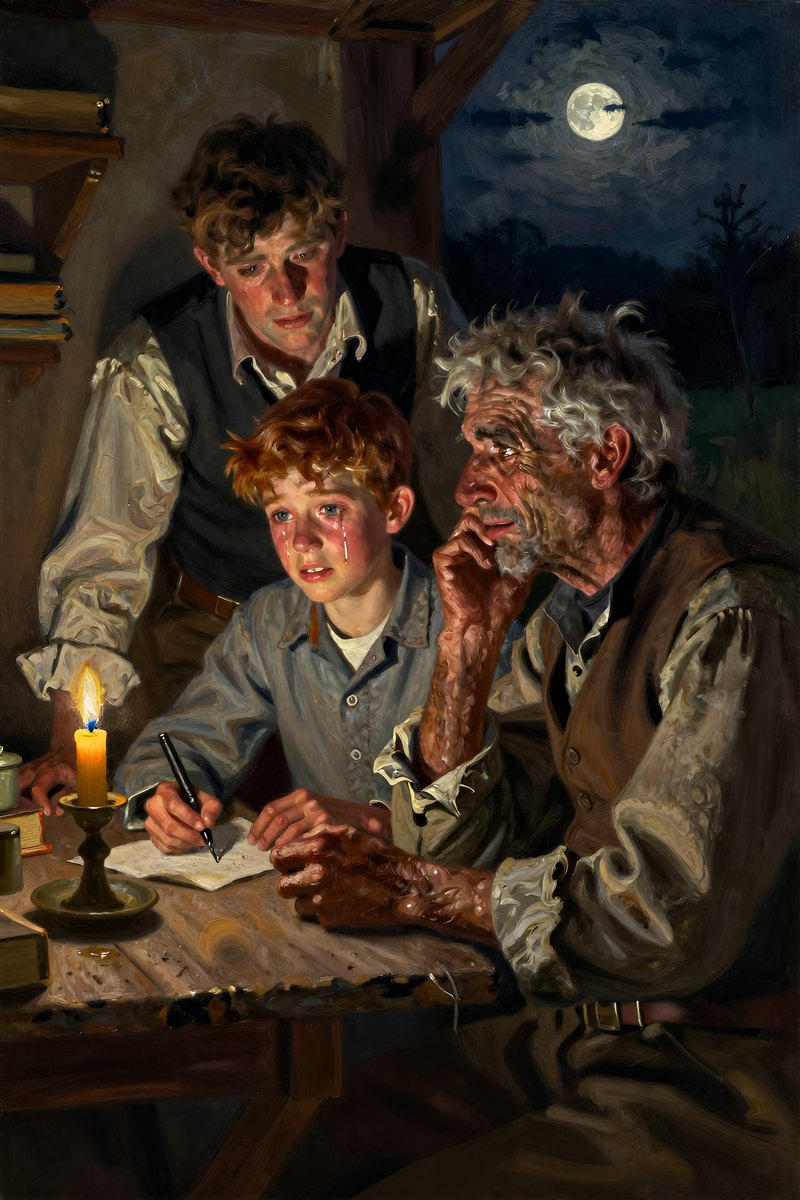
Making them pens was a distressid tough job, and so was the saw; and Jim allowed the inscription was going to be the toughest of all. That’s the one which the prisoner has to scrabble on the wall. But he had to have it; Tom said he’d got to; there warn’t no case of a state prisoner not scrabbling his inscription to leave behind, and his coat of arms.
“Look at Lady Jane Grey,” he says; “look at Gilford Dudley; look at old Northumberland! Why, Huck, s’pose it is considerble trouble?—what you going to do?—how you going to get around it? Jim’s got to do his inscription and coat of arms. They all do.”
Jim says:
“Why, Mars Tom, I hain’t got no coat o’ arm; I hain’t got nuffn but dish yer ole shirt, en you knows I got to keep de journal on dat.”
“Oh, you don’t understand, Jim; a coat of arms is very different.”
“Well,” I says, “Jim’s right, anyway, when he says he ain’t got no coat of arms, because he hain’t.”
“I reckon I knowed that,” Tom says, “but you bet he’ll have one before he goes out of this—because he’s going out right, and there ain’t going to be no flaws in his record.”
So whilst me and Jim filed away at the pens on a brickbat apiece, Jim a-making his’n out of the brass and I making mine out of the spoon, Tom set to work to think out the coat of arms. By-and-by he said he’d struck so many good ones he didn’t hardly know which to take, but there was one which he reckoned he’d decide on. He says:
“On the scutcheon we’ll have a bend or in the dexter base, a saltire murrey in the fess, with a dog, couchant, for common charge, and under his foot a chain embattled, for slavery, with a chevron vert in a chief engrailed, and three invected lines on a field azure, with the nombril points rampant on a dancette indented; crest, a runaway nigger, sable, with his bundle over his shoulder on a bar sinister; and a couple of gules for supporters, which is you and me; motto, Maggiore fretta, minore atto. Got it out of a book—means the more haste, the less speed.”
“Geewhillikins,” I says, “but what does the rest of it mean?”
“We ain’t got no time to bother over that,” he says; “we got to dig in like all git-out.”
“Well, anyway,” I says, “what’s some of it? What’s a fess?”
“A fess—a fess is—you don’t need to know what a fess is. I’ll show him how to make it when he gets to it.”
“Shucks, Tom,” I says, “I think you might tell a person. What’s a bar sinister?”
“Oh, I don’t know. But he’s got to have it. All the nobility does.”
That was just his way. If it didn’t suit him to explain a thing to you, he wouldn’t do it. You might pump at him a week, it wouldn’t make no difference.
He’d got all that coat of arms business fixed, so now he started in to finish up the rest of that part of the work, which was to plan out a mournful inscription—said Jim got to have one, like they all done. He made up a lot, and wrote them out on a paper, and read them off, so:
1. Here a captive heart busted.
2. Here a poor prisoner, forsook by the world and friends, fretted out his sorrowful life.
3. Here a lonely heart broke, and a worn spirit went to its rest, after thirty-seven years of solitary captivity.
4. Here, homeless and friendless, after thirty-seven years of bitter captivity, perished a noble stranger, natural son of Louis XIV.
Tom’s voice trembled whilst he was reading them, and he most broke down. When he got done he couldn’t no way make up his mind which one for Jim to scrabble on to the wall, they was all so good; but at last he allowed he would let him scrabble them all on. Jim said it would take him a year to scrabble such a lot of truck on to the logs with a nail, and he didn’t know how to make letters, besides; but Tom said he would block them out for him, and then he wouldn’t have nothing to do but just follow the lines. Then pretty soon he says:
“Come to think, the logs ain’t a-going to do; they don’t have log walls in a dungeon: we got to dig the inscriptions into a rock. We’ll fetch a rock.”
Jim said the rock was worse than the logs; he said it would take him such a pison long time to dig them into a rock he wouldn’t ever get out. But Tom said he would let me help him do it. Then he took a look to see how me and Jim was getting along with the pens. It was most pesky tedious hard work and slow, and didn’t give my hands no show to get well of the sores, and we didn’t seem to make no headway, hardly; so Tom says:
“I know how to fix it. We got to have a rock for the coat of arms and mournful inscriptions, and we can kill two birds with that same rock.
There’s a gaudy big grindstone down at the mill, and we’ll smouch it, and carve the things on it, and file out the pens and the saw on it, too.”
It warn’t no slouch of an idea; and it warn’t no slouch of a grindstone nuther; but we allowed we’d tackle it. It warn’t quite midnight yet, so we cleared out for the mill, leaving Jim at work. We smouched the grindstone, and set out to roll her home, but it was a most nation tough job. Sometimes, do what we could, we couldn’t keep her from falling over, and she come mighty near mashing us every time. Tom said she was going to get one of us, sure, before we got through. We got her half way; and then we was plumb played out, and most drownded with sweat. We see it warn’t no use; we got to go and fetch Jim. So he raised up his bed and slid the chain off of the bed-leg, and wrapt it round and round his neck, and we crawled out through our hole and down there, and Jim and me laid into that grindstone and walked her along like nothing; and Tom superintended. He could out-superintend any boy I ever see. He knowed how to do everything.
Our hole was pretty big, but it warn’t big enough to get the grindstone through; but Jim he took the pick and soon made it big enough. Then Tom marked out them things on it with the nail, and set Jim to work on them, with the nail for a chisel and an iron bolt from the rubbage in the lean-to for a hammer, and told him to work till the rest of his candle quit on him, and then he could go to bed, and hide the grindstone under his straw tick and sleep on it. Then we helped him fix his chain back on the bed-leg, and was ready for bed ourselves. But Tom thought of something, and says:
“You got any spiders in here, Jim?”
“No, sah, thanks to goodness I hain’t, Mars Tom.”
“All right, we’ll get you some.”
“But bless you, honey, I doan’ want none. I’s afeard un um. I jis’ ’s soon have rattlesnakes aroun’.”
Tom thought a minute or two, and says:
“It’s a good idea. And I reckon it’s been done. It must a been done; it stands to reason. Yes, it’s a prime good idea. Where could you keep it?”
“Keep what, Mars Tom?”
“Why, a rattlesnake.”
“De goodness gracious alive, Mars Tom! Why, if dey was a rattlesnake to come in heah I’d take en bust right out thoo dat log wall, I would, wid my head.”
“Why, Jim, you wouldn’t be afraid of it after a little. You could tame it.”
“Tame it!”
“Yes—easy enough. Every animal is grateful for kindness and petting, and they wouldn’t think of hurting a person that pets them. Any book will tell you that. You try—that’s all I ask; just try for two or three days. Why, you can get him so, in a little while, that he’ll love you; and sleep with you; and won’t stay away from you a minute; and will let you wrap him round your neck and put his head in your mouth.”
“Please, Mars Tom—doan’ talk so! I can’t stan’ it! He’d let me shove his head in my mouf—fer a favor, hain’t it? I lay he’d wait a pow’ful long time ’fo’ I ast him. En mo’ en dat, I doan’ want him to sleep wid me.”
“Jim, don’t act so foolish. A prisoner’s got to have some kind of a dumb pet, and if a rattlesnake hain’t ever been tried, why, there’s more glory to be gained in your being the first to ever try it than any other way you could ever think of to save your life.”
“Why, Mars Tom, I doan’ want no sich glory. Snake take ’n bite Jim’s chin off, den whah is de glory? No, sah, I doan’ want no sich doin’s.”
“Blame it, can’t you try? I only want you to try—you needn’t keep it up if it don’t work.”
“But de trouble all done ef de snake bite me while I’s a tryin’ him.
Mars Tom, I’s willin’ to tackle mos’ anything ’at ain’t onreasonable, but ef you en Huck fetches a rattlesnake in heah for me to tame, I’s gwyne to leave, dat’s shore.”
“Well, then, let it go, let it go, if you’re so bull-headed about it.
We can get you some garter-snakes, and you can tie some buttons on their tails, and let on they’re rattlesnakes, and I reckon that’ll have to do.”
“I k’n stan’ dem, Mars Tom, but blame’ ’f I couldn’ get along widout um, I tell you dat. I never knowed b’fo’ ’t was so much bother and trouble to be a prisoner.”
“Well, it always is when it’s done right. You got any rats around here?”
“No, sah, I hain’t seed none.”
“Well, we’ll get you some rats.”
“Why, Mars Tom, I doan’ want no rats. Dey’s de dadblamedest creturs to ’sturb a body, en rustle roun’ over ’im, en bite his feet, when he’s tryin’ to sleep, I ever see. No, sah, gimme g’yarter-snakes, ’f I’s got to have ’m, but doan’ gimme no rats; I hain’ got no use f’r um, skasely.”
“But, Jim, you got to have ’em—they all do. So don’t make no more fuss about it. Prisoners ain’t ever without rats. There ain’t no instance of it. And they train them, and pet them, and learn them tricks, and they get to be as sociable as flies. But you got to play music to them. You got anything to play music on?”
“I ain’ got nuffn but a coase comb en a piece o’ paper, en a juice-harp; but I reck’n dey wouldn’ take no stock in a juice-harp.”
“Yes they would. They don’t care what kind of music ’tis. A jews-harp’s plenty good enough for a rat. All animals like music—in a prison they dote on it. Specially, painful music; and you can’t get no other kind out of a jews-harp. It always interests them; they come out to see what’s the matter with you. Yes, you’re all right; you’re fixed very well. You want to set on your bed nights before you go to sleep, and early in the mornings, and play your jews-harp; play ‘The Last Link is Broken’—that’s the thing that’ll scoop a rat quicker ’n anything else; and when you’ve played about two minutes you’ll see all the rats, and the snakes, and spiders, and things begin to feel worried about you, and come. And they’ll just fairly swarm over you, and have a noble good time.”
“Yes, dey will, I reck’n, Mars Tom, but what kine er time is Jim havin’? Blest if I kin see de pint. But I’ll do it ef I got to. I reck’n I better keep de animals satisfied, en not have no trouble in de house.”
Tom waited to think it over, and see if there wasn’t nothing else; and pretty soon he says:
“Oh, there’s one thing I forgot. Could you raise a flower here, do you reckon?”
“I doan know but maybe I could, Mars Tom; but it’s tolable dark in heah, en I ain’ got no use f’r no flower, nohow, en she’d be a pow’ful sight o’ trouble.”
“Well, you try it, anyway. Some other prisoners has done it.”
“One er dem big cat-tail-lookin’ mullen-stalks would grow in heah, Mars Tom, I reck’n, but she wouldn’t be wuth half de trouble she’d coss.”
“Don’t you believe it. We’ll fetch you a little one and you plant it in the corner over there, and raise it. And don’t call it mullen, call it Pitchiola—that’s its right name when it’s in a prison. And you want to water it with your tears.”
“Why, I got plenty spring water, Mars Tom.”
“You don’t want spring water; you want to water it with your tears.
It’s the way they always do.”
“Why, Mars Tom, I lay I kin raise one er dem mullen-stalks twyste wid spring water whiles another man’s a start’n one wid tears.”
“That ain’t the idea. You got to do it with tears.”
“She’ll die on my han’s, Mars Tom, she sholy will; kase I doan’ skasely ever cry.”
So Tom was stumped. But he studied it over, and then said Jim would have to worry along the best he could with an onion. He promised he would go to the nigger cabins and drop one, private, in Jim’s coffee-pot, in the morning. Jim said he would “jis’ ’s soon have tobacker in his coffee;” and found so much fault with it, and with the work and bother of raising the mullen, and jews-harping the rats, and petting and flattering up the snakes and spiders and things, on top of all the other work he had to do on pens, and inscriptions, and journals, and things, which made it more trouble and worry and responsibility to be a prisoner than anything he ever undertook, that Tom most lost all patience with him; and said he was just loadened down with more gaudier chances than a prisoner ever had in the world to make a name for himself, and yet he didn’t know enough to appreciate them, and they was just about wasted on him. So Jim he was sorry, and said he wouldn’t behave so no more, and then me and Tom shoved for bed.
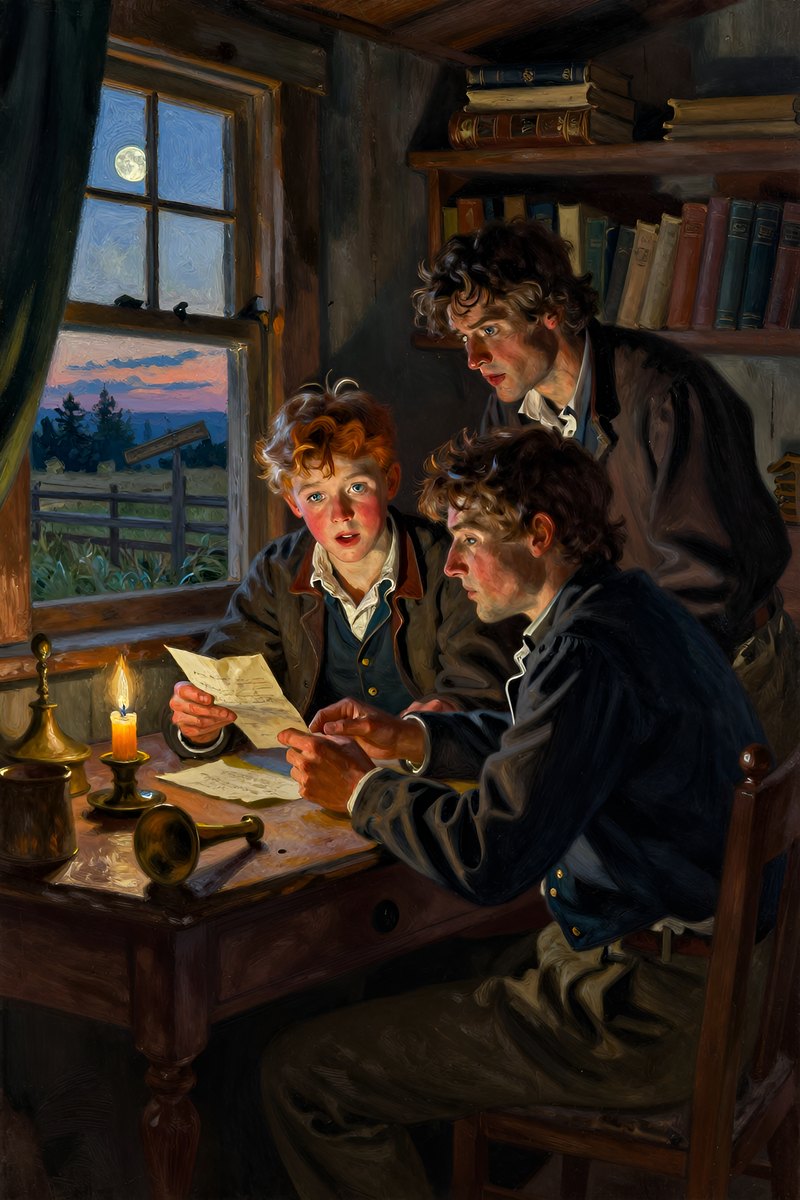
In the morning we went up to the village and bought a wire rat-trap and fetched it down, and unstopped the best rat-hole, and in about an hour we had fifteen of the bulliest kind of ones; and then we took it and put it in a safe place under Aunt Sally’s bed. But while we was gone for spiders little Thomas Franklin Benjamin Jefferson Elexander Phelps found it there, and opened the door of it to see if the rats would come out, and they did; and Aunt Sally she come in, and when we got back she was a-standing on top of the bed raising Cain, and the rats was doing what they could to keep off the dull times for her. So she took and dusted us both with the hickry, and we was as much as two hours catching another fifteen or sixteen, drat that meddlesome cub, and they warn’t the likeliest, nuther, because the first haul was the pick of the flock. I never see a likelier lot of rats than what that first haul was.
We got a splendid stock of sorted spiders, and bugs, and frogs, and caterpillars, and one thing or another; and we like to got a hornet’s nest, but we didn’t. The family was at home. We didn’t give it right up, but stayed with them as long as we could; because we allowed we’d tire them out or they’d got to tire us out, and they done it. Then we got allycumpain and rubbed on the places, and was pretty near all right again, but couldn’t set down convenient. And so we went for the snakes, and grabbed a couple of dozen garters and house-snakes, and put them in a bag, and put it in our room, and by that time it was supper-time, and a rattling good honest day’s work: and hungry?—oh, no, I reckon not!
And there warn’t a blessed snake up there when we went back—we didn’t half tie the sack, and they worked out somehow, and left. But it didn’t matter much, because they was still on the premises somewheres. So we judged we could get some of them again. No, there warn’t no real scarcity of snakes about the house for a considerable spell. You’d see them dripping from the rafters and places every now and then; and they generly landed in your plate, or down the back of your neck, and most of the time where you didn’t want them. Well, they was handsome and striped, and there warn’t no harm in a million of them; but that never made no difference to Aunt Sally; she despised snakes, be the breed what they might, and she couldn’t stand them no way you could fix it; and every time one of them flopped down on her, it didn’t make no difference what she was doing, she would just lay that work down and light out. I never see such a woman. And you could hear her whoop to Jericho. You couldn’t get her to take a-holt of one of them with the tongs. And if she turned over and found one in bed she would scramble out and lift a howl that you would think the house was afire. She disturbed the old man so that he said he could most wish there hadn’t ever been no snakes created. Why, after every last snake had been gone clear out of the house for as much as a week Aunt Sally warn’t over it yet; she warn’t near over it; when she was setting thinking about something you could touch her on the back of her neck with a feather and she would jump right out of her stockings. It was very curious. But Tom said all women was just so. He said they was made that way for some reason or other.
We got a licking every time one of our snakes come in her way, and she allowed these lickings warn’t nothing to what she would do if we ever loaded up the place again with them. I didn’t mind the lickings, because they didn’t amount to nothing; but I minded the trouble we had to lay in another lot. But we got them laid in, and all the other things; and you never see a cabin as blithesome as Jim’s was when they’d all swarm out for music and go for him. Jim didn’t like the spiders, and the spiders didn’t like Jim; and so they’d lay for him, and make it mighty warm for him. And he said that between the rats and the snakes and the grindstone there warn’t no room in bed for him, skasely; and when there was, a body couldn’t sleep, it was so lively, and it was always lively, he said, because they never all slept at one time, but took turn about, so when the snakes was asleep the rats was on deck, and when the rats turned in the snakes come on watch, so he always had one gang under him, in his way, and t’other gang having a circus over him, and if he got up to hunt a new place the spiders would take a chance at him as he crossed over. He said if he ever got out this time he wouldn’t ever be a prisoner again, not for a salary.
Well, by the end of three weeks everything was in pretty good shape.
The shirt was sent in early, in a pie, and every time a rat bit Jim he would get up and write a little in his journal whilst the ink was fresh; the pens was made, the inscriptions and so on was all carved on the grindstone; the bed-leg was sawed in two, and we had et up the sawdust, and it give us a most amazing stomach-ache. We reckoned we was all going to die, but didn’t. It was the most undigestible sawdust I ever see; and Tom said the same.
But as I was saying, we’d got all the work done now, at last; and we was all pretty much fagged out, too, but mainly Jim. The old man had wrote a couple of times to the plantation below Orleans to come and get their runaway nigger, but hadn’t got no answer, because there warn’t no such plantation; so he allowed he would advertise Jim in the St. Louis and New Orleans papers; and when he mentioned the St. Louis ones it give me the cold shivers, and I see we hadn’t no time to lose. So Tom said, now for the nonnamous letters.
“What’s them?” I says.
“Warnings to the people that something is up. Sometimes it’s done one way, sometimes another. But there’s always somebody spying around that gives notice to the governor of the castle. When Louis XVI. was going to light out of the Tooleries, a servant-girl done it. It’s a very good way, and so is the nonnamous letters. We’ll use them both. And it’s usual for the prisoner’s mother to change clothes with him, and she stays in, and he slides out in her clothes. We’ll do that, too.”
“But looky here, Tom, what do we want to warn anybody for that something’s up? Let them find it out for themselves—it’s their lookout.”
“Yes, I know; but you can’t depend on them. It’s the way they’ve acted from the very start—left us to do everything. They’re so confiding and mullet-headed they don’t take notice of nothing at all. So if we don’t give them notice there won’t be nobody nor nothing to interfere with us, and so after all our hard work and trouble this escape ’ll go off perfectly flat; won’t amount to nothing—won’t be nothing to it.”
“Well, as for me, Tom, that’s the way I’d like.”
“Shucks!” he says, and looked disgusted. So I says:
“But I ain’t going to make no complaint. Any way that suits you suits me. What you going to do about the servant-girl?”
“You’ll be her. You slide in, in the middle of the night, and hook that yaller girl’s frock.”
“Why, Tom, that’ll make trouble next morning; because, of course, she prob’bly hain’t got any but that one.”
“I know; but you don’t want it but fifteen minutes, to carry the nonnamous letter and shove it under the front door.”
“All right, then, I’ll do it; but I could carry it just as handy in my own togs.”
“You wouldn’t look like a servant-girl then, would you?”
“No, but there won’t be nobody to see what I look like, anyway.”
“That ain’t got nothing to do with it. The thing for us to do is just to do our duty, and not worry about whether anybody sees us do it or not. Hain’t you got no principle at all?”
“All right, I ain’t saying nothing; I’m the servant-girl. Who’s Jim’s mother?”
“I’m his mother. I’ll hook a gown from Aunt Sally.”
“Well, then, you’ll have to stay in the cabin when me and Jim leaves.”
“Not much. I’ll stuff Jim’s clothes full of straw and lay it on his bed to represent his mother in disguise, and Jim ’ll take the nigger woman’s gown off of me and wear it, and we’ll all evade together. When a prisoner of style escapes it’s called an evasion. It’s always called so when a king escapes, f’rinstance. And the same with a king’s son; it don’t make no difference whether he’s a natural one or an unnatural one.”
So Tom he wrote the nonnamous letter, and I smouched the yaller wench’s frock that night, and put it on, and shoved it under the front door, the way Tom told me to. It said:
Beware. Trouble is brewing. Keep a sharp lookout. UNKNOWN FRIEND.
Next night we stuck a picture, which Tom drawed in blood, of a skull and crossbones on the front door; and next night another one of a coffin on the back door. I never see a family in such a sweat. They couldn’t a been worse scared if the place had a been full of ghosts laying for them behind everything and under the beds and shivering through the air. If a door banged, Aunt Sally she jumped and said “ouch!” if anything fell, she jumped and said “ouch!” if you happened to touch her, when she warn’t noticing, she done the same; she couldn’t face noway and be satisfied, because she allowed there was something behind her every time—so she was always a-whirling around sudden, and saying “ouch,” and before she’d got two-thirds around she’d whirl back again, and say it again; and she was afraid to go to bed, but she dasn’t set up. So the thing was working very well, Tom said; he said he never see a thing work more satisfactory. He said it showed it was done right.
So he said, now for the grand bulge! So the very next morning at the streak of dawn we got another letter ready, and was wondering what we better do with it, because we heard them say at supper they was going to have a nigger on watch at both doors all night. Tom he went down the lightning-rod to spy around; and the nigger at the back door was asleep, and he stuck it in the back of his neck and come back. This letter said:
Don’t betray me, I wish to be your friend. There is a desprate gang of cutthroats from over in the Indian Territory going to steal your runaway nigger to-night, and they have been trying to scare you so as you will stay in the house and not bother them. I am one of the gang, but have got religgion and wish to quit it and lead an honest life again, and will betray the helish design. They will sneak down from northards, along the fence, at midnight exact, with a false key, and go in the nigger’s cabin to get him. I am to be off a piece and blow a tin horn if I see any danger; but stead of that I will BA like a sheep soon as they get in and not blow at all; then whilst they are getting his chains loose, you slip there and lock them in, and can kill them at your leasure. Don’t do anything but just the way I am telling you, if you do they will suspicion something and raise whoop-jamboreehoo. I do not wish any reward but to know I have done the right thing.
UNKNOWN FRIEND
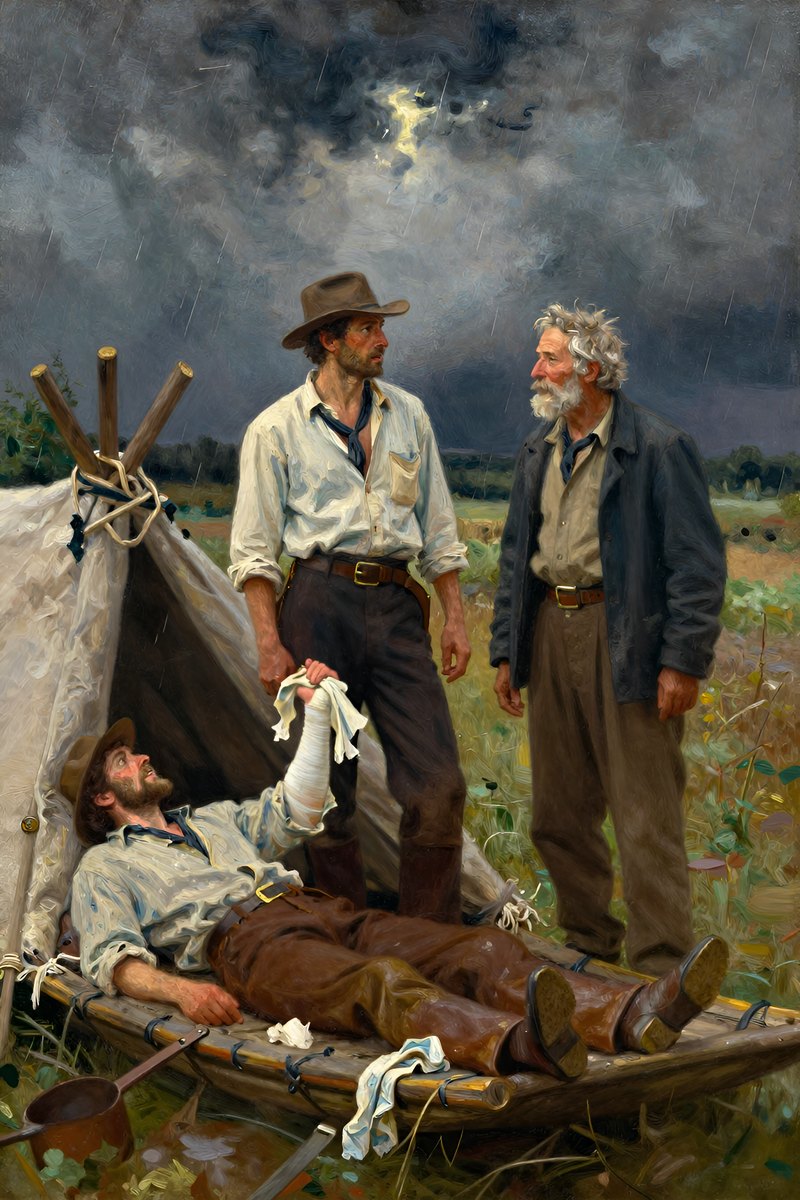
We was feeling pretty good after breakfast, and took my canoe and went over the river a-fishing, with a lunch, and had a good time, and took a look at the raft and found her all right, and got home late to supper, and found them in such a sweat and worry they didn’t know which end they was standing on, and made us go right off to bed the minute we was done supper, and wouldn’t tell us what the trouble was, and never let on a word about the new letter, but didn’t need to, because we knowed as much about it as anybody did, and as soon as we was half up stairs and her back was turned we slid for the cellar cupboard and loaded up a good lunch and took it up to our room and went to bed, and got up about half-past eleven, and Tom put on Aunt Sally’s dress that he stole and was going to start with the lunch, but says:
“Where’s the butter?”
“I laid out a hunk of it,” I says, “on a piece of a corn-pone.”
“Well, you left it laid out, then—it ain’t here.”
“We can get along without it,” I says.
“We can get along with it, too,” he says; “just you slide down cellar and fetch it. And then mosey right down the lightning-rod and come along. I’ll go and stuff the straw into Jim’s clothes to represent his mother in disguise, and be ready to ba like a sheep and shove soon as you get there.”
So out he went, and down cellar went I. The hunk of butter, big as a person’s fist, was where I had left it, so I took up the slab of corn-pone with it on, and blowed out my light, and started up stairs very stealthy, and got up to the main floor all right, but here comes Aunt Sally with a candle, and I clapped the truck in my hat, and clapped my hat on my head, and the next second she see me; and she says:
“You been down cellar?”
“Yes’m.”
“What you been doing down there?”
“Noth’n.”
“Noth’n!”
“No’m.”
“Well, then, what possessed you to go down there this time of night?”
“I don’t know ’m.”
“You don’t know? Don’t answer me that way. Tom, I want to know what you been doing down there.”
“I hain’t been doing a single thing, Aunt Sally, I hope to gracious if I have.”
I reckoned she’d let me go now, and as a generl thing she would; but I s’pose there was so many strange things going on she was just in a sweat about every little thing that warn’t yard-stick straight; so she says, very decided:
“You just march into that setting-room and stay there till I come. You been up to something you no business to, and I lay I’ll find out what it is before I’m done with you.”
So she went away as I opened the door and walked into the setting-room.
My, but there was a crowd there! Fifteen farmers, and every one of them had a gun. I was most powerful sick, and slunk to a chair and set down.
They was setting around, some of them talking a little, in a low voice, and all of them fidgety and uneasy, but trying to look like they warn’t; but I knowed they was, because they was always taking off their hats, and putting them on, and scratching their heads, and changing their seats, and fumbling with their buttons. I warn’t easy myself, but I didn’t take my hat off, all the same.
I did wish Aunt Sally would come, and get done with me, and lick me, if she wanted to, and let me get away and tell Tom how we’d overdone this thing, and what a thundering hornet’s-nest we’d got ourselves into, so we could stop fooling around straight off, and clear out with Jim before these rips got out of patience and come for us.
At last she come and begun to ask me questions, but I couldn’t answer them straight, I didn’t know which end of me was up; because these men was in such a fidget now that some was wanting to start right now and lay for them desperadoes, and saying it warn’t but a few minutes to midnight; and others was trying to get them to hold on and wait for the sheep-signal; and here was Aunty pegging away at the questions, and me a-shaking all over and ready to sink down in my tracks I was that scared; and the place getting hotter and hotter, and the butter beginning to melt and run down my neck and behind my ears; and pretty soon, when one of them says, “I’m for going and getting in the cabin first and right now, and catching them when they come,” I most dropped; and a streak of butter come a-trickling down my forehead, and Aunt Sally she see it, and turns white as a sheet, and says:
“For the land’s sake, what is the matter with the child? He’s got the brain-fever as shore as you’re born, and they’re oozing out!”
And everybody runs to see, and she snatches off my hat, and out comes the bread and what was left of the butter, and she grabbed me, and hugged me, and says:
“Oh, what a turn you did give me! and how glad and grateful I am it ain’t no worse; for luck’s against us, and it never rains but it pours, and when I see that truck I thought we’d lost you, for I knowed by the color and all it was just like your brains would be if—Dear, dear, whyd’nt you tell me that was what you’d been down there for, I wouldn’t a cared. Now cler out to bed, and don’t lemme see no more of you till morning!”
I was up stairs in a second, and down the lightning-rod in another one, and shinning through the dark for the lean-to. I couldn’t hardly get my words out, I was so anxious; but I told Tom as quick as I could we must jump for it now, and not a minute to lose—the house full of men, yonder, with guns!
His eyes just blazed; and he says:
“No!—is that so? Ain’t it bully! Why, Huck, if it was to do over again, I bet I could fetch two hundred! If we could put it off till—”
“Hurry! hurry!” I says. “Where’s Jim?”
“Right at your elbow; if you reach out your arm you can touch him. He’s dressed, and everything’s ready. Now we’ll slide out and give the sheep-signal.”
But then we heard the tramp of men coming to the door, and heard them begin to fumble with the pad-lock, and heard a man say:
“I told you we’d be too soon; they haven’t come—the door is locked.
Here, I’ll lock some of you into the cabin, and you lay for ’em in the dark and kill ’em when they come; and the rest scatter around a piece, and listen if you can hear ’em coming.”
So in they come, but couldn’t see us in the dark, and most trod on us whilst we was hustling to get under the bed. But we got under all right, and out through the hole, swift but soft—Jim first, me next, and Tom last, which was according to Tom’s orders. Now we was in the lean-to, and heard trampings close by outside. So we crept to the door, and Tom stopped us there and put his eye to the crack, but couldn’t make out nothing, it was so dark; and whispered and said he would listen for the steps to get further, and when he nudged us Jim must glide out first, and him last. So he set his ear to the crack and listened, and listened, and listened, and the steps a-scraping around out there all the time; and at last he nudged us, and we slid out, and stooped down, not breathing, and not making the least noise, and slipped stealthy towards the fence in Injun file, and got to it all right, and me and Jim over it; but Tom’s britches catched fast on a splinter on the top rail, and then he hear the steps coming, so he had to pull loose, which snapped the splinter and made a noise; and as he dropped in our tracks and started somebody sings out:
“Who’s that? Answer, or I’ll shoot!”
But we didn’t answer; we just unfurled our heels and shoved. Then there was a rush, and a bang, bang, bang! and the bullets fairly whizzed around us! We heard them sing out:
“Here they are! They’ve broke for the river! After ’em, boys, and turn loose the dogs!”
So here they come, full tilt. We could hear them because they wore boots and yelled, but we didn’t wear no boots and didn’t yell. We was in the path to the mill; and when they got pretty close on to us we dodged into the bush and let them go by, and then dropped in behind them. They’d had all the dogs shut up, so they wouldn’t scare off the robbers; but by this time somebody had let them loose, and here they come, making powwow enough for a million; but they was our dogs; so we stopped in our tracks till they catched up; and when they see it warn’t nobody but us, and no excitement to offer them, they only just said howdy, and tore right ahead towards the shouting and clattering; and then we up-steam again, and whizzed along after them till we was nearly to the mill, and then struck up through the bush to where my canoe was tied, and hopped in and pulled for dear life towards the middle of the river, but didn’t make no more noise than we was obleeged to. Then we struck out, easy and comfortable, for the island where my raft was; and we could hear them yelling and barking at each other all up and down the bank, till we was so far away the sounds got dim and died out. And when we stepped onto the raft I says:
“Now, old Jim, you’re a free man again, and I bet you won’t ever be a slave no more.”
“En a mighty good job it wuz, too, Huck. It ’uz planned beautiful, en it ’uz done beautiful; en dey ain’t nobody kin git up a plan dat’s mo’ mixed-up en splendid den what dat one wuz.”
We was all glad as we could be, but Tom was the gladdest of all because he had a bullet in the calf of his leg.
When me and Jim heard that we didn’t feel so brash as what we did before. It was hurting him considerable, and bleeding; so we laid him in the wigwam and tore up one of the duke’s shirts for to bandage him, but he says:
“Gimme the rags; I can do it myself. Don’t stop now; don’t fool around here, and the evasion booming along so handsome; man the sweeps, and set her loose! Boys, we done it elegant!—’deed we did. I wish we’d a had the handling of Louis XVI., there wouldn’t a been no ‘Son of Saint Louis, ascend to heaven!’ wrote down in his biography; no, sir, we’d a whooped him over the border—that’s what we’d a done with him—and done it just as slick as nothing at all, too. Man the sweeps—man the sweeps!”
But me and Jim was consulting—and thinking. And after we’d thought a minute, I says:
“Say it, Jim.”
So he says:
“Well, den, dis is de way it look to me, Huck. Ef it wuz him dat ’uz bein’ sot free, en one er de boys wuz to git shot, would he say, ‘Go on en save me, nemmine ’bout a doctor f’r to save dis one?’ Is dat like Mars Tom Sawyer? Would he say dat? You bet he wouldn’t! Well, den, is Jim gywne to say it? No, sah—I doan’ budge a step out’n dis place ’dout a doctor; not if it’s forty year!”
I knowed he was white inside, and I reckoned he’d say what he did say—so it was all right now, and I told Tom I was a-going for a doctor.
He raised considerable row about it, but me and Jim stuck to it and wouldn’t budge; so he was for crawling out and setting the raft loose himself; but we wouldn’t let him. Then he give us a piece of his mind, but it didn’t do no good.
So when he sees me getting the canoe ready, he says:
“Well, then, if you’re bound to go, I’ll tell you the way to do when you get to the village. Shut the door and blindfold the doctor tight and fast, and make him swear to be silent as the grave, and put a purse full of gold in his hand, and then take and lead him all around the back alleys and everywheres in the dark, and then fetch him here in the canoe, in a roundabout way amongst the islands, and search him and take his chalk away from him, and don’t give it back to him till you get him back to the village, or else he will chalk this raft so he can find it again. It’s the way they all do.”
So I said I would, and left, and Jim was to hide in the woods when he see the doctor coming till he was gone again.
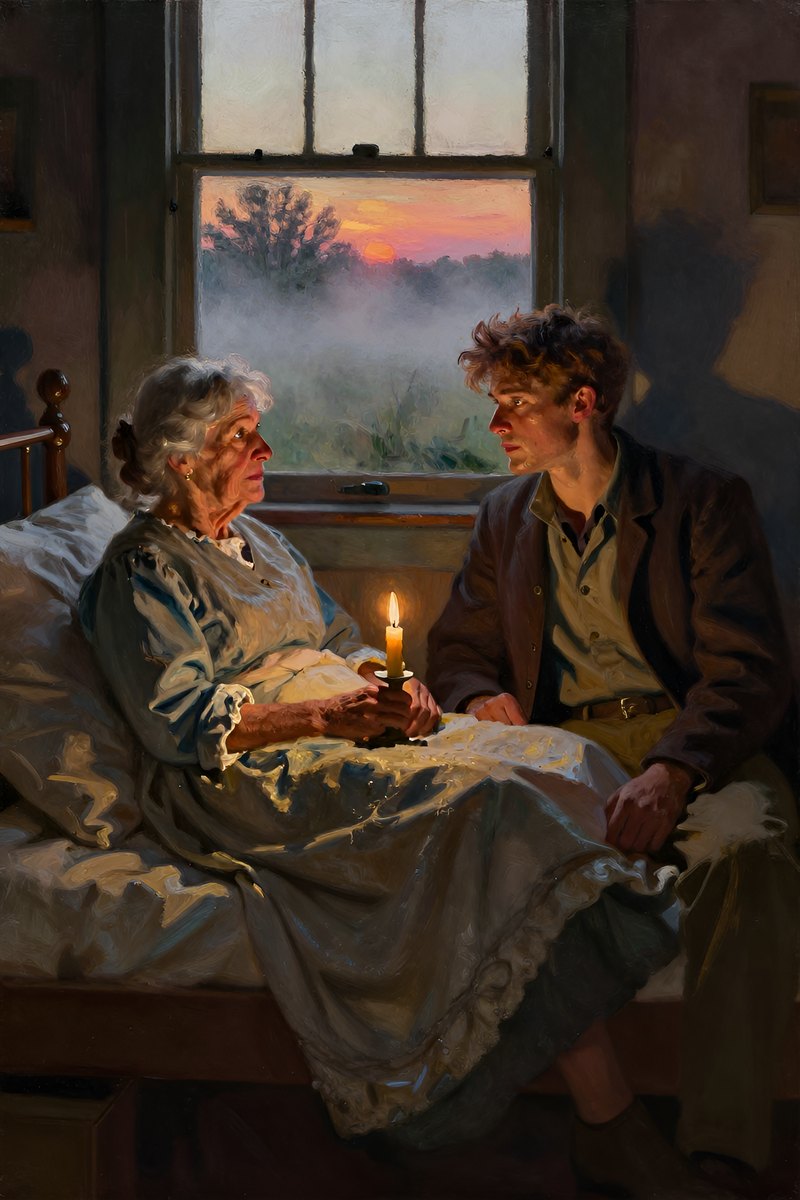
The doctor was an old man; a very nice, kind-looking old man when I got him up. I told him me and my brother was over on Spanish Island hunting yesterday afternoon, and camped on a piece of a raft we found, and about midnight he must a kicked his gun in his dreams, for it went off and shot him in the leg, and we wanted him to go over there and fix it and not say nothing about it, nor let anybody know, because we wanted to come home this evening and surprise the folks.
“Who is your folks?” he says.
“The Phelpses, down yonder.”
“Oh,” he says. And after a minute, he says:
“How’d you say he got shot?”
“He had a dream,” I says, “and it shot him.”
“Singular dream,” he says.
So he lit up his lantern, and got his saddle-bags, and we started. But when he sees the canoe he didn’t like the look of her—said she was big enough for one, but didn’t look pretty safe for two. I says:
“Oh, you needn’t be afeard, sir, she carried the three of us easy enough.”
“What three?”
“Why, me and Sid, and—and—and the guns; that’s what I mean.”
“Oh,” he says.
But he put his foot on the gunnel and rocked her, and shook his head, and said he reckoned he’d look around for a bigger one. But they was all locked and chained; so he took my canoe, and said for me to wait till he come back, or I could hunt around further, or maybe I better go down home and get them ready for the surprise if I wanted to. But I said I didn’t; so I told him just how to find the raft, and then he started.
I struck an idea pretty soon. I says to myself, spos’n he can’t fix that leg just in three shakes of a sheep’s tail, as the saying is?
spos’n it takes him three or four days? What are we going to do?—lay around there till he lets the cat out of the bag? No, sir; I know what I’ll do. I’ll wait, and when he comes back if he says he’s got to go any more I’ll get down there, too, if I swim; and we’ll take and tie him, and keep him, and shove out down the river; and when Tom’s done with him we’ll give him what it’s worth, or all we got, and then let him get ashore.
So then I crept into a lumber-pile to get some sleep; and next time I waked up the sun was away up over my head! I shot out and went for the doctor’s house, but they told me he’d gone away in the night some time or other, and warn’t back yet. Well, thinks I, that looks powerful bad for Tom, and I’ll dig out for the island right off. So away I shoved, and turned the corner, and nearly rammed my head into Uncle Silas’s stomach! He says:
“Why, Tom! Where you been all this time, you rascal?”
“I hain’t been nowheres,” I says, “only just hunting for the runaway nigger—me and Sid.”
“Why, where ever did you go?” he says. “Your aunt’s been mighty uneasy.”
“She needn’t,” I says, “because we was all right. We followed the men and the dogs, but they outrun us, and we lost them; but we thought we heard them on the water, so we got a canoe and took out after them and crossed over, but couldn’t find nothing of them; so we cruised along up-shore till we got kind of tired and beat out; and tied up the canoe and went to sleep, and never waked up till about an hour ago; then we paddled over here to hear the news, and Sid’s at the post-office to see what he can hear, and I’m a-branching out to get something to eat for us, and then we’re going home.”
So then we went to the post-office to get “Sid”; but just as I suspicioned, he warn’t there; so the old man he got a letter out of the office, and we waited a while longer, but Sid didn’t come; so the old man said, come along, let Sid foot it home, or canoe it, when he got done fooling around—but we would ride. I couldn’t get him to let me stay and wait for Sid; and he said there warn’t no use in it, and I must come along, and let Aunt Sally see we was all right.
When we got home Aunt Sally was that glad to see me she laughed and cried both, and hugged me, and give me one of them lickings of hern that don’t amount to shucks, and said she’d serve Sid the same when he come.
And the place was plum full of farmers and farmers’ wives, to dinner; and such another clack a body never heard. Old Mrs. Hotchkiss was the worst; her tongue was a-going all the time. She says:
“Well, Sister Phelps, I’ve ransacked that-air cabin over, an’ I b’lieve the nigger was crazy. I says to Sister Damrell—didn’t I, Sister Damrell?—s’I, he’s crazy, s’I—them’s the very words I said. You all hearn me: he’s crazy, s’I; everything shows it, s’I. Look at that-air grindstone, s’I; want to tell me’t any cretur ’t’s in his right mind ’s a goin’ to scrabble all them crazy things onto a grindstone, s’I?
Here sich ’n’ sich a person busted his heart; ’n’ here so ’n’ so pegged along for thirty-seven year, ’n’ all that—natcherl son o’ Louis somebody, ’n’ sich everlast’n rubbage. He’s plumb crazy, s’I; it’s what I says in the fust place, it’s what I says in the middle, ’n’ it’s what I says last ’n’ all the time—the nigger’s crazy—crazy ’s Nebokoodneezer, s’I.”
“An’ look at that-air ladder made out’n rags, Sister Hotchkiss,” says old Mrs. Damrell; “what in the name o’ goodness could he ever want of—”
“The very words I was a-sayin’ no longer ago th’n this minute to Sister Utterback, ’n’ she’ll tell you so herself. Sh-she, look at that-air rag ladder, sh-she; ’n’ s’I, yes, look at it, s’I—what could he a-wanted of it, s’I. Sh-she, Sister Hotchkiss, sh-she—”
“But how in the nation’d they ever git that grindstone in there, anyway? ’n’ who dug that-air hole? ’n’ who—”
“My very words, Brer Penrod! I was a-sayin’—pass that-air sasser o’
m’lasses, won’t ye?—I was a-sayin’ to Sister Dunlap, jist this minute, how did they git that grindstone in there, s’I. Without help, mind you—’thout help! Thar’s wher ’tis. Don’t tell me, s’I; there wuz help, s’I; ’n’ ther’ wuz a plenty help, too, s’I; ther’s ben a dozen a-helpin’ that nigger, ’n’ I lay I’d skin every last nigger on this place but I’d find out who done it, s’I; ’n’ moreover, s’I—”
“A dozen says you!—forty couldn’t a done every thing that’s been done. Look at them case-knife saws and things, how tedious they’ve been made; look at that bed-leg sawed off with ’m, a week’s work for six men; look at that nigger made out’n straw on the bed; and look at—”
“You may well say it, Brer Hightower! It’s jist as I was a-sayin’ to Brer Phelps, his own self. S’e, what do you think of it, Sister Hotchkiss, s’e? Think o’ what, Brer Phelps, s’I? Think o’ that bed-leg sawed off that a way, s’e? think of it, s’I? I lay it never sawed itself off, s’I—somebody sawed it, s’I; that’s my opinion, take it or leave it, it mayn’t be no ’count, s’I, but sich as ’t is, it’s my opinion, s’I, ’n’ if any body k’n start a better one, s’I, let him do it, s’I, that’s all. I says to Sister Dunlap, s’I—”
“Why, dog my cats, they must a ben a house-full o’ niggers in there every night for four weeks to a done all that work, Sister Phelps. Look at that shirt—every last inch of it kivered over with secret African writ’n done with blood! Must a ben a raft uv ’m at it right along, all the time, amost. Why, I’d give two dollars to have it read to me; ’n’
as for the niggers that wrote it, I ’low I’d take ’n’ lash ’m t’ll—”
“People to help him, Brother Marples! Well, I reckon you’d think so if you’d a been in this house for a while back. Why, they’ve stole everything they could lay their hands on—and we a-watching all the time, mind you. They stole that shirt right off o’ the line! and as for that sheet they made the rag ladder out of, ther’ ain’t no telling how many times they didn’t steal that; and flour, and candles, and candlesticks, and spoons, and the old warming-pan, and most a thousand things that I disremember now, and my new calico dress; and me and Silas and my Sid and Tom on the constant watch day and night, as I was a-telling you, and not a one of us could catch hide nor hair nor sight nor sound of them; and here at the last minute, lo and behold you, they slides right in under our noses and fools us, and not only fools us but the Injun Territory robbers too, and actuly gets away with that nigger safe and sound, and that with sixteen men and twenty-two dogs right on their very heels at that very time! I tell you, it just bangs anything I ever heard of. Why, sperits couldn’t a done better and been no smarter. And I reckon they must a been sperits—because, you know our dogs, and ther’ ain’t no better; well, them dogs never even got on the track of ’m once! You explain that to me if you can!—any of you!”
“Well, it does beat—”
“Laws alive, I never—”
“So help me, I wouldn’t a be—”
“House-thieves as well as—”
“Goodnessgracioussakes, I’d a ben afeard to live in sich a—”
“’Fraid to live!—why, I was that scared I dasn’t hardly go to bed, or get up, or lay down, or set down, Sister Ridgeway. Why, they’d steal the very—why, goodness sakes, you can guess what kind of a fluster I was in by the time midnight come last night. I hope to gracious if I warn’t afraid they’d steal some o’ the family! I was just to that pass I didn’t have no reasoning faculties no more. It looks foolish enough now, in the daytime; but I says to myself, there’s my two poor boys asleep, ’way up stairs in that lonesome room, and I declare to goodness I was that uneasy ’t I crep’ up there and locked ’em in! I did. And anybody would. Because, you know, when you get scared that way, and it keeps running on, and getting worse and worse all the time, and your wits gets to addling, and you get to doing all sorts o’ wild things, and by-and-by you think to yourself, spos’n I was a boy, and was away up there, and the door ain’t locked, and you—” She stopped, looking kind of wondering, and then she turned her head around slow, and when her eye lit on me—I got up and took a walk.
Says I to myself, I can explain better how we come to not be in that room this morning if I go out to one side and study over it a little.
So I done it. But I dasn’t go fur, or she’d a sent for me. And when it was late in the day the people all went, and then I come in and told her the noise and shooting waked up me and “Sid,” and the door was locked, and we wanted to see the fun, so we went down the lightning-rod, and both of us got hurt a little, and we didn’t never want to try that no more. And then I went on and told her all what I told Uncle Silas before; and then she said she’d forgive us, and maybe it was all right enough anyway, and about what a body might expect of boys, for all boys was a pretty harum-scarum lot as fur as she could see; and so, as long as no harm hadn’t come of it, she judged she better put in her time being grateful we was alive and well and she had us still, stead of fretting over what was past and done. So then she kissed me, and patted me on the head, and dropped into a kind of a brown study; and pretty soon jumps up, and says:
“Why, lawsamercy, it’s most night, and Sid not come yet! What has become of that boy?”
I see my chance; so I skips up and says:
“I’ll run right up to town and get him,” I says.
“No you won’t,” she says. “You’ll stay right wher’ you are; one’s enough to be lost at a time. If he ain’t here to supper, your uncle ’ll go.”
Well, he warn’t there to supper; so right after supper uncle went.
He come back about ten a little bit uneasy; hadn’t run across Tom’s track. Aunt Sally was a good deal uneasy; but Uncle Silas he said there warn’t no occasion to be—boys will be boys, he said, and you’ll see this one turn up in the morning all sound and right. So she had to be satisfied. But she said she’d set up for him a while anyway, and keep a light burning so he could see it.
And then when I went up to bed she come up with me and fetched her candle, and tucked me in, and mothered me so good I felt mean, and like I couldn’t look her in the face; and she set down on the bed and talked with me a long time, and said what a splendid boy Sid was, and didn’t seem to want to ever stop talking about him; and kept asking me every now and then if I reckoned he could a got lost, or hurt, or maybe drownded, and might be laying at this minute somewheres suffering or dead, and she not by him to help him, and so the tears would drip down silent, and I would tell her that Sid was all right, and would be home in the morning, sure; and she would squeeze my hand, or maybe kiss me, and tell me to say it again, and keep on saying it, because it done her good, and she was in so much trouble. And when she was going away she looked down in my eyes so steady and gentle, and says:
“The door ain’t going to be locked, Tom, and there’s the window and the rod; but you’ll be good, won’t you? And you won’t go? For my sake.”
Laws knows I wanted to go bad enough to see about Tom, and was all intending to go; but after that I wouldn’t a went, not for kingdoms.
But she was on my mind and Tom was on my mind, so I slept very restless. And twice I went down the rod away in the night, and slipped around front, and see her setting there by her candle in the window with her eyes towards the road and the tears in them; and I wished I could do something for her, but I couldn’t, only to swear that I wouldn’t never do nothing to grieve her any more. And the third time I waked up at dawn, and slid down, and she was there yet, and her candle was most out, and her old gray head was resting on her hand, and she was asleep.
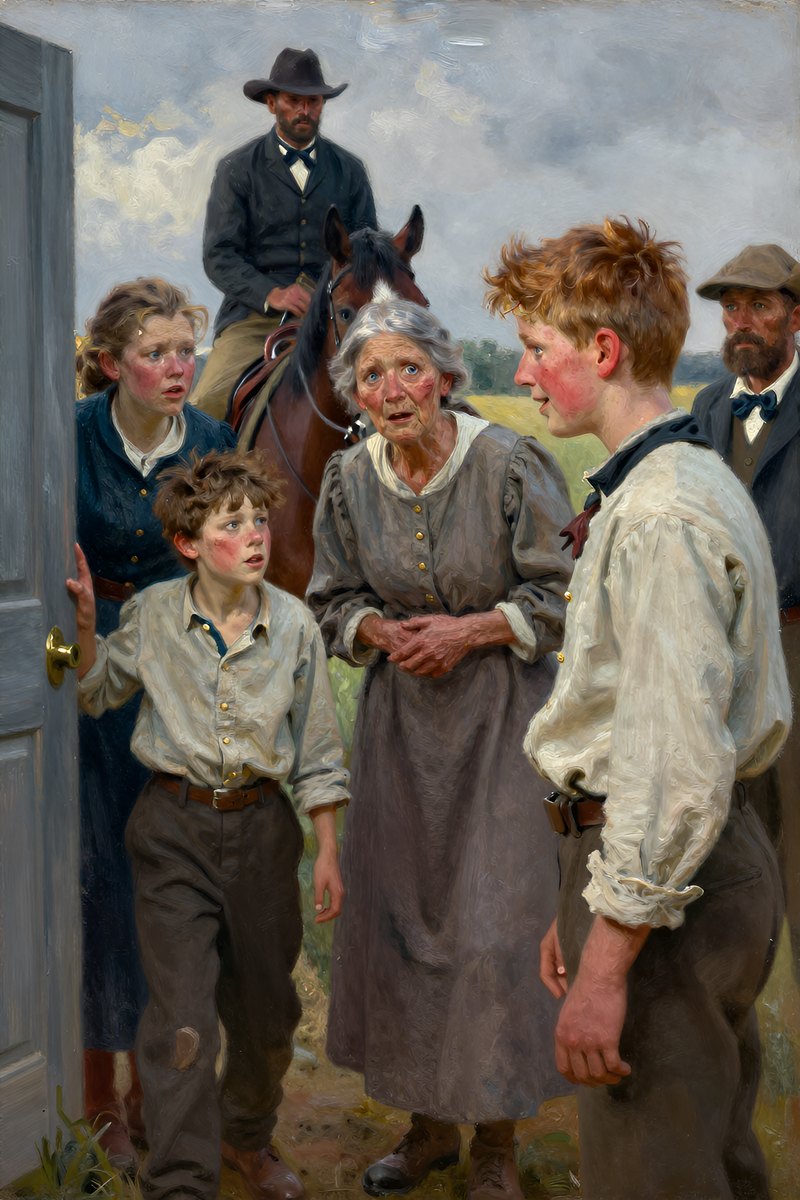
The old man was uptown again before breakfast, but couldn’t get no track of Tom; and both of them set at the table thinking, and not saying nothing, and looking mournful, and their coffee getting cold, and not eating anything. And by-and-by the old man says:
“Did I give you the letter?”
“What letter?”
“The one I got yesterday out of the post-office.”
“No, you didn’t give me no letter.”
“Well, I must a forgot it.”
So he rummaged his pockets, and then went off somewheres where he had laid it down, and fetched it, and give it to her. She says:
“Why, it’s from St. Petersburg—it’s from Sis.”
I allowed another walk would do me good; but I couldn’t stir. But before she could break it open she dropped it and run—for she see something. And so did I. It was Tom Sawyer on a mattress; and that old doctor; and Jim, in her calico dress, with his hands tied behind him; and a lot of people. I hid the letter behind the first thing that come handy, and rushed. She flung herself at Tom, crying, and says:
“Oh, he’s dead, he’s dead, I know he’s dead!”
And Tom he turned his head a little, and muttered something or other, which showed he warn’t in his right mind; then she flung up her hands, and says:
“He’s alive, thank God! And that’s enough!” and she snatched a kiss of him, and flew for the house to get the bed ready, and scattering orders right and left at the niggers and everybody else, as fast as her tongue could go, every jump of the way.
I followed the men to see what they was going to do with Jim; and the old doctor and Uncle Silas followed after Tom into the house. The men was very huffy, and some of them wanted to hang Jim for an example to all the other niggers around there, so they wouldn’t be trying to run away like Jim done, and making such a raft of trouble, and keeping a whole family scared most to death for days and nights. But the others said, don’t do it, it wouldn’t answer at all; he ain’t our nigger, and his owner would turn up and make us pay for him, sure. So that cooled them down a little, because the people that’s always the most anxious for to hang a nigger that hain’t done just right is always the very ones that ain’t the most anxious to pay for him when they’ve got their satisfaction out of him.
They cussed Jim considerble, though, and give him a cuff or two side the head once in a while, but Jim never said nothing, and he never let on to know me, and they took him to the same cabin, and put his own clothes on him, and chained him again, and not to no bed-leg this time, but to a big staple drove into the bottom log, and chained his hands, too, and both legs, and said he warn’t to have nothing but bread and water to eat after this till his owner come, or he was sold at auction because he didn’t come in a certain length of time, and filled up our hole, and said a couple of farmers with guns must stand watch around about the cabin every night, and a bulldog tied to the door in the daytime; and about this time they was through with the job and was tapering off with a kind of generl good-bye cussing, and then the old doctor comes and takes a look, and says:
“Don’t be no rougher on him than you’re obleeged to, because he ain’t a bad nigger. When I got to where I found the boy I see I couldn’t cut the bullet out without some help, and he warn’t in no condition for me to leave to go and get help; and he got a little worse and a little worse, and after a long time he went out of his head, and wouldn’t let me come a-nigh him any more, and said if I chalked his raft he’d kill me, and no end of wild foolishness like that, and I see I couldn’t do anything at all with him; so I says, I got to have help somehow; and the minute I says it out crawls this nigger from somewheres and says he’ll help, and he done it, too, and done it very well. Of course I judged he must be a runaway nigger, and there I was! and there I had to stick right straight along all the rest of the day and all night. It was a fix, I tell you! I had a couple of patients with the chills, and of course I’d of liked to run up to town and see them, but I dasn’t, because the nigger might get away, and then I’d be to blame; and yet never a skiff come close enough for me to hail. So there I had to stick plumb until daylight this morning; and I never see a nigger that was a better nuss or faithfuller, and yet he was risking his freedom to do it, and was all tired out, too, and I see plain enough he’d been worked main hard lately. I liked the nigger for that; I tell you, gentlemen, a nigger like that is worth a thousand dollars—and kind treatment, too. I had everything I needed, and the boy was doing as well there as he would a done at home—better, maybe, because it was so quiet; but there I was, with both of ’m on my hands, and there I had to stick till about dawn this morning; then some men in a skiff come by, and as good luck would have it the nigger was setting by the pallet with his head propped on his knees sound asleep; so I motioned them in quiet, and they slipped up on him and grabbed him and tied him before he knowed what he was about, and we never had no trouble. And the boy being in a kind of a flighty sleep, too, we muffled the oars and hitched the raft on, and towed her over very nice and quiet, and the nigger never made the least row nor said a word from the start. He ain’t no bad nigger, gentlemen; that’s what I think about him.”
Somebody says:
“Well, it sounds very good, doctor, I’m obleeged to say.”
Then the others softened up a little, too, and I was mighty thankful to that old doctor for doing Jim that good turn; and I was glad it was according to my judgment of him, too; because I thought he had a good heart in him and was a good man the first time I see him. Then they all agreed that Jim had acted very well, and was deserving to have some notice took of it, and reward. So every one of them promised, right out and hearty, that they wouldn’t cuss him no more.
Then they come out and locked him up. I hoped they was going to say he could have one or two of the chains took off, because they was rotten heavy, or could have meat and greens with his bread and water; but they didn’t think of it, and I reckoned it warn’t best for me to mix in, but I judged I’d get the doctor’s yarn to Aunt Sally somehow or other as soon as I’d got through the breakers that was laying just ahead of me—explanations, I mean, of how I forgot to mention about Sid being shot when I was telling how him and me put in that dratted night paddling around hunting the runaway nigger.
But I had plenty time. Aunt Sally she stuck to the sick-room all day and all night, and every time I see Uncle Silas mooning around I dodged him.
Next morning I heard Tom was a good deal better, and they said Aunt Sally was gone to get a nap. So I slips to the sick-room, and if I found him awake I reckoned we could put up a yarn for the family that would wash. But he was sleeping, and sleeping very peaceful, too; and pale, not fire-faced the way he was when he come. So I set down and laid for him to wake. In about half an hour Aunt Sally comes gliding in, and there I was, up a stump again! She motioned me to be still, and set down by me, and begun to whisper, and said we could all be joyful now, because all the symptoms was first-rate, and he’d been sleeping like that for ever so long, and looking better and peacefuller all the time, and ten to one he’d wake up in his right mind.
So we set there watching, and by-and-by he stirs a bit, and opened his eyes very natural, and takes a look, and says:
“Hello!—why, I’m at home! How’s that? Where’s the raft?”
“It’s all right,” I says.
“And Jim?”
“The same,” I says, but couldn’t say it pretty brash. But he never noticed, but says:
“Good! Splendid! Now we’re all right and safe! Did you tell Aunty?”
I was going to say yes; but she chipped in and says: “About what, Sid?”
“Why, about the way the whole thing was done.”
“What whole thing?”
“Why, the whole thing. There ain’t but one; how we set the runaway nigger free—me and Tom.”
“Good land! Set the run— What is the child talking about! Dear, dear, out of his head again!”
“No, I ain’t out of my HEAD; I know all what I’m talking about. We did set him free—me and Tom. We laid out to do it, and we done it.
And we done it elegant, too.” He’d got a start, and she never checked him up, just set and stared and stared, and let him clip along, and I see it warn’t no use for me to put in. “Why, Aunty, it cost us a power of work—weeks of it—hours and hours, every night, whilst you was all asleep. And we had to steal candles, and the sheet, and the shirt, and your dress, and spoons, and tin plates, and case-knives, and the warming-pan, and the grindstone, and flour, and just no end of things, and you can’t think what work it was to make the saws, and pens, and inscriptions, and one thing or another, and you can’t think half the fun it was. And we had to make up the pictures of coffins and things, and nonnamous letters from the robbers, and get up and down the lightning-rod, and dig the hole into the cabin, and made the rope ladder and send it in cooked up in a pie, and send in spoons and things to work with in your apron pocket—”
“Mercy sakes!”
“—and load up the cabin with rats and snakes and so on, for company for Jim; and then you kept Tom here so long with the butter in his hat that you come near spiling the whole business, because the men come before we was out of the cabin, and we had to rush, and they heard us and let drive at us, and I got my share, and we dodged out of the path and let them go by, and when the dogs come they warn’t interested in us, but went for the most noise, and we got our canoe, and made for the raft, and was all safe, and Jim was a free man, and we done it all by ourselves, and wasn’t it bully, Aunty!”
“Well, I never heard the likes of it in all my born days! So it was you, you little rapscallions, that’s been making all this trouble, and turned everybody’s wits clean inside out and scared us all most to death. I’ve as good a notion as ever I had in my life to take it out o’
you this very minute. To think, here I’ve been, night after night, a—you just get well once, you young scamp, and I lay I’ll tan the Old Harry out o’ both o’ ye!”
But Tom, he was so proud and joyful, he just couldn’t hold in, and his tongue just went it—she a-chipping in, and spitting fire all along, and both of them going it at once, like a cat convention; and she says:
“Well, you get all the enjoyment you can out of it now, for mind I tell you if I catch you meddling with him again—”
“Meddling with who?” Tom says, dropping his smile and looking surprised.
“With who? Why, the runaway nigger, of course. Who’d you reckon?”
Tom looks at me very grave, and says:
“Tom, didn’t you just tell me he was all right? Hasn’t he got away?”
“Him?” says Aunt Sally; “the runaway nigger? ’Deed he hasn’t. They’ve got him back, safe and sound, and he’s in that cabin again, on bread and water, and loaded down with chains, till he’s claimed or sold!”
Tom rose square up in bed, with his eye hot, and his nostrils opening and shutting like gills, and sings out to me:
“They hain’t no right to shut him up! Shove!—and don’t you lose a minute. Turn him loose! he ain’t no slave; he’s as free as any cretur that walks this earth!”
“What does the child mean?”
“I mean every word I say, Aunt Sally, and if somebody don’t go, I’ll go. I’ve knowed him all his life, and so has Tom, there. Old Miss Watson died two months ago, and she was ashamed she ever was going to sell him down the river, and said so; and she set him free in her will.”
“Then what on earth did you want to set him free for, seeing he was already free?”
“Well, that is a question, I must say; and just like women! Why, I wanted the adventure of it; and I’d a waded neck-deep in blood to—goodness alive, AUNT POLLY!”
If she warn’t standing right there, just inside the door, looking as sweet and contented as an angel half full of pie, I wish I may never!
Aunt Sally jumped for her, and most hugged the head off of her, and cried over her, and I found a good enough place for me under the bed, for it was getting pretty sultry for us, seemed to me. And I peeped out, and in a little while Tom’s Aunt Polly shook herself loose and stood there looking across at Tom over her spectacles—kind of grinding him into the earth, you know. And then she says:
“Yes, you better turn y’r head away—I would if I was you, Tom.”
“Oh, deary me!” says Aunt Sally; “is he changed so? Why, that ain’t Tom, it’s Sid; Tom’s—Tom’s—why, where is Tom? He was here a minute ago.”
“You mean where’s Huck Finn—that’s what you mean! I reckon I hain’t raised such a scamp as my Tom all these years not to know him when I see him. That would be a pretty howdy-do. Come out from under that bed, Huck Finn.”
So I done it. But not feeling brash.
Aunt Sally she was one of the mixed-upest-looking persons I ever see—except one, and that was Uncle Silas, when he come in and they told it all to him. It kind of made him drunk, as you may say, and he didn’t know nothing at all the rest of the day, and preached a prayer-meeting sermon that night that gave him a rattling ruputation, because the oldest man in the world couldn’t a understood it. So Tom’s Aunt Polly, she told all about who I was, and what; and I had to up and tell how I was in such a tight place that when Mrs. Phelps took me for Tom Sawyer—she chipped in and says, “Oh, go on and call me Aunt Sally, I’m used to it now, and ’tain’t no need to change”—that when Aunt Sally took me for Tom Sawyer I had to stand it—there warn’t no other way, and I knowed he wouldn’t mind, because it would be nuts for him, being a mystery, and he’d make an adventure out of it, and be perfectly satisfied. And so it turned out, and he let on to be Sid, and made things as soft as he could for me.
And his Aunt Polly she said Tom was right about old Miss Watson setting Jim free in her will; and so, sure enough, Tom Sawyer had gone and took all that trouble and bother to set a free nigger free! and I couldn’t ever understand before, until that minute and that talk, how he could help a body set a nigger free with his bringing-up.
Well, Aunt Polly she said that when Aunt Sally wrote to her that Tom and Sid had come all right and safe, she says to herself:
“Look at that, now! I might have expected it, letting him go off that way without anybody to watch him. So now I got to go and trapse all the way down the river, eleven hundred mile, and find out what that creetur’s up to this time; as long as I couldn’t seem to get any answer out of you about it.”
“Why, I never heard nothing from you,” says Aunt Sally.
“Well, I wonder! Why, I wrote you twice to ask you what you could mean by Sid being here.”
“Well, I never got ’em, Sis.”
Aunt Polly she turns around slow and severe, and says:
“You, Tom!”
“Well—what?” he says, kind of pettish.
“Don’t you what me, you impudent thing—hand out them letters.”
“What letters?”
“Them letters. I be bound, if I have to take aholt of you I’ll—”
“They’re in the trunk. There, now. And they’re just the same as they was when I got them out of the office. I hain’t looked into them, I hain’t touched them. But I knowed they’d make trouble, and I thought if you warn’t in no hurry, I’d—”
“Well, you do need skinning, there ain’t no mistake about it. And I wrote another one to tell you I was coming; and I s’pose he—”
“No, it come yesterday; I hain’t read it yet, but it’s all right, I’ve got that one.”
I wanted to offer to bet two dollars she hadn’t, but I reckoned maybe it was just as safe to not to. So I never said nothing.
CHAPTER THE LAST The first time I catched Tom private I asked him what was his idea, time of the evasion?—what it was he’d planned to do if the evasion worked all right and he managed to set a nigger free that was already free before? And he said, what he had planned in his head from the start, if we got Jim out all safe, was for us to run him down the river on the raft, and have adventures plumb to the mouth of the river, and then tell him about his being free, and take him back up home on a steamboat, in style, and pay him for his lost time, and write word ahead and get out all the niggers around, and have them waltz him into town with a torchlight procession and a brass-band, and then he would be a hero, and so would we. But I reckoned it was about as well the way it was.
We had Jim out of the chains in no time, and when Aunt Polly and Uncle Silas and Aunt Sally found out how good he helped the doctor nurse Tom, they made a heap of fuss over him, and fixed him up prime, and give him all he wanted to eat, and a good time, and nothing to do. And we had him up to the sick-room, and had a high talk; and Tom give Jim forty dollars for being prisoner for us so patient, and doing it up so good, and Jim was pleased most to death, and busted out, and says:
“Dah, now, Huck, what I tell you?—what I tell you up dah on Jackson islan’? I tole you I got a hairy breas’, en what’s de sign un it; en I tole you I ben rich wunst, en gwineter to be rich agin; en it’s come true; en heah she is! Dah, now! doan’ talk to me—signs is signs, mine I tell you; en I knowed jis’ ’s well ’at I ’uz gwineter be rich agin as I’s a-stannin’ heah dis minute!”
And then Tom he talked along and talked along, and says, le’s all three slide out of here one of these nights and get an outfit, and go for howling adventures amongst the Injuns, over in the Territory, for a couple of weeks or two; and I says, all right, that suits me, but I ain’t got no money for to buy the outfit, and I reckon I couldn’t get none from home, because it’s likely pap’s been back before now, and got it all away from Judge Thatcher and drunk it up.
“No, he hain’t,” Tom says; “it’s all there yet—six thousand dollars and more; and your pap hain’t ever been back since. Hadn’t when I come away, anyhow.”
Jim says, kind of solemn:
“He ain’t a-comin’ back no mo’, Huck.”
I says:
“Why, Jim?”
“Nemmine why, Huck—but he ain’t comin’ back no mo.”
But I kept at him; so at last he says:
“Doan’ you ’member de house dat was float’n down de river, en dey wuz a man in dah, kivered up, en I went in en unkivered him and didn’ let you come in? Well, den, you kin git yo’ money when you wants it, kase dat wuz him.”
Tom’s most well now, and got his bullet around his neck on a watch-guard for a watch, and is always seeing what time it is, and so there ain’t nothing more to write about, and I am rotten glad of it, because if I’d a knowed what a trouble it was to make a book I wouldn’t a tackled it, and ain’t a-going to no more. But I reckon I got to light out for the Territory ahead of the rest, because Aunt Sally she’s going to adopt me and sivilize me, and I can’t stand it. I been there before.
THE END. YOURS TRULY, HUCK FINN.
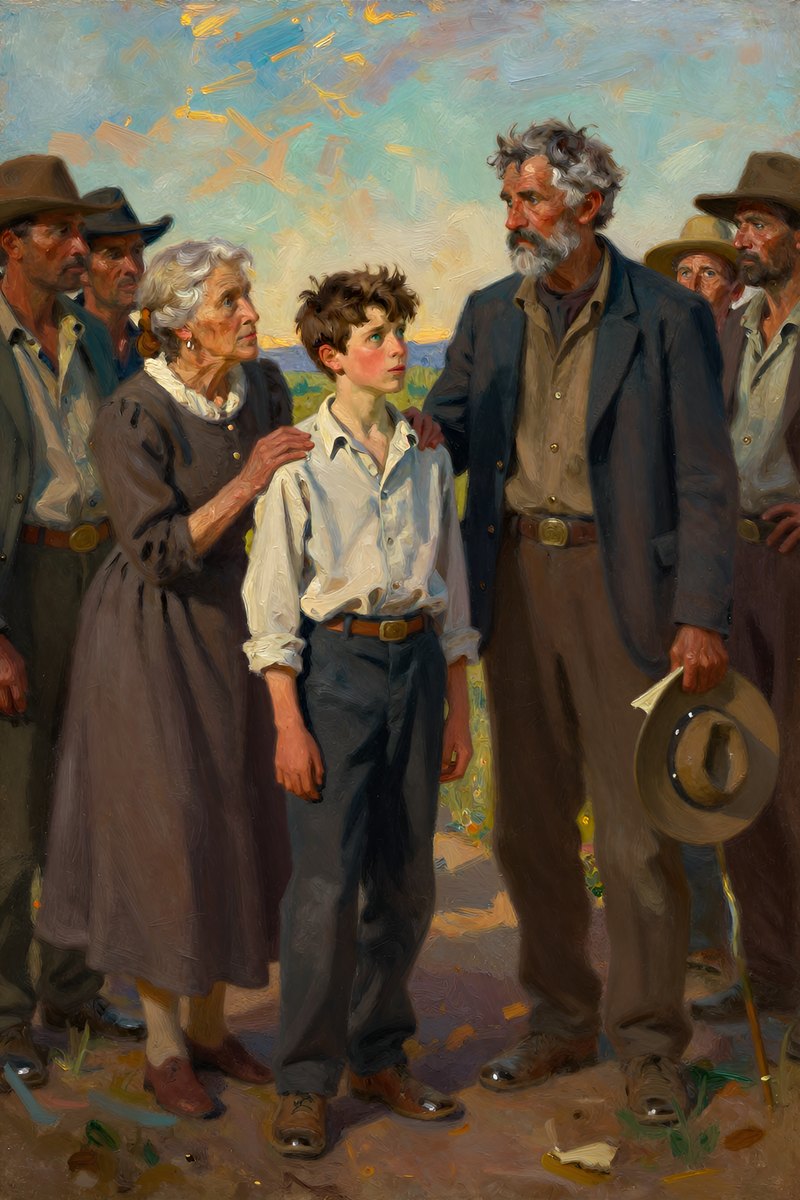
The first time I catched Tom private I asked him what was his idea, time of the evasion?—what it was he’d planned to do if the evasion worked all right and he managed to set a nigger free that was already free before? And he said, what he had planned in his head from the start, if we got Jim out all safe, was for us to run him down the river on the raft, and have adventures plumb to the mouth of the river, and then tell him about his being free, and take him back up home on a steamboat, in style, and pay him for his lost time, and write word ahead and get out all the niggers around, and have them waltz him into town with a torchlight procession and a brass-band, and then he would be a hero, and so would we. But I reckoned it was about as well the way it was.
We had Jim out of the chains in no time, and when Aunt Polly and Uncle Silas and Aunt Sally found out how good he helped the doctor nurse Tom, they made a heap of fuss over him, and fixed him up prime, and give him all he wanted to eat, and a good time, and nothing to do. And we had him up to the sick-room, and had a high talk; and Tom give Jim forty dollars for being prisoner for us so patient, and doing it up so good, and Jim was pleased most to death, and busted out, and says:
“_Dah_, now, Huck, what I tell you?—what I tell you up dah on Jackson islan’? I _tole_ you I got a hairy breas’, en what’s de sign un it; en I _tole_ you I ben rich wunst, en gwineter to be rich _agin;_ en it’s come true; en heah she _is! Dah_, now! doan’ talk to _me_—signs is _signs_, mine I tell you; en I knowed jis’ ’s well ’at I ’uz gwineter be rich agin as I’s a-stannin’ heah dis minute!”
And then Tom he talked along and talked along, and says, le’s all three slide out of here one of these nights and get an outfit, and go for howling adventures amongst the Injuns, over in the Territory, for a couple of weeks or two; and I says, all right, that suits me, but I ain’t got no money for to buy the outfit, and I reckon I couldn’t get none from home, because it’s likely pap’s been back before now, and got it all away from Judge Thatcher and drunk it up.
“No, he hain’t,” Tom says; “it’s all there yet—six thousand dollars and more; and your pap hain’t ever been back since. Hadn’t when I come away, anyhow.”
Jim says, kind of solemn:
“He ain’t a-comin’ back no mo’, Huck.”
I says:
“Why, Jim?”
“Nemmine why, Huck—but he ain’t comin’ back no mo.”
But I kept at him; so at last he says:
“Doan’ you ’member de house dat was float’n down de river, en dey wuz a man in dah, kivered up, en I went in en unkivered him and didn’ let you come in? Well, den, you kin git yo’ money when you wants it, kase dat wuz him.”
Tom’s most well now, and got his bullet around his neck on a watch-guard for a watch, and is always seeing what time it is, and so there ain’t nothing more to write about, and I am rotten glad of it, because if I’d a knowed what a trouble it was to make a book I wouldn’t a tackled it, and ain’t a-going to no more. But I reckon I got to light out for the Territory ahead of the rest, because Aunt Sally she’s going to adopt me and sivilize me, and I can’t stand it. I been there before.
THE END. YOURS TRULY, _HUCK FINN_.
1. In what way does the author's intended audience shape the reader's experience of the book? Answer: The author directly addresses the reader through Huck's narrative voice, framing the book as a sequel by mentioning that readers may know him from *The Adventures of Tom Sawyer*. Additionally, Twain includes an "Explanatory" note to inform the audience about the deliberate use of distinct Southwestern and negro dialects. This ensures that readers understand the varied speech patterns are intentional rather than haphazard attempts to make all characters talk alike.
2. In what way does the opening chapter shape the reader's experience of the book? Answer: The opening chapter establishes Huckleberry Finn's literal-minded perspective and his discomfort with the structured, "sivilized" lifestyle imposed by the Widow Douglas and Miss Watson. It sets a baseline for his character by revealing that he and Tom Sawyer became rich after finding gold in a cave, a fortune managed by Judge Thatcher. Furthermore, the chapter introduces Huck's deep-seated belief in superstitions and bad luck, such as his panic after accidentally burning a spider in a candle flame.
3. In what way does an important object or symbol shape the reader's experience of the book? Answer: A found drift-canoe shapes the reader's experience by providing Huck with a literal vehicle for autonomy and escape from his abusive father. After discovering it floating down the rising June river, Huck hides it to plan a journey fifty miles downstream rather than tramping on foot. This object transitions the narrative from a story of local confinement to an expansive journey of survival on Jackson's Island.
4. What can you say about the closing chapter in "Adventures of Huckleberry Finn"? Answer: Based on the provided text's table of contents, the final portion of the book is designated as "CHAPTER THE LAST". It is titled "Out of Bondage.—Paying the Captive.—Yours Truly, Huck Finn.". Because only the opening chapters are fully detailed in the text, further narrative specifics about this closing chapter are unavailable in the source.
5. How does Mark Twain develop the external obstacles the characters face throughout the story? Answer: Twain develops external obstacles through societal demands and physical captivity, notably when the Widow Douglas and Miss Watson try to force Huck into schooling and religious practices. A more severe obstacle emerges when Huck's father, Pap, kidnaps him and locks him inside a secluded log cabin on the Illinois shore. Huck is subjected to frequent lockouts and physical abuse, prompting him to use an old wood-saw to plot his escape.
6. What can you say about the relationships between characters in "Adventures of Huckleberry Finn"? Answer: The relationships are marked by a tension between control, companionship, and fear, seen in how the Widow Douglas tries to reform Huck out of care while Pap uses violence to assert his ownership. Huck's relationship with Tom Sawyer is rooted in childhood imagination and games, as they form a fictional robber gang based on books. Meanwhile, Huck interacts with Jim, Miss Watson's servant, who acts as a local authority on superstitions and uses an ox-stomach hair-ball to tell fortunes.
7. What can you say about the pivotal turning point in "Adventures of Huckleberry Finn"? Answer: A pivotal turning point occurs in Chapter 7 when Huck successfully executes his escape from Pap's locked cabin. He uses a saw to create an exit, slaughters a wild pig to stage his own bloody murder, and drags a sack of rocks to the river to mislead his pursuers. This intricate deception allows him to flee undetected on a canoe to Jackson's Island, completely altering his status from a captive to an independent runaway.
8. Why is an important object or symbol important to understanding "Adventures of Huckleberry Finn"? Answer: Superstitious objects, like the cross of big nails in a boot-heel or Jim's ox-stomach hair-ball, are essential for understanding the characters' mindsets and decisions. When Huck spots the cross track in the snow, he immediately recognizes it as a sign of danger and rushes to give his entire fortune to Judge Thatcher to protect it from his father. These symbols reveal how deeply the characters rely on magic and signs to navigate the unpredictable threats in their lives.
9. What questions does an important object or symbol raise for you as a reader? Answer: The text shows characters placing immense value on items like Jim's five-center piece, which Jim claims was a charm given to him by the devil. This raises questions about how such symbols generate social status, as other servants travel miles and give away possessions just to see it. It also prompts the reader to question the boundary between genuine belief and embellishment, given that Jim continually expands his story about being ridden by witches.
10. What questions does the author's use of humor raise for you as a reader? Answer: The author introduces humor through Tom Sawyer's insistence on strictly following "pirate-books and robber-books" to run his gang, leading the boys to debate the meaning of "ransom" and attack a Sunday-school picnic. This raises questions regarding the contrast between romanticized literary tropes and Huck's pragmatic, literal interpretation of reality. It highlights how humor is used to critique the absurdities of both childish fantasies and adult structures.
11. How does Mark Twain develop the story's themes throughout the story? Answer: Twain develops the theme of freedom versus civilization by contrasting Huck’s restrictive life at the widow’s house with his unrestricted time in the woods. While the widow demands cleanliness, regular prayers, and proper manners, Huck prefers wearing his old rags and smoking in secret. However, this desire for freedom is complicated when his time in the wilderness becomes a literal imprisonment under Pap's abusive custody.
12. What questions does the secondary characters raise for you as a reader? Answer: Secondary characters like Pap and the new judge raise questions about the effectiveness of institutional justice and reform. The new judge refuses to separate Huck from Pap because he wishes to preserve the family, and he naively believes Pap has reformed after a tearful temperance pledge. When Pap immediately sneaks out, trades his new coat for whisky, and breaks his arm while drunk, it forces the reader to question the blind spots of societal authorities.
Beneath its raft trips, con-artist schemes, and boyhood pranks, Adventures of Huckleberry Finn is not a book about freedom, adventure, or the Mississippi River. It is a book about a society's moral cowardice—a society that has trained a decent child to believe decency is sin. Every comic episode in the novel exists in the shadow of this fact, and the closer the text is read, the less room there is to soften it.
The Sore Truth Is: Huck's conscience has been so thoroughly corrupted by his upbringing that his most heroic act in the entire novel feels, to him, like his most damning one. When he sits with the letter that would return Jim to slavery, he does not talk himself into decency through moral reasoning; he talks himself into it through memory, replaying Jim's tenderness, his gratitude, his calling Huck "the best friend old Jim ever had in the world." Only then does Huck decide, "All right, then, I'll go to hell," and tear the letter up. Twain does not let Huck understand that he has just done the right thing. That is the novel's cruelest and most brilliant stroke: it forces the reader to watch a child mistake conscience for damnation, because every voice of authority in his world—religious, legal, social—has told him that helping a runaway is the sin and returning him is the virtue. The book's real subject is not Huck's journey down the river but the journey a corrupt society has already forced into his head before the story even begins.
Twain does not let this cost stay abstract. Jim's story of striking his small daughter for what he took as insolence, only to discover she had been left "plumb deef en dumb" by fever, is the novel's clearest picture of what slavery actually manufactures—not simply labor, but grief and self-recrimination in people it treats as property. And when Huck plays a cruel trick on Jim during the fog and is met not with anger but with Jim's quiet rebuke that such tricks are "trash" that "puts dirt on de head er dey fren's," the moral hierarchy of the novel inverts completely. It is Jim, the man the law calls property, who teaches Huck what friendship actually requires.
This is why the raft cannot be read as an escape into innocence. It is a floating rebuke to everything on shore: the feuding families, the mob violence, the kings and dukes who "make fools" of ordinary people for profit and are simply "low-down humbugs and frauds" once the mask slips. Every time Huck and Jim reach land, the novel's cruelty resumes; every time they push back onto the water, the truth clarifies. The book is not asking whether Huck will choose adventure over safety. It is asking whether a boy raised inside an entire civilization's moral failure can, despite that failure, still recognize a human being when he is holding one in his arms.
Therefore, Adventures of Huckleberry Finn is not a tale of a boy's escape from civilization, but an indictment of a civilization that had already, before the story starts, colonized its children's consciences against their own better instincts.
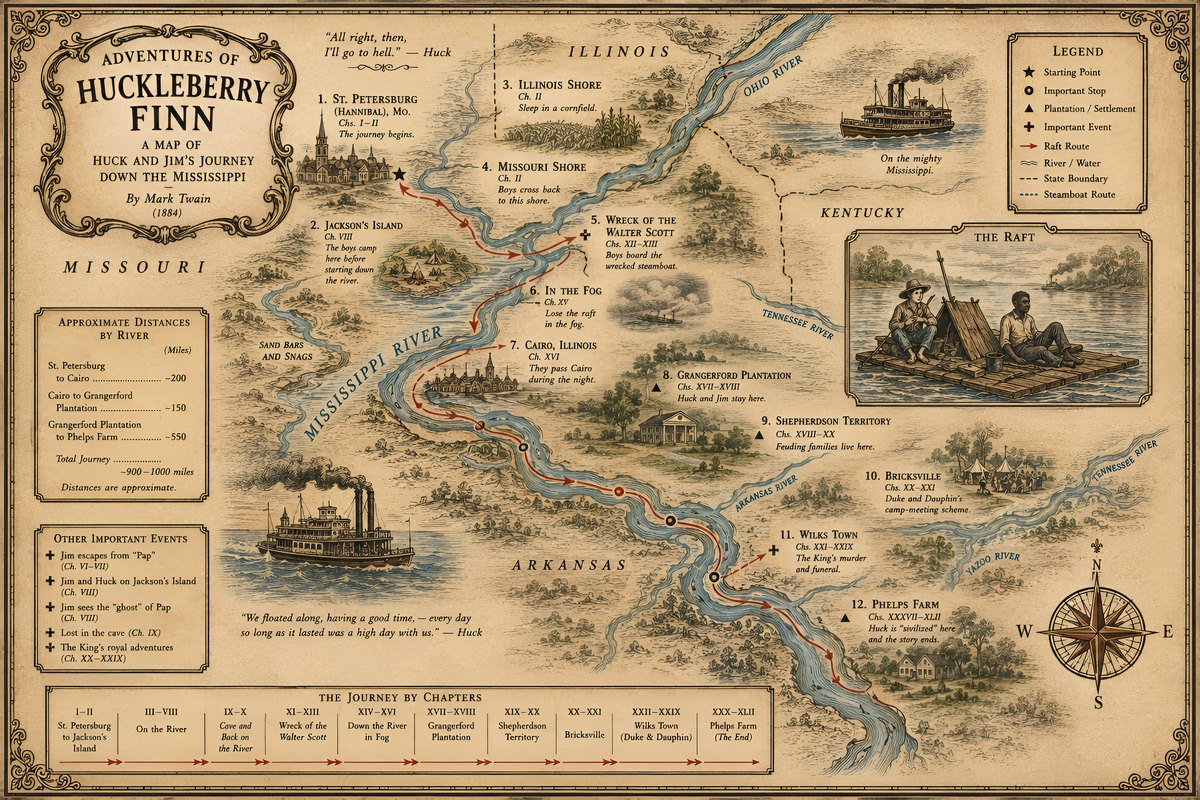
SECTION 1: KEY LOCATIONS St. Petersburg Real-world equivalent: A fictionalized version of Hannibal, Missouri, Twain's own boyhood hometown on the Mississippi River. How it appears: St. Petersburg is the small river town where Huck lives with the Widow Douglas and Miss Watson at the novel's opening. It is named explicitly when the runaway girl-in-disguise Huck meets tells him "This ain't Goshen. This is St. Petersburg," confirming the town's identity within the book's own geography. Significance to the plot: St. Petersburg represents the "civilized," rule-bound world Huck is trying to escape — school, church, manners, and the Widow's attempts to "sivilize" him. Nearly every later event in the novel is measured against this starting point of respectability and confinement.
The Widow Douglas's House Real-world equivalent: None specific; a genteel household within St. Petersburg. How it appears: This is where Huck is taken in after Tom Sawyer's earlier adventures, and where he is dressed in "new clothes," made to sit still at meals, and taught lessons about Moses and "the bad place." Miss Watson, the Widow's sister, lives there too and drills Huck with a spelling-book. Significance to the plot: The house is the novel's central symbol of constraining respectability. Huck's discomfort here — "it was rough living in the house all the time" — sets up his recurring impulse to "light out," which drives the entire narrative.
The Cave (Tom Sawyer's Gang's Hideout) Real-world equivalent: Possibly inspired by McDowell's Cave (now Mark Twain Cave) near Hannibal, Missouri, though not named as such in the text. How it appears: Reached through a hole in a hillside hidden among bushes, the cave leads through a low crawl-passage into a "kind of room, all damp and sweaty and cold." Here Tom Sawyer organizes the boys into "Tom Sawyer's Gang," with an oath signed in blood. Significance to the plot: The cave establishes the novel's early, comic register of boyhood make-believe — robbers, oaths, and imagined violence — against which the real dangers Huck later faces (his father's abuse, Jim's flight from slavery) will read as starkly more serious.
Judge Thatcher's Domain (Bank/Town Institutions) Real-world equivalent: None specific; a civic figure within St. Petersburg. How it appears: Judge Thatcher takes charge of Huck and Tom's treasure, investing it so that it "fetched us a dollar a day apiece." He reappears when Huck, fearing his father, tries to sign the money over to him. Significance to the plot: The Judge and the money represent the world of legal order and property that Huck's father, Pap, threatens to violate by force. The struggle over the six thousand dollars sets Pap's return to the plot in motion.
Pap's Cabin (Illinois Shore) Real-world equivalent: An unnamed spot on the Illinois side of the Mississippi, across from St. Petersburg/Hannibal. How it appears: After seizing custody of Huck, Pap takes him "up the river about three mile" and across to "an old log hut" in thick Illinois timber, so isolated that a stranger "couldn't find it if you didn't know where it was." Pap locks Huck inside whenever he goes to trade for whiskey, and beats him when drunk. Significance to the plot: The cabin is where Huck's captivity becomes physical and dangerous rather than merely social, and it is the place from which Huck stages his own faked murder and escape — the hinge event that launches the rest of the novel.
Jackson's Island Real-world equivalent: Modeled on an actual island in the Mississippi River near Hannibal, Missouri (islands in that stretch of the river have shifted or vanished over time due to the river's changing course). How it appears: Described as "heavy timbered and standing up out of the middle of the river, big and dark and solid, like a steamboat without any lights," it lies about two and a half miles downstream from the ferry landing. Huck hides out here after faking his death, and soon discovers Jim, Miss Watson's slave, also hiding there. Significance to the plot: The island is the novel's first free space outside the reach of St. Petersburg's laws and expectations, and the site where Huck and Jim's partnership begins — the relationship that will structure the rest of the book.
The Mississippi River Real-world equivalent: The Mississippi River itself, in the stretch running past Hannibal, Missouri. How it appears: The river runs through every chapter as the physical route between St. Petersburg, the Illinois shore, and Jackson's Island. Huck repeatedly describes it at night — moonlit, "miles and miles across," carrying sound strangely far over its surface. Significance to the plot: Even in these early chapters, the river is established as the medium of Huck's escape and freedom of movement, foreshadowing its larger role as the raft-journey setting for the rest of the novel.
SECTION 2: DESCRIPTIVE GEOGRAPHY The physical world of these opening chapters is built around a single stretch of the Mississippi River and the two shorelines that face each other across it: the Missouri side, where the town of St. Petersburg sits with its houses, church, and school, and the wooded, sparsely settled Illinois side, where Pap keeps Huck locked in his cabin. The landscape is heavily timbered and river-carved — bluffs, willow thickets, driftwood, and a wooded island rising "big and dark and solid" out of the current — and Twain renders it primarily through sound and light rather than broad description: oars creaking in rowlocks, voices carrying strangely far across still water, a single candle marking a distant cabin window in the dark. The climate suggested is a warm-weather Mississippi Valley summer, with long, humid nights, moonlit river surfaces, and no snow or cold weather mentioned in this stretch of the story.
This geography does real narrative work. The river is not just scenery but a boundary and an escape route: crossing it separates Huck from the Widow's civilizing rules, then from Pap's captivity, and finally deposits him on Jackson's Island, a space cut off from both shores and therefore outside anyone's authority. The island's isolation — "nobody ever comes there" — is what allows Huck to fake his own death convincingly and what allows Jim to hide undetected, so that the very shape of the land and water determines who can meet whom, and when. Even this early in the novel, the pattern that will govern the rest of the book is already visible in its geography: the shore represents society, law, and danger in different forms, while the river and its middle spaces offer temporary refuge from both.
PART 3
Tom Sawyer Abroad - Revised Illustrated Edition
Some books arrive as thunderclaps, and some arrive as encores. Tom Sawyer Abroad, first published in 1894, belongs firmly to the second kind — a lighter, stranger companion to the two novels that had already made its characters immortal. Readers who know Tom Sawyer and Huckleberry Finn from the banks of the Mississippi will find them here a very long way from home, carried up over the Atlantic and out across the sands of the Sahara in a runaway balloon. It is Mark Twain in a playful, experimental mood, letting familiar boys loose in wholly unfamiliar sky.
Narrated once more in Huck Finn's unmistakable voice, the story follows Tom, Huck, and Jim as they are swept off — half by accident, half by Tom's bottomless hunger for glory — aboard an inventor's flying machine bound for Africa. What unfolds is less a plot than a long, wandering conversation conducted at altitude. The three travelers drift over deserts and caravans and mirages, and mostly they talk: about the true size of the world, the color of countries on a map, the mathematics of distance, and whether a flea has earned anybody's respect.
That talk is the heart of the book, and the reason it has lasted. Twain sets Tom's storybook romanticism against Huck's plain literalism and Jim's stubborn common sense, then lets the argument run. It is Twain doing what almost no one has done better — building comedy out of the way ordinary people actually reason, and slipping in, almost sideways, his lifelong suspicion of grand pronouncements and borrowed authority. Written partly as a gentle send-up of the balloon-voyage adventure tales popular in his day, the novel outlives its targets because its questions outlive them. How do we know what is true? Who gets to decide? Why is the world so much bigger, and so much plainer, than the stories told about it?
This edition invites you to sit with those questions a little longer. Each chapter is accompanied by an original AI-generated illustration created for this volume, one image to carry you into the scene, and by scholarly annotations prepared by Source of Truth Publishing Co. Those notes illuminate Twain's satirical targets, unpack the vernacular, chart the geography the travelers cross, and situate the book within its era — including the racial language and attitudes it preserves, which the annotations meet directly rather than pass over.
What you hold, then, is a small, sharp, funny book given room to breathe: three unlikely companions, one improbable balloon, and a horizon that keeps refusing to end. Settle in, look up, and let Huck tell it his way. The ascension is about to begin.
CHAPTER I. Home again and basking in a hero's glory after the river adventures, Tom soon finds the town's praise fading and hungers for something bigger. The postmaster Nat Parsons's traveling reputation nettles him, and Tom, his head full of Walter Scott, proposes launching a grand crusade to the Holy Land. Huck and Jim argue the notion to pieces, but Tom keeps hankering after one more chance to be somebody again.
CHAPTER II. When the St. Louis papers trumpet a balloon bound for Europe, Tom drags Huck and Jim to see it, unwilling to let Nat Parsons brag first. The crowd jeers the inventor as a crank, but the three clamber aboard to inspect his craft. Without warning the professor casts off and soars away with them still on deck, carrying the boys helplessly out over the darkening countryside as rain closes in.
CHAPTER III. Waking aloft to a moody, secretive professor who warns them off the stern, Huck reckons up their speed and heading and realizes they started east and never turned. Tom coolly explains that the professor means to cross the Atlantic to England, or farther still. Argument and unease simmer as the last thread of land slips away behind them, leaving nothing below but endless, heaving, lonesome ocean.
CHAPTER IV. Loneliness deepens over the empty sea until a savage storm overtakes the balloon. The professor, drinking and unhinged, turns dangerous and threatens the boys in the pitching dark. In the struggle and confusion he goes overboard and is lost to the waves far below. Shaken and grieving, Huck, Tom, and Jim huddle in the bow through the wild night, pitying the friendless man and the world that had mocked him.
CHAPTER V. Alone with the balloon, the three debate turning back but resolve to press on and claim the glory of reaching England. Tom teaches himself to steer and land the craft, delighting in his fine new title of "erronort." They sight land at last and descend, only to be mobbed by a swarm of lions and tigers. A narrow escape and a clever pepper-box trick get them safely aloft again.
CHAPTER VI. Weak from the roasting heat, the boys climb to cooler air, where Tom deduces they are drifting over the Great Sahara in Africa. Spotting a caravan below, they swoop too close and send men and camels scattering in a panic of gunfire. Then a chance to do good arises: they lift a lost child back to its frantic mother, who weeps with joy and blesses Jim over and over as the balloon rises away.
CHAPTER VII. With noon fixed by his shadow and a far-off clock, Tom reckons their bearings and settles into desert life. A long, comic argument breaks out over the world's fastest creature, Tom insisting that the flea, for its size, outruns them all. The three grow lazy and fond of the still, peaceful sands, reading and napping aloft, until Tom spins a knowing tale that Huck and Jim cheerfully poke full of holes.
CHAPTER VIII. Skimming low at dawn, the travelers come upon a whole caravan of men and camels lying dead in the sand, and the grim sight hushes them like mourners. A shimmering lake appears and vanishes across the desert, sparking a heated dispute about mirages. Needing clothes, they gather what the dead no longer require, though the professor's spare garments hang absurdly long, leaving Jim to play jackleg tailor and trim them down.
CHAPTER IX. To replace their spoiling Missouri beefsteak, the boys fish up a young lion and a tiger cub for fresh meat, fending off the hungry pack with a revolver. Tom then holds forth on the sheer vastness of the Desert, laying its shape over the map of the United States to prove how it would blanket the whole country. Far off, a lone hill appears that Tom excitedly ties to an Arabian Nights treasure tale.
CHAPTER X. Tom recounts the Arabian Nights story of a poor dervish, a stingy camel-driver, and a hill hiding boundless treasure, a fable in which greed and a magic eye-salve bring ruin. Reaching the very hill, the three marvel that Tom has pinpointed it across all of Sahara as easily as picking a face from a crowd. Nearby they scrape salt from a pond to help cure their lion and tiger skins.
CHAPTER XI. Trailing another caravan by moonlight for company, Tom hatches a scheme to bottle genuine Sahara sand and sell it back home as a curiosity, ciphering up dizzy fortunes and fretting over customs duty. The get-rich dream soon collides with a ferocious sandstorm that buries the balloon and sets them shoveling for their lives. A joke at Jim's expense leaves the boys weak with laughter and Jim weak with work.
CHAPTER XII. Reaching the eastern edge of the Desert, the travelers thrill to the sight of the Pyramids and the brooding Sphinx. To gauge the monument's size, they perch Jim atop the Sphinx's head, but Arabs below take him for some strange creature and swarm to attack, leaving him besieged until a daring rescue snatches him away. A tangled argument follows, which Huck privately counts a clean victory, though he is too generous to crow.
CHAPTER XIII. The boys explore deep inside a pyramid, finding the empty stone box where a king once lay, then sightsee across Egypt and the Holy Land's storied places by donkey, boat, and balloon. When Tom realizes he has left his corncob pipe back home, Jim is sent flying off to fetch it, only to be caught by Aunt Polly, who plants herself and demands Tom's return. Reluctantly, the three turn homeward.
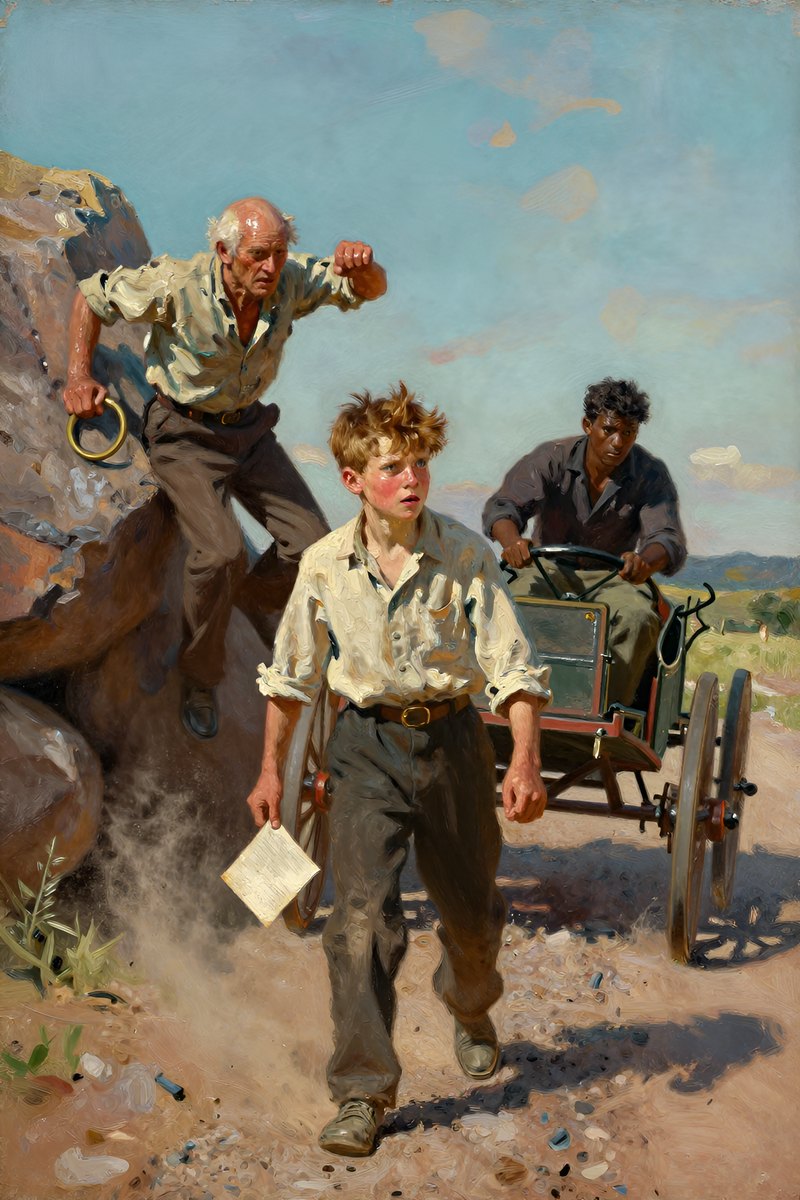
Do you reckon Tom Sawyer was satisfied after all them adventures? I mean the adventures we had down the river, and the time we set the darky Jim free and Tom got shot in the leg. No, he wasn’t. It only just p’isoned him for more. That was all the effect it had. You see, when we three came back up the river in glory, as you may say, from that long travel, and the village received us with a torchlight procession and speeches, and everybody hurrah’d and shouted, it made us heroes, and that was what Tom Sawyer had always been hankering to be.
For a while he was satisfied. Everybody made much of him, and he tilted up his nose and stepped around the town as though he owned it.
Some called him Tom Sawyer the Traveler, and that just swelled him up fit to bust. You see he laid over me and Jim considerable, because we only went down the river on a raft and came back by the steamboat, but Tom went by the steamboat both ways. The boys envied me and Jim a good deal, but land! they just knuckled to the dirt before TOM.
Well, I don’t know; maybe he might have been satisfied if it hadn’t been for old Nat Parsons, which was postmaster, and powerful long and slim, and kind o’ good-hearted and silly, and bald-headed, on account of his age, and about the talkiest old cretur I ever see. For as much as thirty years he’d been the only man in the village that had a reputation—I mean a reputation for being a traveler, and of course he was mortal proud of it, and it was reckoned that in the course of that thirty years he had told about that journey over a million times and enjoyed it every time. And now comes along a boy not quite fifteen, and sets everybody admiring and gawking over his travels, and it just give the poor old man the high strikes. It made him sick to listen to Tom, and to hear the people say “My land!” “Did you ever!” “My goodness sakes alive!” and all such things; but he couldn’t pull away from it, any more than a fly that’s got its hind leg fast in the molasses. And always when Tom come to a rest, the poor old cretur would chip in on his same old travels and work them for all they were worth; but they were pretty faded, and didn’t go for much, and it was pitiful to see.
And then Tom would take another innings, and then the old man again—and so on, and so on, for an hour and more, each trying to beat out the other.
You see, Parsons’ travels happened like this: When he first got to be postmaster and was green in the business, there come a letter for somebody he didn’t know, and there wasn’t any such person in the village. Well, he didn’t know what to do, nor how to act, and there the letter stayed and stayed, week in and week out, till the bare sight of it gave him a conniption. The postage wasn’t paid on it, and that was another thing to worry about. There wasn’t any way to collect that ten cents, and he reckon’d the gov’ment would hold him responsible for it and maybe turn him out besides, when they found he hadn’t collected it.
Well, at last he couldn’t stand it any longer. He couldn’t sleep nights, he couldn’t eat, he was thinned down to a shadder, yet he da’sn’t ask anybody’s advice, for the very person he asked for advice might go back on him and let the gov’ment know about the letter. He had the letter buried under the floor, but that did no good; if he happened to see a person standing over the place it’d give him the cold shivers, and loaded him up with suspicions, and he would sit up that night till the town was still and dark, and then he would sneak there and get it out and bury it in another place. Of course, people got to avoiding him and shaking their heads and whispering, because, the way he was looking and acting, they judged he had killed somebody or done something terrible, they didn’t know what, and if he had been a stranger they would’ve lynched him.
Well, as I was saying, it got so he couldn’t stand it any longer; so he made up his mind to pull out for Washington, and just go to the President of the United States and make a clean breast of the whole thing, not keeping back an atom, and then fetch the letter out and lay it before the whole gov’ment, and say, “Now, there she is—do with me what you’re a mind to; though as heaven is my judge I am an innocent man and not deserving of the full penalties of the law and leaving behind me a family that must starve and yet hadn’t had a thing to do with it, which is the whole truth and I can swear to it.”
So he did it. He had a little wee bit of steamboating, and some stage-coaching, but all the rest of the way was horseback, and it took him three weeks to get to Washington. He saw lots of land and lots of villages and four cities. He was gone ’most eight weeks, and there never was such a proud man in the village as he when he got back. His travels made him the greatest man in all that region, and the most talked about; and people come from as much as thirty miles back in the country, and from over in the Illinois bottoms, too, just to look at him—and there they’d stand and gawk, and he’d gabble. You never see anything like it.
Well, there wasn’t any way now to settle which was the greatest traveler; some said it was Nat, some said it was Tom. Everybody allowed that Nat had seen the most longitude, but they had to give in that whatever Tom was short in longitude he had made up in latitude and climate. It was about a stand-off; so both of them had to whoop up their dangerous adventures, and try to get ahead that way. That bullet-wound in Tom’s leg was a tough thing for Nat Parsons to buck against, but he bucked the best he could; and at a disadvantage, too, for Tom didn’t set still as he’d orter done, to be fair, but always got up and sauntered around and worked his limp while Nat was painting up the adventure that he had in Washington; for Tom never let go that limp when his leg got well, but practiced it nights at home, and kept it good as new right along.
Nat’s adventure was like this; I don’t know how true it is; maybe he got it out of a paper, or somewhere, but I will say this for him, that he did know how to tell it. He could make anybody’s flesh crawl, and he’d turn pale and hold his breath when he told it, and sometimes women and girls got so faint they couldn’t stick it out. Well, it was this way, as near as I can remember:
He come a-loping into Washington, and put up his horse and shoved out to the President’s house with his letter, and they told him the President was up to the Capitol, and just going to start for Philadelphia—not a minute to lose if he wanted to catch him. Nat ’most dropped, it made him so sick. His horse was put up, and he didn’t know what to do. But just then along comes a darky driving an old ramshackly hack, and he see his chance. He rushes out and shouts: “A half a dollar if you git me to the Capitol in half an hour, and a quarter extra if you do it in twenty minutes!”
“Done!” says the darky.
Nat he jumped in and slammed the door, and away they went a-ripping and a-tearing over the roughest road a body ever see, and the racket of it was something awful. Nat passed his arms through the loops and hung on for life and death, but pretty soon the hack hit a rock and flew up in the air, and the bottom fell out, and when it come down Nat’s feet was on the ground, and he see he was in the most desperate danger if he couldn’t keep up with the hack. He was horrible scared, but he laid into his work for all he was worth, and hung tight to the arm-loops and made his legs fairly fly. He yelled and shouted to the driver to stop, and so did the crowds along the street, for they could see his legs spinning along under the coach, and his head and shoulders bobbing inside through the windows, and he was in awful danger; but the more they all shouted the more the nigger whooped and yelled and lashed the horses and shouted, “Don’t you fret, I’se gwine to git you dah in time, boss; I’s gwine to do it, sho’!” for you see he thought they were all hurrying him up, and, of course, he couldn’t hear anything for the racket he was making. And so they went ripping along, and everybody just petrified to see it; and when they got to the Capitol at last it was the quickest trip that ever was made, and everybody said so. The horses laid down, and Nat dropped, all tuckered out, and he was all dust and rags and barefooted; but he was in time and just in time, and caught the President and give him the letter, and everything was all right, and the President give him a free pardon on the spot, and Nat give the nigger two extra quarters instead of one, because he could see that if he hadn’t had the hack he wouldn’t’a’ got there in time, nor anywhere near it.
It was a powerful good adventure, and Tom Sawyer had to work his bullet-wound mighty lively to hold his own against it.
Well, by and by Tom’s glory got to paling down gradu’ly, on account of other things turning up for the people to talk about—first a horse-race, and on top of that a house afire, and on top of that the circus, and on top of that the eclipse; and that started a revival, same as it always does, and by that time there wasn’t any more talk about Tom, so to speak, and you never see a person so sick and disgusted.
Pretty soon he got to worrying and fretting right along day in and day out, and when I asked him what was he in such a state about, he said it ’most broke his heart to think how time was slipping away, and him getting older and older, and no wars breaking out and no way of making a name for himself that he could see. Now that is the way boys is always thinking, but he was the first one I ever heard come out and say it.
So then he set to work to get up a plan to make him celebrated; and pretty soon he struck it, and offered to take me and Jim in. Tom Sawyer was always free and generous that way. There’s a-plenty of boys that’s mighty good and friendly when you’ve got a good thing, but when a good thing happens to come their way they don’t say a word to you, and try to hog it all. That warn’t ever Tom Sawyer’s way, I can say that for him. There’s plenty of boys that will come hankering and groveling around you when you’ve got an apple and beg the core off of you; but when they’ve got one, and you beg for the core and remind them how you give them a core one time, they say thank you ’most to death, but there ain’t a-going to be no core. But I notice they always git come up with; all you got to do is to wait.
Well, we went out in the woods on the hill, and Tom told us what it was. It was a crusade.
[Illustration: “We went out in the woods on the hill, and Tom told us what it was. It was a crusade.”] “What’s a crusade?” I says.
He looked scornful, the way he’s always done when he was ashamed of a person, and says:
“Huck Finn, do you mean to tell me you don’t know what a crusade is?”
“No,” says I, “I don’t. And I don’t care to, nuther. I’ve lived till now and done without it, and had my health, too. But as soon as you tell me, I’ll know, and that’s soon enough. I don’t see any use in finding out things and clogging up my head with them when I mayn’t ever have any occasion to use ’em. There was Lance Williams, he learned how to talk Choctaw here till one come and dug his grave for him. Now, then, what’s a crusade? But I can tell you one thing before you begin; if it’s a patent-right, there’s no money in it. Bill Thompson he—”
“Patent-right!” says he. “I never see such an idiot. Why, a crusade is a kind of war.”
I thought he must be losing his mind. But no, he was in real earnest, and went right on, perfectly ca’m.
“A crusade is a war to recover the Holy Land from the paynim.”
“Which Holy Land?”
“Why, the Holy Land—there ain’t but one.”
“What do we want of it?”
“Why, can’t you understand? It’s in the hands of the paynim, and it’s our duty to take it away from them.”
“How did we come to let them git hold of it?”
“We didn’t come to let them git hold of it. They always had it.”
“Why, Tom, then it must belong to them, don’t it?”
“Why of course it does. Who said it didn’t?”
I studied over it, but couldn’t seem to git at the right of it, no way.
I says:
“It’s too many for me, Tom Sawyer. If I had a farm and it was mine, and another person wanted it, would it be right for him to—”
“Oh, shucks! you don’t know enough to come in when it rains, Huck Finn.
It ain’t a farm, it’s entirely different. You see, it’s like this. They own the land, just the mere land, and that’s all they do own; but it was our folks, our Jews and Christians, that made it holy, and so they haven’t any business to be there defiling it. It’s a shame, and we ought not to stand it a minute. We ought to march against them and take it away from them.”
“Why, it does seem to me it’s the most mixed-up thing I ever see! Now, if I had a farm and another person—”
“Don’t I tell you it hasn’t got anything to do with farming? Farming is business, just common low-down business: that’s all it is, it’s all you can say for it; but this is higher, this is religious, and totally different.”
“Religious to go and take the land away from people that owns it?”
“Certainly; it’s always been considered so.”
Jim he shook his head, and says:
“Mars Tom, I reckon dey’s a mistake about it somers—dey mos’ sholy is.
I’s religious myself, en I knows plenty religious people, but I hain’t run across none dat acts like dat.”
It made Tom hot, and he says:
“Well, it’s enough to make a body sick, such mullet-headed ignorance!
If either of you’d read anything about history, you’d know that Richard Cur de Loon, and the Pope, and Godfrey de Bulleyn, and lots more of the most noble-hearted and pious people in the world, hacked and hammered at the paynims for more than two hundred years trying to take their land away from them, and swum neck-deep in blood the whole time—and yet here’s a couple of sap-headed country yahoos out in the backwoods of Missouri setting themselves up to know more about the rights and wrongs of it than they did! Talk about cheek!”
Well, of course, that put a more different light on it, and me and Jim felt pretty cheap and ignorant, and wished we hadn’t been quite so chipper. I couldn’t say nothing, and Jim he couldn’t for a while; then he says:
“Well, den, I reckon it’s all right; beca’se ef dey didn’t know, dey ain’t no use for po’ ignorant folks like us to be trying to know; en so, ef it’s our duty, we got to go en tackle it en do de bes’ we can.
Same time, I feel as sorry for dem paynims as Mars Tom. De hard part gwine to be to kill folks dat a body hain’t been ’quainted wid and dat hain’t done him no harm. Dat’s it, you see. Ef we wuz to go ’mongst ’em, jist we three, en say we’s hungry, en ast ’em for a bite to eat, why, maybe dey’s jist like yuther people. Don’t you reckon dey is? Why, dey’d give it, I know dey would, en den—”
“Then what?”
“Well, Mars Tom, my idea is like dis. It ain’t no use, we can’t kill dem po’ strangers dat ain’t doin’ us no harm, till we’ve had practice—I knows it perfectly well, Mars Tom—’deed I knows it perfectly well. But ef we takes a’ axe or two, jist you en me en Huck, en slips acrost de river to-night arter de moon’s gone down, en kills dat sick fam’ly dat’s over on the Sny, en burns dey house down, en—”
“Oh, you make me tired!” says Tom. “I don’t want to argue any more with people like you and Huck Finn, that’s always wandering from the subject, and ain’t got any more sense than to try to reason out a thing that’s pure theology by the laws that protect real estate!”
Now that’s just where Tom Sawyer warn’t fair. Jim didn’t mean no harm, and I didn’t mean no harm. We knowed well enough that he was right and we was wrong, and all we was after was to get at the how of it, and that was all; and the only reason he couldn’t explain it so we could understand it was because we was ignorant—yes, and pretty dull, too, I ain’t denying that; but, land! that ain’t no crime, I should think.
But he wouldn’t hear no more about it—just said if we had tackled the thing in the proper spirit, he would ’a’ raised a couple of thousand knights and put them in steel armor from head to heel, and made me a lieutenant and Jim a sutler, and took the command himself and brushed the whole paynim outfit into the sea like flies and come back across the world in a glory like sunset. But he said we didn’t know enough to take the chance when we had it, and he wouldn’t ever offer it again.
And he didn’t. When he once got set, you couldn’t budge him.
But I didn’t care much. I am peaceable, and don’t get up rows with people that ain’t doing nothing to me. I allowed if the paynim was satisfied I was, and we would let it stand at that.
Now Tom he got all that notion out of Walter Scott’s book, which he was always reading. And it was a wild notion, because in my opinion he never could’ve raised the men, and if he did, as like as not he would’ve got licked. I took the book and read all about it, and as near as I could make it out, most of the folks that shook farming to go crusading had a mighty rocky time of it.
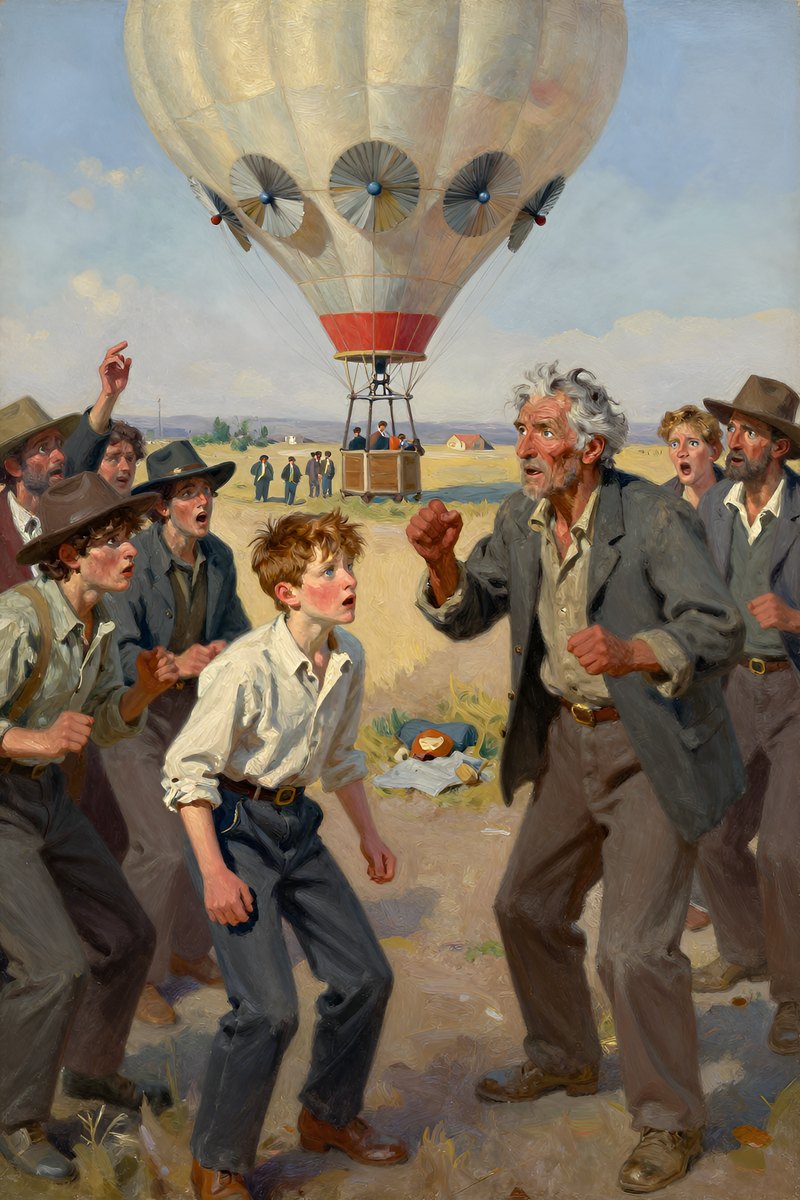
Well, Tom got up one thing after another, but they all had tender spots about ’em somewheres, and he had to shove ’em aside. So at last he was about in despair. Then the St. Louis papers begun to talk a good deal about the balloon that was going to sail to Europe, and Tom sort of thought he wanted to go down and see what it looked like, but couldn’t make up his mind. But the papers went on talking, and so he allowed that maybe if he didn’t go he mightn’t ever have another chance to see a balloon; and next, he found out that Nat Parsons was going down to see it, and that decided him, of course. He wasn’t going to have Nat Parsons coming back bragging about seeing the balloon, and him having to listen to it and keep quiet. So he wanted me and Jim to go too, and we went.
It was a noble big balloon, and had wings and fans and all sorts of things, and wasn’t like any balloon you see in pictures. It was away out toward the edge of town, in a vacant lot, corner of Twelfth street; and there was a big crowd around it, making fun of it, and making fun of the man,—a lean pale feller with that soft kind of moonlight in his eyes, you know,—and they kept saying it wouldn’t go. It made him hot to hear them, and he would turn on them and shake his fist and say they was animals and blind, but some day they would find they had stood face to face with one of the men that lifts up nations and makes civilizations, and was too dull to know it; and right here on this spot their own children and grandchildren would build a monument to him that would outlast a thousand years, but his name would outlast the monument. And then the crowd would burst out in a laugh again, and yell at him, and ask him what was his name before he was married, and what he would take to not do it, and what was his sister’s cat’s grandmother’s name, and all the things that a crowd says when they’ve got hold of a feller that they see they can plague. Well, some things they said was funny,—yes, and mighty witty too, I ain’t denying that,—but all the same it warn’t fair nor brave, all them people pitching on one, and they so glib and sharp, and him without any gift of talk to answer back with. But, good land! what did he want to sass back for? You see, it couldn’t do him no good, and it was just nuts for them. They had him, you know. But that was his way. I reckon he couldn’t help it; he was made so, I judge. He was a good enough sort of cretur, and hadn’t no harm in him, and was just a genius, as the papers said, which wasn’t his fault. We can’t all be sound: we’ve got to be the way we’re made. As near as I can make out, geniuses think they know it all, and so they won’t take people’s advice, but always go their own way, which makes everybody forsake them and despise them, and that is perfectly natural. If they was humbler, and listened and tried to learn, it would be better for them.
The part the professor was in was like a boat, and was big and roomy, and had water-tight lockers around the inside to keep all sorts of things in, and a body could sit on them, and make beds on them, too. We went aboard, and there was twenty people there, snooping around and examining, and old Nat Parsons was there, too. The professor kept fussing around getting ready, and the people went ashore, drifting out one at a time, and old Nat he was the last. Of course it wouldn’t do to let him go out behind us. We mustn’t budge till he was gone, so we could be last ourselves.
But he was gone now, so it was time for us to follow. I heard a big shout, and turned around—the city was dropping from under us like a shot! It made me sick all through, I was so scared. Jim turned gray and couldn’t say a word, and Tom didn’t say nothing, but looked excited.
The city went on dropping down, and down, and down; but we didn’t seem to be doing nothing but just hang in the air and stand still. The houses got smaller and smaller, and the city pulled itself together, closer and closer, and the men and wagons got to looking like ants and bugs crawling around, and the streets like threads and cracks; and then it all kind of melted together, and there wasn’t any city any more it was only a big scar on the earth, and it seemed to me a body could see up the river and down the river about a thousand miles, though of course it wasn’t so much. By and by the earth was a ball—just a round ball, of a dull color, with shiny stripes wriggling and winding around over it, which was rivers. The Widder Douglas always told me the earth was round like a ball, but I never took any stock in a lot of them superstitions o’ hers, and of course I paid no attention to that one, because I could see myself that the world was the shape of a plate, and flat. I used to go up on the hill, and take a look around and prove it for myself, because I reckon the best way to get a sure thing on a fact is to go and examine for yourself, and not take anybody’s say-so. But I had to give in now that the widder was right. That is, she was right as to the rest of the world, but she warn’t right about the part our village is in; that part is the shape of a plate, and flat, I take my oath!
The professor had been quiet all this time, as if he was asleep; but he broke loose now, and he was mighty bitter. He says something like this:
“Idiots! They said it wouldn’t go; and they wanted to examine it, and spy around and get the secret of it out of me. But I beat them. Nobody knows the secret but me. Nobody knows what makes it move but me; and it’s a new power—a new power, and a thousand times the strongest in the earth! Steam’s foolishness to it! They said I couldn’t go to Europe. To Europe! Why, there’s power aboard to last five years, and feed for three months. They are fools! What do they know about it? Yes, and they said my air-ship was flimsy. Why, she’s good for fifty years! I can sail the skies all my life if I want to, and steer where I please, though they laughed at that, and said I couldn’t. Couldn’t steer! Come here, boy; we’ll see. You press these buttons as I tell you.”
He made Tom steer the ship all about and every which way, and learnt him the whole thing in nearly no time; and Tom said it was perfectly easy. He made him fetch the ship down ’most to the earth, and had him spin her along so close to the Illinois prairies that a body could talk to the farmers, and hear everything they said perfectly plain; and he flung out printed bills to them that told about the balloon, and said it was going to Europe. Tom got so he could steer straight for a tree till he got nearly to it, and then dart up and skin right along over the top of it. Yes, and he showed Tom how to land her; and he done it first-rate, too, and set her down in the prairies as soft as wool. But the minute we started to skip out the professor says, “No, you don’t!”
and shot her up in the air again. It was awful. I begun to beg, and so did Jim; but it only give his temper a rise, and he begun to rage around and look wild out of his eyes, and I was scared of him.
Well, then he got on to his troubles again, and mourned and grumbled about the way he was treated, and couldn’t seem to git over it, and especially people’s saying his ship was flimsy. He scoffed at that, and at their saying she warn’t simple and would be always getting out of order. Get out of order! That graveled him; he said that she couldn’t any more get out of order than the solar sister.
He got worse and worse, and I never see a person take on so. It give me the cold shivers to see him, and so it did Jim. By and by he got to yelling and screaming, and then he swore the world shouldn’t ever have his secret at all now, it had treated him so mean. He said he would sail his balloon around the globe just to show what he could do, and then he would sink it in the sea, and sink us all along with it, too.
Well, it was the awfulest fix to be in, and here was night coming on!
He give us something to eat, and made us go to the other end of the boat, and he laid down on a locker, where he could boss all the works, and put his old pepper-box revolver under his head, and said if anybody come fooling around there trying to land her, he would kill him.
We set scrunched up together, and thought considerable, but didn’t say much—only just a word once in a while when a body had to say something or bust, we was so scared and worried. The night dragged along slow and lonesome. We was pretty low down, and the moonshine made everything soft and pretty, and the farmhouses looked snug and homeful, and we could hear the farm sounds, and wished we could be down there; but, laws! we just slipped along over them like a ghost, and never left a track.
Away in the night, when all the sounds was late sounds, and the air had a late feel, and a late smell, too—about a two-o’clock feel, as near as I could make out—Tom said the professor was so quiet this time he must be asleep, and we’d better— “Better what?” I says in a whisper, and feeling sick all over, because I knowed what he was thinking about.
“Better slip back there and tie him, and land the ship,” he says.
I says: “No, sir! Don’ you budge, Tom Sawyer.”
And Jim—well, Jim was kind o’ gasping, he was so scared. He says:
“Oh, Mars Tom, don’t! Ef you teches him, we’s gone—we’s gone sho’! I ain’t gwine anear him, not for nothin’ in dis worl’. Mars Tom, he’s plumb crazy.”
Tom whispers and says—“That’s why we’ve got to do something. If he wasn’t crazy I wouldn’t give shucks to be anywhere but here; you couldn’t hire me to get out—now that I’ve got used to this balloon and over the scare of being cut loose from the solid ground—if he was in his right mind. But it’s no good politics, sailing around like this with a person that’s out of his head, and says he’s going round the world and then drown us all. We’ve got to do something, I tell you, and do it before he wakes up, too, or we mayn’t ever get another chance. Come!”
But it made us turn cold and creepy just to think of it, and we said we wouldn’t budge. So Tom was for slipping back there by himself to see if he couldn’t get at the steering-gear and land the ship. We begged and begged him not to, but it warn’t no use; so he got down on his hands and knees, and begun to crawl an inch at a time, we a-holding our breath and watching. After he got to the middle of the boat he crept slower than ever, and it did seem like years to me. But at last we see him get to the professor’s head, and sort of raise up soft and look a good spell in his face and listen. Then we see him begin to inch along again toward the professor’s feet where the steering-buttons was. Well, he got there all safe, and was reaching slow and steady toward the buttons, but he knocked down something that made a noise, and we see him slump down flat an’ soft in the bottom, and lay still. The professor stirred, and says, “What’s that?” But everybody kept dead still and quiet, and he begun to mutter and mumble and nestle, like a person that’s going to wake up, and I thought I was going to die, I was so worried and scared.
Then a cloud slid over the moon, and I ’most cried, I was so glad. She buried herself deeper and deeper into the cloud, and it got so dark we couldn’t see Tom. Then it began to sprinkle rain, and we could hear the professor fussing at his ropes and things and abusing the weather. We was afraid every minute he would touch Tom, and then we would be goners, and no help; but Tom was already on his way back, and when we felt his hands on our knees my breath stopped sudden, and my heart fell down ’mongst my other works, because I couldn’t tell in the dark but it might be the professor! which I thought it was.
Dear! I was so glad to have him back that I was just as near happy as a person could be that was up in the air that way with a deranged man.
You can’t land a balloon in the dark, and so I hoped it would keep on raining, for I didn’t want Tom to go meddling any more and make us so awful uncomfortable. Well, I got my wish. It drizzled and drizzled along the rest of the night, which wasn’t long, though it did seem so; and at daybreak it cleared, and the world looked mighty soft and gray and pretty, and the forests and fields so good to see again, and the horses and cattle standing sober and thinking. Next, the sun come a-blazing up gay and splendid, and then we began to feel rusty and stretchy, and first we knowed we was all asleep.
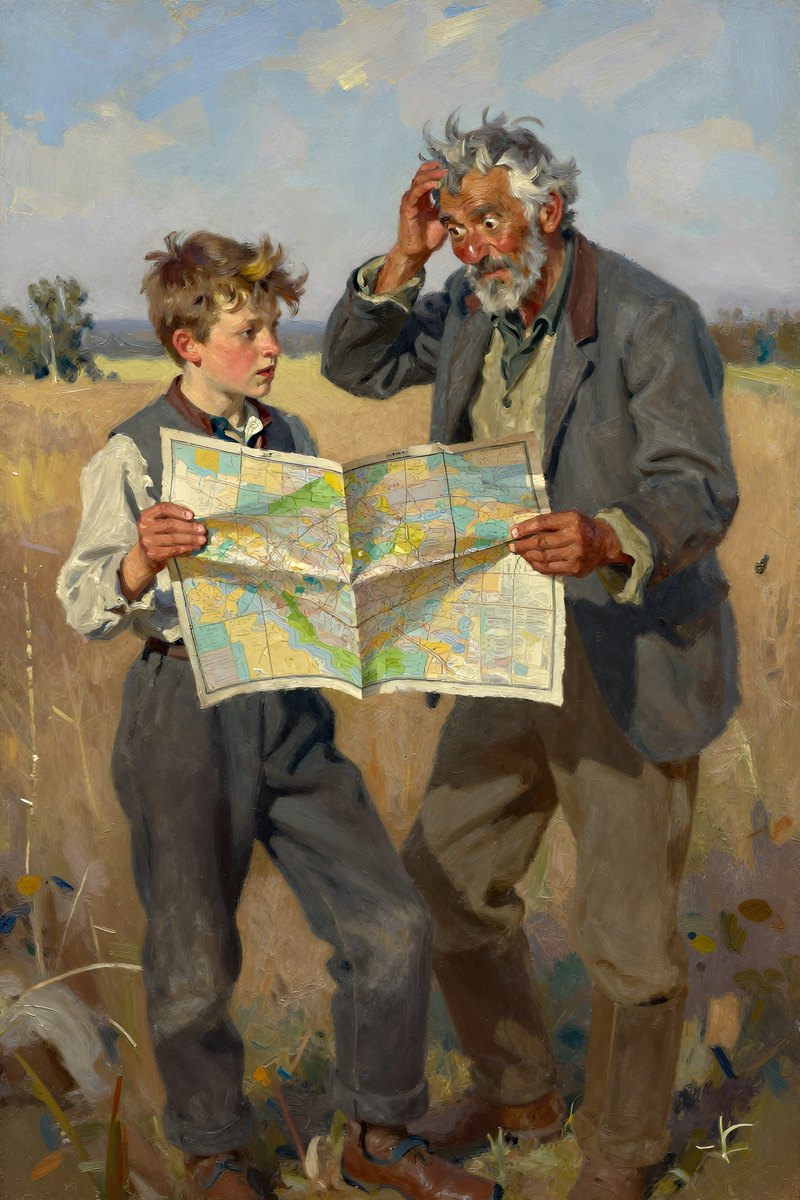
TOM EXPLAINS We went to sleep about four o’clock, and woke up about eight. The professor was setting back there at his end, looking glum. He pitched us some breakfast, but he told us not to come abaft the midship compass. That was about the middle of the boat. Well, when you are sharp-set, and you eat and satisfy yourself, everything looks pretty different from what it done before. It makes a body feel pretty near comfortable, even when he is up in a balloon with a genius. We got to talking together.
There was one thing that kept bothering me, and by and by I says:
“Tom, didn’t we start east?”
“Yes.”
“How fast have we been going?”
“Well, you heard what the professor said when he was raging round.
Sometimes, he said, we was making fifty miles an hour, sometimes ninety, sometimes a hundred; said that with a gale to help he could make three hundred any time, and said if he wanted the gale, and wanted it blowing the right direction, he only had to go up higher or down lower to find it.”
“Well, then, it’s just as I reckoned. The professor lied.”
“Why?”
“Because if we was going so fast we ought to be past Illinois, oughtn’t we?”
“Certainly.”
“Well, we ain’t.”
“What’s the reason we ain’t?”
“I know by the color. We’re right over Illinois yet. And you can see for yourself that Indiana ain’t in sight.”
“I wonder what’s the matter with you, Huck. You know by the color?”
“Yes, of course I do.”
“What’s the color got to do with it?”
“It’s got everything to do with it. Illinois is green, Indiana is pink.
You show me any pink down here, if you can. No, sir; it’s green.”
“Indiana pink? Why, what a lie!”
“It ain’t no lie; I’ve seen it on the map, and it’s pink.”
You never see a person so aggravated and disgusted. He says:
“Well, if I was such a numbskull as you, Huck Finn, I would jump over.
Seen it on the map! Huck Finn, did you reckon the States was the same color out-of-doors as they are on the map?”
“Tom Sawyer, what’s a map for? Ain’t it to learn you facts?”
“Of course.”
“Well, then, how’s it going to do that if it tells lies? That’s what I want to know.”
“Shucks, you muggins! It don’t tell lies.”
“It don’t, don’t it?”
“No, it don’t.”
“All right, then; if it don’t, there ain’t no two States the same color. You git around that if you can, Tom Sawyer.”
He see I had him, and Jim see it too; and I tell you, I felt pretty good, for Tom Sawyer was always a hard person to git ahead of. Jim slapped his leg and says:
“I tell you! dat’s smart, dat’s right down smart. Ain’t no use, Mars Tom; he got you dis time, sho’!” He slapped his leg again, and says, “My lan’, but it was smart one!”
I never felt so good in my life; and yet I didn’t know I was saying anything much till it was out. I was just mooning along, perfectly careless, and not expecting anything was going to happen, and never thinking of such a thing at all, when, all of a sudden, out it came.
Why, it was just as much a surprise to me as it was to any of them. It was just the same way it is when a person is munching along on a hunk of corn-pone, and not thinking about anything, and all of a sudden bites into a di’mond. Now all that he knows first off is that it’s some kind of gravel he’s bit into; but he don’t find out it’s a di’mond till he gits it out and brushes off the sand and crumbs and one thing or another, and has a look at it, and then he’s surprised and glad—yes, and proud too; though when you come to look the thing straight in the eye, he ain’t entitled to as much credit as he would ’a’ been if he’d been hunting di’monds. You can see the difference easy if you think it over. You see, an accident, that way, ain’t fairly as big a thing as a thing that’s done a-purpose. Anybody could find that di’mond in that corn-pone; but mind you, it’s got to be somebody that’s got that kind of a corn-pone. That’s where that feller’s credit comes in, you see; and that’s where mine comes in. I don’t claim no great things—I don’t reckon I could ’a’ done it again—but I done it that time; that’s all I claim. And I hadn’t no more idea I could do such a thing, and warn’t any more thinking about it or trying to, than you be this minute. Why, I was just as ca’m, a body couldn’t be any ca’mer, and yet, all of a sudden, out it come. I’ve often thought of that time, and I can remember just the way everything looked, same as if it was only last week. I can see it all: beautiful rolling country with woods and fields and lakes for hundreds and hundreds of miles all around, and towns and villages scattered everywheres under us, here and there and yonder; and the professor mooning over a chart on his little table, and Tom’s cap flopping in the rigging where it was hung up to dry. And one thing in particular was a bird right alongside, not ten foot off, going our way and trying to keep up, but losing ground all the time; and a railroad train doing the same thing down there, sliding among the trees and farms, and pouring out a long cloud of black smoke and now and then a little puff of white; and when the white was gone so long you had almost forgot it, you would hear a little faint toot, and that was the whistle. And we left the bird and the train both behind, ’way behind, and done it easy, too.
But Tom he was huffy, and said me and Jim was a couple of ignorant blatherskites, and then he says:
“Suppose there’s a brown calf and a big brown dog, and an artist is making a picture of them. What is the main thing that that artist has got to do? He has got to paint them so you can tell them apart the minute you look at them, hain’t he? Of course. Well, then, do you want him to go and paint both of them brown? Certainly you don’t. He paints one of them blue, and then you can’t make no mistake. It’s just the same with the maps. That’s why they make every State a different color; it ain’t to deceive you, it’s to keep you from deceiving yourself.”
But I couldn’t see no argument about that, and neither could Jim. Jim shook his head, and says:
“Why, Mars Tom, if you knowed what chuckle-heads dem painters is, you’d wait a long time before you’d fetch one er dem in to back up a fac’.
I’s gwine to tell you, den you kin see for you’self. I see one of ’em a-paintin’ away, one day, down in ole Hank Wilson’s back lot, en I went down to see, en he was paintin’ dat old brindle cow wid de near horn gone—you knows de one I means. En I ast him what he’s paintin’ her for, en he say when he git her painted, de picture’s wuth a hundred dollars.
Mars Tom, he could a got de cow fer fifteen, en I tole him so. Well, sah, if you’ll b’lieve me, he jes’ shuck his head, dat painter did, en went on a-dobbin’. Bless you, Mars Tom, dey don’t know nothin’.”
Tom lost his temper. I notice a person ’most always does that’s got laid out in an argument. He told us to shut up, and maybe we’d feel better. Then he see a town clock away off down yonder, and he took up the glass and looked at it, and then looked at his silver turnip, and then at the clock, and then at the turnip again, and says:
“That’s funny! That clock’s near about an hour fast.”
So he put up his turnip. Then he see another clock, and took a look, and it was an hour fast too. That puzzled him.
“That’s a mighty curious thing,” he says. “I don’t understand it.”
Then he took the glass and hunted up another clock, and sure enough it was an hour fast too. Then his eyes began to spread and his breath to come out kinder gaspy like, and he says:
“Ger-reat Scott, it’s the longitude!”
I says, considerably scared:
“Well, what’s been and gone and happened now?”
“Why, the thing that’s happened is that this old bladder has slid over Illinois and Indiana and Ohio like nothing, and this is the east end of Pennsylvania or New York, or somewheres around there.”
“Tom Sawyer, you don’t mean it!”
“Yes, I do, and it’s dead sure. We’ve covered about fifteen degrees of longitude since we left St. Louis yesterday afternoon, and them clocks are right. We’ve come close on to eight hundred miles.”
I didn’t believe it, but it made the cold streaks trickle down my back just the same. In my experience I knowed it wouldn’t take much short of two weeks to do it down the Mississippi on a raft. Jim was working his mind and studying. Pretty soon he says:
“Mars Tom, did you say dem clocks uz right?”
“Yes, they’re right.”
“Ain’t yo’ watch right, too?”
“She’s right for St. Louis, but she’s an hour wrong for here.”
“Mars Tom, is you tryin’ to let on dat de time ain’t de same everywheres?”
“No, it ain’t the same everywheres, by a long shot.”
Jim looked distressed, and says:
“It grieves me to hear you talk like dat, Mars Tom; I’s right down ashamed to hear you talk like dat, arter de way you’s been raised.
Yassir, it’d break yo’ Aunt Polly’s heart to hear you.”
Tom was astonished. He looked Jim over wondering, and didn’t say nothing, and Jim went on:
“Mars Tom, who put de people out yonder in St. Louis? De Lord done it.
Who put de people here whar we is? De Lord done it. Ain’ dey bofe his children? ’Cose dey is. Well, den! is he gwine to scriminate ’twixt ’em?”
“Scriminate! I never heard such ignorance. There ain’t no discriminating about it. When he makes you and some more of his children black, and makes the rest of us white, what do you call that?”
Jim see the p’int. He was stuck. He couldn’t answer. Tom says:
“He does discriminate, you see, when he wants to; but this case here ain’t no discrimination of his, it’s man’s. The Lord made the day, and he made the night; but he didn’t invent the hours, and he didn’t distribute them around. Man did that.”
“Mars Tom, is dat so? Man done it?”
“Certainly.”
“Who tole him he could?”
“Nobody. He never asked.”
Jim studied a minute, and says:
“Well, dat do beat me. I wouldn’t ’a’ tuck no sich resk. But some people ain’t scared o’ nothin’. Dey bangs right ahead; dey don’t care what happens. So den dey’s allays an hour’s diff’unce everywhah, Mars Tom?”
“An hour? No! It’s four minutes difference for every degree of longitude, you know. Fifteen of ’em’s an hour, thirty of ’em’s two hours, and so on. When it’s one clock Tuesday morning in England, it’s eight o’clock the night before in New York.”
Jim moved a little way along the locker, and you could see he was insulted. He kept shaking his head and muttering, and so I slid along to him and patted him on the leg, and petted him up, and got him over the worst of his feelings, and then he says:
“Mars Tom talkin’ sich talk as dat! Choosday in one place en Monday in t’other, bofe in the same day! Huck, dis ain’t no place to joke—up here whah we is. Two days in one day! How you gwine to get two days inter one day? Can’t git two hours inter one hour, kin you? Can’t git two niggers inter one nigger skin, kin you? Can’t git two gallons of whisky inter a one-gallon jug, kin you? No, sir, ’twould strain de jug. Yes, en even den you couldn’t, I don’t believe. Why, looky here, Huck, s’posen de Choosday was New Year’s—now den! is you gwine to tell me it’s dis year in one place en las’ year in t’other, bofe in de identical same minute? It’s de beatenest rubbage! I can’t stan’ it—I can’t stan’ to hear tell ’bout it.” Then he begun to shiver and turn gray, and Tom says:
“Now what’s the matter? What’s the trouble?”
Jim could hardly speak, but he says:
“Mars Tom, you ain’t jokin’, en it’s so?”
“No, I’m not, and it is so.”
Jim shivered again, and says:
“Den dat Monday could be de las’ day, en dey wouldn’t be no las’ day in England, en de dead wouldn’t be called. We mustn’t go over dah, Mars Tom. Please git him to turn back; I wants to be whah—”
All of a sudden we see something, and all jumped up, and forgot everything and begun to gaze. Tom says:
“Ain’t that the—” He catched his breath, then says: “It is, sure as you live! It’s the ocean!”
That made me and Jim catch our breath, too. Then we all stood petrified but happy, for none of us had ever seen an ocean, or ever expected to.
Tom kept muttering:
“Atlantic Ocean—Atlantic. Land, don’t it sound great! And that’s it—and we are looking at it—we! Why, it’s just too splendid to believe!”
Then we see a big bank of black smoke; and when we got nearer, it was a city—and a monster she was, too, with a thick fringe of ships around one edge; and we wondered if it was New York, and begun to jaw and dispute about it, and, first we knowed, it slid from under us and went flying behind, and here we was, out over the very ocean itself, and going like a cyclone. Then we woke up, I tell you!
We made a break aft and raised a wail, and begun to beg the professor to turn back and land us, but he jerked out his pistol and motioned us back, and we went, but nobody will ever know how bad we felt.
The land was gone, all but a little streak, like a snake, away off on the edge of the water, and down under us was just ocean, ocean, ocean—millions of miles of it, heaving and pitching and squirming, and white sprays blowing from the wave-tops, and only a few ships in sight, wallowing around and laying over, first on one side and then on t’other, and sticking their bows under and then their sterns; and before long there warn’t no ships at all, and we had the sky and the whole ocean all to ourselves, and the roomiest place I ever see and the lonesomest.
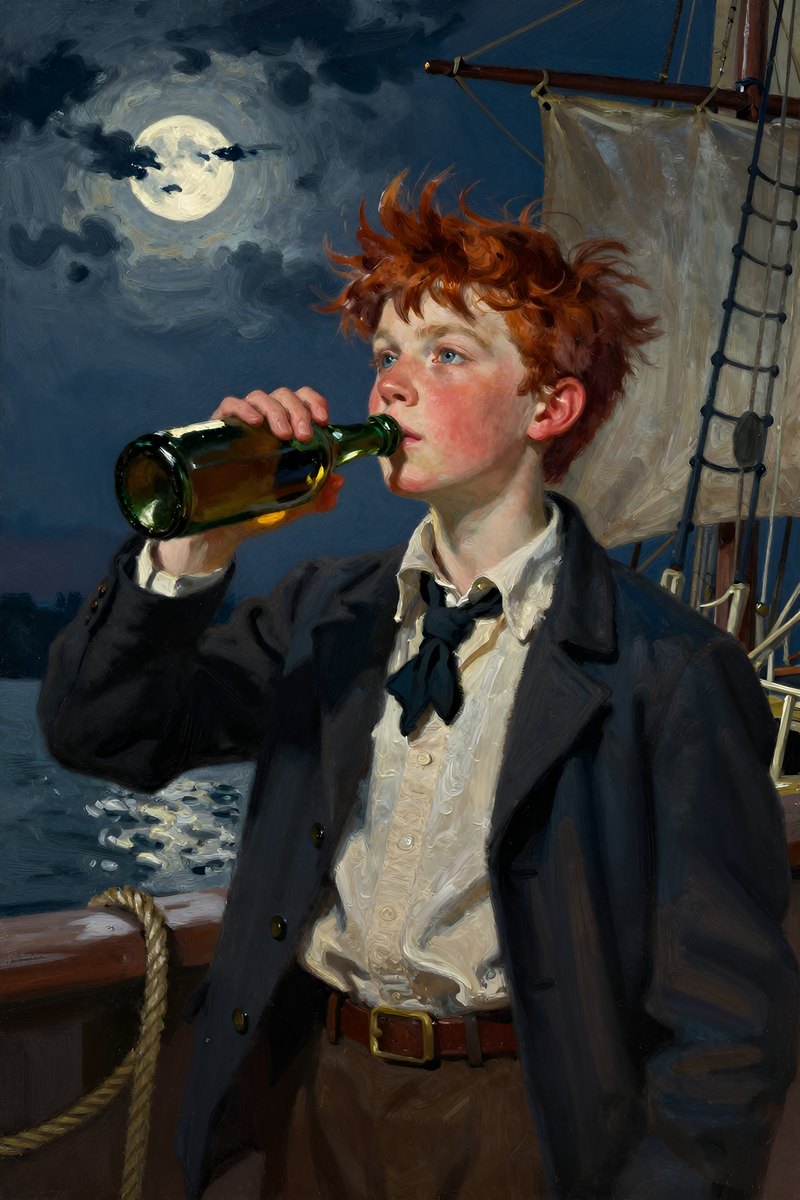
STORM And it got lonesomer and lonesomer. There was the big sky up there, empty and awful deep; and the ocean down there without a thing on it but just the waves. All around us was a ring, where the sky and the water come together; yes, a monstrous big ring it was, and we right in the dead center of it—plumb in the center. We was racing along like a prairie fire, but it never made any difference, we couldn’t seem to git past that center no way. I couldn’t see that we ever gained an inch on that ring. It made a body feel creepy, it was so curious and unaccountable.
Well, everything was so awful still that we got to talking in a very low voice, and kept on getting creepier and lonesomer and less and less talky, till at last the talk ran dry altogether, and we just set there and “thunk,” as Jim calls it, and never said a word the longest time.
The professor never stirred till the sun was overhead, then he stood up and put a kind of triangle to his eye, and Tom said it was a sextant and he was taking the sun to see whereabouts the balloon was. Then he ciphered a little and looked in a book, and then he begun to carry on again. He said lots of wild things, and, among others, he said he would keep up this hundred-mile gait till the middle of to-morrow afternoon, and then he’d land in London.
[Illustration: “The professor said he would keep up this hundred-mile gait till tomorrow”] We said we would be humbly thankful.
He was turning away, but he whirled around when we said that, and give us a long look of his blackest kind—one of the maliciousest and suspiciousest looks I ever see. Then he says:
“You want to leave me. Don’t try to deny it.”
[Illustration: “You want to leave me. Don’t try to deny it.”] We didn’t know what to say, so we held in and didn’t say nothing at all.
He went aft and set down, but he couldn’t seem to git that thing out of his mind. Every now and then he would rip out something about it, and try to make us answer him, but we dasn’t.
It got lonesomer and lonesomer right along, and it did seem to me I couldn’t stand it. It was still worse when night begun to come on. By and by Tom pinched me and whispers:
“Look!”
I took a glance aft, and see the professor taking a whet out of a bottle. I didn’t like the looks of that. By and by he took another drink, and pretty soon he begun to sing. It was dark now, and getting black and stormy. He went on singing, wilder and wilder, and the thunder begun to mutter, and the wind to wheeze and moan among the ropes, and altogether it was awful. It got so black we couldn’t see him any more, and wished we couldn’t hear him, but we could. Then he got still; but he warn’t still ten minutes till we got suspicious, and wished he would start up his noise again, so we could tell where he was. By and by there was a flash of lightning, and we see him start to get up, but he staggered and fell down. We heard him scream out in the dark:
“They don’t want to go to England. All right, I’ll change the course.
They want to leave me. I know they do. Well, they shall—and now!”
I ’most died when he said that. Then he was still again—still so long I couldn’t bear it, and it did seem to me the lightning wouldn’t ever come again. But at last there was a blessed flash, and there he was, on his hands and knees crawling, and not four feet from us. My, but his eyes was terrible! He made a lunge for Tom, and says, “Overboard you go!” but it was already pitch-dark again, and I couldn’t see whether he got him or not, and Tom didn’t make a sound.
There was another long, horrible wait; then there was a flash, and I see Tom’s head sink down outside the boat and disappear. He was on the rope-ladder that dangled down in the air from the gunnel. The professor let off a shout and jumped for him, and straight off it was pitch-dark again, and Jim groaned out, “Po’ Mars Tom, he’s a goner!” and made a jump for the professor, but the professor warn’t there.
Then we heard a couple of terrible screams, and then another not so loud, and then another that was ’way below, and you could only just hear it; and I heard Jim say, “Po’ Mars Tom!”
Then it was awful still, and I reckon a person could ’a’ counted four thousand before the next flash come. When it come I see Jim on his knees, with his arms on the locker and his face buried in them, and he was crying. Before I could look over the edge it was all dark again, and I was glad, because I didn’t want to see. But when the next flash come, I was watching, and down there I see somebody a-swinging in the wind on the ladder, and it was Tom!
“Come up!” I shouts; “come up, Tom!”
His voice was so weak, and the wind roared so, I couldn’t make out what he said, but I thought he asked was the professor up there. I shouts:
“No, he’s down in the ocean! Come up! Can we help you?”
Of course, all this in the dark.
“Huck, who is you hollerin’ at?”
“I’m hollerin’ at Tom.”
“Oh, Huck, how kin you act so, when you know po’ Mars Tom—” Then he let off an awful scream, and flung his head and his arms back and let off another one, because there was a white glare just then, and he had raised up his face just in time to see Tom’s, as white as snow, rise above the gunnel and look him right in the eye. He thought it was Tom’s ghost, you see.
Tom clumb aboard, and when Jim found it was him, and not his ghost, he hugged him, and called him all sorts of loving names, and carried on like he was gone crazy, he was so glad. Says I:
“What did you wait for, Tom? Why didn’t you come up at first?”
“I dasn’t, Huck. I knowed somebody plunged down past me, but I didn’t know who it was in the dark. It could ’a’ been you, it could ’a’ been Jim.”
That was the way with Tom Sawyer—always sound. He warn’t coming up till he knowed where the professor was.
The storm let go about this time with all its might; and it was dreadful the way the thunder boomed and tore, and the lightning glared out, and the wind sung and screamed in the rigging, and the rain come down. One second you couldn’t see your hand before you, and the next you could count the threads in your coat-sleeve, and see a whole wide desert of waves pitching and tossing through a kind of veil of rain. A storm like that is the loveliest thing there is, but it ain’t at its best when you are up in the sky and lost, and it’s wet and lonesome, and there’s just been a death in the family.
[Illustration: “The thunder boomed, and the lightning glared, and the wind screamed in the rigging”] We set there huddled up in the bow, and talked low about the poor professor; and everybody was sorry for him, and sorry the world had made fun of him and treated him so harsh, when he was doing the best he could, and hadn’t a friend nor nobody to encourage him and keep him from brooding his mind away and going deranged. There was plenty of clothes and blankets and everything at the other end, but we thought we’d ruther take the rain than go meddling back there.
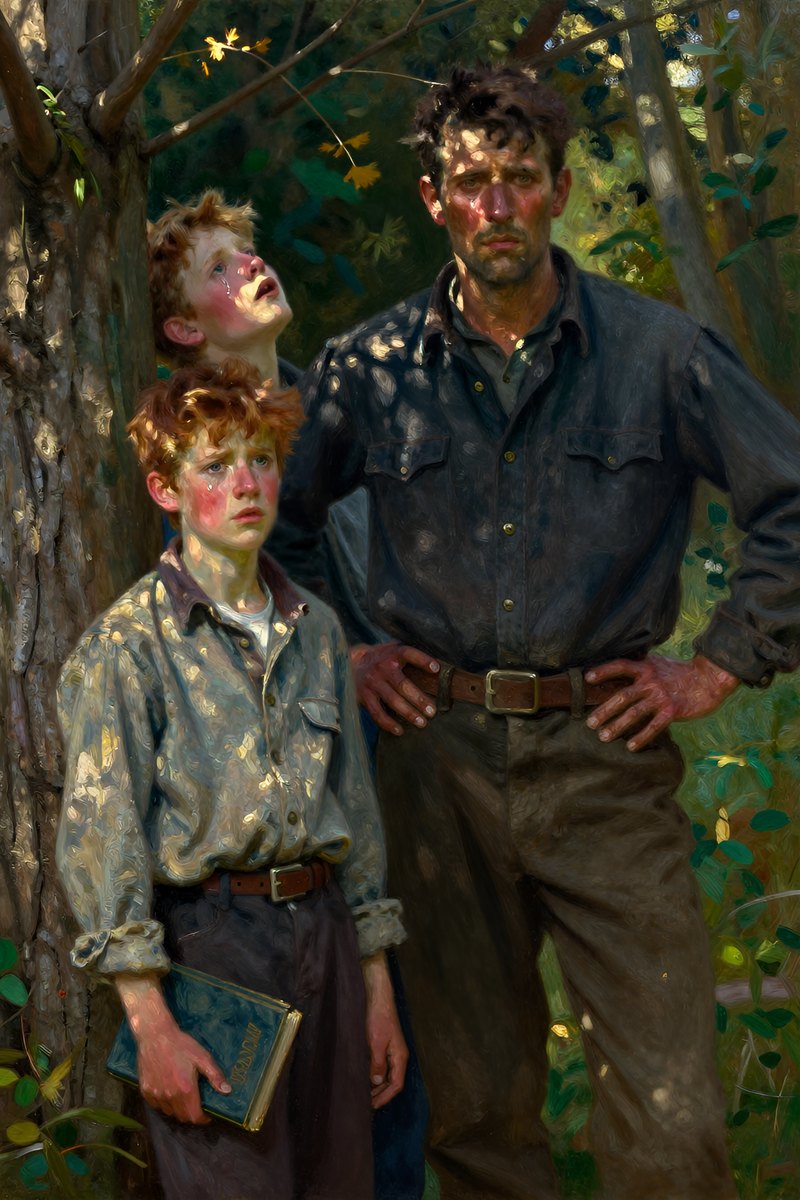
LAND We tried to make some plans, but we couldn’t come to no agreement. Me and Jim was for turning around and going back home, but Tom allowed that by the time daylight come, so we could see our way, we would be so far toward England that we might as well go there, and come back in a ship, and have the glory of saying we done it.
About midnight the storm quit and the moon come out and lit up the ocean, and we begun to feel comfortable and drowsy; so we stretched out on the lockers and went to sleep, and never woke up again till sun-up.
The sea was sparkling like di’monds, and it was nice weather, and pretty soon our things was all dry again.
We went aft to find some breakfast, and the first thing we noticed was that there was a dim light burning in a compass back there under a hood. Then Tom was disturbed. He says:
“You know what that means, easy enough. It means that somebody has got to stay on watch and steer this thing the same as he would a ship, or she’ll wander around and go wherever the wind wants her to.”
“Well,” I says, “what’s she been doing since—er—since we had the accident?”
“Wandering,” he says, kinder troubled—“wandering, without any doubt.
She’s in a wind now that’s blowing her south of east. We don’t know how long that’s been going on, either.”
So then he p’inted her east, and said he would hold her there till we rousted out the breakfast. The professor had laid in everything a body could want; he couldn’t ’a’ been better fixed. There wasn’t no milk for the coffee, but there was water, and everything else you could want, and a charcoal stove and the fixings for it, and pipes and cigars and matches; and wine and liquor, which warn’t in our line; and books, and maps, and charts, and an accordion; and furs, and blankets, and no end of rubbish, like brass beads and brass jewelry, which Tom said was a sure sign that he had an idea of visiting among savages. There was money, too. Yes, the professor was well enough fixed.
After breakfast Tom learned me and Jim how to steer, and divided us all up into four-hour watches, turn and turn about; and when his watch was out I took his place, and he got out the professor’s papers and pens and wrote a letter home to his aunt Polly, telling her everything that had happened to us, and dated it “In the Welkin, approaching England,” and folded it together and stuck it fast with a red wafer, and directed it, and wrote above the direction, in big writing, “From Tom Sawyer, the Erronort,” and said it would stump old Nat Parsons, the postmaster, when it come along in the mail. I says:
“Tom Sawyer, this ain’t no welkin, it’s a balloon.”
“Well, now, who said it was a welkin, smarty?”
“You’ve wrote it on the letter, anyway.”
“What of it? That don’t mean that the balloon’s the welkin.”
“Oh, I thought it did. Well, then, what is a welkin?”
I see in a minute he was stuck. He raked and scraped around in his mind, but he couldn’t find nothing, so he had to say:
“I don’t know, and nobody don’t know. It’s just a word, and it’s a mighty good word, too. There ain’t many that lays over it. I don’t believe there’s any that does.”
“Shucks!” I says. “But what does it mean?—that’s the p’int.”
“I don’t know what it means, I tell you. It’s a word that people uses for—for—well, it’s ornamental. They don’t put ruffles on a shirt to keep a person warm, do they?”
“Course they don’t.”
“But they put them on, don’t they?”
“Yes.”
“All right, then; that letter I wrote is a shirt, and the welkin’s the ruffle on it.”
I judged that that would gravel Jim, and it did.
“Now, Mars Tom, it ain’t no use to talk like dat; en, moreover, it’s sinful. You knows a letter ain’t no shirt, en dey ain’t no ruffles on it, nuther. Dey ain’t no place to put ’em on; you can’t put em on, and dey wouldn’t stay ef you did.”
“Oh do shut up, and wait till something’s started that you know something about.”
“Why, Mars Tom, sholy you can’t mean to say I don’t know about shirts, when, goodness knows, I’s toted home de washin’ ever sence—”
“I tell you, this hasn’t got anything to do with shirts. I only—”
“Why, Mars Tom, you said yo’self dat a letter—”
“Do you want to drive me crazy? Keep still. I only used it as a metaphor.”
That word kinder bricked us up for a minute. Then Jim says—rather timid, because he see Tom was getting pretty tetchy:
“Mars Tom, what is a metaphor?”
“A metaphor’s a—well, it’s a—a—a metaphor’s an illustration.” He see that didn’t git home, so he tried again. “When I say birds of a feather flocks together, it’s a metaphorical way of saying—”
“But dey don’t!, Mars Tom. No, sir, ’deed dey don’t. Dey ain’t no feathers dat’s more alike den a bluebird en a jaybird, but ef you waits till you catches dem birds together, you’ll—”
“Oh, give us a rest! You can’t get the simplest little thing through your thick skull. Now don’t bother me any more.”
Jim was satisfied to stop. He was dreadful pleased with himself for catching Tom out. The minute Tom begun to talk about birds I judged he was a goner, because Jim knowed more about birds than both of us put together. You see, he had killed hundreds and hundreds of them, and that’s the way to find out about birds. That’s the way people does that writes books about birds, and loves them so that they’ll go hungry and tired and take any amount of trouble to find a new bird and kill it.
Their name is ornithologers, and I could have been an ornithologer myself, because I always loved birds and creatures; and I started out to learn how to be one, and I see a bird setting on a limb of a high tree, singing with its head tilted back and its mouth open, and before I thought I fired, and his song stopped and he fell straight down from the limb, all limp like a rag, and I run and picked him up and he was dead, and his body was warm in my hand, and his head rolled about this way and that, like his neck was broke, and there was a little white skin over his eyes, and one little drop of blood on the side of his head; and, laws! I couldn’t see nothing more for the tears; and I hain’t never murdered no creature since that warn’t doing me no harm, and I ain’t going to.
But I was aggravated about that welkin. I wanted to know. I got the subject up again, and then Tom explained, the best he could. He said when a person made a big speech the newspapers said the shouts of the people made the welkin ring. He said they always said that, but none of them ever told what it was, so he allowed it just meant outdoors and up high. Well, that seemed sensible enough, so I was satisfied, and said so. That pleased Tom and put him in a good humor again, and he says:
“Well, it’s all right, then; and we’ll let bygones be bygones. I don’t know for certain what a welkin is, but when we land in London we’ll make it ring, anyway, and don’t you forget it.”
He said an erronort was a person who sailed around in balloons; and said it was a mighty sight finer to be Tom Sawyer the Erronort than to be Tom Sawyer the Traveler, and we would be heard of all round the world, if we pulled through all right, and so he wouldn’t give shucks to be a traveler now.
Toward the middle of the afternoon we got everything ready to land, and we felt pretty good, too, and proud; and we kept watching with the glasses, like Columbus discovering America. But we couldn’t see nothing but ocean. The afternoon wasted out and the sun shut down, and still there warn’t no land anywheres. We wondered what was the matter, but reckoned it would come out all right, so we went on steering east, but went up on a higher level so we wouldn’t hit any steeples or mountains in the dark.
It was my watch till midnight, and then it was Jim’s; but Tom stayed up, because he said ship captains done that when they was making the land, and didn’t stand no regular watch.
Well, when daylight come, Jim give a shout, and we jumped up and looked over, and there was the land sure enough—land all around, as far as you could see, and perfectly level and yaller. We didn’t know how long we’d been over it. There warn’t no trees, nor hills, nor rocks, nor towns, and Tom and Jim had took it for the sea. They took it for the sea in a dead ca’m; but we was so high up, anyway, that if it had been the sea and rough, it would ’a’ looked smooth, all the same, in the night, that way.
We was all in a powerful excitement now, and grabbed the glasses and hunted everywheres for London, but couldn’t find hair nor hide of it, nor any other settlement—nor any sign of a lake or a river, either. Tom was clean beat. He said it warn’t his notion of England; he thought England looked like America, and always had that idea. So he said we better have breakfast, and then drop down and inquire the quickest way to London. We cut the breakfast pretty short, we was so impatient. As we slanted along down, the weather began to moderate, and pretty soon we shed our furs. But it kept on moderating, and in a precious little while it was ’most too moderate. We was close down now, and just blistering!
We settled down to within thirty foot of the land—that is, it was land if sand is land; for this wasn’t anything but pure sand. Tom and me clumb down the ladder and took a run to stretch our legs, and it felt amazing good—that is, the stretching did, but the sand scorched our feet like hot embers. Next, we see somebody coming, and started to meet him; but we heard Jim shout, and looked around and he was fairly dancing, and making signs, and yelling. We couldn’t make out what he said, but we was scared anyway, and begun to heel it back to the balloon. When we got close enough, we understood the words, and they made me sick:
“Run! Run fo’ yo’ life! Hit’s a lion; I kin see him thoo de glass! Run, boys; do please heel it de bes’ you kin. He’s bu’sted outen de menagerie, en dey ain’t nobody to stop him!”
[Illustration: “Run! Run fo’ yo’ life!”] It made Tom fly, but it took the stiffening all out of my legs. I could only just gasp along the way you do in a dream when there’s a ghost gaining on you.
Tom got to the ladder and shinned up it a piece and waited for me; and as soon as I got a foothold on it he shouted to Jim to soar away. But Jim had clean lost his head, and said he had forgot how. So Tom shinned along up and told me to follow; but the lion was arriving, fetching a most ghastly roar with every lope, and my legs shook so I dasn’t try to take one of them out of the rounds for fear the other one would give way under me.
[Illustration: “And there was the lion, a-ripping around under me”] But Tom was aboard by this time, and he started the balloon up a little, and stopped it again as soon as the end of the ladder was ten or twelve feet above ground. And there was the lion, a-ripping around under me, and roaring and springing up in the air at the ladder, and only missing it about a quarter of an inch, it seemed to me. It was delicious to be out of his reach, perfectly delicious, and made me feel good and thankful all up one side; but I was hanging there helpless and couldn’t climb, and that made me feel perfectly wretched and miserable all down the other. It is most seldom that a person feels so mixed like that; and it is not to be recommended, either.
Tom asked me what he’d better do, but I didn’t know. He asked me if I could hold on whilst he sailed away to a safe place and left the lion behind. I said I could if he didn’t go no higher than he was now; but if he went higher I would lose my head and fall, sure. So he said, “Take a good grip,” and he started.
“Don’t go so fast,” I shouted. “It makes my head swim.”
He had started like a lightning express. He slowed down, and we glided over the sand slower, but still in a kind of sickening way; for it is uncomfortable to see things sliding and gliding under you like that, and not a sound.
But pretty soon there was plenty of sound, for the lion was catching up. His noise fetched others. You could see them coming on the lope from every direction, and pretty soon there was a couple of dozen of them under me, jumping up at the ladder and snarling and snapping at each other; and so we went skimming along over the sand, and these fellers doing what they could to help us to not forgit the occasion; and then some other beasts come, without an invite, and they started a regular riot down there.
We see this plan was a mistake. We couldn’t ever git away from them at this gait, and I couldn’t hold on forever. So Tom took a think, and struck another idea. That was, to kill a lion with the pepper-box revolver, and then sail away while the others stopped to fight over the carcass. So he stopped the balloon still, and done it, and then we sailed off while the fuss was going on, and come down a quarter of a mile off, and they helped me aboard; but by the time we was out of reach again, that gang was on hand once more. And when they see we was really gone and they couldn’t get us, they sat down on their hams and looked up at us so kind of disappointed that it was as much as a person could do not to see their side of the matter.
IT’S A CARAVAN I was so weak that the only thing I wanted was a chance to lay down, so I made straight for my locker-bunk, and stretched myself out there. But a body couldn’t get back his strength in no such oven as that, so Tom give the command to soar, and Jim started her aloft.
We had to go up a mile before we struck comfortable weather where it was breezy and pleasant and just right, and pretty soon I was all straight again. Tom had been setting quiet and thinking; but now he jumps up and says:
“I bet you a thousand to one I know where we are. We’re in the Great Sahara, as sure as guns!”
He was so excited he couldn’t hold still; but I wasn’t. I says:
“Well, then, where’s the Great Sahara? In England or in Scotland?”
“’Tain’t in either; it’s in Africa.”
Jim’s eyes bugged out, and he begun to stare down with no end of interest, because that was where his originals come from; but I didn’t more than half believe it. I couldn’t, you know; it seemed too awful far away for us to have traveled.
But Tom was full of his discovery, as he called it, and said the lions and the sand meant the Great Desert, sure. He said he could ’a’ found out, before we sighted land, that we was crowding the land somewheres, if he had thought of one thing; and when we asked him what, he said:
“These clocks. They’re chronometers. You always read about them in sea voyages. One of them is keeping Grinnage time, and the other is keeping St. Louis time, like my watch. When we left St. Louis it was four in the afternoon by my watch and this clock, and it was ten at night by this Grinnage clock. Well, at this time of the year the sun sets at about seven o’clock. Now I noticed the time yesterday evening when the sun went down, and it was half-past five o’clock by the Grinnage clock, and half past 11 A.M. by my watch and the other clock. You see, the sun rose and set by my watch in St. Louis, and the Grinnage clock was six hours fast; but we’ve come so far east that it comes within less than half an hour of setting by the Grinnage clock now, and I’m away out—more than four hours and a half out. You see, that meant that we was closing up on the longitude of Ireland, and would strike it before long if we was p’inted right—which we wasn’t. No, sir, we’ve been a-wandering—wandering ’way down south of east, and it’s my opinion we are in Africa. Look at this map. You see how the shoulder of Africa sticks out to the west. Think how fast we’ve traveled; if we had gone straight east we would be long past England by this time. You watch for noon, all of you, and we’ll stand up, and when we can’t cast a shadow we’ll find that this Grinnage clock is coming mighty close to marking twelve. Yes, sir, I think we’re in Africa; and it’s just bully.”
Jim was gazing down with the glass. He shook his head and says:
“Mars Tom, I reckon dey’s a mistake som’er’s, hain’t seen no niggers yit.”
“That’s nothing; they don’t live in the desert. What is that, ’way off yonder? Gimme a glass.”
He took a long look, and said it was like a black string stretched across the sand, but he couldn’t guess what it was.
“Well,” I says, “I reckon maybe you’ve got a chance now to find out whereabouts this balloon is, because as like as not that is one of these lines here, that’s on the map, that you call meridians of longitude, and we can drop down and look at its number, and—”
“Oh, shucks, Huck Finn, I never see such a lunkhead as you. Did you s’pose there’s meridians of longitude on the earth?”
“Tom Sawyer, they’re set down on the map, and you know it perfectly well, and here they are, and you can see for yourself.”
“Of course they’re on the map, but that’s nothing; there ain’t any on the ground.”
“Tom, do you know that to be so?”
“Certainly I do.”
“Well, then, that map’s a liar again. I never see such a liar as that map.”
He fired up at that, and I was ready for him, and Jim was warming his opinion, too, and next minute we’d ’a’ broke loose on another argument, if Tom hadn’t dropped the glass and begun to clap his hands like a maniac and sing out:
“Camels!—Camels!”
So I grabbed a glass and Jim, too, and took a look, but I was disappointed, and says:
“Camels your granny; they’re spiders.”
“Spiders in a desert, you shad? Spiders walking in a procession? You don’t ever reflect, Huck Finn, and I reckon you really haven’t got anything to reflect with. Don’t you know we’re as much as a mile up in the air, and that that string of crawlers is two or three miles away? Spiders, good land! Spiders as big as a cow? Perhaps you’d like to go down and milk one of ’em. But they’re camels, just the same. It’s a caravan, that’s what it is, and it’s a mile long.”
“Well, then, let’s go down and look at it. I don’t believe in it, and ain’t going to till I see it and know it.”
“All right,” he says, and give the command:
“Lower away.”
As we come slanting down into the hot weather, we could see that it was camels, sure enough, plodding along, an everlasting string of them, with bales strapped to them, and several hundred men in long white robes, and a thing like a shawl bound over their heads and hanging down with tassels and fringes; and some of the men had long guns and some hadn’t, and some was riding and some was walking. And the weather—well, it was just roasting. And how slow they did creep along! We swooped down now, all of a sudden, and stopped about a hundred yards over their heads.
[Illustration: “We swooped down, now, all of a sudden”] The men all set up a yell, and some of them fell flat on their stomachs, some begun to fire their guns at us, and the rest broke and scampered every which way, and so did the camels.
We see that we was making trouble, so we went up again about a mile, to the cool weather, and watched them from there. It took them an hour to get together and form the procession again; then they started along, but we could see by the glasses that they wasn’t paying much attention to anything but us. We poked along, looking down at them with the glasses, and by and by we see a big sand mound, and something like people the other side of it, and there was something like a man laying on top of the mound that raised his head up every now and then, and seemed to be watching the caravan or us, we didn’t know which. As the caravan got nearer, he sneaked down on the other side and rushed to the other men and horses—for that is what they was—and we see them mount in a hurry; and next, here they come, like a house afire, some with lances and some with long guns, and all of them yelling the best they could.
They come a-tearing down on to the caravan, and the next minute both sides crashed together and was all mixed up, and there was such another popping of guns as you never heard, and the air got so full of smoke you could only catch glimpses of them struggling together. There must ’a’ been six hundred men in that battle, and it was terrible to see.
Then they broke up into gangs and groups, fighting tooth and nail, and scurrying and scampering around, and laying into each other like everything; and whenever the smoke cleared a little you could see dead and wounded people and camels scattered far and wide and all about, and camels racing off in every direction.
[Illustration: “The last man to go snatched up a child, and carried it off in front of him on his horse”] At last the robbers see they couldn’t win, so their chief sounded a signal, and all that was left of them broke away and went scampering across the plain. The last man to go snatched up a child and carried it off in front of him on his horse, and a woman run screaming and begging after him, and followed him away off across the plain till she was separated a long ways from her people; but it warn’t no use, and she had to give it up, and we see her sink down on the sand and cover her face with her hands. Then Tom took the hellum, and started for that yahoo, and we come a-whizzing down and made a swoop, and knocked him out of the saddle, child and all; and he was jarred considerable, but the child wasn’t hurt, but laid there working its hands and legs in the air like a tumble-bug that’s on its back and can’t turn over. The man went staggering off to overtake his horse, and didn’t know what had hit him, for we was three or four hundred yards up in the air by this time.
[Illustration: “We come a-whizzing down, and made a swoop, and knocked him out of the saddle, child and all”] We judged the woman would go and get the child now; but she didn’t. We could see her, through the glass, still setting there, with her head bowed down on her knees; so of course she hadn’t seen the performance, and thought her child was clean gone with the man. She was nearly a half a mile from her people, so we thought we might go down to the child, which was about a quarter of a mile beyond her, and snake it to her before the caravan people could git to us to do us any harm; and besides, we reckoned they had enough business on their hands for one while, anyway, with the wounded. We thought we’d chance it, and we did.
We swooped down and stopped, and Jim shinned down the ladder and fetched up the kid, which was a nice fat little thing, and in a noble good humor, too, considering it was just out of a battle and been tumbled off of a horse; and then we started for the mother, and stopped back of her and tolerable near by, and Jim slipped down and crept up easy, and when he was close back of her the child goo-goo’d, the way a child does, and she heard it, and whirled and fetched a shriek of joy, and made a jump for the kid and snatched it and hugged it, and dropped it and hugged Jim, and then snatched off a gold chain and hung it around Jim’s neck, and hugged him again, and jerked up the child again, a-sobbing and glorifying all the time; and Jim he shoved for the ladder and up it, and in a minute we was back up in the sky and the woman was staring up, with the back of her head between her shoulders and the child with its arms locked around her neck. And there she stood, as long as we was in sight a-sailing away in the sky.
TOM RESPECTS THE FLEA “Noon!” says Tom, and so it was. His shadder was just a blot around his feet. We looked, and the Grinnage clock was so close to twelve the difference didn’t amount to nothing. So Tom said London was right north of us or right south of us, one or t’other, and he reckoned by the weather and the sand and the camels it was north; and a good many miles north, too; as many as from New York to the city of Mexico, he guessed.
Jim said he reckoned a balloon was a good deal the fastest thing in the world, unless it might be some kinds of birds—a wild pigeon, maybe, or a railroad.
But Tom said he had read about railroads in England going nearly a hundred miles an hour for a little ways, and there never was a bird in the world that could do that—except one, and that was a flea.
“A flea? Why, Mars Tom, in de fust place he ain’t a bird, strickly speakin’—”
“He ain’t a bird, eh? Well, then, what is he?”
“I don’t rightly know, Mars Tom, but I speck he’s only jist a’ animal.
No, I reckon dat won’t do, nuther, he ain’t big enough for a’ animal.
He mus’ be a bug. Yassir, dat’s what he is, he’s a bug.”
“I bet he ain’t, but let it go. What’s your second place?”
“Well, in de second place, birds is creturs dat goes a long ways, but a flea don’t.”
“He don’t, don’t he? Come, now, what is a long distance, if you know?”
“Why, it’s miles, and lots of ’em—anybody knows dat.”
“Can’t a man walk miles?”
“Yassir, he kin.”
“As many as a railroad?”
“Yassir, if you give him time.”
“Can’t a flea?”
“Well—I s’pose so—ef you gives him heaps of time.”
“Now you begin to see, don’t you, that distance ain’t the thing to judge by, at all; it’s the time it takes to go the distance in that counts, ain’t it?”
“Well, hit do look sorter so, but I wouldn’t ’a’ b’lieved it, Mars Tom.”
[Illustration: “And where’s your railroad, alongside of a flea?”] “It’s a matter of proportion, that’s what it is; and when you come to gauge a thing’s speed by its size, where’s your bird and your man and your railroad, alongside of a flea? The fastest man can’t run more than about ten miles in an hour—not much over ten thousand times his own length. But all the books says any common ordinary third-class flea can jump a hundred and fifty times his own length; yes, and he can make five jumps a second too—seven hundred and fifty times his own length, in one little second—for he don’t fool away any time stopping and starting—he does them both at the same time; you’ll see, if you try to put your finger on him. Now that’s a common, ordinary, third-class flea’s gait; but you take an Eyetalian first-class, that’s been the pet of the nobility all his life, and hasn’t ever knowed what want or sickness or exposure was, and he can jump more than three hundred times his own length, and keep it up all day, five such jumps every second, which is fifteen hundred times his own length. Well, suppose a man could go fifteen hundred times his own length in a second—say, a mile and a half. It’s ninety miles a minute; it’s considerable more than five thousand miles an hour. Where’s your man now?—yes, and your bird, and your railroad, and your balloon? Laws, they don’t amount to shucks ’longside of a flea. A flea is just a comet b’iled down small.”
[Illustration: “Where’s your man now?”] Jim was a good deal astonished, and so was I. Jim said:
“Is dem figgers jist edjackly true, en no jokin’ en no lies, Mars Tom?”
“Yes, they are; they’re perfectly true.”
“Well, den, honey, a body’s got to respec’ a flea. I ain’t had no respec’ for um befo’, sca’sely, but dey ain’t no gittin’ roun’ it, dey do deserve it, dat’s certain.”
“Well, I bet they do. They’ve got ever so much more sense, and brains, and brightness, in proportion to their size, than any other cretur in the world. A person can learn them ’most anything; and they learn it quicker than any other cretur, too. They’ve been learnt to haul little carriages in harness, and go this way and that way and t’other way according to their orders; yes, and to march and drill like soldiers, doing it as exact, according to orders, as soldiers does it. They’ve been learnt to do all sorts of hard and troublesome things. S’pose you could cultivate a flea up to the size of a man, and keep his natural smartness a-growing and a-growing right along up, bigger and bigger, and keener and keener, in the same proportion—where’d the human race be, do you reckon? That flea would be President of the United States, and you couldn’t any more prevent it than you can prevent lightning.”
[Illustration: “That flea would be President of the United States, and you couldn’t prevent it”] “My lan’, Mars Tom, I never knowed dey was so much to de beas’. No, sir, I never had no idea of it, and dat’s de fac’.”
“There’s more to him, by a long sight, than there is to any other cretur, man or beast, in proportion to size. He’s the interestingest of them all. People have so much to say about an ant’s strength, and an elephant’s, and a locomotive’s. Shucks, they don’t begin with a flea.
He can lift two or three hundred times his own weight. And none of them can come anywhere near it. And, moreover, he has got notions of his own, and is very particular, and you can’t fool him; his instinct, or his judgment, or whatever it is, is perfectly sound and clear, and don’t ever make a mistake. People think all humans are alike to a flea.
It ain’t so. There’s folks that he won’t go near, hungry or not hungry, and I’m one of them. I’ve never had one of them on me in my life.”
“Mars Tom!”
“It’s so; I ain’t joking.”
“Well, sah, I hain’t ever heard de likes o’ dat befo’.” Jim couldn’t believe it, and I couldn’t; so we had to drop down to the sand and git a supply and see. Tom was right. They went for me and Jim by the thousand, but not a one of them lit on Tom. There warn’t no explaining it, but there it was and there warn’t no getting around it. He said it had always been just so, and he’d just as soon be where there was a million of them as not; they’d never touch him nor bother him.
We went up to the cold weather to freeze ’em out, and stayed a little spell, and then come back to the comfortable weather and went lazying along twenty or twenty-five miles an hour, the way we’d been doing for the last few hours. The reason was, that the longer we was in that solemn, peaceful desert, the more the hurry and fuss got kind of soothed down in us, and the more happier and contented and satisfied we got to feeling, and the more we got to liking the desert, and then loving it. So we had cramped the speed down, as I was saying, and was having a most noble good lazy time, sometimes watching through the glasses, sometimes stretched out on the lockers reading, sometimes taking a nap.
It didn’t seem like we was the same lot that was in such a state to find land and git ashore, but it was. But we had got over that—clean over it. We was used to the balloon now and not afraid any more, and didn’t want to be anywheres else. Why, it seemed just like home; it ’most seemed as if I had been born and raised in it, and Jim and Tom said the same. And always I had had hateful people around me, a-nagging at me, and pestering of me, and scolding, and finding fault, and fussing and bothering, and sticking to me, and keeping after me, and making me do this, and making me do that and t’other, and always selecting out the things I didn’t want to do, and then giving me Sam Hill because I shirked and done something else, and just aggravating the life out of a body all the time; but up here in the sky it was so still and sunshiny and lovely, and plenty to eat, and plenty of sleep, and strange things to see, and no nagging and no pestering, and no good people, and just holiday all the time. Land, I warn’t in no hurry to git out and buck at civilization again. Now, one of the worst things about civilization is, that anybody that gits a letter with trouble in it comes and tells you all about it and makes you feel bad, and the newspapers fetches you the troubles of everybody all over the world, and keeps you downhearted and dismal ’most all the time, and it’s such a heavy load for a person. I hate them newspapers; and I hate letters; and if I had my way I wouldn’t allow nobody to load his troubles on to other folks he ain’t acquainted with, on t’other side of the world, that way. Well, up in a balloon there ain’t any of that, and it’s the darlingest place there is.
We had supper, and that night was one of the prettiest nights I ever see. The moon made it just like daylight, only a heap softer; and once we see a lion standing all alone by himself, just all alone on the earth, it seemed like, and his shadder laid on the sand by him like a puddle of ink. That’s the kind of moonlight to have.
Mainly we laid on our backs and talked; we didn’t want to go to sleep.
Tom said we was right in the midst of the Arabian Nights now. He said it was right along here that one of the cutest things in that book happened; so we looked down and watched while he told about it, because there ain’t anything that is so interesting to look at as a place that a book has talked about. It was a tale about a camel-driver that had lost his camel, and he come along in the desert and met a man, and says:
“Have you run across a stray camel to-day?”
And the man says:
“Was he blind in his left eye?”
“Yes.”
“Had he lost an upper front tooth?”
“Yes.”
“Was his off hind leg lame?”
“Yes.”
“Was he loaded with millet-seed on one side and honey on the other?”
“Yes, but you needn’t go into no more details—that’s the one, and I’m in a hurry. Where did you see him?”
“I hain’t seen him at all,” the man says.
“Hain’t seen him at all? How can you describe him so close, then?”
“Because when a person knows how to use his eyes, everything has got a meaning to it; but most people’s eyes ain’t any good to them. I knowed a camel had been along, because I seen his track. I knowed he was lame in his off hind leg because he had favored that foot and trod light on it, and his track showed it. I knowed he was blind on his left side because he only nibbled the grass on the right side of the trail. I knowed he had lost an upper front tooth because where he bit into the sod his teeth-print showed it. The millet-seed sifted out on one side—the ants told me that; the honey leaked out on the other—the flies told me that. I know all about your camel, but I hain’t seen him.”
Jim says:
“Go on, Mars Tom, hit’s a mighty good tale, and powerful interestin’.”
“That’s all,” Tom says.
“All?” says Jim, astonished. “What ’come o’ de camel?”
“I don’t know.”
“Mars Tom, don’t de tale say?”
“No.”
Jim puzzled a minute, then he says:
“Well! Ef dat ain’t de beatenes’ tale ever I struck. Jist gits to de place whah de intrust is gittin’ red-hot, en down she breaks. Why, Mars Tom, dey ain’t no sense in a tale dat acts like dat. Hain’t you got no idea whether de man got de camel back er not?”
“No, I haven’t.”
I see myself there warn’t no sense in the tale, to chop square off that way before it come to anything, but I warn’t going to say so, because I could see Tom was souring up pretty fast over the way it flatted out and the way Jim had popped on to the weak place in it, and I don’t think it’s fair for everybody to pile on to a feller when he’s down.
But Tom he whirls on me and says:
“What do you think of the tale?”
Of course, then, I had to come out and make a clean breast and say it did seem to me, too, same as it did to Jim, that as long as the tale stopped square in the middle and never got to no place, it really warn’t worth the trouble of telling.
Tom’s chin dropped on his breast, and ’stead of being mad, as I reckoned he’d be, to hear me scoff at his tale that way, he seemed to be only sad; and he says:
“Some people can see, and some can’t—just as that man said. Let alone a camel, if a cyclone had gone by, you duffers wouldn’t ’a’ noticed the track.”
I don’t know what he meant by that, and he didn’t say; it was just one of his irrulevances, I reckon—he was full of them, sometimes, when he was in a close place and couldn’t see no other way out—but I didn’t mind. We’d spotted the soft place in that tale sharp enough, he couldn’t git away from that little fact. It graveled him like the nation, too, I reckon, much as he tried not to let on.
THE DISAPPEARING LAKE We had an early breakfast in the morning, and set looking down on the desert, and the weather was ever so bammy and lovely, although we warn’t high up. You have to come down lower and lower after sundown in the desert, because it cools off so fast; and so, by the time it is getting toward dawn, you are skimming along only a little ways above the sand.
We was watching the shadder of the balloon slide along the ground, and now and then gazing off across the desert to see if anything was stirring, and then down on the shadder again, when all of a sudden almost right under us we see a lot of men and camels laying scattered about, perfectly quiet, like they was asleep.
We shut off the power, and backed up and stood over them, and then we see that they was all dead. It give us the cold shivers. And it made us hush down, too, and talk low, like people at a funeral. We dropped down slow and stopped, and me and Tom clumb down and went among them. There was men, and women, and children. They was dried by the sun and dark and shriveled and leathery, like the pictures of mummies you see in books. And yet they looked just as human, you wouldn’t ’a’ believed it; just like they was asleep.
Some of the people and animals was partly covered with sand, but most of them not, for the sand was thin there, and the bed was gravel and hard. Most of the clothes had rotted away; and when you took hold of a rag, it tore with a touch, like spiderweb. Tom reckoned they had been laying there for years.
Some of the men had rusty guns by them, some had swords on and had shawl belts with long, silver-mounted pistols stuck in them. All the camels had their loads on yet, but the packs had busted or rotted and spilt the freight out on the ground. We didn’t reckon the swords was any good to the dead people any more, so we took one apiece, and some pistols. We took a small box, too, because it was so handsome and inlaid so fine; and then we wanted to bury the people; but there warn’t no way to do it that we could think of, and nothing to do it with but sand, and that would blow away again, of course.
Then we mounted high and sailed away, and pretty soon that black spot on the sand was out of sight, and we wouldn’t ever see them poor people again in this world. We wondered, and reasoned, and tried to guess how they come to be there, and how it all happened to them, but we couldn’t make it out. First we thought maybe they got lost, and wandered around and about till their food and water give out and they starved to death; but Tom said no wild animals nor vultures hadn’t meddled with them, and so that guess wouldn’t do. So at last we give it up, and judged we wouldn’t think about it no more, because it made us low-spirited.
[Illustration: “We opened the box, and it had gems and jewels in it”] Then we opened the box, and it had gems and jewels in it, quite a pile, and some little veils of the kind the dead women had on, with fringes made out of curious gold money that we warn’t acquainted with. We wondered if we better go and try to find them again and give it back; but Tom thought it over and said no, it was a country that was full of robbers, and they would come and steal it; and then the sin would be on us for putting the temptation in their way. So we went on; but I wished we had took all they had, so there wouldn’t ’a’ been no temptation at all left.
We had had two hours of that blazing weather down there, and was dreadful thirsty when we got aboard again. We went straight for the water, but it was spoiled and bitter, besides being pretty near hot enough to scald your mouth. We couldn’t drink it. It was Mississippi river water, the best in the world, and we stirred up the mud in it to see if that would help, but no, the mud wasn’t any better than the water. Well, we hadn’t been so very, very thirsty before, while we was interested in the lost people, but we was now, and as soon as we found we couldn’t have a drink, we was more than thirty-five times as thirsty as we was a quarter of a minute before. Why, in a little while we wanted to hold our mouths open and pant like a dog.
Tom said to keep a sharp lookout, all around, everywheres, because we’d got to find an oasis or there warn’t no telling what would happen. So we done it. We kept the glasses gliding around all the time, till our arms got so tired we couldn’t hold them any more. Two hours—three hours—just gazing and gazing, and nothing but sand, sand, SAND, and you could see the quivering heat-shimmer playing over it. Dear, dear, a body don’t know what real misery is till he is thirsty all the way through and is certain he ain’t ever going to come to any water any more. At last I couldn’t stand it to look around on them baking plains; I laid down on the locker, and give it up.
But by and by Tom raised a whoop, and there she was! A lake, wide and shiny, with pa’m-trees leaning over it asleep, and their shadders in the water just as soft and delicate as ever you see. I never see anything look so good. It was a long ways off, but that warn’t anything to us; we just slapped on a hundred-mile gait, and calculated to be there in seven minutes; but she stayed the same old distance away, all the time; we couldn’t seem to gain on her; yes, sir, just as far, and shiny, and like a dream; but we couldn’t get no nearer; and at last, all of a sudden, she was gone!
Tom’s eyes took a spread, and he says:
“Boys, it was a myridge!” Said it like he was glad. I didn’t see nothing to be glad about. I says:
“Maybe. I don’t care nothing about its name, the thing I want to know is, what’s become of it?”
Jim was trembling all over, and so scared he couldn’t speak, but he wanted to ask that question himself if he could ’a’ done it. Tom says:
“What’s become of it? Why, you see yourself it’s gone.”
“Yes, I know; but where’s it gone to?”
He looked me over and says:
“Well, now, Huck Finn, where would it go to! Don’t you know what a myridge is?”
“No, I don’t. What is it?”
“It ain’t anything but imagination. There ain’t anything to it.”
It warmed me up a little to hear him talk like that, and I says:
“What’s the use you talking that kind of stuff, Tom Sawyer? Didn’t I see the lake?”
“Yes—you think you did.”
“I don’t think nothing about it, I did see it.”
“I tell you you didn’t see it either—because it warn’t there to see.”
It astonished Jim to hear him talk so, and he broke in and says, kind of pleading and distressed:
“Mars Tom, please don’t say sich things in sich an awful time as dis.
You ain’t only reskin’ yo’ own self, but you’s reskin’ us—same way like Anna Nias en Siffra. De lake wuz dah—I seen it jis’ as plain as I sees you en Huck dis minute.”
I says:
“Why, he seen it himself! He was the very one that seen it first.
Now, then!”
“Yes, Mars Tom, hit’s so—you can’t deny it. We all seen it, en dat prove it was dah.”
“Proves it! How does it prove it?”
“Same way it does in de courts en everywheres, Mars Tom. One pusson might be drunk, or dreamy or suthin’, en he could be mistaken; en two might, maybe; but I tell you, sah, when three sees a thing, drunk er sober, it’s so. Dey ain’t no gittin’ aroun’ dat, en you knows it, Mars Tom.”
“I don’t know nothing of the kind. There used to be forty thousand million people that seen the sun move from one side of the sky to the other every day. Did that prove that the sun done it?”
“Course it did. En besides, dey warn’t no ’casion to prove it. A body ’at’s got any sense ain’t gwine to doubt it. Dah she is now—a sailin’
thoo de sky, like she allays done.”
Tom turned on me, then, and says:
“What do you say—is the sun standing still?”
“Tom Sawyer, what’s the use to ask such a jackass question? Anybody that ain’t blind can see it don’t stand still.”
“Well,” he says, “I’m lost in the sky with no company but a passel of low-down animals that don’t know no more than the head boss of a university did three or four hundred years ago.”
It warn’t fair play, and I let him know it. I says:
“Throwin’ mud ain’t arguin’, Tom Sawyer.”
“Oh, my goodness, oh, my goodness gracious, dah’s de lake agi’n!”
yelled Jim, just then. “Now, Mars Tom, what you gwine to say?”
Yes, sir, there was the lake again, away yonder across the desert, perfectly plain, trees and all, just the same as it was before. I says:
“I reckon you’re satisfied now, Tom Sawyer.”
But he says, perfectly ca’m:
“Yes, satisfied there ain’t no lake there.”
Jim says:
“Don’t! talk so, Mars Tom—it sk’yers me to hear you. It’s so hot, en you’s so thirsty, dat you ain’t in yo’ right mine, Mars Tom. Oh, but don’t she look good! ’clah I doan’ know how I’s gwine to wait tell we gits dah, I’s so thirsty.”
“Well, you’ll have to wait; and it won’t do you no good, either, because there ain’t no lake there, I tell you.”
I says:
“Jim, don’t you take your eye off of it, and I won’t, either.”
“’Deed I won’t; en bless you, honey, I couldn’t ef I wanted to.”
We went a-tearing along toward it, piling the miles behind us like nothing, but never gaining an inch on it—and all of a sudden it was gone again! Jim staggered, and ’most fell down. When he got his breath he says, gasping like a fish:
“Mars Tom, hit’s a ghos’, dat’s what it is, en I hopes to goodness we ain’t gwine to see it no mo’. Dey’s been a lake, en suthin’s happened, en de lake’s dead, en we’s seen its ghos’; we’s seen it twiste, en dat’s proof. De desert’s ha’nted, it’s ha’nted, sho; oh, Mars Tom, le’ ’s git outen it; I’d ruther die den have de night ketch us in it ag’in en de ghos’ er dat lake come a-mournin’ aroun’ us en we asleep en doan’ know de danger we’s in.”
“Ghost, you gander! It ain’t anything but air and heat and thirstiness pasted together by a person’s imagination. If I—gimme the glass!”
He grabbed it and begun to gaze off to the right.
“It’s a flock of birds,” he says. “It’s getting toward sundown, and they’re making a bee-line across our track for somewheres. They mean business—maybe they’re going for food or water, or both. Let her go to starboard!—Port your hellum! Hard down! There—ease up—steady, as you go.”
We shut down some of the power, so as not to outspeed them, and took out after them. We went skimming along a quarter of a mile behind them, and when we had followed them an hour and a half and was getting pretty discouraged, and was thirsty clean to unendurableness, Tom says:
“Take the glass, one of you, and see what that is, away ahead of the birds.”
Jim got the first glimpse, and slumped down on the locker sick. He was most crying, and says:
“She’s dah ag’in, Mars Tom, she’s dah ag’in, en I knows I’s gwine to die, ’case when a body sees a ghos’ de third time, dat’s what it means.
I wisht I’d never come in dis balloon, dat I does.”
He wouldn’t look no more, and what he said made me afraid, too, because I knowed it was true, for that has always been the way with ghosts; so then I wouldn’t look any more, either. Both of us begged Tom to turn off and go some other way, but he wouldn’t, and said we was ignorant superstitious blatherskites. Yes, and he’ll git come up with, one of these days, I says to myself, insulting ghosts that way. They’ll stand it for a while, maybe, but they won’t stand it always, for anybody that knows about ghosts knows how easy they are hurt, and how revengeful they are.
So we was all quiet and still, Jim and me being scared, and Tom busy.
By and by Tom fetched the balloon to a standstill, and says:
“Now get up and look, you sapheads.”
We done it, and there was the sure-enough water right under us!—clear, and blue, and cool, and deep, and wavy with the breeze, the loveliest sight that ever was. And all about it was grassy banks, and flowers, and shady groves of big trees, looped together with vines, and all looking so peaceful and comfortable—enough to make a body cry, it was so beautiful.
Jim did cry, and rip and dance and carry on, he was so thankful and out of his mind for joy. It was my watch, so I had to stay by the works, but Tom and Jim clumb down and drunk a barrel apiece, and fetched me up a lot, and I’ve tasted a many a good thing in my life, but nothing that ever begun with that water.
Then we went down and had a swim, and then Tom came up and spelled me, and me and Jim had a swim, and then Jim spelled Tom, and me and Tom had a foot-race and a boxing-mill, and I don’t reckon I ever had such a good time in my life. It warn’t so very hot, because it was close on to evening, and we hadn’t any clothes on, anyway. Clothes is well enough in school, and in towns, and at balls, too, but there ain’t no sense in them when there ain’t no civilization nor other kinds of bothers and fussiness around.
“Lions a-comin’!—lions! Quick, Mars Tom! Jump for yo’ life, Huck!”
Oh, and didn’t we! We never stopped for clothes, but waltzed up the ladder just so. Jim lost his head straight off—he always done it whenever he got excited and scared; and so now, ’stead of just easing the ladder up from the ground a little, so the animals couldn’t reach it, he turned on a raft of power, and we went whizzing up and was dangling in the sky before he got his wits together and seen what a foolish thing he was doing. Then he stopped her, but he had clean forgot what to do next; so there we was, so high that the lions looked like pups, and we was drifting off on the wind.
But Tom he shinned up and went for the works and begun to slant her down, and back toward the lake, where the animals was gathering like a camp-meeting, and I judged he had lost his head, too; for he knowed I was too scared to climb, and did he want to dump me among the tigers and things?
But no, his head was level, he knowed what he was about. He swooped down to within thirty or forty feet of the lake, and stopped right over the center, and sung out:
“Leggo, and drop!”
I done it, and shot down, feet first, and seemed to go about a mile toward the bottom; and when I come up, he says:
“Now lay on your back and float till you’re rested and got your pluck back, then I’ll dip the ladder in the water and you can climb aboard.”
I done it. Now that was ever so smart in Tom, because if he had started off somewheres else to drop down on the sand, the menagerie would ’a’
come along, too, and might ’a’ kept us hunting a safe place till I got tuckered out and fell.
[Illustration: “And all this time the lions and tigers was sorting out the clothes”] And all this time the lions and tigers was sorting out the clothes, and trying to divide them up so there would be some for all, but there was a misunderstanding about it somewheres, on account of some of them trying to hog more than their share; so there was another insurrection, and you never see anything like it in the world. There must ’a’ been fifty of them, all mixed up together, snorting and roaring and snapping and biting and tearing, legs and tails in the air, and you couldn’t tell which was which, and the sand and fur a-flying. And when they got done, some was dead and some was limping off crippled, and the rest was setting around on the battlefield, some of them licking their sore places and the others looking up at us and seemed to be kind of inviting us to come down and have some fun, but which we didn’t want any.
As for the clothes, they warn’t any, any more. Every last rag of them was inside of the animals; and not agreeing with them very well, I don’t reckon, for there was considerable many brass buttons on them, and there was knives in the pockets, too, and smoking tobacco, and nails and chalk and marbles and fishhooks and things. But I wasn’t caring. All that was bothering me was, that all we had now was the professor’s clothes, a big enough assortment, but not suitable to go into company with, if we came across any, because the britches was as long as tunnels, and the coats and things according. Still, there was everything a tailor needed, and Jim was a kind of jack legged tailor, and he allowed he could soon trim a suit or two down for us that would answer.
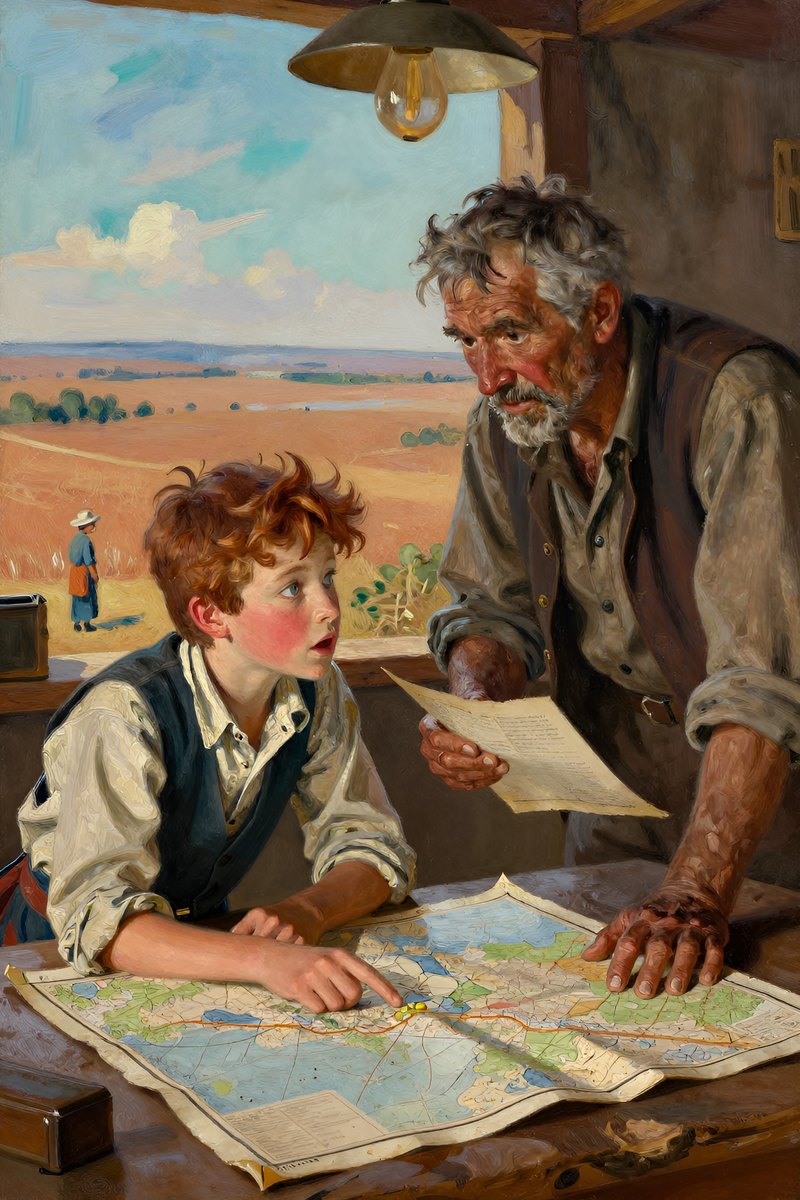
TOM DISCOURSES ON THE DESERT Still, we thought we would drop down there a minute, but on another errand. Most of the professor’s cargo of food was put up in cans, in the new way that somebody had just invented; the rest was fresh. When you fetch Missouri beefsteak to the Great Sahara, you want to be particular and stay up in the coolish weather. So we reckoned we would drop down into the lion market and see how we could make out there.
We hauled in the ladder and dropped down till we was just above the reach of the animals, then we let down a rope with a slip-knot in it and hauled up a dead lion, a small tender one, then yanked up a cub tiger. We had to keep the congregation off with the revolver, or they would ’a’ took a hand in the proceedings and helped.
We carved off a supply from both, and saved the skins, and hove the rest overboard. Then we baited some of the professor’s hooks with the fresh meat and went a-fishing. We stood over the lake just a convenient distance above the water, and catched a lot of the nicest fish you ever see. It was a most amazing good supper we had; lion steak, tiger steak, fried fish, and hot corn-pone. I don’t want nothing better than that.
[Illustration: “We catched a lot of the nicest fish you ever see.”] We had some fruit to finish off with. We got it out of the top of a monstrous tall tree. It was a very slim tree that hadn’t a branch on it from the bottom plumb to the top, and there it bursted out like a feather-duster. It was a pa’m-tree, of course; anybody knows a pa’m-tree the minute he see it, by the pictures. We went for cocoanuts in this one, but there warn’t none. There was only big loose bunches of things like oversized grapes, and Tom allowed they was dates, because he said they answered the description in the Arabian Nights and the other books. Of course they mightn’t be, and they might be poison; so we had to wait a spell, and watch and see if the birds et them. They done it; so we done it, too, and they was most amazing good.
By this time monstrous big birds begun to come and settle on the dead animals. They was plucky creturs; they would tackle one end of a lion that was being gnawed at the other end by another lion. If the lion drove the bird away, it didn’t do no good; he was back again the minute the lion was busy.
The big birds come out of every part of the sky—you could make them out with the glass while they was still so far away you couldn’t see them with your naked eye. Tom said the birds didn’t find out the meat was there by the smell; they had to find it out by seeing it. Oh, but ain’t that an eye for you! Tom said at the distance of five mile a patch of dead lions couldn’t look any bigger than a person’s finger-nail, and he couldn’t imagine how the birds could notice such a little thing so far off.
It was strange and unnatural to see lion eat lion, and we thought maybe they warn’t kin. But Jim said that didn’t make no difference. He said a hog was fond of her own children, and so was a spider, and he reckoned maybe a lion was pretty near as unprincipled though maybe not quite. He thought likely a lion wouldn’t eat his own father, if he knowed which was him, but reckoned he would eat his brother-in-law if he was uncommon hungry, and eat his mother-in-law any time. But reckoning don’t settle nothing. You can reckon till the cows come home, but that don’t fetch you to no decision. So we give it up and let it drop.
Generly it was very still in the Desert nights, but this time there was music. A lot of other animals come to dinner; sneaking yelpers that Tom allowed was jackals, and roached-backed ones that he said was hyenas; and all the whole biling of them kept up a racket all the time. They made a picture in the moonlight that was more different than any picture I ever see. We had a line out and made fast to the top of a tree, and didn’t stand no watch, but all turned in and slept; but I was up two or three times to look down at the animals and hear the music.
It was like having a front seat at a menagerie for nothing, which I hadn’t ever had before, and so it seemed foolish to sleep and not make the most of it; I mightn’t ever have such a chance again.
We went a-fishing again in the early dawn, and then lazied around all day in the deep shade on an island, taking turn about to watch and see that none of the animals come a-snooping around there after erronorts for dinner. We was going to leave the next day, but couldn’t, it was too lovely.
The day after, when we rose up toward the sky and sailed off eastward, we looked back and watched that place till it warn’t nothing but just a speck in the Desert, and I tell you it was like saying good-bye to a friend that you ain’t ever going to see any more.
Jim was thinking to himself, and at last he says:
“Mars Tom, we’s mos’ to de end er de Desert now, I speck.”
“Why?”
“Well, hit stan’ to reason we is. You knows how long we’s been a-skimmin’ over it. Mus’ be mos’ out o’ san’. Hit’s a wonder to me dat it’s hilt out as long as it has.”
“Shucks, there’s plenty sand, you needn’t worry.”
“Oh, I ain’t a-worryin’, Mars Tom, only wonderin’, dat’s all. De Lord’s got plenty san’, I ain’t doubtin’ dat; but nemmine, He ain’t gwyne to was’e it jist on dat account; en I allows dat dis Desert’s plenty big enough now, jist de way she is, en you can’t spread her out no mo’
’dout was’in’ san’.”
“Oh, go ’long! we ain’t much more than fairly started across this Desert yet. The United States is a pretty big country, ain’t it? Ain’t it, Huck?”
“Yes,” I says, “there ain’t no bigger one, I don’t reckon.”
“Well,” he says, “this Desert is about the shape of the United States, and if you was to lay it down on top of the United States, it would cover the land of the free out of sight like a blanket. There’d be a little corner sticking out, up at Maine and away up northwest, and Florida sticking out like a turtle’s tail, and that’s all. We’ve took California away from the Mexicans two or three years ago, so that part of the Pacific coast is ours now, and if you laid the Great Sahara down with her edge on the Pacific, she would cover the United States and stick out past New York six hundred miles into the Atlantic ocean.”
I say:
“Good land! have you got the documents for that, Tom Sawyer?”
“Yes, and they’re right here, and I’ve been studying them. You can look for yourself. From New York to the Pacific is 2,600 miles. From one end of the Great Desert to the other is 3,200. The United States contains 3,600,000 square miles, the Desert contains 4,162,000. With the Desert’s bulk you could cover up every last inch of the United States, and in under where the edges projected out, you could tuck England, Scotland, Ireland, France, Denmark, and all Germany. Yes, sir, you could hide the home of the brave and all of them countries clean out of sight under the Great Sahara, and you would still have 2,000 square miles of sand left.”
“Well,” I says, “it clean beats me. Why, Tom, it shows that the Lord took as much pains makin’ this Desert as makin’ the United States and all them other countries.”
Jim says: “Huck, dat don’ stan’ to reason. I reckon dis Desert wa’n’t made at all. Now you take en look at it like dis—you look at it, and see ef I’s right. What’s a desert good for? ’Taint good for nuthin’.
Dey ain’t no way to make it pay. Hain’t dat so, Huck?”
“Yes, I reckon.”
“Hain’t it so, Mars Tom?”
“I guess so. Go on.”
“Ef a thing ain’t no good, it’s made in vain, ain’t it?”
“Yes.”
“Now, den! Do de Lord make anything in vain? You answer me dat.”
“Well—no, He don’t.”
“Den how come He make a desert?”
“Well, go on. How did He come to make it?”
“Mars Tom, I b’lieve it uz jes like when you’s buildin’ a house; dey’s allays a lot o’ truck en rubbish lef’ over. What does you do wid it?
Doan’ you take en k’yart it off en dump it into a ole vacant back lot?
’Course. Now, den, it’s my opinion hit was jes like dat—dat de Great Sahara warn’t made at all, she jes happen’.”
I said it was a real good argument, and I believed it was the best one Jim ever made. Tom he said the same, but said the trouble about arguments is, they ain’t nothing but theories, after all, and theories don’t prove nothing, they only give you a place to rest on, a spell, when you are tuckered out butting around and around trying to find out something there ain’t no way to find out. And he says:
“There’s another trouble about theories: there’s always a hole in them somewheres, sure, if you look close enough. It’s just so with this one of Jim’s. Look what billions and billions of stars there is. How does it come that there was just exactly enough star-stuff, and none left over? How does it come there ain’t no sand-pile up there?”
But Jim was fixed for him and says:
“What’s de Milky Way?—dat’s what I want to know. What’s de Milky Way?
Answer me dat!”
In my opinion it was just a sockdologer. It’s only an opinion, it’s only my opinion and others may think different; but I said it then and I stand to it now—it was a sockdologer. And moreover, besides, it landed Tom Sawyer. He couldn’t say a word. He had that stunned look of a person that’s been shot in the back with a kag of nails. All he said was, as for people like me and Jim, he’d just as soon have intellectual intercourse with a catfish. But anybody can say that—and I notice they always do, when somebody has fetched them a lifter. Tom Sawyer was tired of that end of the subject.
So we got back to talking about the size of the Desert again, and the more we compared it with this and that and t’other thing, the more nobler and bigger and grander it got to look right along. And so, hunting among the figgers, Tom found, by and by, that it was just the same size as the Empire of China. Then he showed us the spread the Empire of China made on the map, and the room she took up in the world.
Well, it was wonderful to think of, and I says:
“Why, I’ve heard talk about this Desert plenty of times, but I never knowed before how important she was.”
Then Tom says:
“Important! Sahara important! That’s just the way with some people. If a thing’s big, it’s important. That’s all the sense they’ve got. All they can see is size. Why, look at England. It’s the most important country in the world; and yet you could put it in China’s vest-pocket; and not only that, but you’d have the dickens’s own time to find it again the next time you wanted it. And look at Russia. It spreads all around and everywhere, and yet ain’t no more important in this world than Rhode Island is, and hasn’t got half as much in it that’s worth saving.”
Away off now we see a little hill, a-standing up just on the edge of the world. Tom broke off his talk, and reached for a glass very much excited, and took a look, and says:
“That’s it—it’s the one I’ve been looking for, sure. If I’m right, it’s the one the dervish took the man into and showed him all the treasures.”
So we begun to gaze, and he begun to tell about it out of the Arabian Nights.
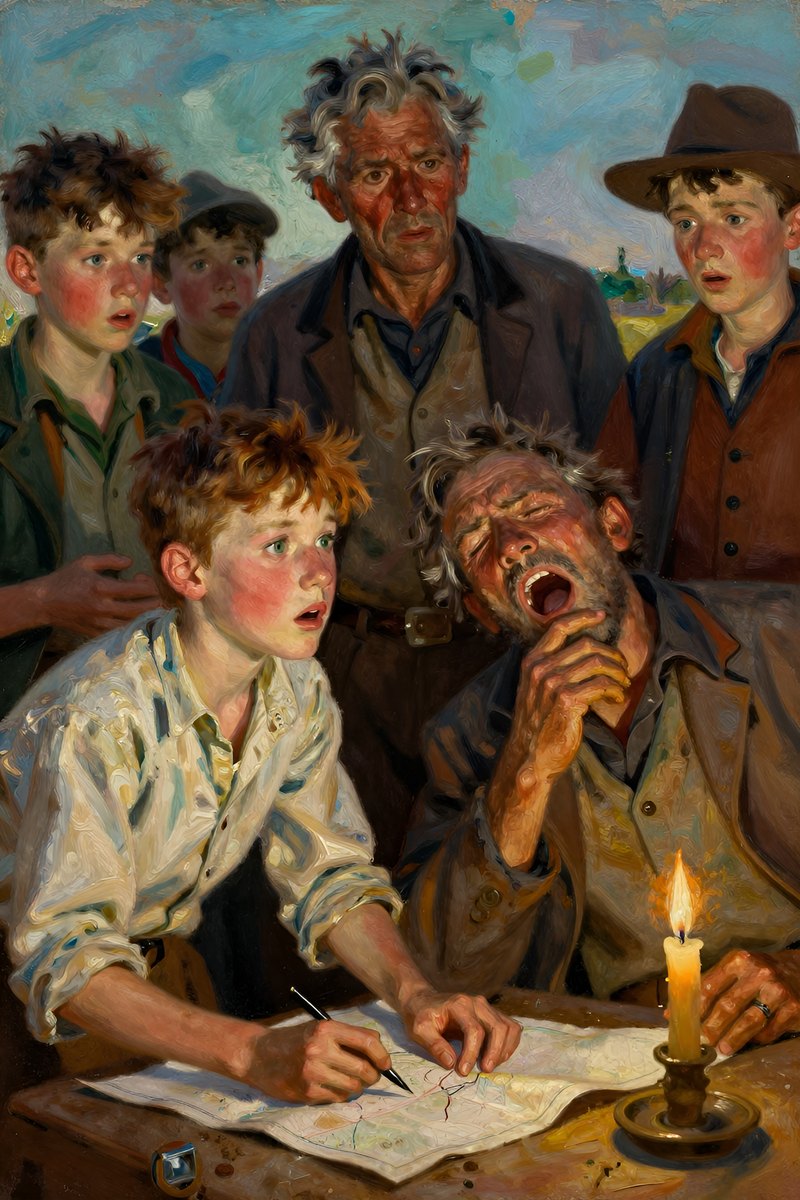
THE TREASURE-HILL Tom said it happened like this.
A dervish was stumping it along through the Desert, on foot, one blazing hot day, and he had come a thousand miles and was pretty poor, and hungry, and ornery and tired, and along about where we are now he run across a camel-driver with a hundred camels, and asked him for some a’ms. But the cameldriver he asked to be excused. The dervish said:
“Don’t you own these camels?”
“Yes, they’re mine.”
“Are you in debt?”
“Who—me? No.”
“Well, a man that owns a hundred camels and ain’t in debt is rich—and not only rich, but very rich. Ain’t it so?”
The camel-driver owned up that it was so. Then the dervish says:
“God has made you rich, and He has made me poor. He has His reasons, and they are wise, blessed be His name. But He has willed that His rich shall help His poor, and you have turned away from me, your brother, in my need, and He will remember this, and you will lose by it.”
That made the camel-driver feel shaky, but all the same he was born hoggish after money and didn’t like to let go a cent; so he begun to whine and explain, and said times was hard, and although he had took a full freight down to Balsora and got a fat rate for it, he couldn’t git no return freight, and so he warn’t making no great things out of his trip. So the dervish starts along again, and says:
“All right, if you want to take the risk; but I reckon you’ve made a mistake this time, and missed a chance.”
Of course the camel-driver wanted to know what kind of a chance he had missed, because maybe there was money in it; so he run after the dervish, and begged him so hard and earnest to take pity on him that at last the dervish gave in, and says:
“Do you see that hill yonder? Well, in that hill is all the treasures of the earth, and I was looking around for a man with a particular good kind heart and a noble, generous disposition, because if I could find just that man, I’ve got a kind of a salve I could put on his eyes and he could see the treasures and get them out.”
[Illustration: “The camel-driver in the treasure-cave”] So then the camel-driver was in a sweat; and he cried, and begged, and took on, and went down on his knees, and said he was just that kind of a man, and said he could fetch a thousand people that would say he wasn’t ever described so exact before.
“Well, then,” says the dervish, “all right. If we load the hundred camels, can I have half of them?”
The driver was so glad he couldn’t hardly hold in, and says:
“Now you’re shouting.”
So they shook hands on the bargain, and the dervish got out his box and rubbed the salve on the driver’s right eye, and the hill opened and he went in, and there, sure enough, was piles and piles of gold and jewels sparkling like all the stars in heaven had fell down.
So him and the dervish laid into it, and they loaded every camel till he couldn’t carry no more; then they said good-bye, and each of them started off with his fifty. But pretty soon the camel-driver come a-running and overtook the dervish and says:
“You ain’t in society, you know, and you don’t really need all you’ve got. Won’t you be good, and let me have ten of your camels?”
“Well,” the dervish says, “I don’t know but what you say is reasonable enough.”
So he done it, and they separated and the dervish started off again with his forty. But pretty soon here comes the camel-driver bawling after him again, and whines and slobbers around and begs another ten off of him, saying thirty camel loads of treasures was enough to see a dervish through, because they live very simple, you know, and don’t keep house, but board around and give their note.
But that warn’t the end yet. That ornery hound kept coming and coming till he had begged back all the camels and had the whole hundred. Then he was satisfied, and ever so grateful, and said he wouldn’t ever forgit the dervish as long as he lived, and nobody hadn’t been so good to him before, and liberal. So they shook hands good-bye, and separated and started off again.
But do you know, it warn’t ten minutes till the camel-driver was unsatisfied again—he was the lowdownest reptyle in seven counties—and he come a-running again. And this time the thing he wanted was to get the dervish to rub some of the salve on his other eye.
“Why?” said the dervish.
“Oh, you know,” says the driver.
“Know what?”
“Well, you can’t fool me,” says the driver. “You’re trying to keep back something from me, you know it mighty well. You know, I reckon, that if I had the salve on the other eye I could see a lot more things that’s valuable. Come—please put it on.”
The dervish says:
“I wasn’t keeping anything back from you. I don’t mind telling you what would happen if I put it on. You’d never see again. You’d be stone-blind the rest of your days.”
But do you know that beat wouldn’t believe him. No, he begged and begged, and whined and cried, till at last the dervish opened his box and told him to put it on, if he wanted to. So the man done it, and sure enough he was as blind as a bat in a minute.
Then the dervish laughed at him and mocked at him and made fun of him; and says:
“Good-bye—a man that’s blind hain’t got no use for jewelry.”
And he cleared out with the hundred camels, and left that man to wander around poor and miserable and friendless the rest of his days in the Desert.
Jim said he’d bet it was a lesson to him.
“Yes,” Tom says, “and like a considerable many lessons a body gets.
They ain’t no account, because the thing don’t ever happen the same way again—and can’t. The time Hen Scovil fell down the chimbly and crippled his back for life, everybody said it would be a lesson to him. What kind of a lesson? How was he going to use it? He couldn’t climb chimblies no more, and he hadn’t no more backs to break.”
“All de same, Mars Tom, dey is sich a thing as learnin’ by expe’ence.
De Good Book say de burnt chile shun de fire.”
“Well, I ain’t denying that a thing’s a lesson if it’s a thing that can happen twice just the same way. There’s lots of such things, and they educate a person, that’s what Uncle Abner always said; but there’s forty million lots of the other kind—the kind that don’t happen the same way twice—and they ain’t no real use, they ain’t no more instructive than the small-pox. When you’ve got it, it ain’t no good to find out you ought to been vaccinated, and it ain’t no good to git vaccinated afterward, because the small-pox don’t come but once. But, on the other hand, Uncle Abner said that the person that had took a bull by the tail once had learnt sixty or seventy times as much as a person that hadn’t, and said a person that started in to carry a cat home by the tail was gitting knowledge that was always going to be useful to him, and warn’t ever going to grow dim or doubtful. But I can tell you, Jim, Uncle Abner was down on them people that’s all the time trying to dig a lesson out of everything that happens, no matter whether—”
But Jim was asleep. Tom looked kind of ashamed, because you know a person always feels bad when he is talking uncommon fine and thinks the other person is admiring, and that other person goes to sleep that way.
Of course he oughtn’t to go to sleep, because it’s shabby; but the finer a person talks the certainer it is to make you sleep, and so when you come to look at it it ain’t nobody’s fault in particular; both of them’s to blame.
Jim begun to snore—soft and blubbery at first, then a long rasp, then a stronger one, then a half a dozen horrible ones like the last water sucking down the plug-hole of a bath-tub, then the same with more power to it, and some big coughs and snorts flung in, the way a cow does that is choking to death; and when the person has got to that point he is at his level best, and can wake up a man that is in the next block with a dipperful of loddanum in him, but can’t wake himself up although all that awful noise of his’n ain’t but three inches from his own ears. And that is the curiosest thing in the world, seems to me. But you rake a match to light the candle, and that little bit of a noise will fetch him. I wish I knowed what was the reason of that, but there don’t seem to be no way to find out. Now there was Jim alarming the whole Desert, and yanking the animals out, for miles and miles around, to see what in the nation was going on up there; there warn’t nobody nor nothing that was as close to the noise as he was, and yet he was the only cretur that wasn’t disturbed by it. We yelled at him and whooped at him, it never done no good; but the first time there come a little wee noise that wasn’t of a usual kind it woke him up. No, sir, I’ve thought it all over, and so has Tom, and there ain’t no way to find out why a snorer can’t hear himself snore.
Jim said he hadn’t been asleep; he just shut his eyes so he could listen better.
Tom said nobody warn’t accusing him.
That made him look like he wished he hadn’t said anything. And he wanted to git away from the subject, I reckon, because he begun to abuse the camel-driver, just the way a person does when he has got catched in something and wants to take it out of somebody else. He let into the camel-driver the hardest he knowed how, and I had to agree with him; and he praised up the dervish the highest he could, and I had to agree with him there, too. But Tom says:
“I ain’t so sure. You call that dervish so dreadful liberal and good and unselfish, but I don’t quite see it. He didn’t hunt up another poor dervish, did he? No, he didn’t. If he was so unselfish, why didn’t he go in there himself and take a pocketful of jewels and go along and be satisfied? No, sir, the person he was hunting for was a man with a hundred camels. He wanted to get away with all the treasure he could.”
“Why, Mars Tom, he was willin’ to divide, fair and square; he only struck for fifty camels.”
“Because he knowed how he was going to get all of them by and by.”
“Mars Tom, he tole de man de truck would make him bline.”
“Yes, because he knowed the man’s character. It was just the kind of a man he was hunting for—a man that never believes in anybody’s word or anybody’s honorableness, because he ain’t got none of his own. I reckon there’s lots of people like that dervish. They swindle, right and left, but they always make the other person SEEM to swindle himself. They keep inside of the letter of the law all the time, and there ain’t no way to git hold of them. They don’t put the salve on—oh, no, that would be sin; but they know how to fool you into putting it on, then it’s you that blinds yourself. I reckon the dervish and the camel-driver was just a pair—a fine, smart, brainy rascal, and a dull, coarse, ignorant one, but both of them rascals, just the same.”
“Mars Tom, does you reckon dey’s any o’ dat kind o’ salve in de worl’
now?”
“Yes, Uncle Abner says there is. He says they’ve got it in New York, and they put it on country people’s eyes and show them all the railroads in the world, and they go in and git them, and then when they rub the salve on the other eye the other man bids them goodbye and goes off with their railroads. Here’s the treasure-hill now. Lower away!”
We landed, but it warn’t as interesting as I thought it was going to be, because we couldn’t find the place where they went in to git the treasure. Still, it was plenty interesting enough, just to see the mere hill itself where such a wonderful thing happened. Jim said he wou’dn’t ’a’ missed it for three dollars, and I felt the same way.
And to me and Jim, as wonderful a thing as any was the way Tom could come into a strange big country like this and go straight and find a little hump like that and tell it in a minute from a million other humps that was almost just like it, and nothing to help him but only his own learning and his own natural smartness. We talked and talked it over together, but couldn’t make out how he done it. He had the best head on him I ever see; and all he lacked was age, to make a name for himself equal to Captain Kidd or George Washington. I bet you it would ’a’ crowded either of them to find that hill, with all their gifts, but it warn’t nothing to Tom Sawyer; he went across Sahara and put his finger on it as easy as you could pick a nigger out of a bunch of angels.
We found a pond of salt water close by and scraped up a raft of salt around the edges, and loaded up the lion’s skin and the tiger’s so as they would keep till Jim could tan them.
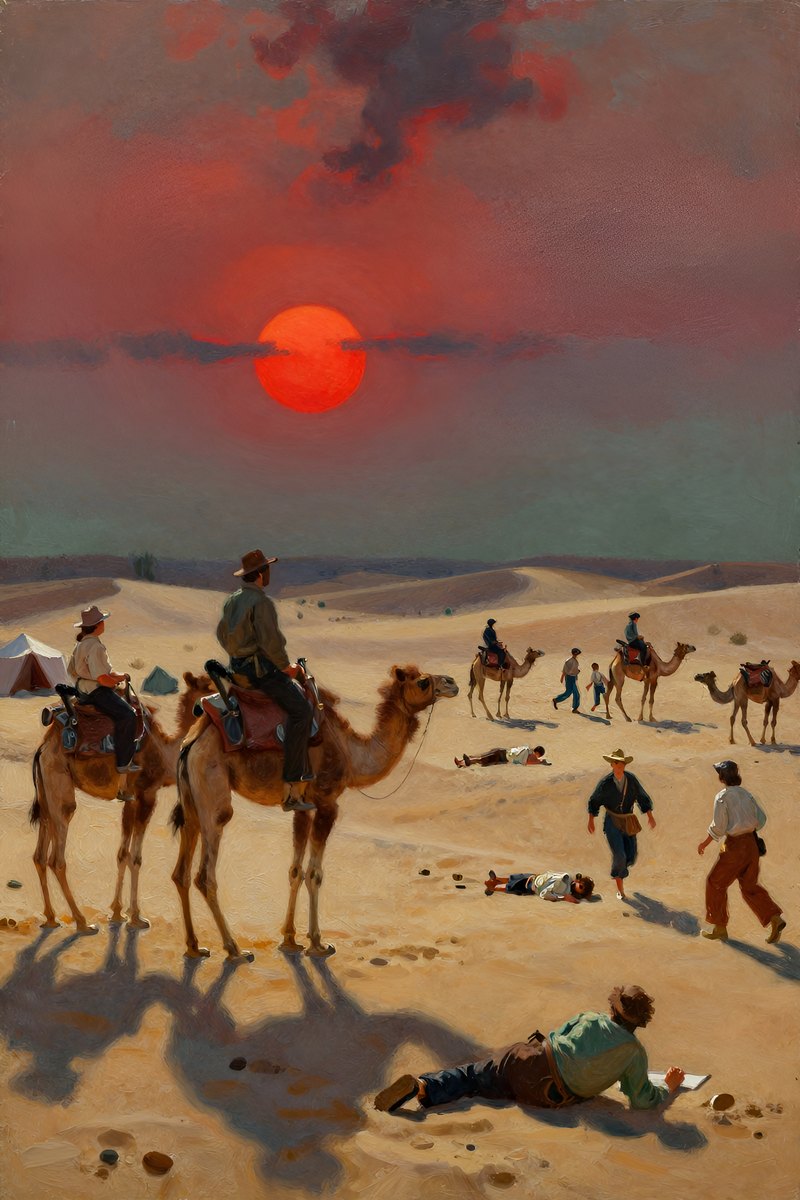
THE SAND-STORM We went a-fooling along for a day or two, and then just as the full moon was touching the ground on the other side of the desert, we see a string of little black figgers moving across its big silver face. You could see them as plain as if they was painted on the moon with ink. It was another caravan. We cooled down our speed and tagged along after it, just to have company, though it warn’t going our way. It was a rattler, that caravan, and a most bully sight to look at next morning when the sun come a-streaming across the desert and flung the long shadders of the camels on the gold sand like a thousand grand-daddy-long-legses marching in procession. We never went very near it, because we knowed better now than to act like that and scare people’s camels and break up their caravans. It was the gayest outfit you ever see, for rich clothes and nobby style. Some of the chiefs rode on dromedaries, the first we ever see, and very tall, and they go plunging along like they was on stilts, and they rock the man that is on them pretty violent and churn up his dinner considerable, I bet you, but they make noble good time, and a camel ain’t nowheres with them for speed.
The caravan camped, during the middle part of the day, and then started again about the middle of the afternoon. Before long the sun begun to look very curious. First it kind of turned to brass, and then to copper, and after that it begun to look like a blood-red ball, and the air got hot and close, and pretty soon all the sky in the west darkened up and looked thick and foggy, but fiery and dreadful—like it looks through a piece of red glass, you know. We looked down and see a big confusion going on in the caravan, and a rushing every which way like they was scared; and then they all flopped down flat in the sand and laid there perfectly still.
Pretty soon we see something coming that stood up like an amazing wide wall, and reached from the Desert up into the sky and hid the sun, and it was coming like the nation, too. Then a little faint breeze struck us, and then it come harder, and grains of sand begun to sift against our faces and sting like fire, and Tom sung out:
“It’s a sand-storm—turn your backs to it!”
[Illustration: “In the sand-storm”] We done it; and in another minute it was blowing a gale, and the sand beat against us by the shovelful, and the air was so thick with it we couldn’t see a thing. In five minutes the boat was level full, and we was setting on the lockers buried up to the chin in sand, and only our heads out and could hardly breathe.
Then the storm thinned, and we see that monstrous wall go a-sailing off across the desert, awful to look at, I tell you. We dug ourselves out and looked down, and where the caravan was before there wasn’t anything but just the sand ocean now, and all still and quiet. All them people and camels was smothered and dead and buried—buried under ten foot of sand, we reckoned, and Tom allowed it might be years before the wind uncovered them, and all that time their friends wouldn’t ever know what become of that caravan. Tom said:
“Now we know what it was that happened to the people we got the swords and pistols from.”
Yes, sir, that was just it. It was as plain as day now. They got buried in a sand-storm, and the wild animals couldn’t get at them, and the wind never uncovered them again until they was dried to leather and warn’t fit to eat. It seemed to me we had felt as sorry for them poor people as a person could for anybody, and as mournful, too, but we was mistaken; this last caravan’s death went harder with us, a good deal harder. You see, the others was total strangers, and we never got to feeling acquainted with them at all, except, maybe, a little with the man that was watching the girl, but it was different with this last caravan. We was huvvering around them a whole night and ’most a whole day, and had got to feeling real friendly with them, and acquainted. I have found out that there ain’t no surer way to find out whether you like people or hate them than to travel with them. Just so with these.
We kind of liked them from the start, and traveling with them put on the finisher. The longer we traveled with them, and the more we got used to their ways, the better and better we liked them, and the gladder and gladder we was that we run across them. We had come to know some of them so well that we called them by name when we was talking about them, and soon got so familiar and sociable that we even dropped the Miss and Mister and just used their plain names without any handle, and it did not seem unpolite, but just the right thing. Of course, it wasn’t their own names, but names we give them. There was Mr. Elexander Robinson and Miss Adaline Robinson, and Colonel Jacob McDougal and Miss Harryet McDougal, and Judge Jeremiah Butler and young Bushrod Butler, and these was big chiefs mostly that wore splendid great turbans and simmeters, and dressed like the Grand Mogul, and their families. But as soon as we come to know them good, and like them very much, it warn’t Mister, nor Judge, nor nothing, any more, but only Elleck, and Addy, and Jake, and Hattie, and Jerry, and Buck, and so on.
And you know the more you join in with people in their joys and their sorrows, the more nearer and dearer they come to be to you. Now we warn’t cold and indifferent, the way most travelers is, we was right down friendly and sociable, and took a chance in everything that was going, and the caravan could depend on us to be on hand every time, it didn’t make no difference what it was.
When they camped, we camped right over them, ten or twelve hundred feet up in the air. When they et a meal, we et ourn, and it made it ever so much home-liker to have their company. When they had a wedding that night, and Buck and Addy got married, we got ourselves up in the very starchiest of the professor’s duds for the blow-out, and when they danced we jined in and shook a foot up there.
[Illustration: “When they danced we joined in and shook a foot up there”] But it is sorrow and trouble that brings you the nearest, and it was a funeral that done it with us. It was next morning, just in the still dawn. We didn’t know the diseased, and he warn’t in our set, but that never made no difference; he belonged to the caravan, and that was enough, and there warn’t no more sincerer tears shed over him than the ones we dripped on him from up there eleven hundred foot on high.
Yes, parting with this caravan was much more bitterer than it was to part with them others, which was comparative strangers, and been dead so long, anyway. We had knowed these in their lives, and was fond of them, too, and now to have death snatch them from right before our faces while we was looking, and leave us so lonesome and friendless in the middle of that big desert, it did hurt so, and we wished we mightn’t ever make any more friends on that voyage if we was going to lose them again like that.
[Illustration: “The wedding procession”] We couldn’t keep from talking about them, and they was all the time coming up in our memory, and looking just the way they looked when we was all alive and happy together. We could see the line marching, and the shiny spearheads a-winking in the sun; we could see the dromedaries lumbering along; we could see the wedding and the funeral; and more oftener than anything else we could see them praying, because they don’t allow nothing to prevent that; whenever the call come, several times a day, they would stop right there, and stand up and face to the east, and lift back their heads, and spread out their arms and begin, and four or five times they would go down on their knees, and then fall forward and touch their forehead to the ground.
Well, it warn’t good to go on talking about them, lovely as they was in their life, and dear to us in their life and death both, because it didn’t do no good, and made us too down-hearted. Jim allowed he was going to live as good a life as he could, so he could see them again in a better world; and Tom kept still and didn’t tell him they was only Mohammedans; it warn’t no use to disappoint him, he was feeling bad enough just as it was.
When we woke up next morning we was feeling a little cheerfuller, and had had a most powerful good sleep, because sand is the comfortablest bed there is, and I don’t see why people that can afford it don’t have it more. And it’s terrible good ballast, too; I never see the balloon so steady before.
Tom allowed we had twenty tons of it, and wondered what we better do with it; it was good sand, and it didn’t seem good sense to throw it away. Jim says:
“Mars Tom, can’t we tote it back home en sell it? How long’ll it take?”
“Depends on the way we go.”
“Well, sah, she’s wuth a quarter of a dollar a load at home, en I reckon we’s got as much as twenty loads, hain’t we? How much would dat be?”
“Five dollars.”
“By jings, Mars Tom, le’s shove for home right on de spot! Hit’s more’n a dollar en a half apiece, hain’t it?”
“Yes.”
“Well, ef dat ain’t makin’ money de easiest ever I struck! She jes’
rained in—never cos’ us a lick o’ work. Le’s mosey right along, Mars Tom.”
But Tom was thinking and ciphering away so busy and excited he never heard him. Pretty soon he says:
“Five dollars—sho! Look here, this sand’s worth—worth—why, it’s worth no end of money.”
“How is dat, Mars Tom? Go on, honey, go on!”
“Well, the minute people knows it’s genuwyne sand from the genuwyne Desert of Sahara, they’ll just be in a perfect state of mind to git hold of some of it to keep on the what-not in a vial with a label on it for a curiosity. All we got to do is to put it up in vials and float around all over the United States and peddle them out at ten cents apiece. We’ve got all of ten thousand dollars’ worth of sand in this boat.”
Me and Jim went all to pieces with joy, and begun to shout whoopjamboreehoo, and Tom says:
“And we can keep on coming back and fetching sand, and coming back and fetching more sand, and just keep it a-going till we’ve carted this whole Desert over there and sold it out; and there ain’t ever going to be any opposition, either, because we’ll take out a patent.”
“My goodness,” I says, “we’ll be as rich as Creosote, won’t we, Tom?”
“Yes—Creesus, you mean. Why, that dervish was hunting in that little hill for the treasures of the earth, and didn’t know he was walking over the real ones for a thousand miles. He was blinder than he made the driver.”
“Mars Tom, how much is we gwyne to be worth?”
“Well, I don’t know yet. It’s got to be ciphered, and it ain’t the easiest job to do, either, because it’s over four million square miles of sand at ten cents a vial.”
Jim was awful excited, but this faded it out considerable, and he shook his head and says:
“Mars Tom, we can’t ’ford all dem vials—a king couldn’t. We better not try to take de whole Desert, Mars Tom, de vials gwyne to bust us, sho’.”
Tom’s excitement died out, too, now, and I reckoned it was on account of the vials, but it wasn’t. He set there thinking, and got bluer and bluer, and at last he says:
“Boys, it won’t work; we got to give it up.”
“Why, Tom?”
“On account of the duties.”
I couldn’t make nothing out of that, neither could Jim. I says:
“What is our duty, Tom? Because if we can’t git around it, why can’t we just do it? People often has to.”
But he says:
“Oh, it ain’t that kind of duty. The kind I mean is a tax. Whenever you strike a frontier—that’s the border of a country, you know—you find a custom-house there, and the gov’ment officers comes and rummages among your things and charges a big tax, which they call a duty because it’s their duty to bust you if they can, and if you don’t pay the duty they’ll hog your sand. They call it confiscating, but that don’t deceive nobody, it’s just hogging, and that’s all it is. Now if we try to carry this sand home the way we’re pointed now, we got to climb fences till we git tired—just frontier after frontier—Egypt, Arabia, Hindostan, and so on, and they’ll all whack on a duty, and so you see, easy enough, we can’t go that road.”
“Why, Tom,” I says, “we can sail right over their old frontiers; how are they going to stop us?”
He looked sorrowful at me, and says, very grave:
“Huck Finn, do you think that would be honest?”
I hate them kind of interruptions. I never said nothing, and he went on:
“Well, we’re shut off the other way, too. If we go back the way we’ve come, there’s the New York custom-house, and that is worse than all of them others put together, on account of the kind of cargo we’ve got.”
“Why?”
“Well, they can’t raise Sahara sand in America, of course, and when they can’t raise a thing there, the duty is fourteen hundred thousand per cent. on it if you try to fetch it in from where they do raise it.”
“There ain’t no sense in that, Tom Sawyer.”
“Who said there was? What do you talk to me like that for, Huck Finn?
You wait till I say a thing’s got sense in it before you go to accusing me of saying it.”
“All right, consider me crying about it, and sorry. Go on.”
Jim says:
“Mars Tom, do dey jam dat duty onto everything we can’t raise in America, en don’t make no ’stinction ’twix’ anything?”
“Yes, that’s what they do.”
“Mars Tom, ain’t de blessin’ o’ de Lord de mos’ valuable thing dey is?”
“Yes, it is.”
“Don’t de preacher stan’ up in de pulpit en call it down on de people?”
“Yes.”
“Whah do it come from?”
“From heaven.”
“Yassir! you’s jes’ right, ’deed you is, honey—it come from heaven, en dat’s a foreign country. Now, den! do dey put a tax on dat blessin’?”
“No, they don’t.”
“Course dey don’t; en so it stan’ to reason dat you’s mistaken, Mars Tom. Dey wouldn’t put de tax on po’ truck like san’, dat everybody ain’t ’bleeged to have, en leave it off’n de bes’ thing dey is, which nobody can’t git along widout.”
Tom Sawyer was stumped; he see Jim had got him where he couldn’t budge.
He tried to wiggle out by saying they had forgot to put on that tax, but they’d be sure to remember about it, next session of Congress, and then they’d put it on, but that was a poor lame come-off, and he knowed it. He said there warn’t nothing foreign that warn’t taxed but just that one, and so they couldn’t be consistent without taxing it, and to be consistent was the first law of politics. So he stuck to it that they’d left it out unintentional and would be certain to do their best to fix it before they got caught and laughed at.
But I didn’t feel no more interest in such things, as long as we couldn’t git our sand through, and it made me low-spirited, and Jim the same. Tom he tried to cheer us up by saying he would think up another speculation for us that would be just as good as this one and better, but it didn’t do no good, we didn’t believe there was any as big as this. It was mighty hard; such a little while ago we was so rich, and could ’a’ bought a country and started a kingdom and been celebrated and happy, and now we was so poor and ornery again, and had our sand left on our hands. The sand was looking so lovely before, just like gold and di’monds, and the feel of it was so soft and so silky and nice, but now I couldn’t bear the sight of it, it made me sick to look at it, and I knowed I wouldn’t ever feel comfortable again till we got shut of it, and I didn’t have it there no more to remind us of what we had been and what we had got degraded down to. The others was feeling the same way about it that I was. I knowed it, because they cheered up so, the minute I says le’s throw this truck overboard.
Well, it was going to be work, you know, and pretty solid work, too; so Tom he divided it up according to fairness and strength. He said me and him would clear out a fifth apiece of the sand, and Jim three-fifths.
Jim he didn’t quite like that arrangement. He says:
“Course I’s de stronges’, en I’s willin’ to do a share accordin’, but by jings you’s kinder pilin’ it onto ole Jim, Mars Tom, hain’t you?”
“Well, I didn’t think so, Jim, but you try your hand at fixing it, and let’s see.”
So Jim reckoned it wouldn’t be no more than fair if me and Tom done a tenth apiece. Tom he turned his back to git room and be private, and then he smole a smile that spread around and covered the whole Sahara to the westward, back to the Atlantic edge of it where we come from.
Then he turned around again and said it was a good enough arrangement, and we was satisfied if Jim was. Jim said he was.
So then Tom measured off our two-tenths in the bow and left the rest for Jim, and it surprised Jim a good deal to see how much difference there was and what a raging lot of sand his share come to, and said he was powerful glad now that he had spoke up in time and got the first arrangement altered, for he said that even the way it was now, there was more sand than enjoyment in his end of the contract, he believed.
Then we laid into it. It was mighty hot work, and tough; so hot we had to move up into cooler weather or we couldn’t ’a’ stood it. Me and Tom took turn about, and one worked while t’other rested, but there warn’t nobody to spell poor old Jim, and he made all that part of Africa damp, he sweated so. We couldn’t work good, we was so full of laugh, and Jim he kept fretting and wanting to know what tickled us so, and we had to keep making up things to account for it, and they was pretty poor inventions, but they done well enough, Jim didn’t see through them. At last when we got done we was ’most dead, but not with work but with laughing. By and by Jim was ’most dead, too, but: it was with work; then we took turns and spelled him, and he was as thankfull as he could be, and would set on the gunnel and swab the sweat, and heave and pant, and say how good we was to a poor old nigger, and he wouldn’t ever forgit us. He was always the gratefulest nigger I ever see, for any little thing you done for him. He was only nigger outside; inside he was as white as you be.
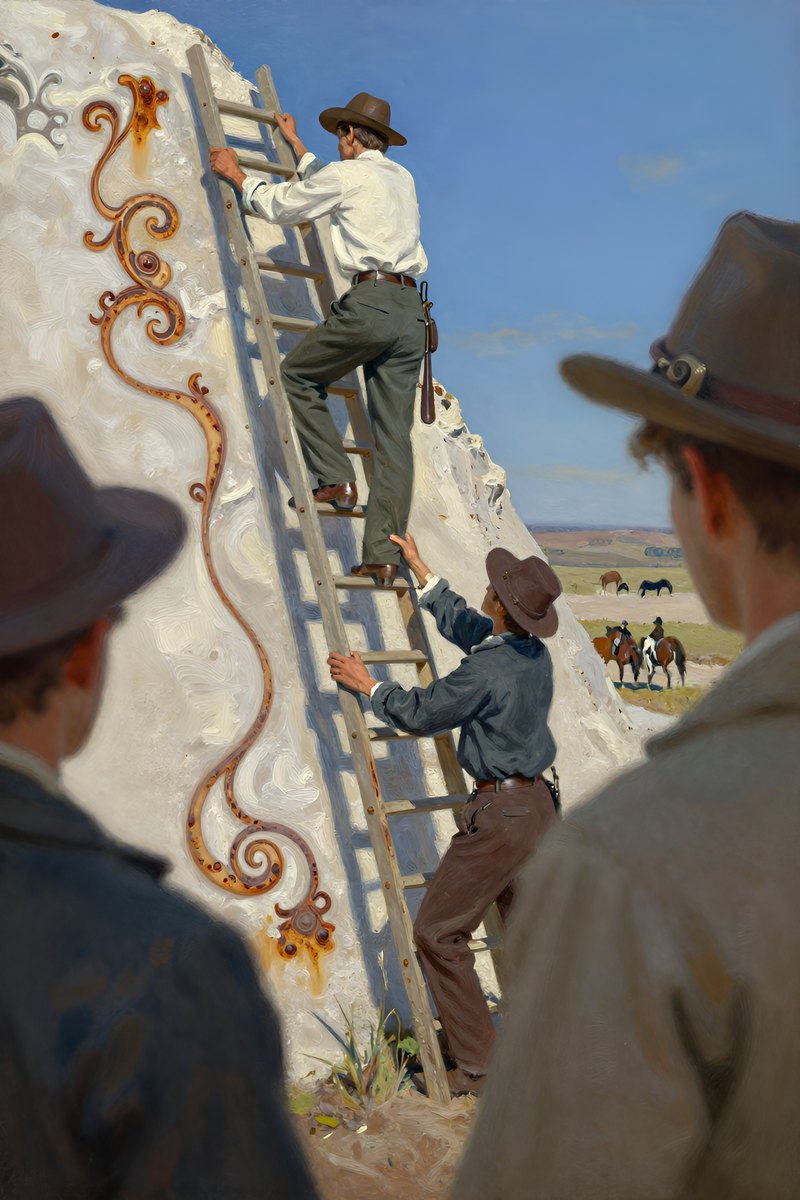
JIM STANDING SIEGE The next few meals was pretty sandy, but that don’t make no difference when you are hungry; and when you ain’t it ain’t no satisfaction to eat, anyway, and so a little grit in the meat ain’t no particular drawback, as far as I can see.
Then we struck the east end of the Desert at last, sailing on a northeast course. Away off on the edge of the sand, in a soft pinky light, we see three little sharp roofs like tents, and Tom says:
“It’s the pyramids of Egypt.”
It made my heart fairly jump. You see, I had seen a many and a many a picture of them, and heard tell about them a hundred times, and yet to come on them all of a sudden, that way, and find they was real, ’stead of imaginations, ’most knocked the breath out of me with surprise. It’s a curious thing, that the more you hear about a grand and big and bully thing or person, the more it kind of dreamies out, as you may say, and gets to be a big dim wavery figger made out of moonshine and nothing solid to it. It’s just so with George Washington, and the same with them pyramids.
And moreover, besides, the thing they always said about them seemed to me to be stretchers. There was a feller come to the Sunday-school once, and had a picture of them, and made a speech, and said the biggest pyramid covered thirteen acres, and was most five hundred foot high, just a steep mountain, all built out of hunks of stone as big as a bureau, and laid up in perfectly regular layers, like stair-steps.
Thirteen acres, you see, for just one building; it’s a farm. If it hadn’t been in Sunday-school, I would ’a’ judged it was a lie; and outside I was certain of it. And he said there was a hole in the pyramid, and you could go in there with candles, and go ever so far up a long slanting tunnel, and come to a large room in the stomach of that stone mountain, and there you would find a big stone chest with a king in it, four thousand years old. I said to myself, then, if that ain’t a lie I will eat that king if they will fetch him, for even Methusalem warn’t that old, and nobody claims it.
As we come a little nearer we see the yaller sand come to an end in a long straight edge like a blanket, and on to it was joined, edge to edge, a wide country of bright green, with a snaky stripe crooking through it, and Tom said it was the Nile. It made my heart jump again, for the Nile was another thing that wasn’t real to me. Now I can tell you one thing which is dead certain: if you will fool along over three thousand miles of yaller sand, all glimmering with heat so that it makes your eyes water to look at it, and you’ve been a considerable part of a week doing it, the green country will look so like home and heaven to you that it will make your eyes water again.
It was just so with me, and the same with Jim.
And when Jim got so he could believe it was the land of Egypt he was looking at, he wouldn’t enter it standing up, but got down on his knees and took off his hat, because he said it wasn’t fitten’ for a humble poor nigger to come any other way where such men had been as Moses and Joseph and Pharaoh and the other prophets. He was a Presbyterian, and had a most deep respect for Moses which was a Presbyterian, too, he said. He was all stirred up, and says:
“Hit’s de lan’ of Egypt, de lan’ of Egypt, en I’s ’lowed to look at it wid my own eyes! En dah’s de river dat was turn’ to blood, en I’s looking at de very same groun’ whah de plagues was, en de lice, en de frogs, en de locus’, en de hail, en whah dey marked de door-pos’, en de angel o’ de Lord come by in de darkness o’ de night en slew de fust-born in all de lan’ o’ Egypt. Ole Jim ain’t worthy to see dis day!”
And then he just broke down and cried, he was so thankful. So between him and Tom there was talk enough, Jim being excited because the land was so full of history—Joseph and his brethren, Moses in the bulrushers, Jacob coming down into Egypt to buy corn, the silver cup in the sack, and all them interesting things; and Tom just as excited too, because the land was so full of history that was in his line, about Noureddin, and Bedreddin, and such like monstrous giants, that made Jim’s wool rise, and a raft of other Arabian Nights folks, which the half of them never done the things they let on they done, I don’t believe.
Then we struck a disappointment, for one of them early morning fogs started up, and it warn’t no use to sail over the top of it, because we would go by Egypt, sure, so we judged it was best to set her by compass straight for the place where the pyramids was gitting blurred and blotted out, and then drop low and skin along pretty close to the ground and keep a sharp lookout. Tom took the hellum, I stood by to let go the anchor, and Jim he straddled the bow to dig through the fog with his eyes and watch out for danger ahead. We went along a steady gait, but not very fast, and the fog got solider and solider, so solid that Jim looked dim and ragged and smoky through it. It was awful still, and we talked low and was anxious. Now and then Jim would say:
“Highst her a p’int, Mars Tom, highst her!” and up she would skip, a foot or two, and we would slide right over a flat-roofed mud cabin, with people that had been asleep on it just beginning to turn out and gap and stretch; and once when a feller was clear up on his hind legs so he could gap and stretch better, we took him a blip in the back and knocked him off. By and by, after about an hour, and everything dead still and we a-straining our ears for sounds and holding our breath, the fog thinned a little, very sudden, and Jim sung out in an awful scare:
“Oh, for de lan’s sake, set her back, Mars Tom, here’s de biggest giant outen de ’Rabian Nights a-comin’ for us!” and he went over backwards in the boat.
Tom slammed on the back-action, and as we slowed to a standstill a man’s face as big as our house at home looked in over the gunnel, same as a house looks out of its windows, and I laid down and died. I must ’a’ been clear dead and gone for as much as a minute or more; then I come to, and Tom had hitched a boat-hook on to the lower lip of the giant and was holding the balloon steady with it whilst he canted his head back and got a good long look up at that awful face.
Jim was on his knees with his hands clasped, gazing up at the thing in a begging way, and working his lips, but not getting anything out. I took only just a glimpse, and was fading out again, but Tom says:
“He ain’t alive, you fools; it’s the Sphinx!”
I never see Tom look so little and like a fly; but that was because the giant’s head was so big and awful. Awful, yes, so it was, but not dreadful any more, because you could see it was a noble face, and kind of sad, and not thinking about you, but about other things and larger.
It was stone, reddish stone, and its nose and ears battered, and that give it an abused look, and you felt sorrier for it for that.
We stood off a piece, and sailed around it and over it, and it was just grand. It was a man’s head, or maybe a woman’s, on a tiger’s body a hundred and twenty-five foot long, and there was a dear little temple between its front paws. All but the head used to be under the sand, for hundreds of years, maybe thousands, but they had just lately dug the sand away and found that little temple. It took a power of sand to bury that cretur; most as much as it would to bury a steamboat, I reckon.
[Illustration: “Jim standing a siege”] We landed Jim on top of the head, with an American flag to protect him, it being a foreign land; then we sailed off to this and that and t’other distance, to git what Tom called effects and perspectives and proportions, and Jim he done the best he could, striking all the different kinds of attitudes and positions he could study up, but standing on his head and working his legs the way a frog does was the best. The further we got away, the littler Jim got, and the grander the Sphinx got, till at last it was only a clothespin on a dome, as you might say. That’s the way perspective brings out the correct proportions, Tom said; he said Julus Cesar’s niggers didn’t know how big he was, they was too close to him.
Then we sailed off further and further, till we couldn’t see Jim at all any more, and then that great figger was at its noblest, a-gazing out over the Nile Valley so still and solemn and lonesome, and all the little shabby huts and things that was scattered about it clean disappeared and gone, and nothing around it now but a soft wide spread of yaller velvet, which was the sand.
That was the right place to stop, and we done it. We set there a-looking and a-thinking for a half an hour, nobody a-saying anything, for it made us feel quiet and kind of solemn to remember it had been looking over that valley just that same way, and thinking its awful thoughts all to itself for thousands of years, and nobody can’t find out what they are to this day.
At last I took up the glass and see some little black things a-capering around on that velvet carpet, and some more a-climbing up the cretur’s back, and then I see two or three wee puffs of white smoke, and told Tom to look. He done it, and says:
“They’re bugs. No—hold on; they—why, I believe they’re men. Yes, it’s men—men and horses both. They’re hauling a long ladder up onto the Sphinx’s back—now ain’t that odd? And now they’re trying to lean it up a—there’s some more puffs of smoke—it’s guns! Huck, they’re after Jim.”
[Illustration: “Rescue of Jim”] We clapped on the power, and went for them a-biling. We was there in no time, and come a-whizzing down amongst them, and they broke and scattered every which way, and some that was climbing the ladder after Jim let go all holts and fell. We soared up and found him laying on top of the head panting and most tuckered out, partly from howling for help and partly from scare. He had been standing a siege a long time—a week, he said, but it warn’t so, it only just seemed so to him because they was crowding him so. They had shot at him, and rained the bullets all around him, but he warn’t hit, and when they found he wouldn’t stand up and the bullets couldn’t git at him when he was laying down, they went for the ladder, and then he knowed it was all up with him if we didn’t come pretty quick. Tom was very indignant, and asked him why he didn’t show the flag and command them to git, in the name of the United States. Jim said he done it, but they never paid no attention. Tom said he would have this thing looked into at Washington, and says:
“You’ll see that they’ll have to apologize for insulting the flag, and pay an indemnity, too, on top of it even if they git off that easy.”
Jim says:
“What’s an indemnity, Mars Tom?”
“It’s cash, that’s what it is.”
“Who gits it, Mars Tom?”
“Why, we do.”
“En who gits de apology?”
“The United States. Or, we can take whichever we please. We can take the apology, if we want to, and let the gov’ment take the money.”
“How much money will it be, Mars Tom?”
“Well, in an aggravated case like this one, it will be at least three dollars apiece, and I don’t know but more.”
“Well, den, we’ll take de money, Mars Tom, blame de ’pology. Hain’t dat yo’ notion, too? En hain’t it yourn, Huck?”
We talked it over a little and allowed that that was as good a way as any, so we agreed to take the money. It was a new business to me, and I asked Tom if countries always apologized when they had done wrong, and he says:
“Yes; the little ones does.”
We was sailing around examining the pyramids, you know, and now we soared up and roosted on the flat top of the biggest one, and found it was just like what the man said in the Sunday-school. It was like four pairs of stairs that starts broad at the bottom and slants up and comes together in a point at the top, only these stair-steps couldn’t be clumb the way you climb other stairs; no, for each step was as high as your chin, and you have to be boosted up from behind. The two other pyramids warn’t far away, and the people moving about on the sand between looked like bugs crawling, we was so high above them.
Tom he couldn’t hold himself he was so worked up with gladness and astonishment to be in such a celebrated place, and he just dripped history from every pore, seemed to me. He said he couldn’t scarcely believe he was standing on the very identical spot the prince flew from on the Bronze Horse. It was in the Arabian Night times, he said.
Somebody give the prince a bronze horse with a peg in its shoulder, and he could git on him and fly through the air like a bird, and go all over the world, and steer it by turning the peg, and fly high or low and land wherever he wanted to.
When he got done telling it there was one of them uncomfortable silences that comes, you know, when a person has been telling a whopper and you feel sorry for him and wish you could think of some way to change the subject and let him down easy, but git stuck and don’t see no way, and before you can pull your mind together and do something, that silence has got in and spread itself and done the business. I was embarrassed, Jim he was embarrassed, and neither of us couldn’t say a word. Well, Tom he glowered at me a minute, and says:
“Come, out with it. What do you think?”
I says:
“Tom Sawyer, you don’t believe that, yourself.”
“What’s the reason I don’t? What’s to hender me?”
“There’s one thing to hender you: it couldn’t happen, that’s all.”
“What’s the reason it couldn’t happen?”
“You tell me the reason it could happen.”
“This balloon is a good enough reason it could happen, I should reckon.”
“Why is it?”
“Why is it? I never saw such an idiot. Ain’t this balloon and the bronze horse the same thing under different names?”
“No, they’re not. One is a balloon and the other’s a horse. It’s very different. Next you’ll be saying a house and a cow is the same thing.”
“By Jackson, Huck’s got him ag’in! Dey ain’t no wigglin’ outer dat!”
“Shut your head, Jim; you don’t know what you’re talking about. And Huck don’t. Look here, Huck, I’ll make it plain to you, so you can understand. You see, it ain’t the mere form that’s got anything to do with their being similar or unsimilar, it’s the principle involved; and the principle is the same in both. Don’t you see, now?”
I turned it over in my mind, and says:
“Tom, it ain’t no use. Principles is all very well, but they don’t git around that one big fact, that the thing that a balloon can do ain’t no sort of proof of what a horse can do.”
“Shucks, Huck, you don’t get the idea at all. Now look here a minute—it’s perfectly plain. Don’t we fly through the air?”
“Yes.”
“Very well. Don’t we fly high or fly low, just as we please?”
“Yes.”
“Don’t we steer whichever way we want to?”
“Yes.”
“And don’t we land when and where we please?”
“Yes.”
“How do we move the balloon and steer it?”
“By touching the buttons.”
“Now I reckon the thing is clear to you at last. In the other case the moving and steering was done by turning a peg. We touch a button, the prince turned a peg. There ain’t an atom of difference, you see. I knowed I could git it through your head if I stuck to it long enough.”
He felt so happy he begun to whistle. But me and Jim was silent, so he broke off surprised, and says:
“Looky here, Huck Finn, don’t you see it yet?”
I says:
“Tom Sawyer, I want to ask you some questions.”
“Go ahead,” he says, and I see Jim chirk up to listen.
“As I understand it, the whole thing is in the buttons and the peg—the rest ain’t of no consequence. A button is one shape, a peg is another shape, but that ain’t any matter?”
“No, that ain’t any matter, as long as they’ve both got the same power.”
“All right, then. What is the power that’s in a candle and in a match?”
“It’s the fire.”
“It’s the same in both, then?”
“Yes, just the same in both.”
“All right. Suppose I set fire to a carpenter shop with a match, what will happen to that carpenter shop?”
“She’ll burn up.”
“And suppose I set fire to this pyramid with a candle—will she burn up?”
“Of course she won’t.”
“All right. Now the fire’s the same, both times. Why does the shop burn, and the pyramid don’t?”
“Because the pyramid can’t burn.”
“Aha! and a horse can’t fly!”
“My lan’, ef Huck ain’t got him ag’in! Huck’s landed him high en dry dis time, I tell you! Hit’s de smartes’ trap I ever see a body walk inter—en ef I—”
But Jim was so full of laugh he got to strangling and couldn’t go on, and Tom was that mad to see how neat I had floored him, and turned his own argument ag’in him and knocked him all to rags and flinders with it, that all he could manage to say was that whenever he heard me and Jim try to argue it made him ashamed of the human race. I never said nothing; I was feeling pretty well satisfied. When I have got the best of a person that way, it ain’t my way to go around crowing about it the way some people does, for I consider that if I was in his place I wouldn’t wish him to crow over me. It’s better to be generous, that’s what I think.
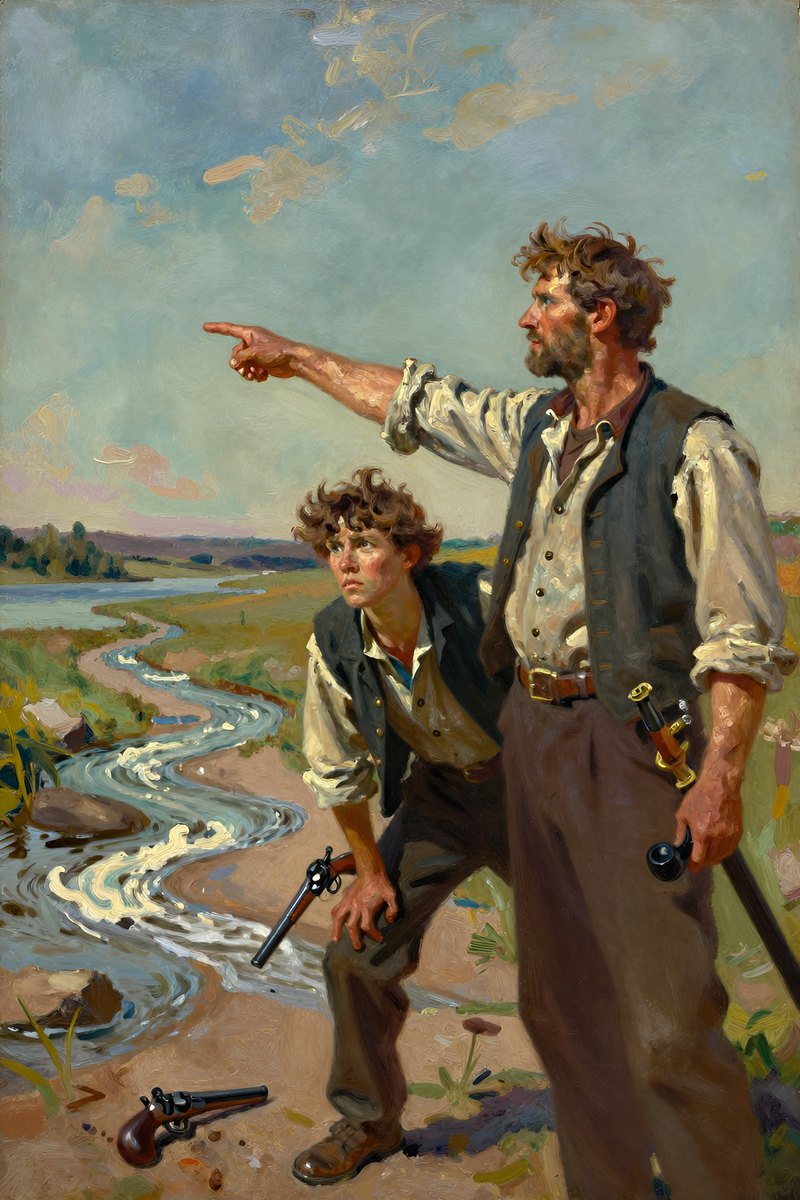
By and by we left Jim to float around up there in the neighborhood of the pyramids, and we clumb down to the hole where you go into the tunnel, and went in with some Arabs and candles, and away in there in the middle of the pyramid we found a room and a big stone box in it where they used to keep that king, just as the man in the Sunday-school said; but he was gone, now; somebody had got him. But I didn’t take no interest in the place, because there could be ghosts there, of course; not fresh ones, but I don’t like no kind.
So then we come out and got some little donkeys and rode a piece, and then went in a boat another piece, and then more donkeys, and got to Cairo; and all the way the road was as smooth and beautiful a road as ever I see, and had tall date-pa’ms on both sides, and naked children everywhere, and the men was as red as copper, and fine and strong and handsome. And the city was a curiosity. Such narrow streets—why, they were just lanes, and crowded with people with turbans, and women with veils, and everybody rigged out in blazing bright clothes and all sorts of colors, and you wondered how the camels and the people got by each other in such narrow little cracks, but they done it—a perfect jam, you see, and everybody noisy. The stores warn’t big enough to turn around in, but you didn’t have to go in; the storekeeper sat tailor fashion on his counter, smoking his snaky long pipe, and had his things where he could reach them to sell, and he was just as good as in the street, for the camel-loads brushed him as they went by.
Now and then a grand person flew by in a carriage with fancy dressed men running and yelling in front of it and whacking anybody with a long rod that didn’t get out of the way. And by and by along comes the Sultan riding horseback at the head of a procession, and fairly took your breath away his clothes was so splendid; and everybody fell flat and laid on his stomach while he went by. I forgot, but a feller helped me to remember. He was one that had a rod and run in front.
There was churches, but they don’t know enough to keep Sunday; they keep Friday and break the Sabbath. You have to take off your shoes when you go in. There was crowds of men and boys in the church, setting in groups on the stone floor and making no end of noise—getting their lessons by heart, Tom said, out of the Koran, which they think is a Bible, and people that knows better knows enough to not let on. I never see such a big church in my life before, and most awful high, it was; it made you dizzy to look up; our village church at home ain’t a circumstance to it; if you was to put it in there, people would think it was a drygoods box.
What I wanted to see was a dervish, because I was interested in dervishes on accounts of the one that played the trick on the camel-driver. So we found a lot in a kind of a church, and they called themselves Whirling Dervishes; and they did whirl, too. I never see anything like it. They had tall sugar-loaf hats on, and linen petticoats; and they spun and spun and spun, round and round like tops, and the petticoats stood out on a slant, and it was the prettiest thing I ever see, and made me drunk to look at it. They was all Moslems, Tom said, and when I asked him what a Moslem was, he said it was a person that wasn’t a Presbyterian. So there is plenty of them in Missouri, though I didn’t know it before.
We didn’t see half there was to see in Cairo, because Tom was in such a sweat to hunt out places that was celebrated in history. We had a most tiresome time to find the granary where Joseph stored up the grain before the famine, and when we found it it warn’t worth much to look at, being such an old tumble-down wreck; but Tom was satisfied, and made more fuss over it than I would make if I stuck a nail in my foot.
How he ever found that place was too many for me. We passed as much as forty just like it before we come to it, and any of them would ’a’ done for me, but none but just the right one would suit him; I never see anybody so particular as Tom Sawyer. The minute he struck the right one he reconnized it as easy as I would reconnize my other shirt if I had one, but how he done it he couldn’t any more tell than he could fly; he said so himself.
Then we hunted a long time for the house where the boy lived that learned the cadi how to try the case of the old olives and the new ones, and said it was out of the Arabian Nights, and he would tell me and Jim about it when he got time. Well, we hunted and hunted till I was ready to drop, and I wanted Tom to give it up and come next day and git somebody that knowed the town and could talk Missourian and could go straight to the place; but no, he wanted to find it himself, and nothing else would answer. So on we went. Then at last the remarkablest thing happened I ever see. The house was gone—gone hundreds of years ago—every last rag of it gone but just one mud brick. Now a person wouldn’t ever believe that a backwoods Missouri boy that hadn’t ever been in that town before could go and hunt that place over and find that brick, but Tom Sawyer done it. I know he done it, because I see him do it. I was right by his very side at the time, and see him see the brick and see him reconnize it. Well, I says to myself, how does he do it? Is it knowledge, or is it instink?
Now there’s the facts, just as they happened: let everybody explain it their own way. I’ve ciphered over it a good deal, and it’s my opinion that some of it is knowledge but the main bulk of it is instink. The reason is this: Tom put the brick in his pocket to give to a museum with his name on it and the facts when he went home, and I slipped it out and put another brick considerable like it in its place, and he didn’t know the difference—but there was a difference, you see. I think that settles it—it’s mostly instink, not knowledge. Instink tells him where the exact place is for the brick to be in, and so he reconnizes it by the place it’s in, not by the look of the brick. If it was knowledge, not instink, he would know the brick again by the look of it the next time he seen it—which he didn’t. So it shows that for all the brag you hear about knowledge being such a wonderful thing, instink is worth forty of it for real unerringness. Jim says the same.
When we got back Jim dropped down and took us in, and there was a young man there with a red skullcap and tassel on and a beautiful silk jacket and baggy trousers with a shawl around his waist and pistols in it that could talk English and wanted to hire to us as guide and take us to Mecca and Medina and Central Africa and everywheres for a half a dollar a day and his keep, and we hired him and left, and piled on the power, and by the time we was through dinner we was over the place where the Israelites crossed the Red Sea when Pharaoh tried to overtake them and was caught by the waters. We stopped, then, and had a good look at the place, and it done Jim good to see it. He said he could see it all, now, just the way it happened; he could see the Israelites walking along between the walls of water, and the Egyptians coming, from away off yonder, hurrying all they could, and see them start in as the Israelites went out, and then when they was all in, see the walls tumble together and drown the last man of them. Then we piled on the power again and rushed away and huvvered over Mount Sinai, and saw the place where Moses broke the tables of stone, and where the children of Israel camped in the plain and worshiped the golden calf, and it was all just as interesting as could be, and the guide knowed every place as well as I knowed the village at home.
But we had an accident, now, and it fetched all the plans to a standstill. Tom’s old ornery corn-cob pipe had got so old and swelled and warped that she couldn’t hold together any longer, notwithstanding the strings and bandages, but caved in and went to pieces. Tom he didn’t know what to do. The professor’s pipe wouldn’t answer; it warn’t anything but a mershum, and a person that’s got used to a cob pipe knows it lays a long ways over all the other pipes in this world, and you can’t git him to smoke any other. He wouldn’t take mine, I couldn’t persuade him. So there he was.
He thought it over, and said we must scour around and see if we could roust out one in Egypt or Arabia or around in some of these countries, but the guide said no, it warn’t no use, they didn’t have them. So Tom was pretty glum for a little while, then he chirked up and said he’d got the idea and knowed what to do. He says:
“I’ve got another corn-cob pipe, and it’s a prime one, too, and nearly new. It’s laying on the rafter that’s right over the kitchen stove at home in the village. Jim, you and the guide will go and get it, and me and Huck will camp here on Mount Sinai till you come back.”
“But, Mars Tom, we couldn’t ever find de village. I could find de pipe, ’case I knows de kitchen, but my lan’, we can’t ever find de village, nur Sent Louis, nur none o’ dem places. We don’t know de way, Mars Tom.”
That was a fact, and it stumped Tom for a minute. Then he said:
“Looky here, it can be done, sure; and I’ll tell you how. You set your compass and sail west as straight as a dart, till you find the United States. It ain’t any trouble, because it’s the first land you’ll strike the other side of the Atlantic. If it’s daytime when you strike it, bulge right on, straight west from the upper part of the Florida coast, and in an hour and three quarters you’ll hit the mouth of the Mississippi—at the speed that I’m going to send you. You’ll be so high up in the air that the earth will be curved considerable—sorter like a washbowl turned upside down—and you’ll see a raft of rivers crawling around every which way, long before you get there, and you can pick out the Mississippi without any trouble. Then you can follow the river north nearly, an hour and three quarters, till you see the Ohio come in; then you want to look sharp, because you’re getting near. Away up to your left you’ll see another thread coming in—that’s the Missouri and is a little above St. Louis. You’ll come down low then, so as you can examine the villages as you spin along. You’ll pass about twenty-five in the next fifteen minutes, and you’ll recognize ours when you see it—and if you don’t, you can yell down and ask.”
[Illustration: “Map of the trip made by Tom Sawyer Erronott 1850”] “Ef it’s dat easy, Mars Tom, I reckon we kin do it—yassir, I knows we kin.”
The guide was sure of it, too, and thought that he could learn to stand his watch in a little while.
“Jim can learn you the whole thing in a half an hour,” Tom said. “This balloon’s as easy to manage as a canoe.”
Tom got out the chart and marked out the course and measured it, and says:
“To go back west is the shortest way, you see. It’s only about seven thousand miles. If you went east, and so on around, it’s over twice as far.” Then he says to the guide, “I want you both to watch the tell-tale all through the watches, and whenever it don’t mark three hundred miles an hour, you go higher or drop lower till you find a storm-current that’s going your way. There’s a hundred miles an hour in this old thing without any wind to help. There’s two-hundred-mile gales to be found, any time you want to hunt for them.”
“We’ll hunt for them, sir.”
“See that you do. Sometimes you may have to go up a couple of miles, and it’ll be p’ison cold, but most of the time you’ll find your storm a good deal lower. If you can only strike a cyclone—that’s the ticket for you! You’ll see by the professor’s books that they travel west in these latitudes; and they travel low, too.”
Then he ciphered on the time, and says— “Seven thousand miles, three hundred miles an hour—you can make the trip in a day—twenty-four hours. This is Thursday; you’ll be back here Saturday afternoon. Come, now, hustle out some blankets and food and books and things for me and Huck, and you can start right along. There ain’t no occasion to fool around—I want a smoke, and the quicker you fetch that pipe the better.”
All hands jumped for the things, and in eight minutes our things was out and the balloon was ready for America. So we shook hands good-bye, and Tom gave his last orders:
“It’s 10 minutes to 2 P.M. now, Mount Sinai time. In 24 hours you’ll be home, and it’ll be 6 to-morrow morning, village time. When you strike the village, land a little back of the top of the hill, in the woods, out of sight; then you rush down, Jim, and shove these letters in the post-office, and if you see anybody stirring, pull your slouch down over your face so they won’t know you. Then you go and slip in the back way to the kitchen and git the pipe, and lay this piece of paper on the kitchen table, and put something on it to hold it, and then slide out and git away, and don’t let Aunt Polly catch a sight of you, nor nobody else. Then you jump for the balloon and shove for Mount Sinai three hundred miles an hour. You won’t have lost more than an hour. You’ll start back at 7 or 8 A.M., village time, and be here in 24 hours, arriving at 2 or 3 P.M., Mount Sinai time.”
Tom he read the piece of paper to us. He had wrote on it:
“THURSDAY AFTERNOON. Tom Sawyer the Erronort sends his love to Aunt Polly from Mount Sinai where the Ark was, and so does Huck Finn, and she will get it to-morrow morning half-past six.”* “TOM SAWYER THE ERRONORT”
* This misplacing of the Ark is probably Huck’s error, not Tom’s.—M.T.
“That’ll make her eyes bulge out and the tears come,” he says. Then he says:
“Stand by! One—two—three—away you go!”
And away she did go! Why, she seemed to whiz out of sight in a second.
Then we found a most comfortable cave that looked out over the whole big plain, and there we camped to wait for the pipe.
The balloon come back all right, and brung the pipe; but Aunt Polly had catched Jim when he was getting it, and anybody can guess what happened: she sent for Tom. So Jim he says:
“Mars Tom, she’s out on de porch wid her eye sot on de sky a-layin’ for you, en she say she ain’t gwyne to budge from dah tell she gits hold of you. Dey’s gwyne to be trouble, Mars Tom, ’deed dey is.”
So then we shoved for home, and not feeling very gay, neither.
1.How does Mark Twain develop the story's structure throughout the story? Answer: Twain structures the narrative as a chronological travel picaresque that begins with a domestic rivalry in Missouri over who is the village's greatest traveler. The structure then shifts rapidly into an episodic survival adventure once the boys are trapped on an accidental transatlantic balloon voyage that takes them across the ocean and into the Great Sahara Desert.
2.In what way does the narrative point of view shape the reader's experience of the book? Answer: The story is told from Huck Finn's literal-minded, first-person perspective, which grounds the highly unusual journey in practical, common-sense observations. This point of view allows the reader to experience the humor of the journey through Huck's naive lens, especially when he evaluates Tom’s grandiose, book-learned ideas against his own simple logic.
3.How does Mark Twain develop the author's use of humor throughout the story? Answer: Twain develops humor primarily through the absurd, literal-minded debates among the three travelers, such as Huck arguing that Indiana must be pink because of its color on a map. Additionally, comical situations arise from Jim and Huck using everyday logic to completely dismantle Tom's romanticized concepts of "theology," "crusades," and "metaphors".
4.What questions does the dialogue between key characters raise for you as a reader? Answer: The characters' constant debates raise questions about whether formal education is actually superior to natural, lived common sense, as Huck and Jim frequently outmaneuver Tom's academic arguments. The dialogue also makes the reader wonder how these three highly stubborn individuals will manage to cooperate well enough to survive the life-or-death situations they face.
5.What questions does the resolution raise for you as a reader? Answer: Because the provided portion of the story leaves the characters still traveling across the vast Sahara Desert, it raises immediate questions about how they will eventually manage to return safely to Missouri. Furthermore, the final chapter title "GOING FOR TOM'S PIPE" makes the reader wonder what ridiculous or dangerous stunt Tom will pull next, and whether his desire for glory will ultimately get them killed.
6.Why is the resolution important to understanding "Tom Sawyer Abroad"? Answer: The resolution is crucial because it determines whether Tom's reckless pursuit of "glory" and "reputation" will be vindicated or humbled by his experiences abroad. It also serves as the final test of the boys' friendship, revealing whether their shared trials in the balloon have ultimately brought them closer together or driven them apart.
7.What can you say about the central conflict in "Tom Sawyer Abroad"? Answer: The central conflict of the story is character-driven, pitting Tom's reckless, romanticized desire for fame and adventure against Huck and Jim’s practical desire for safety and comfort. This internal group dynamic is constantly mirrored by external conflicts, such as their struggle to survive the whims of a mad professor, fierce desert storms, and wild beasts.
8.In what way does the relationships between characters shape the reader's experience of the book? Answer: The relationships provide a warm, familiar emotional anchor that contrasts with the bizarre and dangerous foreign landscapes the boys navigate. Even though they bicker constantly over trivia, their underlying loyalty and affection shine through during moments of crisis, such as when Jim and Huck rejoice over Tom surviving the professor's attack.
9.What can you say about a minor character's contribution in "Tom Sawyer Abroad"? Answer: The postmaster, Nat Parsons, acts as the catalyst for the entire plot by continuously bragging about his own historic trip to Washington, D.C.. His relentless boasting threatens Tom's status as the village hero, directly motivating Tom to seek out the balloon ascension in St. Louis so he can reclaim his reputation as the ultimate traveler.
10.How does Mark Twain develop the author's use of foreshadowing throughout the story? Answer: Twain uses early warnings from Huck and Jim regarding the professor’s "crazy" behavior to foreshadow the violent breakdown that occurs during the storm. Similarly, the presence of unusual items in the balloon, like brass beads and jewelry, foreshadows that the travelers will land in a completely foreign, uncivilized territory rather than England.
11.What questions does the story's title raise for you as a reader? Answer: The title, "Tom Sawyer Abroad," immediately makes the reader wonder how a provincial, small-town American boy will handle the vastly different cultures and environments of the wider world. It also raises the question of whether Tom's book-learned, romantic notions of foreign lands will survive when confronted with the gritty reality of actual international travel.
12.What questions does the central conflict raise for you as a reader? Answer: The conflict raises questions about the true cost of pursuing fame, especially when Tom's selfish desire to be "celebrated" repeatedly puts Huck and Jim in mortal danger. It also leaves the reader questioning whether simple common sense is a far more valuable tool for survival than romanticized academic knowledge.
PER-CHAPTER STUDY QUESTIONS Chapter 1: CHAPTER I. Q1. How does the historical context of the story compare to what happened in earlier chapters? A1. At the start of this book, the boys are back in St. Petersburg, Missouri, living in the quiet aftermath of their famous treasure hunt from *The Adventures of Tom Sawyer*. Unlike their previous local escapades, the historical context shifts toward a post-Civil War American fascination with modernization and world travel, represented by the town postmaster Nat Parsons boasting about his trip to Washington, D.C., which drives Tom mad with jealousy.
Q2. How does the protagonist's internal struggles compare to what happened in earlier chapters? A2. In earlier novels, Tom struggled with local, small-town moral dilemmas (like Aunt Polly’s rules or helping Muff Potter). Now, his internal struggle is a desperate crisis of ego; he cannot stand being overshadowed by Nat Parsons' travel prestige, driving him to concoct increasingly grand, ridiculous schemes—first a religious "Crusade" to the Holy Land, and then a trip to see the high-tech scientific balloon in St. Louis.
Q3. What questions does an important object or symbol raise for you as a reader of this chapter? A3. The"patent" steam balloon introduced at the end of the chapter symbolises both human ingenuity and reckless ambition. It raises the question: Will this highly advanced, unstable machine serve as Tom’s ultimate vehicle to glory, or will his lack of real-world knowledge make it a flying trap?
Q4. What questions does the central conflict raise for you as a reader of this chapter? A4. The central conflict is Tom's relentless desire for "reputation" versus Huck and Jim’s grounded desire for peace. It raises the question of how far Tom is willing to drag his friends into genuine danger just to satisfy his vanity and outdo a local postmaster.
Q5. What do you notice about any conflict resolved in this chapter in "CHAPTER I."? A5. The conflict of Tom's social irrelevance in the village is temporarily "resolved" when he successfully diverts Huck and Jim’s attention away from Nat Parsons' stories and convinces them to travel to St. Louis. It shows Tom's mastery of manipulation, though it sets up a much larger, more dangerous conflict.
Chapter 2: CHAPTER II. Q1. What questions does the mood of this chapter raise for you as a reader of this chapter? A1. The mood shifts abruptly from lighthearted curiosity to suspenseful dread when the brilliant but clearly unhinged Professor locks the boys inside the balloon and takes off. This raises the question: Is the Professor merely eccentric, or are the boys trapped thousands of feet in the air with a literal madman?
Q2. What questions does the external obstacles the characters face raise for you as a reader of this chapter? A2. The primary external obstacle is the fast-flying, uncontrollable balloon itself and its erratic pilot. This raises the terrifying question of survival: How can three children, who have never left the ground, hope to navigate or land a highly complex flying machine once they lose control of the situation?
Q3. What can you say about the author's use of foreshadowing in this chapter? A3. Twain heavily foreshadows the Professor's complete mental breakdown. The Professor's wild eyes, his manic boasting about his genius, and his sudden violent outbursts when the crowd doubts him all foreshadow that he will soon become a direct threat to the boys' lives.
Q4. How does Mark Twain handle the dialogue between key characters here? A4. Twain uses sharp, comedic dialogue to contrast the boys' terror with their usual bickering. Even as they are being kidnapped high into the clouds, Huck and Tom still argue over minor details and use their classic Missouri vernacular, keeping the tone characteristically humorous despite the high stakes.
Q5. Why might the symbolism in the story matter to the chapter as a whole? A5. The balloon symbolises a runaway scientific progress that humanity isn't quite ready to control. The brilliant inventor has gone mad with his own creation, mirroring the boys' helplessness as they are carried away by forces far larger than their small-town minds can comprehend.
Chapter 3: CHAPTER III. Q1. What can you say about any conflict resolved in this chapter in this chapter? A1. The immediate conflict of the boys' initial panic is resolved when they realize they must cooperate with the Professor to stay alive. By agreeing to help run the balloon and keep watch, they establish a tense, temporary truce with their captor.
Q2. How does any conflict resolved in this chapter compare to what happened in earlier chapters? A2. Unlike the minor squabbles in Chapter 1 or the helpless terror of Chapter 2, this resolution is born of sheer survival instinct. The boys are forced to grow up instantly, trading their childish arguments for practical, dangerous aeronautical duties.
Q3. What questions does the antagonist's role raise for you as a reader of this chapter? A3. The Professor’s behavior—drinking heavily and alternating between scientific lectures and violent delusions—raises the question: What is his ultimate destination? Does he intend to fly them to a specific place, or is he on a suicidal flight into the empty ocean?
Q4. Why might the tone of the narrative matter to the chapter as a whole? A4. The tone balances eerie claustrophobia with dark humor. Because Huck narrates, the terrifying reality of flying through a midnight storm is filtered through his simple, literal worldview, making the perilous journey feel oddly cozy yet deeply unpredictable.
Q5. What questions does the narrative point of view raise for you as a reader of this chapter? A5. Huck’s first-person narration raises questions of reliability regarding the technical aspects of the flight. Because Huck doesn't understand geography or science, we are forced to piece together where they actually are (heading east over the Atlantic) based on Tom's frantic interpretations of the Professor's maps.
Chapter 4: CHAPTER IV. Q1. What can you say about the antagonist's role in this chapter? A1. The Professor reaches the peak of his madness, culminating in a violent struggle where he attempts to throw Tom overboard. His role ends abruptly and tragically when, during the scuffle, he falls out of the car and plunges into the Atlantic Ocean below.
Q2. What can you say about the use of imagery in this chapter? A2. Twain uses stark, terrifying imagery to depict the vast, indifferent ocean. The contrast between the tiny, fragile balloon car and the infinite, dark Atlantic below highlights the boys' absolute isolation and the grim reality of the Professor's death.
Q3. Why might any conflict resolved in this chapter matter to the chapter as a whole? A3. The conflict with the mad Professor is permanently resolved by his death. This matters because it shifts the entire dynamic of the novel; the boys are no longer prisoners, but they are now completely on their own, forced to pilot a massive balloon across an ocean they don't understand.
Q4. How does the pacing of the narrative compare to what happened in earlier chapters? A4. The pacing accelerates dramatically. After chapters of slow-burning tension and debates, the violent confrontation, the Professor's fall, and the sudden realization that they are flying solo happen in rapid, breathless succession.
Q5. How does how this chapter connects to the chapter before it compare to what happened in earlier chapters? A5. While previous chapters built up the looming threat of the Professor's instability, this chapter serves as the explosive payoff. It transitions the story from a kidnapping escape-thriller into an epic, self-directed survival voyage.
Chapter 5: CHAPTER V. Q1. Why might the main characters matter to the chapter as a whole? A1. With the Professor gone, the three main characters—Tom, Huck, and Jim—must carry the narrative entirely on their own. Their distinct personalities drive the plot: Tom takes on the role of the arrogant captain, Huck remains the practical realist, and Jim acts as the emotional heart of the group.
Q2. How does an important object or symbol compare to what happened in earlier chapters? A2. Theballoon's controls (the guide-ropes, the gas valves, and the steering wheel) shift from being symbols of the Professor's terrifying power to symbols of the boys' newfound freedom. Under Tom’s self-taught navigation, the machine becomes their home and their only hope.
Q3. What questions does the pacing of the narrative raise for you as a reader of this chapter? A3. The pacing slows down as the boys settle into a routine of flying over the endless ocean. This calmer pace raises a major question: Now that they have survived the storm and the madman, how will their limited supplies and total lack of sailing experience impact their journey?
Q4. How does a surprising moment in this chapter compare to what happened in earlier chapters? A4. The most surprising moment is the sudden sighting of land, which Tom calculates to be Africa rather than England. Unlike earlier surprises (which were terrifying and violent), this is a moment of awe and wonder, expanding the scale of their adventure to a global level.
Q5. How does the external obstacles the characters face compare to what happened in earlier chapters? A5. The external obstacle shifts from a human threat (the Professor) to a geographical one. The boys are no longer fighting for their lives in a cramped basket; they are now facing the sheer scale of the Sahara Desert and the terrifying wildlife waiting below.
Chapter 6: CHAPTER VI. Q1. What questions does the moral lesson of the story raise for you as a reader of this chapter? A1. When the boys encounter a wild pack of lions and a baby camel, they face a moral dilemma about whether to interfere with nature. It raises the question: Does their technological superiority (the balloon) give them the right to play god in this foreign land, or should they remain silent observers?
Q2. What do you notice about sensory or descriptive details in this chapter in "CHAPTER VI."? A2. Twain paints a vivid, terrifying picture of the desert. He describes the oppressive, shimmering heat rising from the sand, the deep, chest-rumbling roars of the lions, and the chaotic, dusty scramble as Jim is chased up the balloon's hanging ladder.
Q3. How does the emotional impact of the climax compare to what happened in earlier chapters? A3. The climax of this chapter—rescuing Jim from the swarming lions by pulling him up on the ladder—is filled with visceral, immediate danger. Unlike the psychological dread of dealing with the Professor, this is an action-packed, heroic rescue that cements the boys' loyalty to one another.
Q4. Why might the ethical questions the story raises matter to the chapter as a whole? A4. The ethical questions about shooting wild animals and rescuing the abandoned baby camel highlight the boys' innocence. Even in a harsh, deadly environment, their Missouri-bred empathy dictates their actions, contrasting their youth with the brutal reality of the desert.
Q5. How does the story's sense of place compare to what happened in earlier chapters? A5. The sense of place is radically different. St. Petersburg and the Atlantic Ocean are replaced by the vast, hostile, and exotic Sahara. The setting itself becomes an active character, throwing lions, extreme heat, and endless sand at the travelers.
Chapter 7: CHAPTER VII. Q1. How does the secondary characters compare to what happened in earlier chapters? A1. The "secondary characters" in this chapter are the distant desert nomads they spot from above. Unlike the active threat of the Professor, these people are treated as distant, exotic spectacles, highlighting just how disconnected and isolated the boys are in their floating bubble.
Q2. Why might the reader's emotional response matter to the chapter as a whole? A2. The reader's response shifts from high-stakes tension to sheer amusement. This change is vital because it allows Twain to showcase his signature satire through the boys' hilarious, extended debate about map colors and time zones, relieving the tension of the previous desert dangers.
Q3. Why might a minor character's contribution matter to the chapter as a whole? A3. Jim's contribution is central here. His stubborn, common-sense refusal to believe they are in Africa because "the ground isn't pink like it is on the map" serves as a brilliant critique of how book-learning (Tom's domain) compares to literal, uneducated logic.
Q4. What questions does the author's intended audience raise for you as a reader of this chapter? A4. The heavy focus on geography, map-reading, and the mechanics of time zones suggests Twain was writing for a young, curious audience. It raises the question of whether this chapter was intended to be secretly educational, wrapping a science and geography lesson inside a comedic adventure.
Q5. Why might the central conflict matter to the chapter as a whole? A5. The central conflict of the chapter is intellectual rather than physical: Tom's frustrating attempt to explain "metaphors" and "science" to Huck and Jim. This matters because it emphasizes the cultural and educational divide between the boys, showing that even in Africa, they cannot escape their Missouri identities.
Chapter 8: CHAPTER VIII. Q1. What questions does a minor character's contribution raise for you as a reader of this chapter? A1. The boys find a caravan buried in the sand, containing dead merchants and their treasures. The silent "contributions" of these deceased travelers raise grim questions: What happened to them? Will the boys suffer the same fate if they run out of water in this unforgiving desert?
Q2. What do you notice about the passage of time in the story in "CHAPTER VIII."? A2. The passage of time feels heavy and slow, marked by the shifting winds and the brutal cycle of the desert sun. This slow drag of time is suddenly shattered when they witness a violent sandstorm (a simoom) swallow the landscape, reminding them of how quickly death can arrive.
Q3. How does the antagonist's role compare to what happened in earlier chapters? A3. The "antagonist" here is no longer a person, but the desert itself. The simoom and the buried caravan represent a passive, deadly foe that kills without mercy, presenting a much more terrifying obstacle than the mad Professor ever did.
Q4. How does a memorable scene compare to what happened in earlier chapters? A4. The scene where the boys land and collect gold and jewels from the buried caravan is highly memorable. Unlike their previous treasure hunt in *Tom Sawyer*, which was exciting and adventurous, this treasure-gathering is eerie, solemn, and surrounded by death.
Q5. Why might the moral lesson of the story matter to the chapter as a whole? A5. The moral lesson revolves around greed. Despite finding vast wealth, the boys realize that gold is entirely worthless in the desert compared to a single drop of water. This stark realization humbles Tom and shifts their priorities back to basic survival.
Chapter 9: CHAPTER IX. Q1. What questions does sensory or descriptive details in this chapter raise for you as a reader of this chapter? A1. Twain’s beautiful descriptions of a lush oasis—complete with cool, bubbling water and green trees—contrast sharply with the harsh desert. However, when the oasis turns out to be a cruel mirage, it raises the question: Can the boys trust their own senses, or is the desert heat slowly driving them mad?
Q2. What do you notice about the opening lines of this chapter in "CHAPTER IX."? A2. The opening lines plunge the reader directly into the agonizing psychological toll of the desert journey. The initial excitement of the voyage has completely evaporated, replaced by exhaustion, thirst, and a desperate longing for home.
Q3. How does the pivotal turning point compare to what happened in earlier chapters? A3. The turning point is quiet and psychological. Instead of a physical fight or a lion attack, the boys are forced to confront their own vulnerability when they are tricked by the mirage, marking a low point in their morale.
Q4. How does Mark Twain handle the historical context of the story here? A4. Twain weaves in historical and biblical mythology through Tom’s lectures on the desert. Tom attempts to explain the historical significance of the caravan routes and the East, but his romanticized history is constantly dismantled by Huck's hilarious, practical skepticism.
Q5. What can you say about the opening chapter in this chapter? A5. The chapter opens with a heavy sense of weariness, but quickly transitions into a classic comedic debate about "murtles" (myrtles) and metaphors. This transition shows Twain's mastery of using humor to rescue his characters—and his readers—from absolute despair.
Chapter 10: CHAPTER X. Q1. How does Mark Twain handle the mood of this chapter here? A1. Twain shifts the mood from exhausted survival to grand, awe-inspiring adventure as the balloon reaches Egypt. The sight of the Pyramids and the Sphinx brings a sudden rush of energy and excitement back into the narrative.
Q2. How does the secondary characters compare to what happened in earlier chapters? A2. The secondary characters—a group of local Arabs climbing the Sphinx—are treated as active, comedic foils. Instead of being a distant threat, they actively try to reach the balloon, prompting Tom to use the machine's altitude controls to playfully evade them.
Q3. How does the story's structure compare to what happened in earlier chapters? A3. The structure becomes highly episodic and sight-seeking. Rather than drifting aimlessly to survive, the boys are now active tourists, with Tom steering the balloon from one famous landmark to the next like a flying tour bus.
Q4. What can you say about the mood of this chapter in this chapter? A4. The mood is playful, mischievous, and triumphantly American. Landing the balloon directly on the head of the ancient Sphinx is the ultimate act of youthful disrespect and curiosity, perfectly capturing the spirit of Tom Sawyer.
Q5. How does Mark Twain handle the main characters here? A5. Twain showcases the boys' classic dynamics in a global setting. Tom is in his element, acting as the self-appointed, bossy tour guide who knows everything, while Huck and Jim provide a grounding, unimpressed commentary on these ancient wonders of the world.
Chapter 11: CHAPTER XI. Q1. How does Mark Twain handle the resolution here? A1. The boys resolve their immediate need for supplies by safely navigating to Cairo and finding a way to trade and observe the city from a safe distance. Twain handles this smoothly, keeping the focus on the boys' comedic reactions to the bustling city of Cairo and the Nile.
Q2. What do you notice about the author's use of foreshadowing in "CHAPTER XI."? A2. Twain foreshadows that the boys' grand adventure is starting to run its course. As they look down at the ancient civilization of Egypt, Tom's mind begins to wander back to St. Petersburg, foreshadowing that home is calling to them.
Q3. What do you notice about an important object or symbol in "CHAPTER XI."? A3. TheNile River acts as a powerful symbol of life, history, and continuity. To Huck and Jim, however, it is just a very long, muddy river that reminds them of their beloved Mississippi, highlighting their deep-rooted homesickness.
Q4. What can you say about a decision a character makes in this chapter in this chapter? A4. Tom decides to tell the grand, dramatic story of the treasure of the Pyramids to impress Jim and Huck. This decision shows that despite traveling across the globe, Tom’s core nature—his love for theatrical storytelling and showmanship—has not changed at all.
Q5. What questions does what changes by the end of this chapter raise for you as a reader of this chapter? A5. By the end of the chapter, the novelty of Egypt begins to fade, replaced by a looming sense of aimlessness. It raises the question: Now that they have conquered the Atlantic, the Sahara, and the Pyramids, what is left for them to do, and how will they get back to Missouri?
Chapter 12: CHAPTER XII. Q1. What can you say about any conflict resolved in this chapter in this chapter? A1. The conflict of finding their next destination is resolved when Tom decides they must visit Mount Sinai and other biblical locations. This provides the drifting balloon with a new, structured purpose, driving the narrative forward.
Q2. How does the moral lesson of the story compare to what happened in earlier chapters? A2. The moral lesson in this chapter focuses on religious and historical reverence. While Tom wants to treat these biblical sites with romantic grandeur, Jim's literal-minded, deeply felt religious views challenge Tom's superficial intellectualism, creating a deeper, more respectful tone than their earlier debates.
Q3. How does the main characters compare to what happened in earlier chapters? A3. The main characters have become incredibly skilled balloonists. They handle the complex machine with ease, a far cry from the terrified children who were trapped by the Professor in Chapter 2.
Q4. How does Mark Twain handle the main characters here? A4. Twain handles them with a mix of affection and satire. He allows them to marvel at the holy lands, but keeps them grounded in their roots; they look at Mount Sinai through the lens of Sunday school lessons taught back in Missouri.
Q5. How does Mark Twain handle the story's realism or its fantasy elements here? A5. Twain balances the "fantasy" of a steering balloon with realistic geographical and historical accuracy. He describes the actual terrain of the Sinai Peninsula, making the boys' impossible scientific voyage feel remarkably grounded in the real world.
Chapter 13: CHAPTER XIII. Q1. What questions does the story's realism or its fantasy elements raise for you as a reader of this chapter? A1. The absolute absurdity of the ending—where Tom sends Jim all the way back across the globe in a high-tech balloon just to retrieve a clay pipe left in a pocket—stretches realism to its absolute limit. It raises the question: Is Twain mocking the entire genre of grand adventure stories by ending this epic voyage on the most trivial errand imaginable?
Q2. What do you notice about the resolution in "CHAPTER XIII."? A2. The resolution is abrupt, comedic, and domestic. The grand, transcontinental voyage is suddenly cut short because Aunt Polly discovers Jim in St. Petersburg, realizes where the boys are, and commands them to return home immediately.
Q3. Why might the dialogue between key characters matter to the chapter as a whole? A3. The final dialogue highlights that despite surviving wild beasts, madmen, sandstorms, and deserts, the boys' ultimate master is still Aunt Polly. Her simple, stern authority instantly punctures Tom’s grand illusions of being an independent global explorer.
Q4. How does what changes by the end of this chapter compare to what happened in earlier chapters? A4. The scale of the story shrinks instantly. We go from the grand heights of Mount Sinai and the vast Sahara back to the domestic sphere of Missouri. The boys are reminded that they are, after all, just children who have chores and families waiting for them.
Q5. How does Mark Twain handle the narrative point of view here? A5. Twain uses Huck's practical, unvarnished narration to deliver the final punchline. Huck doesn't find the sudden end of their historic journey tragic; he simply reports Aunt Polly’s orders and Tom’s defeat with his usual deadpan, common-sense acceptance, bringing the entire adventure to a hilariously grounded conclusion.
Mark Twain’s *Tom Sawyer Abroad*, published in 1894, emerged during a transitional and turbulent era in late nineteenth-century American literature. The decade of the 1890s saw the United States shifting rapidly from a agrarian nation to an industrialized global power, a transformation accompanied by intense economic volatility, notably the Panic of 1893. This period, often termed the Gilded Age, was characterized by a push toward technological modernization, a growing public fascination with global exploration, and an appetite for sensationalist media. Simultaneously, the literary market was witnessing the rise of highly stylized, imaginative adventure fiction. Twain, facing severe personal financial distress and the impending bankruptcy of his own publishing house, Charles L. Webster & Company, seized upon these cultural currents. He wrote *Tom Sawyer Abroad* rapidly, seeking a commercial success by reuniting his most beloved characters in a work that merged his classic humor with contemporary trends.
The cultural forces shaping the novel are visible in its central premise and thematic targets. The late Victorian era was fascinated by scientific progress, balloon travel, and exotic travelogues, largely fueled by the popular translations of French author Jules Verne’s works, such as *Five Weeks in a Balloon* and *Around the World in Eighty Days*. Twain directly parodied this brand of romanticized European adventure fiction. By forcing a fantastic, high-tech flying machine into the hands of provincial boys from Missouri, Twain satirized the grandiosity of Western imperialism and the nineteenth-century "Scramble for Africa." The boys' journey across the Atlantic and the Sahara Desert serves as a vehicle to critique the era’s academic pretension. The narrative contrasts Tom’s book-learned, imperialist romanticism with the pragmatic, literal-minded skepticism of Huck and Jim, challenging the cultural assumption that formal Western education is inherently superior to natural common sense.
Within Twain’s larger body of work, *Tom Sawyer Abroad* serves as a fascinating, if overlooked, bridge between his masterpiece, *Adventures of Huckleberry Finn* (1884), and his later, deeply pessimistic writings. It reunites the famous trio of Tom, Huck, and Jim, maintaining the first-person perspective of Huck Finn. However, the novel strips away the rich, localized realism of the Mississippi River valley, replacing it with an episodic, speculative travelogue. While it lacks the profound moral weight and focused social critique of *Huckleberry Finn*, it continues Twain’s career-long exploration of the American character. By placing his provincial protagonists in a global arena, Twain evaluates how nineteenth-century American values—represented by Tom’s ego and Huck’s pragmatism—confront the ancient, complex histories of the wider world.
Beyond its immediate historical moment, the significance of *Tom Sawyer Abroad* lies in its early anticipation of modern literary tropes and its biting deconstruction of intellectual hubris. By combining speculative elements of science fiction with satirical social commentary, the novel prefigures the generic cross-pollination of the twentieth century. More importantly, it remains a sharp critique of the dangers of cultural arrogance. Tom Sawyer’s insistence on imposing his romanticized, textbook illusions onto real, foreign landscapes mirrors the broader pitfalls of national exceptionalism. In an age still grappling with the divide between theoretical dogma and lived reality, Twain's depiction of three boys bickering over map colors and meridians while suspended in midair remains a remarkably modern and enduringly funny warning against intellectual vanity.
In *Tom Sawyer Abroad*, Mark Twain utilizes his hallmark regional realism to anchor an otherwise fantastic, speculative plot. While the novel's premise of a transatlantic balloon voyage is highly imaginative, Twain’s literary craft is defined by the tension between Huck Finn's grounded, vernacular voice and the extraordinary circumstances of the journey. This stylistic friction prevents the narrative from devolving into a conventional, romanticized Victorian travelogue. Instead, Twain uses localized American humor, literalism, and sharp character dialogue to demystify both foreign geography and the genre of adventure fiction itself.
This clash of perspectives is best demonstrated through the book's comedic dialogue. In one illustrative passage, Huck resists Tom’s cartographic book-learning by asserting his own physical observations of the landscape: "Seen it on the map! Huck Finn, did you reckon the States was the same color out of doors that they are on the map?". When Tom responds with irritation, Huck stubbornly maintains his literal view, insisting, "Indiana is pink". Here, Twain’s characterization shines through a masterful use of situational irony. Huck's provincial innocence and his absolute trust in physical reality expose the artificiality of human systems. By reducing complex political geography to the literal colors of a printed map, Twain satirizes the limits of theoretical education. The author's craft lies in making Huck's uneducated ignorance feel more naturally logical than Tom’s dogmatic, book-learned authority.
Twain employs a similar technique to dismantle romantic notions of grandeur, contrasting the boys' small-town background with their high-flying adventure. When Tom boasts of their new status, Huck recounts: "He said an erronort was a person who sailed around in balloons; and said it was a mighty sight finer to be Tom Sawyer the Erronort than to be Tom Sawyer the Traveler". Twain’s linguistic style is highly evident in this passage. By filtering the French term "aeronaut" through Huck's phonetically misspelled vernacular as "erronort," Twain instantly punctures the elevated, scientific pretension of the balloon voyage. This stylistic choice keeps the narrative voice consistently provincial, humorous, and intimately tied to the characters' Missouri roots, even as they drift thousands of feet above the earth.
Ultimately, what distinguishes Mark Twain’s narrative technique is this persistent juxtaposition of the ordinary with the extraordinary. The structure of *Tom Sawyer Abroad* relies on placing three highly specific, realistic characters into a wild, speculative setting, using their unchanged St. Petersburg habits as a lens to view the wider world. While Jules Verne’s heroes marvel at technological marvels, Twain’s characters spend their time bickering over pronunciation, metaphors, and domestic chores in the basket of a flying machine. By keeping Huck’s voice unpolished and fiercely practical, Twain subverts the imperialist adventure genre, proving that the true landscape of his fiction is not the Sahara Desert or the Atlantic Ocean, but the enduring, skeptical, and deeply human American mind.
On its surface, Mark Twain’s *Tom Sawyer Abroad* presents itself as a lighthearted, episodic boys' adventure—a whimsical American response to Jules Verne that sends three familiar Mississippi River characters soaring across the globe in a futuristic balloon. However, to dismiss the novel as mere commercial fluff or a minor sequel is to miss the deeply cynical social critique humming beneath its fantastical canopy. Beneath the comedy of errors, the wild lion attacks, and the awe-inspiring sights of the Pyramids, the narrative operates as a scathing deconstruction of intellectual hubris, romantic imperialism, and the pathology of the American ego. The journey is not an escape into the sublime, but a claustrophobic examination of how easily empty book-learning can mutate into dangerous, self-serving authoritarianism.
The Sore Truth Is: Tom Sawyer's grand romantic adventure is a hollow, parasitic performance that relies entirely on the exploitation of those he deems his intellectual inferiors. Throughout their flight over the Atlantic and the Sahara, Tom plays the role of the enlightened Western conqueror, armed with Sunday-school dogmas and a superficial grasp of geography. He desperately craves "reputation" and "glory," not out of genuine curiosity, but from a toxic envy of his St. Petersburg neighbor, the postmaster Nat Parsons. To soothe his bruised ego, Tom drags Huck and Jim into mortal peril, transforming their survival into a theatrical stage for his own self-aggrandizement. While Tom lectures on the sublime history of Crusades and the nuances of metaphors, it is the marginalized figures who bear the actual physical cost of his fantasy. It is Jim who is nearly torn apart by a pride of desert lions, and it is Huck’s unpolished, literal-minded pragmatism that repeatedly saves them from the disastrous consequences of Tom’s theoretical schemes.
This predatory dynamic reaches its absolute zenith in the novel's final, staggering climax. Tom's decision to send Jim across the globe in a dangerous flying machine simply to retrieve a forgotten clay pipe from his pocket exposes the utter bankruptcy of his romantic idealism. For Tom, the lives and freedom of his friends are entirely subordinate to his trivial whims and his desire to play the grand, benevolent ruler. This chilling display of privilege is only halted not by Tom's moral awakening, but by the domestic gravity of Aunt Polly, whose sudden intervention drags the boys back to the mundane reality of Missouri. By ending this epic, transcontinental voyage on such a monumentally petty note, Twain brutally parodies the grand narratives of Western imperialism and national exceptionalism, revealing them to be nothing more than childish tantrums writ large on a global map. Therefore, thusly Twain demonstrates that beneath the glittering surface of heroic expansionism lies a parasitic vanity that risks everything for trivial self-interest, only to be inevitably brought low by the unyielding rules of home.
## SECTION 1: KEY LOCATIONS
### St. Petersburg, Missouri * **Real-world equivalent:** Hannibal, Missouri * **Description:** St. Petersburg is the familiar, sleepy Mississippi River town where Tom Sawyer, Huckleberry Finn, and Jim live. It is characterized by its quiet streets, local gossip, and the overarching presence of Sunday school morality and small-town rules. * **Significance to the plot:** This location serves as the jumping-off point of the novel in Chapter I, establishing the boys' baseline reality. It represents the quiet, domestic safety that Tom desperately wants to escape in order to find "glory," and it is the home they ultimately yearn for as their journey grows increasingly dangerous.
### St. Louis, Missouri * **Real-world equivalent:** St. Louis, Missouri * **Description:** A bustling, industrialized midwestern city located downriver from St. Petersburg. In Chapter II, it is depicted as a crowded urban center hosting a massive public exhibition for a spectacular, newly invented "patent" steam balloon. * **Significance to the plot:** It is the physical site of the balloon's exhibition and ascension. The sheer scale and excitement of the city lure the boys away from home, putting them in the direct path of the mad Professor who subsequently kidnaps them.
### The Atlantic Ocean * **Real-world equivalent:** The Atlantic Ocean * **Description:** A vast, dark, and utterly indifferent body of water that the boys must cross while trapped in the balloon. During Chapters III and IV, it is characterized by terrifying midnight lightning storms and violent, turbulent winds that threaten to rip their vessel apart. * **Significance to the plot:** The ocean represents the boys' first true separation from the safety of land and their old lives. It is the setting for the climactic battle with the mad Professor, who falls to his death in its waters, forcing the boys to assume absolute control of the machine.
### The Sahara Desert * **Real-world equivalent:** The Sahara Desert, North Africa * **Description:** An endless, shimmering landscape of intense heat, rolling sand dunes, and deceptive mirages. Spanning Chapters V through VIII, it is depicted as a beautiful but highly hostile environment populated by wild lions, passing caravans, and sudden, destructive sandstorms. * **Significance to the plot:** The desert serves as the primary stage for the boys' survival challenges. It tests their resourcefulness, forces them to work together to rescue Jim from wild beasts, and humbles Tom's book-learned arrogance when they encounter real-world dangers like dehydration and extreme weather.
### The "Disappearing Lake" Oasis * **Real-world equivalent:** A desert oasis / ephemeral lake in the Sahara * **Description:** A lush, green sanctuary featuring pooling water, myrtle trees, and accumulated treasures from a lost, sand-buried caravan. It appears in Chapter VIII as a sudden, welcome relief from the barren wasteland. * **Significance to the plot:** The oasis provides the boys with crucial water and physical relief, but its eerie surroundings—including the bodies of dead merchants—confront them with the grim reality of desert survival. It teaches them that water is infinitely more valuable than the gold and jewels left behind by the deceased.
## SECTION 2: DESCRIPTIVE GEOGRAPHY The physical world of *Tom Sawyer Abroad* is structured around a stark geographical contrast: the intimate, localized topography of the American Midwest versus the vast, intimidating landscapes of the Atlantic and the North African desert. The novel transitions rapidly from the humid, green, and river-bound terrain of Missouri to a world observed entirely from above. Suspended thousands of feet in the air, the characters view the globe as a literal map come to life, where state lines, oceans, and continents are rendered as massive, sweeping vistas. This vertical perspective alters how the boys interact with geography; instead of navigating trails or rivers, they must learn to read wind currents, air pressure, and cloud formations.
Once the balloon reaches Africa, the setting is dominated by the brutal, unforgiving climate of the Sahara Desert. The landscape is characterized by a blinding, shimmering heat that warps their vision, turning distant horizons into deceptive mirages. The absolute flatness of the sand dunes is occasionally broken by the sudden violence of nature—whether in the form of a swarming pride of lions or a suffocating sandstorm. This hostile climate drives the plot by keeping the characters in a state of constant environmental vulnerability, stripping away the romance of their travel adventure and reducing their journey to a basic, daily battle against dehydration, heat, and the sheer scale of an unfamiliar continent.
PART 4
Tom Sawyer, Detective - Revised Illustrated Edition
By the time Mark Twain returned to Tom Sawyer and Huck Finn one final time, both boys had already secured their place in American letters through two towering works. Tom Sawyer, Detective is a smaller, stranger thing: a slim, brisk mystery narrated once again by Huck, transplanting the pair from the familiar bends of the Mississippi to Uncle Silas's farm in Arkansas, and dropping them into a plot of stolen diamonds, a supposed ghost, and a murder charge against a man they love. Twain claimed, in a prefatory note reproduced within these pages, that the strange particulars of the case were not his invention but drawn from an old Swedish criminal trial, merely relocated to American soil. Whether or not a reader takes him fully at his word, that claim is itself part of the book's charm: Twain toying, as he so often did, with the line between tall tale and testimony.
What has kept this novella alive for more than a century is not its plot mechanics alone, clever as they are, but the voice carrying them. Huck's narration remains as wry, plainspoken, and quietly moral as ever, and Tom's showmanship, his hunger to perform cleverness rather than merely possess it, gives the book its comic engine even as the stakes turn genuinely dark. There is real anguish here in Uncle Silas's plight, a man convinced by his own confused conscience that he may be a murderer, and Twain does not entirely play that anguish for laughs. The result is a hybrid: part detective fiction, part frontier comedy, part gentle satire of the detective fiction craze that was sweeping readers of Twain's own day.
In the chapters ahead, you will follow Tom and Huck's journey south, the sudden intrusion of a stranger with an unwelcome claim on the family's past, a vigil kept in the dark woods, and a courtroom finale in which Tom, in his inimitable fashion, cannot resist explaining exactly how clever he has been. It is Twain at his most playful, working in miniature but losing none of his sting.
This edition, prepared by Source of Truth Publishing Co., presents the complete text alongside scholarly annotations illuminating its historical context, its place in the Tom Sawyer and Huckleberry Finn cycle, and the real curiosities of frontier life it draws upon. Each chapter is accompanied by an original illustration, generated to capture the mood and texture of the story without ever losing sight of Twain's own voice. Settle in, then, on the porch steps beside Tom and Huck. The spring fever has taken hold, the letter has arrived from Arkansas, and adventure, as always with these two, is only a page away.
CHAPTER I. AN INVITATION FOR TOM AND HUCK Restless with spring fever, Tom and Huck long for adventure, and Tom's wish is granted when Aunt Polly announces that Uncle Silas needs them down in Arkansas. Tom feigns reluctance to manipulate his aunt into insisting he go, and once alone with Huck he gloats over his own cleverness. Aunt Polly reads a worried letter describing trouble with a hostile neighbor, Brace Dunlap, and his shiftless brother Jubiter, setting up the family tensions the boys are heading into.
CHAPTER II. JAKE DUNLAP Aboard the steamboat bound for Arkansas, Tom and Huck grow curious about a secretive, boot-wearing passenger who never leaves his stateroom. By sneaking in with breakfast trays, they discover he is not who he claims to be, and he begs them to keep his real identity secret, revealing himself through a disguise he puts on before their eyes. He is fearful, watchful, and clearly running from something.
CHAPTER III. A DIAMOND ROBBERY Gradually won over by the boys' company, the stranger confides the story of a jewelry-store swindle in St. Louis that netted two enormous diamonds, split three ways among untrustworthy partners. He describes his plan to betray his own accomplices and keep the prize for himself, and the boys learn just how far he was willing to go, and how cleverly, to make sure he alone profited.
CHAPTER IV. THE THREE SLEEPERS The stranger continues his tale of outwitting his partners during a night of forced wakefulness and a dramatic escape by land after his companions realize they've been tricked. His ingenuity in hiding the diamonds proves remarkable, and Tom is full of open admiration for the scheme. The chapter ends with the man planning a risky landing near Uncle Silas's farm while his pursuers close in.
CHAPTER V. A TRAGEDY IN THE WOODS Arriving home late, Tom and Huck race to warn their new acquaintance of a delay, only to hear terrible screams coming from a stand of sycamores and see men fleeing in pursuit of one another. Certain something horrible has happened, they hide in terror, and as night falls a ghostly, familiar-looking figure appears on the road, leaving them badly shaken.
CHAPTER VI. PLANS TO SECURE THE DIAMONDS Piecing together small details about the apparition's clothing, Tom reasons out something important about what happened to the diamonds, and hatches a scheme to profit from the tragedy without revealing what they know. The boys agree to keep their knowledge secret and rehearse how to explain their long absence to Aunt Sally before finally going inside.
CHAPTER VII. A NIGHT'S VIGIL Back at the farm, the family's troubles are plain: Uncle Silas is distracted, sorrowful, and behaving strangely, prone to sleepwalking and sudden outbursts. That night Tom and Huck, unable to sleep, witness a mysterious nighttime figure crossing the yard with a shovel. A violent storm rolls in before dawn, and when the boys investigate the sycamores afterward, they find a startling change from what they expected.
CHAPTER VIII. TALKING WITH THE GHOST The household grows more anxious as questions mount about a missing man, and Uncle Silas's reaction to the news deepens the boys' unease. Wandering the countryside, Tom and Huck encounter a figure they took for a ghost sitting calmly in broad daylight, and close observation leads Tom to a startling conclusion about who it really is. The boys strike an understanding with the figure and agree to keep his secret alongside their other one.
CHAPTER IX. FINDING OF JUBITER DUNLAP As days pass with no sign of Jubiter Dunlap, the neighborhood organizes search parties, and a mysterious deaf-mute stranger becomes an object of local fascination. Tom, unwilling to let the mystery rest, borrows a bloodhound over a skeptical blacksmith's objections, and the search leads to a shocking and consequential discovery in the family's own tobacco field.
CHAPTER X. THE ARREST OF UNCLE SILAS The discovery brings devastating consequences for the family, as Uncle Silas breaks down and confesses to a terrible act, describing what he believes happened in painful detail. Despite the family's pleading and Tom's objections, the confession cannot be contained, and the chapter ends with the law arriving to take Uncle Silas away, leaving the household in anguish.
CHAPTER XI. TOM SAWYER DISCOVERS THE MURDERERS As the trial approaches, Uncle Silas grows increasingly convinced of his own guilt even as Tom searches desperately for a way to save him. Damning testimony piles up in the courtroom, until Tom, seemingly indifferent through much of the proceedings, suddenly intervenes with an explanation that unravels the true chain of events, exposes the real culprits, and brings the case to its dramatic resolution.
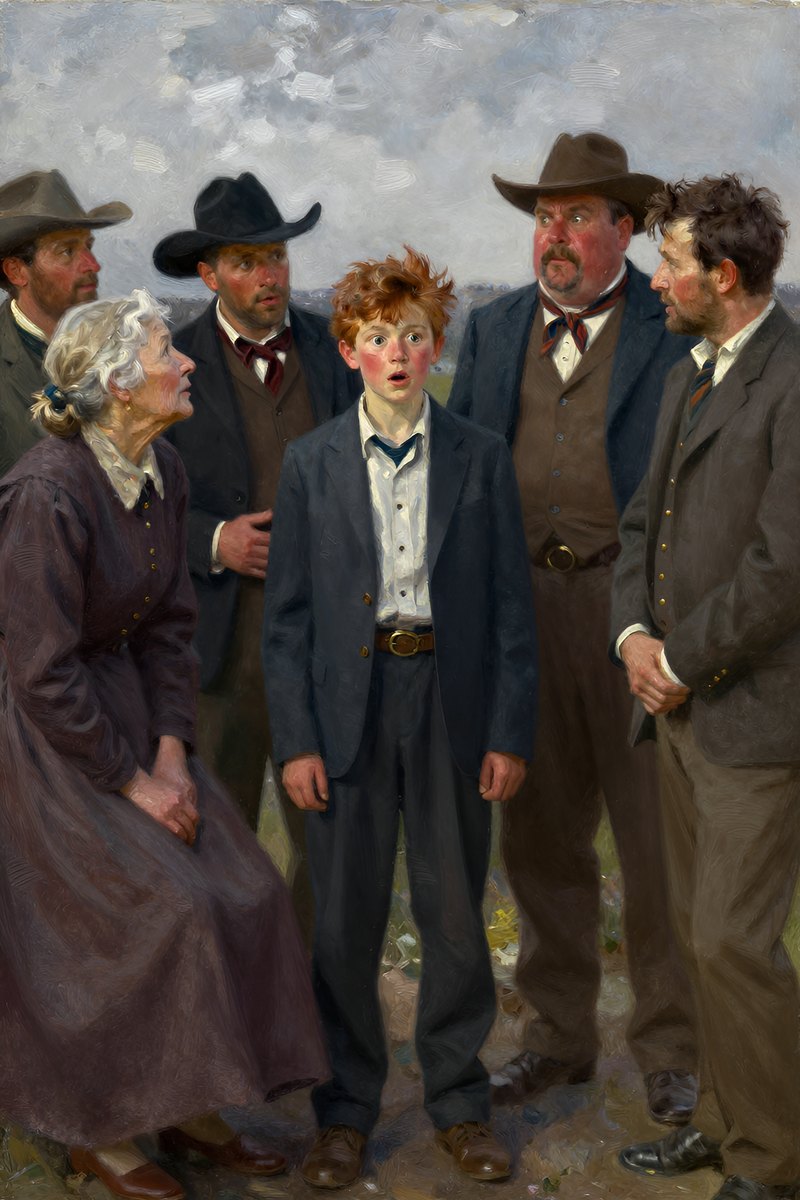
AN INVITATION FOR TOM AND HUCK [Note: Strange as the incidents of this story are, they are not inventions, but facts—even to the public confession of the accused. I take them from an old-time Swedish criminal trial, change the actors, and transfer the scenes to America. I have added some details, but only a couple of them are important ones. — M. T.] Well, it was the next spring after me and Tom Sawyer set our old nigger Jim free, the time he was chained up for a runaway slave down there on Tom’s uncle Silas’s farm in Arkansaw. The frost was working out of the ground, and out of the air, too, and it was getting closer and closer onto barefoot time every day; and next it would be marble time, and next mumbletypeg, and next tops and hoops, and next kites, and then right away it would be summer and going in a-swimming. It just makes a boy homesick to look ahead like that and see how far off summer is.
Yes, and it sets him to sighing and saddening around, and there’s something the matter with him, he don’t know what. But anyway, he gets out by himself and mopes and thinks; and mostly he hunts for a lonesome place high up on the hill in the edge of the woods, and sets there and looks away off on the big Mississippi down there a-reaching miles and miles around the points where the timber looks smoky and dim it’s so far off and still, and everything’s so solemn it seems like everybody you’ve loved is dead and gone, and you ’most wish you was dead and gone too, and done with it all.
Don’t you know what that is? It’s spring fever. That is what the name of it is. And when you’ve got it, you want—oh, you don’t quite know what it is you do want, but it just fairly makes your heart ache, you want it so! It seems to you that mainly what you want is to get away; get away from the same old tedious things you’re so used to seeing and so tired of, and set something new. That is the idea; you want to go and be a wanderer; you want to go wandering far away to strange countries where everything is mysterious and wonderful and romantic.
And if you can’t do that, you’ll put up with considerable less; you’ll go anywhere you can go, just so as to get away, and be thankful of the chance, too.
Well, me and Tom Sawyer had the spring fever, and had it bad, too; but it warn’t any use to think about Tom trying to get away, because, as he said, his Aunt Polly wouldn’t let him quit school and go traipsing off somers wasting time; so we was pretty blue. We was setting on the front steps one day about sundown talking this way, when out comes his aunt Polly with a letter in her hand and says:
“Tom, I reckon you’ve got to pack up and go down to Arkansaw—your aunt Sally wants you.”
I ’most jumped out of my skin for joy. I reckoned Tom would fly at his aunt and hug her head off; but if you believe me he set there like a rock, and never said a word. It made me fit to cry to see him act so foolish, with such a noble chance as this opening up. Why, we might lose it if he didn’t speak up and show he was thankful and grateful.
But he set there and studied and studied till I was that distressed I didn’t know what to do; then he says, very ca’m, and I could a shot him for it:
“Well,” he says, “I’m right down sorry, Aunt Polly, but I reckon I got to be excused—for the present.”
His aunt Polly was knocked so stupid and so mad at the cold impudence of it that she couldn’t say a word for as much as a half a minute, and this gave me a chance to nudge Tom and whisper:
“Ain’t you got any sense? Sp’iling such a noble chance as this and throwing it away?”
But he warn’t disturbed. He mumbled back:
“Huck Finn, do you want me to let her see how bad I want to go? Why, she’d begin to doubt, right away, and imagine a lot of sicknesses and dangers and objections, and first you know she’d take it all back. You lemme alone; I reckon I know how to work her.”
Now I never would ’a’ thought of that. But he was right. Tom Sawyer was always right—the levelest head I ever see, and always at himself and ready for anything you might spring on him. By this time his aunt Polly was all straight again, and she let fly. She says:
“You’ll be excused! you will! Well, I never heard the like of it in all my days! The idea of you talking like that to me! Now take yourself off and pack your traps; and if I hear another word out of you about what you’ll be excused from and what you won’t, I lay I’ll excuse you—with a hickory!”
She hit his head a thump with her thimble as we dodged by, and he let on to be whimpering as we struck for the stairs. Up in his room he hugged me, he was so out of his head for gladness because he was going traveling. And he says:
“Before we get away she’ll wish she hadn’t let me go, but she won’t know any way to get around it now. After what she’s said, her pride won’t let her take it back.”
Tom was packed in ten minutes, all except what his aunt and Mary would finish up for him; then we waited ten more for her to get cooled down and sweet and gentle again; for Tom said it took her ten minutes to unruffle in times when half of her feathers was up, but twenty when they was all up, and this was one of the times when they was all up.
Then we went down, being in a sweat to know what the letter said.
She was setting there in a brown study, with it laying in her lap. We set down, and she says:
“They’re in considerable trouble down there, and they think you and Huck’ll be a kind of diversion for them—’comfort,’ they say. Much of that they’ll get out of you and Huck Finn, I reckon. There’s a neighbor named Brace Dunlap that’s been wanting to marry their Benny for three months, and at last they told him point blank and once for all, he could’t; so he has soured on them, and they’re worried about it. I reckon he’s somebody they think they better be on the good side of, for they’ve tried to please him by hiring his no-account brother to help on the farm when they can’t hardly afford it, and don’t want him around anyhow. Who are the Dunlaps?”
“They live about a mile from Uncle Silas’s place, Aunt Polly—all the farmers live about a mile apart down there—and Brace Dunlap is a long sight richer than any of the others, and owns a whole grist of niggers.
He’s a widower, thirty-six years old, without any children, and is proud of his money and overbearing, and everybody is a little afraid of him. I judge he thought he could have any girl he wanted, just for the asking, and it must have set him back a good deal when he found he couldn’t get Benny. Why, Benny’s only half as old as he is, and just as sweet and lovely as—well, you’ve seen her. Poor old Uncle Silas—why, it’s pitiful, him trying to curry favor that way—so hard pushed and poor, and yet hiring that useless Jubiter Dunlap to please his ornery brother.”
“What a name—Jubiter! Where’d he get it?”
“It’s only just a nickname. I reckon they’ve forgot his real name long before this. He’s twenty-seven, now, and has had it ever since the first time he ever went in swimming. The school teacher seen a round brown mole the size of a dime on his left leg above his knee, and four little bits of moles around it, when he was naked, and he said it minded him of Jubiter and his moons; and the children thought it was funny, and so they got to calling him Jubiter, and he’s Jubiter yet.
He’s tall, and lazy, and sly, and sneaky, and ruther cowardly, too, but kind of good-natured, and wears long brown hair and no beard, and hasn’t got a cent, and Brace boards him for nothing, and gives him his old clothes to wear, and despises him. Jubiter is a twin.”
“What’s t’other twin like?”
“Just exactly like Jubiter—so they say; used to was, anyway, but he hain’t been seen for seven years. He got to robbing when he was nineteen or twenty, and they jailed him; but he broke jail and got away—up North here, somers. They used to hear about him robbing and burglaring now and then, but that was years ago. He’s dead, now. At least that’s what they say. They don’t hear about him any more.”
“What was his name?”
“Jake.”
There wasn’t anything more said for a considerable while; the old lady was thinking. At last she says:
“The thing that is mostly worrying your aunt Sally is the tempers that that man Jubiter gets your uncle into.”
Tom was astonished, and so was I. Tom says:
“Tempers? Uncle Silas? Land, you must be joking! I didn’t know he had any temper.”
“Works him up into perfect rages, your aunt Sally says; says he acts as if he would really hit the man, sometimes.”
“Aunt Polly, it beats anything I ever heard of. Why, he’s just as gentle as mush.”
“Well, she’s worried, anyway. Says your uncle Silas is like a changed man, on account of all this quarreling. And the neighbors talk about it, and lay all the blame on your uncle, of course, because he’s a preacher and hain’t got any business to quarrel. Your aunt Sally says he hates to go into the pulpit he’s so ashamed; and the people have begun to cool toward him, and he ain’t as popular now as he used to was.”
“Well, ain’t it strange? Why, Aunt Polly, he was always so good and kind and moony and absent-minded and chuckle-headed and lovable—why, he was just an angel! What can be the matter of him, do you reckon?”
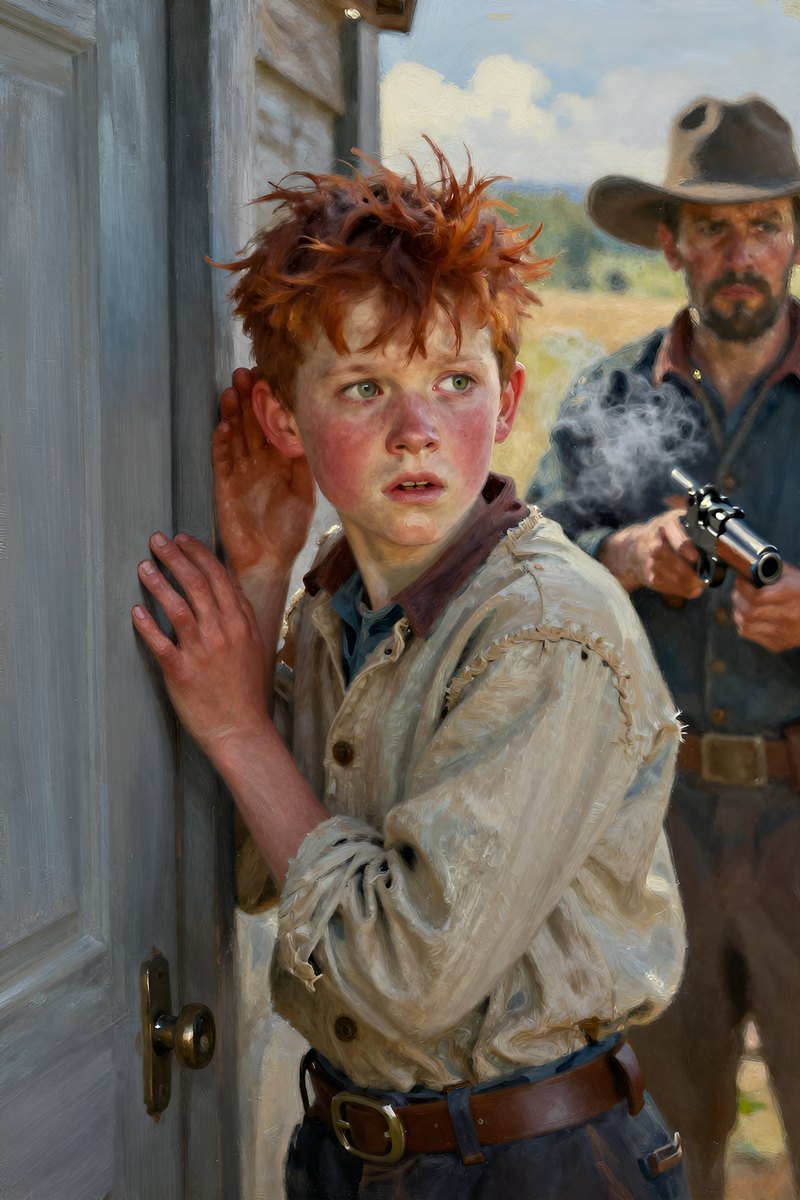
JAKE DUNLAP We had powerful good luck; because we got a chance in a stern-wheeler from away North which was bound for one of them bayous or one-horse rivers away down Louisiana way, and so we could go all the way down the Upper Mississippi and all the way down the Lower Mississippi to that farm in Arkansaw without having to change steamboats at St. Louis; not so very much short of a thousand miles at one pull.
A pretty lonesome boat; there warn’t but few passengers, and all old folks, that set around, wide apart, dozing, and was very quiet. We was four days getting out of the “upper river,” because we got aground so much. But it warn’t dull—couldn’t be for boys that was traveling, of course.
From the very start me and Tom allowed that there was somebody sick in the stateroom next to ourn, because the meals was always toted in there by the waiters. By and by we asked about it—Tom did and the waiter said it was a man, but he didn’t look sick.
“Well, but ain’t he sick?”
“I don’t know; maybe he is, but ’pears to me he’s just letting on.”
“What makes you think that?”
“Because if he was sick he would pull his clothes off some time or other—don’t you reckon he would? Well, this one don’t. At least he don’t ever pull off his boots, anyway.”
“The mischief he don’t! Not even when he goes to bed?”
“No.”
It was always nuts for Tom Sawyer—a mystery was. If you’d lay out a mystery and a pie before me and him, you wouldn’t have to say take your choice; it was a thing that would regulate itself. Because in my nature I have always run to pie, whilst in his nature he has always run to mystery. People are made different. And it is the best way. Tom says to the waiter:
“What’s the man’s name?”
“Phillips.”
“Where’d he come aboard?”
“I think he got aboard at Elexandria, up on the Iowa line.”
“What do you reckon he’s a-playing?”
“I hain’t any notion—I never thought of it.”
I says to myself, here’s another one that runs to pie.
“Anything peculiar about him?—the way he acts or talks?”
“No—nothing, except he seems so scary, and keeps his doors locked night and day both, and when you knock he won’t let you in till he opens the door a crack and sees who it is.”
“By jimminy, it’s int’resting! I’d like to get a look at him. Say—the next time you’re going in there, don’t you reckon you could spread the door and—”
“No, indeedy! He’s always behind it. He would block that game.”
Tom studied over it, and then he says:
“Looky here. You lend me your apern and let me take him his breakfast in the morning. I’ll give you a quarter.”
The boy was plenty willing enough, if the head steward wouldn’t mind.
Tom says that’s all right, he reckoned he could fix it with the head steward; and he done it. He fixed it so as we could both go in with aperns on and toting vittles.
He didn’t sleep much, he was in such a sweat to get in there and find out the mystery about Phillips; and moreover he done a lot of guessing about it all night, which warn’t no use, for if you are going to find out the facts of a thing, what’s the sense in guessing out what ain’t the facts and wasting ammunition? I didn’t lose no sleep. I wouldn’t give a dern to know what’s the matter of Phillips, I says to myself.
Well, in the morning we put on the aperns and got a couple of trays of truck, and Tom he knocked on the door. The man opened it a crack, and then he let us in and shut it quick. By Jackson, when we got a sight of him, we ’most dropped the trays! and Tom says:
“Why, Jubiter Dunlap, where’d you come from?”
Well, the man was astonished, of course; and first off he looked like he didn’t know whether to be scared, or glad, or both, or which, but finally he settled down to being glad; and then his color come back, though at first his face had turned pretty white. So we got to talking together while he et his breakfast. And he says:
“But I aint Jubiter Dunlap. I’d just as soon tell you who I am, though, if you’ll swear to keep mum, for I ain’t no Phillips, either.”
Tom says:
“We’ll keep mum, but there ain’t any need to tell who you are if you ain’t Jubiter Dunlap.”
“Why?”
“Because if you ain’t him you’re t’other twin, Jake. You’re the spit’n image of Jubiter.”
“Well, I’m Jake. But looky here, how do you come to know us Dunlaps?”
Tom told about the adventures we’d had down there at his uncle Silas’s last summer, and when he see that there warn’t anything about his folks—or him either, for that matter—that we didn’t know, he opened out and talked perfectly free and candid. He never made any bones about his own case; said he’d been a hard lot, was a hard lot yet, and reckoned he’d be a hard lot plumb to the end. He said of course it was a dangerous life, and—He give a kind of gasp, and set his head like a person that’s listening. We didn’t say anything, and so it was very still for a second or so, and there warn’t no sounds but the screaking of the woodwork and the chug-chugging of the machinery down below.
Then we got him comfortable again, telling him about his people, and how Brace’s wife had been dead three years, and Brace wanted to marry Benny and she shook him, and Jubiter was working for Uncle Silas, and him and Uncle Silas quarreling all the time—and then he let go and laughed.
“Land!” he says, “it’s like old times to hear all this tittle-tattle, and does me good. It’s been seven years and more since I heard any. How do they talk about me these days?”
“Who?”
“The farmers—and the family.”
“Why, they don’t talk about you at all—at least only just a mention, once in a long time.”
“The nation!” he says, surprised; “why is that?”
“Because they think you are dead long ago.”
“No! Are you speaking true?—honor bright, now.” He jumped up, excited.
“Honor bright. There ain’t anybody thinks you are alive.”
“Then I’m saved, I’m saved, sure! I’ll go home. They’ll hide me and save my life. You keep mum. Swear you’ll keep mum—swear you’ll never, never tell on me. Oh, boys, be good to a poor devil that’s being hunted day and night, and dasn’t show his face! I’ve never done you any harm; I’ll never do you any, as God is in the heavens; swear you’ll be good to me and help me save my life.”
We’d a swore it if he’d been a dog; and so we done it. Well, he couldn’t love us enough for it or be grateful enough, poor cuss; it was all he could do to keep from hugging us.
We talked along, and he got out a little hand-bag and begun to open it, and told us to turn our backs. We done it, and when he told us to turn again he was perfectly different to what he was before. He had on blue goggles and the naturalest-looking long brown whiskers and mustashes you ever see. His own mother wouldn’t ’a’ knowed him. He asked us if he looked like his brother Jubiter, now.
“No,” Tom said; “there ain’t anything left that’s like him except the long hair.”
“All right, I’ll get that cropped close to my head before I get there; then him and Brace will keep my secret, and I’ll live with them as being a stranger, and the neighbors won’t ever guess me out. What do you think?”
Tom he studied awhile, then he says:
“Well, of course me and Huck are going to keep mum there, but if you don’t keep mum yourself there’s going to be a little bit of a risk—it ain’t much, maybe, but it’s a little. I mean, if you talk, won’t people notice that your voice is just like Jubiter’s; and mightn’t it make them think of the twin they reckoned was dead, but maybe after all was hid all this time under another name?”
“By George,” he says, “you’re a sharp one! You’re perfectly right. I’ve got to play deef and dumb when there’s a neighbor around. If I’d a struck for home and forgot that little detail—However, I wasn’t striking for home. I was breaking for any place where I could get away from these fellows that are after me; then I was going to put on this disguise and get some different clothes, and—”
He jumped for the outside door and laid his ear against it and listened, pale and kind of panting. Presently he whispers:
“Sounded like cocking a gun! Lord, what a life to lead!”
Then he sunk down in a chair all limp and sick like, and wiped the sweat off of his face.
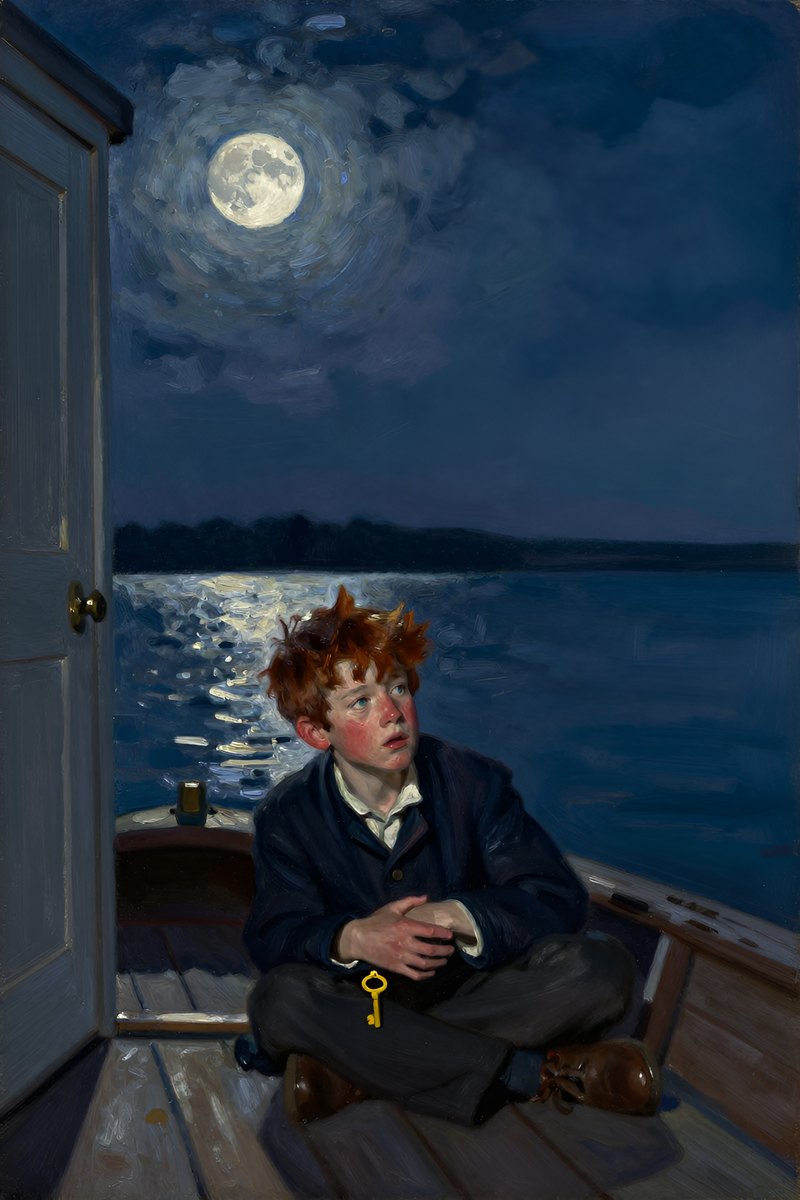
A DIAMOND ROBBERY From that time out, we was with him ’most all the time, and one or t’other of us slept in his upper berth. He said he had been so lonesome, and it was such a comfort to him to have company, and somebody to talk to in his troubles. We was in a sweat to find out what his secret was, but Tom said the best way was not to seem anxious, then likely he would drop into it himself in one of his talks, but if we got to asking questions he would get suspicious and shet up his shell. It turned out just so. It warn’t no trouble to see that he wanted to talk about it, but always along at first he would scare away from it when he got on the very edge of it, and go to talking about something else. The way it come about was this: He got to asking us, kind of indifferent like, about the passengers down on deck. We told him about them. But he warn’t satisfied; we warn’t particular enough. He told us to describe them better. Tom done it. At last, when Tom was describing one of the roughest and raggedest ones, he gave a shiver and a gasp and says:
“Oh, lordy, that’s one of them! They’re aboard sure—I just knowed it. I sort of hoped I had got away, but I never believed it. Go on.”
Presently when Tom was describing another mangy, rough deck passenger, he give that shiver again and says:
“That’s him!—that’s the other one. If it would only come a good black stormy night and I could get ashore. You see, they’ve got spies on me.
They’ve got a right to come up and buy drinks at the bar yonder forrard, and they take that chance to bribe somebody to keep watch on me—porter or boots or somebody. If I was to slip ashore without anybody seeing me, they would know it inside of an hour.”
So then he got to wandering along, and pretty soon, sure enough, he was telling! He was poking along through his ups and downs, and when he come to that place he went right along. He says:
“It was a confidence game. We played it on a julery-shop in St. Louis.
What we was after was a couple of noble big di’monds as big as hazel-nuts, which everybody was running to see. We was dressed up fine, and we played it on them in broad daylight. We ordered the di’monds sent to the hotel for us to see if we wanted to buy, and when we was examining them we had paste counterfeits all ready, and them was the things that went back to the shop when we said the water wasn’t quite fine enough for twelve thousand dollars.”
“Twelve-thousand-dollars!” Tom says. “Was they really worth all that money, do you reckon?”
“Every cent of it.”
“And you fellows got away with them?”
“As easy as nothing. I don’t reckon the julery people know they’ve been robbed yet. But it wouldn’t be good sense to stay around St. Louis, of course, so we considered where we’d go. One was for going one way, one another, so we throwed up, heads or tails, and the Upper Mississippi won. We done up the di’monds in a paper and put our names on it and put it in the keep of the hotel clerk, and told him not to ever let either of us have it again without the others was on hand to see it done; then we went down town, each by his own self—because I reckon maybe we all had the same notion. I don’t know for certain, but I reckon maybe we had.”
“What notion?” Tom says.
“To rob the others.”
“What—one take everything, after all of you had helped to get it?”
“Cert’nly.”
It disgusted Tom Sawyer, and he said it was the orneriest, low-downest thing he ever heard of. But Jake Dunlap said it warn’t unusual in the profession. Said when a person was in that line of business he’d got to look out for his own intrust, there warn’t nobody else going to do it for him. And then he went on. He says:
“You see, the trouble was, you couldn’t divide up two di’monds amongst three. If there’d been three—But never mind about that, there warn’t three. I loafed along the back streets studying and studying. And I says to myself, I’ll hog them di’monds the first chance I get, and I’ll have a disguise all ready, and I’ll give the boys the slip, and when I’m safe away I’ll put it on, and then let them find me if they can. So I got the false whiskers and the goggles and this countrified suit of clothes, and fetched them along back in a hand-bag; and when I was passing a shop where they sell all sorts of things, I got a glimpse of one of my pals through the window. It was Bud Dixon. I was glad, you bet. I says to myself, I’ll see what he buys. So I kept shady, and watched. Now what do you reckon it was he bought?”
“Whiskers?” said I.
“No.”
“Goggles?”
“No.”
“Oh, keep still, Huck Finn, can’t you, you’re only just hendering all you can. What was it he bought, Jake?”
“You’d never guess in the world. It was only just a screwdriver—just a wee little bit of a screwdriver.”
“Well, I declare! What did he want with that?”
“That’s what I thought. It was curious. It clean stumped me. I says to myself, what can he want with that thing? Well, when he come out I stood back out of sight, and then tracked him to a second-hand slop-shop and see him buy a red flannel shirt and some old ragged clothes—just the ones he’s got on now, as you’ve described. Then I went down to the wharf and hid my things aboard the up-river boat that we had picked out, and then started back and had another streak of luck. I seen our other pal lay in his stock of old rusty second-handers. We got the di’monds and went aboard the boat.
“But now we was up a stump, for we couldn’t go to bed. We had to set up and watch one another. Pity, that was; pity to put that kind of a strain on us, because there was bad blood between us from a couple of weeks back, and we was only friends in the way of business. Bad anyway, seeing there was only two di’monds betwixt three men. First we had supper, and then tramped up and down the deck together smoking till most midnight; then we went and set down in my stateroom and locked the doors and looked in the piece of paper to see if the di’monds was all right, then laid it on the lower berth right in full sight; and there we set, and set, and by-and-by it got to be dreadful hard to keep awake. At last Bud Dixon he dropped off. As soon as he was snoring a good regular gait that was likely to last, and had his chin on his breast and looked permanent, Hal Clayton nodded towards the di’monds and then towards the outside door, and I understood. I reached and got the paper, and then we stood up and waited perfectly still; Bud never stirred; I turned the key of the outside door very soft and slow, then turned the knob the same way, and we went tiptoeing out onto the guard, and shut the door very soft and gentle.
“There warn’t nobody stirring anywhere, and the boat was slipping along, swift and steady, through the big water in the smoky moonlight.
We never said a word, but went straight up onto the hurricane-deck and plumb back aft, and set down on the end of the sky-light. Both of us knowed what that meant, without having to explain to one another. Bud Dixon would wake up and miss the swag, and would come straight for us, for he ain’t afeard of anything or anybody, that man ain’t. He would come, and we would heave him overboard, or get killed trying. It made me shiver, because I ain’t as brave as some people, but if I showed the white feather—well, I knowed better than do that. I kind of hoped the boat would land somers, and we could skip ashore and not have to run the risk of this row, I was so scared of Bud Dixon, but she was an upper-river tub and there warn’t no real chance of that.
“Well, the time strung along and along, and that fellow never come!
Why, it strung along till dawn begun to break, and still he never come.
‘Thunder,’ I says, ‘what do you make out of this?—ain’t it suspicious?’
‘Land!’ Hal says, ‘do you reckon he’s playing us?—open the paper!’ I done it, and by gracious there warn’t anything in it but a couple of little pieces of loaf-sugar! that’s the reason he could set there and snooze all night so comfortable. Smart? Well, I reckon! He had had them two papers all fixed and ready, and he had put one of them in place of t’other right under our noses.
“We felt pretty cheap. But the thing to do, straight off, was to make a plan; and we done it. We would do up the paper again, just as it was, and slip in, very elaborate and soft, and lay it on the bunk again, and let on we didn’t know about any trick, and hadn’t any idea he was a-laughing at us behind them bogus snores of his’n; and we would stick by him, and the first night we was ashore we would get him drunk and search him, and get the di’monds; and do for him, too, if it warn’t too risky. If we got the swag, we’d got to do for him, or he would hunt us down and do for us, sure. But I didn’t have no real hope. I knowed we could get him drunk—he was always ready for that—but what’s the good of it? You might search him a year and never find—Well, right there I catched my breath and broke off my thought! For an idea went ripping through my head that tore my brains to rags—and land, but I felt gay and good! You see, I had had my boots off, to unswell my feet, and just then I took up one of them to put it on, and I catched a glimpse of the heel-bottom, and it just took my breath away. You remember about that puzzlesome little screwdriver?”
“You bet I do,” says Tom, all excited.
“Well, when I catched that glimpse of that boot heel, the idea that went smashing through my head was, I know where he’s hid the di’monds!
You look at this boot heel, now. See, it’s bottomed with a steel plate, and the plate is fastened on with little screws. Now there wasn’t a screw about that feller anywhere but in his boot heels; so, if he needed a screwdriver, I reckoned I knowed why.”
“Huck, ain’t it bully!” says Tom.
“Well, I got my boots on, and we went down and slipped in and laid the paper of sugar on the berth, and sat down soft and sheepish and went to listening to Bud Dixon snore. Hal Clayton dropped off pretty soon, but I didn’t; I wasn’t ever so wide awake in my life. I was spying out from under the shade of my hat brim, searching the floor for leather. It took me a long time, and I begun to think maybe my guess was wrong, but at last I struck it. It laid over by the bulkhead, and was nearly the color of the carpet. It was a little round plug about as thick as the end of your little finger, and I says to myself there’s a di’mond in the nest you’ve come from. Before long I spied out the plug’s mate.
“Think of the smartness and coolness of that blatherskite! He put up that scheme on us and reasoned out what we would do, and we went ahead and done it perfectly exact, like a couple of pudd’nheads. He set there and took his own time to unscrew his heelplates and cut out his plugs and stick in the di’monds and screw on his plates again. He allowed we would steal the bogus swag and wait all night for him to come up and get drownded, and by George it’s just what we done! I think it was powerful smart.”
“You bet your life it was!” says Tom, just full of admiration.
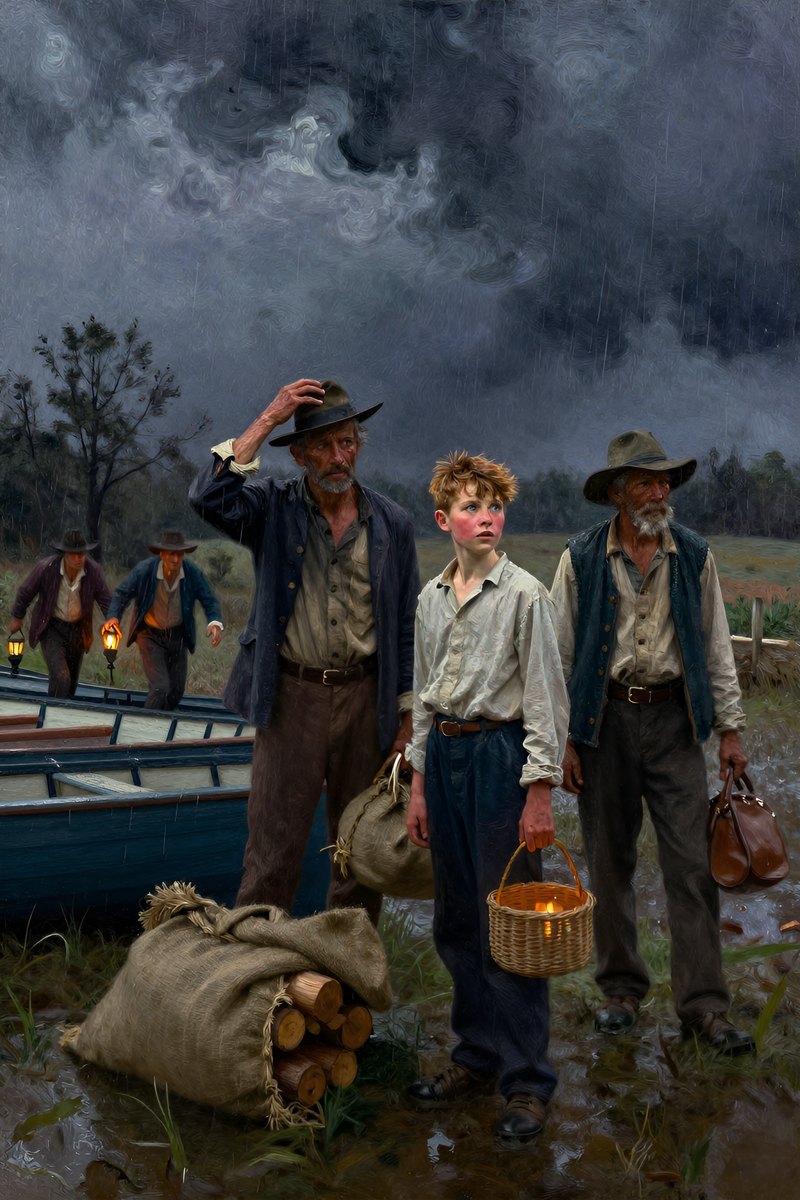
THE THREE SLEEPERS Well, all day we went through the humbug of watching one another, and it was pretty sickly business for two of us and hard to act out, I can tell you. About night we landed at one of them little Missouri towns high up toward Iowa, and had supper at the tavern, and got a room upstairs with a cot and a double bed in it, but I dumped my bag under a deal table in the dark hall while we was moving along it to bed, single file, me last, and the landlord in the lead with a tallow candle. We had up a lot of whisky, and went to playing high-low-jack for dimes, and as soon as the whisky begun to take hold of Bud we stopped drinking, but we didn’t let him stop. We loaded him till he fell out of his chair and laid there snoring.
“We was ready for business now. I said we better pull our boots off, and his’n too, and not make any noise, then we could pull him and haul him around and ransack him without any trouble. So we done it. I set my boots and Bud’s side by side, where they’d be handy. Then we stripped him and searched his seams and his pockets and his socks and the inside of his boots, and everything, and searched his bundle. Never found any di’monds. We found the screwdriver, and Hal says, ‘What do you reckon he wanted with that?’ I said I didn’t know; but when he wasn’t looking I hooked it. At last Hal he looked beat and discouraged, and said we’d got to give it up. That was what I was waiting for. I says:
“‘There’s one place we hain’t searched.’
“‘What place is that?’ he says.
“‘His stomach.’
“‘By gracious, I never thought of that! Now we’re on the homestretch, to a dead moral certainty. How’ll we manage?’
“‘Well,’ I says, ‘just stay by him till I turn out and hunt up a drug store, and I reckon I’ll fetch something that’ll make them di’monds tired of the company they’re keeping.’
“He said that’s the ticket, and with him looking straight at me I slid myself into Bud’s boots instead of my own, and he never noticed. They was just a shade large for me, but that was considerable better than being too small. I got my bag as I went a-groping through the hall, and in about a minute I was out the back way and stretching up the river road at a five-mile gait.
“And not feeling so very bad, neither—walking on di’monds don’t have no such effect. When I had gone fifteen minutes I says to myself, there’s more’n a mile behind me, and everything quiet. Another five minutes and I says there’s considerable more land behind me now, and there’s a man back there that’s begun to wonder what’s the trouble. Another five and I says to myself he’s getting real uneasy—he’s walking the floor now.
Another five, and I says to myself, there’s two mile and a half behind me, and he’s awful uneasy—beginning to cuss, I reckon. Pretty soon I says to myself, forty minutes gone—he knows there’s something up!
Fifty minutes—the truth’s a-busting on him now! he is reckoning I found the di’monds whilst we was searching, and shoved them in my pocket and never let on—yes, and he’s starting out to hunt for me. He’ll hunt for new tracks in the dust, and they’ll as likely send him down the river as up.
“Just then I see a man coming down on a mule, and before I thought I jumped into the bush. It was stupid! When he got abreast he stopped and waited a little for me to come out; then he rode on again. But I didn’t feel gay any more. I says to myself I’ve botched my chances by that; I surely have, if he meets up with Hal Clayton.
“Well, about three in the morning I fetched Elexandria and see this stern-wheeler laying there, and was very glad, because I felt perfectly safe, now, you know. It was just daybreak. I went aboard and got this stateroom and put on these clothes and went up in the pilot-house—to watch, though I didn’t reckon there was any need of it. I set there and played with my di’monds and waited and waited for the boat to start, but she didn’t. You see, they was mending her machinery, but I didn’t know anything about it, not being very much used to steamboats.
“Well, to cut the tale short, we never left there till plumb noon; and long before that I was hid in this stateroom; for before breakfast I see a man coming, away off, that had a gait like Hal Clayton’s, and it made me just sick. I says to myself, if he finds out I’m aboard this boat, he’s got me like a rat in a trap. All he’s got to do is to have me watched, and wait—wait till I slip ashore, thinking he is a thousand miles away, then slip after me and dog me to a good place and make me give up the di’monds, and then he’ll—oh, I know what he’ll do! Ain’t it awful—awful! And now to think the other one’s aboard, too! Oh, ain’t it hard luck, boys—ain’t it hard! But you’ll help save me, won’t you?—oh, boys, be good to a poor devil that’s being hunted to death, and save me—I’ll worship the very ground you walk on!”
We turned in and soothed him down and told him we would plan for him and help him, and he needn’t be so afeard; and so by and by he got to feeling kind of comfortable again, and unscrewed his heelplates and held up his di’monds this way and that, admiring them and loving them; and when the light struck into them they was beautiful, sure; why, they seemed to kind of bust, and snap fire out all around. But all the same I judged he was a fool. If I had been him I would a handed the di’monds to them pals and got them to go ashore and leave me alone. But he was made different. He said it was a whole fortune and he couldn’t bear the idea.
Twice we stopped to fix the machinery and laid a good while, once in the night; but it wasn’t dark enough, and he was afeard to skip. But the third time we had to fix it there was a better chance. We laid up at a country woodyard about forty mile above Uncle Silas’s place a little after one at night, and it was thickening up and going to storm.
So Jake he laid for a chance to slide. We begun to take in wood. Pretty soon the rain come a-drenching down, and the wind blowed hard. Of course every boat-hand fixed a gunny sack and put it on like a bonnet, the way they do when they are toting wood, and we got one for Jake, and he slipped down aft with his hand-bag and come tramping forrard just like the rest, and walked ashore with them, and when we see him pass out of the light of the torch-basket and get swallowed up in the dark, we got our breath again and just felt grateful and splendid. But it wasn’t for long. Somebody told, I reckon; for in about eight or ten minutes them two pals come tearing forrard as tight as they could jump and darted ashore and was gone. We waited plumb till dawn for them to come back, and kept hoping they would, but they never did. We was awful sorry and low-spirited. All the hope we had was that Jake had got such a start that they couldn’t get on his track, and he would get to his brother’s and hide there and be safe.
He was going to take the river road, and told us to find out if Brace and Jubiter was to home and no strangers there, and then slip out about sundown and tell him. Said he would wait for us in a little bunch of sycamores right back of Tom’s uncle Silas’s tobacker field on the river road, a lonesome place.
We set and talked a long time about his chances, and Tom said he was all right if the pals struck up the river instead of down, but it wasn’t likely, because maybe they knowed where he was from; more likely they would go right, and dog him all day, him not suspecting, and kill him when it come dark, and take the boots. So we was pretty sorrowful.
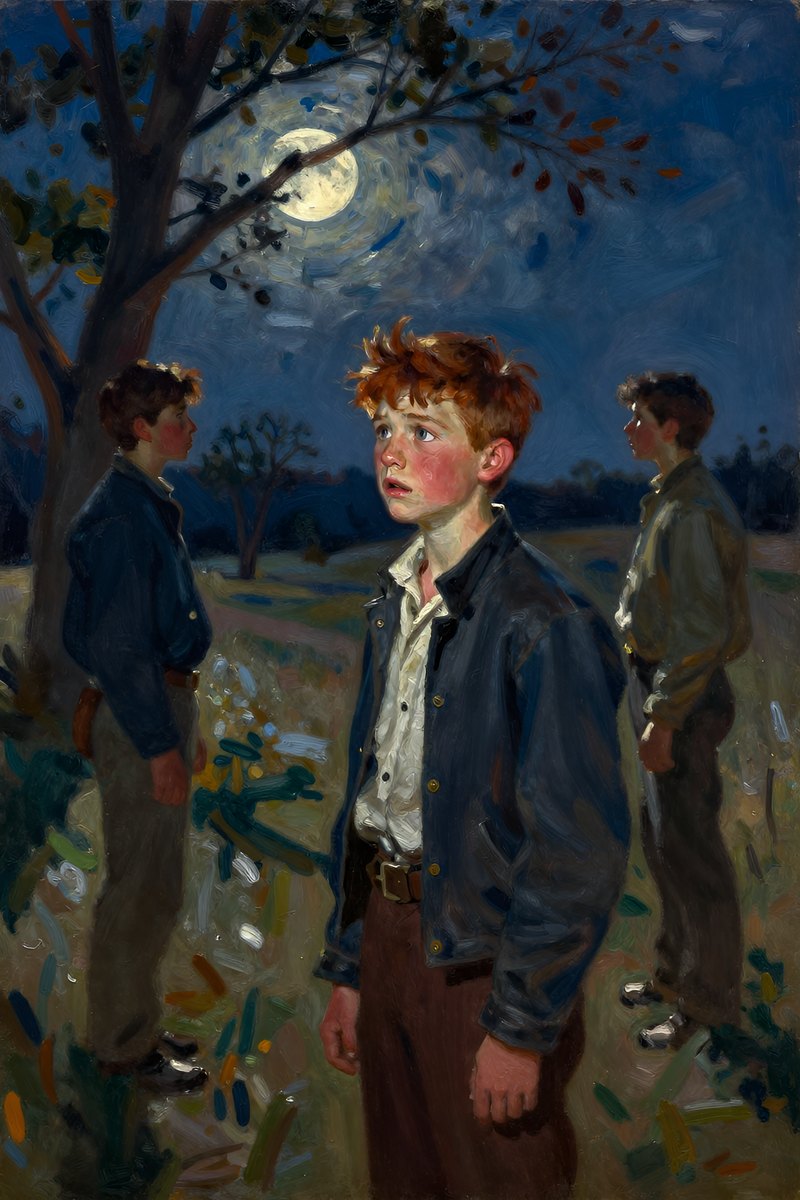
A TRAGEDY IN THE WOODS We didn’t get done tinkering the machinery till away late in the afternoon, and so it was so close to sundown when we got home that we never stopped on our road, but made a break for the sycamores as tight as we could go, to tell Jake what the delay was, and have him wait till we could go to Brace’s and find out how things was there. It was getting pretty dim by the time we turned the corner of the woods, sweating and panting with that long run, and see the sycamores thirty yards ahead of us; and just then we see a couple of men run into the bunch and heard two or three terrible screams for help. “Poor Jake is killed, sure,” we says. We was scared through and through, and broke for the tobacker field and hid there, trembling so our clothes would hardly stay on; and just as we skipped in there, a couple of men went tearing by, and into the bunch they went, and in a second out jumps four men and took out up the road as tight as they could go, two chasing two.
We laid down, kind of weak and sick, and listened for more sounds, but didn’t hear none for a good while but just our hearts. We was thinking of that awful thing laying yonder in the sycamores, and it seemed like being that close to a ghost, and it give me the cold shudders. The moon come a-swelling up out of the ground, now, powerful big and round and bright, behind a comb of trees, like a face looking through prison bars, and the black shadders and white places begun to creep around, and it was miserable quiet and still and night-breezy and graveyardy and scary. All of a sudden Tom whispers:
“Look!—what’s that?”
“Don’t!” I says. “Don’t take a person by surprise that way. I’m ’most ready to die, anyway, without you doing that.”
“Look, I tell you. It’s something coming out of the sycamores.”
“Don’t, Tom!”
“It’s terrible tall!”
“Oh, lordy-lordy! let’s—”
“Keep still—it’s a-coming this way.”
He was so excited he could hardly get breath enough to whisper. I had to look. I couldn’t help it. So now we was both on our knees with our chins on a fence rail and gazing—yes, and gasping too. It was coming down the road—coming in the shadder of the trees, and you couldn’t see it good; not till it was pretty close to us; then it stepped into a bright splotch of moonlight and we sunk right down in our tracks—it was Jake Dunlap’s ghost! That was what we said to ourselves.
We couldn’t stir for a minute or two; then it was gone. We talked about it in low voices. Tom says:
“They’re mostly dim and smoky, or like they’re made out of fog, but this one wasn’t.”
“No,” I says; “I seen the goggles and the whiskers perfectly plain.”
“Yes, and the very colors in them loud countrified Sunday clothes—plaid breeches, green and black—”
“Cotton velvet westcot, fire-red and yaller squares—”
“Leather straps to the bottoms of the breeches legs and one of them hanging unbottoned—”
“Yes, and that hat—”
“What a hat for a ghost to wear!”
You see it was the first season anybody wore that kind—a black stiff-brim stove-pipe, very high, and not smooth, with a round top—just like a sugar-loaf.
“Did you notice if its hair was the same, Huck?”
“No—seems to me I did, then again it seems to me I didn’t.”
“I didn’t either; but it had its bag along, I noticed that.”
“So did I. How can there be a ghost-bag, Tom?”
“Sho! I wouldn’t be as ignorant as that if I was you, Huck Finn.
Whatever a ghost has, turns to ghost-stuff. They’ve got to have their things, like anybody else. You see, yourself, that its clothes was turned to ghost-stuff. Well, then, what’s to hender its bag from turning, too? Of course it done it.”
That was reasonable. I couldn’t find no fault with it. Bill Withers and his brother Jack come along by, talking, and Jack says:
“What do you reckon he was toting?”
“I dunno; but it was pretty heavy.”
“Yes, all he could lug. Nigger stealing corn from old Parson Silas, I judged.”
“So did I. And so I allowed I wouldn’t let on to see him.”
“That’s me, too.”
Then they both laughed, and went on out of hearing. It showed how unpopular old Uncle Silas had got to be now. They wouldn’t ’a’ let a nigger steal anybody else’s corn and never done anything to him.
We heard some more voices mumbling along towards us and getting louder, and sometimes a cackle of a laugh. It was Lem Beebe and Jim Lane. Jim Lane says:
“Who?—Jubiter Dunlap?”
“Yes.”
“Oh, I don’t know. I reckon so. I seen him spading up some ground along about an hour ago, just before sundown—him and the parson. Said he guessed he wouldn’t go to-night, but we could have his dog if we wanted him.”
“Too tired, I reckon.”
“Yes—works so hard!”
“Oh, you bet!”
They cackled at that, and went on by. Tom said we better jump out and tag along after them, because they was going our way and it wouldn’t be comfortable to run across the ghost all by ourselves. So we done it, and got home all right.
That night was the second of September—a Saturday. I sha’n’t ever forget it. You’ll see why, pretty soon.
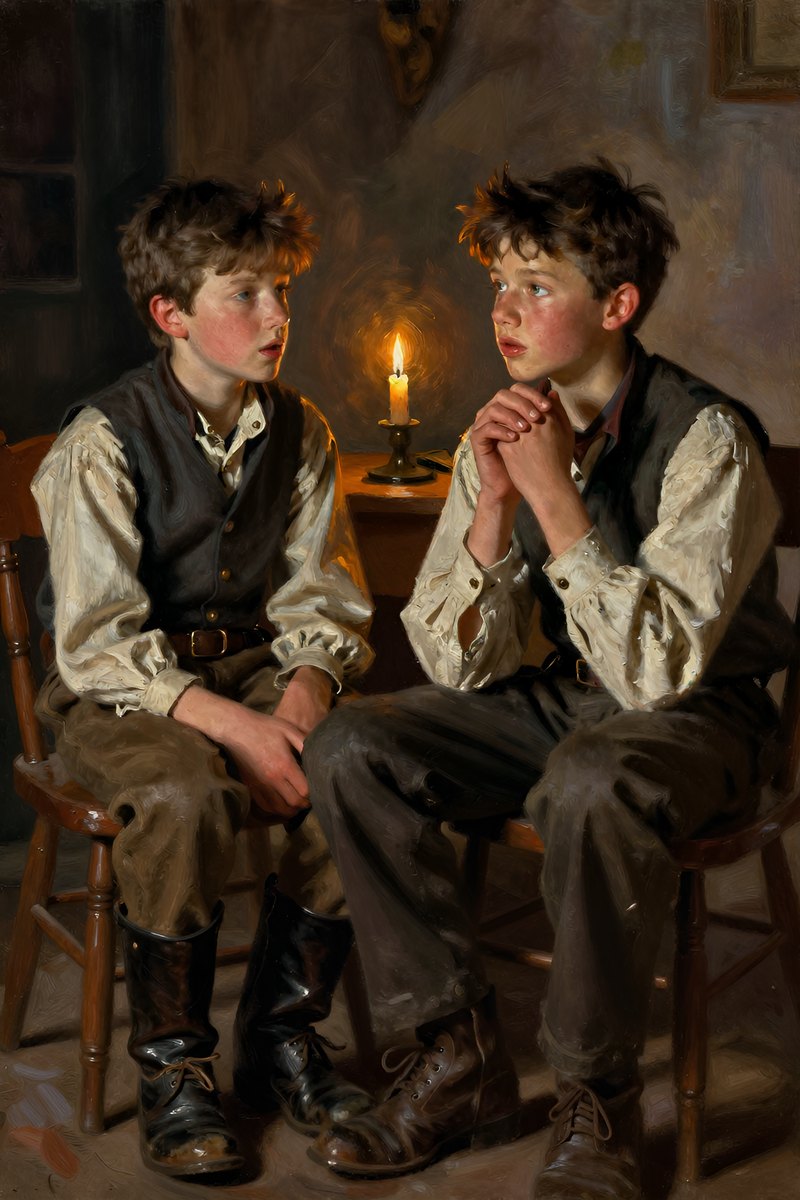
PLANS TO SECURE THE DIAMONDS We tramped along behind Jim and Lem till we come to the back stile where old Jim’s cabin was that he was captivated in, the time we set him free, and here come the dogs piling around us to say howdy, and there was the lights of the house, too; so we warn’t afeard any more, and was going to climb over, but Tom says:
“Hold on; set down here a minute. By George!”
“What’s the matter?” says I.
“Matter enough!” he says. “Wasn’t you expecting we would be the first to tell the family who it is that’s been killed yonder in the sycamores, and all about them rapscallions that done it, and about the di’monds they’ve smouched off of the corpse, and paint it up fine, and have the glory of being the ones that knows a lot more about it than anybody else?”
“Why, of course. It wouldn’t be you, Tom Sawyer, if you was to let such a chance go by. I reckon it ain’t going to suffer none for lack of paint,” I says, “when you start in to scollop the facts.”
“Well, now,” he says, perfectly ca’m, “what would you say if I was to tell you I ain’t going to start in at all?”
I was astonished to hear him talk so. I says:
“I’d say it’s a lie. You ain’t in earnest, Tom Sawyer?”
“You’ll soon see. Was the ghost barefooted?”
No, it wasn’t. What of it?”
“You wait—I’ll show you what. Did it have its boots on?”
“Yes. I seen them plain.”
“Swear it?”
“Yes, I swear it.”
“So do I. Now do you know what that means?”
“No. What does it mean?”
“Means that them thieves didn’t get the di’monds.”
“Jimminy! What makes you think that?”
“I don’t only think it, I know it. Didn’t the breeches and goggles and whiskers and hand-bag and every blessed thing turn to ghost-stuff?
Everything it had on turned, didn’t it? It shows that the reason its boots turned too was because it still had them on after it started to go ha’nting around, and if that ain’t proof that them blatherskites didn’t get the boots, I’d like to know what you’d call proof.”
Think of that now. I never see such a head as that boy had. Why, I had eyes and I could see things, but they never meant nothing to me. But Tom Sawyer was different. When Tom Sawyer seen a thing it just got up on its hind legs and talked to him—told him everything it knowed. I never see such a head.
“Tom Sawyer,” I says, “I’ll say it again as I’ve said it a many a time before: I ain’t fitten to black your boots. But that’s all right—that’s neither here nor there. God Almighty made us all, and some He gives eyes that’s blind, and some He gives eyes that can see, and I reckon it ain’t none of our lookout what He done it for; it’s all right, or He’d ’a’ fixed it some other way. Go on—I see plenty plain enough, now, that them thieves didn’t get way with the di’monds. Why didn’t they, do you reckon?”
“Because they got chased away by them other two men before they could pull the boots off of the corpse.”
“That’s so! I see it now. But looky here, Tom, why ain’t we to go and tell about it?”
“Oh, shucks, Huck Finn, can’t you see? Look at it. What’s a-going to happen? There’s going to be an inquest in the morning. Them two men will tell how they heard the yells and rushed there just in time to not save the stranger. Then the jury’ll twaddle and twaddle and twaddle, and finally they’ll fetch in a verdict that he got shot or stuck or busted over the head with something, and come to his death by the inspiration of God. And after they’ve buried him they’ll auction off his things for to pay the expenses, and then’s our chance.” “How, Tom?”
“Buy the boots for two dollars!”
Well, it ’most took my breath.
“My land! Why, Tom, we’ll get the di’monds!”
“You bet. Some day there’ll be a big reward offered for them—a thousand dollars, sure. That’s our money! Now we’ll trot in and see the folks.
And mind you we don’t know anything about any murder, or any di’monds, or any thieves—don’t you forget that.”
I had to sigh a little over the way he had got it fixed. I’d ’a’ sold them di’monds—yes, sir—for twelve thousand dollars; but I didn’t say anything. It wouldn’t done any good. I says:
“But what are we going to tell your aunt Sally has made us so long getting down here from the village, Tom?”
“Oh, I’ll leave that to you,” he says. “I reckon you can explain it somehow.”
He was always just that strict and delicate. He never would tell a lie himself.
We struck across the big yard, noticing this, that, and t’other thing that was so familiar, and we so glad to see it again, and when we got to the roofed big passageway betwixt the double log house and the kitchen part, there was everything hanging on the wall just as it used to was, even to Uncle Silas’s old faded green baize working-gown with the hood to it, and raggedy white patch between the shoulders that always looked like somebody had hit him with a snowball; and then we lifted the latch and walked in. Aunt Sally she was just a-ripping and a-tearing around, and the children was huddled in one corner, and the old man he was huddled in the other and praying for help in time of need. She jumped for us with joy and tears running down her face and give us a whacking box on the ear, and then hugged us and kissed us and boxed us again, and just couldn’t seem to get enough of it, she was so glad to see us; and she says:
“Where have you been a-loafing to, you good-for-nothing trash! I’ve been that worried about you I didn’t know what to do. Your traps has been here ever so long, and I’ve had supper cooked fresh about four times so as to have it hot and good when you come, till at last my patience is just plumb wore out, and I declare I—I—why I could skin you alive! You must be starving, poor things!—set down, set down, everybody; don’t lose no more time.”
It was good to be there again behind all that noble corn-pone and spareribs, and everything that you could ever want in this world. Old Uncle Silas he peeled off one of his bulliest old-time blessings, with as many layers to it as an onion, and whilst the angels was hauling in the slack of it I was trying to study up what to say about what kept us so long. When our plates was all loadened and we’d got a-going, she asked me, and I says:
“Well, you see,—er—Mizzes—”
“Huck Finn! Since when am I Mizzes to you? Have I ever been stingy of cuffs or kisses for you since the day you stood in this room and I took you for Tom Sawyer and blessed God for sending you to me, though you told me four thousand lies and I believed every one of them like a simpleton? Call me Aunt Sally—like you always done.”
So I done it. And I says:
“Well, me and Tom allowed we would come along afoot and take a smell of the woods, and we run across Lem Beebe and Jim Lane, and they asked us to go with them blackberrying to-night, and said they could borrow Jubiter Dunlap’s dog, because he had told them just that minute—”
“Where did they see him?” says the old man; and when I looked up to see how he come to take an intrust in a little thing like that, his eyes was just burning into me, he was that eager. It surprised me so it kind of throwed me off, but I pulled myself together again and says:
“It was when he was spading up some ground along with you, towards sundown or along there.”
He only said, “Um,” in a kind of a disappointed way, and didn’t take no more intrust. So I went on. I says:
“Well, then, as I was a-saying—”
“That’ll do, you needn’t go no furder.” It was Aunt Sally. She was boring right into me with her eyes, and very indignant. “Huck Finn,”
she says, “how’d them men come to talk about going a-black-berrying in September—in this region?”
I see I had slipped up, and I couldn’t say a word. She waited, still a-gazing at me, then she says:
“And how’d they come to strike that idiot idea of going a-blackberrying in the night?”
“Well, m’m, they—er—they told us they had a lantern, and—”
“Oh, shet up—do! Looky here; what was they going to do with a dog?—hunt blackberries with it?”
“I think, m’m, they—”
“Now, Tom Sawyer, what kind of a lie are you fixing your mouth to contribit to this mess of rubbage? Speak out—and I warn you before you begin, that I don’t believe a word of it. You and Huck’s been up to something you no business to—I know it perfectly well; I know you, both of you. Now you explain that dog, and them blackberries, and the lantern, and the rest of that rot—and mind you talk as straight as a string—do you hear?”
Tom he looked considerable hurt, and says, very dignified:
“It is a pity if Huck is to be talked to that way, just for making a little bit of a mistake that anybody could make.”
“What mistake has he made?”
“Why, only the mistake of saying blackberries when of course he meant strawberries.”
“Tom Sawyer, I lay if you aggravate me a little more, I’ll—”
“Aunt Sally, without knowing it—and of course without intending it—you are in the wrong. If you’d ’a’ studied natural history the way you ought, you would know that all over the world except just here in Arkansaw they always hunt strawberries with a dog—and a lantern—”
But she busted in on him there and just piled into him and snowed him under. She was so mad she couldn’t get the words out fast enough, and she gushed them out in one everlasting freshet. That was what Tom Sawyer was after. He allowed to work her up and get her started and then leave her alone and let her burn herself out. Then she would be so aggravated with that subject that she wouldn’t say another word about it, nor let anybody else. Well, it happened just so. When she was tuckered out and had to hold up, he says, quite ca’m:
“And yet, all the same, Aunt Sally—”
“Shet up!” she says, “I don’t want to hear another word out of you.”
So we was perfectly safe, then, and didn’t have no more trouble about that delay. Tom done it elegant.
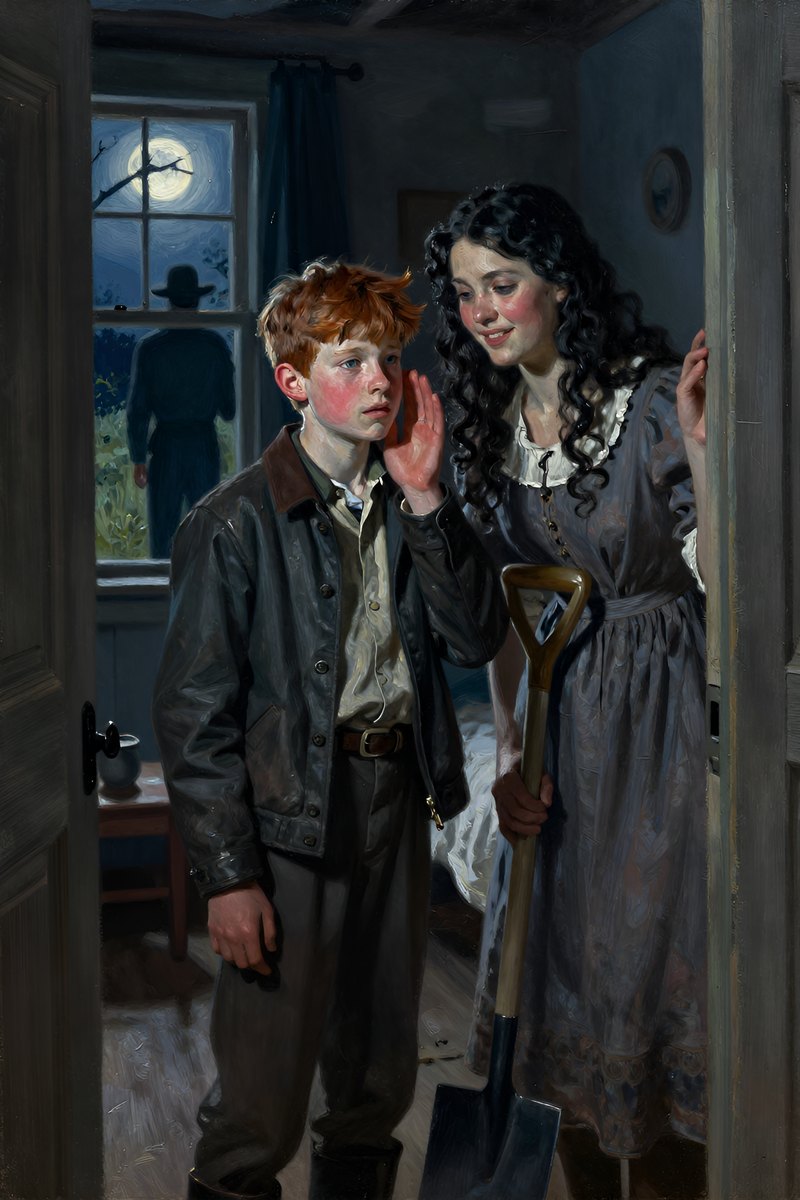
A NIGHT’S VIGIL Benny she was looking pretty sober, and she sighed some, now and then; but pretty soon she got to asking about Mary, and Sid, and Tom’s aunt Polly, and then Aunt Sally’s clouds cleared off and she got in a good humor and joined in on the questions and was her lovingest best self, and so the rest of the supper went along gay and pleasant. But the old man he didn’t take any hand hardly, and was absent-minded and restless, and done a considerable amount of sighing; and it was kind of heart-breaking to see him so sad and troubled and worried.
By and by, a spell after supper, come a nigger and knocked on the door and put his head in with his old straw hat in his hand bowing and scraping, and said his Marse Brace was out at the stile and wanted his brother, and was getting tired waiting supper for him, and would Marse Silas please tell him where he was? I never see Uncle Silas speak up so sharp and fractious before. He says:
“Am I his brother’s keeper?” And then he kind of wilted together, and looked like he wished he hadn’t spoken so, and then he says, very gentle: “But you needn’t say that, Billy; I was took sudden and irritable, and I ain’t very well these days, and not hardly responsible. Tell him he ain’t here.”
And when the nigger was gone he got up and walked the floor, backwards and forwards, mumbling and muttering to himself and plowing his hands through his hair. It was real pitiful to see him. Aunt Sally she whispered to us and told us not to take notice of him, it embarrassed him. She said he was always thinking and thinking, since these troubles come on, and she allowed he didn’t more’n about half know what he was about when the thinking spells was on him; and she said he walked in his sleep considerable more now than he used to, and sometimes wandered around over the house and even outdoors in his sleep, and if we catched him at it we must let him alone and not disturb him. She said she reckoned it didn’t do him no harm, and may be it done him good. She said Benny was the only one that was much help to him these days. Said Benny appeared to know just when to try to soothe him and when to leave him alone.
So he kept on tramping up and down the floor and muttering, till by and by he begun to look pretty tired; then Benny she went and snuggled up to his side and put one hand in his and one arm around his waist and walked with him; and he smiled down on her, and reached down and kissed her; and so, little by little the trouble went out of his face and she persuaded him off to his room. They had very petting ways together, and it was uncommon pretty to see.
Aunt Sally she was busy getting the children ready for bed; so by and by it got dull and tedious, and me and Tom took a turn in the moonlight, and fetched up in the watermelon-patch and et one, and had a good deal of talk. And Tom said he’d bet the quarreling was all Jubiter’s fault, and he was going to be on hand the first time he got a chance, and see; and if it was so, he was going to do his level best to get Uncle Silas to turn him off.
And so we talked and smoked and stuffed watermelons much as two hours, and then it was pretty late, and when we got back the house was quiet and dark, and everybody gone to bed.
Tom he always seen everything, and now he see that the old green baize work-gown was gone, and said it wasn’t gone when he went out; so he allowed it was curious, and then we went up to bed.
We could hear Benny stirring around in her room, which was next to ourn, and judged she was worried a good deal about her father and couldn’t sleep. We found we couldn’t, neither. So we set up a long time, and smoked and talked in a low voice, and felt pretty dull and down-hearted. We talked the murder and the ghost over and over again, and got so creepy and crawly we couldn’t get sleepy nohow and noway.
By and by, when it was away late in the night and all the sounds was late sounds and solemn, Tom nudged me and whispers to me to look, and I done it, and there we see a man poking around in the yard like he didn’t know just what he wanted to do, but it was pretty dim and we couldn’t see him good. Then he started for the stile, and as he went over it the moon came out strong, and he had a long-handled shovel over his shoulder, and we see the white patch on the old work-gown. So Tom says:
“He’s a-walking in his sleep. I wish we was allowed to follow him and see where he’s going to. There, he’s turned down by the tobacker-field.
Out of sight now. It’s a dreadful pity he can’t rest no better.”
We waited a long time, but he didn’t come back any more, or if he did he come around the other way; so at last we was tuckered out and went to sleep and had nightmares, a million of them. But before dawn we was awake again, because meantime a storm had come up and been raging, and the thunder and lightning was awful, and the wind was a-thrashing the trees around, and the rain was driving down in slanting sheets, and the gullies was running rivers. Tom says:
“Looky here, Huck, I’ll tell you one thing that’s mighty curious. Up to the time we went out last night the family hadn’t heard about Jake Dunlap being murdered. Now the men that chased Hal Clayton and Bud Dixon away would spread the thing around in a half an hour, and every neighbor that heard it would shin out and fly around from one farm to t’other and try to be the first to tell the news. Land, they don’t have such a big thing as that to tell twice in thirty year! Huck, it’s mighty strange; I don’t understand it.”
So then he was in a fidget for the rain to let up, so we could turn out and run across some of the people and see if they would say anything about it to us. And he said if they did we must be horribly surprised and shocked.
We was out and gone the minute the rain stopped. It was just broad day then. We loafed along up the road, and now and then met a person and stopped and said howdy, and told them when we come, and how we left the folks at home, and how long we was going to stay, and all that, but none of them said a word about that thing; which was just astonishing, and no mistake. Tom said he believed if we went to the sycamores we would find that body laying there solitary and alone, and not a soul around. Said he believed the men chased the thieves so far into the woods that the thieves prob’ly seen a good chance and turned on them at last, and maybe they all killed each other, and so there wasn’t anybody left to tell.
First we knowed, gabbling along that away, we was right at the sycamores. The cold chills trickled down my back and I wouldn’t budge another step, for all Tom’s persuading. But he couldn’t hold in; he’d got to see if the boots was safe on that body yet. So he crope in—and the next minute out he come again with his eyes bulging he was so excited, and says:
“Huck, it’s gone!”
I was astonished! I says:
“Tom, you don’t mean it.”
“It’s gone, sure. There ain’t a sign of it. The ground is trampled some, but if there was any blood it’s all washed away by the storm, for it’s all puddles and slush in there.”
At last I give in, and went and took a look myself; and it was just as Tom said—there wasn’t a sign of a corpse.
“Dern it,” I says, “the di’monds is gone. Don’t you reckon the thieves slunk back and lugged him off, Tom?”
“Looks like it. It just does. Now where’d they hide him, do you reckon?”
“I don’t know,” I says, disgusted, “and what’s more I don’t care.
They’ve got the boots, and that’s all I cared about. He’ll lay around these woods a long time before I hunt him up.”
Tom didn’t feel no more intrust in him neither, only curiosity to know what come of him; but he said we’d lay low and keep dark and it wouldn’t be long till the dogs or somebody rousted him out.
We went back home to breakfast ever so bothered and put out and disappointed and swindled. I warn’t ever so down on a corpse before.
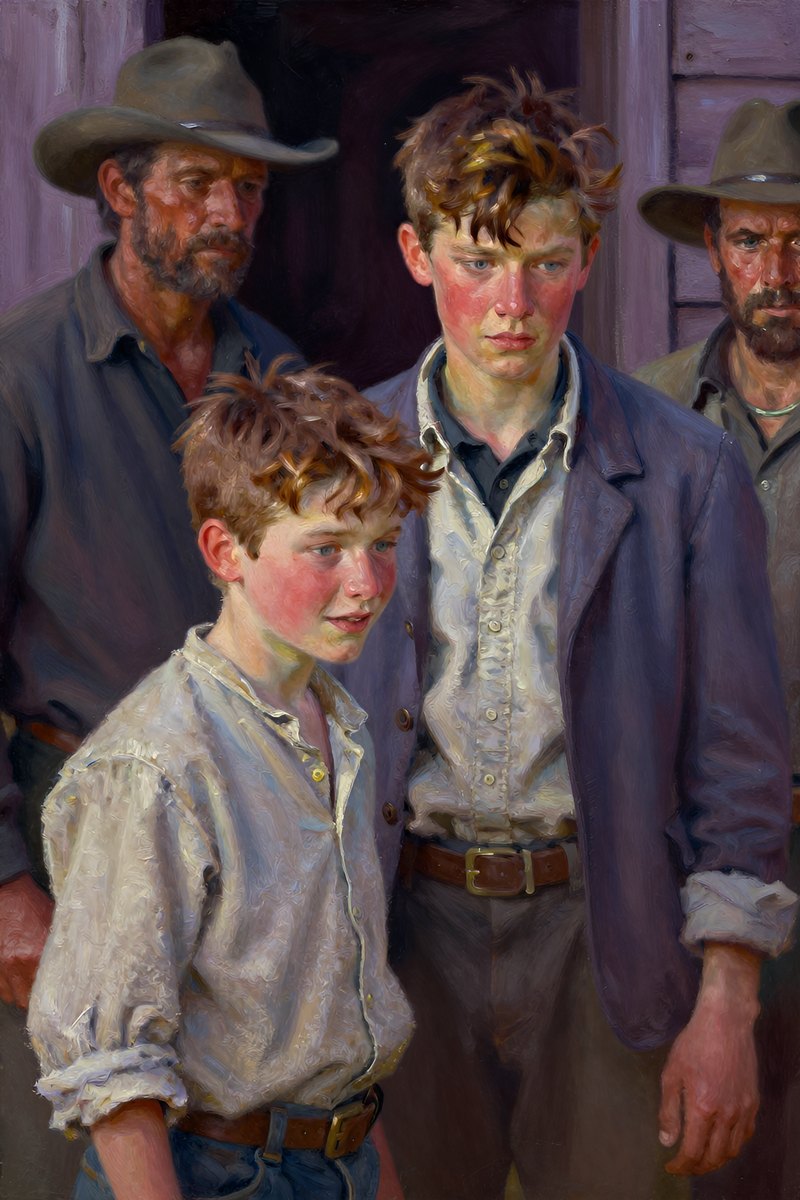
TALKING WITH THE GHOST It warn’t very cheerful at breakfast. Aunt Sally she looked old and tired and let the children snarl and fuss at one another and didn’t seem to notice it was going on, which wasn’t her usual style; me and Tom had a plenty to think about without talking; Benny she looked like she hadn’t had much sleep, and whenever she’d lift her head a little and steal a look towards her father you could see there was tears in her eyes; and as for the old man, his things stayed on his plate and got cold without him knowing they was there, I reckon, for he was thinking and thinking all the time, and never said a word and never et a bite.
By and by when it was stillest, that nigger’s head was poked in at the door again, and he said his Marse Brace was getting powerful uneasy about Marse Jubiter, which hadn’t come home yet, and would Marse Silas please—He was looking at Uncle Silas, and he stopped there, like the rest of his words was froze; for Uncle Silas he rose up shaky and steadied himself leaning his fingers on the table, and he was panting, and his eyes was set on the nigger, and he kept swallowing, and put his other hand up to his throat a couple of times, and at last he got his words started, and says:
“Does he—does he—think—what does he think! Tell him—tell him—” Then he sunk down in his chair limp and weak, and says, so as you could hardly hear him: “Go away—go away!”
The nigger looked scared and cleared out, and we all felt—well, I don’t know how we felt, but it was awful, with the old man panting there, and his eyes set and looking like a person that was dying. None of us could budge; but Benny she slid around soft, with her tears running down, and stood by his side, and nestled his old gray head up against her and begun to stroke it and pet it with her hands, and nodded to us to go away, and we done it, going out very quiet, like the dead was there.
Me and Tom struck out for the woods mighty solemn, and saying how different it was now to what it was last summer when we was here and everything was so peaceful and happy and everybody thought so much of Uncle Silas, and he was so cheerful and simple-hearted and pudd’n-headed and good—and now look at him. If he hadn’t lost his mind he wasn’t much short of it. That was what we allowed.
It was a most lovely day now, and bright and sunshiny; and the further and further we went over the hills towards the prairie the lovelier and lovelier the trees and flowers got to be and the more it seemed strange and somehow wrong that there had to be trouble in such a world as this.
And then all of a sudden I catched my breath and grabbed Tom’s arm, and all my livers and lungs and things fell down into my legs.
“There it is!” I says. We jumped back behind a bush shivering, and Tom says:
“’Sh!—don’t make a noise.”
It was setting on a log right in the edge of a little prairie, thinking. I tried to get Tom to come away, but he wouldn’t, and I dasn’t budge by myself. He said we mightn’t ever get another chance to see one, and he was going to look his fill at this one if he died for it. So I looked too, though it give me the fan-tods to do it. Tom he had to talk, but he talked low. He says:
“Poor Jakey, it’s got all its things on, just as he said he would.
Now you see what we wasn’t certain about—its hair. It’s not long now the way it was: it’s got it cropped close to its head, the way he said he would. Huck, I never see anything look any more naturaler than what It does.”
“Nor I neither,” I says; “I’d recognize it anywheres.”
“So would I. It looks perfectly solid and genuwyne, just the way it done before it died.”
So we kept a-gazing. Pretty soon Tom says:
“Huck, there’s something mighty curious about this one, don’t you know?
IT oughtn’t to be going around in the daytime.”
“That’s so, Tom—I never heard the like of it before.”
“No, sir, they don’t ever come out only at night—and then not till after twelve. There’s something wrong about this one, now you mark my words. I don’t believe it’s got any right to be around in the daytime.
But don’t it look natural! Jake was going to play deef and dumb here, so the neighbors wouldn’t know his voice. Do you reckon it would do that if we was to holler at it?”
“Lordy, Tom, don’t talk so! If you was to holler at it I’d die in my tracks.”
“Don’t you worry, I ain’t going to holler at it. Look, Huck, it’s a-scratching its head—don’t you see?”
“Well, what of it?”
“Why, this. What’s the sense of it scratching its head? There ain’t anything there to itch; its head is made out of fog or something like that, and can’t itch. A fog can’t itch; any fool knows that.”
“Well, then, if it don’t itch and can’t itch, what in the nation is it scratching it for? Ain’t it just habit, don’t you reckon?”
“No, sir, I don’t. I ain’t a bit satisfied about the way this one acts.
I’ve a blame good notion it’s a bogus one—I have, as sure as I’m a-sitting here. Because, if it—Huck!”
“Well, what’s the matter now?”
“You can’t see the bushes through it!”
“Why, Tom, it’s so, sure! It’s as solid as a cow. I sort of begin to think—”
“Huck, it’s biting off a chaw of tobacker! By George, they don’t chaw—they hain’t got anything to chaw with. Huck!”
“I’m a-listening.”
“It ain’t a ghost at all. It’s Jake Dunlap his own self!”
“Oh your granny!” I says.
“Huck Finn, did we find any corpse in the sycamores?”
“No.”
“Or any sign of one?”
“No.”
“Mighty good reason. Hadn’t ever been any corpse there.”
“Why, Tom, you know we heard—”
“Yes, we did—heard a howl or two. Does that prove anybody was killed?
Course it don’t. And we seen four men run, then this one come walking out and we took it for a ghost. No more ghost than you are. It was Jake Dunlap his own self, and it’s Jake Dunlap now. He’s been and got his hair cropped, the way he said he would, and he’s playing himself for a stranger, just the same as he said he would. Ghost? Hum!—he’s as sound as a nut.”
Then I see it all, and how we had took too much for granted. I was powerful glad he didn’t get killed, and so was Tom, and we wondered which he would like the best—for us to never let on to know him, or how? Tom reckoned the best way would be to go and ask him. So he started; but I kept a little behind, because I didn’t know but it might be a ghost, after all. When Tom got to where he was, he says:
“Me and Huck’s mighty glad to see you again, and you needn’t be afeared we’ll tell. And if you think it’ll be safer for you if we don’t let on to know you when we run across you, say the word and you’ll see you can depend on us, and would ruther cut our hands off than get you into the least little bit of danger.”
First off he looked surprised to see us, and not very glad, either; but as Tom went on he looked pleasanter, and when he was done he smiled, and nodded his head several times, and made signs with his hands, and says:
“Goo-goo—goo-goo,” the way deef and dummies does.
Just then we see some of Steve Nickerson’s people coming that lived t’other side of the prairie, so Tom says:
“You do it elegant; I never see anybody do it better. You’re right; play it on us, too; play it on us same as the others; it’ll keep you in practice and prevent you making blunders. We’ll keep away from you and let on we don’t know you, but any time we can be any help, you just let us know.”
Then we loafed along past the Nickersons, and of course they asked if that was the new stranger yonder, and where’d he come from, and what was his name, and which communion was he, Babtis’ or Methodis’, and which politics, Whig or Democrat, and how long is he staying, and all them other questions that humans always asks when a stranger comes, and animals does, too. But Tom said he warn’t able to make anything out of deef and dumb signs, and the same with goo-gooing. Then we watched them go and bullyrag Jake; because we was pretty uneasy for him. Tom said it would take him days to get so he wouldn’t forget he was a deef and dummy sometimes, and speak out before he thought. When we had watched long enough to see that Jake was getting along all right and working his signs very good, we loafed along again, allowing to strike the schoolhouse about recess time, which was a three-mile tramp.
I was so disappointed not to hear Jake tell about the row in the sycamores, and how near he come to getting killed, that I couldn’t seem to get over it, and Tom he felt the same, but said if we was in Jake’s fix we would want to go careful and keep still and not take any chances.
The boys and girls was all glad to see us again, and we had a real good time all through recess. Coming to school the Henderson boys had come across the new deef and dummy and told the rest; so all the scholars was chuck full of him and couldn’t talk about anything else, and was in a sweat to get a sight of him because they hadn’t ever seen a deef and dummy in their lives, and it made a powerful excitement.
Tom said it was tough to have to keep mum now; said we would be heroes if we could come out and tell all we knowed; but after all, it was still more heroic to keep mum, there warn’t two boys in a million could do it. That was Tom Sawyer’s idea about it, and I reckoned there warn’t anybody could better it.
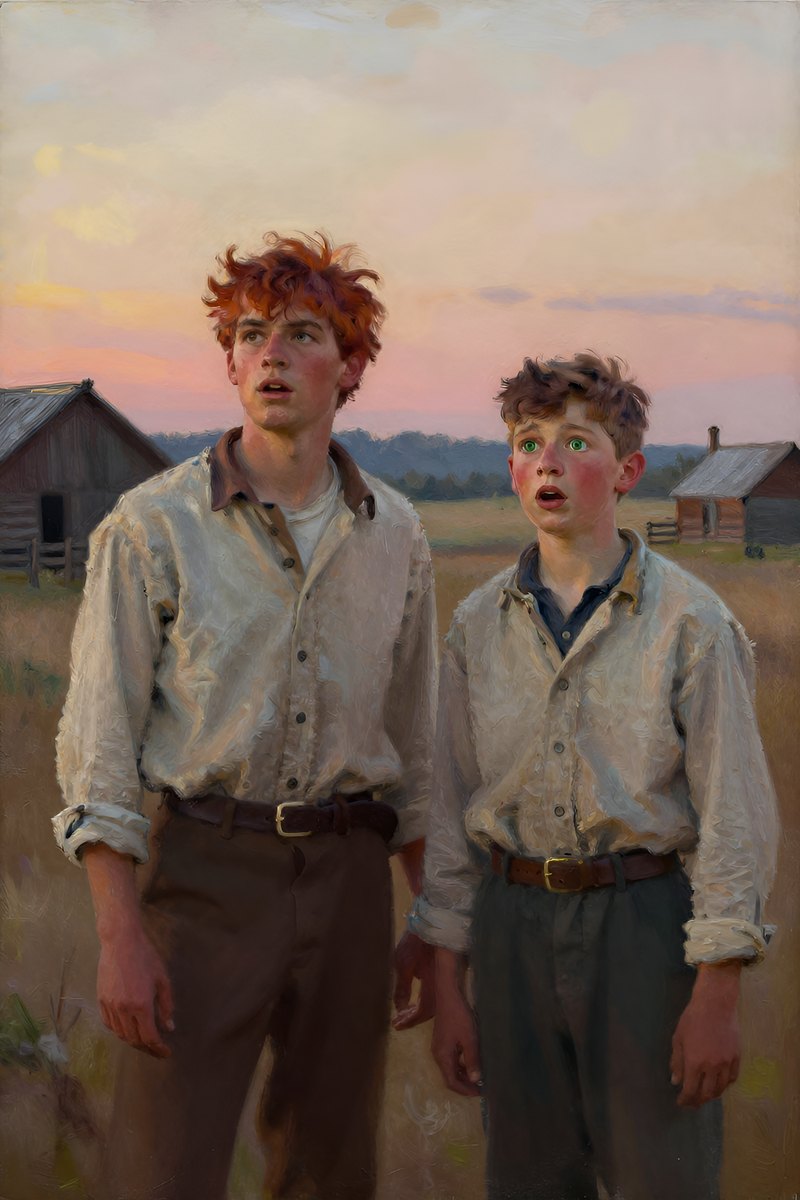
FINDING OF JUBITER DUNLAP In the next two or three days Dummy he got to be powerful popular. He went associating around with the neighbors, and they made much of him, and was proud to have such a rattling curiosity among them. They had him to breakfast, they had him to dinner, they had him to supper; they kept him loaded up with hog and hominy, and warn’t ever tired staring at him and wondering over him, and wishing they knowed more about him, he was so uncommon and romantic. His signs warn’t no good; people couldn’t understand them and he prob’ly couldn’t himself, but he done a sight of goo-gooing, and so everybody was satisfied, and admired to hear him go it. He toted a piece of slate around, and a pencil; and people wrote questions on it and he wrote answers; but there warn’t anybody could read his writing but Brace Dunlap. Brace said he couldn’t read it very good, but he could manage to dig out the meaning most of the time. He said Dummy said he belonged away off somers and used to be well off, but got busted by swindlers which he had trusted, and was poor now, and hadn’t any way to make a living.
Everybody praised Brace Dunlap for being so good to that stranger. He let him have a little log-cabin all to himself, and had his niggers take care of it, and fetch him all the vittles he wanted.
Dummy was at our house some, because old Uncle Silas was so afflicted himself, these days, that anybody else that was afflicted was a comfort to him. Me and Tom didn’t let on that we had knowed him before, and he didn’t let on that he had knowed us before. The family talked their troubles out before him the same as if he wasn’t there, but we reckoned it wasn’t any harm for him to hear what they said. Generly he didn’t seem to notice, but sometimes he did.
Well, two or three days went along, and everybody got to getting uneasy about Jubiter Dunlap. Everybody was asking everybody if they had any idea what had become of him. No, they hadn’t, they said: and they shook their heads and said there was something powerful strange about it.
Another and another day went by; then there was a report got around that praps he was murdered. You bet it made a big stir! Everybody’s tongue was clacking away after that. Saturday two or three gangs turned out and hunted the woods to see if they could run across his remainders. Me and Tom helped, and it was noble good times and exciting. Tom he was so brimful of it he couldn’t eat nor rest. He said if we could find that corpse we would be celebrated, and more talked about than if we got drownded.
The others got tired and give it up; but not Tom Sawyer—that warn’t his style. Saturday night he didn’t sleep any, hardly, trying to think up a plan; and towards daylight in the morning he struck it. He snaked me out of bed and was all excited, and says:
“Quick, Huck, snatch on your clothes—I’ve got it! Bloodhound!”
In two minutes we was tearing up the river road in the dark towards the village. Old Jeff Hooker had a bloodhound, and Tom was going to borrow him. I says:
“The trail’s too old, Tom—and besides, it’s rained, you know.”
“It don’t make any difference, Huck. If the body’s hid in the woods anywhere around the hound will find it. If he’s been murdered and buried, they wouldn’t bury him deep, it ain’t likely, and if the dog goes over the spot he’ll scent him, sure. Huck, we’re going to be celebrated, sure as you’re born!”
He was just a-blazing; and whenever he got afire he was most likely to get afire all over. That was the way this time. In two minutes he had got it all ciphered out, and wasn’t only just going to find the corpse—no, he was going to get on the track of that murderer and hunt him down, too; and not only that, but he was going to stick to him till—“Well,” I says, “you better find the corpse first; I reckon that’s a-plenty for to-day. For all we know, there ain’t any corpse and nobody hain’t been murdered. That cuss could ’a’ gone off somers and not been killed at all.”
That graveled him, and he says:
“Huck Finn, I never see such a person as you to want to spoil everything. As long as you can’t see anything hopeful in a thing, you won’t let anybody else. What good can it do you to throw cold water on that corpse and get up that selfish theory that there ain’t been any murder? None in the world. I don’t see how you can act so. I wouldn’t treat you like that, and you know it. Here we’ve got a noble good opportunity to make a ruputation, and—”
“Oh, go ahead,” I says. “I’m sorry, and I take it all back. I didn’t mean nothing. Fix it any way you want it. He ain’t any consequence to me. If he’s killed, I’m as glad of it as you are; and if he—”
“I never said anything about being glad; I only—”
“Well, then, I’m as sorry as you are. Any way you druther have it, that is the way I druther have it. He—”
“There ain’t any druthers about it, Huck Finn; nobody said anything about druthers. And as for—”
He forgot he was talking, and went tramping along, studying. He begun to get excited again, and pretty soon he says:
“Huck, it’ll be the bulliest thing that ever happened if we find the body after everybody else has quit looking, and then go ahead and hunt up the murderer. It won’t only be an honor to us, but it’ll be an honor to Uncle Silas because it was us that done it. It’ll set him up again, you see if it don’t.”
But Old Jeff Hooker he throwed cold water on the whole business when we got to his blacksmith shop and told him what we come for.
“You can take the dog,” he says, “but you ain’t a-going to find any corpse, because there ain’t any corpse to find. Everybody’s quit looking, and they’re right. Soon as they come to think, they knowed there warn’t no corpse. And I’ll tell you for why. What does a person kill another person for, Tom Sawyer?—answer me that.”
“Why, he—er—”
“Answer up! You ain’t no fool. What does he kill him for?”
“Well, sometimes it’s for revenge, and—”
“Wait. One thing at a time. Revenge, says you; and right you are. Now who ever had anything agin that poor trifling no-account? Who do you reckon would want to kill him?—that rabbit!”
Tom was stuck. I reckon he hadn’t thought of a person having to have a reason for killing a person before, and now he sees it warn’t likely anybody would have that much of a grudge against a lamb like Jubiter Dunlap. The blacksmith says, by and by:
“The revenge idea won’t work, you see. Well, then, what’s next?
Robbery? B’gosh, that must ’a’ been it, Tom! Yes, sirree, I reckon we’ve struck it this time. Some feller wanted his gallus-buckles, and so he—”
But it was so funny he busted out laughing, and just went on laughing and laughing and laughing till he was ’most dead, and Tom looked so put out and cheap that I knowed he was ashamed he had come, and he wished he hadn’t. But old Hooker never let up on him. He raked up everything a person ever could want to kill another person about, and any fool could see they didn’t any of them fit this case, and he just made no end of fun of the whole business and of the people that had been hunting the body; and he said:
“If they’d had any sense they’d ’a’ knowed the lazy cuss slid out because he wanted a loafing spell after all this work. He’ll come pottering back in a couple of weeks, and then how’ll you fellers feel?
But, laws bless you, take the dog, and go and hunt his remainders. Do, Tom.”
Then he busted out, and had another of them forty-rod laughs of hisn.
Tom couldn’t back down after all this, so he said, “All right, unchain him;” and the blacksmith done it, and we started home and left that old man laughing yet.
It was a lovely dog. There ain’t any dog that’s got a lovelier disposition than a bloodhound, and this one knowed us and liked us. He capered and raced around ever so friendly, and powerful glad to be free and have a holiday; but Tom was so cut up he couldn’t take any intrust in him, and said he wished he’d stopped and thought a minute before he ever started on such a fool errand. He said old Jeff Hooker would tell everybody, and we’d never hear the last of it.
So we loafed along home down the back lanes, feeling pretty glum and not talking. When we was passing the far corner of our tobacker field we heard the dog set up a long howl in there, and we went to the place and he was scratching the ground with all his might, and every now and then canting up his head sideways and fetching another howl.
It was a long square, the shape of a grave; the rain had made it sink down and show the shape. The minute we come and stood there we looked at one another and never said a word. When the dog had dug down only a few inches he grabbed something and pulled it up, and it was an arm and a sleeve. Tom kind of gasped out, and says:
“Come away, Huck—it’s found.”
I just felt awful. We struck for the road and fetched the first men that come along. They got a spade at the crib and dug out the body, and you never see such an excitement. You couldn’t make anything out of the face, but you didn’t need to. Everybody said:
“Poor Jubiter; it’s his clothes, to the last rag!”
Some rushed off to spread the news and tell the justice of the peace and have an inquest, and me and Tom lit out for the house. Tom was all afire and ’most out of breath when we come tearing in where Uncle Silas and Aunt Sally and Benny was. Tom sung out:
“Me and Huck’s found Jubiter Dunlap’s corpse all by ourselves with a bloodhound, after everybody else had quit hunting and given it up; and if it hadn’t a been for us it never would ’a’ been found; and he was murdered too—they done it with a club or something like that; and I’m going to start in and find the murderer, next, and I bet I’ll do it!”
Aunt Sally and Benny sprung up pale and astonished, but Uncle Silas fell right forward out of his chair on to the floor and groans out:
“Oh, my God, you’ve found him Now!”
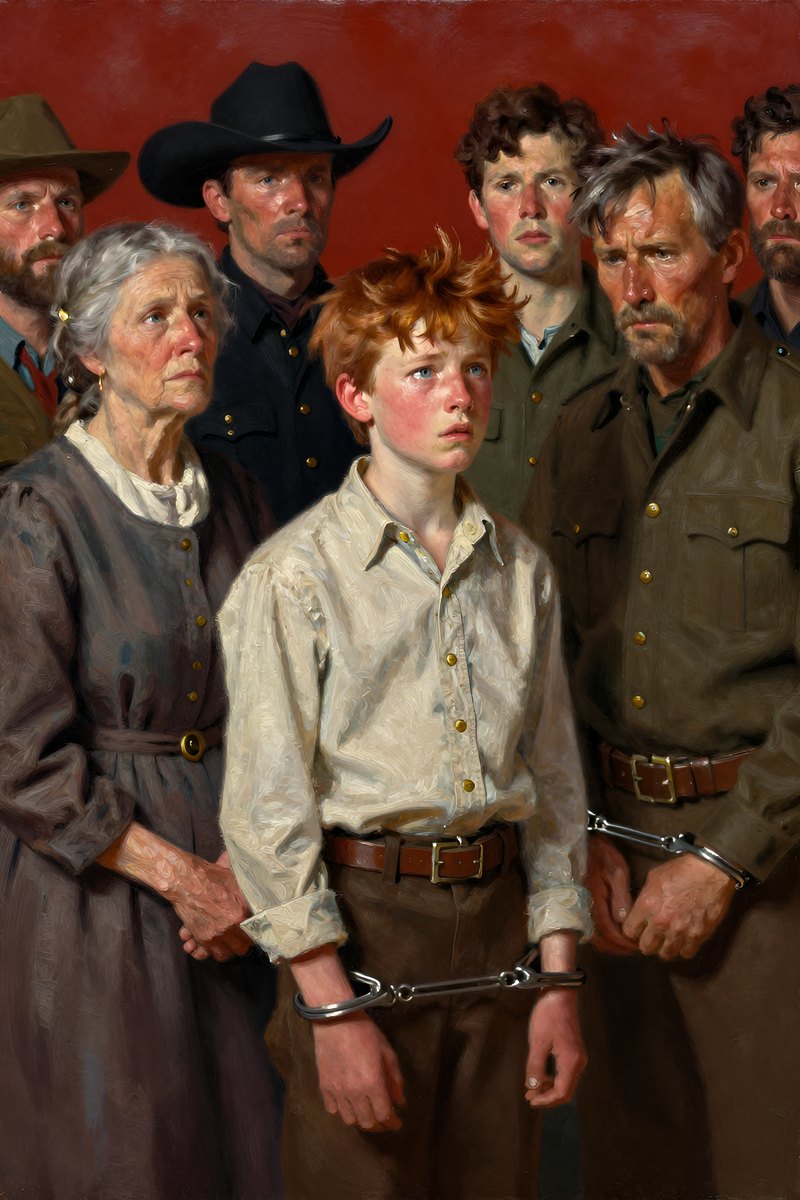
THE ARREST OF UNCLE SILAS Them awful words froze us solid. We couldn’t move hand or foot for as much as half a minute. Then we kind of come to, and lifted the old man up and got him into his chair, and Benny petted him and kissed him and tried to comfort him, and poor old Aunt Sally she done the same; but, poor things, they was so broke up and scared and knocked out of their right minds that they didn’t hardly know what they was about. With Tom it was awful; it ’most petrified him to think maybe he had got his uncle into a thousand times more trouble than ever, and maybe it wouldn’t ever happened if he hadn’t been so ambitious to get celebrated, and let the corpse alone the way the others done. But pretty soon he sort of come to himself again and says:
“Uncle Silas, don’t you say another word like that. It’s dangerous, and there ain’t a shadder of truth in it.”
Aunt Sally and Benny was thankful to hear him say that, and they said the same; but the old man he wagged his head sorrowful and hopeless, and the tears run down his face, and he says; “No—I done it; poor Jubiter, I done it!”
It was dreadful to hear him say it. Then he went on and told about it, and said it happened the day me and Tom come—along about sundown. He said Jubiter pestered him and aggravated him till he was so mad he just sort of lost his mind and grabbed up a stick and hit him over the head with all his might, and Jubiter dropped in his tracks. Then he was scared and sorry, and got down on his knees and lifted his head up, and begged him to speak and say he wasn’t dead; and before long he come to, and when he see who it was holding his head, he jumped like he was ’most scared to death, and cleared the fence and tore into the woods, and was gone. So he hoped he wasn’t hurt bad.
“But laws,” he says, “it was only just fear that gave him that last little spurt of strength, and of course it soon played out and he laid down in the bush, and there wasn’t anybody to help him, and he died.”
Then the old man cried and grieved, and said he was a murderer and the mark of Cain was on him, and he had disgraced his family and was going to be found out and hung. But Tom said:
“No, you ain’t going to be found out. You didn’t kill him. One lick wouldn’t kill him. Somebody else done it.”
“Oh, yes,” he says, “I done it—nobody else. Who else had anything against him? Who else could have anything against him?”
He looked up kind of like he hoped some of us could mention somebody that could have a grudge against that harmless no-account, but of course it warn’t no use—he had us; we couldn’t say a word. He noticed that, and he saddened down again, and I never see a face so miserable and so pitiful to see. Tom had a sudden idea, and says:
“But hold on!—somebody buried him. Now who—”
He shut off sudden. I knowed the reason. It give me the cold shudders when he said them words, because right away I remembered about us seeing Uncle Silas prowling around with a long-handled shovel away in the night that night. And I knowed Benny seen him, too, because she was talking about it one day. The minute Tom shut off he changed the subject and went to begging Uncle Silas to keep mum, and the rest of us done the same, and said he must, and said it wasn’t his business to tell on himself, and if he kept mum nobody would ever know; but if it was found out and any harm come to him it would break the family’s hearts and kill them, and yet never do anybody any good. So at last he promised. We was all of us more comfortable, then, and went to work to cheer up the old man. We told him all he’d got to do was to keep still, and it wouldn’t be long till the whole thing would blow over and be forgot. We all said there wouldn’t anybody ever suspect Uncle Silas, nor ever dream of such a thing, he being so good and kind, and having such a good character; and Tom says, cordial and hearty, he says:
“Why, just look at it a minute; just consider. Here is Uncle Silas, all these years a preacher—at his own expense; all these years doing good with all his might and every way he can think of—at his own expense, all the time; always been loved by everybody, and respected; always been peaceable and minding his own business, the very last man in this whole deestrict to touch a person, and everybody knows it. Suspect him? Why, it ain’t any more possible than—”
“By authority of the State of Arkansaw, I arrest you for the murder of Jubiter Dunlap!” shouts the sheriff at the door.
It was awful. Aunt Sally and Benny flung themselves at Uncle Silas, screaming and crying, and hugged him and hung to him, and Aunt Sally said go away, she wouldn’t ever give him up, they shouldn’t have him, and the niggers they come crowding and crying to the door and—well, I couldn’t stand it; it was enough to break a person’s heart; so I got out.
They took him up to the little one-horse jail in the village, and we all went along to tell him good-bye; and Tom was feeling elegant, and says to me, “We’ll have a most noble good time and heaps of danger some dark night getting him out of there, Huck, and it’ll be talked about everywheres and we will be celebrated;” but the old man busted that scheme up the minute he whispered to him about it. He said no, it was his duty to stand whatever the law done to him, and he would stick to the jail plumb through to the end, even if there warn’t no door to it.
It disappointed Tom and graveled him a good deal, but he had to put up with it.
But he felt responsible and bound to get his uncle Silas free; and he told Aunt Sally, the last thing, not to worry, because he was going to turn in and work night and day and beat this game and fetch Uncle Silas out innocent; and she was very loving to him and thanked him and said she knowed he would do his very best. And she told us to help Benny take care of the house and the children, and then we had a good-bye cry all around and went back to the farm, and left her there to live with the jailer’s wife a month till the trial in October.
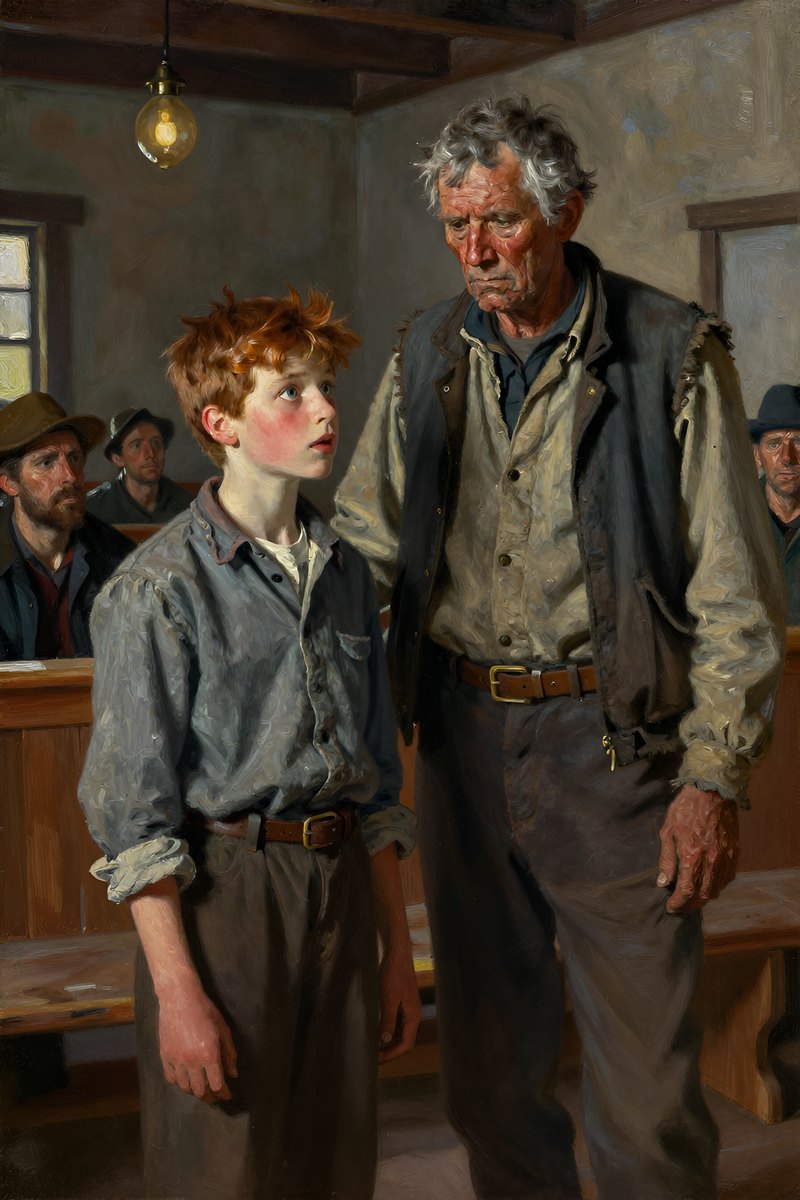
TOM SAWYER DISCOVERS THE MURDERERS Well, that was a hard month on us all. Poor Benny, she kept up the best she could, and me and Tom tried to keep things cheerful there at the house, but it kind of went for nothing, as you may say. It was the same up at the jail. We went up every day to see the old people, but it was awful dreary, because the old man warn’t sleeping much, and was walking in his sleep considerable and so he got to looking fagged and miserable, and his mind got shaky, and we all got afraid his troubles would break him down and kill him. And whenever we tried to persuade him to feel cheerfuler, he only shook his head and said if we only knowed what it was to carry around a murderer’s load in your heart we wouldn’t talk that way. Tom and all of us kept telling him it wasn’t murder, but just accidental killing! but it never made any difference—it was murder, and he wouldn’t have it any other way. He actu’ly begun to come out plain and square towards trial time and acknowledge that he tried to kill the man. Why, that was awful, you know. It made things seem fifty times as dreadful, and there warn’t no more comfort for Aunt Sally and Benny. But he promised he wouldn’t say a word about his murder when others was around, and we was glad of that.
Tom Sawyer racked the head off of himself all that month trying to plan some way out for Uncle Silas, and many’s the night he kept me up ’most all night with this kind of tiresome work, but he couldn’t seem to get on the right track no way. As for me, I reckoned a body might as well give it up, it all looked so blue and I was so downhearted; but he wouldn’t. He stuck to the business right along, and went on planning and thinking and ransacking his head.
So at last the trial come on, towards the middle of October, and we was all in the court. The place was jammed, of course. Poor old Uncle Silas, he looked more like a dead person than a live one, his eyes was so hollow and he looked so thin and so mournful. Benny she set on one side of him and Aunt Sally on the other, and they had veils on, and was full of trouble. But Tom he set by our lawyer, and had his finger in everywheres, of course. The lawyer let him, and the judge let him. He ’most took the business out of the lawyer’s hands sometimes; which was well enough, because that was only a mud-turtle of a back-settlement lawyer and didn’t know enough to come in when it rains, as the saying is.
They swore in the jury, and then the lawyer for the prostitution got up and begun. He made a terrible speech against the old man, that made him moan and groan, and made Benny and Aunt Sally cry. The way he told about the murder kind of knocked us all stupid it was so different from the old man’s tale. He said he was going to prove that Uncle Silas was seen to kill Jubiter Dunlap by two good witnesses, and done it deliberate, and said he was going to kill him the very minute he hit him with the club; and they seen him hide Jubiter in the bushes, and they seen that Jubiter was stone-dead. And said Uncle Silas come later and lugged Jubiter down into the tobacker field, and two men seen him do it. And said Uncle Silas turned out, away in the night, and buried Jubiter, and a man seen him at it.
I says to myself, poor old Uncle Silas has been lying about it because he reckoned nobody seen him and he couldn’t bear to break Aunt Sally’s heart and Benny’s; and right he was: as for me, I would ’a’ lied the same way, and so would anybody that had any feeling, to save them such misery and sorrow which they warn’t no ways responsible for. Well, it made our lawyer look pretty sick; and it knocked Tom silly, too, for a little spell, but then he braced up and let on that he warn’t worried—but I knowed he was, all the same. And the people—my, but it made a stir amongst them!
And when that lawyer was done telling the jury what he was going to prove, he set down and begun to work his witnesses.
First, he called a lot of them to show that there was bad blood betwixt Uncle Silas and the diseased; and they told how they had heard Uncle Silas threaten the diseased, at one time and another, and how it got worse and worse and everybody was talking about it, and how diseased got afraid of his life, and told two or three of them he was certain Uncle Silas would up and kill him some time or another.
Tom and our lawyer asked them some questions; but it warn’t no use, they stuck to what they said.
Next, they called up Lem Beebe, and he took the stand. It come into my mind, then, how Lem and Jim Lane had come along talking, that time, about borrowing a dog or something from Jubiter Dunlap; and that brought up the blackberries and the lantern; and that brought up Bill and Jack Withers, and how they passed by, talking about a nigger stealing Uncle Silas’s corn; and that fetched up our old ghost that come along about the same time and scared us so—and here he was too, and a privileged character, on accounts of his being deef and dumb and a stranger, and they had fixed him a chair inside the railing, where he could cross his legs and be comfortable, whilst the other people was all in a jam so they couldn’t hardly breathe. So it all come back to me just the way it was that day; and it made me mournful to think how pleasant it was up to then, and how miserable ever since.
Lem Beebe, sworn, said—“I was a-coming along, that day, second of September, and Jim Lane was with me, and it was towards sundown, and we heard loud talk, like quarrelling, and we was very close, only the hazel bushes between (that’s along the fence); and we heard a voice say, ‘I’ve told you more’n once I’d kill you,’ and knowed it was this prisoner’s voice; and then we see a club come up above the bushes and down out of sight again, and heard a smashing thump and then a groan or two: and then we crope soft to where we could see, and there laid Jupiter Dunlap dead, and this prisoner standing over him with the club; and the next he hauled the dead man into a clump of bushes and hid him, and then we stooped low, to be out of sight, and got away.”
Well, it was awful. It kind of froze everybody’s blood to hear it, and the house was ’most as still whilst he was telling it as if there warn’t nobody in it. And when he was done, you could hear them gasp and sigh, all over the house, and look at one another the same as to say, “Ain’t it perfectly terrible—ain’t it awful!”
Now happened a thing that astonished me. All the time the first witnesses was proving the bad blood and the threats and all that, Tom Sawyer was alive and laying for them; and the minute they was through, he went for them, and done his level best to catch them in lies and spile their testimony. But now, how different. When Lem first begun to talk, and never said anything about speaking to Jubiter or trying to borrow a dog off of him, he was all alive and laying for Lem, and you could see he was getting ready to cross-question him to death pretty soon, and then I judged him and me would go on the stand by and by and tell what we heard him and Jim Lane say. But the next time I looked at Tom I got the cold shivers. Why, he was in the brownest study you ever see—miles and miles away. He warn’t hearing a word Lem Beebe was saying; and when he got through he was still in that brown-study, just the same. Our lawyer joggled him, and then he looked up startled, and says, “Take the witness if you want him. Lemme alone—I want to think.”
Well, that beat me. I couldn’t understand it. And Benny and her mother—oh, they looked sick, they was so troubled. They shoved their veils to one side and tried to get his eye, but it warn’t any use, and I couldn’t get his eye either. So the mud-turtle he tackled the witness, but it didn’t amount to nothing; and he made a mess of it.
Then they called up Jim Lane, and he told the very same story over again, exact. Tom never listened to this one at all, but set there thinking and thinking, miles and miles away. So the mud-turtle went in alone again and come out just as flat as he done before. The lawyer for the prostitution looked very comfortable, but the judge looked disgusted. You see, Tom was just the same as a regular lawyer, nearly, because it was Arkansaw law for a prisoner to choose anybody he wanted to help his lawyer, and Tom had had Uncle Silas shove him into the case, and now he was botching it and you could see the judge didn’t like it much. All that the mud-turtle got out of Lem and Jim was this:
he asked them:
“Why didn’t you go and tell what you saw?”
“We was afraid we would get mixed up in it ourselves. And we was just starting down the river a-hunting for all the week besides; but as soon as we come back we found out they’d been searching for the body, so then we went and told Brace Dunlap all about it.”
“When was that?”
“Saturday night, September 9th.”
The judge he spoke up and says:
“Mr. Sheriff, arrest these two witnesses on suspicions of being accessionary after the fact to the murder.”
The lawyer for the prostitution jumps up all excited, and says:
“Your honor! I protest against this extraordi—”
“Set down!” says the judge, pulling his bowie and laying it on his pulpit. “I beg you to respect the Court.”
So he done it. Then he called Bill Withers.
Bill Withers, sworn, said: “I was coming along about sundown, Saturday, September 2d, by the prisoner’s field, and my brother Jack was with me and we seen a man toting off something heavy on his back and allowed it was a nigger stealing corn; we couldn’t see distinct; next we made out that it was one man carrying another; and the way it hung, so kind of limp, we judged it was somebody that was drunk; and by the man’s walk we said it was Parson Silas, and we judged he had found Sam Cooper drunk in the road, which he was always trying to reform him, and was toting him out of danger.”
It made the people shiver to think of poor old Uncle Silas toting off the diseased down to the place in his tobacker field where the dog dug up the body, but there warn’t much sympathy around amongst the faces, and I heard one cuss say “’Tis the coldest blooded work I ever struck, lugging a murdered man around like that, and going to bury him like a animal, and him a preacher at that.”
Tom he went on thinking, and never took no notice; so our lawyer took the witness and done the best he could, and it was plenty poor enough.
Then Jack Withers he come on the stand and told the same tale, just like Bill done.
And after him comes Brace Dunlap, and he was looking very mournful, and most crying; and there was a rustle and a stir all around, and everybody got ready to listen, and lots of the women folks said, “Poor cretur, poor cretur,” and you could see a many of them wiping their eyes.
Brace Dunlap, sworn, said: “I was in considerable trouble a long time about my poor brother, but I reckoned things warn’t near so bad as he made out, and I couldn’t make myself believe anybody would have the heart to hurt a poor harmless cretur like that”—[by jings, I was sure I seen Tom give a kind of a faint little start, and then look disappointed again]—“and you know I could’t think a preacher would hurt him—it warn’t natural to think such an onlikely thing—so I never paid much attention, and now I sha’n’t ever, ever forgive myself; for if I had a done different, my poor brother would be with me this day, and not laying yonder murdered, and him so harmless.” He kind of broke down there and choked up, and waited to get his voice; and people all around said the most pitiful things, and women cried; and it was very still in there, and solemn, and old Uncle Silas, poor thing, he give a groan right out so everybody heard him. Then Brace he went on, “Saturday, September 2d, he didn’t come home to supper. By-and-by I got a little uneasy, and one of my niggers went over to this prisoner’s place, but come back and said he warn’t there. So I got uneasier and uneasier, and couldn’t rest. I went to bed, but I couldn’t sleep; and turned out, away late in the night, and went wandering over to this prisoner’s place and all around about there a good while, hoping I would run across my poor brother, and never knowing he was out of his troubles and gone to a better shore—” So he broke down and choked up again, and most all the women was crying now. Pretty soon he got another start and says: “But it warn’t no use; so at last I went home and tried to get some sleep, but couldn’t. Well, in a day or two everybody was uneasy, and they got to talking about this prisoner’s threats, and took to the idea, which I didn’t take no stock in, that my brother was murdered so they hunted around and tried to find his body, but couldn’t and give it up. And so I reckoned he was gone off somers to have a little peace, and would come back to us when his troubles was kind of healed. But late Saturday night, the 9th, Lem Beebe and Jim Lane come to my house and told me all—told me the whole awful ’sassination, and my heart was broke. And then I remembered something that hadn’t took no hold of me at the time, because reports said this prisoner had took to walking in his sleep and doing all kind of things of no consequence, not knowing what he was about. I will tell you what that thing was that come back into my memory. Away late that awful Saturday night when I was wandering around about this prisoner’s place, grieving and troubled, I was down by the corner of the tobacker-field and I heard a sound like digging in a gritty soil; and I crope nearer and peeped through the vines that hung on the rail fence and seen this prisoner shoveling—shoveling with a long-handled shovel—heaving earth into a big hole that was most filled up; his back was to me, but it was bright moonlight and I knowed him by his old green baize work-gown with a splattery white patch in the middle of the back like somebody had hit him with a snowball. He was burying the man he’d murdered!”
And he slumped down in his chair crying and sobbing, and ’most everybody in the house busted out wailing, and crying, and saying, “Oh, it’s awful—awful—horrible!” and there was a most tremendous excitement, and you couldn’t hear yourself think; and right in the midst of it up jumps old Uncle Silas, white as a sheet, and sings out:
“It’s true, every word—I murdered him in cold blood!”
By Jackson, it petrified them! People rose up wild all over the house, straining and staring for a better look at him, and the judge was hammering with his mallet and the sheriff yelling “Order—order in the court—order!”
And all the while the old man stood there a-quaking and his eyes a-burning, and not looking at his wife and daughter, which was clinging to him and begging him to keep still, but pawing them off with his hands and saying he would clear his black soul from crime, he would heave off this load that was more than he could bear, and he wouldn’t bear it another hour! And then he raged right along with his awful tale, everybody a-staring and gasping, judge, jury, lawyers, and everybody, and Benny and Aunt Sally crying their hearts out. And by George, Tom Sawyer never looked at him once! Never once—just set there gazing with all his eyes at something else, I couldn’t tell what. And so the old man raged right along, pouring his words out like a stream of fire:
“I killed him! I am guilty! But I never had the notion in my life to hurt him or harm him, spite of all them lies about my threatening him, till the very minute I raised the club—then my heart went cold!—then the pity all went out of it, and I struck to kill! In that one moment all my wrongs come into my mind; all the insults that that man and the scoundrel his brother, there, had put upon me, and how they laid in together to ruin me with the people, and take away my good name, and drive me to some deed that would destroy me and my family that hadn’t ever done them no harm, so help me God! And they done it in a mean revenge—for why? Because my innocent pure girl here at my side wouldn’t marry that rich, insolent, ignorant coward, Brace Dunlap, who’s been sniveling here over a brother he never cared a brass farthing for—” [I see Tom give a jump and look glad this time, to a dead certainty] “—and in that moment I’ve told you about, I forgot my God and remembered only my heart’s bitterness, God forgive me, and I struck to kill. In one second I was miserably sorry—oh, filled with remorse; but I thought of my poor family, and I must hide what I’d done for their sakes; and I did hide that corpse in the bushes; and presently I carried it to the tobacker field; and in the deep night I went with my shovel and buried it where—”
Up jumps Tom and shouts:
“Now, I’ve got it!” and waves his hand, oh, ever so fine and starchy, towards the old man, and says:
“Set down! A murder was done, but you never had no hand in it!”
Well, sir, you could a heard a pin drop. And the old man he sunk down kind of bewildered in his seat and Aunt Sally and Benny didn’t know it, because they was so astonished and staring at Tom with their mouths open and not knowing what they was about. And the whole house the same.
I never seen people look so helpless and tangled up, and I hain’t ever seen eyes bug out and gaze without a blink the way theirn did. Tom says, perfectly ca’m:
“Your honor, may I speak?”
“For God’s sake, yes—go on!” says the judge, so astonished and mixed up he didn’t know what he was about hardly.
Then Tom he stood there and waited a second or two—that was for to work up an “effect,” as he calls it—then he started in just as ca’m as ever, and says:
“For about two weeks now there’s been a little bill sticking on the front of this courthouse offering two thousand dollars reward for a couple of big di’monds—stole at St. Louis. Them di’monds is worth twelve thousand dollars. But never mind about that till I get to it.
Now about this murder. I will tell you all about it—how it happened—who done it—every detail.”
You could see everybody nestle now, and begin to listen for all they was worth.
“This man here, Brace Dunlap, that’s been sniveling so about his dead brother that you know he never cared a straw for, wanted to marry that young girl there, and she wouldn’t have him. So he told Uncle Silas he would make him sorry. Uncle Silas knowed how powerful he was, and how little chance he had against such a man, and he was scared and worried, and done everything he could think of to smooth him over and get him to be good to him: he even took his no-account brother Jubiter on the farm and give him wages and stinted his own family to pay them; and Jubiter done everything his brother could contrive to insult Uncle Silas, and fret and worry him, and try to drive Uncle Silas into doing him a hurt, so as to injure Uncle Silas with the people. And it done it. Everybody turned against him and said the meanest kind of things about him, and it graduly broke his heart—yes, and he was so worried and distressed that often he warn’t hardly in his right mind.
“Well, on that Saturday that we’ve had so much trouble about, two of these witnesses here, Lem Beebe and Jim Lane, come along by where Uncle Silas and Jubiter Dunlap was at work—and that much of what they’ve said is true, the rest is lies. They didn’t hear Uncle Silas say he would kill Jubiter; they didn’t hear no blow struck; they didn’t see no dead man, and they didn’t see Uncle Silas hide anything in the bushes. Look at them now—how they set there, wishing they hadn’t been so handy with their tongues; anyway, they’ll wish it before I get done.
“That same Saturday evening Bill and Jack Withers did see one man lugging off another one. That much of what they said is true, and the rest is lies. First off they thought it was a nigger stealing Uncle Silas’s corn—you notice it makes them look silly, now, to find out somebody overheard them say that. That’s because they found out by and by who it was that was doing the lugging, and they know best why they swore here that they took it for Uncle Silas by the gait—which it wasn’t, and they knowed it when they swore to that lie.
“A man out in the moonlight did see a murdered person put under ground in the tobacker field—but it wasn’t Uncle Silas that done the burying. He was in his bed at that very time.
“Now, then, before I go on, I want to ask you if you’ve ever noticed this: that people, when they’re thinking deep, or when they’re worried, are most always doing something with their hands, and they don’t know it, and don’t notice what it is their hands are doing, some stroke their chins; some stroke their noses; some stroke up under their chin with their hand; some twirl a chain, some fumble a button, then there’s some that draws a figure or a letter with their finger on their cheek, or under their chin or on their under lip. That’s my way. When I’m restless, or worried, or thinking hard, I draw capital V’s on my cheek or on my under lip or under my chin, and never anything but capital V’s—and half the time I don’t notice it and don’t know I’m doing it.”
That was odd. That is just what I do; only I make an O. And I could see people nodding to one another, same as they do when they mean “that’
so.”
“Now, then, I’ll go on. That same Saturday—no, it was the night before—there was a steamboat laying at Flagler’s Landing, forty miles above here, and it was raining and storming like the nation. And there was a thief aboard, and he had them two big di’monds that’s advertised out here on this courthouse door; and he slipped ashore with his hand-bag and struck out into the dark and the storm, and he was a-hoping he could get to this town all right and be safe. But he had two pals aboard the boat, hiding, and he knowed they was going to kill him the first chance they got and take the di’monds; because all three stole them, and then this fellow he got hold of them and skipped.
“Well, he hadn’t been gone more’n ten minutes before his pals found it out, and they jumped ashore and lit out after him. Prob’ly they burnt matches and found his tracks. Anyway, they dogged along after him all day Saturday and kept out of his sight; and towards sundown he come to the bunch of sycamores down by Uncle Silas’s field, and he went in there to get a disguise out of his hand-bag and put it on before he showed himself here in the town—and mind you he done that just a little after the time that Uncle Silas was hitting Jubiter Dunlap over the head with a club—for he did hit him.
“But the minute the pals see that thief slide into the bunch of sycamores, they jumped out of the bushes and slid in after him.
“They fell on him and clubbed him to death.
“Yes, for all he screamed and howled so, they never had no mercy on him, but clubbed him to death. And two men that was running along the road heard him yelling that way, and they made a rush into the sycamore bunch—which was where they was bound for, anyway—and when the pals saw them they lit out and the two new men after them a-chasing them as tight as they could go. But only a minute or two—then these two new men slipped back very quiet into the sycamores.
“Then what did they do? I will tell you what they done. They found where the thief had got his disguise out of his carpet-sack to put on; so one of them strips and puts on that disguise.”
Tom waited a little here, for some more “effect”—then he says, very deliberate:
“The man that put on that dead man’s disguise was—Jubiter Dunlap!”
“Great Scott!” everybody shouted, all over the house, and old Uncle Silas he looked perfectly astonished.
“Yes, it was Jubiter Dunlap. Not dead, you see. Then they pulled off the dead man’s boots and put Jubiter Dunlap’s old ragged shoes on the corpse and put the corpse’s boots on Jubiter Dunlap. Then Jubiter Dunlap stayed where he was, and the other man lugged the dead body off in the twilight; and after midnight he went to Uncle Silas’s house, and took his old green work-robe off of the peg where it always hangs in the passage betwixt the house and the kitchen and put it on, and stole the long-handled shovel and went off down into the tobacker field and buried the murdered man.”
He stopped, and stood half a minute. Then—“And who do you reckon the murdered man was? It was—Jake Dunlap, the long-lost burglar!”
“Great Scott!”
“And the man that buried him was—Brace Dunlap, his brother!”
“Great Scott!”
“And who do you reckon is this mowing idiot here that’s letting on all these weeks to be a deef and dumb stranger? It’s—Jubiter Dunlap!”
My land, they all busted out in a howl, and you never see the like of that excitement since the day you was born. And Tom he made a jump for Jubiter and snaked off his goggles and his false whiskers, and there was the murdered man, sure enough, just as alive as anybody! And Aunt Sally and Benny they went to hugging and crying and kissing and smothering old Uncle Silas to that degree he was more muddled and confused and mushed up in his mind than he ever was before, and that is saying considerable. And next, people begun to yell:
“Tom Sawyer! Tom Sawyer! Shut up everybody, and let him go on! Go on, Tom Sawyer!”
Which made him feel uncommon bully, for it was nuts for Tom Sawyer to be a public character that-away, and a hero, as he calls it. So when it was all quiet, he says:
“There ain’t much left, only this. When that man there, Bruce Dunlap, had most worried the life and sense out of Uncle Silas till at last he plumb lost his mind and hit this other blatherskite, his brother, with a club, I reckon he seen his chance. Jubiter broke for the woods to hide, and I reckon the game was for him to slide out, in the night, and leave the country. Then Brace would make everybody believe Uncle Silas killed him and hid his body somers; and that would ruin Uncle Silas and drive him out of the country—hang him, maybe; I dunno. But when they found their dead brother in the sycamores without knowing him, because he was so battered up, they see they had a better thing; disguise both and bury Jake and dig him up presently all dressed up in Jubiter’s clothes, and hire Jim Lane and Bill Withers and the others to swear to some handy lies—which they done. And there they set, now, and I told them they would be looking sick before I got done, and that is the way they’re looking now.
“Well, me and Huck Finn here, we come down on the boat with the thieves, and the dead one told us all about the di’monds, and said the others would murder him if they got the chance; and we was going to help him all we could. We was bound for the sycamores when we heard them killing him in there; but we was in there in the early morning after the storm and allowed nobody hadn’t been killed, after all. And when we see Jubiter Dunlap here spreading around in the very same disguise Jake told us he was going to wear, we thought it was Jake his own self—and he was goo-gooing deef and dumb, and that was according to agreement.
“Well, me and Huck went on hunting for the corpse after the others quit, and we found it. And was proud, too; but Uncle Silas he knocked us crazy by telling us he killed the man. So we was mighty sorry we found the body, and was bound to save Uncle Silas’s neck if we could; and it was going to be tough work, too, because he wouldn’t let us break him out of prison the way we done with our old nigger Jim.
“I done everything I could the whole month to think up some way to save Uncle Silas, but I couldn’t strike a thing. So when we come into court to-day I come empty, and couldn’t see no chance anywheres. But by and by I had a glimpse of something that set me thinking—just a little wee glimpse—only that, and not enough to make sure; but it set me thinking hard—and watching, when I was only letting on to think; and by and by, sure enough, when Uncle Silas was piling out that stuff about him killing Jubiter Dunlap, I catched that glimpse again, and this time I jumped up and shut down the proceedings, because I knowed Jubiter Dunlap was a-setting here before me. I knowed him by a thing which I seen him do—and I remembered it. I’d seen him do it when I was here a year ago.”
He stopped then, and studied a minute—laying for an “effect”—I knowed it perfectly well. Then he turned off like he was going to leave the platform, and says, kind of lazy and indifferent:
“Well, I believe that is all.”
Why, you never heard such a howl!—and it come from the whole house:
“What was it you seen him do? Stay where you are, you little devil!
You think you are going to work a body up till his mouth’s a-watering and stop there? What was it he done?”
That was it, you see—he just done it to get an “effect”; you couldn’t ’a’ pulled him off of that platform with a yoke of oxen.
“Oh, it wasn’t anything much,” he says. “I seen him looking a little excited when he found Uncle Silas was actually fixing to hang himself for a murder that warn’t ever done; and he got more and more nervous and worried, I a-watching him sharp but not seeming to look at him—and all of a sudden his hands begun to work and fidget, and pretty soon his left crept up and his finger drawed a cross on his cheek, and then I had him!”
Well, then they ripped and howled and stomped and clapped their hands till Tom Sawyer was that proud and happy he didn’t know what to do with himself.
And then the judge he looked down over his pulpit and says:
“My boy, did you see all the various details of this strange conspiracy and tragedy that you’ve been describing?”
“No, your honor, I didn’t see any of them.”
“Didn’t see any of them! Why, you’ve told the whole history straight through, just the same as if you’d seen it with your eyes. How did you manage that?”
Tom says, kind of easy and comfortable:
“Oh, just noticing the evidence and piecing this and that together, your honor; just an ordinary little bit of detective work; anybody could ’a’ done it.”
“Nothing of the kind! Not two in a million could ’a’ done it. You are a very remarkable boy.”
Then they let go and give Tom another smashing round, and he—well, he wouldn’t ’a’ sold out for a silver mine. Then the judge says:
“But are you certain you’ve got this curious history straight?”
“Perfectly, your honor. Here is Brace Dunlap—let him deny his share of it if he wants to take the chance; I’ll engage to make him wish he hadn’t said anything...... Well, you see he’s pretty quiet. And his brother’s pretty quiet, and them four witnesses that lied so and got paid for it, they’re pretty quiet. And as for Uncle Silas, it ain’t any use for him to put in his oar, I wouldn’t believe him under oath!”
Well, sir, that fairly made them shout; and even the judge he let go and laughed. Tom he was just feeling like a rainbow. When they was done laughing he looks up at the judge and says:
“Your honor, there’s a thief in this house.”
“A thief?”
“Yes, sir. And he’s got them twelve-thousand-dollar di’monds on him.”
By gracious, but it made a stir! Everybody went shouting:
“Which is him? which is him? p’int him out!”
And the judge says:
“Point him out, my lad. Sheriff, you will arrest him. Which one is it?”
Tom says:
“This late dead man here—Jubiter Dunlap.”
Then there was another thundering let-go of astonishment and excitement; but Jubiter, which was astonished enough before, was just fairly putrified with astonishment this time. And he spoke up, about half crying, and says:
“Now that’s a lie. Your honor, it ain’t fair; I’m plenty bad enough without that. I done the other things—Brace he put me up to it, and persuaded me, and promised he’d make me rich, some day, and I done it, and I’m sorry I done it, and I wisht I hadn’t; but I hain’t stole no di’monds, and I hain’t got no di’monds; I wisht I may never stir if it ain’t so. The sheriff can search me and see.”
Tom says:
“Your honor, it wasn’t right to call him a thief, and I’ll let up on that a little. He did steal the di’monds, but he didn’t know it. He stole them from his brother Jake when he was laying dead, after Jake had stole them from the other thieves; but Jubiter didn’t know he was stealing them; and he’s been swelling around here with them a month; yes, sir, twelve thousand dollars’ worth of di’monds on him—all that riches, and going around here every day just like a poor man. Yes, your honor, he’s got them on him now.”
The judge spoke up and says:
“Search him, sheriff.”
Well, sir, the sheriff he ransacked him high and low, and everywhere:
searched his hat, socks, seams, boots, everything—and Tom he stood there quiet, laying for another of them effects of hisn. Finally the sheriff he give it up, and everybody looked disappointed, and Jubiter says:
“There, now! what’d I tell you?”
And the judge says:
“It appears you were mistaken this time, my boy.”
Then Tom took an attitude and let on to be studying with all his might, and scratching his head. Then all of a sudden he glanced up chipper, and says:
“Oh, now I’ve got it! I’d forgot.”
Which was a lie, and I knowed it. Then he says:
“Will somebody be good enough to lend me a little small screwdriver?
There was one in your brother’s hand-bag that you smouched, Jubiter, but I reckon you didn’t fetch it with you.”
“No, I didn’t. I didn’t want it, and I give it away.”
“That’s because you didn’t know what it was for.”
Jubiter had his boots on again, by now, and when the thing Tom wanted was passed over the people’s heads till it got to him, he says to Jubiter:
“Put up your foot on this chair.” And he kneeled down and begun to unscrew the heel-plate, everybody watching; and when he got that big di’mond out of that boot-heel and held it up and let it flash and blaze and squirt sunlight everwhichaway, it just took everybody’s breath; and Jubiter he looked so sick and sorry you never see the like of it. And when Tom held up the other di’mond he looked sorrier than ever. Land!
he was thinking how he would ’a’ skipped out and been rich and independent in a foreign land if he’d only had the luck to guess what the screwdriver was in the carpet-bag for.
Well, it was a most exciting time, take it all around, and Tom got cords of glory. The judge took the di’monds, and stood up in his pulpit, and cleared his throat, and shoved his spectacles back on his head, and says:
“I’ll keep them and notify the owners; and when they send for them it will be a real pleasure to me to hand you the two thousand dollars, for you’ve earned the money—yes, and you’ve earned the deepest and most sincerest thanks of this community besides, for lifting a wronged and innocent family out of ruin and shame, and saving a good and honorable man from a felon’s death, and for exposing to infamy and the punishment of the law a cruel and odious scoundrel and his miserable creatures!”
Well, sir, if there’d been a brass band to bust out some music, then, it would ’a’ been just the perfectest thing I ever see, and Tom Sawyer he said the same.
Then the sheriff he nabbed Brace Dunlap and his crowd, and by and by next month the judge had them up for trial and jailed the whole lot.
And everybody crowded back to Uncle Silas’s little old church, and was ever so loving and kind to him and the family and couldn’t do enough for them; and Uncle Silas he preached them the blamedest jumbledest idiotic sermons you ever struck, and would tangle you up so you couldn’t find your way home in daylight; but the people never let on but what they thought it was the clearest and brightest and elegantest sermons that ever was; and they would set there and cry, for love and pity; but, by George, they give me the jim-jams and the fan-tods and caked up what brains I had, and turned them solid; but by and by they loved the old man’s intellects back into him again, and he was as sound in his skull as ever he was, which ain’t no flattery, I reckon. And so the whole family was as happy as birds, and nobody could be gratefuler and lovinger than what they was to Tom Sawyer; and the same to me, though I hadn’t done nothing. And when the two thousand dollars come, Tom give half of it to me, and never told anybody so, which didn’t surprise me, because I knowed him.
1. Why is the use of imagery important to understanding "Tom Sawyer, Detective"? Imagery drives much of the novel's suspense and atmosphere, from the moonlit sycamores where Tom and Huck believe they witness a murder, to the "ghost" stepping into a "bright splotch of moonlight" in its unmistakable plaid breeches and stove-pipe hat. These vivid pictures let the reader share the boys' shifting perceptions, moving from terror to comic misreading as ordinary details, like a man biting off a chaw of tobacco, gradually expose the "ghost" as flesh and blood.
2. Why is the story's themes important to understanding "Tom Sawyer, Detective"? The novel is built around the gap between appearance and reality: a supposed ghost is a living man in disguise, a supposed murder victim is alive, and a supposed murderer is an innocent man convinced of his own guilt. Recognizing this theme helps explain why the plot keeps circling back to disguises, mistaken identities, and false confessions rather than a straightforward crime-and-capture story.
3. What questions does the tone of the narrative raise for you as a reader? Huck's plain, comic vernacular narration sits uneasily against genuinely dark material, such as Uncle Silas's tearful, detailed confession to a killing he did not commit. A reader might ask why Twain lets Huck's matter-of-fact, sometimes joking voice carry scenes of real anguish, and what effect that tonal mixture has on how seriously we're meant to take the family's suffering.
4. What questions does the pivotal turning point raise for you as a reader? The turning point comes when Tom interrupts the trial to declare that "a murder was done, but you never had no hand in it," reversing Uncle Silas's own confession. This raises the question of why Twain has the accused man insist so fiercely on his guilt even as the true explanation is about to be revealed, and what that says about grief, shame, and self-blame.
5. Why is the dialogue between key characters important to understanding "Tom Sawyer, Detective"? Much of the mystery unfolds through dialogue, particularly Jake Dunlap's confession to Tom and Huck aboard the steamboat, where he narrates the diamond theft and his betrayal of his own partners in his own words. The courtroom testimony likewise reveals the case largely through spoken accounts, and it is by listening closely to a slip in Lem Beebe and Jim Lane's story that the case begins to unravel.
6. What questions does the relationships between characters raise for you as a reader? Tom and Huck's easy loyalty and shorthand understanding of each other stands out, as does Benny's tender patience with her troubled father. A reader might wonder how much of Uncle Silas's psychological unraveling is driven by the pressure of trying to protect his family's reputation and keep peace with a hostile neighbor, rather than any real wrongdoing.
7. In what way does the cultural significance of the work shape the reader's experience of the book? Twain's own prefatory note claims the strange incidents were drawn from an actual Swedish criminal trial rather than invented, inviting readers to weigh fiction against reported fact. As a late addition to the Tom Sawyer and Huckleberry Finn stories, and written when detective fiction was hugely popular, the book also plays with the conventions of that genre through Tom's showy, self-narrated deductions.
8. Why is the emotional impact of the climax important to understanding "Tom Sawyer, Detective"? The courtroom climax swings rapidly from horror, as Uncle Silas publicly insists he is a murderer, to astonishment and relief as Tom exposes the true killers and reveals the supposed victim alive. That emotional whiplash is central to the book's effect, turning a tragedy that seemed headed toward a hanging into a triumphant vindication.
9. In what way does the story's title shape the reader's experience of the book? The title promises a "detective" story, but Tom's method is less formal investigation than a knack for noticing small physical details, like a boot heel's steel plate or a nervous habit of drawing a cross on one's cheek, and reasoning from them. This shapes reader expectations toward Tom's characteristic self-dramatizing style of detection rather than a conventional whodunit.
10. In what way does the relationships between characters shape the reader's experience of the book? Because the story is filtered through Huck's devoted friendship with Tom and the family's deep affection for Uncle Silas, readers experience the mystery's stakes emotionally as well as intellectually. The reader's sympathy for Benny and Aunt Sally, in particular, heightens the tension of the trial scenes.
11. What can you say about the moral lesson of the story in "Tom Sawyer, Detective"? The book suggests that gossip, suspicion, and a rush to judgment, seen in how quickly the community turns against Uncle Silas, can nearly destroy an innocent, well-meaning man. It also shows that careful observation and loyalty, rather than confession or public opinion, ultimately uncover the truth.
12. What questions does the author's use of foreshadowing raise for you as a reader? Small early details, such as Jake Dunlap's mysterious screwdriver and his refusal to remove his boots, later prove essential to the diamond's hiding place, while Tom's habit of drawing a "capital V" when thinking foreshadows his recognition of Jubiter Dunlap's own telltale nervous gesture. A reader might ask how many of these clues are fairly plantable in advance versus revealed only in hindsight through Tom's closing explanation.
PER-CHAPTER STUDY QUESTIONS Chapter 1: CHAPTER I. Q1. What do you notice about the secondary characters in "CHAPTER I."? A1. Aunt Polly appears only briefly, but her exchange with Tom establishes his cunning technique of appearing indifferent to manipulate her, and her thimble-thump followed by a hug shows her genuine affection beneath the sternness. Brace Dunlap and Jubiter Dunlap are also introduced here only through report, in Aunt Polly's letter and Tom's explanation, setting up conflict before either brother appears in person. Q2. What questions does sensory or descriptive details in this chapter raise for you as a reader of this chapter? A2. Huck's extended description of "spring fever," gazing over the Mississippi and feeling a vague longing, is unusually lyrical for the plain-spoken narrator. It raises the question of why Twain opens a detective story with this meditative, almost melancholy passage rather than immediately introducing intrigue. Q3. How does the story's themes compare to what happened in earlier chapters? A3. As the opening chapter, there are no earlier chapters to compare it to, but the prefatory note claiming the story is drawn from real events rather than invented already signals the blurred line between truth and tale-telling that runs throughout the book. Q4. What do you notice about what changes by the end of this chapter in "CHAPTER I."? A4. By the chapter's end, Tom has maneuvered his aunt into insisting he go to Arkansas, turning his own reluctance into her command, and the boys have learned trouble is already brewing there, centering on Brace Dunlap's spurned proposal to Benny and his brother Jubiter's disruptive presence on the farm. Q5. Why might a minor character's contribution matter to the chapter as a whole? A5. Aunt Polly's brief appearance matters because her letter delivers the essential backstory, the feud with Brace Dunlap and Jubiter's nickname and history, that sets the stage for everything that follows in Arkansas, even though she never travels there herself.
Chapter 2: CHAPTER II. Q1. What can you say about the protagonist's growth in this chapter? A1. Tom's growth here is subtle: his eagerness to investigate the secretive passenger Phillips shows the same detective curiosity that drives the rest of the book. His plan to get inside the stateroom by borrowing a waiter's apron reveals both his resourcefulness and his willingness to bend the rules to satisfy his curiosity. Q2. What questions does the external obstacles the characters face raise for you as a reader of this chapter? A2. The stranger's locked door and his refusal to be seen present the boys' first real obstacle, and his visible fear once revealed raises questions about what danger could make a grown man so guarded. His denial of being Jubiter Dunlap, followed by his admission that he is really the long-lost twin Jake, only deepens the puzzle. Q3. What can you say about the pacing of the narrative in this chapter? A3. The pacing is patient and conversational, dominated by exchanges with the waiter and Tom's careful strategy for getting close to the stranger rather than by fast action. This slow build mirrors Tom's own delight in working out a mystery rather than rushing toward an answer. Q4. What do you notice about any conflict resolved in this chapter in "CHAPTER II."? A4. The central conflict resolved in this chapter is the mystery of the stranger's identity, revealed to be Jake Dunlap, the supposedly dead twin brother of Jubiter, traveling in disguise and desperate to keep his return secret. Q5. What do you notice about the resolution in "CHAPTER II."? A5. The chapter resolves with Jake swearing the boys to secrecy and trusting them to help protect him, setting up their ongoing involvement in his troubles for the rest of the journey down the river.
Chapter 3: CHAPTER III. Q1. What can you say about the reader's emotional response in this chapter? A1. A reader's response likely shifts from curiosity to unease as Jake casually describes planning to betray his own partners in the diamond theft, and Tom's open disgust, calling it "the orneriest, low-downest thing," gives the reader a moral touchstone for judging Jake's confession. Q2. What do you notice about the story's structure in "CHAPTER III."? A2. This chapter is structured almost entirely as an extended flashback delivered through Jake's own retelling, interrupting the forward momentum of the boat journey to fill in the diamond robbery's backstory. Q3. What can you say about the story's realism or its fantasy elements in this chapter? A3. The chapter stays grounded in realistic criminal detail, describing the mechanics of a confidence scheme with counterfeit paste diamonds substituted for real ones, rather than leaning on any fantastical elements. Q4. How does Mark Twain handle the external obstacles the characters face here? A4. Jake's obstacle is his own former partners, Bud Dixon and Hal Clayton, whom he fears will kill him for the diamonds; his elaborate disguise and secrecy are direct responses to that threat. Q5. How does Mark Twain handle the story's themes here? A5. This chapter develops the theme of deception among thieves, showing that Jake's scheme to swindle the jewelry shop is mirrored by his plan to then swindle his own accomplices, foreshadowing the layers of disguise and betrayal that structure the rest of the plot.
Chapter 4: CHAPTER IV. Q1. What do you notice about the secondary characters in "CHAPTER IV."? A1. Bud Dixon and Hal Clayton, Jake's partners in crime, function as secondary antagonists here, their drunken, half-hearted search of Jake's belongings driving the chapter's tension even though the reader only hears about them through Jake's narration. Q2. How does Mark Twain handle the opening lines of this chapter here? A2. The chapter opens with Huck describing the "humbug of watching one another," continuing directly from the tense standoff of the previous chapter and signaling that the day is spent maintaining a fragile truce among thieves who don't trust each other. Q3. How does Mark Twain handle the symbolism in the story here? A3. The screwdriver Jake hides is a small but important symbolic object, standing in for hidden truth throughout the chapter since its real purpose, unscrewing boot heels to conceal diamonds, is kept from his partners exactly as Jake conceals his true intentions. Q4. Why might a memorable scene matter to the chapter as a whole? A4. The most memorable scene is Jake's escape in Bud Dixon's boots after getting him drunk, walking away in disguise while his partners search fruitlessly for diamonds hidden in plain sight on his own feet; it matters because it demonstrates Jake's cunning and sets up his precarious position as a hunted man. Q5. What questions does the external obstacles the characters face raise for you as a reader of this chapter? A5. Jake's central obstacle remains evading his vengeful partners, and the chapter ends with him still not fully safe, having only bought himself time before reaching Uncle Silas's stretch of the river.
Chapter 5: CHAPTER V. Q1. What do you notice about the reader's emotional response in "CHAPTER V."? A1. This chapter is designed to frighten, and a reader likely feels the same escalating dread Huck describes, hearing screams from the sycamores, hiding in the tobacco field, and then glimpsing a ghostly figure in the moonlight. Q2. How does a memorable scene compare to what happened in earlier chapters? A2. The appearance of "Jake Dunlap's ghost" is the chapter's most striking scene, and it contrasts with the earlier, more lighthearted mystery-solving of the boat chapters by introducing real horror and the boys' genuine belief that their friend has been murdered. Q3. What can you say about the moral lesson of the story in this chapter? A3. The chapter suggests how quickly assumption can override evidence, since Tom and Huck instantly conclude Jake is dead and a ghost walks the road, without confirming what actually happened in the sycamores. Q4. Why might the secondary characters matter to the chapter as a whole? A4. Passersby Bill and Jack Withers, and later Lem Beebe and Jim Lane, appear only in overheard snatches of conversation, but their remarks about a "nigger stealing corn" and about Jubiter Dunlap's whereabouts later become important pieces of trial testimony. Q5. Why might the pivotal turning point matter to the chapter as a whole? A5. The turning point is the boys' sighting of the "ghost," which convinces them Jake has been killed and sets in motion their entire private investigation for the rest of the book.
Chapter 6: CHAPTER VI. Q1. What questions does sensory or descriptive details in this chapter raise for you as a reader of this chapter? A1. Tom's forensic attention to detail, particularly whether the ghost was wearing its boots, shows Twain grounding a supernatural-seeming event in concrete physical description, and it raises the question of how much of "detective work" is really just careful noticing. Q2. What questions does the use of imagery raise for you as a reader of this chapter? A2. The image of the ghost's clothing "turning to ghost-stuff" is treated half-seriously by Tom as evidence, a comic use of imagery that lets Twain poke fun at ghost lore while still advancing the diamond plot logically. Q3. What do you notice about a minor character's contribution in "CHAPTER VI."? A3. Aunt Sally, though she doesn't appear until the boys reach the house, matters here because avoiding her suspicion about their long absence shapes the boys' entire cover story and planning in this chapter. Q4. Why might what changes by the end of this chapter matter to the chapter as a whole? A4. By the end, Tom has decided not to report what they know, instead scheming to quietly buy the dead man's boots once auctioned off, believing the diamonds are still hidden inside them, a decision that changes the boys' course from honest witnesses to secret profiteers. Q5. What can you say about the author's use of foreshadowing in this chapter? A5. Tom's reasoning that the diamonds are still in the boots because "ghost-stuff" would include everything the figure was wearing when it died foreshadows the diamonds' eventual real discovery hidden in a boot heel at the story's climax.
Chapter 7: CHAPTER VII. Q1. What questions does the secondary characters raise for you as a reader of this chapter? A1. Benny plays a quietly important role here, shown soothing her troubled father and drawing him back from his agitation, which establishes her as the emotional center of the family even before the murder accusation intensifies. Q2. Why might the pivotal turning point matter to the chapter as a whole? A2. The chapter's turning point is the boys glimpsing Uncle Silas sleepwalking across the yard at night with a shovel over his shoulder, an image that will haunt the rest of the story once it's connected to the burial of a body. Q3. How does Mark Twain handle the author's use of humor here? A3. Tom's elaborate lie about "hunting strawberries with a dog and a lantern" to distract Aunt Sally from questioning their absence is one of the book's comic set pieces, showing Twain's humor even amid a chapter otherwise heavy with foreboding. Q4. What can you say about the story's structure in this chapter? A4. The chapter alternates between domestic scenes at supper and the tense nighttime vigil, structurally mirroring the family's outward normalcy against the strange undercurrents building beneath it. Q5. Why might the story's structure matter to the chapter as a whole? A5. This dual structure matters because it lets Twain build suspense gradually, contrasting the boys' comic evasions with the genuinely ominous sleepwalking scene that closes the chapter.
Chapter 8: CHAPTER VIII. Q1. Why might any conflict introduced in this chapter matter to the chapter as a whole? A1. A new conflict arises when Brace Dunlap sends word asking after his missing brother Jubiter, and Uncle Silas's extreme, almost panicked reaction to the question introduces real tension about what he might know or have done. Q2. What questions does any conflict introduced in this chapter raise for you as a reader of this chapter? A2. This raises the question of why Uncle Silas responds so strongly to a seemingly routine inquiry, planting doubt in the reader's mind well before any accusation is made against him. Q3. How does Mark Twain handle the author's intended audience here? A3. The chapter's blend of comic detective reasoning, Tom's argument about ghosts not itching or chewing tobacco, alongside real emotional weight suggests Twain writing for readers capable of enjoying both boyish adventure and more serious family drama at once. Q4. What do you notice about the ethical questions the story raises in "CHAPTER VIII."? A4. The boys' choice to let Jake continue his "deaf and dumb" disguise, and to keep pretending not to know him, raises ethical questions about the harm their silence might later cause to Uncle Silas. Q5. How does the closing chapter compare to what happened in earlier chapters? A5. The chapter's ending, with Tom and Huck resolving to say nothing and enjoying the secret thrill of playing along, contrasts with the darker tone building around Uncle Silas, foreshadowing that the boys' silence will complicate rather than help matters later.
Chapter 9: CHAPTER IX. Q1. What questions does the closing lines of this chapter raise for you as a reader of this chapter? A1. The chapter closes on Uncle Silas's stricken cry, "Oh, my God, you've found him Now!" upon learning Jubiter's body has been discovered, and this abrupt, devastating line raises the question of exactly what guilt or fear lies behind his reaction. Q2. How does Mark Twain handle the relationships between characters here? A2. Tom's determination to find the body "after everybody else had quit looking" shows his competitive drive for glory pulling against Huck's more cautious skepticism, testing their friendship even as they work together with the borrowed bloodhound. Q3. What can you say about the antagonist's role in this chapter? A3. The blacksmith Jeff Hooker functions almost as a comic antagonist here, mocking Tom's theory and refusing to take the search seriously, which makes Tom and Huck's eventual success in finding the body all the more satisfying. Q4. What do you notice about the protagonist's internal struggles in "CHAPTER IX."? A4. Tom struggles between excitement at the prospect of fame and a genuine, if secondary, concern for justice, telling Huck he plans not just to find the body but to hunt down the murderer himself. Q5. How does Mark Twain handle the tone of the narrative here? A5. The tone shifts sharply from the earlier comic bickering with Jeff Hooker to genuine horror once the bloodhound uncovers an arm in the tobacco field, a tonal whiplash that sets up the tragedy of the following chapters.
Chapter 10: CHAPTER X. Q1. How does Mark Twain handle the story's title here? A1. This chapter puts real pressure on the book's title, since Tom's detective instincts, meant to bring glory, instead accidentally implicate his own uncle, complicating any simple idea of detection as heroic. Q2. How does sensory or descriptive details in this chapter compare to what happened in earlier chapters? A2. Where earlier chapters used moonlight and shadow to create ghostly, ambiguous imagery, this chapter's descriptions are starkly plain and physical, Uncle Silas falling from his chair, his tears, his confession, grounding the story in raw grief rather than mystery. Q3. Why might a minor character's contribution matter to the chapter as a whole? A3. The sheriff's brief but decisive appearance, arresting Uncle Silas mid-sentence, matters because it abruptly ends the family's private attempt to manage the crisis and forces the conflict into the public and legal sphere. Q4. What can you say about how this chapter connects to the chapter before it in this chapter? A4. This chapter directly follows from the discovery of the body in Chapter IX, showing the immediate emotional fallout of that discovery and confirming the dread the reader felt at the previous chapter's final line. Q5. How does Mark Twain handle the symbolism in the story here? A5. Uncle Silas's old green work-gown, with its telltale white patch, recurs as a symbolic object here, since his sleepwalking excursion wearing it becomes central evidence in his own mind and later in the community's suspicion of him.
Chapter 11: CHAPTER XI. Q1. What can you say about the main characters in this chapter? A1. Tom Sawyer dominates this chapter as the story's hero-detective, while Uncle Silas, Aunt Sally, and Benny anchor its emotional stakes, and Brace Dunlap and Jubiter Dunlap are revealed as the chapter's true villains once Tom exposes their scheme. Q2. What do you notice about the emotional impact of the climax in "CHAPTER XI."? A2. The climax swings from despair, as Uncle Silas publicly insists on his own guilt, to stunned relief when Tom reveals the supposed victim alive and unmasks the real conspiracy, a shift that mirrors the courtroom's own dramatic mood swings. Q3. How does Mark Twain handle how this chapter connects to the chapter before it here? A3. This chapter resolves the arrest and confession from Chapter X, transforming what seemed like an open-and-shut tragedy into a vindication, and shows Tom finally putting to use all the small observations, the boots, the shovel, the disguise, gathered throughout the earlier chapters. Q4. How does the cultural significance of the work compare to what happened in earlier chapters? A4. Tom's courtroom performance, complete with deliberate pauses for "effect," plays on popular fascination with detective fiction in Twain's day, and it stands out even more here than in earlier chapters because it takes center stage as public spectacle rather than private boyish scheming. Q5. What questions does the story's themes raise for you as a reader of this chapter? A5. This final chapter raises questions about appearance versus reality one last time, since the "murder," the "ghost," and the "deaf-mute stranger" are all revealed to be the same deception in different disguises, asking the reader to consider how much of the story's tragedy was manufactured rather than real.
Mark Twain published "Tom Sawyer, Detective" in 1896, near the close of a literary period that still bore his own fingerprints. Twain had helped name the era himself: "The Gilded Age," his 1873 satirical novel co-written with Charles Dudley Warner, gave the late nineteenth century in America its lasting label, one that captured a nation of rapid industrial growth, speculative fortunes, and glittering surfaces over uneven substance. By the 1890s that world had matured into something more anxious. American letters were dominated by realism and regionalism, writers committed to rendering local speech, landscape, and social texture with fidelity rather than romance, a mode Twain had done as much as anyone to establish through his Mississippi River fiction.
The most immediate cultural force shaping this particular book, however, was the detective story. Arthur Conan Doyle's Sherlock Holmes tales, appearing through the Strand Magazine beginning in the early 1890s, had turned deductive detection into one of the most popular fictional forms of the day, following earlier American groundwork laid by Edgar Allan Poe's tales of ratiocination decades before. Twain, always alert to a popular vogue he could bend to his own purposes, folds his boy hero into this craze: Tom Sawyer, fresh from his own reading of sensational fiction, insists on performing detection with a showman's flourish, and the novel gently mocks the genre's contrivances even as it borrows their machinery. Twain's prefatory note further claimed the central crime was drawn from an actual case tried abroad years earlier, a gesture toward the "true crime" authenticity that detective fiction of the period often used to lend its plots credibility.
Within Twain's own body of work, "Tom Sawyer, Detective" occupies a modest and somewhat uneasy position. It is narrated by Huck Finn and returns to the Phelps farm setting familiar from the close of "Adventures of Huckleberry Finn," making it a direct successor to both that novel and "The Adventures of Tom Sawyer," and a companion to the lesser "Tom Sawyer Abroad" from two years earlier. These later Tom and Huck stories emerged during a difficult stretch of Twain's career, after the collapse of his publishing house and a failed investment in an automatic typesetting machine had driven him into bankruptcy, and they are generally understood as more commercially motivated than his major work, written to capitalize on characters readers already loved rather than to extend the moral and social ambition of "Huckleberry Finn."
Its significance beyond its own moment lies less in its plot than in what it reveals. The book offers a case study in how a major literary figure absorbed and lightly satirized an emerging popular genre just as that genre was consolidating its conventions, and it documents the pressures, financial and professional, that pushed even a writer of Twain's stature toward franchise-style sequels. Read alongside its more celebrated predecessors, it shows the seams of a career: the same vernacular voice and satirical eye, redirected toward lighter, more expedient ends.
The opening pages of "Tom Sawyer, Detective" announce Twain's central technical achievement before any plot begins: a narrating voice indistinguishable from ordinary speech. Huck describes the restlessness of a country spring, when a boy sits on a hillside and looks down at the Mississippi until "everything's so solemn it seems like everybody you've loved is dead and gone." The sentence runs long and unbroken, piling clause on clause the way a boy's thoughts actually wander, and it ends on a note of exaggerated melancholy that the next line punctures entirely: "Don't you know what that is? It's spring fever." That swing from lyric feeling to plain diagnosis is Twain's signature move. He lets Huck feel something real and then immediately translates it into homespun language, so that sentiment and vernacular correct each other continuously across the page.
That same instrument, tuned for comedy, does darker work later in the book. When news arrives that Uncle Silas is suspected of murder, Twain renders the household's collapse almost entirely through physical detail rather than commentary: the old man's food goes cold on his plate because he has forgotten to eat, and Huck reports only that "it was awful," refusing to elaborate further. The restraint is the technique. Because Huck's vocabulary for interior states is deliberately limited, Twain can trust a single understated phrase to carry more weight than an eloquent one would, and the household's grief becomes visible through gesture, silence, and small failures of attention instead of through direct statement.
Twain's characterization depends on exactly this gap between what Huck notices and what he can articulate. At the murder trial, Huck reports that "the lawyer for the prostitution got up and begun," his malapropism for "prosecution" arriving without any authorial wink. The reader catches the mistake that Huck does not, and the joke is built entirely on the distance between the narrator's innocence and the audience's superior knowledge, a distance Twain maintains with total consistency for the length of the book. Tom, by contrast, is characterized through performance rather than diction: at that same trial he "had his finger in everywheres," inserting himself into the lawyer's business until the professional adult in the room simply lets him. The two boys are drawn as opposites through structure alone, one who misunderstands the words around him and one who cannot stop directing the scene.
What distinguishes Twain's technique across these passages is his refusal to let the narrator know more than the narrator plausibly could. Setting, tension, and character are filtered through Huck's limited and specifically regional understanding, so that irony, pathos, and comedy all have to be manufactured out of that single constrained voice rather than delivered by an author standing outside it. It is a harder instrument to play than omniscient narration, and a large part of Twain's reputation rests on how consistently he sustains it, sentence after sentence, without the seams showing.
Strip away the deerstalker theatrics and the twin-swapped corpses, and "Tom Sawyer, Detective" is not a story about who killed a man. It is a story about a man who insists, against all evidence and against everyone who loves him, that he killed a man — and very nearly gets himself hanged for the privilege. Uncle Silas is accused of murdering Jubiter Dunlap, and the novel's real suspense has nothing to do with the courtroom's search for facts. It has to do with an old man's compulsive need to confess to a crime the facts do not even support, since the person he supposedly murdered turns out, in the book's final twist, not to be dead at all. Silas is not defended against a false accusation from outside; he is defended against his own testimony.
The text will not let this be read as incidental. As the trial nears, Silas moves past vague guilt into open declaration, coming out "plain and square" to "acknowledge that he tried to kill the man," and no reassurance from Tom or Huck about accident rather than murder makes the slightest dent in his certainty. Huck's own reaction is the giveaway: told that witnesses saw Silas standing over a corpse, his first instinct is not doubt but recognition — "I would 'a' lied the same way." The community around Silas, and even his own narrator, is fully prepared to accept guilt as self-evident the moment it is confessed with enough conviction, evidence be damned. The Sore Truth Is: Twain has built a detective story in which the deducible facts of the case matter less than the psychological fact of a man who has decided he is a murderer and cannot be talked out of it. Tom's celebrated final-act reveal — the resurrection of the supposed victim, the unmasking of the disguised twin, the entire clockwork solution — does not rescue Silas from a miscarriage of justice imposed by the court. It rescues him from a miscarriage of justice he was actively conducting against himself, one confession at a time, in defiance of the people trying to save him. The showmanship of detection that critics treat as the book's chief entertainment is, underneath, an act of forcibly overriding a man's own testimony because that testimony has become more dangerous to him than the truth.
This is a bolder claim than the book's reputation as a minor sequel usually allows: Twain is not writing a puzzle to be solved by clever boys. He is writing about how thin the line is between an accident, a confession, and an execution, and how little the actual mechanics of a killing matter once guilt has taken root in a man's mind and hardened there past the reach of fact or family. The trial almost kills Silas not because the state has the truth, but because he does not need it to condemn himself.
Therefore, thusly: the deepest meaning of "Tom Sawyer, Detective" is that confession, not evidence, is the most lethal force in a courtroom, and the detective's real quarry was never a killer but a guilty conscience that had to be out-argued before it could finish its own work.
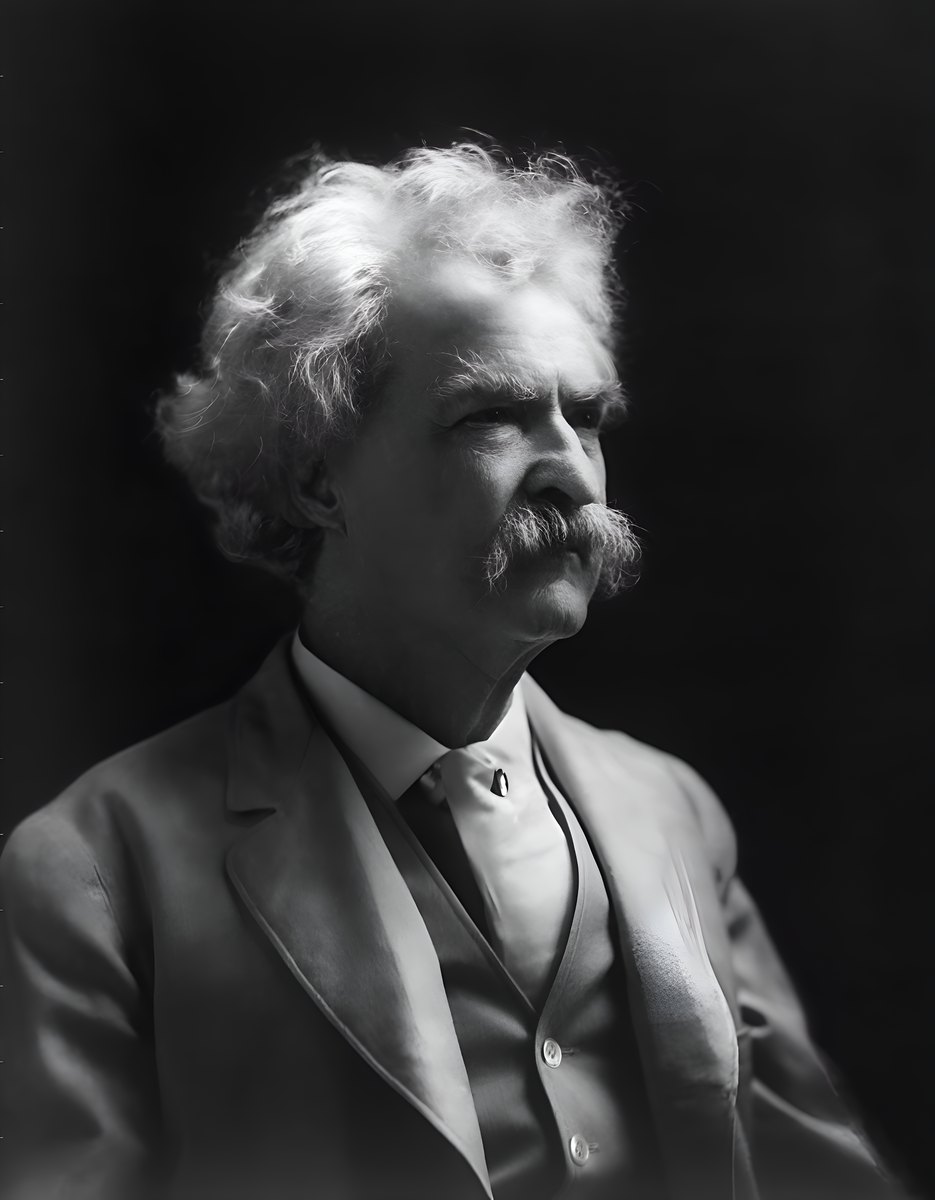
SECTION 1: LIFE AND TIMES — A TIMELINE 1835 — Samuel Langhorne Clemens (Mark Twain) born in Florida, Missouri 1839 — Family moves to Hannibal, Missouri, the town that later inspired St. Petersburg in his fiction 1847 — Father, John Marshall Clemens, dies; Sam leaves school to work as a printer's apprentice 1851 — Begins working for his brother Orion's newspaper in Hannibal 1857 — Begins training as a Mississippi River steamboat pilot 1859 — Earns his steamboat pilot's license 1861 — Civil War halts river traffic, ending his piloting career; briefly joins a Confederate militia unit before heading west with Orion to Nevada Territory 1862 — Begins working as a journalist in Virginia City, Nevada 1863 — First uses the pen name "Mark Twain" 1865 — "The Celebrated Jumping Frog of Calaveras County" published, bringing him national attention 1867 — Travels to Europe and the Holy Land aboard the Quaker City, forming the basis for "The Innocents Abroad" 1869 — "The Innocents Abroad" published 1870 — Marries Olivia (Livy) Langdon 1871 — Moves to Hartford, Connecticut 1872 — "Roughing It" published 1873 — "The Gilded Age: A Tale of Today" (co-written with Charles Dudley Warner) published 1876 — "The Adventures of Tom Sawyer" published 1880 — "A Tramp Abroad" published 1881 — "The Prince and the Pauper" published 1883 — "Life on the Mississippi" published 1884 — "Adventures of Huckleberry Finn" published in the UK (US edition followed in 1885) 1889 — "A Connecticut Yankee in King Arthur's Court" published 1894 — "The Tragedy of Pudd'nhead Wilson" published; Twain's publishing company goes bankrupt 1896 — Daughter Susy dies; "Tom Sawyer, Detective" published 1897 — "Following the Equator" published 1904 — Wife Olivia (Livy) dies 1909 — Daughter Jean dies 1910 — Dies in Redding, Connecticut, on April 21
SECTION 2: COMPLETE BIBLIOGRAPHY Novels The Gilded Age: A Tale of Today (1873, with Charles Dudley Warner) The Adventures of Tom Sawyer (1876) The Prince and the Pauper (1881) Adventures of Huckleberry Finn (1884/1885) A Connecticut Yankee in King Arthur's Court (1889) The American Claimant (1892) The Tragedy of Pudd'nhead Wilson (1894) Tom Sawyer Abroad (1894) Tom Sawyer, Detective (1896) Personal Recollections of Joan of Arc (1896) The Mysterious Stranger (published posthumously, 1916)
Short Stories / Story Collections The Celebrated Jumping Frog of Calaveras County, and Other Sketches (1867) The £1,000,000 Bank-Note and Other New Stories The Man That Corrupted Hadleyburg, and Other Stories and Essays (1900) A Double Barrelled Detective Story (1902)
Travel Writing / Non-Fiction The Innocents Abroad (1869) Roughing It (1872) A Tramp Abroad (1880) Life on the Mississippi (1883) Following the Equator (1897)
Autobiography / Memoir Autobiography of Mark Twain (published posthumously, beginning 1924, with a complete scholarly edition released 2010–2015)
Essays and Other Non-Fiction What Is Man? (1906) Christian Science (1907) Letters from the Earth (published posthumously, 1962) Various essays on politics, imperialism, and social issues published in periodicals throughout his career
SECTION 3: HISTORICAL CONTEXT Mark Twain's life (1835–1910) spanned one of the most transformative eras in American history. He was born the same year Halley's Comet appeared and grew up in Hannibal, Missouri, a slaveholding river town, giving him direct childhood exposure to slavery that would later shape works like "Adventures of Huckleberry Finn." His young adulthood as a steamboat pilot on the Mississippi ended abruptly with the outbreak of the Civil War in 1861, which shut down commercial river traffic. Twain's subsequent move west to Nevada and California placed him amid the mining boom and rapidly developing frontier journalism scene that shaped his early comic writing. By the time he reached literary fame in the late 1860s and 1870s, the country was in the throes of Reconstruction and the "Gilded Age," a term he himself coined with Charles Dudley Warner to describe an era of rapid industrialization, political corruption, and stark economic inequality.
"Tom Sawyer, Detective," published in 1896, came late in Twain's career, during a period of significant personal and financial hardship. His publishing company, Charles L. Webster and Company, had gone bankrupt in 1894, leaving Twain deeply in debt, and he undertook an exhausting round-the-world lecture tour in 1895–1896 to repay his creditors. His daughter Susy died in August 1896, shortly after the novel's publication, while Twain and his wife were still abroad. The book itself, a lighter detective tale featuring the familiar characters of Tom and Huck, was explicitly framed by Twain as based on an actual Swedish criminal case he had read about, transplanted to an American rural setting — a device that let him continue mining the nostalgic, pre-war Mississippi River world of his youth even as his own life had become increasingly turbulent and modern industrial America had moved further from that setting.
The broader 1890s were marked by economic depression following the Panic of 1893, rising labor unrest, and continued debates over race and Reconstruction's legacy in the South, the same social terrain his earlier and more serious works had engaged with directly. While "Tom Sawyer, Detective" is a comparatively minor, commercially motivated work written partly to capitalize on the popularity of his earlier Tom Sawyer and Huckleberry Finn novels, its setting on Uncle Silas's Arkansas farm and its return to Huck's voice reflect Twain's lifelong preoccupation with the antebellum South of his childhood, even as he wrote it from a position of considerable personal distance — financially strapped, living abroad, and increasingly disillusioned with contemporary American society, a disillusionment that would grow more pronounced in his darker late-career writing.
SECTION 1: KEY LOCATIONS Aunt Polly's House (St. Petersburg, Missouri) Real-world equivalent: Hannibal, Missouri (Twain's fictional stand-in town, also used in "Tom Sawyer" and "Huckleberry Finn") Description: The novel opens on Aunt Polly's front steps at sundown, where Tom and Huck sit moping with spring fever. It's here that Aunt Polly delivers the letter from Aunt Sally in Arkansas asking Tom and Huck to visit. Significance: Functions as the story's launching point. The invitation received here sets the entire plot in motion, sending the boys down the Mississippi toward Uncle Silas's farm.
The Mississippi River / The Steamboat Real-world equivalent: The Upper and Lower Mississippi River, the working waterway Twain knew intimately from his piloting years Description: Tom and Huck travel almost a thousand miles by steamboat without changing boats, sharing the journey with a mysterious fellow passenger, "Phillips," who never removes his boots. The riverboat is described as lonesome, slow-moving, and prone to running aground. Significance: This is where Tom and Huck discover that "Phillips" is actually Jake Dunlap, and where Jake narrates the theft of the diamonds and his double-cross of his partners — the backstory that drives the entire mystery.
The Tavern Room (a small Missouri river town) Real-world equivalent: A generic small landing-town tavern on the Upper Mississippi, "high up toward Iowa," not a real named place Description: Jake, Hal Clayton, and Bud Dixon take a shared room with a cot and double bed above a tavern while the steamboat's machinery is being repaired. It's here that the diamonds are hidden in a boot heel and Jake gives his partners the slip. Significance: The scene of Jake's escape from his double-crossed partners, setting up the pursuit that leads to the murder in the woods.
Uncle Silas's Farm (Arkansas) Real-world equivalent: A composite of rural farm life along the Mississippi in Arkansas; not tied to one specific real location Description: A modest log farmhouse with a "roofed big passageway betwixt the double log house and the kitchen part," surrounded by a big yard, a tobacco field, and a watermelon patch. Uncle Silas is a poor, well-meaning preacher-farmer whose household is under strain from the feud with neighbor Brace Dunlap. Significance: The central setting for most of the book — home to the family at the heart of the mystery, the site of Silas's breakdown, and ultimately the courtroom-like gathering where Tom exposes the culprits.
The Sycamore Grove Real-world equivalent: Fictional; a stand of trees along the river road near Uncle Silas's farm Description: A "lonesome place" behind Uncle Silas's tobacco field where Jake Dunlap arranges to hide and wait. It becomes the scene of his murder, glimpsed by Tom and Huck from hiding in the tobacco field as men rush in and screams are heard. Significance: The murder scene and the story's central crime; later, when Tom and Huck return, the body has vanished, deepening the mystery and confirming that the diamonds are still hidden in the (missing) corpse's boots.
The Prairie's Edge / Woods Real-world equivalent: Fictional woodland and prairie bordering the farm Description: A lovely, sunlit stretch of hills and open prairie that Tom and Huck cross the morning after the murder. It's here they spot a figure sitting on a log — who turns out not to be a ghost but Jake Dunlap himself, alive and disguised as a deaf-mute. Significance: The turning point of the mystery: the "ghost" sighting that convinces the boys Jake survived, reframing the entire investigation around who was actually killed.
Brace Dunlap's Property Real-world equivalent: Fictional, a neighboring farm about a mile from Uncle Silas's, in keeping with the story's remark that farms in the area sit roughly a mile apart Description: Home of the wealthy, resentful neighbor Brace Dunlap, who later houses the disguised "Dummy" (Jake) in a log cabin on his land and claims to be his only interpreter. Significance: Brace Dunlap's grudge against Uncle Silas (over his rejected marriage proposal to Benny) supplies the motive for the frame-up that nearly gets Silas convicted of murder.
SECTION 2: DESCRIPTIVE GEOGRAPHY The novel's world is built around the Mississippi River as both a physical presence and a narrative artery: the story moves from the river town of St. Petersburg, Missouri, southward nearly a thousand miles down the Upper and Lower Mississippi to a poor farming district in Arkansas. This is Twain's familiar fictional geography — the same stretch of river and riverbank life that runs through "Tom Sawyer" and "Huckleberry Finn" — rendered through Huck's plain, sensory voice: smoky-looking timber along distant points, wide bends of brown water, and small landing towns strung along the banks. The steamboat itself becomes a self-contained world of staterooms, decks, and wood-stops, isolated and claustrophobic despite the open river around it, which is exactly what makes Jake Dunlap's shipboard deception and escape possible.
Once the story settles at Uncle Silas's farm, the landscape narrows to a close rural setting of log farmhouses, tobacco and watermelon fields, dirt roads, and patches of woods and prairie — humid, late-summer Arkansas country with sudden violent storms (a key plot device, since a nighttime storm washes away evidence at the murder scene). The isolation of the farm — neighbors living roughly a mile apart, with woods and lonesome groves like the sycamores providing cover for crime — is essential to the plot: it allows a body to disappear without witnesses, a "ghost" to be sighted in broad daylight prairie, and a disguised man to live undetected among people who think they know him. The physical world is small and known to its characters, which is precisely why misdirection, disguise, and superstition (the ghost story) can work so effectively within it — everyone assumes they understand their own neighborhood, and Tom's detective work depends on seeing what that familiarity has caused them to overlook.