1. How does Mark Twain develop the emotional impact of the climax throughout the story?
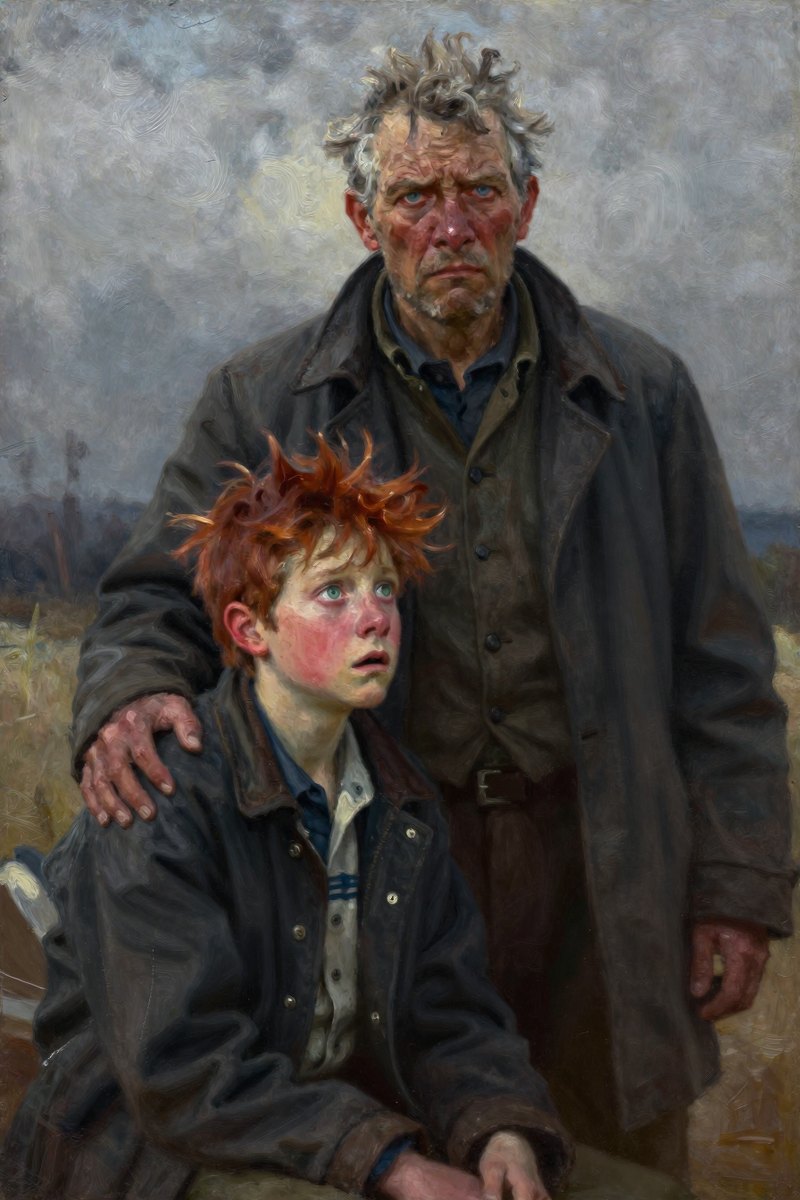
Answer: Twain builds toward the courtroom climax by planting Wilson's fingerprint hobby early as a source of town mockery, so that its vindication in the trial carries the full weight of Wilson's twenty-three years of being dismissed as a "pudd'nhead." The murder of Judge Driscoll and the false accusation of the Italian twins raise the stakes, and Twain intensifies the scene by having Wilson dramatically walk the jury and spectators through the fingerprint evidence step by step, culminating in the shocking reveal that "Tom" is really Roxy's son and the true murderer.
2. What questions does the secondary characters raise for you as a reader?
Answer: Characters like Roxy, the Italian twins Luigi and Angelo, and Judge Driscoll raise questions about how much of identity is inherited versus shaped by upbringing and social position. Roxy in particular forces the reader to ask what a mother owes her child versus what she owes justice and truth, especially once she realizes the "gentleman" she raised has become cruel and cowardly.
3. How does Mark Twain develop the closing chapter throughout the story?
Answer: The Conclusion resolves the mystery efficiently, revealing the practical and social fates of the characters now that the switched identities have been exposed: the real heir, long treated as a slave, is restored to his blood status but is left unfit for freedom, while "Tom" (Roxy's biological son) is sold down the river after being convicted. Twain uses this brisk wrap-up to underscore the irony that unmasking the truth does not undo the damage slavery and false upbringing have already caused.
4. In what way does the author's use of humor shape the reader's experience of the book?
Answer: Twain uses the wry, aphoristic epigraphs from "Pudd'nhead Wilson's Calendar" at the start of each chapter to inject dark, ironic humor that comments on the action to come. This satirical voice lets Twain criticize the town's small-mindedness and hypocrisy about race and status while keeping the narrative entertaining rather than purely grim.
5. How does Mark Twain develop the ethical questions the story raises throughout the story?
Answer: From the opening chapters, Twain sets up the central ethical dilemma through Roxy's switching of her son with her master's infant to save him from slavery, forcing readers to weigh a mother's protective love against the deception and harm it eventually causes. As the swapped "Tom" grows into a cruel, ungrateful young man, Twain deepens the question of whether nurture in a corrupt slaveholding society can override any inherited nature, indicting the institution itself rather than the individuals caught in it.
6. What questions does the relationships between characters raise for you as a reader?
Answer: The relationship between Roxy and Tom raises questions about what a parent can expect from a child once that child has been raised to see himself as superior to the very people who love him. The bond and eventual estrangement between the twins and the townspeople they befriend also raises questions about how quickly community trust can turn to suspicion when someone is deemed an outsider.
7. Why is the secondary characters important to understanding "The Tragedy of Pudd'nhead Wilson"?
Answer: Secondary characters like the twins and Judge Driscoll give Twain vehicles to explore themes of honor, reputation, and outsider status in Dawson's Landing, since their treatment by the town mirrors and contrasts with how Wilson himself is judged. Their presence also drives the plot mechanically, since their arrival, trial, and near-conviction are what ultimately force the fingerprint evidence—and the truth about the switched identities—into the open.
8. How does Mark Twain develop the external obstacles the characters face throughout the story?
Answer: Twain builds obstacles through the rigid social order of Dawson's Landing, where reputation, debt, and slave status constrain what any character can do; Tom's gambling debts and Roxy's vulnerability as a freed slave who can still be sold both stem from this system. The false murder accusation against the twins is the culminating external obstacle, one that only Wilson's outsider expertise in fingerprinting can overcome.
9. How does Mark Twain develop the central conflict throughout the story?
Answer: The central conflict begins with Roxy's act of switching her son with the master's son in the cradle, a secret that quietly shapes the town's entire social fabric for over twenty years. Twain lets this deception simmer beneath ordinary town life until it erupts in Judge Driscoll's murder, at which point the conflict shifts from a hidden domestic secret to a public legal reckoning.
10. What questions does the ethical questions the story raises raise for you as a reader?
Answer: The novel's treatment of Roxy's switch invites the reader to ask whether an unjust system can ever be resisted through individual deception without perpetuating harm elsewhere. It also raises the question of whether legal "justice," once done, actually repairs anything, since restoring the true heir to his identity leaves him miserable and ill-equipped for the life he's "returned" to.
11. How does Mark Twain develop the setting throughout the story?
Answer: Twain opens with a detailed, almost idyllic portrait of Dawson's Landing as a sleepy Mississippi River town of whitewashed homes and gardens, then immediately undercuts that charm by identifying it as a slaveholding community. This tension between surface tranquility and underlying injustice runs through the whole book, with the river itself later becoming a threatening setting once Roxy and Tom are each, at different points, at risk of being sold "down the river."
12. How does Mark Twain develop the symbolism in the story throughout the story?
Answer: Fingerprints serve as Twain's central symbol of unchangeable, individual truth in a town obsessed with appearances and inherited status—no matter how identities are swapped or disguised, the fingerprints remain constant and eventually expose the deception. The cradle-switching itself symbolizes the arbitrary and constructed nature of racial and social hierarchy, since a sw1. How does Mark Twain develop the emotional impact of the climax throughout the story?
Answer: Twain builds toward the courtroom climax by planting Wilson's fingerprint hobby early as a source of town mockery, so that its vindication in the trial carries the full weight of Wilson's twenty-three years of being dismissed as a "pudd'nhead." The murder of Judge Driscoll and the false accusation of the Italian twins raise the stakes, and Twain intensifies the scene by having Wilson dramatically walk the jury and spectators through the fingerprint evidence step by step, culminating in the shocking reveal that "Tom" is really Roxy's son and the true murderer.
PER-CHAPTER STUDY QUESTIONS
## Chapter 1: Pudd'nhead Wins His Name
**Q1. What can you say about a memorable scene in this chapter?**
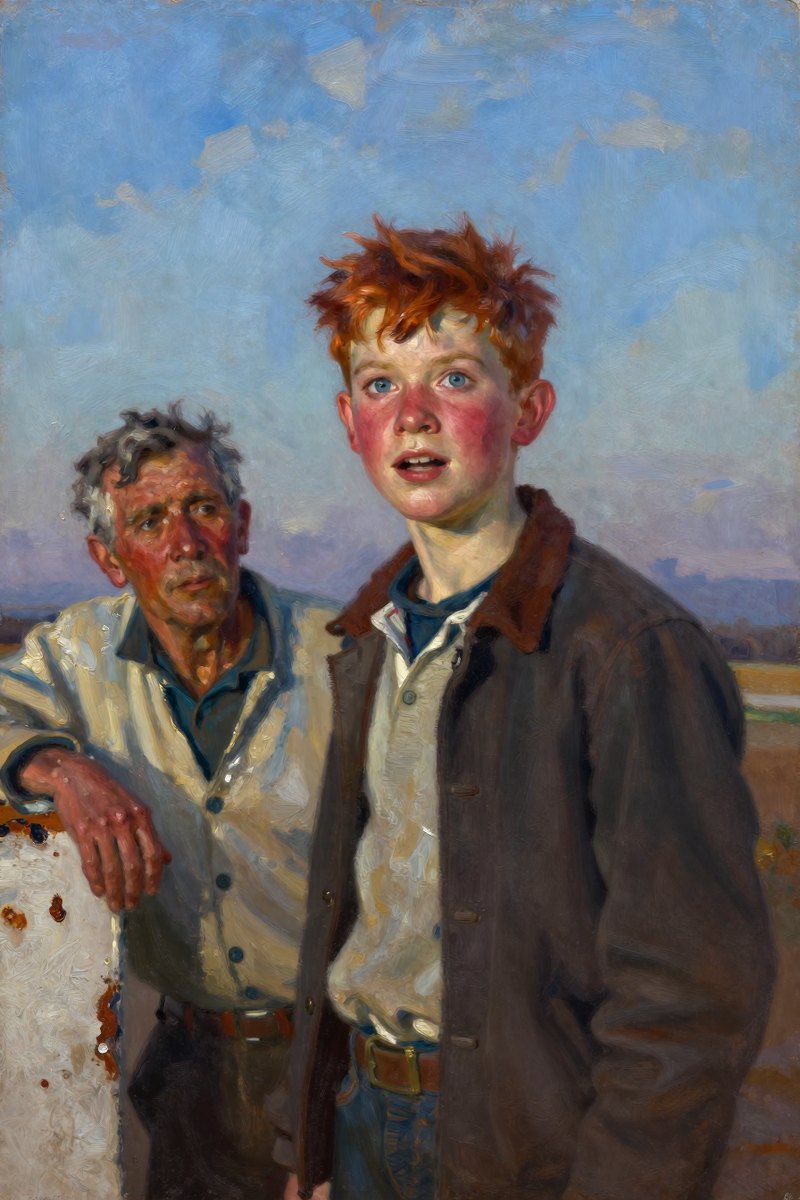
A1. The most memorable scene is young David Wilson's arrival in Dawson's Landing, when an unseen dog is yelping and he remarks, "I wish I owned half of that dog... Because I would kill my half." The baffled townsmen debate the remark so earnestly that within a week he loses his name and becomes "Pudd'nhead" for the next twenty years.
**Q2. What do you notice about the moral lesson of the story in "CHAPTER I."?**
A2. The chapter opens with the epigraph "Tell the truth or trump—but get the trick," which foreshadows a story built on deception used for survival. The chapter itself shows how quickly and unfairly a reputation can be fixed by a single misunderstood joke, a theme that will echo in how Roxana's and Tom's true identities are similarly hidden and misjudged.
**Q3. What questions does how this chapter connects to the chapter before it raise for you as a reader of this chapter?**
A3. Chapter I is the true start of the narrative proper, following only Twain's prefatory "Whisper to the Reader," so there is no preceding chapter of plot to connect to. The reader is left wondering how Wilson's absurd nickname and Roxana's newborn son, both introduced here, will eventually intersect.
**Q4. What do you notice about a surprising moment in this chapter in "CHAPTER I."?**
A4. The surprising moment is how instantly and permanently the town brands Wilson a fool based on one deadpan remark about the dog, with one citizen declaring, "if he ain't a pudd'nhead, I ain't no judge, that's all." It shows how little evidence a small town needs to fix a person's identity for decades.
**Q5. Why might the main characters matter to the chapter as a whole?**
A5. The chapter introduces Judge Driscoll, the town's proud and generous chief citizen, and Roxana, the enslaved woman who gives birth to her own son on the same day Percy Driscoll's wife bears "Tom." Wilson himself is introduced last, his nickname setting up the irony that the town's "fool" will later prove to be its cleverest citizen.
## Chapter 2: Driscoll Spares His Slaves
**Q1. How does Mark Twain handle an important object or symbol here?**
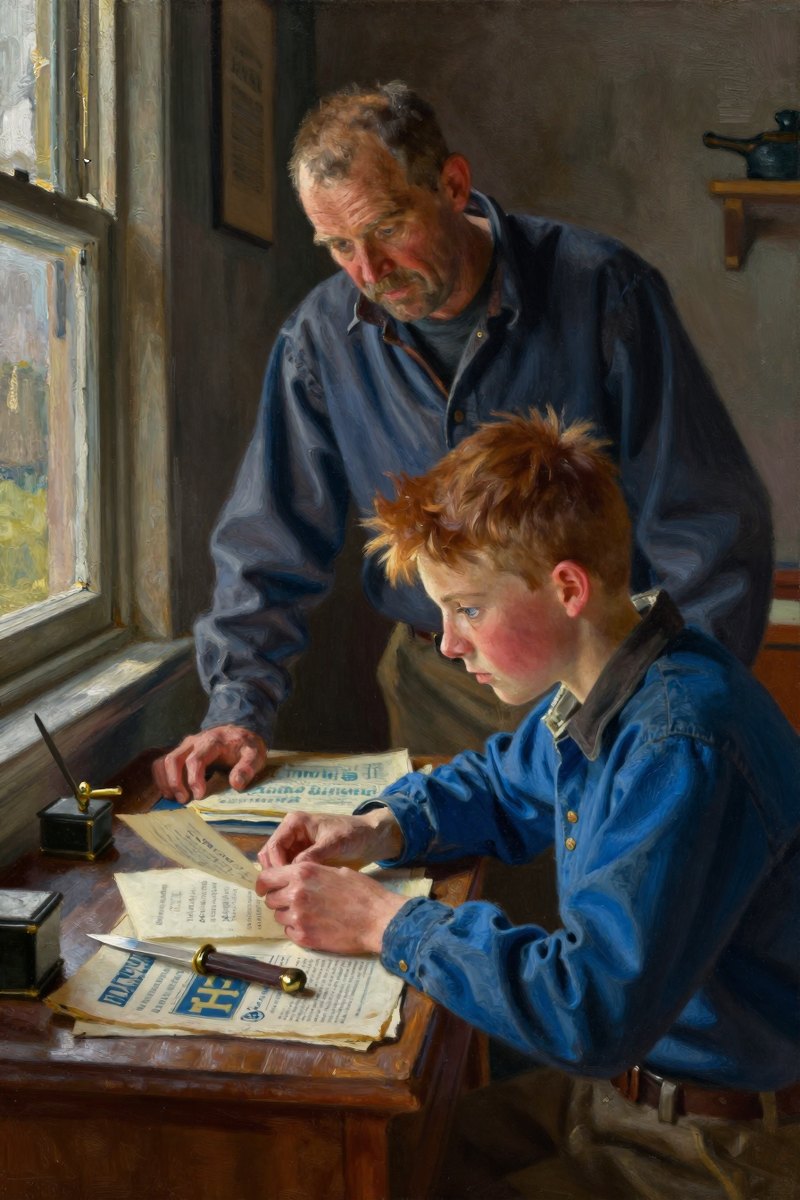
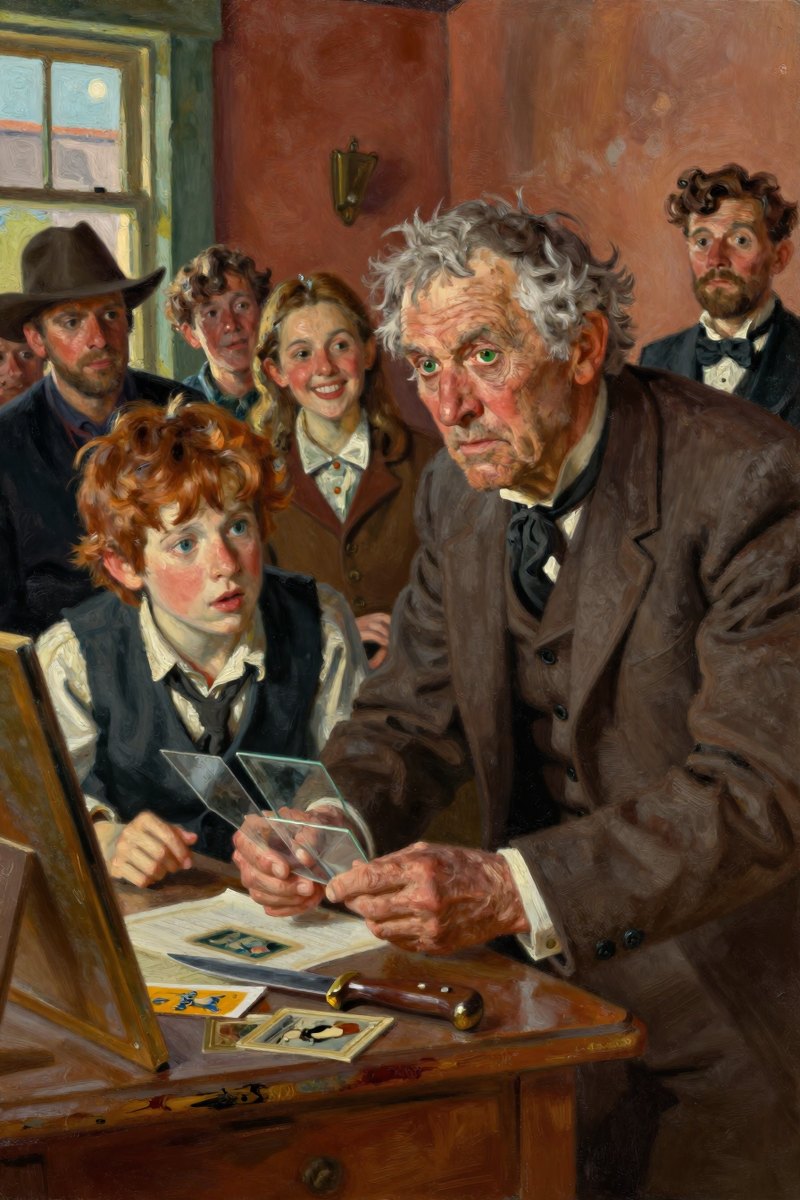
A1. Wilson's glass strips for recording finger-marks are introduced as his "fad without a name," and he takes the first prints of Roxy and both babies. This object, dismissed by the town as another sign of his foolishness, will become the very tool that solves the murder decades later.
**Q2. What do you notice about how this chapter connects to the chapter before it in "CHAPTER II."?**
A2. This chapter picks up two years after Wilson's arrival, showing his stalled law career and his quiet fingerprint hobby, directly following his introduction in Chapter I. It also introduces Roxana and the two babies more fully, setting the stage for the switch that occurs in the next chapter.
**Q3. How does a decision a character makes in this chapter compare to what happened in earlier chapters?**
A3. Percy Driscoll's decision to threaten to sell his household slaves "down the river" over a petty theft, then merely sell them locally when they falsely confess, mirrors the arbitrary power over life and reputation shown when the town instantly judged Wilson. In both cases, one person's snap judgment permanently alters others' fates.
**Q4. How does the emotional impact of the climax compare to what happened in earlier chapters?**
A4. Driscoll's threat to sell his slaves down the river terrifies Roxy far more than anything in Chapter I, planting the seed of dread that drives her drastic decision in the next chapter. This moment escalates the story's emotional stakes from comic misunderstanding to genuine terror.
**Q5. How does Mark Twain handle the author's use of foreshadowing here?**
A5. Wilson's fingerprint collecting is planted here almost as a throwaway eccentricity, and the narrator notes he takes "a couple of takings" specifically to build a series over years. This detail is a deliberate seed for the novel's eventual courtroom climax.
## Chapter 3: Roxy Plays a Shrewd Trick
**Q1. Why might the author's use of foreshadowing matter to the chapter as a whole?**
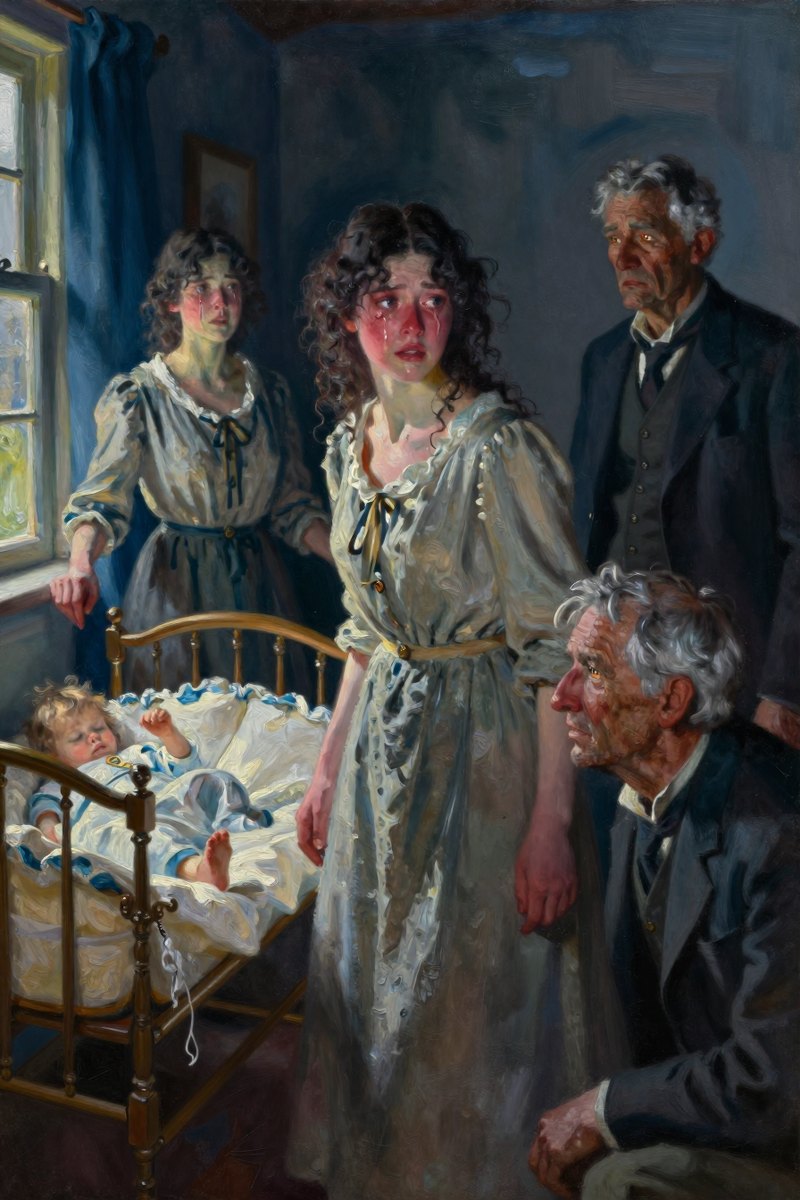
A1. The chapter's central act—Roxana switching her son with Thomas à Becket Driscoll in the cradle—is the pivotal event that the entire rest of the novel unfolds from. Twain foreshadows the eventual undoing of the switch by having Roxy specifically worry about Wilson's "ornery glasses," setting up his fingerprint records as the instrument of exposure.
**Q2. Why might the author's use of humor matter to the chapter as a whole?**
A2. Even in this dark chapter, Twain includes dark irony, as Roxy justifies the swap to herself by recalling a folk tale about a queen who did the same thing, reasoning "'Tain't no sin—white folks has done it!" This wry logic softens the horror of the scene while underscoring Twain's critique of a society that has taught even its victims to view identity as an arbitrary matter of clothing and custom.
**Q3. What do you notice about the closing chapter in "CHAPTER III."?**
A3. Chapter III ends with Roxy successfully testing her disguise on Wilson, who "discovered nothing" when he re-took the children's fingerprints, and she goes home "jubilant." This closes the chapter on a note of triumphant deception that the reader knows cannot last.
**Q4. What can you say about the reader's emotional response in this chapter?**
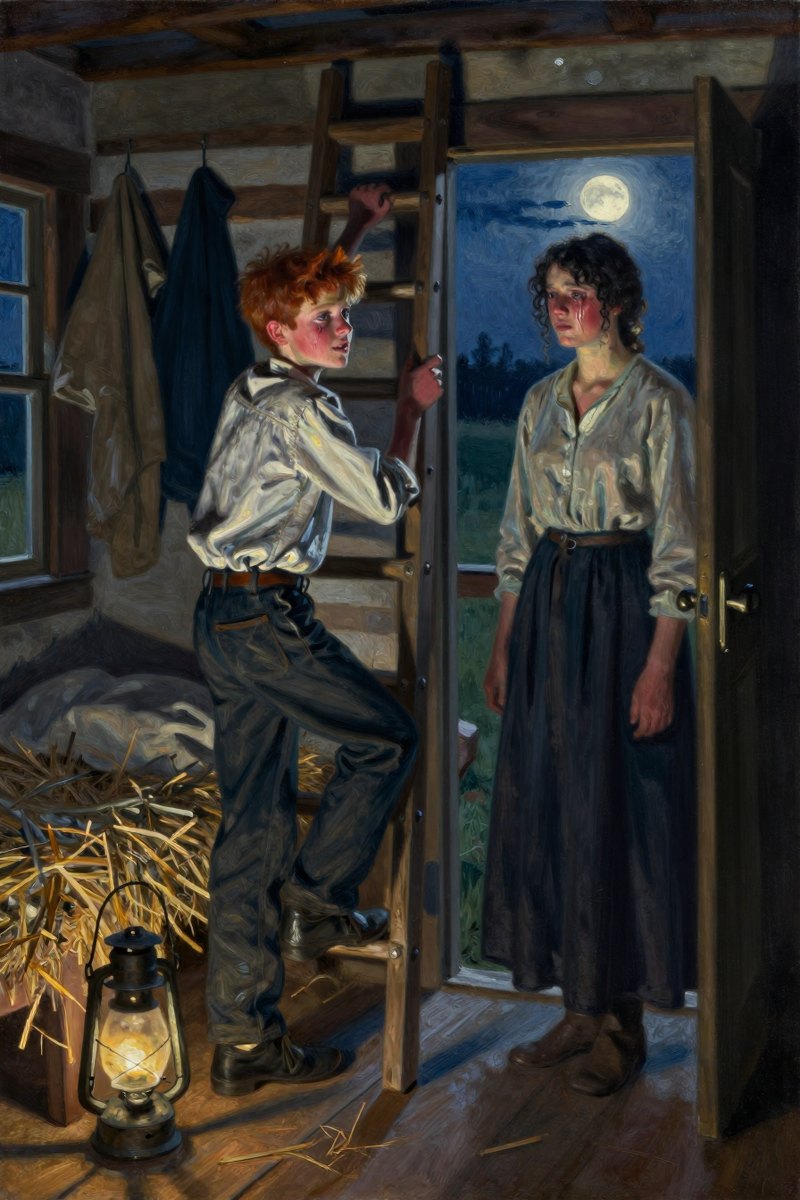
A4. The reader is likely to feel torn between horror at Roxy's plan to drown herself and her baby and sympathy for the desperation that drives her to it, since she acts only after Percy Driscoll threatens to sell his slaves down the river. Her decision to switch the babies instead evokes both relief and unease, since the reader senses the deception will have lasting consequences.
**Q5. Why might the symbolism in the story matter to the chapter as a whole?**
A5. Roxy's decision to dress in her best "Sunday gown" before her planned suicide, and then to dress her own baby in Tom's fine baby-clothes, symbolizes how completely identity in this world is determined by appearance and clothing rather than by blood. The ease with which "clo'es" transform one child into the master and the other into the slave anticipates the novel's larger argument about the artificiality of racial hierarchy.
## Chapter 4: The Ways of the Changelings
**Q1. What questions does the protagonist's internal struggles raise for you as a reader of this chapter?**
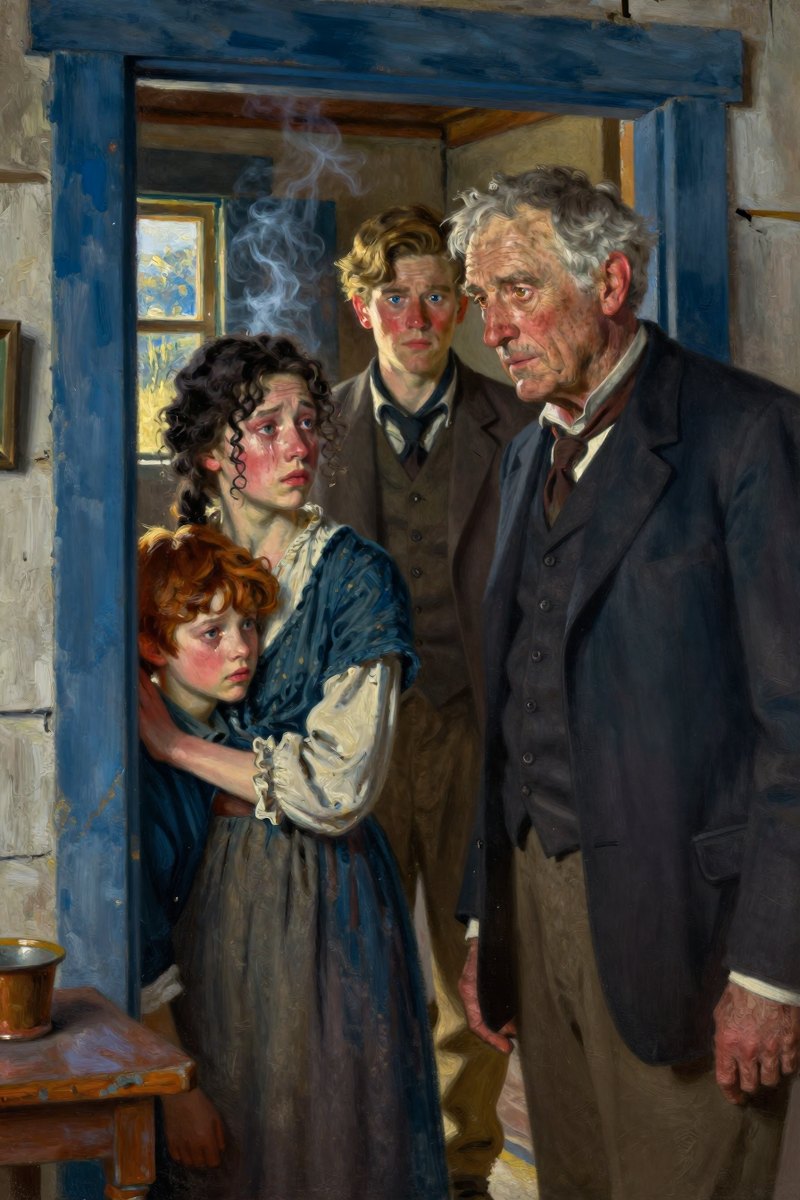
A1. As the false "Tom" grows into a cruel, indulged child while the real heir "Chambers" becomes his abused servant, the reader is prompted to ask how much of a person's character is shaped by the privileges or abuses of their upbringing. Twain shows that even loving mothers, like Roxana, can become the "dupe of her own deceptions" once forced to play a role long enough.
**Q2. How does a memorable scene compare to what happened in earlier chapters?**
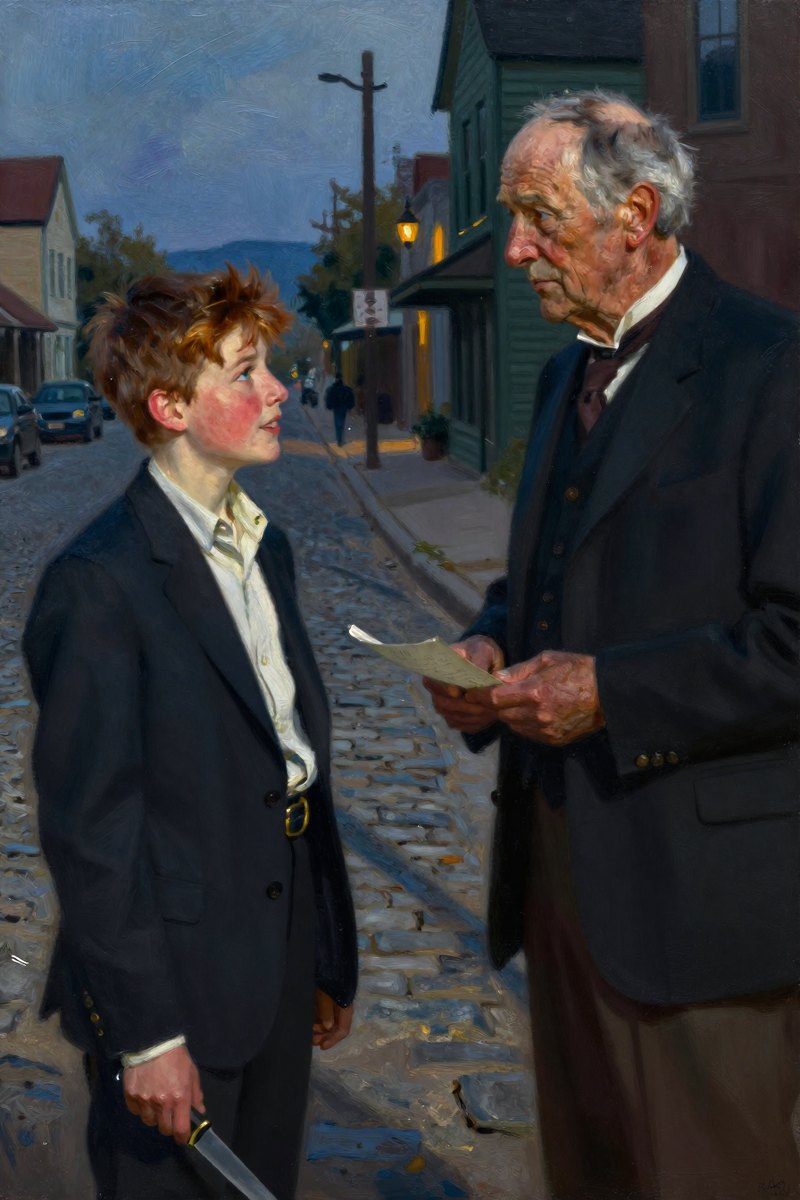
A2. The memorable scene where Tom stabs Chambers with a pocket-knife after Chambers saves his life from a mock cramp is a much darker escalation than any conflict in earlier chapters. It shows how far Tom's cruelty has developed since infancy, when Roxy first noted only that he was "fractious."
**Q3. What questions does the opening chapter raise for you as a reader of this chapter?**
A3. Chapter I's introduction of the two babies born on the same day invites the reader to compare their fates here, where the switch has fully taken hold and shaped both boys' personalities. The reader may wonder whether the "real" Tom would have grown up differently had the switch never occurred.
**Q4. How does Mark Twain handle any conflict introduced in this chapter here?**
A4. The conflict between Tom and Chambers, and between Roxy and her increasingly cruel "master" son, builds steadily across years of boyhood incidents—stolen fruit, ruined skating trips, and knotted wet shirts—until it erupts in violence. Twain resolves the immediate crisis with Percy Driscoll's death, which frees Roxy and transfers Tom's guardianship to Judge Driscoll.
**Q5. How does Mark Twain handle an important object or symbol here?**
A5. Tom's pocket-knife, used to stab Chambers, is a small but ominous symbol of the violence festering beneath Tom's polished exterior. It anticipates the far more consequential knife—the Indian dagger—that will appear later in the novel as the literal murder weapon.
## Chapter 5: The Twins Thrill Dawson's Landing
**Q1. How does the protagonist's internal struggles compare to what happened in earlier chapters?**
A1. Tom's internal struggle in this chapter is subtler than his overt cruelty in Chapter IV; he returns from Yale polished but secretly gambling and drinking, hiding his vices from his uncle. This quieter, concealed corruption sets up the larger deceptions and debts that will drive the plot forward.
**Q2. What do you notice about the pivotal turning point in "CHAPTER V."?**
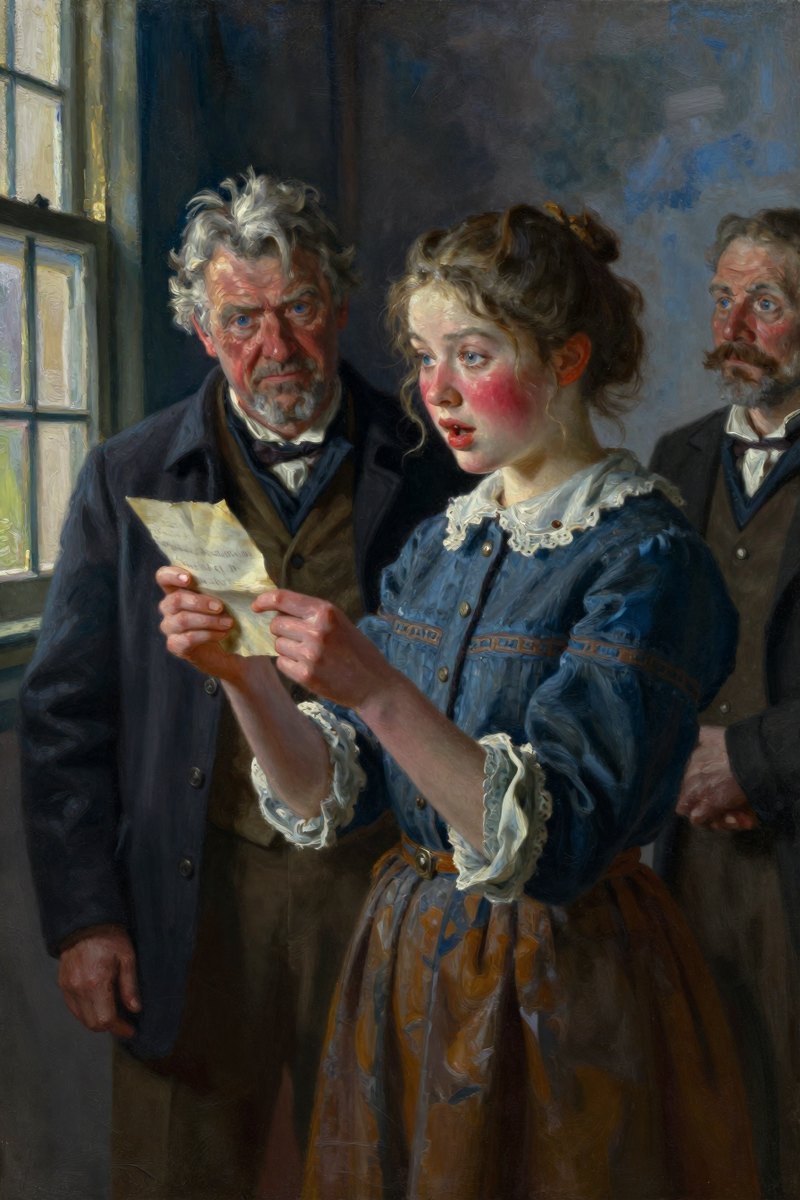
A2. The pivotal turning point is the arrival of the Italian twins, Luigi and Angelo Capello, whose letter to Aunt Patsy Cooper throws the sleepy town into excitement. Their arrival introduces the characters whose presence will eventually become entangled in the murder plot.
**Q3. What do you notice about the historical context of the story in "CHAPTER V."?**
A3. The chapter notes that Judge Driscoll retired from the bench in 1850 and is now president of the town's two-member "Free-thinkers' Society," reflecting the small, insular world of antebellum Missouri river towns. This context of provincial pride and rigid social ranking will matter greatly once the twins' foreign titles unsettle the town's assumptions.
**Q4. What can you say about what changes by the end of this chapter in this chapter?**
A4. By the chapter's end, the once-quiet town has been transformed by anticipation, with neighbors flocking to the Cooper house all day to hear the twins' letter read aloud. Dawson's Landing's dull isolation has cracked open, exposing its hunger for connection to "the dim great world."
**Q5. How does Mark Twain handle a minor character's contribution here?**
A5. Aunt Patsy Cooper and her daughter Rowena, minor but vividly drawn characters, provide the domestic lens through which the reader experiences the twins' glamorous arrival. Rowena's breathless excitement over "Real Nobility" comically illustrates the town's provincial fascination with rank and travel.
## Chapter 6: Swimming in Glory
**Q1. How does Mark Twain handle the setting here?**
A1. Twain sets the chapter almost entirely within the Cooper household, using the crowded parlor reception to show the whole town's social fabric on display as neighbors file past to shake the twins' hands. The setting emphasizes how small and starved for novelty Dawson's Landing is.
**Q2. What questions does the author's use of humor raise for you as a reader of this chapter?**
A2. Twain's gentle satire of the townspeople fumbling over how to address a "Count"—stammering "My lord" or "Your lordship"—raises questions about how easily ordinary people are dazzled by titles they don't understand. It invites the reader to consider how much of social status is genuine merit versus performance and costume.
**Q3. How does the story's structure compare to what happened in earlier chapters?**
A3. Unlike the darker, more private scenes of Roxy's switch and Tom's cruelty, this chapter is structured as a comic set-piece of small-town spectacle, giving the narrative a lighter interlude before darker events resume. The structure briefly shifts focus away from Tom and Roxy entirely.
**Q4. How does the antagonist's role compare to what happened in earlier chapters?**
A4. Tom does not appear in this chapter at all, which is a notable shift from his central role in Chapters III and IV; his absence lets the twins' introduction unfold without his corrupting presence. This sets up a sharper contrast when he does reenter the story and immediately clashes with them.
**Q5. What do you notice about the moral lesson of the story in "CHAPTER VI."?**
A5. Rowena's realization that she now understands "the real meaning of that great word Glory" gently mocks the shallow social ambitions of the townspeople. Twain suggests that admiration for the twins says less about their true worth than about the town's own vanity and need for validation.
## Chapter 7: The Unknown Nymph
**Q1. What do you notice about the setting in "CHAPTER VII."?**
A1. The chapter's key setting is the space between Wilson's house and Judge Driscoll's, where Wilson, up at dawn, glimpses a mysterious young woman practicing "steps, gaits and attitudes" in what is supposedly Tom Driscoll's bedroom. This narrow domestic setting becomes the source of a mystery that will haunt Wilson for the rest of the novel.
**Q2. What do you notice about the closing lines of this chapter in "CHAPTER VII."?**
A2. The chapter closes with Wilson still puzzling over the girl's identity while waiting for the twins to arrive at his house. This unresolved mystery is left dangling deliberately, since the reader (though not yet Wilson) will eventually learn the "girl" is Tom in disguise.
**Q3. What can you say about the pivotal turning point in this chapter?**
A3. The pivotal turning point is Wilson's sighting of the disguised figure in Tom's room, an event that plants the "mysterious girl" thread Wilson will chase fruitlessly for most of the book. It is also the reader's first hint that Tom has secrets involving disguise and deception.
**Q4. What can you say about the protagonist's growth in this chapter?**
A4. Wilson shows his careful, observant nature here, quietly testing Mrs. Pratt with questions about the household rather than asking directly about the girl. This scene reveals the detective-like patience that will eventually let him solve the murder.
**Q5. How does Mark Twain handle the narrative point of view here?**
A5. Twain filters the chapter through Wilson's curious but incomplete perspective, letting the reader share his confusion about the girl's identity rather than revealing the truth outright. This restricted point of view builds suspense that pays off much later in the novel.
## Chapter 8: Marse Tom Tramples His Chance
**Q1. How does Mark Twain handle the story's title here?**
A1. The chapter title refers to Tom's cruel rejection of Roxy when she returns, penniless, to ask for his help; he cuffs Chambers and coldly refuses Roxy a single dollar. Tom "tramples" not just Roxy's hopes but his own last chance at basic decency, foreshadowing his later crimes.
**Q2. How does Mark Twain handle the story's realism or its fantasy elements here?**
A2. The chapter is grounded in harsh social realism, following Roxy's years as a steamboat chambermaid, her financial ruin after a bank failure, and her humiliating return to beg from the son she raised. There are no fantastical elements; the drama comes entirely from economic and racial injustice.
**Q3. Why might the setting matter to the chapter as a whole?**
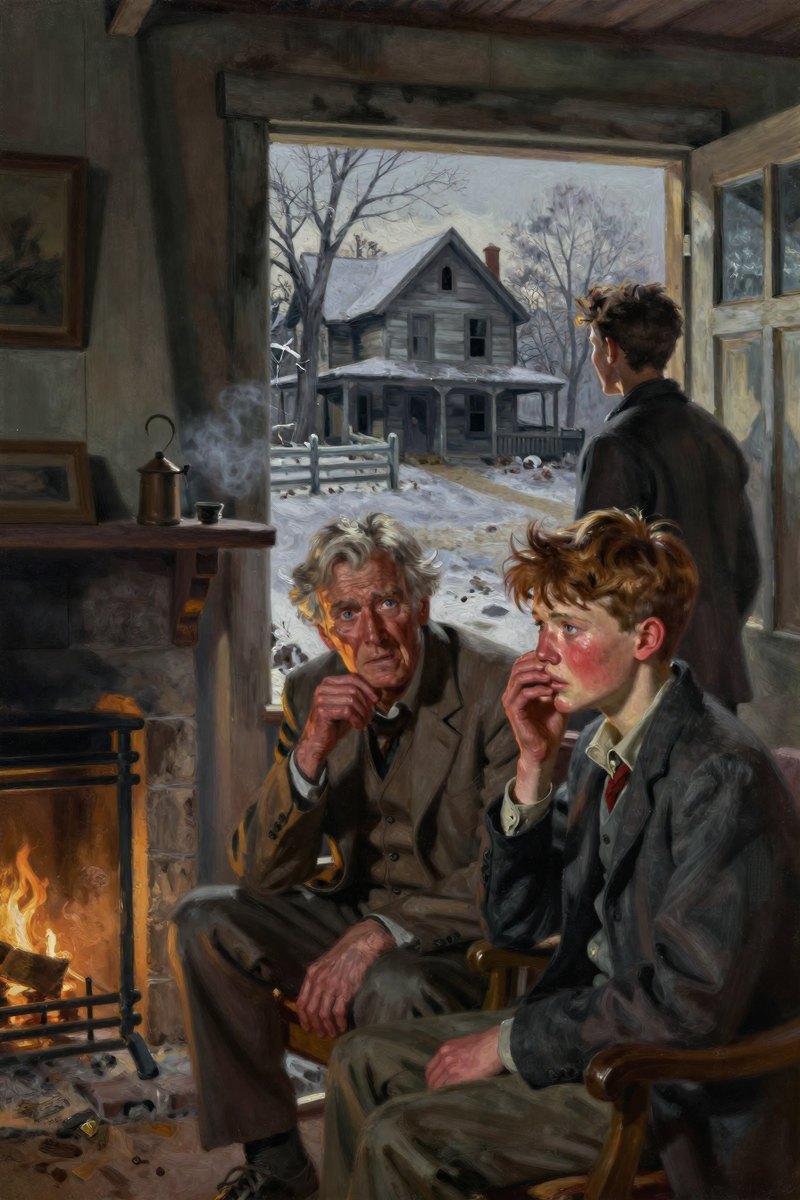
A3. The haunted house where Roxy tells Tom to meet her at night is a fitting, eerie setting for the secret she is about to reveal. Its abandoned, ruinous state mirrors the crumbling of Tom's assumed identity that is about to occur.
**Q4. What do you notice about the story's realism or its fantasy elements in "CHAPTER VIII."?**
A4. Twain grounds Roxy's steamboat years in specific, realistic detail—her promotion to head chambermaid, her four-dollar monthly savings, the bank's collapse—which makes her later desperation feel earned rather than melodramatic. This realism heightens the cruelty of Tom's rejection of her.
**Q5. Why might the story's themes matter to the chapter as a whole?**
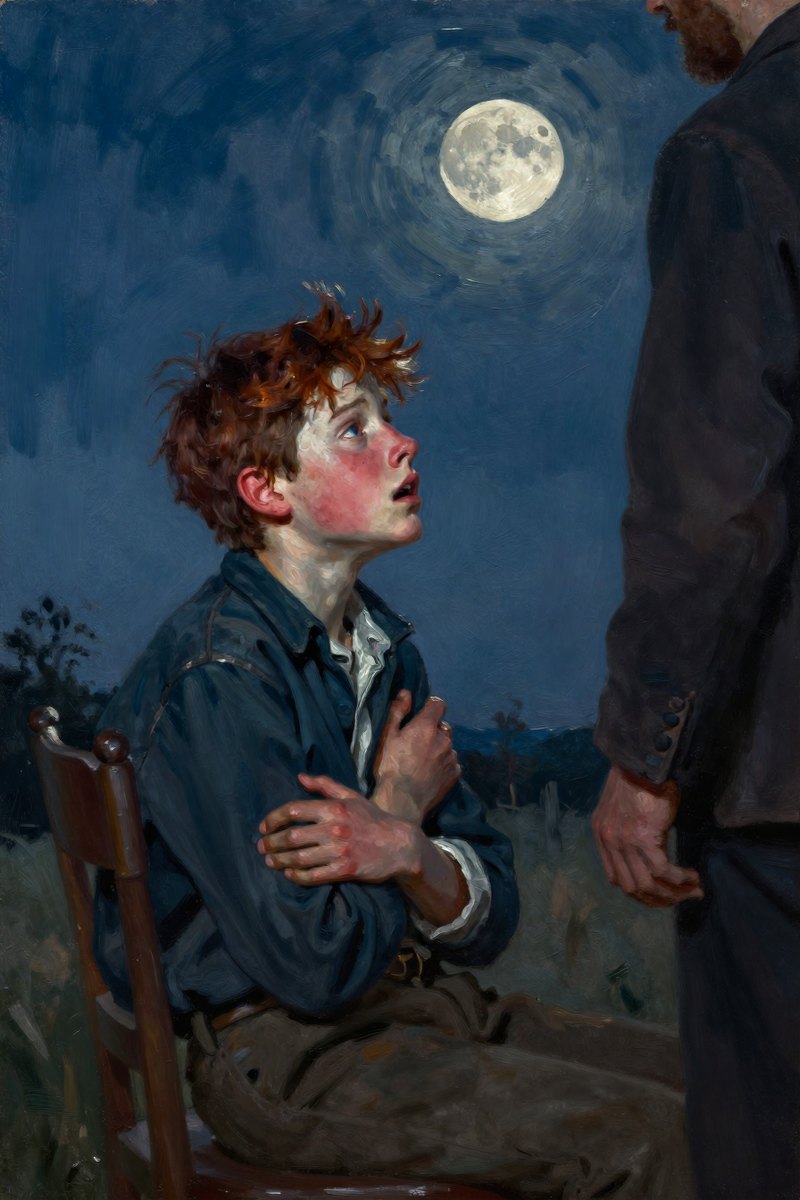
A5. The chapter's climax, where Roxy forces Tom to kneel and beg before she reveals anything, dramatizes the novel's theme of buried power reversing itself: the "heir of two centuries of unatoned insult and outrage looked down on him and seemed to drink in deep draughts of satisfaction." It previews the far greater reversal to come when she reveals his true identity.
## Chapter 9: Tom Practises Sycophancy
**Q1. How does Mark Twain handle the ethical questions the story raises here?**
A1. Roxy's revelation that Tom is "a nigger!—bawn a nigger en a slave!" forces both Tom and the reader to confront how arbitrarily the era's racial and social order was constructed. Twain does not resolve the ethical horror of the system; he simply lets Tom's shattered self-image expose its cruelty.
**Q2. How does the story's realism or its fantasy elements compare to what happened in earlier chapters?**
A2. This chapter continues the unglamorous realism of Chapter VIII, set in the same crumbling haunted house, with Roxy calmly negotiating money, debts, and threats rather than indulging in any melodrama. The scene's power comes from its matter-of-fact tone even as it upends Tom's entire identity.
**Q3. How does Mark Twain handle what changes by the end of this chapter here?**
A3. By the chapter's end, Tom has been forced to call Roxy "mammy," hand over half his pension, and confess his gambling debts and thefts, completely inverting their earlier power dynamic. The chapter closes with Roxy proudly revealing that Tom's biological father was Colonel Cecil Burleigh Essex, of the "First Families" of Virginia.
**Q4. What questions does the author's use of foreshadowing raise for you as a reader of this chapter?**
A4. Roxy's threatening lie that "all dis is down in writin'" to control Tom raises the question of how much of the power in their relationship rests on bluff and manipulation rather than truth. It also foreshadows Roxy's later, real leverage over Tom once she needs him to save her from being sold south.
**Q5. Why might the passage of time in the story matter to the chapter as a whole?**
A5. The chapter reveals that this secret has been buried for over twenty years, meaning Tom has lived his entire life under a false identity without any inkling of the truth. This long passage of time makes the revelation more devastating, since it undoes not just his fortune but his entire sense of self.
## Chapter 10: The Nymph Revealed
**Q1. Why might the dialogue between key characters matter to the chapter as a whole?**
A1. There is little dialogue in this chapter; instead, Twain gives Tom's tortured internal monologue as he processes learning he is "a nigger," repeatedly telling himself "I wish I was dead." This interior focus lets Twain show, rather than merely narrate, the psychological damage inflicted by a racist social order.
**Q2. What questions does the author's life and background raise for you as a reader of this chapter?**
A2. Twain's own upbringing in a slaveholding Missouri river town, much like Dawson's Landing, invites the reader to consider how closely observed his portrait of racial anxiety and self-loathing is. The chapter's unflinching psychological detail suggests Twain drew on real observations of how deeply this ideology could warp a person's self-image.
**Q3. How does the story's structure compare to what happened in earlier chapters?**
A3. After the dramatic revelation scene in Chapter IX, this chapter slows down to trace Tom's psychological aftermath before revealing, through a "long digression," that the disguised "girl" Wilson saw was Tom himself in disguise for a theft raid. The structure loops back to resolve the Chapter VII mystery.
**Q4. How does the reader's emotional response compare to what happened in earlier chapters?**
A4. Where Chapter IX produced shock at the revelation itself, this chapter is likely to produce a more complicated mix of pity and disgust, as Tom's genuine anguish curdles quickly back into his old selfish habits. Twain notes that "he dropped gradually back into his old frivolous and easy-going ways," undercutting any hope of real change.
**Q5. What questions does the author's intended audience raise for you as a reader of this chapter?**
A5. Twain's original readers, many living in a post-Reconstruction America grappling with segregation, would likely have felt the sting of Tom's internalized racism as a pointed critique of the "one-drop rule" itself. The chapter asks any audience to question a system where a person's entire self-worth could be redefined overnight by an ancestry no one could see.
## Chapter 11: Pudd'nhead's Startling Discovery
**Q1. Why might the main characters matter to the chapter as a whole?**
A1. This chapter brings together Wilson, the twins, and Tom for an evening of palmistry and finger-printing that both entertains and foreshadows the murder to come. Luigi's revelation that he once killed a man with his Indian knife to save his brother's life becomes crucial evidence and motive material later in the novel.
**Q2. How does a surprising moment in this chapter compare to what happened in earlier chapters?**
A2. The surprising moment—Luigi calmly admitting "I killed the man for good reasons, and I don't regret it"—is a much more dramatic revelation than anything in the preceding social chapters, and it plants suspicion of Luigi that the town later seizes upon. It contrasts with Tom's own secretive, cowardly nature, since Luigi openly owns his past violence.
**Q3. What can you say about the protagonist's growth in this chapter?**
A3. Wilson's palmistry demonstration shows his intellect finally being appreciated rather than mocked, as the twins treat his "science" with genuine respect. This small moment of validation anticipates his much larger vindication at the murder trial.
**Q4. What questions does the pivotal turning point raise for you as a reader of this chapter?**
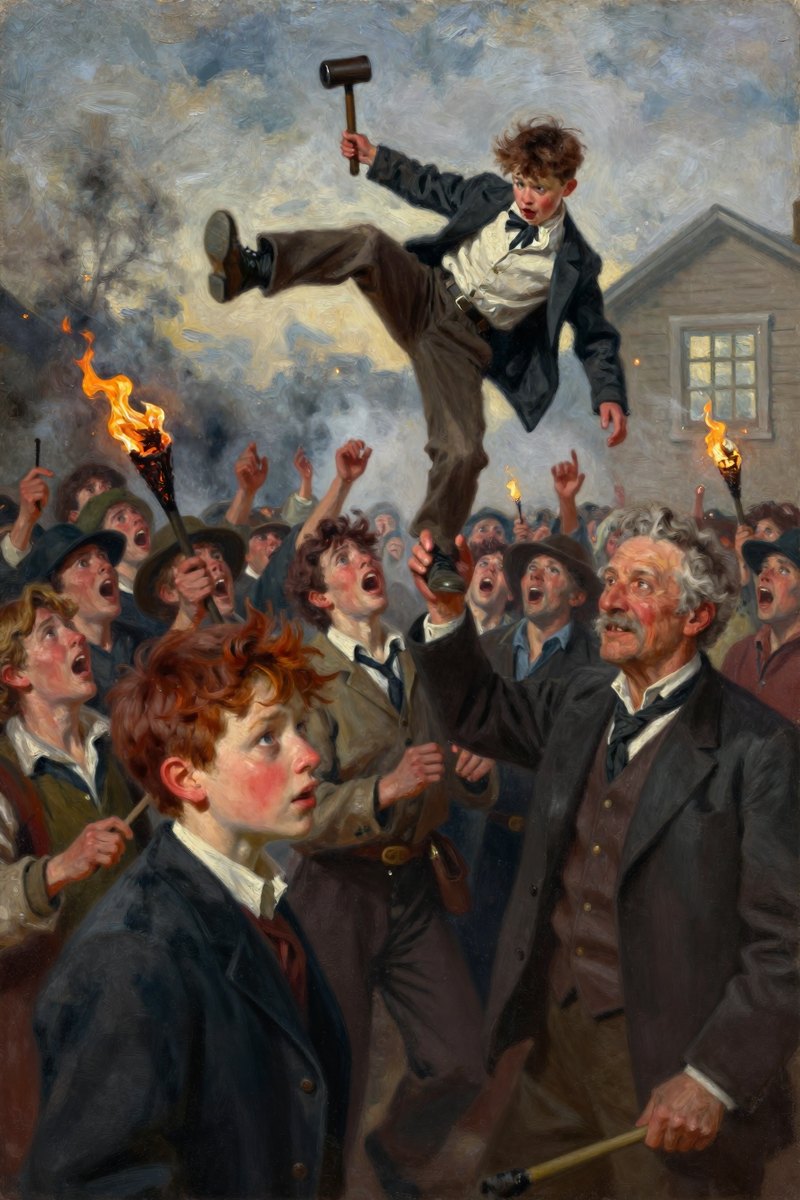
A4. The pivotal turning point—Tom's drunken public insult calling the twins a "human philopena" at the Sons of Liberty rally, and Luigi's furious retaliatory kick—raises the question of how a single act of humiliation can spiral into a duel, a murder, and a trial. The reader may wonder whether the entire tragedy could have been avoided if Tom had simply held his tongue.
**Q5. What questions does the moral lesson of the story raise for you as a reader of this chapter?**
A5. Wilson's Calendar epigraph about pleasing an author by asking to read his manuscript hints at Twain's broader theme of vanity and self-interest driving human behavior. The chapter's events—Tom's cruel joke, Luigi's violent response—suggest that pride, more than malice, is often the spark for disaster in this novel.
## Chapter 12: The Shame of Judge Driscoll
**Q1. How does Mark Twain handle the author's writing style here?**
A1. Twain's extended, ironic epigraph about the flea being "incomparably the bravest of all the creatures of God" sets a satirical tone for a chapter about misplaced honor and cowardice. The style undercuts the Southern code of honor even as the Judge and Howard take it with deadly seriousness.
**Q2. What questions does the pacing of the narrative raise for you as a reader of this chapter?**
A2. The rapid pacing—from the Judge's pride at hearing Tom was kicked, to his horror at learning Tom sued in court instead of fighting, to his tearing up the will—mirrors the emotional whiplash Tom himself experiences. The reader may wonder how many more times this cycle of disinheritance and forgiveness can repeat before it breaks permanently.
**Q3. Why might the author's intended audience matter to the chapter as a whole?**
A3. Twain's contemporary readers, familiar with the Southern "code" of dueling and honor, would have understood immediately why Tom's decision to sue rather than duel was seen as an unforgivable disgrace to his "Virginian" lineage. The chapter's power depends on the audience recognizing just how seriously the Driscoll and Howard families take these unwritten rules.
**Q4. What can you say about the setting in this chapter?**
A4. Much of the chapter takes place on the river during Judge Driscoll and Pembroke Howard's fishing trip, a peaceful setting that is shattered by news of Tom's public humiliation. The contrast between the calm river and the Judge's explosive reaction heightens the chapter's emotional turn.
**Q5. How does Mark Twain handle an important object or symbol here?**
A5. The will itself becomes a recurring symbol of conditional love and precarious belonging; the Judge tears it up in fury at Tom's cowardice, just as he did earlier over the gambling debts. Its repeated destruction and restoration symbolizes how fragile and performance-based Tom's place in the family truly is.
## Chapter 13: Tom Stares at Ruin
**Q1. How does Mark Twain handle the protagonist's growth here?**
A1. Tom shows no real growth in this chapter; instead, he manipulates Wilson's sympathy while privately planning to win back his uncle's favor through calculated good behavior rather than genuine reform. His self-serving reasoning ("what had been done once could be done again") reveals his character has not changed at all.
**Q2. What can you say about the dialogue between key characters in this chapter?**
A2. The conversation between Tom and Wilson is layered with dramatic irony, as Tom casually mentions his uncle's missing watch without realizing it points to another theft—his own. Wilson's growing suspicion that "there's been another raid on the town" builds tension the reader can sense but the characters cannot fully piece together yet.
**Q3. Why might the cultural significance of the work matter to the chapter as a whole?**
A3. The town's petty theft investigation, including Constable Blake's confident but wrongheaded pursuit of a "stoop-shouldered old woman," satirizes small-town law enforcement and foreshadows the more serious detective work Wilson will later perform. This reflects Twain's broader interest, sharpened by contemporary Sherlock Holmes stories, in real versus false methods of detection.
**Q4. Why might the moral lesson of the story matter to the chapter as a whole?**
A4. Wilson's genuine remark that he would have kept Tom's assault case out of court to protect the Judge's honor, in contrast to Tom's callous manipulation of the same situation, underscores the moral gap between Wilson's integrity and Tom's self-interest. The chapter quietly builds sympathy for Wilson even as his election as mayor humbly begins.
**Q5. What can you say about any conflict introduced in this chapter in this chapter?**
A5. A new conflict is introduced through the string of unsolved thefts plaguing the town, including Judge Driscoll's watch and Luigi's prized Indian knife, both later revealed to have been stolen by Tom himself. This mystery thread will directly connect to the murder weapon in later chapters.
## Chapter 14: Roxana Insists Upon Reform
**Q1. Why might the passage of time in the story matter to the chapter as a whole?**
A1. The chapter compresses a dramatic single night—Judge Driscoll's duel with Luigi, his re-drafting of the will, and Roxy's furious lecture to Tom about his cowardice—into one continuous sweep of events. This tight timeframe intensifies the emotional whiplash between the Judge's near-death and Tom's shame.
**Q2. What questions does sensory or descriptive details in this chapter raise for you as a reader of this chapter?**
A2. Roxy's vivid, almost comic account of getting grazed by a stray bullet during the duel—"de hide off'n my nose"—raises questions about how normalized violence has become in this world, since she treats it as an exciting story rather than a trauma. It also reveals her fierce pride, tracing her defiance back to her self-proclaimed descent from "Ole Cap'n John Smith" and "Pocahontas."
**Q3. How does Mark Twain handle any conflict resolved in this chapter here?**
A3. The immediate conflict over the torn will is resolved when Judge Driscoll secretly re-writes it before the duel in case he dies, restoring Tom's inheritance without Tom's knowledge. This resolution is precarious, however, since it depends entirely on Tom's continued good behavior, which Roxy now enforces through threats.
**Q4. How does Mark Twain handle the author's use of foreshadowing here?**
A4. Roxy's ultimatum—that if Tom fails to reform she will "come straight down to dis town en tell de Jedge you's a nigger en a slave"—directly foreshadows the desperate plan in later chapters where she offers to be sold to save him instead. It also foreshadows the pressure that will eventually drive Tom to murder rather than confess his debts.
**Q5. What can you say about the external obstacles the characters face in this chapter?**
A5. Tom's mounting gambling debts, made worse by his inability to pawn or sell the stolen Indian knife, form the chapter's central external obstacle. Twain frames this financial trap as inescapable by ordinary means, setting up the desperate schemes—including selling Roxy—that follow.
## Chapter 15: The Robber Robbed
**Q1. How does Mark Twain handle the story's realism or its fantasy elements here?**
A1. The chapter stays grounded in realistic small-town gossip and detective work, following the aftermath of the duel and the twins' rising local fame despite lingering suspicion over the missing Indian knife. There are no fantastical elements, only the slow social and political consequences of earlier events.
**Q2. How does the opening lines of this chapter compare to what happened in earlier chapters?**
A2. The opening lines marveling at how "swiftly did big events and crashing surprises come along" directly reference the eventful preceding chapters—the reception, the robbery, the kicking, and the duel—tying the narrative together as an escalating sequence. This framing emphasizes how unusual this stretch of days has been for the normally sleepy town.
**Q3. How does the narrative point of view compare to what happened in earlier chapters?**
A3. The narrative pulls back to a broader, town-wide perspective here, summarizing gossip and public opinion rather than following any single character closely, which contrasts with the intimate scenes between Tom and Roxy in the preceding chapters. This wider lens lets Twain show how public reputation is shifting for Wilson, the twins, and Tom simultaneously.
**Q4. Why might the emotional impact of the climax matter to the chapter as a whole?**
A4. Tom's sly, needling conversation with Wilson and Blake about the missing knife and reward carries a quiet menace, since the reader (though not the other characters) suspects Tom is the actual thief. This dramatic irony builds toward the eventual courtroom reveal, even though the murder itself is still chapters away.
**Q5. What do you notice about the author's use of humor in "CHAPTER XV."?**
A5. Twain uses comic deflation when Constable Blake's confident detective boasts are repeatedly undercut by Tom's needling questions, exposing Blake's incompetence. This lighter comic thread offers relief before the novel's darker turns in the chapters that follow.
## Chapter 16: Sold Down the River
**Q1. What do you notice about the dialogue between key characters in "CHAPTER XVI."?**
A1. Roxy's calm, resolute offer—"I's wuth six hund'd dollahs. Take en sell me, en pay off dese gamblers"—is one of the most striking dialogues in the novel, showing a mother's willingness to sacrifice her own freedom for her son. Tom's hesitant but ultimately self-serving acceptance of this plan reveals the full extent of his moral corruption.
**Q2. What can you say about the antagonist's role in this chapter?**
A2. Tom's role as the novel's true antagonist crystallizes here, as he forges a bill of sale and sells his own mother "down the river" to an Arkansas planter, deceiving her about the true nature of the sale. His self-justifying reasoning that it is "for only a year" reveals how thoroughly he rationalizes his cruelty.
**Q3. Why might the cultural significance of the work matter to the chapter as a whole?**
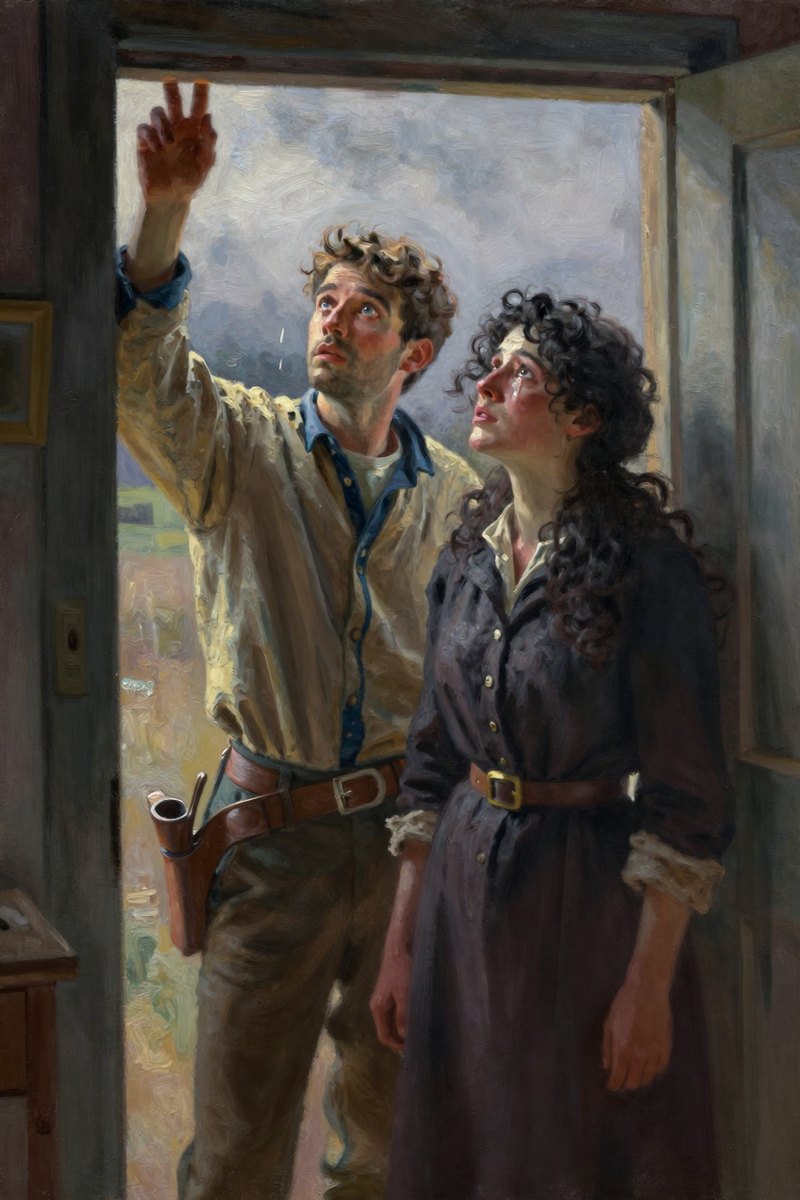
A3. Roxy's sale "down the river" evokes one of the most feared fates in antebellum slave culture, a phrase used with dread since Chapter II, and Twain lets its full horror land only once it actually happens to her. The chapter's final image of Roxy recognizing the river's current and crying out that she is "sole down de river" is one of the novel's most devastating.
**Q4. What questions does the author's use of humor raise for you as a reader of this chapter?**
A4. There is almost no humor in this chapter; its near-total absence is itself notable, marking a tonal shift from the satirical chapters that came before. The reader may ask whether Twain deliberately withheld comedy here to force full confrontation with the human cost of slavery.
**Q5. What do you notice about the central conflict in "CHAPTER XVI."?**
A5. The central conflict of the entire novel sharpens here: Tom's selfish survival instinct is placed directly against his mother's selfless sacrifice, and he chooses betrayal over honesty. This moment cements Tom as capable of profound cruelty, preparing the reader for the murder he will later commit.
## Chapter 17: The Judge Utters Dire Prophecy
**Q1. How does Mark Twain handle an important object or symbol here?**
A1. The missing Indian knife becomes an ominous symbol in this chapter, as Judge Driscoll publicly declares that its owner "would know where to find it whenever he should have occasion to assassinate somebody." This line is presented as a dark joke but proves to be a literal, tragic prophecy.
**Q2. How does Mark Twain handle the opening lines of this chapter here?**
A2. The chapter opens with a satirical epigraph about overdone popularity, immediately undercutting the twins' earlier triumphant reception and signaling their coming political defeat. This ironic framing prepares the reader for the reversal of the twins' fortunes in the election.
**Q3. How does the author's writing style compare to what happened in earlier chapters?**
A3. Twain's style here grows more ominous and compressed, delivering the Judge's chilling prophecy with "ice-cold seriousness" rather than his usual comic flourishes. This tonal shift signals that the novel is moving decisively toward tragedy.
**Q4. What can you say about the author's use of foreshadowing in this chapter?**
A4. The Judge's public taunt about the knife is the novel's most explicit foreshadowing, directly predicting the murder weapon that will be used against him. Its ironic fulfillment becomes central evidence in the later trial.
**Q5. How does Mark Twain handle the story's title here?**
A5. The chapter's title, "The Judge Utters Dire Prophecy," directly names the speech as prophetic, inviting the reader to watch for its fulfillment rather than treating it as mere rhetoric. This unusually direct titling choice heightens the sense of impending doom.
## Chapter 18: Roxana Commands
**Q1. How does Mark Twain handle the external obstacles the characters face here?**
A1. Roxy's escape from brutal treatment on the Arkansas plantation—fleeing after striking an abusive overseer to save a young enslaved girl—shows the extreme external obstacles enslaved people faced even under a supposedly "not a bad man" owner. Her desperate flight down the river back to Tom sets up the chapter's central confrontation.
**Q2. How does the author's writing style compare to what happened in earlier chapters?**
A2. Roxy's long first-person account of her escape, rendered in her full dialect voice, gives her a narrative authority and depth rarely afforded to enslaved characters in fiction of this era. This stylistic choice lets her, rather than the narrator, control the telling of her own suffering and resourcefulness.
**Q3. What questions does the opening lines of this chapter raise for you as a reader of this chapter?**
A3. The chapter opens with Tom's discovery that a stranger has entered his rented room, raising immediate tension about who this figure is before revealing it is Roxy in disguise. This mystery-opening technique mirrors the earlier "unknown nymph" mystery, again built around disguise and hidden identity.
**Q4. What do you notice about sensory or descriptive details in this chapter in "CHAPTER XVIII."?**
A4. The rain-soaked, dimly lit room where Roxy confronts Tom, and her request to "shet down dat light" because "a pusson dat is hunted don't like de light," creates a tense, secretive atmosphere fitting her status as a fugitive. These details emphasize the danger surrounding her and the desperation of her situation.
**Q5. What do you notice about an important object or symbol in "CHAPTER XVIII."?**
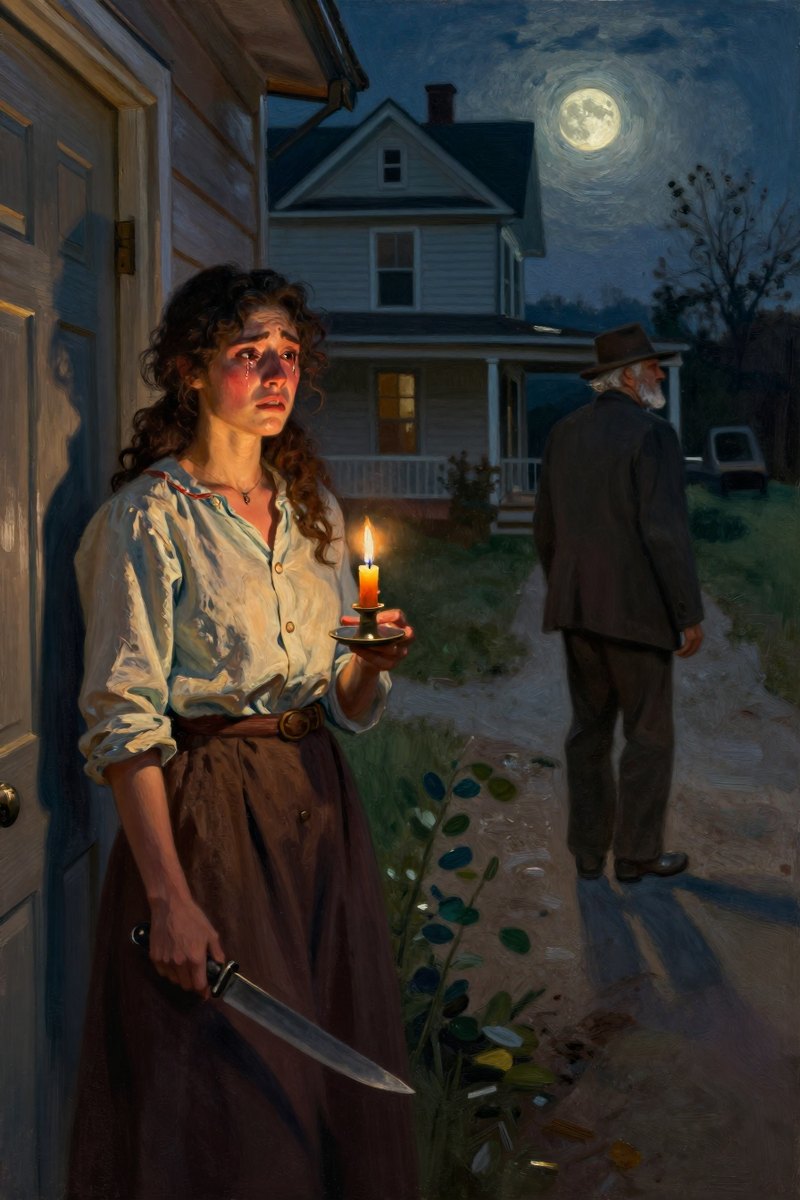
A5. Roxy's knife, which she carries to kill herself rather than be recaptured, is a grim symbol of her resolve and desperation, distinct from but echoing the Indian dagger that will later be used in the murder. It underscores how deeply violence and the threat of violence pervade every level of this society.
## Chapter 19: The Prophecy Realized
**Q1. What do you notice about the central conflict in "CHAPTER XIX."?**
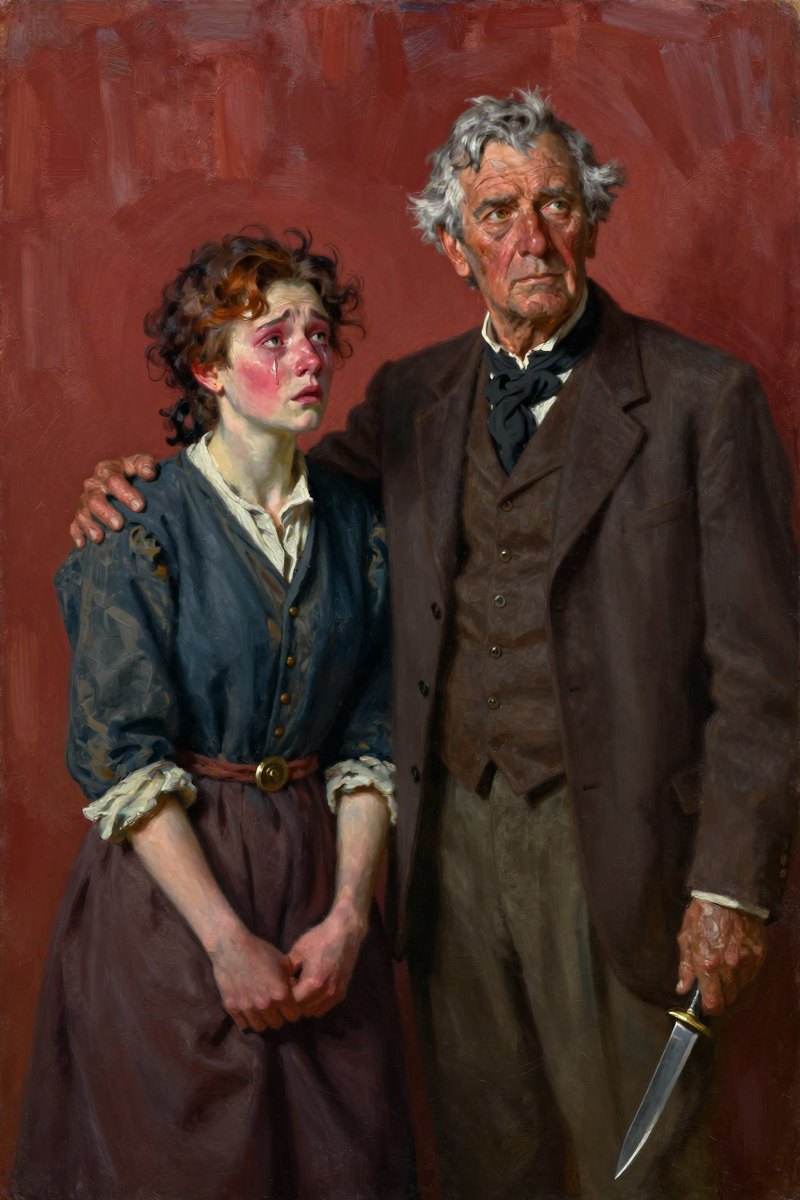
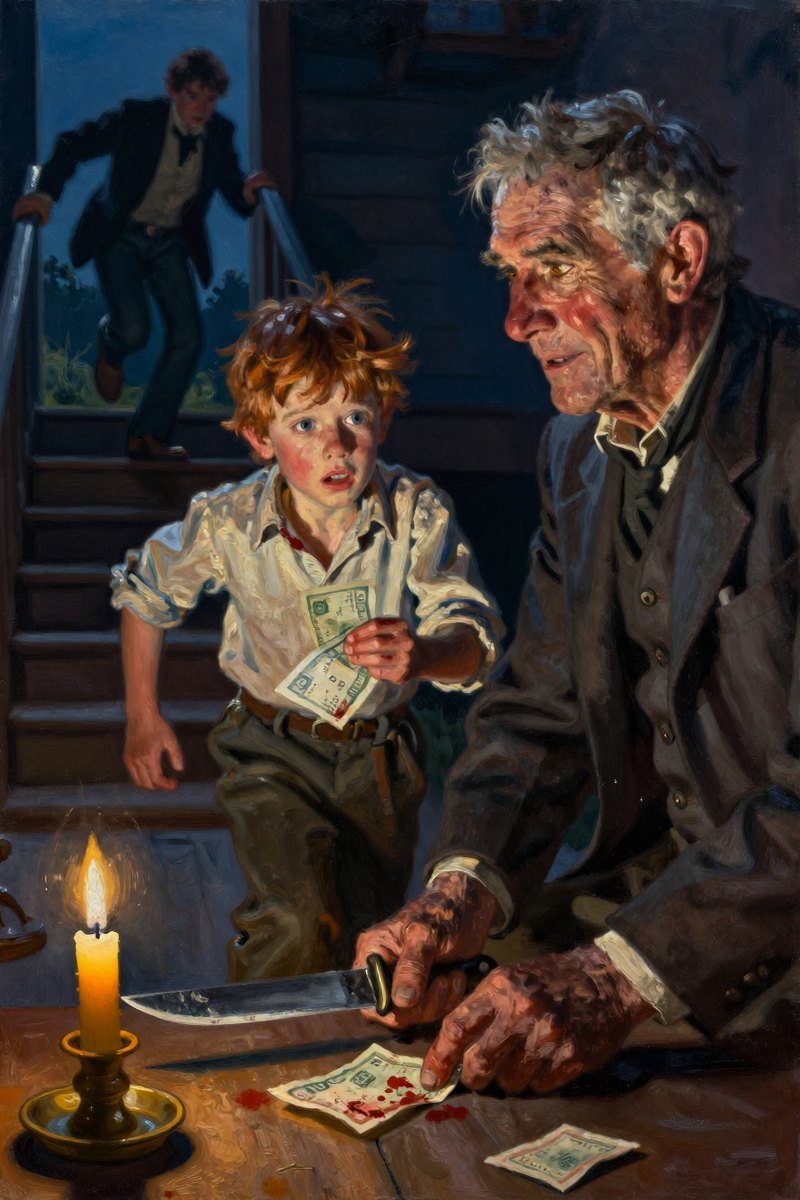
A1. The central conflict reaches its violent climax here as Tom, sneaking into his uncle's house to steal money and repay Roxy's plan, kills Judge Driscoll with the Indian knife after being caught in the act. This moment fulfills the Judge's own dark prophecy from Chapter XVII about the knife being used to "assassinate somebody."
**Q2. How does Mark Twain handle the main characters here?**
A2. Twain handles Tom's crime with clinical, unsentimental detail—his blacked face, his stolen bank-notes, his panicked disposal of the knife—showing a character who acts instinctively rather than out of any grand villainy. The twins, arriving moments later in response to the cry for help, are left "standing aghast over the body," setting up their wrongful accusation.
**Q3. How does Mark Twain handle sensory or descriptive details in this chapter here?**
A3. The dim candlelight, the faint glow from the Judge's night-taper, and the sudden cry of "Help! help!" build a tense, almost cinematic sequence leading up to the murder. These sensory details make the killing feel immediate and unplanned rather than coldly premeditated.
**Q4. How does Mark Twain handle the resolution here?**
A4. The chapter's apparent resolution—Tom escaping undetected and even benefiting financially from his uncle's death—is deeply ironic, since Wilson quietly begins noticing that the finger-prints on the knife do not match either twin. This sets up the true resolution that will only come at the trial.
**Q5. Why might the pacing of the narrative matter to the chapter as a whole?**
A5. The chapter moves rapidly from the murder itself to Tom's cold-blooded response—arranging to buy Roxy free and telegraphing false grief to his aunt—compressing guilt and opportunism into the same scene. This brisk pacing underscores Tom's lack of genuine remorse.
## Chapter 20: The Murderer Chuckles
**Q1. What questions does the mood of this chapter raise for you as a reader of this chapter?**
A1. The chapter's mood shifts unsettlingly between courtroom tension and Tom's private, gloating confidence that he has committed the perfect crime, raising questions about how closely the reader is meant to identify with Wilson's mounting dread versus Tom's false security. Twain lets the reader sit inside Tom's smug interior monologue even while knowing his downfall is near.
**Q2. What questions does the resolution raise for you as a reader of this chapter?**
A2. The chapter ends on Wilson's stunned exclamation, "It's so! Heavens, what a revelation!" after realizing the fingerprint records prove Tom and Chambers were switched in infancy, raising the question of how he will use this discovery to save the twins. The reader is left to wonder how such evidence can be presented convincingly in court.
**Q3. How does the author's narrative choices compare to what happened in earlier chapters?**
A3. Twain's choice to have Tom unknowingly leave fresh fingerprints on Roxy's old glass slide while visiting Wilson is a masterstroke of dramatic irony, paralleling the earlier finger-printing scenes in Chapters II and XI where the same hobby seemed trivial. This narrative choice rewards the reader's earlier attention to Wilson's "harmless" fad.
**Q4. How does Mark Twain handle the emotional impact of the climax here?**
A4. Wilson's exhausted, all-night detective work—comparing infant, childhood, and adult fingerprints until the puzzle clicks into place—builds mounting suspense that mirrors his years of being dismissed as a "pudd'nhead." His triumphant realization is emotionally satisfying precisely because of that long history of humiliation.
**Q5. What can you say about the emotional impact of the climax in this chapter?**
A5. Tom's casual visit to gloat over Wilson's apparently failing case, unaware he is leaving the very evidence that will convict him, creates powerful dramatic irony. The reader's emotional experience is one of grim anticipation, knowing Tom's confidence is about to be shattered.
## Chapter 21: Doom
**Q1. Why might the secondary characters matter to the chapter as a whole?**
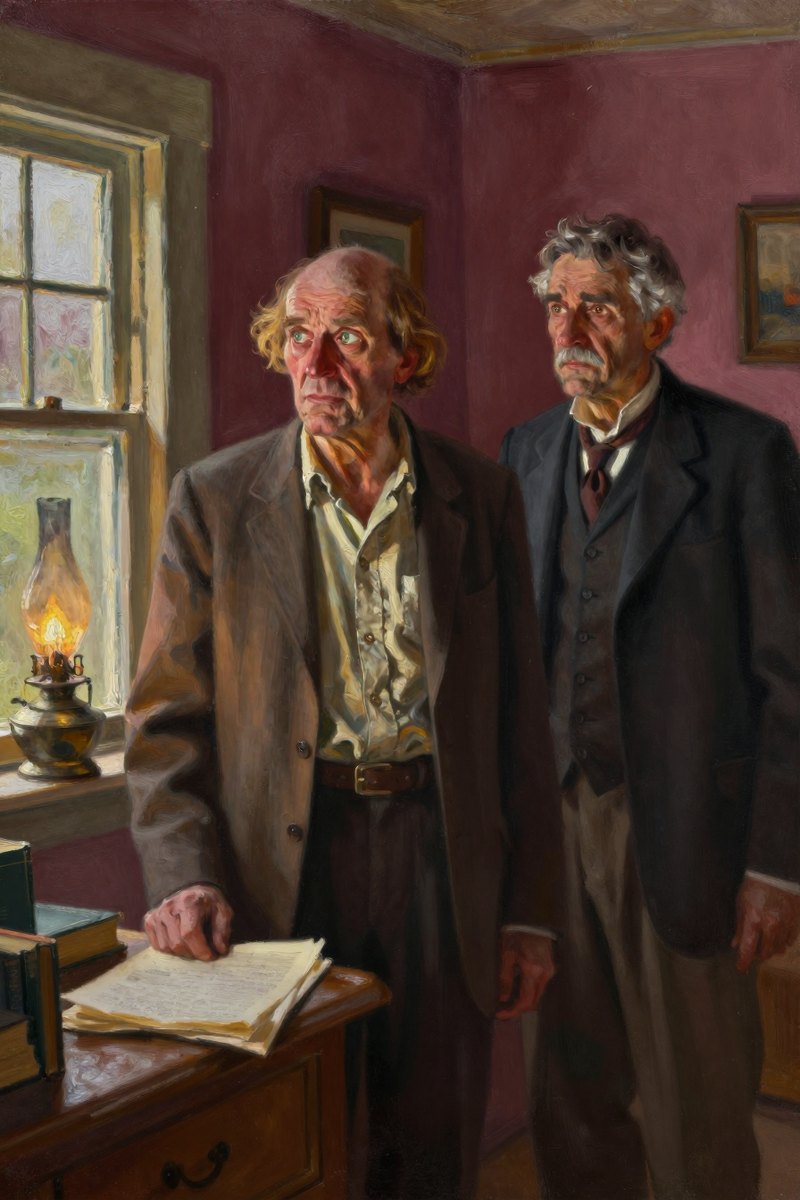
A1. The twins, though innocent, serve as the wrongly accused figures whose fate depends entirely on Wilson's investigation, and their presence in the dock gives the courtroom scene its urgency. Roxy, sitting quietly in the "nigger corner" believing herself safe, provides a devastating secondary perspective on the unfolding reveal.
**Q2. How does the author's intended audience compare to what happened in earlier chapters?**
A2. Twain's contemporary audience, drawn into the courtroom drama much like readers of the recently popular Sherlock Holmes stories, would have appreciated Wilson's methodical fingerprint demonstration as a triumph of forensic reasoning. This chapter rewards readers who have followed the fingerprint motif since Chapter II.
**Q3. How does Mark Twain handle the symbolism in the story here?**
A3. The fingerprints themselves become the novel's ultimate symbol of unshakable truth, described by Wilson as a "physiological autograph" that "can not be counterfeited." Twain uses this scientific symbol to expose the arbitrary, constructed nature of the racial and social identities the whole town had accepted without question.
**Q4. Why might the protagonist's growth matter to the chapter as a whole?**
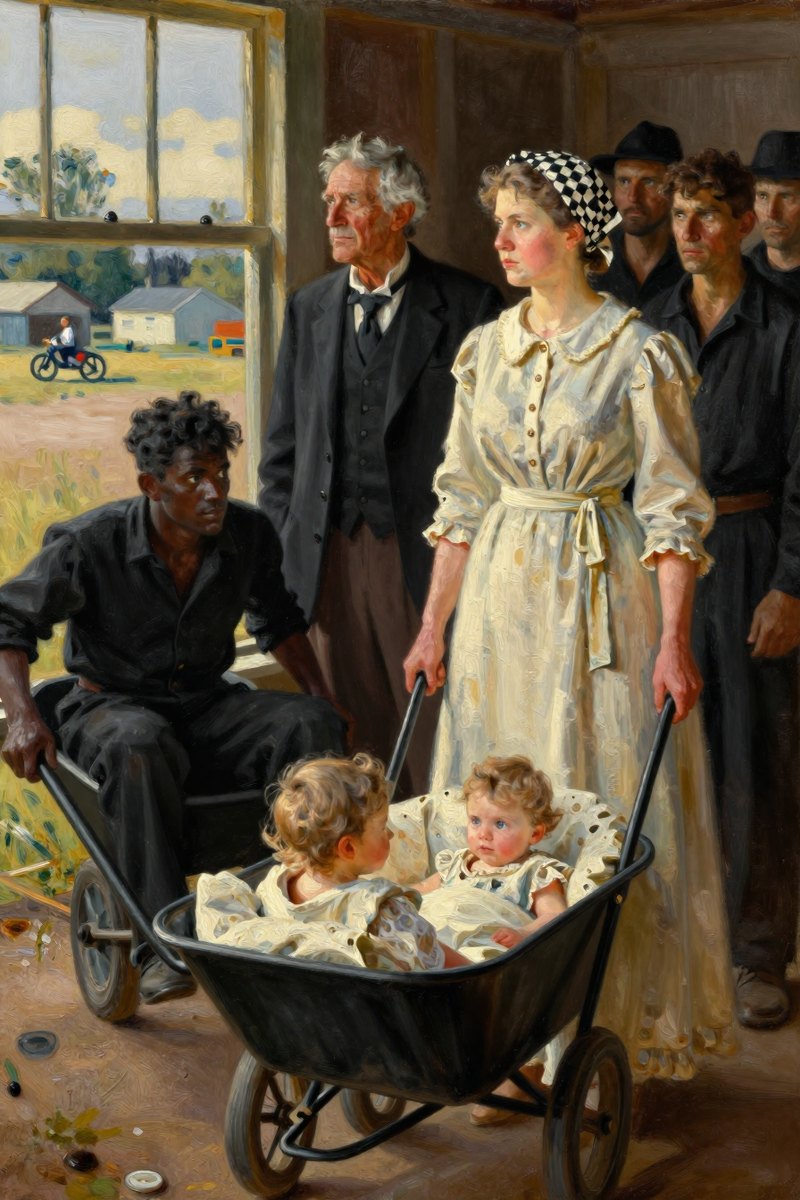
A4. Wilson's growth from a mocked, disregarded "pudd'nhead" to the man who dramatically solves the murder and frees the innocent twins is the emotional core of the chapter. His long-delayed vindication, arriving "before the clock strikes noon," gives the courtroom climax its full triumphant weight.
**Q5. How does Mark Twain handle the story's themes here?**
A5. The chapter delivers the novel's central thematic payoff: that identity based on visible race is a social fiction, exposed here by invisible, scientifically verifiable evidence. Wilson's declaration that Tom is "Valet de Chambre, negro and slave" collapses the entire social order the town had built on a lie, even as the real heir is left unable to reclaim a normal life.
itch made in infancy is enough to completely alter both boys' fates within a system that judges by status rather than substance.